Texas Abuse and Molestation Insurance for Daycares

See How We're Different
Call Us: (940) 268-5112
Running a daycare in Texas means accepting a difficult reality: allegations of abuse or molestation can destroy your business overnight, even when they're completely unfounded. A single accusation triggers immediate investigations, legal fees that climb into six figures, and reputational damage that spreads across social media before you've had a chance to respond. Standard business insurance policies won't protect you here. They specifically exclude these claims, leaving daycare owners exposed to the most devastating risk they face.
Abuse and molestation insurance for daycares in Texas provides specialized liability coverage that fills this critical gap. This isn't about assuming the worst about your staff. It's about recognizing that in childcare, allegations happen to good facilities too. Parents misinterpret injuries, children misunderstand situations, and sometimes bad actors slip through even rigorous screening processes. Texas courts have awarded settlements exceeding $1 million in childcare abuse cases, and defense costs alone can bankrupt a small operation.
The Texas Department of Family and Protective Services investigates thousands of childcare complaints annually. Whether an allegation has merit or not, you'll need legal representation from day one. This coverage ensures you can mount a proper defense while keeping your doors open.
The Necessity of Abuse and Molestation Coverage for Texas Daycares
Limitations of Standard General Liability Policies
Your general liability policy handles slip-and-fall accidents, property damage, and typical bodily injury claims. What it doesn't cover is any claim involving actual or alleged abuse, molestation, harassment, or exploitation. Insurance carriers carved out these exclusions decades ago because the claims are expensive, emotionally charged, and often result in large jury verdicts.
This exclusion applies regardless of fault. Even if your facility did nothing wrong, your general liability insurer will deny the claim and refuse to provide legal defense. You'll receive a reservation of rights letter, and then you're on your own. Defense attorneys specializing in these cases typically charge $300-$500 per hour, and cases often require expert witnesses, forensic interviews, and extensive discovery.
Legal Landscape and Liability Risks in Texas Childcare
Texas ranks among the most litigious states for childcare-related lawsuits. The Dallas-Fort Worth metroplex and Houston see particularly high claim frequencies, partly due to population density and partly due to plaintiff-friendly jury pools in certain counties. Texas law allows parents to sue for both economic and non-economic damages, including emotional distress and loss of consortium.
Daycare operators face liability not just for employee misconduct but for failure to prevent harm. If a jury determines you should have known about a risk and failed to act, you're liable. This includes inadequate supervision, improper background checks, or ignoring warning signs. A single lawsuit can name the facility, the owner personally, the board of directors, and individual employees.


By: Linda Dodson
Agency Director at
Denton Business Insurance
Key Components of a Specialized Liability Policy
Coverage for Legal Defense and Settlement Costs
The most valuable aspect of specialized coverage is immediate access to legal defense. Quality policies provide defense costs outside the policy limits, meaning your $1 million in coverage remains intact for settlements or judgments. Some policies include defense within limits, which can quickly erode your available coverage.
Look for policies that cover defense from the moment an allegation surfaces, not just when a lawsuit is filed. Investigations by Child Protective Services, licensing boards, or law enforcement all require legal guidance. The right policy covers attorney fees, expert witness costs, court filing fees, and settlement negotiations.
Vicarious Liability and Negligent Supervision Claims
Vicarious liability makes employers responsible for employee actions during the scope of employment. Even if you had no knowledge of misconduct, you can be held liable. Negligent supervision claims go further, alleging you failed to properly monitor staff or children.
Specialized policies cover both scenarios. They also typically cover claims arising from volunteers, contractors, and anyone acting on behalf of your facility. This matters because many daycares use part-time workers, student teachers, or parent volunteers who may not appear on your standard payroll.
Inclusion of Innocent Party Defense
Here's something many owners overlook: innocent party defense coverage. When an employee is accused, the facility often needs to defend itself separately from the accused individual. Your interests may directly conflict. The facility might need to demonstrate it had proper policies while the employee claims they followed those policies exactly.
Quality policies provide separate defense counsel for the organization when an employee faces allegations. This prevents conflicts of interest and ensures your facility's defense isn't compromised by defending the accused individual.
Texas-Specific Regulatory Compliance and Safety Standards
Meeting Texas Health and Human Services (HHS) Requirements
Texas Health and Human Services Commission licenses and regulates childcare facilities through minimum standards that directly impact your liability exposure. These standards cover staff-to-child ratios, supervision requirements, facility layout, and incident reporting procedures. Violating these standards during an incident dramatically increases your liability.
Licensed centers must maintain specific ratios: one adult per four infants, one per nine two-year-olds, and so on. Failing to meet these ratios when an incident occurs gives plaintiffs a powerful argument. Your insurance carrier will also scrutinize compliance, and policy coverage can be affected by regulatory violations.
Background Check Mandates and Risk Mitigation
Texas requires fingerprint-based criminal background checks through the Texas Department of Public Safety and FBI databases for all childcare employees. The Texas Child Care Licensing system maintains a central registry of individuals prohibited from working in childcare.
Going beyond minimum requirements reduces both your risk and your premiums. Consider implementing annual re-checks rather than just at hiring, checking references from previous childcare employers specifically, and reviewing sex offender registries in all states where employees have lived. Denton Business Insurance works with carriers who offer premium credits for facilities exceeding minimum background check requirements.

Determining Appropriate Coverage Limits and Deductibles
| Coverage Level | Per Occurrence Limit | Annual Aggregate | Typical Premium Range | Best For |
|---|---|---|---|---|
| Basic | $100,000 | $300,000 | $800-$1,500 | Small home daycares |
| Standard | $500,000 | $1,000,000 | $1,500-$3,000 | Mid-size centers |
| Enhanced | $1,000,000 | $2,000,000 | $3,000-$6,000 | Large facilities |
| Premium | $2,000,000+ | $5,000,000 | $6,000-$12,000 | Multi-location operations |
Most Texas daycare lawsuits settle between $250,000 and $750,000, though verdicts can reach into the millions. A $1 million per occurrence limit with a $2 million aggregate provides adequate protection for most single-location centers. Facilities in high-litigation areas like Harris County or Dallas County should consider higher limits.
Deductibles typically range from $1,000 to $10,000. Higher deductibles reduce premiums by 10-20%, but you'll pay that amount out of pocket for each claim. For facilities with strong risk management programs and clean claims histories, a $5,000 deductible often provides the best balance.
Implementing 'Rule of Two' and Surveillance Protocols
The "Rule of Two" requires that no employee is ever alone with a child. This single policy dramatically reduces both risk and insurance costs. Carriers recognize that most abuse occurs in isolated situations, and facilities enforcing this rule consistently see premium reductions of 5-15%.
Video surveillance in all common areas provides both deterrent effect and documentation. Cameras should cover playrooms, nap areas, changing stations, and outdoor spaces. Ensure your policy addresses surveillance: some carriers require it, others offer discounts for it. Denton Business Insurance can help you understand which carriers value your specific risk management investments.
Staff Training and Abuse Prevention Education
Annual training on abuse recognition, prevention, and reporting isn't just good practice: it's a premium reducer. Document all training with sign-in sheets, curricula, and completion certificates. Carriers want to see specific programs like Darkness to Light's Stewards of Children or similar evidence-based curricula.
Training should cover recognizing grooming behaviors, appropriate physical contact policies,
mandatory reporting requirements under Texas law, and proper documentation of incidents. Staff who understand these issues become your first line of defense against both actual abuse and false allegations.
Selecting the Right Specialized Carrier in the Texas Market
Not all carriers write abuse and molestation coverage, and among those that do, policy terms vary significantly. Look for carriers with A.M. Best ratings of A- or better, specific experience in childcare risks, and claims handling teams familiar with Texas regulations.
Avoid policies with excessive exclusions, particularly those excluding claims arising from corporal punishment, restraint, or seclusion. While you may never use physical discipline, allegations can frame normal redirection as inappropriate physical contact. Broad coverage language protects against creative plaintiff attorneys.
Independent agencies like Denton Business Insurance access multiple carriers simultaneously, comparing terms and pricing across the Texas market. This matters because specialized coverage isn't commoditized: the same facility might receive quotes ranging from $1,800 to $4,500 depending on the carrier. Working with an agency that understands childcare-specific risks ensures you're not overpaying for inadequate coverage.
Frequently Asked Questions
Does my general liability policy cover abuse allegations at all? No. Standard general liability policies contain specific exclusions for abuse, molestation, and sexual misconduct claims. You need a separate specialized policy or an endorsement specifically adding this coverage.
How much does abuse and molestation insurance cost for a Texas daycare? Premiums typically range from $800 to $6,000 annually depending on facility size, location, coverage limits, and risk management practices. A 50-child center in the Dallas area with $1 million limits usually pays between $2,000 and $4,000.
Are home-based daycares required to carry this coverage? Texas doesn't mandate this coverage for any daycare type. That said, operating without it exposes your personal assets to catastrophic risk. Home-based operators face additional exposure because their personal residence becomes part of any lawsuit.
What happens if an allegation is made against my facility? Contact your insurance carrier immediately, before speaking with investigators or parents beyond basic acknowledgment. Your carrier will assign defense counsel and guide you through the investigation and any resulting litigation.
Can I be sued even if the allegation is proven false?
Yes. Parents can file civil lawsuits regardless of criminal investigation outcomes. Defense costs apply whether allegations have merit or not, which is precisely why this coverage matters.
Making the Right Choice for Your Facility
Protecting your daycare from abuse and molestation claims isn't optional in Texas: it's essential for survival. The combination of high litigation rates, substantial jury awards, and the emotional nature of these cases means even unfounded allegations can devastate an uninsured facility.
Start by evaluating your current coverage and identifying gaps. Review your risk management practices against carrier requirements. Then work with an independent agency that can compare specialized carriers across the Texas market. The right policy provides peace of mind and financial protection, letting you focus on what matters: caring for the children who depend on you.
Straight from the Clients We Serve
Texas Business Owners Rate Us 5 Stars — Here Is Why
We hear the same things repeatedly: fast service, honest advice, and coverage that made sense for their situation. That is what we aim for every time.
Protection Across Every Area of Your BUSINESS
What Texas Businesses Need. What We Deliver.
From your job site and your fleet to your data and your payroll — we cover the risks that Texas businesses carry every day.
General Liability
Covers third-party claims of bodily injury, property damage, and advertising injury. A foundational protection for nearly every Texas business, regardless of industry or size.
Commercial Property
Covers your building, equipment, inventory, and business contents against fire, theft, storms, and vandalism. Can also include lost income if your businesses are forced to stop.
Commercial Auto
Protects vehicles your company owns, leases, or uses for work. Covers liability, collision damage, and injuries for employees driving on company time.
Errors & Omissions
Protects service providers when a client claims your advice, work, or recommendations caused them a financial loss. Critical for consultants, IT firms, agents, and other professional service businesses.
Directors & Officers
Covers leadership decisions that result in claims from employees, investors, or outside parties. Protects your directors and officers personally when management decisions are challenged.
Inland Marine & Equipment Floater
Covers tools, materials, and equipment that move between job sites or are stored off your primary property. Fills the gap where a standard commercial property policy stops.
Every Sector Has Its Own Risk Profile
We Know Your Trade. We Know Your Exposure.
We work with a wide range of Texas industries — each with different coverage priorities. Below are the sectors we serve most often.

Apartment Complexes
Texas apartment owners face liability across common areas, tenant incidents, and on-site staff. We cover your property, your income, and your exposure — across one complex or an entire portfolio.

Manufacturing Businesses
Equipment breakdowns, product liability, and workforce injuries are daily risks for Texas manufacturers. We build coverage from the shop floor to the loading dock — so one incident does not shut you down.
Artisan Contractors
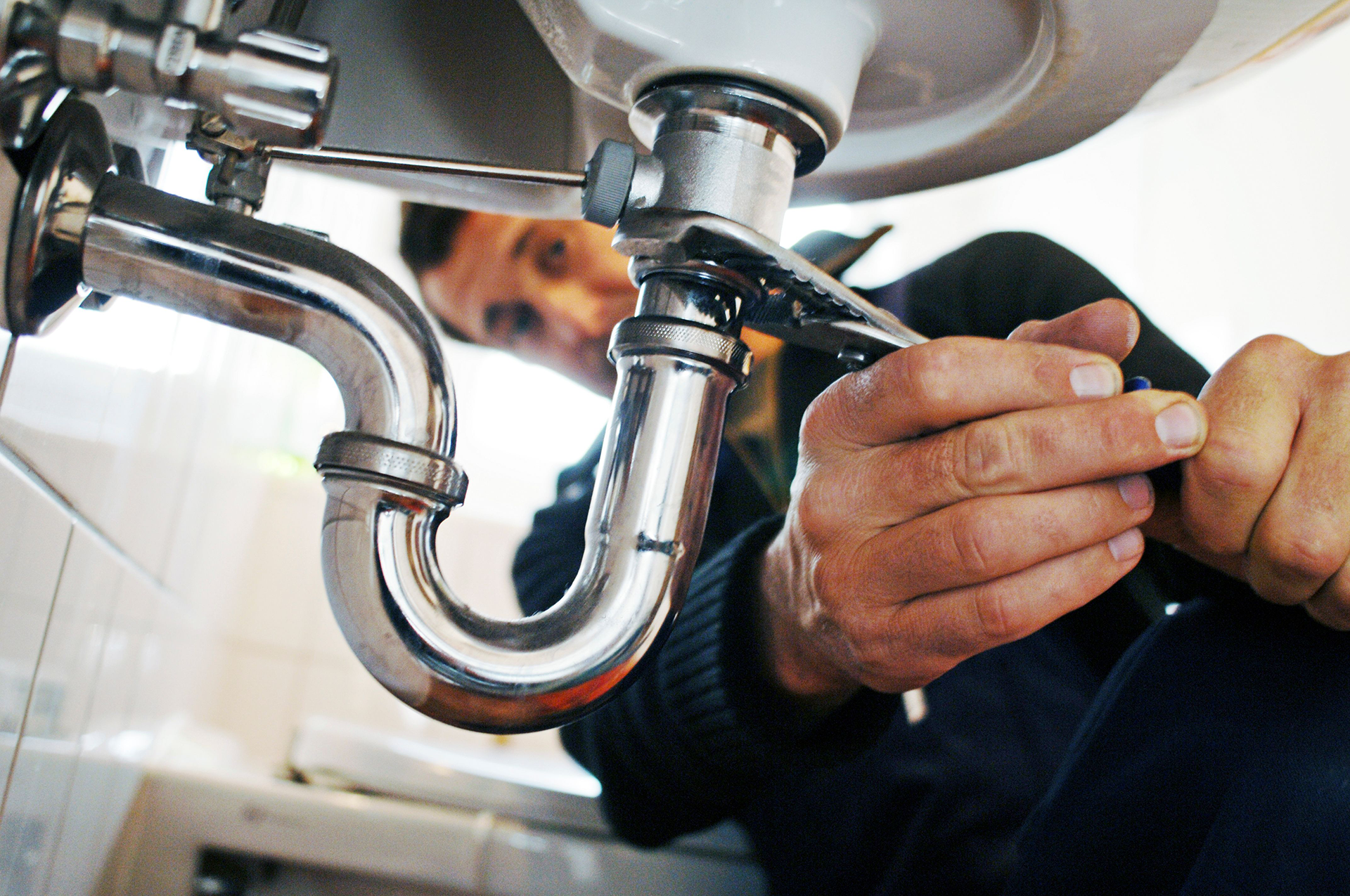
Plumbers, electricians, and skilled tradespeople work in high-risk environments every day. We build coverage around your tools, your vehicles, and your crew — so a job site incident does not stop your business.

Restaurants & Food Service
Restaurants carry liability on every shift — from the kitchen to the dining room and everything in between. We protect your location, your staff, and your equipment, including lost income when operations stop.

Non-Profits Service
Non-profits face unique liability across events, volunteers, staff, and leadership decisions. We cover your organization from the ground up — so you can focus on your mission, not your exposure.

Event Insurance
Event organizers face liability the moment guests arrive, vendors set up, and alcohol is served. We cover your event from start to finish — so one unexpected incident does not cancel everything you planned for.
Answers Before You Pick Up the Phone
What Texas Businesses Ask Us Most
We get a lot of the same questions from business owners across Texas. Here are honest answers to the ones that come up most.

What information do you need to get a commercial insurance quote?
We keep the process straightforward. We typically need your business name, a description of your operations, your gross annual sales projection, number of full-time and part-time employees, your gross annual payroll, and the types of coverage you are looking for. If you have an existing policy, the expiration date and current carrier help us put together a competitive comparison.
The most important thing you can do is be transparent about what your business actually does. Accurate classification ensures you have real coverage if a claim occurs. We have seen businesses with active policies that were incorrectly classified — and those gaps only surface at the worst possible moment.
Does Texas require businesses to carry Workers' Compensation Insurance?
Texas is the only state in the country that does not require most private employers to carry Workers' Compensation. However, if your business holds government contracts or works as a subcontractor on a job site, the hiring company will almost always require proof of coverage before work begins. A growing number of general contractors across Denton and the DFW area enforce this as a standard condition.
Even without a legal requirement, carrying Workers' Comp protects your business from direct liability if an employee is hurt on the job. Medical bills, lost wages, and legal fees can add up quickly — and one serious incident can create a financial loss that far exceeds years of premium payments.
What is a commercial insurance audit and should I expect one?
Most commercial general liability policies are auditable. At the end of your policy term, the insurance carrier reviews your actual gross sales to make sure your premium matched your real exposure. If your sales grew during the year, you may owe an additional premium. If sales came in lower, you could receive a refund.
The best way to avoid a large balance due at audit time is to update your projected gross sales with us during the year if your business grows faster than expected. We can endorse your policy mid-term to reflect the change and spread any additional premium across smaller installments instead of one lump sum at year-end.
What factors affect how much my commercial coverage will cost?
Your premium is calculated based on several variables specific to your operation — industry classification, gross annual sales, number of employees, gross payroll, claims history, and the types of coverage you need. A business that handles physical work with a crew on job sites will pay differently than a professional services firm working out of an office.
As an independent agency, we compare quotes across multiple carriers — including Travelers, The Hartford, Chubb, AmTrust, and others — to find the combination of coverage and price that works for your situation. There is no obligation after your quote, and we walk through every option in plain terms before you decide anything.
My business is a restaurant — what coverage do I actually need?
Restaurants are not a one-size-fits-all class of risk. Carriers look at a range of factors when evaluating a restaurant account: whether you serve alcohol, whether deep frying is involved, the type of fire suppression system in place, whether you have a hood cleaning contract, and whether you offer catering, delivery, or live entertainment. All of these affect both pricing and carrier appetite.
A well-structured restaurant policy typically includes general liability, building and business personal property coverage, liquor liability if applicable, food contamination coverage, business income protection, and workers' compensation for your staff. We work with carriers that actively want to write restaurant accounts in Texas — including Travelers, The Hartford, and Chubb — so you have real options to compare.
Can you help insure a business that is hard to place or outside the mainstream?
Yes — this is one of our strengths. We work with Excess and Surplus (E&S) lines markets through carriers like Burns & Wilcox for businesses that standard carriers will not write. We have placed coverage for master sign electricians, cable splicing operations, transmission rebuild shops for classic cars, CBD retailers, and many other non-standard accounts.
If you have been told your business is difficult to insure or you have received very limited options in the marketplace, reach out to us. We take time to understand your operations in detail, present your account to the right markets, and work to find coverage that actually reflects what you do — not a generic policy that leaves gaps.
Still have Question?
We’re here to help you!
Written for the Texas Business Owner
Insights That Help You Make Smarter Decisions
We publish articles on real topics that affect how Texas operators get covered — from local regulatory updates to coverage gaps most owners do not know they have.