A single catastrophic event can transform a profitable laundromat into a financial nightmare. Picture this: a severe hailstorm tears through North Texas, shattering your storefront windows and damaging the roof. Water pours in, destroying six commercial washers worth $8,000 each. Your standard commercial policy kicks in, but the adjuster informs you that mechanical damage from water intrusion isn't covered under your current terms. You're looking at $50,000 in losses with minimal reimbursement.
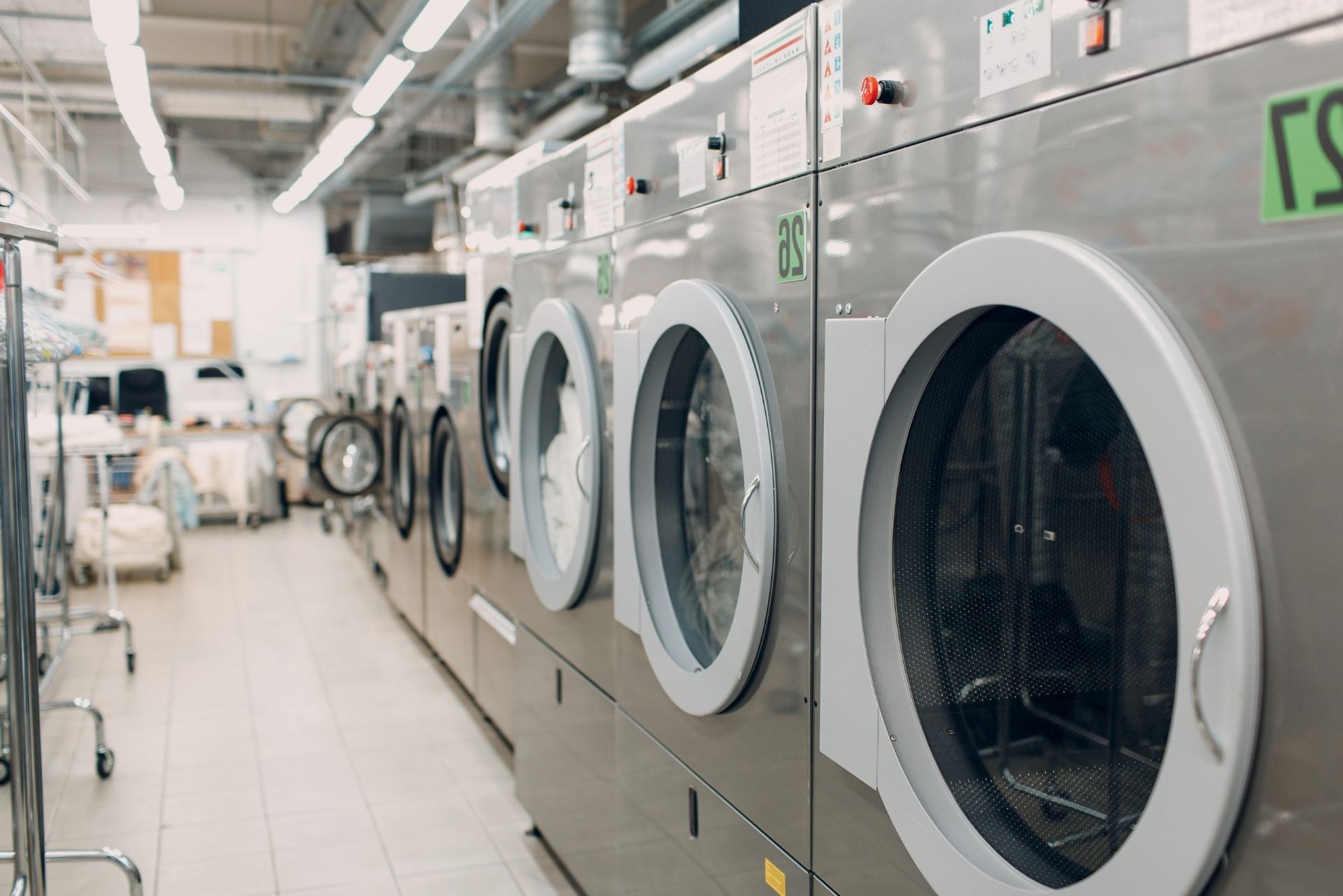
This scenario plays out across Texas more often than most laundromat owners realize. The state's unique geography creates a patchwork of risks that generic commercial policies simply weren't designed to address. From hurricane-force winds along the Gulf Coast to softball-sized hail in the Dallas-Fort Worth metroplex, Texas throws everything at business owners. Laundromats face additional vulnerabilities because their core assets are expensive commercial equipment that requires specialized coverage considerations.
Property insurance for Texas laundromats demands a tailored approach. The combination of high-value machinery, water-intensive operations, and regional weather extremes means cookie-cutter policies leave dangerous gaps. Understanding what your laundromat actually needs, and what standard policies typically exclude, can mean the difference between recovering from disaster and closing your doors permanently. Working with an independent agency like Denton Business Insurance allows you to compare options from multiple carriers, ensuring your coverage matches your actual risk profile rather than a generic template.
The Landscape of Laundromat Property Insurance in Texas
Regional Risks: From Gulf Coast Hurricanes to North Texas Hail
Texas isn't one insurance market; it's several distinct risk zones sharing state borders. Houston-area laundromats face hurricane and tropical storm exposure that requires windstorm coverage through the Texas Windstorm Insurance Association (TWIA) in coastal counties. The 2017 Hurricane Harvey aftermath revealed how many business owners had inadequate flood coverage, with losses exceeding policy limits by hundreds of thousands of dollars.
Move inland to Dallas, Fort Worth, or San Antonio, and hail becomes the primary concern. North Texas experiences more hail events than almost anywhere else in the country. A 2022 storm caused over $1 billion in property damage across the metroplex in a single evening. For laundromats with flat commercial roofs and large glass storefronts, hail damage can cascade into interior equipment damage when water intrusion follows.
Winter Storm Uri in 2021 demonstrated another Texas-specific vulnerability. Frozen pipes burst across the state, flooding businesses that had never experienced winter weather claims. Laundromats with their extensive plumbing systems suffered particularly severe damage.
Why Standard Commercial Policies May Fall Short
Most commercial property policies use standardized forms that work reasonably well for office buildings or retail shops. Laundromats operate differently. Your equipment isn't standard inventory sitting on shelves; it's specialized machinery with complex mechanical and electrical systems.
Standard policies often exclude or limit coverage for mechanical breakdown, electrical surge damage, and equipment-specific water damage. They may cover the building shell adequately while leaving your $200,000 equipment investment underprotected. Deductibles can also create problems. Wind and hail deductibles in Texas often run 1-2% of the insured value, meaning a $500,000 property could carry a $10,000 deductible before coverage kicks in.
By: David Call
Founder & CEO of
Denton Business Insurance
Protecting the Core: Specialized Equipment Coverage
Mechanical Breakdown Insurance for Washers and Dryers
Commercial washers and dryers fail. Bearings wear out, motors burn up, control boards malfunction. Standard property insurance covers damage from external causes like fire or vandalism but typically excludes internal mechanical failure. That's where equipment breakdown coverage, sometimes called boiler and machinery insurance, becomes essential.
This coverage pays for repair or replacement when equipment fails due to mechanical or electrical breakdown. For a laundromat with 20 commercial washers averaging $6,000 each and 15 dryers at $4,000 each, equipment breakdown coverage protects a $180,000 investment that standard policies ignore. Premiums typically run $500-$1,500 annually depending on equipment age and value, making this one of the better coverage investments available.
Replacement Cost vs. Actual Cash Value for High-End Machinery
The valuation method in your policy determines how much you'll actually receive after a loss. Actual cash value (ACV) policies pay replacement cost minus depreciation. A five-year-old commercial washer with a 10-year expected lifespan might only pay out 50% of replacement cost under ACV terms.
Replacement cost coverage pays what it actually costs to replace damaged equipment with comparable new items. The premium difference between ACV and replacement cost typically runs 10-20%, but the payout difference after a major loss can be substantial. For high-end equipment like Speed Queen or Dexter commercial machines, replacement cost coverage prevents you from receiving a check that only covers half of what you need to reopen.
Building and Structural Safeguards
Tenant Improvements and Betterments for Leased Spaces
Most Texas laundromats operate in leased commercial spaces. You've likely invested significantly in build-out costs: plumbing infrastructure, electrical upgrades, flooring, and fixtures. Your landlord's building insurance doesn't cover your improvements. Without tenant improvement coverage, a fire that destroys your build-out leaves you paying to rebuild everything while still owing on your original investment.
Tenant improvement coverage, also called betterments coverage, protects these investments. Document your build-out costs carefully and update coverage amounts when you make significant improvements. A typical laundromat build-out runs $50,000-$150,000, making this coverage essential for leased locations.
Signage and Glass Coverage Requirements
Laundromats depend on visibility. Large storefront windows and prominent signage attract customers. Both face significant exposure in Texas weather. Standard property policies may limit sign coverage to $1,000-$2,500, well below replacement cost for illuminated exterior signage. Glass coverage often carries separate deductibles or sublimits.
Review your policy's treatment of signs and glass specifically. Enhanced sign coverage typically costs $50-$150 annually for adequate limits. Plate glass coverage can be added as an endorsement, eliminating deductibles for window replacement.
Critical Policy Add-Ons for Laundry Businesses
Business Income Interruption and Extra Expense
Property damage creates two financial problems: repair costs and lost income during repairs. Business income coverage replaces lost revenue while your laundromat can't operate. Extra expense coverage pays additional costs incurred to resume operations faster, like renting temporary equipment or relocating to a temporary space.
Calculate your coverage needs based on actual monthly revenue and realistic repair timelines. A laundromat generating $15,000 monthly with a three-month repair timeline needs at least $45,000 in business income coverage. Most policies include a waiting period, typically 72 hours, before coverage begins.
Utility Services Interruption Coverage
Your laundromat can't operate without water, electricity, or natural gas. When utility service fails due to damage at the utility company's facility, standard business interruption coverage typically doesn't apply because your property wasn't damaged. Utility services interruption coverage fills this gap.
This coverage proved valuable during Winter Storm Uri when power outages lasted days across Texas. Laundromats with this coverage received compensation for lost income even though their buildings and equipment were undamaged.
Bailee's Insurance for Wash-and-Fold Services
If you offer wash-and-fold or drop-off laundry services, you're legally responsible for customers' property in your care. Standard property insurance covers your property, not your customers' belongings. Bailee's insurance protects against claims when customer items are damaged, lost, or stolen while in your possession.
Coverage limits should reflect your typical daily volume. A busy wash-and-fold operation might hold $5,000-$10,000 worth of customer property at any time. Bailee's coverage typically costs $300-$800 annually for adequate limits.
Risk Mitigation: Fire Suppression and Water Leak Detection
Insurance carriers reward risk reduction with lower premiums. Fire suppression systems can reduce premiums 5-15% while protecting against catastrophic loss. Modern water leak detection systems that automatically shut off water supply when leaks are detected address one of the most common laundromat claims.
Dryer lint accumulation causes numerous laundromat fires annually. Documented lint trap cleaning schedules and professional duct cleaning records demonstrate risk management to underwriters. Security systems with monitoring reduce theft and vandalism claims while qualifying for additional discounts.
Navigating the Texas Insurance Marketplace
Texas insurance markets vary significantly by region and risk profile. Coastal properties face limited carrier options and higher premiums. Inland locations have more choices but still need carriers comfortable with laundromat-specific risks.
Working with an independent agency provides access to multiple carriers without shopping each one individually. Denton Business Insurance compares options from carriers like
Nationwide, Travelers, and Chubb to find coverage matching your specific situation. Carrier financial strength matters; look for
A.M. Best ratings of A- or better to ensure claims-paying ability.
| Coverage Type | Typical Annual Cost | What It Protects |
|---|---|---|
| Equipment Breakdown | $500-$1,500 | Mechanical/electrical failure |
| Business Income | $400-$1,200 | Lost revenue during closure |
| Bailee's Coverage | $300-$800 | Customer property in your care |
| Enhanced Sign Coverage | $50-$150 | Exterior signage replacement |
Frequently Asked Questions
Does my landlord's insurance cover my laundromat equipment? No. Landlord policies cover the building structure only. Your equipment, improvements, and business income require separate coverage under your own policy.
How much equipment breakdown coverage do I need? Calculate the total replacement cost of all commercial washers, dryers, and ancillary equipment. Most laundromats need $100,000-$300,000 in equipment coverage.
What's the typical deductible for wind and hail damage in Texas? Most Texas commercial policies carry percentage-based wind/hail deductibles of 1-2% of insured value, meaning potentially $5,000-$15,000 out of pocket before coverage applies.
Can I reduce my premiums without reducing coverage? Yes. Installing fire suppression, water leak detection, and security systems can reduce premiums 10-20% while actually improving protection.
Do I need flood insurance for my laundromat? If you're in a flood zone, yes. Standard property policies exclude
flood damage entirely. Even outside designated flood zones, consider coverage given Texas's unpredictable weather patterns.
Making the Right Coverage Decision
Getting property insurance right for your Texas laundromat requires understanding both your specific risks and the gaps in standard policies. Equipment breakdown coverage, proper valuation methods, and business income protection aren't optional extras; they're essential components of adequate coverage.
Review your current policy against the coverage types discussed here. If you find gaps or have questions about whether your limits match your actual exposure, reach out to Denton Business Insurance for a policy review. The right coverage costs less than one major uninsured loss.

Straight from the Clients We Serve
Texas Business Owners Rate Us 5 Stars — Here Is Why
We hear the same things repeatedly: fast service, honest advice, and coverage that made sense for their situation. That is what we aim for every time.

Protection Across Every Area of Your BUSINESS
What Texas Businesses Need. What We Deliver.
From your job site and your fleet to your data and your payroll — we cover the risks that Texas businesses carry every day.
General Liability
Covers third-party claims of bodily injury, property damage, and advertising injury. A foundational protection for nearly every Texas business, regardless of industry or size.
Commercial Property
Covers your building, equipment, inventory, and business contents against fire, theft, storms, and vandalism. Can also include lost income if your businesses are forced to stop.
Commercial Auto
Protects vehicles your company owns, leases, or uses for work. Covers liability, collision damage, and injuries for employees driving on company time.
Errors & Omissions
Protects service providers when a client claims your advice, work, or recommendations caused them a financial loss. Critical for consultants, IT firms, agents, and other professional service businesses.
Directors & Officers
Covers leadership decisions that result in claims from employees, investors, or outside parties. Protects your directors and officers personally when management decisions are challenged.
Inland Marine & Equipment Floater
Covers tools, materials, and equipment that move between job sites or are stored off your primary property. Fills the gap where a standard commercial property policy stops.
Every Sector Has Its Own Risk Profile
We Know Your Trade. We Know Your Exposure.
We work with a wide range of Texas industries — each with different coverage priorities. Below are the sectors we serve most often.
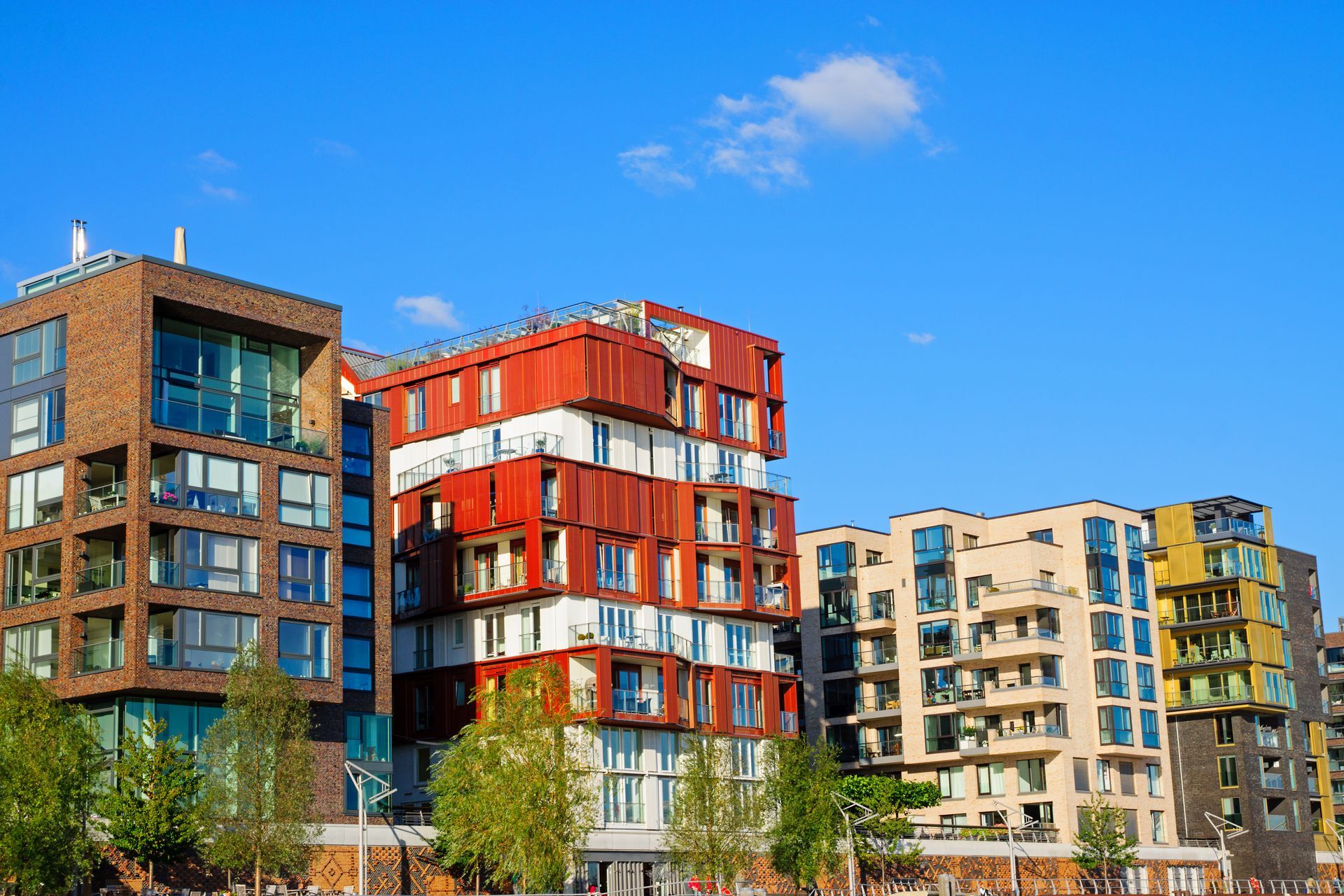
Apartment Complexes
Texas apartment owners face liability across common areas, tenant incidents, and on-site staff. We cover your property, your income, and your exposure — across one complex or an entire portfolio.
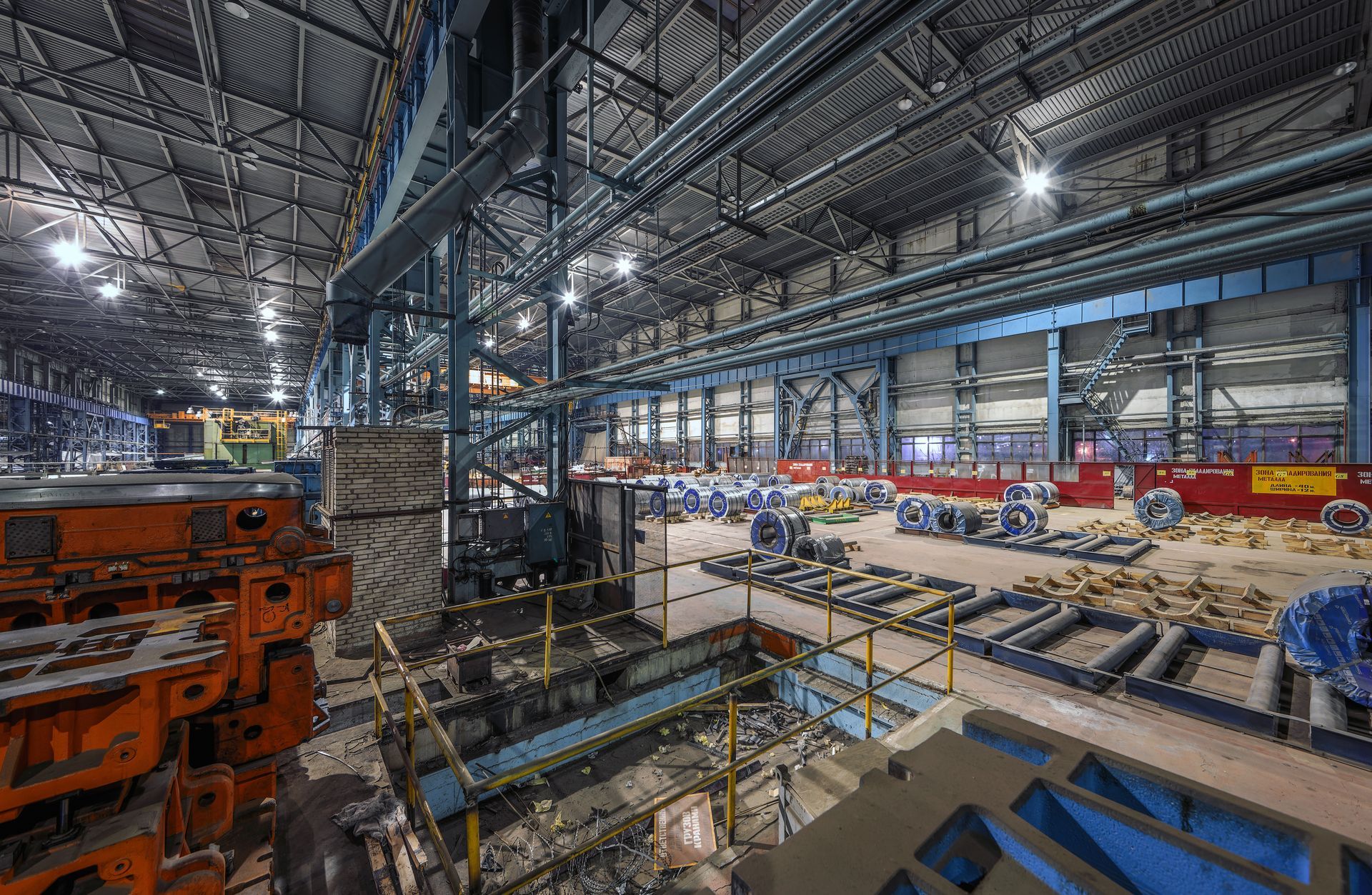
Manufacturing Businesses
Equipment breakdowns, product liability, and workforce injuries are daily risks for Texas manufacturers. We build coverage from the shop floor to the loading dock — so one incident does not shut you down.
Artisan Contractors
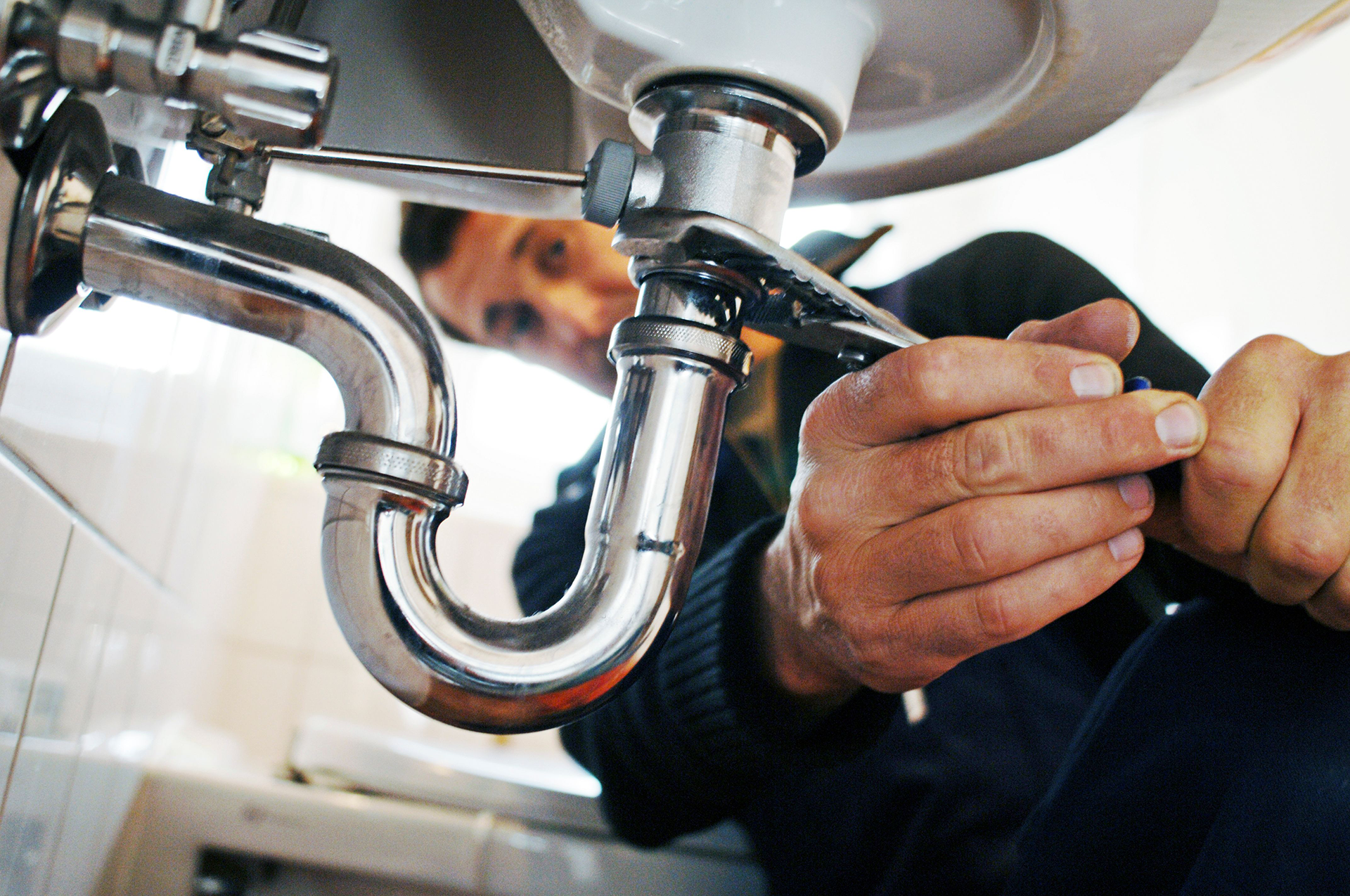
Plumbers, electricians, and skilled tradespeople work in high-risk environments every day. We build coverage around your tools, your vehicles, and your crew — so a job site incident does not stop your business.
Restaurants & Food Service
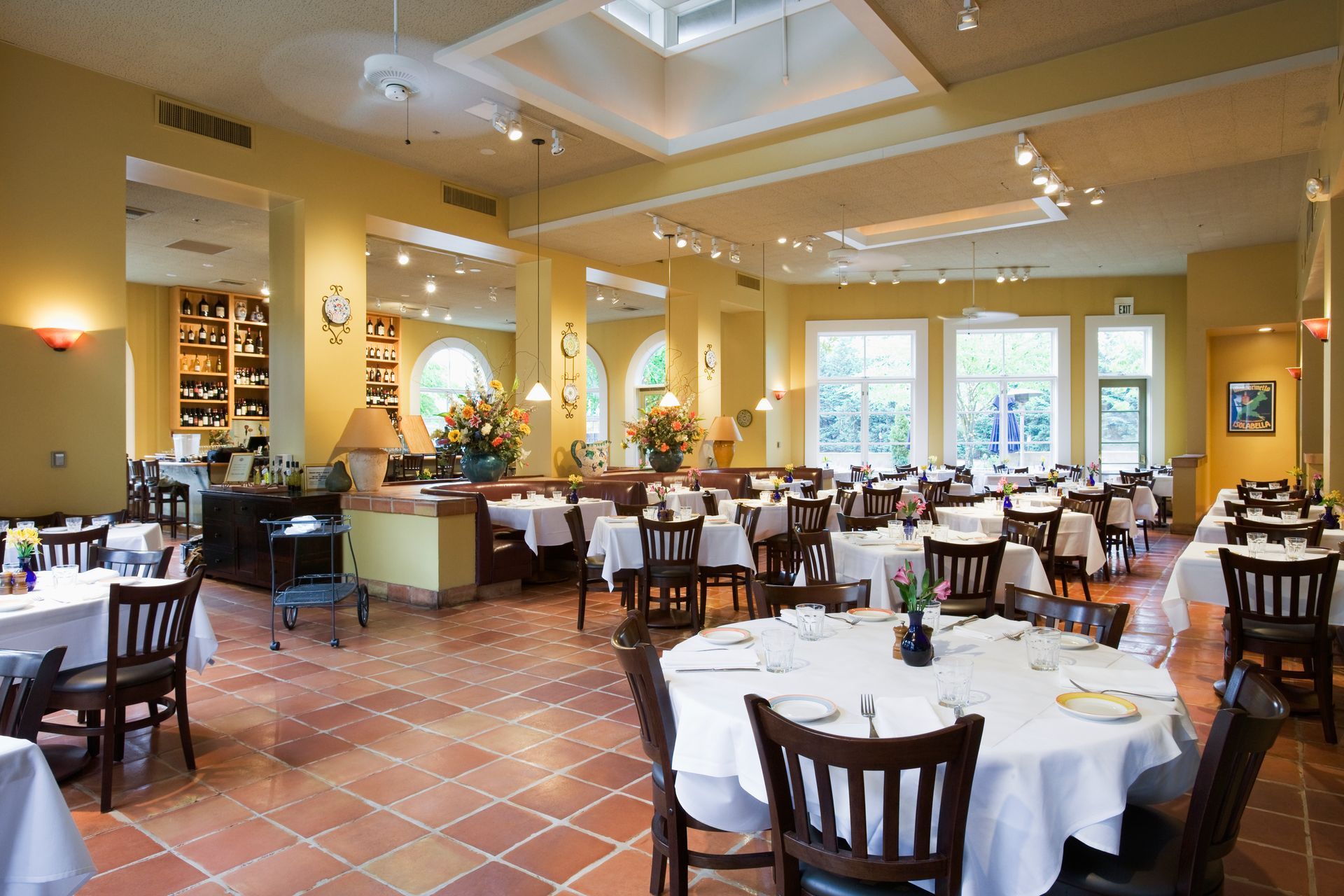
Restaurants carry liability on every shift — from the kitchen to the dining room and everything in between. We protect your location, your staff, and your equipment, including lost income when operations stop.

Non-Profits Service
Non-profits face unique liability across events, volunteers, staff, and leadership decisions. We cover your organization from the ground up — so you can focus on your mission, not your exposure.

Event Insurance
Event organizers face liability the moment guests arrive, vendors set up, and alcohol is served. We cover your event from start to finish — so one unexpected incident does not cancel everything you planned for.
Answers Before You Pick Up the Phone
What Texas Businesses Ask Us Most
We get a lot of the same questions from business owners across Texas. Here are honest answers to the ones that come up most.
What information do you need to get a commercial insurance quote?
We keep the process straightforward. We typically need your business name, a description of your operations, your gross annual sales projection, number of full-time and part-time employees, your gross annual payroll, and the types of coverage you are looking for. If you have an existing policy, the expiration date and current carrier help us put together a competitive comparison.
The most important thing you can do is be transparent about what your business actually does. Accurate classification ensures you have real coverage if a claim occurs. We have seen businesses with active policies that were incorrectly classified — and those gaps only surface at the worst possible moment.
Does Texas require businesses to carry Workers' Compensation Insurance?
Texas is the only state in the country that does not require most private employers to carry Workers' Compensation. However, if your business holds government contracts or works as a subcontractor on a job site, the hiring company will almost always require proof of coverage before work begins. A growing number of general contractors across Denton and the DFW area enforce this as a standard condition.
Even without a legal requirement, carrying Workers' Comp protects your business from direct liability if an employee is hurt on the job. Medical bills, lost wages, and legal fees can add up quickly — and one serious incident can create a financial loss that far exceeds years of premium payments.
What is a commercial insurance audit and should I expect one?
Most commercial general liability policies are auditable. At the end of your policy term, the insurance carrier reviews your actual gross sales to make sure your premium matched your real exposure. If your sales grew during the year, you may owe an additional premium. If sales came in lower, you could receive a refund.
The best way to avoid a large balance due at audit time is to update your projected gross sales with us during the year if your business grows faster than expected. We can endorse your policy mid-term to reflect the change and spread any additional premium across smaller installments instead of one lump sum at year-end.
What factors affect how much my commercial coverage will cost?
Your premium is calculated based on several variables specific to your operation — industry classification, gross annual sales, number of employees, gross payroll, claims history, and the types of coverage you need. A business that handles physical work with a crew on job sites will pay differently than a professional services firm working out of an office.
As an independent agency, we compare quotes across multiple carriers — including Travelers, The Hartford, Chubb, AmTrust, and others — to find the combination of coverage and price that works for your situation. There is no obligation after your quote, and we walk through every option in plain terms before you decide anything.
My business is a restaurant — what coverage do I actually need?
Restaurants are not a one-size-fits-all class of risk. Carriers look at a range of factors when evaluating a restaurant account: whether you serve alcohol, whether deep frying is involved, the type of fire suppression system in place, whether you have a hood cleaning contract, and whether you offer catering, delivery, or live entertainment. All of these affect both pricing and carrier appetite.
A well-structured restaurant policy typically includes general liability, building and business personal property coverage, liquor liability if applicable, food contamination coverage, business income protection, and workers' compensation for your staff. We work with carriers that actively want to write restaurant accounts in Texas — including Travelers, The Hartford, and Chubb — so you have real options to compare.
Can you help insure a business that is hard to place or outside the mainstream?
Yes — this is one of our strengths. We work with Excess and Surplus (E&S) lines markets through carriers like Burns & Wilcox for businesses that standard carriers will not write. We have placed coverage for master sign electricians, cable splicing operations, transmission rebuild shops for classic cars, CBD retailers, and many other non-standard accounts.
If you have been told your business is difficult to insure or you have received very limited options in the marketplace, reach out to us. We take time to understand your operations in detail, present your account to the right markets, and work to find coverage that actually reflects what you do — not a generic policy that leaves gaps.
Still have Question?
We’re here to help you!
Written for the Texas Business Owner
Insights That Help You Make Smarter Decisions
We publish articles on real topics that affect how Texas operators get covered — from local regulatory updates to coverage gaps most owners do not know they have.