Serving on your HOA board seemed like a good idea at the time. You wanted to improve the neighborhood, keep property values strong, and maybe finally get those speed bumps installed on Oak Street. What nobody mentioned was the lawsuit risk. Texas HOA directors face personal liability for decisions made on behalf of the association, and a single disgruntled homeowner with an attorney can turn your volunteer position into a financial nightmare. Directors and officers coverage for Texas associations exists specifically to protect board members from claims alleging wrongful acts, mismanagement, or breach of fiduciary duty. Without this protection, your personal assets sit exposed every time you vote on an assessment increase or approve a vendor contract. The Texas legal landscape creates unique challenges for HOA boards, from specific immunity provisions in the Business Organizations Code to Fair Housing Act compliance requirements that trip up even experienced directors. Understanding how D&O insurance works in the Lone Star State helps boards make informed decisions about coverage limits, policy endorsements, and risk management strategies that actually protect volunteers from financial ruin.
Understanding D&O Insurance for Texas Homeowners Associations
The Purpose of Directors & Officers Coverage
D&O insurance protects individual board members and the association itself from claims alleging wrongful acts in their official capacity. These wrongful acts include errors in judgment, breach of duty, misstatements, misleading statements, and neglect. The policy pays for legal defense costs and any settlements or judgments against covered individuals.
Texas HOAs face an average of 2-3 formal complaints per year for associations with 200+ units. Most never escalate to litigation, but defense costs alone can reach $50,000 to $150,000 before a case even reaches trial. D&O coverage handles these expenses so board members don't pay out of pocket for doing volunteer work.
How D&O Differs from General Liability
General liability covers bodily injury and
property damage claims. If someone slips on ice in the common area parking lot, general liability responds. D&O coverage handles a completely different category of claims: allegations that board members made bad decisions, failed to enforce rules fairly, or mishandled association business.
| Coverage Type | What It Covers | Example Claim |
|---|---|---|
| General Liability | Bodily injury, property damage | Visitor injured at pool |
| D&O Insurance | Wrongful acts, mismanagement | Selective enforcement lawsuit |
| Employment Practices | Workplace claims | Wrongful termination of manager |
A board facing allegations of discriminatory enforcement of architectural standards needs D&O coverage, not general liability. These policies work together but serve distinct purposes.


By: Michael Whitaker
Insurance Advisor at
Denton Business Insurance
Texas Legal Standards and Board Member Protections
The Texas Business Organizations Code and Immunity
Texas provides statutory immunity for HOA directors under Chapter 22 of the Business Organizations Code. This protection shields volunteer directors from personal liability for actions taken in good faith within the scope of their duties. The catch? Immunity has significant limitations.
Directors lose immunity when they act with gross negligence, engage in intentional misconduct, or make decisions that primarily benefit themselves rather than the association. Texas courts have also found that immunity doesn't apply when directors violate specific statutory requirements or act outside their authority under the governing documents.
Fiduciary Duties of Texas HOA Directors
Texas HOA directors owe three primary fiduciary duties to their associations: the duty of care, the duty of loyalty, and the duty to act within the scope of authority. The duty of care requires directors to make informed decisions using reasonable diligence. The duty of loyalty demands that directors put association interests above personal interests. Acting within scope means following the governing documents and applicable law.
Breach of fiduciary duty claims represent approximately 40% of all D&O claims against Texas HOAs. These allegations typically arise from financial decisions, vendor selection, or enforcement actions that homeowners perceive as unfair or self-serving.
Common Claims Against Texas HOA Boards
Breach of Governing Documents and Bylaws
Homeowners frequently sue boards for failing to follow their own rules. Common allegations include improper meeting notice, failure to maintain required quorum, unauthorized expenditures, and procedural violations during elections. These claims often succeed when boards take shortcuts or ignore technical requirements in their CC&Rs.
A Dallas-area HOA recently faced a $180,000 judgment after the board approved a special assessment without following the voting procedures outlined in the bylaws. The assessment itself was reasonable, but the process violation created liability.
Discrimination and Fair Housing Act Violations
Fair Housing Act claims represent some of the most expensive litigation Texas HOAs face. Discrimination allegations can arise from architectural review decisions, parking enforcement, amenity access policies, and reasonable accommodation requests for disabled residents.
Texas HOAs must accommodate service animals and emotional support animals regardless of pet restrictions. Boards that deny these requests or impose improper documentation requirements face federal civil rights claims with statutory damages, attorney fees, and punitive damages. D&O policies typically cover defense costs for these claims, though coverage for intentional discrimination varies by policy.
Mismanagement of Association Funds
Financial mismanagement claims include allegations of embezzlement, improper reserve fund usage, failure to maintain adequate insurance, and negligent vendor oversight. These claims often emerge after board transitions when new directors discover accounting irregularities or underfunded reserves.
Texas associations with annual budgets exceeding $500,000 face heightened scrutiny. Working with agencies like Denton Business Insurance helps boards evaluate coverage limits appropriate for their financial exposure and ensures policies include protection for financial oversight claims.
Key Components of a Robust Texas D&O Policy
Coverage for Volunteers, Employees, and Property Managers
Quality D&O policies extend coverage beyond elected directors to include committee members, volunteers, employees, and property management companies acting on behalf of the association. This broad definition matters because claims often name multiple parties.
| Covered Party | Why Coverage Matters |
|---|---|
| Board Directors | Primary decision-makers with fiduciary duties |
| Committee Members | Architectural, finance, and social committees make recommendations |
| Association Employees | May make decisions that create liability |
| Property Managers | Often named in lawsuits alongside board |
Duty to Defend vs. Indemnification Provisions
Duty to defend policies require the insurer to provide legal defense as soon as a covered claim arises. The insurer selects and pays defense counsel directly. Indemnification-only policies reimburse the association after it pays its own defense costs. The difference matters enormously when you're facing a $75,000 legal bill.
Texas associations should prioritize duty to defend policies. Defense costs consume the majority of D&O claim expenses, and having immediate access to qualified legal counsel prevents boards from making early mistakes that increase liability.
Employment Practices Liability (EPLI) Endorsements
Many Texas HOAs employ staff directly or through management companies. EPLI endorsements add coverage for wrongful termination, discrimination, harassment, and retaliation claims brought by employees. Standard D&O policies typically exclude employment-related claims.
Associations with employees should budget for
EPLI coverage. A wrongful termination claim from a former community manager can easily exceed $100,000 in defense and settlement costs. Denton Business Insurance works with carriers like Travelers and Chubb that offer combined D&O and EPLI packages designed specifically for community associations.
Bodily Injury and Property Damage Exclusions
D&O policies universally exclude bodily injury and property damage claims. These exposures belong under general liability coverage. However, exclusion language sometimes creates gaps when a single incident triggers multiple claim types.
A homeowner who sues the board for both negligent pool maintenance (property damage) and failure to enforce safety rules (wrongful act) may find the D&O insurer denying coverage for the entire claim based on the bodily injury exclusion. Careful policy review helps identify these potential gaps before they become problems.
Dishonest or Criminal Act Limitations
D&O policies exclude coverage for intentionally dishonest or criminal conduct. This exclusion prevents directors from using insurance to escape consequences of fraud or theft. The limitation typically includes severability language that preserves coverage for innocent directors when one board member commits wrongdoing.
Texas courts have interpreted these exclusions strictly. Coverage applies until dishonesty is actually proven, meaning the insurer must defend claims alleging fraud until a final judgment establishes the conduct occurred. This protection matters because many fraud allegations prove unfounded.
Best Practices for Mitigating Board Liability in Texas
Strong governance practices reduce both the likelihood of claims and the severity when they occur. Texas boards should document all decisions with detailed meeting minutes, including the information considered and reasoning behind each vote. This documentation supports good faith defenses when decisions are later challenged.
Annual training for board members on fiduciary duties, Fair Housing Act requirements, and governing document compliance demonstrates the board's commitment to proper governance. Many D&O insurers offer premium discounts for associations that complete board training programs.
Working with experienced professionals reduces liability exposure. Qualified property managers, association attorneys, and reserve study professionals provide expertise that boards lack. When boards rely on professional advice and document that reliance, they strengthen their defense against negligence claims.
Insurance coverage should be reviewed annually with an independent agent who understands community association exposures. Denton Business Insurance compares policies from multiple carriers to find coverage that matches your association's specific risks, budget, and governance structure. Premium ranges for Texas HOA D&O coverage typically run $1,200 to $8,000 annually depending on association size, claims history, and coverage limits.
Frequently Asked Questions
Does Texas require HOAs to carry D&O insurance? Texas law does not mandate D&O coverage for HOAs. Many governing documents require it, and mortgage lenders often expect associations to maintain coverage. Check your CC&Rs for specific insurance requirements.
What coverage limits should our Texas HOA carry? Most Texas associations should carry minimum limits of $1 million per claim. Larger associations or those with significant assets may need $2 million to $5 million in coverage. Your coverage should at least equal your annual budget plus reserves.
Are past board members covered under current D&O policies? Most D&O policies cover claims against former directors for acts committed during their service, even if the claim arises after they leave the board. Verify this coverage specifically when reviewing policies.
Can individual homeowners sue board members personally? Yes. Despite statutory immunity provisions, Texas homeowners can and do sue individual directors. D&O insurance provides defense coverage while immunity defenses are litigated.
Does D&O insurance cover attorney fees for the association? D&O policies cover defense costs when the association is sued for covered wrongful acts. They do not cover attorney fees the association incurs to sue others or for general legal advice.
Making the Right Coverage Decision
Protecting your HOA board requires understanding both Texas legal requirements and practical insurance solutions. The right D&O policy provides peace of mind for volunteers who give their time to improve their communities. Request quotes from an independent agency that can compare multiple carriers and explain coverage differences in plain language. Your board members deserve protection that matches the real risks they face serving Texas homeowners.
Straight from the Clients We Serve
Texas Business Owners Rate Us 5 Stars — Here Is Why
We hear the same things repeatedly: fast service, honest advice, and coverage that made sense for their situation. That is what we aim for every time.

Protection Across Every Area of Your BUSINESS
What Texas Businesses Need. What We Deliver.
From your job site and your fleet to your data and your payroll — we cover the risks that Texas businesses carry every day.
General Liability
Covers third-party claims of bodily injury, property damage, and advertising injury. A foundational protection for nearly every Texas business, regardless of industry or size.
Commercial Property
Covers your building, equipment, inventory, and business contents against fire, theft, storms, and vandalism. Can also include lost income if your businesses are forced to stop.
Commercial Auto
Protects vehicles your company owns, leases, or uses for work. Covers liability, collision damage, and injuries for employees driving on company time.
Errors & Omissions
Protects service providers when a client claims your advice, work, or recommendations caused them a financial loss. Critical for consultants, IT firms, agents, and other professional service businesses.
Directors & Officers
Covers leadership decisions that result in claims from employees, investors, or outside parties. Protects your directors and officers personally when management decisions are challenged.
Inland Marine & Equipment Floater
Covers tools, materials, and equipment that move between job sites or are stored off your primary property. Fills the gap where a standard commercial property policy stops.
Every Sector Has Its Own Risk Profile
We Know Your Trade. We Know Your Exposure.
We work with a wide range of Texas industries — each with different coverage priorities. Below are the sectors we serve most often.

Apartment Complexes
Texas apartment owners face liability across common areas, tenant incidents, and on-site staff. We cover your property, your income, and your exposure — across one complex or an entire portfolio.

Manufacturing Businesses
Equipment breakdowns, product liability, and workforce injuries are daily risks for Texas manufacturers. We build coverage from the shop floor to the loading dock — so one incident does not shut you down.
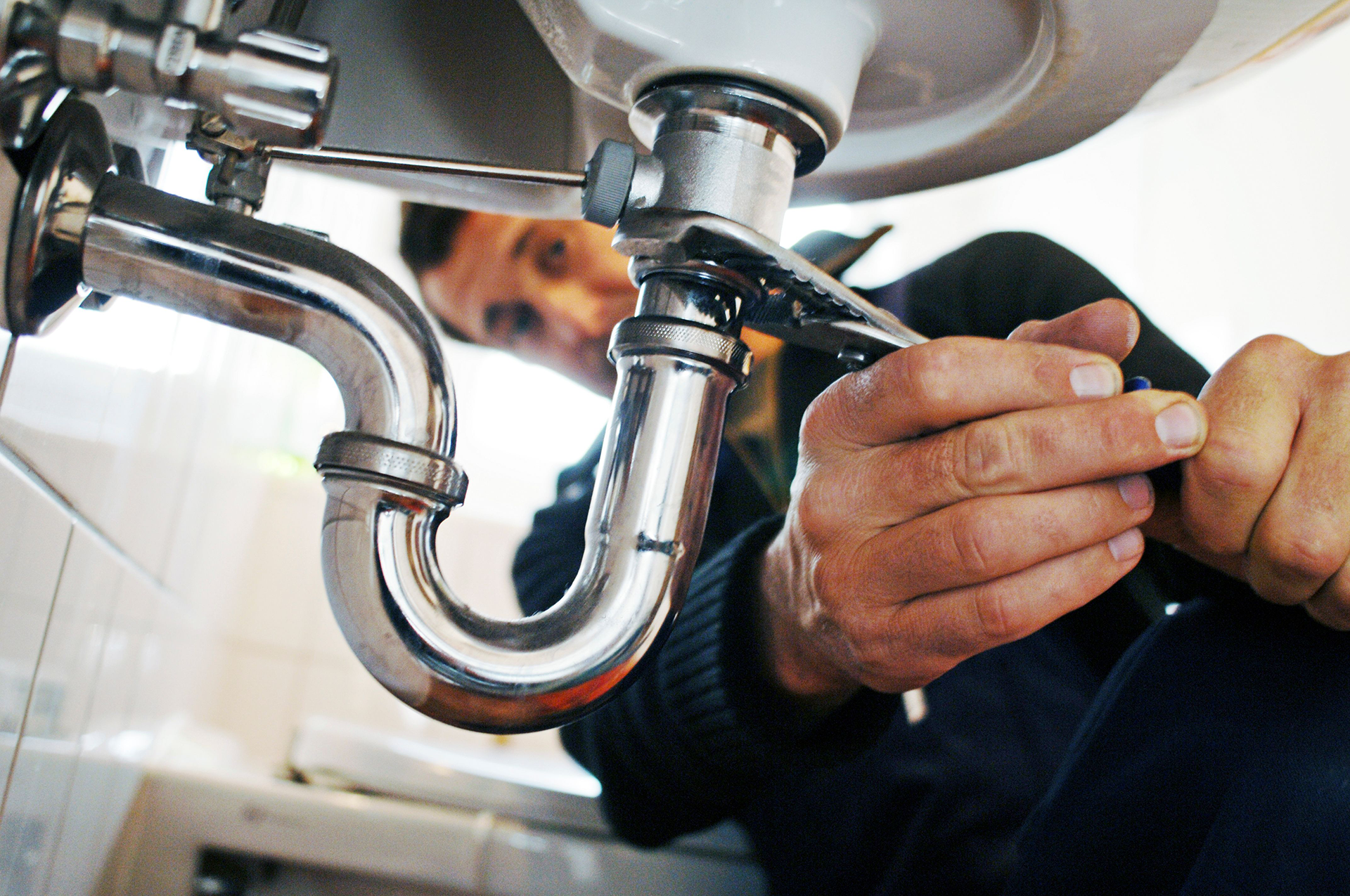
Artisan Contractors
Plumbers, electricians, and skilled tradespeople work in high-risk environments every day. We build coverage around your tools, your vehicles, and your crew — so a job site incident does not stop your business.

Restaurants & Food Service
Restaurants carry liability on every shift — from the kitchen to the dining room and everything in between. We protect your location, your staff, and your equipment, including lost income when operations stop.

Non-Profits Service
Non-profits face unique liability across events, volunteers, staff, and leadership decisions. We cover your organization from the ground up — so you can focus on your mission, not your exposure.

Event Insurance
Event organizers face liability the moment guests arrive, vendors set up, and alcohol is served. We cover your event from start to finish — so one unexpected incident does not cancel everything you planned for.
Answers Before You Pick Up the Phone
What Texas Businesses Ask Us Most
We get a lot of the same questions from business owners across Texas. Here are honest answers to the ones that come up most.

What information do you need to get a commercial insurance quote?
We keep the process straightforward. We typically need your business name, a description of your operations, your gross annual sales projection, number of full-time and part-time employees, your gross annual payroll, and the types of coverage you are looking for. If you have an existing policy, the expiration date and current carrier help us put together a competitive comparison.
The most important thing you can do is be transparent about what your business actually does. Accurate classification ensures you have real coverage if a claim occurs. We have seen businesses with active policies that were incorrectly classified — and those gaps only surface at the worst possible moment.
Does Texas require businesses to carry Workers' Compensation Insurance?
Texas is the only state in the country that does not require most private employers to carry Workers' Compensation. However, if your business holds government contracts or works as a subcontractor on a job site, the hiring company will almost always require proof of coverage before work begins. A growing number of general contractors across Denton and the DFW area enforce this as a standard condition.
Even without a legal requirement, carrying Workers' Comp protects your business from direct liability if an employee is hurt on the job. Medical bills, lost wages, and legal fees can add up quickly — and one serious incident can create a financial loss that far exceeds years of premium payments.
What is a commercial insurance audit and should I expect one?
Most commercial general liability policies are auditable. At the end of your policy term, the insurance carrier reviews your actual gross sales to make sure your premium matched your real exposure. If your sales grew during the year, you may owe an additional premium. If sales came in lower, you could receive a refund.
The best way to avoid a large balance due at audit time is to update your projected gross sales with us during the year if your business grows faster than expected. We can endorse your policy mid-term to reflect the change and spread any additional premium across smaller installments instead of one lump sum at year-end.
What factors affect how much my commercial coverage will cost?
Your premium is calculated based on several variables specific to your operation — industry classification, gross annual sales, number of employees, gross payroll, claims history, and the types of coverage you need. A business that handles physical work with a crew on job sites will pay differently than a professional services firm working out of an office.
As an independent agency, we compare quotes across multiple carriers — including Travelers, The Hartford, Chubb, AmTrust, and others — to find the combination of coverage and price that works for your situation. There is no obligation after your quote, and we walk through every option in plain terms before you decide anything.
My business is a restaurant — what coverage do I actually need?
Restaurants are not a one-size-fits-all class of risk. Carriers look at a range of factors when evaluating a restaurant account: whether you serve alcohol, whether deep frying is involved, the type of fire suppression system in place, whether you have a hood cleaning contract, and whether you offer catering, delivery, or live entertainment. All of these affect both pricing and carrier appetite.
A well-structured restaurant policy typically includes general liability, building and business personal property coverage, liquor liability if applicable, food contamination coverage, business income protection, and workers' compensation for your staff. We work with carriers that actively want to write restaurant accounts in Texas — including Travelers, The Hartford, and Chubb — so you have real options to compare.
Can you help insure a business that is hard to place or outside the mainstream?
Yes — this is one of our strengths. We work with Excess and Surplus (E&S) lines markets through carriers like Burns & Wilcox for businesses that standard carriers will not write. We have placed coverage for master sign electricians, cable splicing operations, transmission rebuild shops for classic cars, CBD retailers, and many other non-standard accounts.
If you have been told your business is difficult to insure or you have received very limited options in the marketplace, reach out to us. We take time to understand your operations in detail, present your account to the right markets, and work to find coverage that actually reflects what you do — not a generic policy that leaves gaps.
Still have Question?
We’re here to help you!
Written for the Texas Business Owner
Insights That Help You Make Smarter Decisions
We publish articles on real topics that affect how Texas operators get covered — from local regulatory updates to coverage gaps most owners do not know they have.