Texas Property Insurance for Restaurants

See How We're Different
Call Us: (940) 268-5112
A single kitchen fire can destroy everything you've built in minutes. Your walk-in cooler fails overnight, and $15,000 worth of inventory spoils before morning. A hailstorm punches holes through your roof, forcing you to close for weeks during your busiest season. These scenarios play out across Texas restaurants every month, and the owners who recover quickly share one thing in common: they had the right property insurance in place before disaster struck.
Texas presents unique challenges for restaurant owners. Between Gulf Coast hurricanes, violent hailstorms rolling through Dallas-Fort Worth, and the occasional freak winter event like Storm Uri, your building and equipment face threats that restaurants in other states simply don't encounter. Standard property coverage often falls short when these Texas-specific perils hit, leaving owners scrambling to cover gaps they didn't know existed.
Property insurance for restaurants in Texas requires careful attention to building protection, equipment coverage, and the environmental hazards unique to this state. Getting this wrong means either paying too much for coverage you don't need or discovering painful gaps when you file a claim. Working with an independent agency like Denton Business Insurance gives you access to multiple carriers, so you can compare options from Nationwide, Travelers, Chubb, and others to find coverage that actually fits your operation.
Essentials of Commercial Property Insurance for Texas Restaurants
Commercial property insurance protects the physical assets your restaurant depends on daily. This includes the building itself (if you own it), your kitchen equipment, furniture, inventory, and even outdoor signage. The policy pays to repair or replace these items when covered perils like fire, theft, vandalism, or certain weather events cause damage.
Most Texas restaurant owners need coverage ranging from $250,000 to over $1 million, depending on whether they own their building and the value of their equipment. Premiums typically run between $1,500 and $8,000 annually, with location, building age, and claims history all influencing your rate.
Defining Real Property vs. Business Personal Property
Your policy divides coverage into two main categories. Real property covers the building structure, including walls, roof, plumbing, electrical systems, and permanently installed fixtures. Business personal property covers everything else: your commercial ovens, refrigeration units, tables, chairs, POS systems, and inventory.
This distinction matters most for restaurant owners who lease their space. You're typically not responsible for insuring the building structure itself, but you absolutely need coverage for your business personal property. Many lease agreements also require you to carry certain coverage limits, so review your lease before purchasing a policy.
Replacement Cost vs. Actual Cash Value Coverage
Here's where many restaurant owners make costly mistakes. Actual cash value (ACV) coverage pays what your property is worth today, factoring in depreciation. That five-year-old commercial range you paid $12,000 for might only net you $6,000 after a covered loss.
Replacement cost coverage pays what it actually costs to replace damaged items with new equivalents. Yes, premiums run 10-20% higher, but the math works in your favor when you need to replace an entire kitchen after a fire. For most restaurants, replacement cost coverage makes financial sense for high-value equipment.
| Coverage Type | What It Pays | Best For |
|---|---|---|
| Actual Cash Value | Current depreciated value | Older equipment you'd upgrade anyway |
| Replacement Cost | Full replacement price | Essential equipment, newer assets |
| 8017 | Retail store operations | Unique or custom items |


By: Michael Whitaker
Insurance Advisor at
Denton Business Insurance
Protecting High-Value Kitchen Equipment and Inventory
Commercial kitchen equipment represents a massive investment. A single combi oven can cost $25,000 or more. Your walk-in refrigeration system, ventilation hood, and fryers easily push total equipment value past $100,000 for most full-service restaurants.
Standard property policies cover damage from named perils like fire and theft. What they often exclude is mechanical breakdown from internal causes, which is exactly how most expensive equipment fails.
Equipment Breakdown Coverage for Refrigeration and Ovens
Equipment breakdown coverage (sometimes called mechanical breakdown or boiler and machinery coverage) fills this critical gap. When your compressor fails, your conveyor oven's motor burns out, or an electrical surge fries your POS system, this coverage pays for repairs or replacement.
The cost is surprisingly reasonable, typically adding $300-$800 annually to your policy. Given that a single commercial refrigeration repair can run $2,000-$5,000, this coverage often pays for itself with one claim.
Spoilage Coverage for Perishable Food Stocks
Restaurant inventory is uniquely vulnerable. A power outage lasting more than a few hours can destroy thousands of dollars in perishable food. Spoilage coverage, sometimes called food contamination coverage, reimburses you for inventory losses when refrigeration fails due to covered causes.
Standard limits range from $5,000 to $25,000. High-volume restaurants or those carrying expensive specialty ingredients should consider higher limits. Check whether your policy covers spoilage from equipment breakdown versus only power outages, as this distinction matters.
Texas-Specific Environmental Risks and Perils
Texas weather doesn't play nice with commercial buildings. The state sees more hail damage claims than any other, and coastal areas face annual hurricane threats. Understanding how your policy handles these perils prevents nasty surprises.
Windstorm and Hail Damage Considerations
Most standard property policies cover wind and hail damage, but they often include separate deductibles for these perils. Instead of a flat dollar amount, you might face a percentage deductible, typically 1-2% of your coverage limit.
On a $500,000 policy, a 2% wind/hail deductible means you're responsible for the first $10,000 of damage. That's a significant out-of-pocket expense when a hailstorm destroys your roof. Ask about flat deductible options, and understand what you're agreeing to before signing.
Navigating Flood Insurance Requirements in the Gulf Coast
Here's something many Texas restaurant owners learn too late: standard property insurance does not cover flood damage. Period. If your Houston, Galveston, or Corpus Christi restaurant floods, your property policy won't pay a dime for water damage.
Flood insurance requires a separate policy, typically through the
National Flood Insurance Program (NFIP) or private carriers. Premiums vary dramatically based on flood zone designation, ranging from $500 annually in low-risk areas to $5,000 or more in high-risk zones. If you're in a designated flood zone, your lender likely requires coverage anyway.
Safeguarding Against Fire and Structural Hazards
Restaurants face elevated fire risk compared to other businesses. Open flames, hot cooking oils, and electrical equipment create multiple ignition sources. Insurance carriers know this, which is why they scrutinize fire suppression systems and safety protocols.
Grease Fires and Specialized Suppression System Clauses
Commercial kitchen fire suppression systems aren't optional. Texas fire codes require them, and insurance carriers won't write policies without them. Your policy likely includes clauses requiring regular inspection and maintenance of these systems.
Miss an inspection, and you might face claim denial if a fire occurs. Most policies require documented inspections every six months. Keep records of all maintenance, and schedule inspections proactively rather than waiting for renewal reminders.
Tenant Improvements and Betterments for Leased Spaces
If you've invested in custom buildouts, upgraded electrical systems, or installed expensive finishes in your leased space, standard coverage might not protect these improvements adequately. Tenant improvements and betterments coverage specifically addresses upgrades you've made to a landlord's property.
This coverage matters because your landlord's insurance protects the building structure as it existed before your modifications. Your custom pizza oven installation, walk-in cooler buildout, or expanded hood system needs separate protection under your policy.
Mitigating Financial Loss Through Business Interruption Insurance
Property damage creates two problems: the cost of repairs and the income you lose while closed. Business interruption insurance addresses the second problem, covering lost revenue and ongoing expenses while your restaurant can't operate.
Coverage typically pays your net income based on historical financial records, plus continuing expenses like rent, loan payments, and employee wages. Most policies include a waiting period (usually 48-72 hours) before coverage kicks in, and maximum coverage periods range from 12 to 24 months.
For Texas restaurants, consider extended business interruption coverage that kicks in when a civil authority restricts access to your location. If authorities close roads due to flooding or evacuate your area before a hurricane, this coverage helps bridge the gap.
Texas restaurant insurance premiums reflect the state's elevated risk profile, but you're not powerless to influence your rates. Carriers reward risk mitigation efforts with meaningful discounts.
Risk Mitigation and Safety Standards for Better Rates
Documented safety programs, regular equipment maintenance, and updated fire suppression systems all signal lower risk to insurers. Specific actions that often reduce premiums include installing monitored alarm systems, upgrading electrical panels, and maintaining clean hood inspection records.
Working with an independent agency like Denton Business Insurance helps here. We know which carriers offer the best rates for restaurants with specific safety features, and we can guide you toward improvements that actually move the needle on premiums.
Bundling Property with General Liability in a BOP
A Business Owner's Policy (BOP) combines property and general liability coverage into a single package, typically at 10-15% less than purchasing policies separately. For most Texas restaurants, a BOP provides adequate coverage while simplifying administration.
BOPs include standard coverage limits that work for many operations, though high-volume restaurants or those with significant property values may need standalone policies with higher limits. Compare both options before assuming one approach fits better.
Frequently Asked Questions
Does my property insurance cover outdoor equipment like patio furniture? Most policies cover outdoor business personal property, but limits may be lower than indoor coverage. Review your policy declarations page for specific outdoor property limits and consider increasing them if you have significant patio investments.
What happens if my landlord's insurance covers the building? You still need coverage for your business personal property, tenant improvements, and business interruption. Your landlord's policy protects their structure, not your equipment or lost income.
How quickly can I get coverage for a new restaurant location? Most carriers can bind coverage within 24-48 hours once they have complete information. Plan ahead during buildout to ensure coverage is active before you take possession of equipment or inventory.
Will my rates increase after filing a claim?
One claim typically won't dramatically impact rates, but multiple claims within a few years can lead to increases or non-renewal. Consider your deductible carefully and avoid filing small claims that barely exceed it.
Making the Right Coverage Decision
Property insurance for Texas restaurants requires balancing adequate protection against realistic premium budgets. The right policy covers your building and equipment against the specific perils Texas throws at you, from hailstorms to kitchen fires to equipment failures.
Start by accurately valuing your property and equipment. Understand the difference between replacement cost and actual cash value coverage. Add equipment breakdown and spoilage coverage for kitchen-specific risks. Address flood exposure separately if you're anywhere near the coast or in a flood-prone area.
An independent agency can compare quotes from multiple carriers, ensuring you're not overpaying while avoiding dangerous coverage gaps. Contact Denton Business Insurance to review your current coverage or get quotes for a new location. We'll help you find protection that fits your restaurant and your budget.
Straight from the Clients We Serve
Texas Business Owners Rate Us 5 Stars — Here Is Why
We hear the same things repeatedly: fast service, honest advice, and coverage that made sense for their situation. That is what we aim for every time.
Protection Across Every Area of Your BUSINESS
What Texas Businesses Need. What We Deliver.
From your job site and your fleet to your data and your payroll — we cover the risks that Texas businesses carry every day.
General Liability
Covers third-party claims of bodily injury, property damage, and advertising injury. A foundational protection for nearly every Texas business, regardless of industry or size.
Commercial Property
Covers your building, equipment, inventory, and business contents against fire, theft, storms, and vandalism. Can also include lost income if your businesses are forced to stop.
Commercial Auto
Protects vehicles your company owns, leases, or uses for work. Covers liability, collision damage, and injuries for employees driving on company time.
Errors & Omissions
Protects service providers when a client claims your advice, work, or recommendations caused them a financial loss. Critical for consultants, IT firms, agents, and other professional service businesses.
Directors & Officers
Covers leadership decisions that result in claims from employees, investors, or outside parties. Protects your directors and officers personally when management decisions are challenged.
Inland Marine & Equipment Floater
Covers tools, materials, and equipment that move between job sites or are stored off your primary property. Fills the gap where a standard commercial property policy stops.
Every Sector Has Its Own Risk Profile
We Know Your Trade. We Know Your Exposure.
We work with a wide range of Texas industries — each with different coverage priorities. Below are the sectors we serve most often.
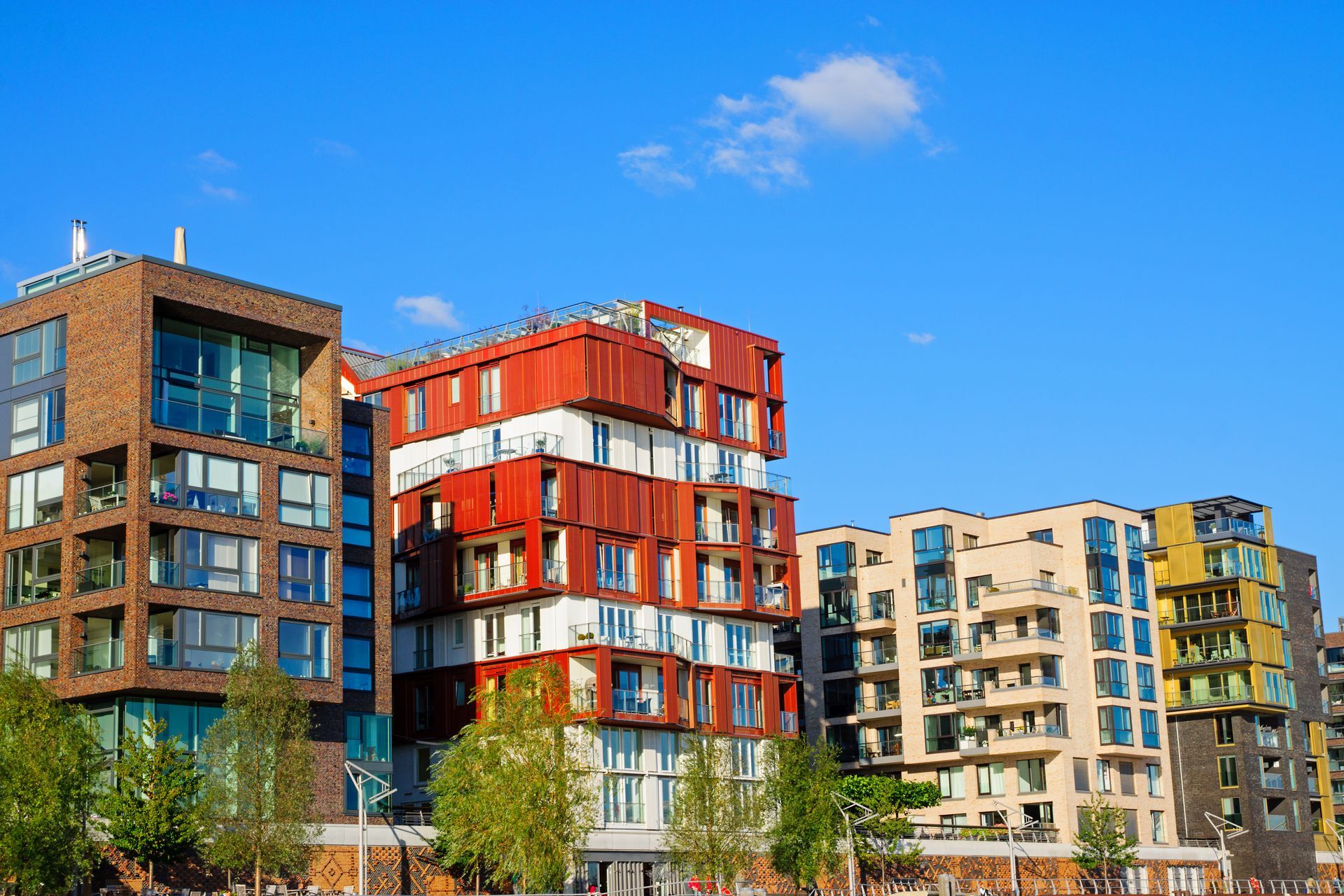
Apartment Complexes
Texas apartment owners face liability across common areas, tenant incidents, and on-site staff. We cover your property, your income, and your exposure — across one complex or an entire portfolio.
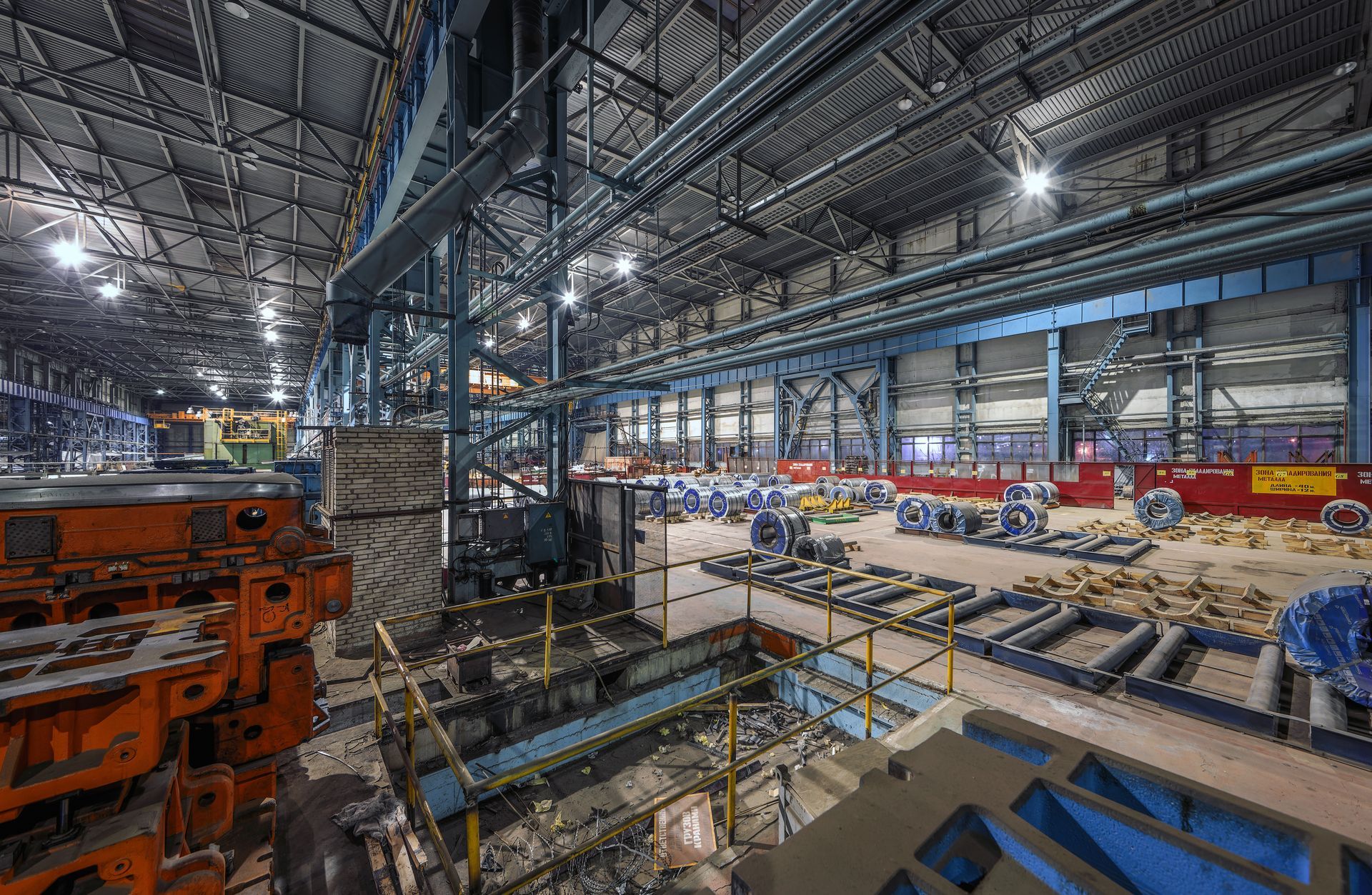
Manufacturing Businesses
Equipment breakdowns, product liability, and workforce injuries are daily risks for Texas manufacturers. We build coverage from the shop floor to the loading dock — so one incident does not shut you down.
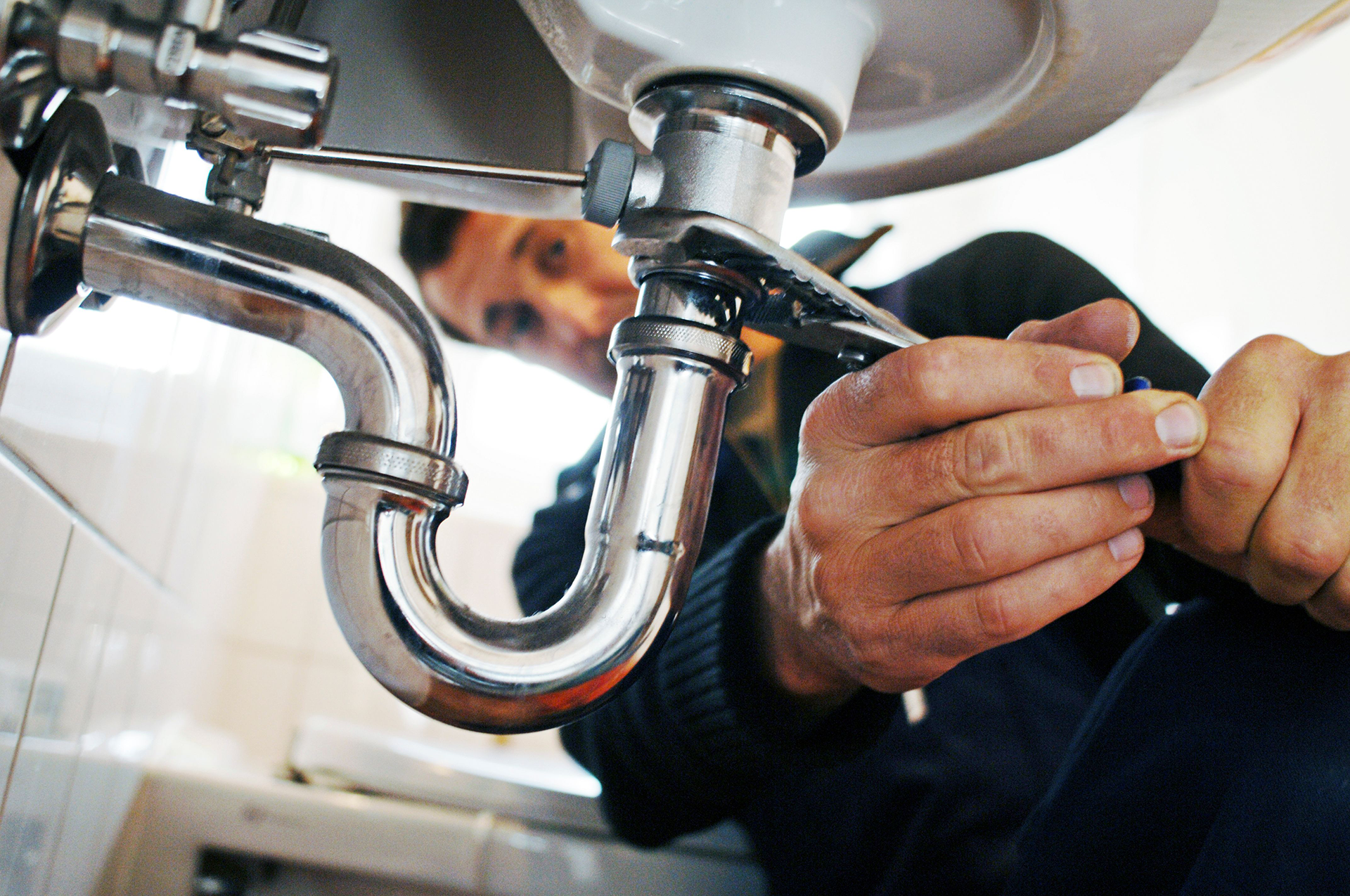
Artisan Contractors
Plumbers, electricians, and skilled tradespeople work in high-risk environments every day. We build coverage around your tools, your vehicles, and your crew — so a job site incident does not stop your business.
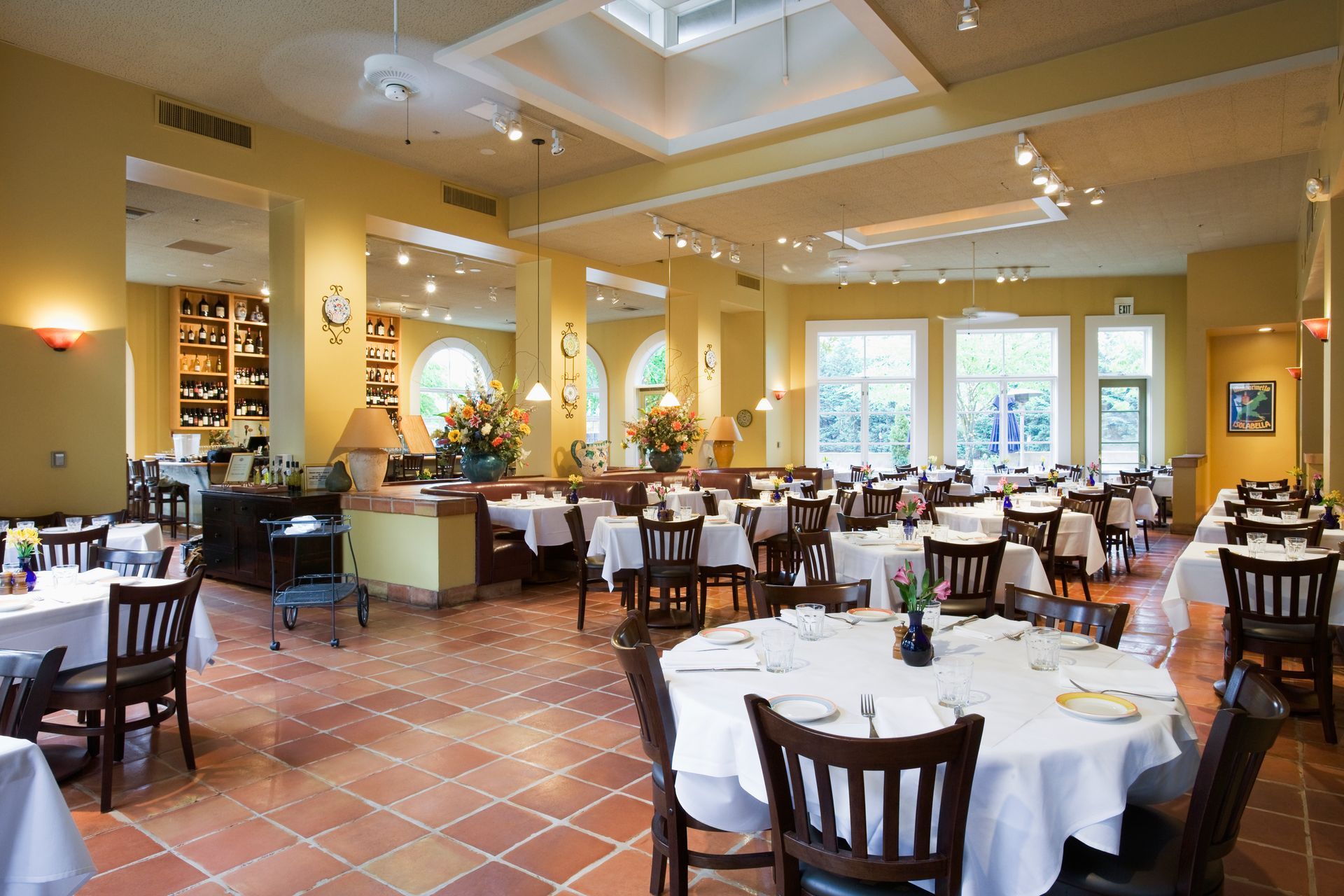
Restaurants & Food Service
Restaurants carry liability on every shift — from the kitchen to the dining room and everything in between. We protect your location, your staff, and your equipment, including lost income when operations stop.

Non-Profits Service
Non-profits face unique liability across events, volunteers, staff, and leadership decisions. We cover your organization from the ground up — so you can focus on your mission, not your exposure.

Event Insurance
Event organizers face liability the moment guests arrive, vendors set up, and alcohol is served. We cover your event from start to finish — so one unexpected incident does not cancel everything you planned for.
Answers Before You Pick Up the Phone
What Texas Businesses Ask Us Most
We get a lot of the same questions from business owners across Texas. Here are honest answers to the ones that come up most.
What information do you need to get a commercial insurance quote?
We keep the process straightforward. We typically need your business name, a description of your operations, your gross annual sales projection, number of full-time and part-time employees, your gross annual payroll, and the types of coverage you are looking for. If you have an existing policy, the expiration date and current carrier help us put together a competitive comparison.
The most important thing you can do is be transparent about what your business actually does. Accurate classification ensures you have real coverage if a claim occurs. We have seen businesses with active policies that were incorrectly classified — and those gaps only surface at the worst possible moment.
Does Texas require businesses to carry Workers' Compensation Insurance?
Texas is the only state in the country that does not require most private employers to carry Workers' Compensation. However, if your business holds government contracts or works as a subcontractor on a job site, the hiring company will almost always require proof of coverage before work begins. A growing number of general contractors across Denton and the DFW area enforce this as a standard condition.
Even without a legal requirement, carrying Workers' Comp protects your business from direct liability if an employee is hurt on the job. Medical bills, lost wages, and legal fees can add up quickly — and one serious incident can create a financial loss that far exceeds years of premium payments.
What is a commercial insurance audit and should I expect one?
Most commercial general liability policies are auditable. At the end of your policy term, the insurance carrier reviews your actual gross sales to make sure your premium matched your real exposure. If your sales grew during the year, you may owe an additional premium. If sales came in lower, you could receive a refund.
The best way to avoid a large balance due at audit time is to update your projected gross sales with us during the year if your business grows faster than expected. We can endorse your policy mid-term to reflect the change and spread any additional premium across smaller installments instead of one lump sum at year-end.
What factors affect how much my commercial coverage will cost?
Your premium is calculated based on several variables specific to your operation — industry classification, gross annual sales, number of employees, gross payroll, claims history, and the types of coverage you need. A business that handles physical work with a crew on job sites will pay differently than a professional services firm working out of an office.
As an independent agency, we compare quotes across multiple carriers — including Travelers, The Hartford, Chubb, AmTrust, and others — to find the combination of coverage and price that works for your situation. There is no obligation after your quote, and we walk through every option in plain terms before you decide anything.
My business is a restaurant — what coverage do I actually need?
Restaurants are not a one-size-fits-all class of risk. Carriers look at a range of factors when evaluating a restaurant account: whether you serve alcohol, whether deep frying is involved, the type of fire suppression system in place, whether you have a hood cleaning contract, and whether you offer catering, delivery, or live entertainment. All of these affect both pricing and carrier appetite.
A well-structured restaurant policy typically includes general liability, building and business personal property coverage, liquor liability if applicable, food contamination coverage, business income protection, and workers' compensation for your staff. We work with carriers that actively want to write restaurant accounts in Texas — including Travelers, The Hartford, and Chubb — so you have real options to compare.
Can you help insure a business that is hard to place or outside the mainstream?
Yes — this is one of our strengths. We work with Excess and Surplus (E&S) lines markets through carriers like Burns & Wilcox for businesses that standard carriers will not write. We have placed coverage for master sign electricians, cable splicing operations, transmission rebuild shops for classic cars, CBD retailers, and many other non-standard accounts.
If you have been told your business is difficult to insure or you have received very limited options in the marketplace, reach out to us. We take time to understand your operations in detail, present your account to the right markets, and work to find coverage that actually reflects what you do — not a generic policy that leaves gaps.
Still have Question?
We’re here to help you!
Written for the Texas Business Owner
Insights That Help You Make Smarter Decisions
We publish articles on real topics that affect how Texas operators get covered — from local regulatory updates to coverage gaps most owners do not know they have.