A single contaminated soil report can shut down a construction project for months. A chemical spill at a manufacturing facility can trigger cleanup costs exceeding $500,000 before attorneys even get involved. These scenarios play out across Texas more often than most business owners realize, and the financial fallout catches many completely off guard.
Texas presents unique environmental challenges that businesses in other states simply don't face. The oil and gas industry, petrochemical refineries along the Gulf Coast, and thousands of active construction sites create a landscape where pollution incidents happen regularly. The Texas Commission on Environmental Quality (TCEQ) processed over 4,000 contamination cases in recent years, with cleanup costs ranging from $50,000 for minor incidents to tens of millions for major spills.
Here's what surprises most business owners: standard general liability insurance almost never covers pollution events. That total pollution exclusion clause buried in your policy means you're personally responsible for cleanup costs, legal defense, and third-party damages when contamination occurs. Environmental coverage designed specifically for Texas contractors and businesses fills this gap, but understanding what you actually need requires looking beyond generic policy descriptions.
Whether you're running pipeline maintenance crews in the Permian Basin, managing construction sites in the Dallas-Fort Worth metroplex, or operating a warehouse in Houston, pollution liability protection deserves serious consideration. The coverage options available today are more sophisticated than they were a decade ago, and premiums vary dramatically based on factors specific to Texas operations.
Understanding Pollution Liability in the Texas Regulatory Landscape
Texas operates one of the most active environmental enforcement programs in the country. The state's industrial base, combined with sensitive ecosystems along the Gulf Coast and numerous freshwater aquifers, creates an environment where regulators take contamination seriously. Businesses operating here face compliance requirements that differ significantly from neighboring states.
The Role of the Texas Commission on Environmental Quality (TCEQ)
TCEQ serves as the primary environmental regulatory agency in Texas, overseeing air quality, water resources, and waste management across the state. When a pollution event occurs, TCEQ investigators typically arrive within days to assess the situation and determine responsible parties. The agency has authority to issue cleanup orders, levy fines up to $25,000 per day per violation, and pursue criminal charges in severe cases.
What many business owners don't realize is that TCEQ can hold you responsible for contamination even if you didn't directly cause it. If you purchase property with pre-existing contamination, lease a site where previous tenants caused pollution, or hire subcontractors who create environmental damage, you may still face enforcement actions.
Common Environmental Risks for Lone Star State Industries
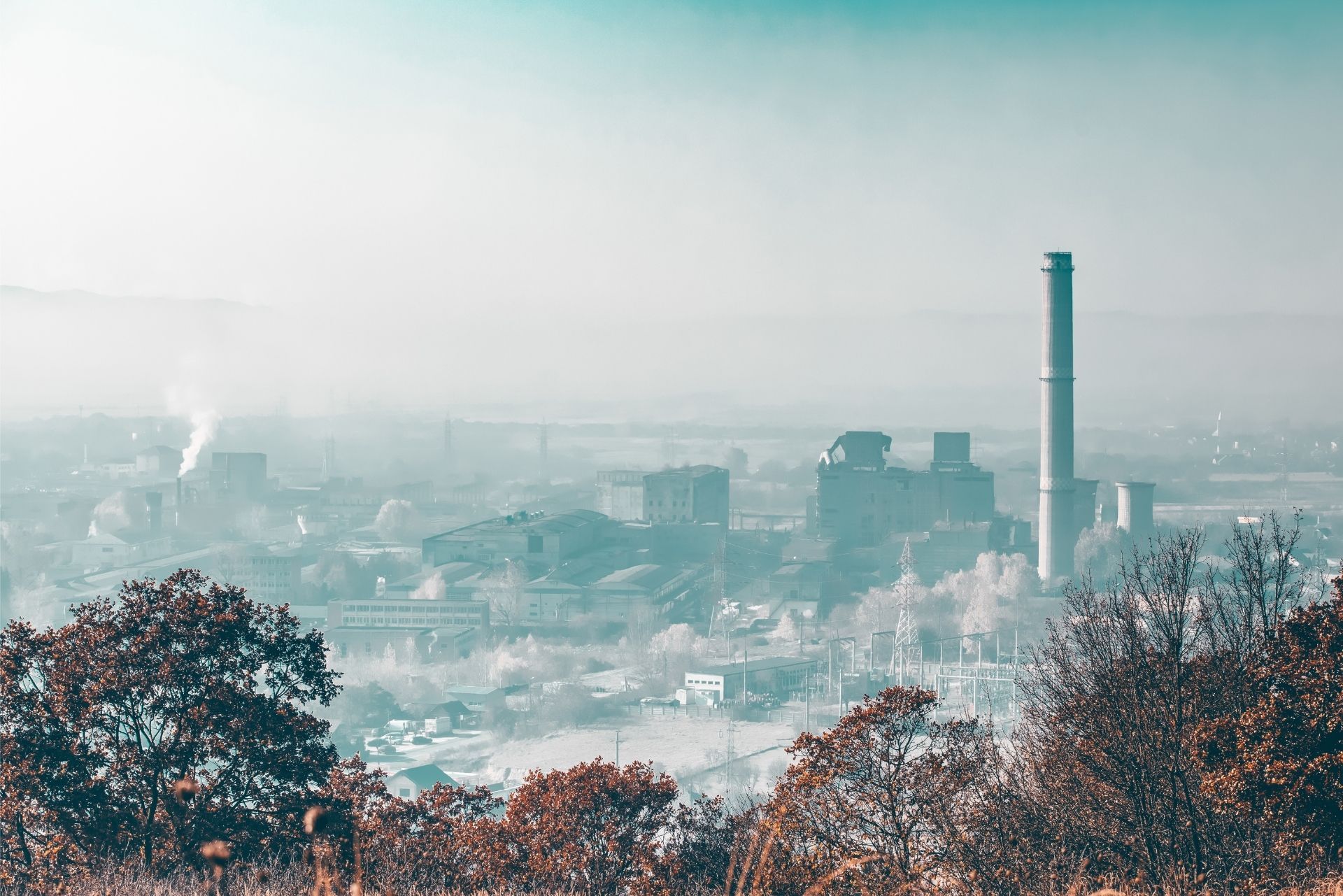
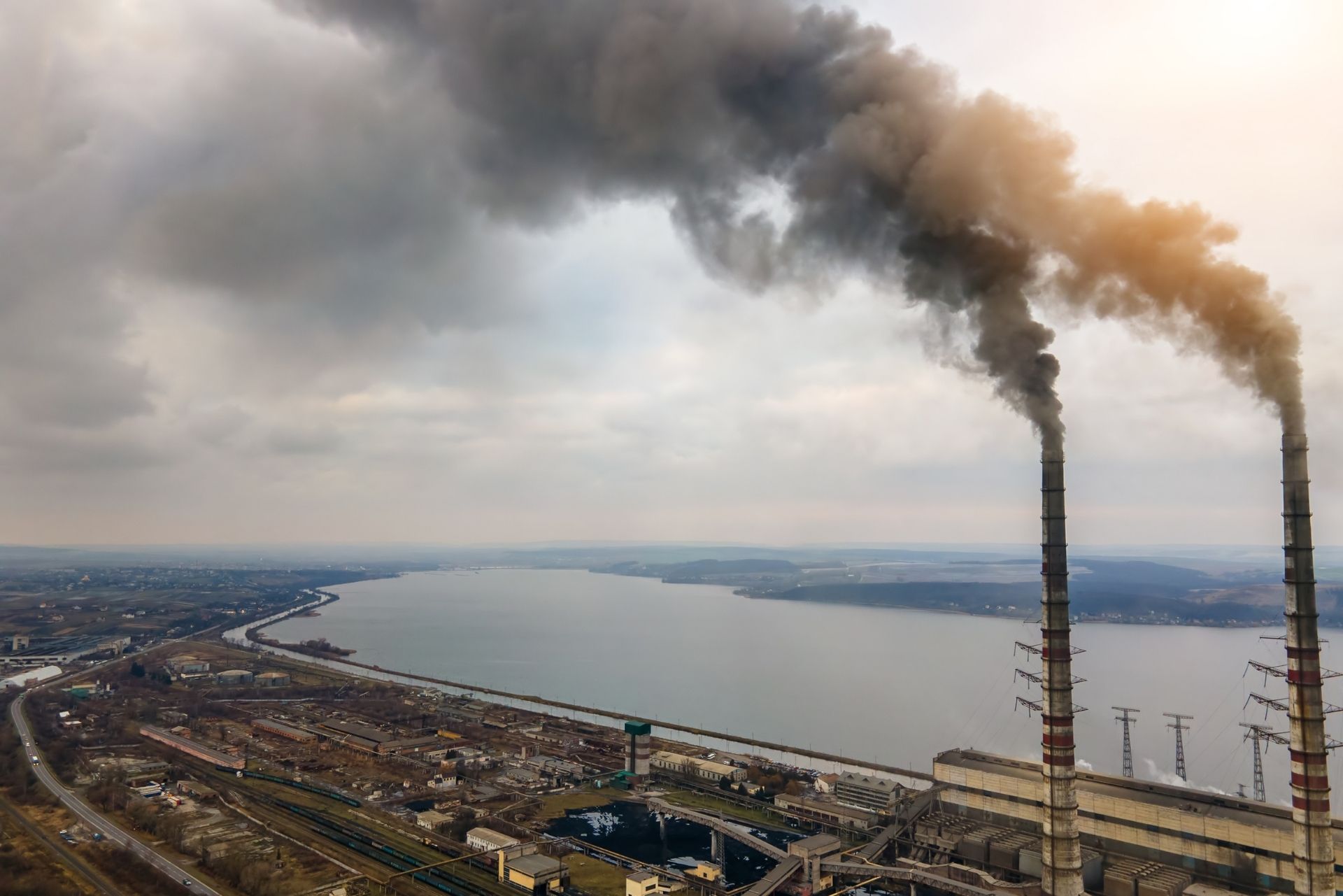
Texas industries face pollution risks that reflect the state's economic makeup. Oil and gas operations deal with produced water spills, drilling mud releases, and pipeline leaks. Construction companies encounter contaminated soil during excavation, asbestos in demolition projects, and fuel spills from equipment. Manufacturing facilities manage chemical storage, wastewater discharge, and air emissions.
Geographic factors compound these risks. The
Edwards Aquifer, which supplies drinking water to San Antonio and surrounding communities, receives special protection. Coastal operations near Galveston Bay and Corpus Christi face heightened scrutiny due to sensitive marine ecosystems. Even businesses in urban areas like Austin and Dallas can trigger cleanup requirements when contamination threatens groundwater.

By: Linda Dodson
Agency Director at
Denton Business Insurance
Core Components of Environmental Insurance Coverage
Environmental insurance has evolved beyond simple pollution policies into specialized coverage forms that address different risk profiles. Understanding the distinctions between policy types helps you match coverage to your actual operations.
Contractors Pollution Liability (CPL) vs. Site Pollution Liability
CPL policies protect contractors for pollution events arising from their work at job sites. If your excavation crew ruptures an underground storage tank, your painting contractor releases lead particles, or your plumbing work causes a sewage backup, CPL responds. Coverage typically follows your work wherever projects take you.
Site pollution liability, by contrast, covers contamination at a specific location you own or operate. Manufacturing facilities,
warehouses, and commercial properties benefit from this coverage type. The policy addresses both existing conditions you inherit and new pollution events that occur during your ownership.
| Coverage Type | Best For | What It Covers | Typical Premium Range |
|---|---|---|---|
| Contractors Pollution Liability | Contractors, subcontractors | Job site pollution events | $2,500 - $15,000/year |
| Site Pollution Liability | Property owners, manufacturers | Location-specific contamination | $5,000 - $50,000/year |
| Environmental Impairment Liability | Complex operations | Both on-site and off-site impacts | $10,000 - $100,000+/year |
Sudden and Accidental vs. Gradual Pollution Events
Some policies only cover sudden and accidental releases, like a truck overturning and spilling fuel. Others extend to gradual pollution, such as an underground storage tank slowly leaking over years. The distinction matters enormously because gradual contamination often creates the most expensive cleanup scenarios.
Texas businesses with older facilities, underground storage tanks, or historical industrial use should specifically confirm their policies address gradual conditions. Many contamination claims involve pollution that accumulated over time rather than single catastrophic events.
Coverage for Cleanup Costs and Legal Defense
A comprehensive environmental policy covers first-party cleanup costs you incur to remediate contamination, third-party bodily injury and property damage claims, legal defense expenses when you're sued, and regulatory defense costs when TCEQ or EPA takes enforcement action. Some policies also cover business interruption losses while cleanup proceeds and transportation pollution during material hauling.
Why Standard General Liability is Insufficient for Texas Businesses
Business owners often assume their general liability policy provides adequate protection. The reality is far different, and this assumption has financially devastated companies across Texas.
The Total Pollution Exclusion Clause Explained
Since the mid-1980s, standard commercial general liability policies have included an absolute pollution exclusion. This clause removes coverage for bodily injury, property damage, and cleanup costs arising from the discharge, dispersal, seepage, migration, release, or escape of pollutants. Courts have consistently upheld these exclusions, leaving businesses without coverage when they need it most.
The exclusion applies regardless of whether the pollution was sudden or gradual, whether you caused it intentionally or accidentally, or whether you even knew about the contamination. Some policies include limited exceptions for hostile fire situations, but these rarely help in typical pollution scenarios.
Gaps in Coverage for Mold, Asbestos, and Lead
General liability policies increasingly exclude or severely limit coverage for mold, asbestos, and lead-based paint. Texas construction companies demolishing older buildings, renovation contractors working in pre-1978 structures, and property owners with moisture problems face exposure their standard policies won't address.
A single asbestos claim can exceed $1 million when you factor in abatement costs, air monitoring, medical surveillance for workers, and legal defense. Mold remediation in
commercial buildings regularly costs $100,000 or more. Without specific environmental coverage, these expenses come directly from business assets.
Industry-Specific Applications of Pollution Coverage
Different industries face distinct pollution risks that require tailored coverage approaches. Working with an independent agency like Denton Business Insurance allows you to compare policies from carriers like Travelers, Chubb, and specialized environmental insurers who understand your specific operations.
Oil and Gas Services: Managing Fracking and Pipeline Risks
Oilfield service companies face some of the highest pollution exposures in Texas. Hydraulic fracturing operations can contaminate groundwater, pipeline maintenance creates spill risks, and produced water disposal requires careful handling. Coverage needs often include transportation pollution for hauling fluids, underground resources protection, and coverage for pollution conditions at well sites.
Premium costs for oil and gas operations vary dramatically based on specific services performed. A wireline company might pay $8,000 annually while a fracking operation pays $75,000 or more for similar policy limits.
Construction and Remediation: Handling Job Site Contamination
Construction contractors encounter pollution risks on nearly every project. Excavation work uncovers contaminated soil, demolition releases asbestos fibers, and equipment leaks diesel fuel. Remediation contractors face even higher exposures since their entire business involves handling contaminated materials.
CPL policies for construction typically cost between $3,000 and $20,000 annually depending on revenue, services performed, and claims history. Remediation contractors often pay 2-3 times standard construction rates due to their elevated risk profile.
Manufacturing and Warehousing: On-Site Storage Liability
Manufacturing facilities with chemical storage, wastewater treatment systems, or air emissions need site pollution liability coverage. Warehouses storing hazardous materials, pesticides, or petroleum products face similar exposures. Coverage should address both sudden releases and gradual contamination from storage tanks, pipes, and containment systems.
Insurance carriers evaluate numerous factors when pricing environmental coverage. Understanding these variables helps you anticipate costs and identify ways to improve your risk profile.
Geographic Proximity to Protected Waterways and Ecosystems
Operations near the Gulf Coast, Edwards Aquifer recharge zones, or protected wetlands face higher premiums. Contamination affecting these areas triggers enhanced regulatory response and increased cleanup costs. A facility in Corpus Christi might pay 30-50% more than an identical operation in Amarillo simply due to location.
Historical Land Use and Prior Environmental Audits
Properties with previous industrial use, underground storage tanks, or known contamination history require higher premiums. Phase I and Phase II environmental site assessments can actually reduce costs by documenting clean conditions or identifying manageable issues before they become claims.
Carriers also consider your company's claims history, safety programs, spill response procedures, and employee training. Businesses with documented environmental management systems often qualify for premium credits.
Securing the Right Policy for Long-Term Risk Mitigation
Getting environmental coverage right requires more than finding the cheapest policy. Coverage limits should reflect realistic worst-case scenarios, not just minimum requirements. A $1 million policy might seem adequate until you realize major contamination events in Texas regularly exceed that threshold.
Work with an independent agency that can compare environmental policies from multiple carriers. Denton Business Insurance regularly helps Texas businesses evaluate options from specialized environmental insurers alongside standard commercial carriers. The differences in coverage terms, exclusions, and pricing can be substantial.
Before purchasing any policy, request sample policy forms and review the definitions section carefully. How the policy defines "pollutant," "cleanup costs," and "covered operations" determines whether you actually have protection when an incident occurs. Some policies exclude specific contaminants or operations that might be central to your business.
Environmental risks aren't going away for Texas businesses. Regulatory enforcement continues increasing, cleanup cost standards keep rising, and litigation over contamination shows no signs of slowing. The businesses that survive pollution events are typically those that secured appropriate coverage before incidents occurred. Taking time now to evaluate your environmental exposures and coverage options protects both your business and your personal assets from risks that general liability simply won't address.
Frequently Asked Questions
How much does pollution liability insurance typically cost for Texas contractors? Most Texas contractors pay between $2,500 and $15,000 annually for CPL coverage, though oil and gas operations and remediation contractors often pay significantly more based on their elevated risk profiles.
Does my general liability policy cover any pollution events? Standard GL policies include a total pollution exclusion that eliminates coverage for nearly all contamination scenarios. Some policies have narrow exceptions for hostile fire situations, but these rarely apply to typical pollution claims.
What's the difference between sudden and gradual pollution coverage? Sudden coverage responds to immediate releases like spills or ruptures. Gradual coverage addresses contamination that develops over time, such as leaking underground tanks. Gradual pollution often creates the most expensive claims.
Can I be held responsible for contamination I didn't cause? Yes. Texas law can hold property owners responsible for pre-existing contamination, and businesses may face liability for pollution caused by subcontractors or previous tenants.
How do environmental audits affect my insurance premiums? Phase I and Phase II environmental assessments documenting clean conditions can reduce premiums. They also identify manageable issues before they become expensive claims.
Straight from the Clients We Serve
Texas Business Owners Rate Us 5 Stars — Here Is Why
We hear the same things repeatedly: fast service, honest advice, and coverage that made sense for their situation. That is what we aim for every time.

Protection Across Every Area of Your BUSINESS
What Texas Businesses Need. What We Deliver.
From your job site and your fleet to your data and your payroll — we cover the risks that Texas businesses carry every day.
General Liability
Covers third-party claims of bodily injury, property damage, and advertising injury. A foundational protection for nearly every Texas business, regardless of industry or size.
Commercial Property
Covers your building, equipment, inventory, and business contents against fire, theft, storms, and vandalism. Can also include lost income if your businesses are forced to stop.
Commercial Auto
Protects vehicles your company owns, leases, or uses for work. Covers liability, collision damage, and injuries for employees driving on company time.
Errors & Omissions
Protects service providers when a client claims your advice, work, or recommendations caused them a financial loss. Critical for consultants, IT firms, agents, and other professional service businesses.
Directors & Officers
Covers leadership decisions that result in claims from employees, investors, or outside parties. Protects your directors and officers personally when management decisions are challenged.
Inland Marine & Equipment Floater
Covers tools, materials, and equipment that move between job sites or are stored off your primary property. Fills the gap where a standard commercial property policy stops.
Every Sector Has Its Own Risk Profile
We Know Your Trade. We Know Your Exposure.
We work with a wide range of Texas industries — each with different coverage priorities. Below are the sectors we serve most often.

Apartment Complexes
Texas apartment owners face liability across common areas, tenant incidents, and on-site staff. We cover your property, your income, and your exposure — across one complex or an entire portfolio.
Manufacturing Businesses
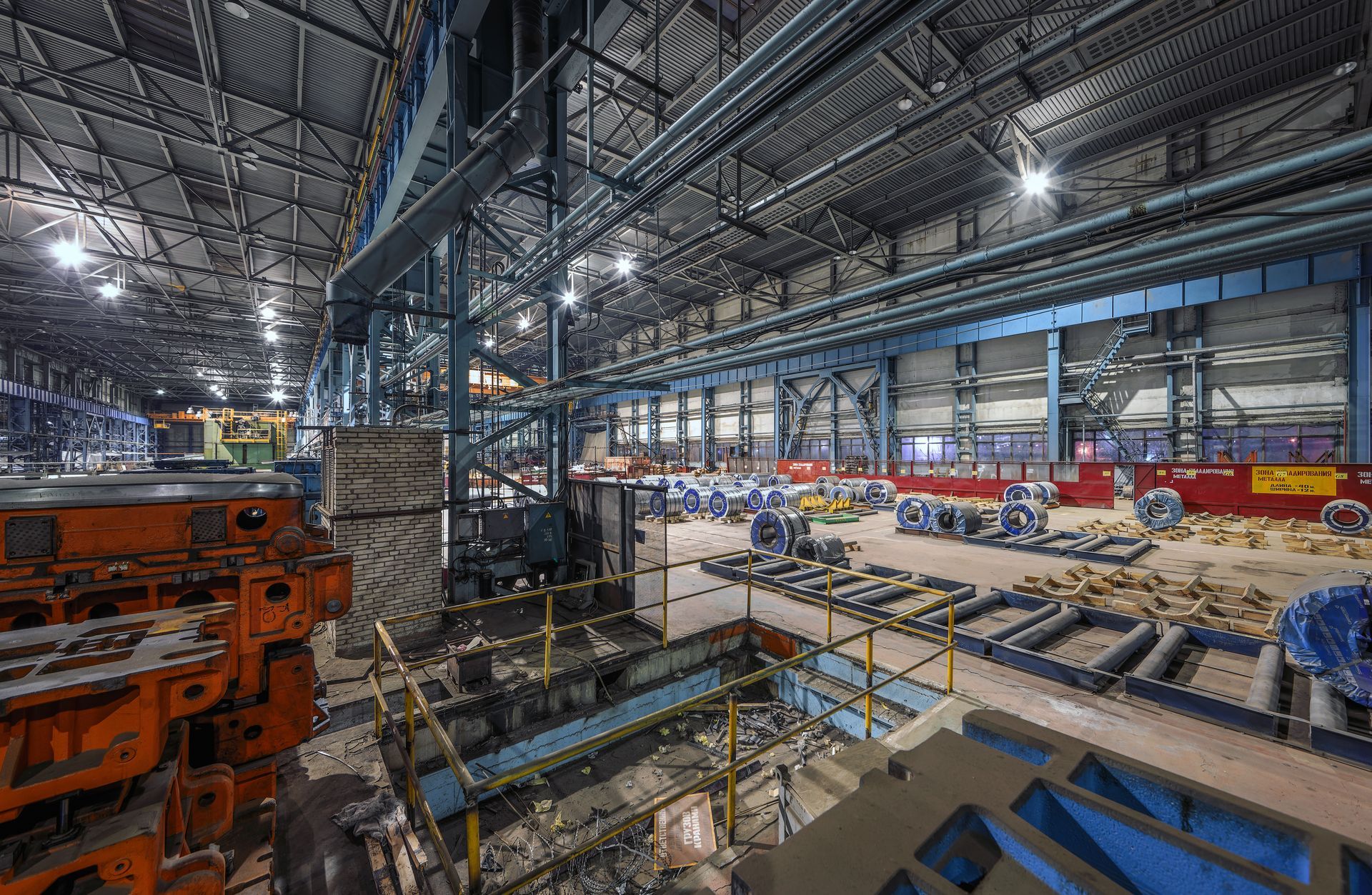
Equipment breakdowns, product liability, and workforce injuries are daily risks for Texas manufacturers. We build coverage from the shop floor to the loading dock — so one incident does not shut you down.
Artisan Contractors
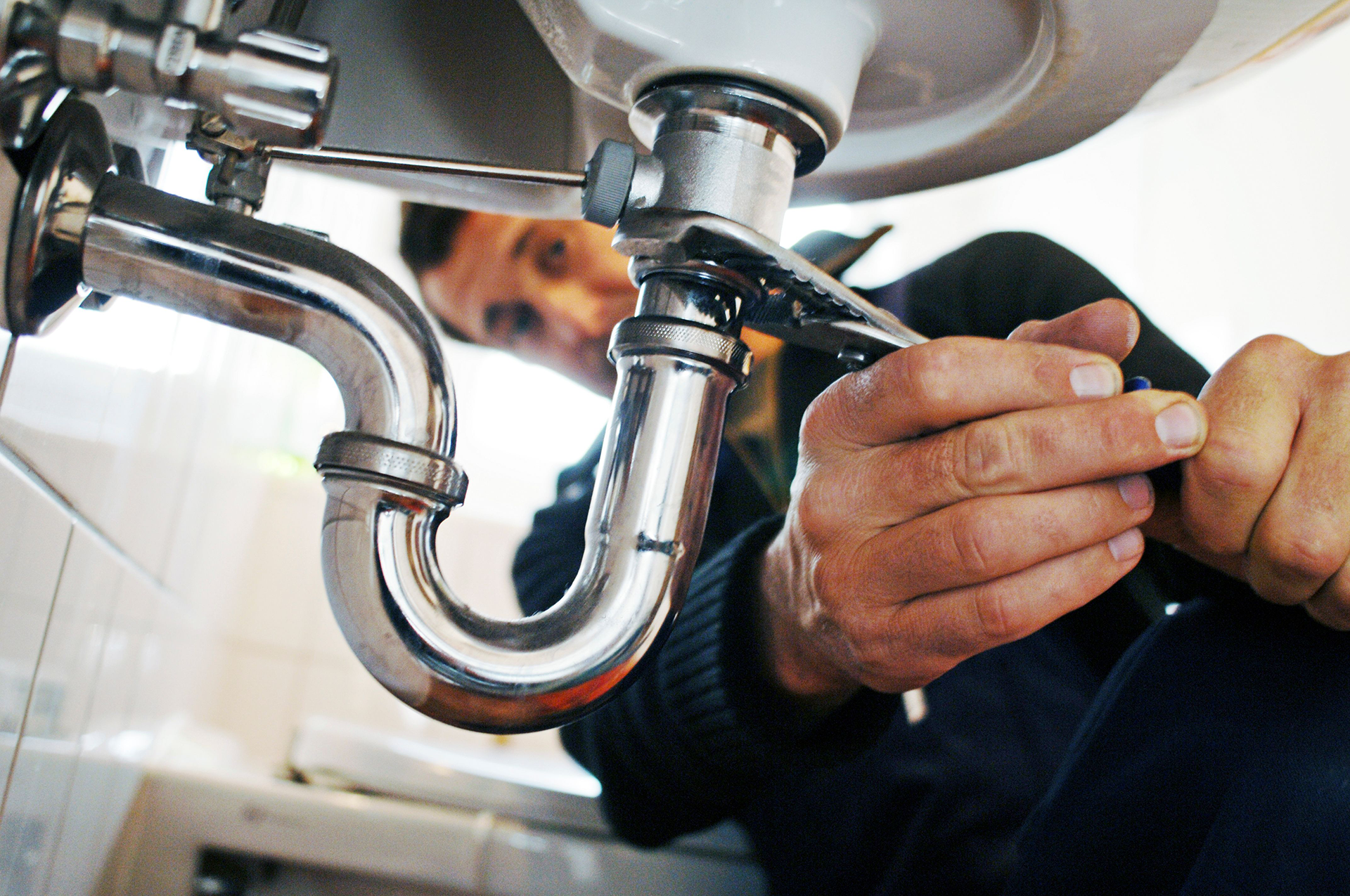
Plumbers, electricians, and skilled tradespeople work in high-risk environments every day. We build coverage around your tools, your vehicles, and your crew — so a job site incident does not stop your business.

Restaurants & Food Service
Restaurants carry liability on every shift — from the kitchen to the dining room and everything in between. We protect your location, your staff, and your equipment, including lost income when operations stop.

Non-Profits Service
Non-profits face unique liability across events, volunteers, staff, and leadership decisions. We cover your organization from the ground up — so you can focus on your mission, not your exposure.

Event Insurance
Event organizers face liability the moment guests arrive, vendors set up, and alcohol is served. We cover your event from start to finish — so one unexpected incident does not cancel everything you planned for.
Answers Before You Pick Up the Phone
What Texas Businesses Ask Us Most
We get a lot of the same questions from business owners across Texas. Here are honest answers to the ones that come up most.
What information do you need to get a commercial insurance quote?
We keep the process straightforward. We typically need your business name, a description of your operations, your gross annual sales projection, number of full-time and part-time employees, your gross annual payroll, and the types of coverage you are looking for. If you have an existing policy, the expiration date and current carrier help us put together a competitive comparison.
The most important thing you can do is be transparent about what your business actually does. Accurate classification ensures you have real coverage if a claim occurs. We have seen businesses with active policies that were incorrectly classified — and those gaps only surface at the worst possible moment.
Does Texas require businesses to carry Workers' Compensation Insurance?
Texas is the only state in the country that does not require most private employers to carry Workers' Compensation. However, if your business holds government contracts or works as a subcontractor on a job site, the hiring company will almost always require proof of coverage before work begins. A growing number of general contractors across Denton and the DFW area enforce this as a standard condition.
Even without a legal requirement, carrying Workers' Comp protects your business from direct liability if an employee is hurt on the job. Medical bills, lost wages, and legal fees can add up quickly — and one serious incident can create a financial loss that far exceeds years of premium payments.
What is a commercial insurance audit and should I expect one?
Most commercial general liability policies are auditable. At the end of your policy term, the insurance carrier reviews your actual gross sales to make sure your premium matched your real exposure. If your sales grew during the year, you may owe an additional premium. If sales came in lower, you could receive a refund.
The best way to avoid a large balance due at audit time is to update your projected gross sales with us during the year if your business grows faster than expected. We can endorse your policy mid-term to reflect the change and spread any additional premium across smaller installments instead of one lump sum at year-end.
What factors affect how much my commercial coverage will cost?
Your premium is calculated based on several variables specific to your operation — industry classification, gross annual sales, number of employees, gross payroll, claims history, and the types of coverage you need. A business that handles physical work with a crew on job sites will pay differently than a professional services firm working out of an office.
As an independent agency, we compare quotes across multiple carriers — including Travelers, The Hartford, Chubb, AmTrust, and others — to find the combination of coverage and price that works for your situation. There is no obligation after your quote, and we walk through every option in plain terms before you decide anything.
My business is a restaurant — what coverage do I actually need?
Restaurants are not a one-size-fits-all class of risk. Carriers look at a range of factors when evaluating a restaurant account: whether you serve alcohol, whether deep frying is involved, the type of fire suppression system in place, whether you have a hood cleaning contract, and whether you offer catering, delivery, or live entertainment. All of these affect both pricing and carrier appetite.
A well-structured restaurant policy typically includes general liability, building and business personal property coverage, liquor liability if applicable, food contamination coverage, business income protection, and workers' compensation for your staff. We work with carriers that actively want to write restaurant accounts in Texas — including Travelers, The Hartford, and Chubb — so you have real options to compare.
Can you help insure a business that is hard to place or outside the mainstream?
Yes — this is one of our strengths. We work with Excess and Surplus (E&S) lines markets through carriers like Burns & Wilcox for businesses that standard carriers will not write. We have placed coverage for master sign electricians, cable splicing operations, transmission rebuild shops for classic cars, CBD retailers, and many other non-standard accounts.
If you have been told your business is difficult to insure or you have received very limited options in the marketplace, reach out to us. We take time to understand your operations in detail, present your account to the right markets, and work to find coverage that actually reflects what you do — not a generic policy that leaves gaps.
Still have Question?
We’re here to help you!
Written for the Texas Business Owner
Insights That Help You Make Smarter Decisions
We publish articles on real topics that affect how Texas operators get covered — from local regulatory updates to coverage gaps most owners do not know they have.