A defective pressure cooker explodes in a Houston kitchen. A contaminated supplement sends a Dallas family to the emergency room. A child's toy with a design flaw causes injuries in San Antonio. Each of these scenarios shares one thing in common: someone in the product supply chain faces a lawsuit, and the legal costs alone can bankrupt a small business before a jury ever deliberates.
Texas sees more product liability lawsuits than most states, partly because of its massive consumer market and partly because of its plaintiff-friendly reputation in certain jurisdictions. If you manufacture, distribute, or sell products in the Lone Star State, understanding how product liability insurance protects your business isn't optional. It's survival planning.
Here's what most business owners miss: liability doesn't care where you sit in the supply chain. A retailer who never touched the manufacturing process can still face a seven-figure lawsuit. A distributor who simply moved boxes from point A to point B can get named alongside the manufacturer. Texas law creates specific protections for some parties, but those protections have conditions and exceptions that catch business owners off guard.
This guide breaks down how product liability coverage actually works for Texas businesses, what state-specific laws affect your exposure, and how to secure protection that matches your real risks.
The Essentials of Product Liability Insurance in the Texas Market
Defining Product Liability Under Texas Law
Product liability in Texas covers three primary categories of defects: manufacturing defects, design defects, and marketing defects (which include failure to warn). Under Texas Civil Practice and Remedies Code Chapter 82, any party in the chain of distribution can face liability when a product causes harm.
The practical impact? A manufacturer in Mexico, a distributor in El Paso, and a retailer in Austin can all get sued by the same injured consumer. Texas courts allow plaintiffs to pursue any or all parties they believe contributed to their injury. Insurance exists precisely because defending these claims costs $50,000 to $200,000 before you even reach a verdict.
Strict Liability vs. Negligence in the Lone Star State
Texas recognizes both strict liability and negligence claims in product cases, and the distinction matters for your coverage. Under strict liability, a plaintiff doesn't need to prove you did anything wrong. They only need to show the product was defective and caused their injury.
Negligence claims require proving someone failed to exercise reasonable care. A manufacturer might face negligence claims for inadequate quality testing. A distributor could face them for improper storage that damaged products. Retailers might face them for selling products they knew were recalled.
Your product liability policy should cover both theories of liability. Some cheaper policies exclude strict liability claims, which is essentially useless coverage in Texas.


By: Michael Whitaker
Insurance Advisor at
Denton Business Insurance
Core Coverage Components for the Product Supply Chain
Manufacturing and Design Defect Protection
Manufacturing defects occur when something goes wrong during production. One batch of supplements gets contaminated. A single production run of automotive parts has weak welds. These defects affect specific units, not the entire product line.
Design defects are different. They exist in every unit because the fundamental design is flawed. Think of the infamous exploding gas tanks in certain vehicles. Every car had the same dangerous design. Design defect claims typically result in larger settlements because they affect more consumers and suggest systematic failures.
Coverage for both defect types typically falls under your products-completed operations coverage. Limits commonly range from $1 million per occurrence to $2 million aggregate, though high-risk products may require $5 million or more.
Failure to Warn and Marketing Misrepresentation Claims
A product can be perfectly designed and manufactured yet still generate liability if you didn't adequately warn consumers about risks. Pharmaceutical companies face these claims constantly. So do manufacturers of power tools, chemicals, and recreational equipment.
Marketing misrepresentation extends beyond missing warnings. It includes claims that your advertising overstated benefits, understated risks, or made promises the product couldn't keep. These claims have increased significantly with social media marketing, where companies make bold claims that become evidence in lawsuits.
Legal Defense Costs and Settlement Reimbursement
Here's where product liability insurance proves its value: defense costs. Even frivolous claims require legal responses. Document production, depositions, expert witnesses, and motion practice accumulate costs rapidly.
Most product liability policies provide defense costs in addition to policy limits, not as part of them. This distinction matters enormously. A policy with $1 million limits and defense costs outside limits gives you $1 million for settlements plus whatever legal defense costs. A policy with defense costs inside limits means legal fees eat into your settlement money.
At Denton Business Insurance, we specifically look for policies with defense costs outside limits when quoting product liability coverage. The premium difference is usually modest, but the protection difference is substantial.
Tailored Protection for Manufacturers, Distributors, and Retailers
Manufacturer Specific Risks: Quality Control and Raw Materials
Manufacturers face the broadest exposure in product liability cases. You control the design, the materials, the production process, and often the labeling. When something goes wrong, plaintiffs look at you first.
Key risk factors for Texas manufacturers include:
- Raw material sourcing and supplier verification
- Quality control procedures and documentation
- Production equipment maintenance records
- Employee training protocols
- Batch testing and retention samples
Insurance underwriters examine these factors when pricing your coverage. A manufacturer with ISO certification, documented quality procedures, and supplier verification programs typically pays 15-30% less than competitors without these safeguards.
Distributor and Wholesaler Indemnity Agreements
Distributors occupy an interesting position in product liability law. You typically don't design or manufacture products, yet you can still face lawsuits. Your primary protection comes from two sources: insurance and indemnification agreements with manufacturers.
Indemnification agreements require manufacturers to defend and indemnify you if their products cause harm. These agreements are only as good as the manufacturer's ability to honor them. A manufacturer that goes bankrupt or lacks adequate insurance leaves you holding the liability bag.
Smart distributors require certificates of insurance from manufacturers showing adequate product liability limits. They also maintain their own coverage because indemnification agreements often have exclusions, conditions, and dispute provisions that delay protection when you need it most.
The Seller's Role: Liability Protection for Texas Retailers
Texas retailers benefit from specific statutory protections under Chapter 82 of the Civil Practice and Remedies Code. The "innocent seller" statute can shield retailers from liability in certain circumstances. However, this protection isn't automatic, and it has significant exceptions.
Retailers can still face liability when they:
- Participate in product design or manufacturing
- Alter or modify products before sale
- Make express warranties beyond manufacturer representations
- Fail to exercise reasonable care in selling products
- Sell products they know or should know are defective
Even when innocent seller protections apply, retailers still need insurance to cover defense costs while establishing their protected status.

Texas Statute of Repose for Product Claims
Texas has a 15-year statute of repose for product liability claims. This means manufacturers generally can't be sued for products sold more than 15 years before the injury occurred. The statute provides meaningful protection for companies selling durable goods.
However, the statute has exceptions. It doesn't apply to products with longer useful lives when the manufacturer represented a longer lifespan. It also doesn't bar claims for latent diseases that manifest after the 15-year period.
For insurance purposes, the statute of repose means you need coverage that extends backward in time. Occurrence-based policies cover injuries that occur during the policy period, regardless of when you sold the product. Claims-made policies cover claims made during the policy period, which requires careful attention to retroactive dates.
Innocent Seller Protections under Chapter 82
Chapter 82 protections require retailers to meet specific conditions. You must identify the manufacturer and show you weren't involved in design, manufacturing, or marketing decisions. You also can't have actual knowledge of defects.
The protection works by shifting liability to manufacturers, not eliminating it entirely. Retailers still get sued initially. The innocent seller defense gets raised during litigation, often requiring motion practice and evidence production before a court rules on its applicability.
Product Risk Classification and Sales Volume
Insurance companies classify products by risk category. Medical devices, children's products, and
food items carry higher premiums than office supplies or clothing. Annual sales volume also affects pricing, with premiums often calculated as a rate per $1,000 of sales.
| Risk Category | Typical Rate per $1,000 Sales | Common Products |
|---|---|---|
| Low Risk | $0.25 - $0.50 | Office supplies, textiles |
| Medium Risk | $0.50 - $1.50 | Electronics, furniture |
| High Risk | $1.50 - $4.00 | Supplements, tools |
| Very High Risk | $4.00+ | Medical devices, children's items |
A company with $2 million in annual sales of medium-risk products might pay $1,000 to $3,000 annually for $1 million in coverage.
Implementing Quality Assurance to Lower Costs
Underwriters reward companies that demonstrate risk management. Documentation matters more than verbal assurances. Companies that can show written quality procedures, testing protocols, and complaint tracking systems negotiate better rates.
Working with an independent agency like Denton Business Insurance allows you to present your risk management efforts to multiple carriers. Different insurers weight these factors differently, and comparing quotes from Nationwide, Travelers, Chubb, and other A-rated carriers often reveals significant premium variations for identical coverage.
Securing the Right Policy for Your Texas Business
Getting product liability coverage right requires matching your actual exposure to appropriate limits and policy terms. Underinsuring saves premium dollars but creates catastrophic risk. Overinsuring wastes money that could fund other business needs.
Start by documenting your supply chain position, annual product sales, and any existing indemnification agreements. Identify your highest-risk products and any claims history. This information helps insurers quote accurately and helps you compare offers meaningfully.
Frequently Asked Questions
Does my general liability policy cover product claims? Most general liability policies include products-completed operations coverage, but limits are shared with other coverage types. High-risk products often need separate or higher limits.
How long does product liability coverage last after I stop selling a product? Occurrence policies cover injuries from products sold during the policy period indefinitely. Claims-made policies only cover claims made while the policy is active, requiring extended reporting endorsements when you stop coverage.
Can I be sued for products I didn't manufacture? Yes. Texas law allows plaintiffs to sue anyone in the distribution chain. Innocent seller protections may apply, but you'll still incur defense costs.
What limits should my business carry? Most small to mid-sized Texas businesses carry $1 million per occurrence with $2 million aggregate. High-risk products or larger operations often need $5 million or more.
Do I need coverage if I only sell online? Absolutely. Internet sales don't reduce liability exposure. If anything, selling across multiple states increases complexity.
If you're manufacturing, distributing, or selling products in Texas, reach out to Denton Business Insurance for a coverage review. We compare options from multiple carriers to find protection that fits your specific operation and budget.
Straight from the Clients We Serve
Texas Business Owners Rate Us 5 Stars — Here Is Why
We hear the same things repeatedly: fast service, honest advice, and coverage that made sense for their situation. That is what we aim for every time.

Protection Across Every Area of Your BUSINESS
What Texas Businesses Need. What We Deliver.
From your job site and your fleet to your data and your payroll — we cover the risks that Texas businesses carry every day.
General Liability
Covers third-party claims of bodily injury, property damage, and advertising injury. A foundational protection for nearly every Texas business, regardless of industry or size.
Commercial Property
Covers your building, equipment, inventory, and business contents against fire, theft, storms, and vandalism. Can also include lost income if your businesses are forced to stop.
Commercial Auto
Protects vehicles your company owns, leases, or uses for work. Covers liability, collision damage, and injuries for employees driving on company time.
Errors & Omissions
Protects service providers when a client claims your advice, work, or recommendations caused them a financial loss. Critical for consultants, IT firms, agents, and other professional service businesses.
Directors & Officers
Covers leadership decisions that result in claims from employees, investors, or outside parties. Protects your directors and officers personally when management decisions are challenged.
Inland Marine & Equipment Floater
Covers tools, materials, and equipment that move between job sites or are stored off your primary property. Fills the gap where a standard commercial property policy stops.
Every Sector Has Its Own Risk Profile
We Know Your Trade. We Know Your Exposure.
We work with a wide range of Texas industries — each with different coverage priorities. Below are the sectors we serve most often.

Apartment Complexes
Texas apartment owners face liability across common areas, tenant incidents, and on-site staff. We cover your property, your income, and your exposure — across one complex or an entire portfolio.
Manufacturing Businesses
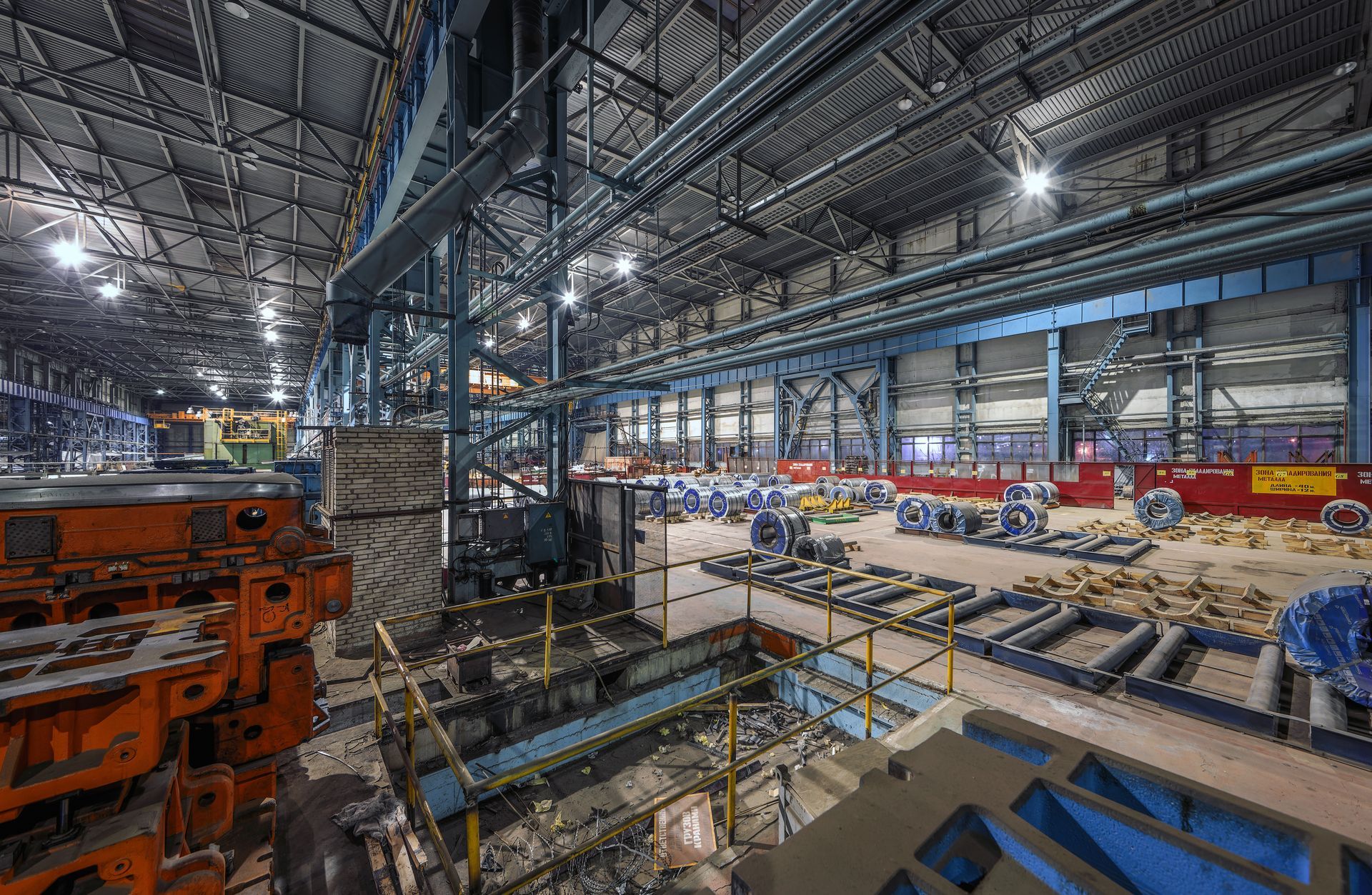
Equipment breakdowns, product liability, and workforce injuries are daily risks for Texas manufacturers. We build coverage from the shop floor to the loading dock — so one incident does not shut you down.
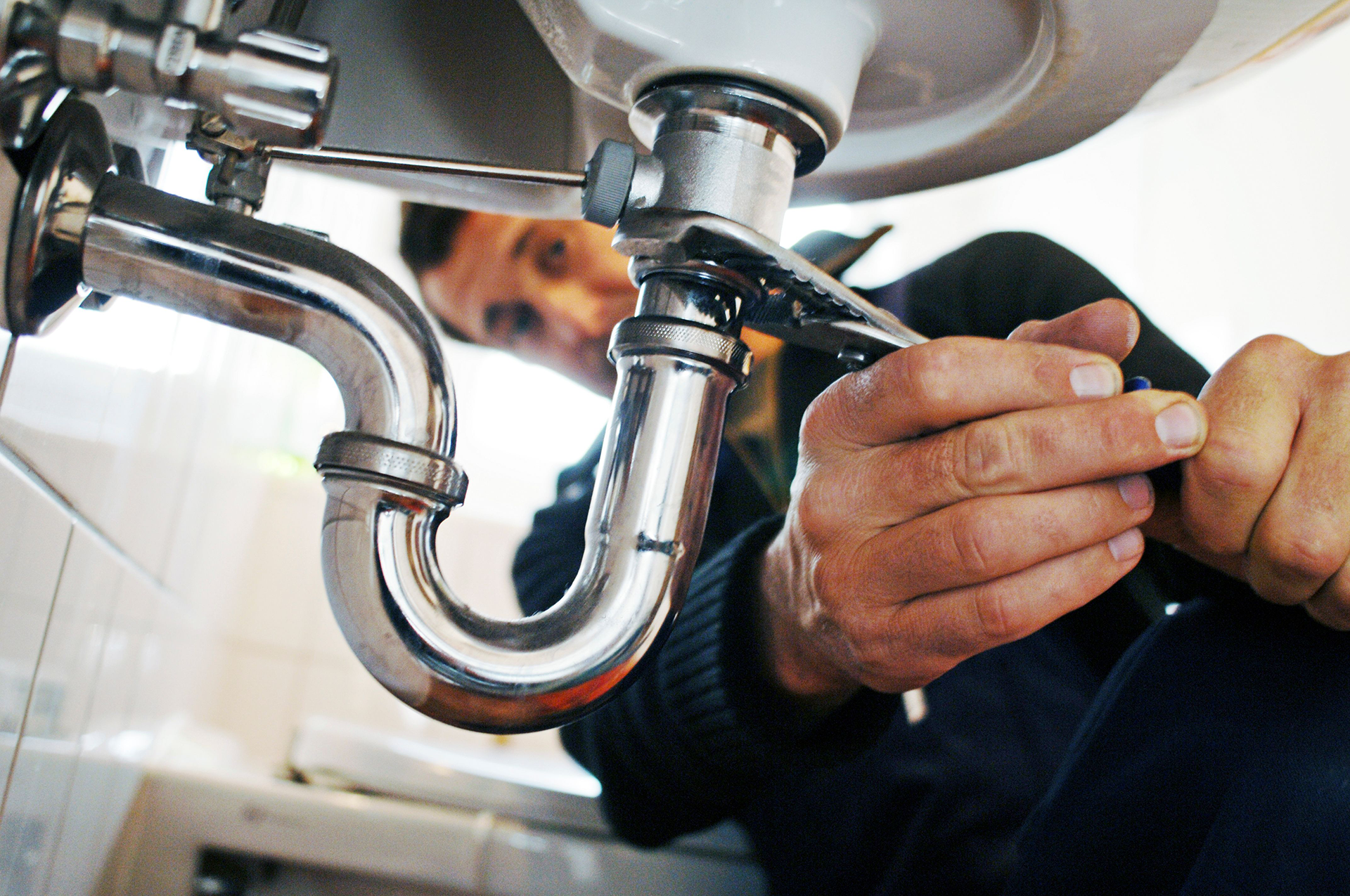
Artisan Contractors
Plumbers, electricians, and skilled tradespeople work in high-risk environments every day. We build coverage around your tools, your vehicles, and your crew — so a job site incident does not stop your business.

Restaurants & Food Service
Restaurants carry liability on every shift — from the kitchen to the dining room and everything in between. We protect your location, your staff, and your equipment, including lost income when operations stop.

Non-Profits Service
Non-profits face unique liability across events, volunteers, staff, and leadership decisions. We cover your organization from the ground up — so you can focus on your mission, not your exposure.

Event Insurance
Event organizers face liability the moment guests arrive, vendors set up, and alcohol is served. We cover your event from start to finish — so one unexpected incident does not cancel everything you planned for.
Answers Before You Pick Up the Phone
What Texas Businesses Ask Us Most
We get a lot of the same questions from business owners across Texas. Here are honest answers to the ones that come up most.

What information do you need to get a commercial insurance quote?
We keep the process straightforward. We typically need your business name, a description of your operations, your gross annual sales projection, number of full-time and part-time employees, your gross annual payroll, and the types of coverage you are looking for. If you have an existing policy, the expiration date and current carrier help us put together a competitive comparison.
The most important thing you can do is be transparent about what your business actually does. Accurate classification ensures you have real coverage if a claim occurs. We have seen businesses with active policies that were incorrectly classified — and those gaps only surface at the worst possible moment.
Does Texas require businesses to carry Workers' Compensation Insurance?
Texas is the only state in the country that does not require most private employers to carry Workers' Compensation. However, if your business holds government contracts or works as a subcontractor on a job site, the hiring company will almost always require proof of coverage before work begins. A growing number of general contractors across Denton and the DFW area enforce this as a standard condition.
Even without a legal requirement, carrying Workers' Comp protects your business from direct liability if an employee is hurt on the job. Medical bills, lost wages, and legal fees can add up quickly — and one serious incident can create a financial loss that far exceeds years of premium payments.
What is a commercial insurance audit and should I expect one?
Most commercial general liability policies are auditable. At the end of your policy term, the insurance carrier reviews your actual gross sales to make sure your premium matched your real exposure. If your sales grew during the year, you may owe an additional premium. If sales came in lower, you could receive a refund.
The best way to avoid a large balance due at audit time is to update your projected gross sales with us during the year if your business grows faster than expected. We can endorse your policy mid-term to reflect the change and spread any additional premium across smaller installments instead of one lump sum at year-end.
What factors affect how much my commercial coverage will cost?
Your premium is calculated based on several variables specific to your operation — industry classification, gross annual sales, number of employees, gross payroll, claims history, and the types of coverage you need. A business that handles physical work with a crew on job sites will pay differently than a professional services firm working out of an office.
As an independent agency, we compare quotes across multiple carriers — including Travelers, The Hartford, Chubb, AmTrust, and others — to find the combination of coverage and price that works for your situation. There is no obligation after your quote, and we walk through every option in plain terms before you decide anything.
My business is a restaurant — what coverage do I actually need?
Restaurants are not a one-size-fits-all class of risk. Carriers look at a range of factors when evaluating a restaurant account: whether you serve alcohol, whether deep frying is involved, the type of fire suppression system in place, whether you have a hood cleaning contract, and whether you offer catering, delivery, or live entertainment. All of these affect both pricing and carrier appetite.
A well-structured restaurant policy typically includes general liability, building and business personal property coverage, liquor liability if applicable, food contamination coverage, business income protection, and workers' compensation for your staff. We work with carriers that actively want to write restaurant accounts in Texas — including Travelers, The Hartford, and Chubb — so you have real options to compare.
Can you help insure a business that is hard to place or outside the mainstream?
Yes — this is one of our strengths. We work with Excess and Surplus (E&S) lines markets through carriers like Burns & Wilcox for businesses that standard carriers will not write. We have placed coverage for master sign electricians, cable splicing operations, transmission rebuild shops for classic cars, CBD retailers, and many other non-standard accounts.
If you have been told your business is difficult to insure or you have received very limited options in the marketplace, reach out to us. We take time to understand your operations in detail, present your account to the right markets, and work to find coverage that actually reflects what you do — not a generic policy that leaves gaps.
Still have Question?
We’re here to help you!
Written for the Texas Business Owner
Insights That Help You Make Smarter Decisions
We publish articles on real topics that affect how Texas operators get covered — from local regulatory updates to coverage gaps most owners do not know they have.