Texas Workers Compensation for Concrete Contractors

See How We're Different
Call Us: (940) 268-5112
Pouring concrete in Texas means working in extreme heat, handling caustic materials, operating heavy equipment, and meeting tight deadlines that don't slow down for safety concerns. A single injury on a concrete job can generate medical bills exceeding $50,000, and that's before considering lost wages, rehabilitation, and potential lawsuits. Texas concrete contractors face a unique decision that contractors in other states don't: whether to carry
workers' compensation coverage at all. The state's non-subscriber system creates both opportunities and serious risks for concrete businesses. Understanding how workers' comp applies specifically to concrete crews helps you protect your workers, your business, and your ability to win contracts. Many
general contractors now require proof of coverage before allowing concrete subs on their sites, making this more than just a risk management decision.
Understanding Workers' Compensation for Texas Concrete Professionals
Frequently Asked Questions
Texas stands alone as the only state where private employers can legally opt out of the workers' compensation system. This creates a complex landscape for concrete contractors who must weigh premium costs against exposure to employee injury lawsuits.
The Non-Subscriber System in Texas
When a Texas concrete contractor chooses not to carry workers' comp, they become a "non-subscriber." This sounds like a money-saving strategy until you understand the trade-off. Non-subscribers lose three critical legal defenses when injured employees sue: contributory negligence, assumption of risk, and the fellow employee doctrine. An injured concrete finisher can sue you directly, and proving that the worker was partially at fault won't reduce your liability. Jury awards in Texas workplace injury cases regularly exceed $500,000, with some reaching into the millions. The Texas Department of Insurance reports that non-subscribers face lawsuit rates significantly higher than covered employers.
Why Concrete Crews Face Higher Risk Profiles
Concrete work ranks among the most hazardous construction activities. Your crews handle silica-laden dust that causes irreversible lung disease. They work around concrete pumps and mixers that can crush or amputate limbs. Wet concrete causes chemical burns, and the physical demands of finishing work lead to chronic musculoskeletal injuries. A finisher kneeling on fresh concrete for hours develops knee problems that may require surgery years later. Insurance carriers classify concrete operations as high-risk, which affects both availability and pricing of coverage. Understanding these risk factors helps you implement controls that reduce both injuries and premiums.

By: Michael Whitaker
Insurance Advisor at
Denton Business Insurance
Essential Coverage Components for Concrete Operations
A workers' comp policy for concrete contractors needs to address the specific types of injuries your crews encounter. The coverage breaks down into several key components that work together to protect both workers and employers.
Medical Expenses and Rehabilitation Benefits
When a concrete worker gets injured, medical coverage kicks in immediately with no deductible for the employee. This includes emergency treatment, surgery, prescription medications, physical therapy, and any medical equipment needed for recovery. A worker who develops silicosis from years of exposure to concrete dust may require ongoing pulmonary treatment costing tens of thousands annually. The policy covers these expenses without lifetime caps, which matters significantly for serious injuries. Rehabilitation services help injured workers regain function and return to productive employment.
Income Replacement for Injured Finishers and Laborers
Texas workers' comp provides temporary income benefits at approximately 70% of the worker's pre-injury average weekly wage, up to the state maximum. For 2024, that maximum sits at $1,111 per week. A concrete laborer earning $800 weekly would receive around $560 during recovery. Impairment income benefits apply when a worker sustains permanent damage but can still work. Supplemental income benefits continue for workers who return to employment at reduced wages. These structured benefits create predictable costs compared to the unpredictable exposure of non-subscriber lawsuits.
Employer Liability Protection
Your workers' comp policy includes
employer liability coverage, typically with limits of $100,000 per occurrence, $500,000 aggregate, and $100,000 per employee. This protects against lawsuits claiming negligence beyond what the workers' comp system covers. If a worker's spouse sues for loss of consortium, or if you face a third-party action, this coverage responds. Many concrete contractors increase these limits to $1 million or higher given the severity of potential injuries in their industry.
Your premium depends on several factors within your control. Understanding these elements helps you secure better rates and budget accurately for coverage costs.
Class Codes: 5221 vs. Other Construction Designations
Insurance carriers assign class codes based on the type of work performed. Concrete work typically falls under NCCI class code 5221 for concrete construction, which carries a base rate significantly higher than general construction codes. In Texas, the 5221 rate often runs between $8 and $15 per $100 of payroll, depending on the carrier and your specific operations. If your business performs multiple types of work, proper classification matters enormously. A concrete contractor who also does excavation might have payroll split between different codes. Misclassification can result in audit adjustments that create unexpected premium bills.
The Impact of Experience Modifier Rates (EMR)
Your EMR compares your claims history against other concrete contractors of similar size. A modifier of 1.0 means average performance. Below 1.0, you pay less than the manual rate; above 1.0, you pay more. A concrete contractor with a 0.85 EMR saves 15% on premiums compared to the base rate. One serious claim can push your modifier above 1.0 for three years. At Denton Business Insurance, we help contractors understand how individual claims affect their modifier and develop strategies to improve it over time. Some general contractors require subcontractors to maintain an EMR below 1.0 to bid on their projects.

Concrete contractors frequently use subcontractors for specialty work or to handle overflow during busy periods. These relationships create significant workers' comp implications that many contractors overlook.
The Risks of Uninsured Sub-Crews
When you hire a subcontractor who lacks workers' comp coverage, their employees may become your responsibility under Texas law. If that sub's worker gets injured on your jobsite, the claim can hit your policy. Your carrier will pay the claim, then add that payroll to your audit, charging you premium for workers you didn't even employ directly. This also damages your EMR, increasing premiums for years. Always verify subcontractor coverage before they start work, and require certificates of insurance naming you as an additional insured.
Texas DWC Form-83 and Coverage Waivers
The Texas Department of Workers' Compensation Form DWC-83 allows sole proprietors and partners to waive their right to workers' comp benefits. This form must be properly filed and maintained to be valid. If a subcontractor provides a DWC-83 waiver, they're acknowledging they've chosen non-subscriber status for themselves. This doesn't necessarily protect you if they have employees, only if they're truly working alone. Keep copies of all DWC-83 forms and certificates of insurance in organized files. During audits, these documents prove you weren't responsible for uninsured workers.
Safety Strategies to Reduce Claims and Costs
The most effective way to control workers' comp costs is preventing injuries before they happen. Concrete operations present specific hazards that require targeted safety programs.
OSHA Compliance for Silica Dust and Heavy Machinery
OSHA's silica dust standard requires concrete contractors to implement exposure controls when cutting, grinding, or drilling concrete. This means using water suppression, vacuum systems, or respiratory protection. Violations result in fines, but more importantly, silica exposure claims create long-tail liabilities that affect your business for decades. Heavy equipment safety requires documented training, maintenance records, and clear communication protocols. A concrete pump operator who hasn't received proper training represents both a safety risk and a liability exposure.
Implementing Return-to-Work Programs
Getting injured workers back on the job quickly reduces claim costs and improves outcomes for everyone. A concrete finisher recovering from a back strain might handle inventory management or equipment maintenance during rehabilitation. These modified duty assignments keep workers engaged while they heal. Insurance carriers often provide premium credits for contractors with documented return-to-work programs. The key is having the program in place before an injury occurs, not scrambling to create one after the fact.
| Coverage Comparison | Non-Subscriber | Policy covers all |
|---|---|---|
| Medical Expense Cap | Unlimited liability | Policy covers all |
| Legal Defense Costs | Out of pocket | Included in policy |
| Employee Lawsuit Risk | High exposure | Limited by statute |
| Premium Cost | None | $8-$15 per $100 payroll |
| Contract Eligibility | Often excluded | Meets GC requirements |
Securing the Best Policy for Your Texas Concrete Business
Finding the right workers' comp coverage requires comparing multiple carriers, as rates vary significantly for concrete operations. Some carriers specialize in construction and understand the nuances of concrete work, while others apply generic underwriting that results in inflated premiums. Working with an independent agency like Denton Business Insurance gives you access to multiple markets including Travelers, Nationwide, and specialty construction carriers. We compare quotes and coverage terms to find policies that match your specific operations, whether you're running a small finishing crew or a large commercial concrete operation.
The best policy balances premium cost with carrier financial strength and claims handling reputation. Look for carriers rated A- or better by A.M. Best, and ask about their experience with construction claims in Texas specifically. A carrier that processes claims efficiently gets your workers the care they need while controlling costs that affect your future premiums.
Frequently Asked Questions
Do I legally have to carry workers' comp for my concrete crew in Texas? No, Texas doesn't require private employers to carry workers' comp. However, going without coverage exposes you to direct lawsuits from injured employees, and you lose key legal defenses that limit your liability.
How much does workers' comp typically cost for concrete contractors? Expect rates between $8 and $15 per $100 of payroll, depending on your claims history, safety programs, and the carrier. A contractor with $500,000 in annual payroll might pay $40,000 to $75,000 annually.
Can I exclude myself as the owner from coverage? Yes, sole proprietors and partners can file a DWC-83 waiver to exclude themselves. Corporate officers may also be able to exclude themselves depending on ownership percentage.
What happens if my subcontractor doesn't have coverage? Their workers may be considered your employees for workers' comp purposes. Any claims would hit your policy and affect your experience modifier.
How long do claims affect my experience modifier? Claims remain in your EMR calculation for three years from the policy period when the injury occurred.
Will my premium go up after every claim? Not necessarily. Small medical-only claims have minimal impact. Lost-time claims with significant reserves affect your modifier more substantially.
Getting workers' comp coverage right protects your concrete business from the financial devastation that a single serious injury can cause. Contact Denton Business Insurance to compare quotes from multiple carriers and find coverage that fits your operations and budget.
Straight from the Clients We Serve
Texas Business Owners Rate Us 5 Stars — Here Is Why
We hear the same things repeatedly: fast service, honest advice, and coverage that made sense for their situation. That is what we aim for every time.
Protection Across Every Area of Your BUSINESS
What Texas Businesses Need. What We Deliver.
From your job site and your fleet to your data and your payroll — we cover the risks that Texas businesses carry every day.
General Liability
Covers third-party claims of bodily injury, property damage, and advertising injury. A foundational protection for nearly every Texas business, regardless of industry or size.
Commercial Property
Covers your building, equipment, inventory, and business contents against fire, theft, storms, and vandalism. Can also include lost income if your businesses are forced to stop.
Commercial Auto
Protects vehicles your company owns, leases, or uses for work. Covers liability, collision damage, and injuries for employees driving on company time.
Errors & Omissions
Protects service providers when a client claims your advice, work, or recommendations caused them a financial loss. Critical for consultants, IT firms, agents, and other professional service businesses.
Directors & Officers
Covers leadership decisions that result in claims from employees, investors, or outside parties. Protects your directors and officers personally when management decisions are challenged.
Inland Marine & Equipment Floater
Covers tools, materials, and equipment that move between job sites or are stored off your primary property. Fills the gap where a standard commercial property policy stops.
Every Sector Has Its Own Risk Profile
We Know Your Trade. We Know Your Exposure.
We work with a wide range of Texas industries — each with different coverage priorities. Below are the sectors we serve most often.

Apartment Complexes
Texas apartment owners face liability across common areas, tenant incidents, and on-site staff. We cover your property, your income, and your exposure — across one complex or an entire portfolio.
Manufacturing Businesses
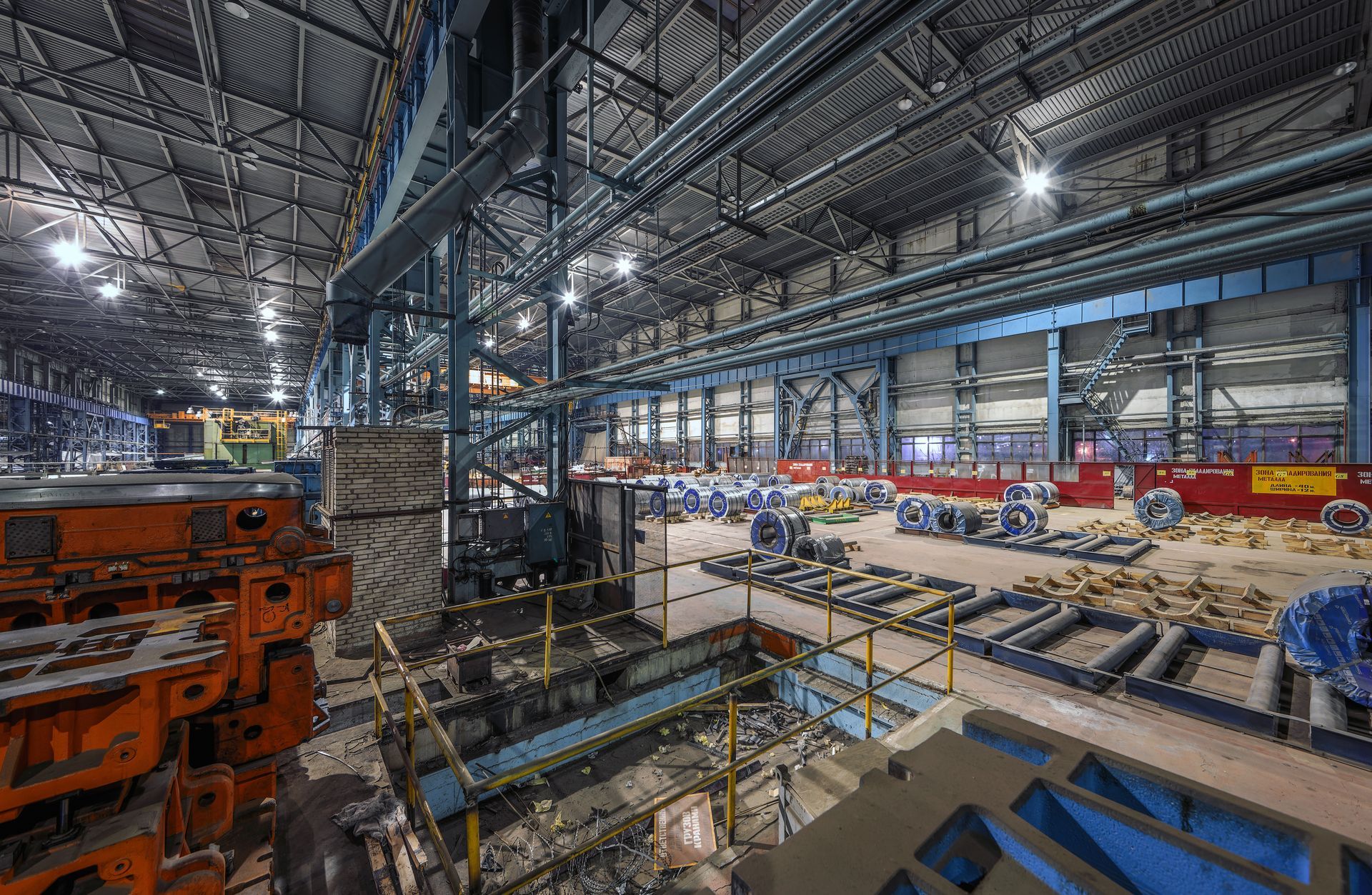
Equipment breakdowns, product liability, and workforce injuries are daily risks for Texas manufacturers. We build coverage from the shop floor to the loading dock — so one incident does not shut you down.

Artisan Contractors
Plumbers, electricians, and skilled tradespeople work in high-risk environments every day. We build coverage around your tools, your vehicles, and your crew — so a job site incident does not stop your business.

Restaurants & Food Service
Restaurants carry liability on every shift — from the kitchen to the dining room and everything in between. We protect your location, your staff, and your equipment, including lost income when operations stop.

Non-Profits Service
Non-profits face unique liability across events, volunteers, staff, and leadership decisions. We cover your organization from the ground up — so you can focus on your mission, not your exposure.

Event Insurance
Event organizers face liability the moment guests arrive, vendors set up, and alcohol is served. We cover your event from start to finish — so one unexpected incident does not cancel everything you planned for.
Answers Before You Pick Up the Phone
What Texas Businesses Ask Us Most
We get a lot of the same questions from business owners across Texas. Here are honest answers to the ones that come up most.

What information do you need to get a commercial insurance quote?
We keep the process straightforward. We typically need your business name, a description of your operations, your gross annual sales projection, number of full-time and part-time employees, your gross annual payroll, and the types of coverage you are looking for. If you have an existing policy, the expiration date and current carrier help us put together a competitive comparison.
The most important thing you can do is be transparent about what your business actually does. Accurate classification ensures you have real coverage if a claim occurs. We have seen businesses with active policies that were incorrectly classified — and those gaps only surface at the worst possible moment.
Does Texas require businesses to carry Workers' Compensation Insurance?
Texas is the only state in the country that does not require most private employers to carry Workers' Compensation. However, if your business holds government contracts or works as a subcontractor on a job site, the hiring company will almost always require proof of coverage before work begins. A growing number of general contractors across Denton and the DFW area enforce this as a standard condition.
Even without a legal requirement, carrying Workers' Comp protects your business from direct liability if an employee is hurt on the job. Medical bills, lost wages, and legal fees can add up quickly — and one serious incident can create a financial loss that far exceeds years of premium payments.
What is a commercial insurance audit and should I expect one?
Most commercial general liability policies are auditable. At the end of your policy term, the insurance carrier reviews your actual gross sales to make sure your premium matched your real exposure. If your sales grew during the year, you may owe an additional premium. If sales came in lower, you could receive a refund.
The best way to avoid a large balance due at audit time is to update your projected gross sales with us during the year if your business grows faster than expected. We can endorse your policy mid-term to reflect the change and spread any additional premium across smaller installments instead of one lump sum at year-end.
What factors affect how much my commercial coverage will cost?
Your premium is calculated based on several variables specific to your operation — industry classification, gross annual sales, number of employees, gross payroll, claims history, and the types of coverage you need. A business that handles physical work with a crew on job sites will pay differently than a professional services firm working out of an office.
As an independent agency, we compare quotes across multiple carriers — including Travelers, The Hartford, Chubb, AmTrust, and others — to find the combination of coverage and price that works for your situation. There is no obligation after your quote, and we walk through every option in plain terms before you decide anything.
My business is a restaurant — what coverage do I actually need?
Restaurants are not a one-size-fits-all class of risk. Carriers look at a range of factors when evaluating a restaurant account: whether you serve alcohol, whether deep frying is involved, the type of fire suppression system in place, whether you have a hood cleaning contract, and whether you offer catering, delivery, or live entertainment. All of these affect both pricing and carrier appetite.
A well-structured restaurant policy typically includes general liability, building and business personal property coverage, liquor liability if applicable, food contamination coverage, business income protection, and workers' compensation for your staff. We work with carriers that actively want to write restaurant accounts in Texas — including Travelers, The Hartford, and Chubb — so you have real options to compare.
Can you help insure a business that is hard to place or outside the mainstream?
Yes — this is one of our strengths. We work with Excess and Surplus (E&S) lines markets through carriers like Burns & Wilcox for businesses that standard carriers will not write. We have placed coverage for master sign electricians, cable splicing operations, transmission rebuild shops for classic cars, CBD retailers, and many other non-standard accounts.
If you have been told your business is difficult to insure or you have received very limited options in the marketplace, reach out to us. We take time to understand your operations in detail, present your account to the right markets, and work to find coverage that actually reflects what you do — not a generic policy that leaves gaps.
Still have Question?
We’re here to help you!
Written for the Texas Business Owner
Insights That Help You Make Smarter Decisions
We publish articles on real topics that affect how Texas operators get covered — from local regulatory updates to coverage gaps most owners do not know they have.