Texas Inland Marine Insurance for HVAC Contractors

See How We're Different
Call Us: (940) 268-5112
Your service van gets broken into overnight at a commercial job site in Fort Worth. Thieves make off with $15,000 worth of diagnostic equipment, refrigerant recovery machines, and specialty hand tools. You file a claim with your general liability carrier, confident you're covered. Then the denial letter arrives.
This scenario plays out across Texas more often than most contractors realize. The problem isn't that you skipped insurance altogether. The problem is that standard business policies weren't designed to protect equipment that moves between locations. For HVAC contractors hauling expensive tools and materials across job sites from El Paso to Houston, that gap can mean devastating out-of-pocket losses.
Equipment coverage for Texas HVAC operations requires understanding a specific type of policy: inland marine insurance. Despite the confusing name (there's no water involved), this coverage category exists specifically for property in transit or stored at temporary locations. Think of it as protection that travels with your assets rather than staying fixed to one address.
Texas presents unique challenges for contractors.
Severe weather events, high theft rates in urban areas, and the sheer distances between job sites create exposure that contractors in smaller states simply don't face. A single hailstorm can damage thousands of dollars in uninstalled equipment sitting on a trailer. Understanding how inland marine policies work, and how to structure them correctly, separates contractors who recover quickly from those who absorb crippling losses.
The Role of Inland Marine Insurance for Texas HVAC Operations
Why Standard Property Insurance Falls Short
Commercial property insurance protects assets at your listed business address. Your shop, your office equipment, and tools stored in your warehouse are covered. The moment those tools leave your premises, coverage becomes questionable at best.
Most property policies include some off-premises coverage, but limits are typically capped at 10% of your total insured value. For a contractor with $100,000 in covered property, that means only $10,000 protects everything in your trucks and at job sites combined. That number disappears fast when you're carrying multiple manifold gauge sets, vacuum pumps, and combustion analyzers.
The other issue is covered perils. Property policies often exclude damage during transport or require proof that items were stored in locked, secured locations. Job site theft rarely meets these requirements, leaving contractors fighting claim denials over technicalities.
Coverage for Tools and Equipment in Transit
Inland marine insurance fills these gaps by following your property wherever work takes you. Whether equipment sits in your service van overnight, gets transported to a commercial installation in Dallas, or waits at a residential job site in San Antonio, coverage applies.
Policies typically cover theft, vandalism, fire, collision damage during transport, and weather-related losses. Some carriers even include coverage for equipment accidentally left behind at customer locations, a common occurrence when technicians rush between calls.
The flexibility matters for Texas contractors covering large service territories. A single policy can protect assets across multiple counties without requiring you to list every potential job site address.

By: Linda Dodson
Agency Director at
Denton Business Insurance
Key Assets Protected Under an HVAC Equipment Policy
High-Value Diagnostic Tools and Hand Tools
Modern HVAC service requires sophisticated diagnostic equipment. Digital manifold gauges run $500 to $2,000. Combustion analyzers cost $1,500 to $4,000. Refrigerant leak detectors, thermal imaging cameras, and electrical testing equipment add thousands more to your mobile inventory.
Hand tools accumulate value faster than most contractors realize. A well-equipped service van often carries $8,000 to $15,000 in tools before counting diagnostic equipment. Inland marine policies can cover these items either as a blanket amount or with specific scheduling for high-value pieces.
Uninstalled Materials and HVAC Units at Job Sites
Installation contractors face additional exposure from uninstalled materials. A residential HVAC unit waiting for installation represents $3,000 to $8,000 in vulnerable inventory. Commercial projects multiply that exposure significantly.
Coverage extends to materials in transit from suppliers, stored at job sites awaiting installation, and temporarily held at your facility before delivery. Some policies include coverage for materials you've purchased but haven't yet picked up from distributors, protecting your investment from the moment of purchase.
Mobile Equipment and Heavy Machinery
Larger operations use equipment that falls between tools and vehicles: scissor lifts, portable cranes, welding equipment, and generators. These items often require specific scheduling on inland marine policies due to their value and specialized nature.
Texas contractors working commercial and industrial projects should review how their policies handle rented equipment. Many inland marine policies can extend coverage to rented items, protecting you from liability when a rented lift gets damaged at your job site.
Common Risks and Perils for Texas Contractors
Theft and Vandalism on Unsecured Worksites
Texas consistently ranks among the highest states for construction site theft. Urban areas like Houston, Dallas, and Austin see particularly high rates of equipment theft from job sites and parked vehicles.
Thieves target HVAC equipment specifically because it's valuable, portable, and difficult to trace. Copper theft remains a persistent problem, but organized theft rings increasingly focus on diagnostic equipment and power tools that resell easily online.
Inland marine policies cover theft without requiring the same security measures that property policies often demand. That said, carriers may offer premium discounts for contractors using GPS tracking, locked storage boxes, and alarm systems.
Damage from Severe Texas Weather and Natural Disasters
Texas weather creates equipment exposure that contractors in other states rarely consider. Hailstorms can destroy equipment left on trailers or at job sites. Flash flooding in low-lying areas damages tools stored in vehicle compartments. High winds during severe storms scatter materials across job sites.
The 2021 Winter Storm Uri demonstrated how quickly weather can damage HVAC equipment. Contractors who lost inventory to burst pipes and freeze damage found themselves unable to meet demand precisely when customers needed them most. Inland marine coverage helped affected contractors replace equipment quickly rather than waiting months for property claim settlements.
Understanding Valuation: Replacement Cost vs. Actual Cash Value
Valuation method determines how much you receive when filing a claim. The difference between replacement cost and actual cash value can mean thousands of dollars on a single piece of equipment.
Replacement cost coverage pays what it actually costs to replace damaged or stolen items with new equivalents. If your $3,000 combustion analyzer gets stolen, you receive $3,000 toward a new one.
Actual cash value subtracts depreciation from replacement cost. That same $3,000 analyzer, purchased three years ago, might only pay out $1,800 after depreciation calculations. You're left covering the difference out of pocket.
| Valuation Type | Claim Payout | Best For |
|---|---|---|
| Replacement Cost | Full cost of new equivalent | Newer equipment, high-value tools |
| Actual Cash Value | Depreciated value | Older equipment, budget-conscious coverage |
| Agreed Value | Pre-determined amount | Specialty or custom equipment |
Replacement cost policies carry higher premiums, typically 15-25% more than actual cash value coverage. For contractors with newer equipment, the additional premium usually proves worthwhile at claim time.
Installation floaters provide project-specific coverage for materials and equipment dedicated to particular jobs. Unlike blanket inland marine policies, floaters attach to specific contracts and cover materials from purchase through installation completion.
Large commercial projects often require installation floaters as a contract condition. General contractors and property owners want assurance that materials won't disappear or get damaged before installation, leaving projects delayed and budgets blown.
Floaters typically cover the full value of materials and equipment assigned to a project, including items in transit, stored at job sites, and partially installed. Coverage continues until the project reaches substantial completion or the owner accepts the work.
Working with an independent agency like Denton Business Insurance helps contractors structure floaters correctly for specific project requirements. Different carriers offer varying terms, and matching floater coverage to contract language prevents gaps that could leave you personally liable.
Selecting the Right Coverage Limits for Your Business
Assessing Total Inventory Value
Most contractors underestimate their total equipment value by 30-50%. The accumulation of tools, equipment, and materials across vehicles, job sites, and storage adds up faster than intuition suggests.
Create a detailed inventory listing every piece of equipment, its replacement cost, and its typical location. Include items stored in personal vehicles if they're used for business. Don't forget consumables and materials that might be in transit at any given time.
Review this inventory annually. Equipment purchases throughout the year often get forgotten when renewal time arrives, leaving new tools unprotected.
Scheduling High-Value Items Separately
Items exceeding $2,500 to $5,000 often benefit from specific scheduling rather than blanket coverage. Scheduling lists individual items with agreed values, eliminating disputes about replacement cost at claim time.
Scheduled items typically receive broader coverage with fewer exclusions. If you own specialty equipment, custom tools, or particularly expensive diagnostic devices, discuss scheduling options with your agent.
Denton Business Insurance works with carriers including Travelers, Nationwide, and Chubb to structure inland marine coverage matching each contractor's specific equipment profile. Comparing options across multiple carriers often reveals significant premium differences for equivalent coverage.
Frequently Asked Questions
Does my commercial auto policy cover tools stolen from my service van? Most commercial auto policies exclude tools and equipment, or limit coverage to $1,000-$2,500. Inland marine coverage specifically addresses this gap.
What's the typical premium range for HVAC contractor inland marine coverage? Premiums typically run $500-$2,000 annually for $50,000-$150,000 in coverage, depending on deductibles and loss history.
Are rented tools and equipment covered under my policy? Some policies include rented equipment coverage; others require endorsements. Review your policy language or ask your agent before assuming coverage applies.
How quickly do inland marine claims typically pay out? Straightforward theft and damage claims often settle within 2-4 weeks, faster than property claims involving building damage assessments.
Do I need separate coverage for each service vehicle? Blanket policies typically cover equipment across all vehicles without requiring separate schedules for each truck.
Making the Right Choice for Your Operation
Protecting your equipment investment requires coverage designed for mobile assets. Standard property policies leave dangerous gaps that become apparent only after losses occur. Inland marine insurance exists specifically to close those gaps, covering your tools, equipment, and materials wherever Texas jobs take you.
Review your current coverage with an independent agent who can compare options across multiple carriers. Denton Business Insurance helps Texas HVAC contractors evaluate their exposure and structure coverage that actually protects their operations. Contact us to review your equipment inventory and identify any coverage gaps before the next theft or weather event tests your policy.
Straight from the Clients We Serve
Texas Business Owners Rate Us 5 Stars — Here Is Why
We hear the same things repeatedly: fast service, honest advice, and coverage that made sense for their situation. That is what we aim for every time.
Protection Across Every Area of Your BUSINESS
What Texas Businesses Need. What We Deliver.
From your job site and your fleet to your data and your payroll — we cover the risks that Texas businesses carry every day.
General Liability
Covers third-party claims of bodily injury, property damage, and advertising injury. A foundational protection for nearly every Texas business, regardless of industry or size.
Commercial Property
Covers your building, equipment, inventory, and business contents against fire, theft, storms, and vandalism. Can also include lost income if your businesses are forced to stop.
Commercial Auto
Protects vehicles your company owns, leases, or uses for work. Covers liability, collision damage, and injuries for employees driving on company time.
Errors & Omissions
Protects service providers when a client claims your advice, work, or recommendations caused them a financial loss. Critical for consultants, IT firms, agents, and other professional service businesses.
Directors & Officers
Covers leadership decisions that result in claims from employees, investors, or outside parties. Protects your directors and officers personally when management decisions are challenged.
Inland Marine & Equipment Floater
Covers tools, materials, and equipment that move between job sites or are stored off your primary property. Fills the gap where a standard commercial property policy stops.
Every Sector Has Its Own Risk Profile
We Know Your Trade. We Know Your Exposure.
We work with a wide range of Texas industries — each with different coverage priorities. Below are the sectors we serve most often.

Apartment Complexes
Texas apartment owners face liability across common areas, tenant incidents, and on-site staff. We cover your property, your income, and your exposure — across one complex or an entire portfolio.
Manufacturing Businesses
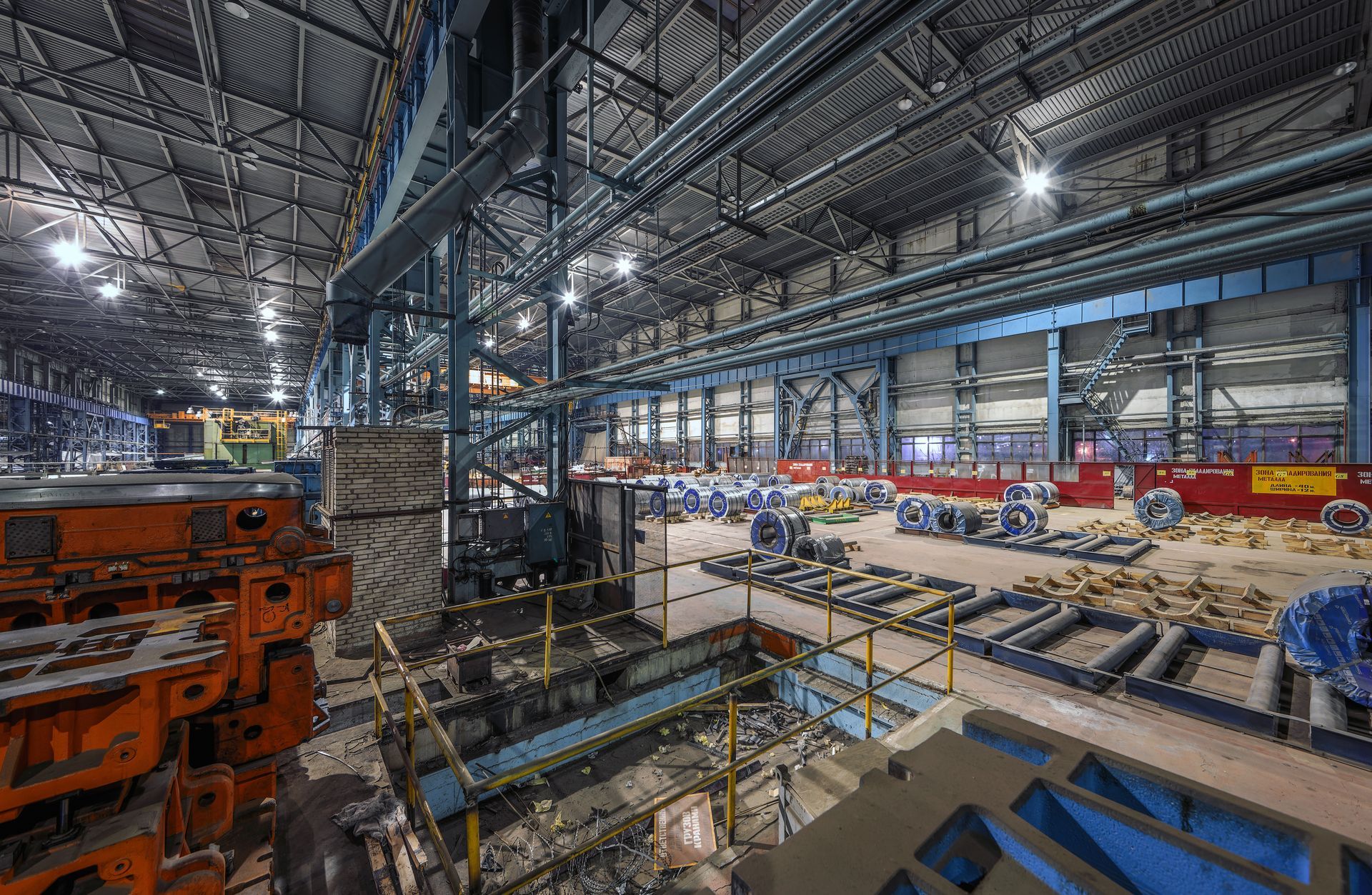
Equipment breakdowns, product liability, and workforce injuries are daily risks for Texas manufacturers. We build coverage from the shop floor to the loading dock — so one incident does not shut you down.
Artisan Contractors
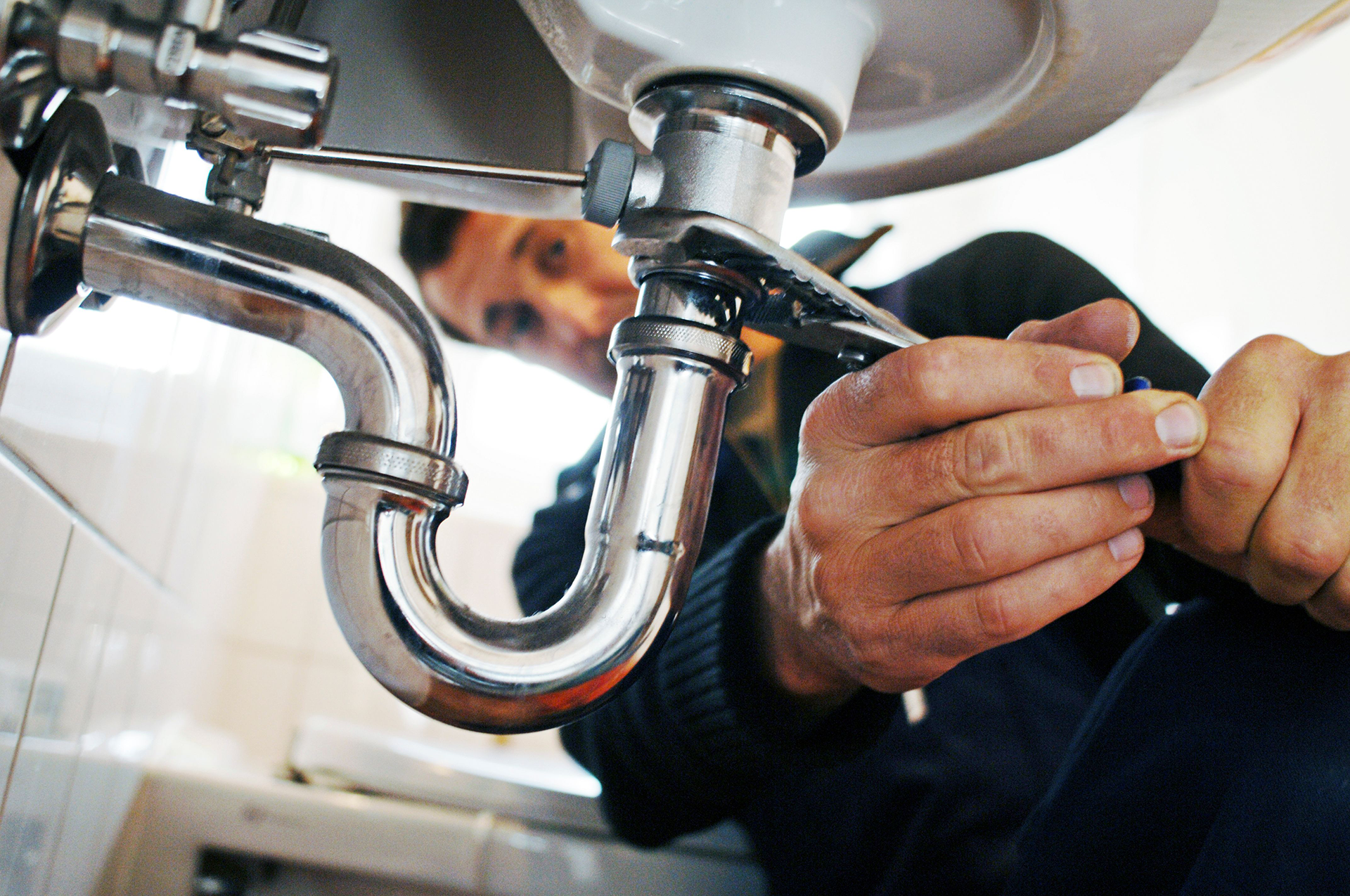
Plumbers, electricians, and skilled tradespeople work in high-risk environments every day. We build coverage around your tools, your vehicles, and your crew — so a job site incident does not stop your business.

Restaurants & Food Service
Restaurants carry liability on every shift — from the kitchen to the dining room and everything in between. We protect your location, your staff, and your equipment, including lost income when operations stop.

Non-Profits Service
Non-profits face unique liability across events, volunteers, staff, and leadership decisions. We cover your organization from the ground up — so you can focus on your mission, not your exposure.

Event Insurance
Event organizers face liability the moment guests arrive, vendors set up, and alcohol is served. We cover your event from start to finish — so one unexpected incident does not cancel everything you planned for.
Answers Before You Pick Up the Phone
What Texas Businesses Ask Us Most
We get a lot of the same questions from business owners across Texas. Here are honest answers to the ones that come up most.
What information do you need to get a commercial insurance quote?
We keep the process straightforward. We typically need your business name, a description of your operations, your gross annual sales projection, number of full-time and part-time employees, your gross annual payroll, and the types of coverage you are looking for. If you have an existing policy, the expiration date and current carrier help us put together a competitive comparison.
The most important thing you can do is be transparent about what your business actually does. Accurate classification ensures you have real coverage if a claim occurs. We have seen businesses with active policies that were incorrectly classified — and those gaps only surface at the worst possible moment.
Does Texas require businesses to carry Workers' Compensation Insurance?
Texas is the only state in the country that does not require most private employers to carry Workers' Compensation. However, if your business holds government contracts or works as a subcontractor on a job site, the hiring company will almost always require proof of coverage before work begins. A growing number of general contractors across Denton and the DFW area enforce this as a standard condition.
Even without a legal requirement, carrying Workers' Comp protects your business from direct liability if an employee is hurt on the job. Medical bills, lost wages, and legal fees can add up quickly — and one serious incident can create a financial loss that far exceeds years of premium payments.
What is a commercial insurance audit and should I expect one?
Most commercial general liability policies are auditable. At the end of your policy term, the insurance carrier reviews your actual gross sales to make sure your premium matched your real exposure. If your sales grew during the year, you may owe an additional premium. If sales came in lower, you could receive a refund.
The best way to avoid a large balance due at audit time is to update your projected gross sales with us during the year if your business grows faster than expected. We can endorse your policy mid-term to reflect the change and spread any additional premium across smaller installments instead of one lump sum at year-end.
What factors affect how much my commercial coverage will cost?
Your premium is calculated based on several variables specific to your operation — industry classification, gross annual sales, number of employees, gross payroll, claims history, and the types of coverage you need. A business that handles physical work with a crew on job sites will pay differently than a professional services firm working out of an office.
As an independent agency, we compare quotes across multiple carriers — including Travelers, The Hartford, Chubb, AmTrust, and others — to find the combination of coverage and price that works for your situation. There is no obligation after your quote, and we walk through every option in plain terms before you decide anything.
My business is a restaurant — what coverage do I actually need?
Restaurants are not a one-size-fits-all class of risk. Carriers look at a range of factors when evaluating a restaurant account: whether you serve alcohol, whether deep frying is involved, the type of fire suppression system in place, whether you have a hood cleaning contract, and whether you offer catering, delivery, or live entertainment. All of these affect both pricing and carrier appetite.
A well-structured restaurant policy typically includes general liability, building and business personal property coverage, liquor liability if applicable, food contamination coverage, business income protection, and workers' compensation for your staff. We work with carriers that actively want to write restaurant accounts in Texas — including Travelers, The Hartford, and Chubb — so you have real options to compare.
Can you help insure a business that is hard to place or outside the mainstream?
Yes — this is one of our strengths. We work with Excess and Surplus (E&S) lines markets through carriers like Burns & Wilcox for businesses that standard carriers will not write. We have placed coverage for master sign electricians, cable splicing operations, transmission rebuild shops for classic cars, CBD retailers, and many other non-standard accounts.
If you have been told your business is difficult to insure or you have received very limited options in the marketplace, reach out to us. We take time to understand your operations in detail, present your account to the right markets, and work to find coverage that actually reflects what you do — not a generic policy that leaves gaps.
Still have Question?
We’re here to help you!
Written for the Texas Business Owner
Insights That Help You Make Smarter Decisions
We publish articles on real topics that affect how Texas operators get covered — from local regulatory updates to coverage gaps most owners do not know they have.