When Winter Storm Uri paralyzed Texas in February 2021, thousands of businesses across the state went dark. Not for hours, but for days and weeks. Restaurants lost entire inventories. Retail stores couldn't open their doors. Manufacturing plants sat idle while pipes burst and equipment froze. The storm caused an estimated $195 billion in damage, and many business owners discovered a painful truth: their property insurance covered the physical damage, but nobody was paying them for the revenue they lost while closed.
This is where business interruption coverage becomes critical for Texas operations. Unlike standard property policies that repair buildings and replace equipment, this coverage replaces the income your business would have earned during a forced closure. For Texas business owners facing hurricanes along the Gulf Coast, tornadoes in North Texas, and increasingly severe weather patterns statewide, protecting your revenue stream isn't optional. It's survival planning.
The challenge is that business interruption policies are notoriously complex. Coverage triggers, waiting periods, indemnity limits, and exclusions vary wildly between carriers. Getting this wrong means discovering gaps when you're already facing a crisis. Understanding what you're buying before disaster strikes is the difference between recovery and closure.
Understanding Business Interruption Insurance in the Texas Landscape
Texas presents a unique risk profile that makes revenue protection coverage more relevant here than in most states. The combination of coastal hurricane exposure, inland tornado activity, extreme temperature swings, and rapid urban development creates multiple pathways to business disruption. A single severe weather season can generate billions in commercial losses.
Core Coverage: Replacing Lost Net Income
The fundamental purpose of this coverage is straightforward: replace the net income your business would have earned if the covered event hadn't occurred. Insurers calculate this by examining your historical financial records, typically looking at the same period from previous years, then adjusting for trends and seasonal variations.
Here's where it gets specific. If your Dallas retail store averages $85,000 in monthly gross revenue with $52,000 in variable costs, your net income runs approximately $33,000 monthly. A tornado damages your building, forcing a three-month closure. Your policy would aim to replace roughly $99,000 in lost net income, minus your waiting period and any policy limitations.
The calculation isn't always simple. Insurers will examine whether your business was trending up or down, factor in seasonal fluctuations, and consider what portion of lost sales you might recapture once reopened. This is why documentation matters enormously.
Operating Expenses and Fixed Costs
Beyond lost profits, business interruption coverage typically pays for continuing expenses that don't stop when your business does. Your commercial lease payments continue. Loan obligations remain due. Employee salaries for key staff you need to retain keep accumulating.
Most policies cover these fixed costs during the restoration period. Variable expenses that stop when operations stop, like inventory purchases or hourly labor, typically aren't covered since you're not incurring them anyway.


By: Michael Whitaker
Insurance Advisor at
Denton Business Insurance
Common Triggers for Texas Business Claims
Not every business closure triggers coverage. Understanding what events qualify, and what's excluded, prevents unpleasant surprises during claims.
Severe Weather: Hurricanes, Tornadoes, and Deep Freezes
Texas leads the nation in billion-dollar weather disasters. Hurricane Harvey alone caused over $125 billion in damage across the Houston metro area. Tornadoes regularly strike the Dallas-Fort Worth corridor and Panhandle region. Winter storms, once considered rare, have become more frequent and severe.
Standard business interruption policies generally cover weather-related closures when they result from direct physical damage to your property. The key phrase is "direct physical damage." If a hurricane floods your building, you're covered. If the same hurricane knocks out power to your area but your building is untouched, coverage becomes questionable without specific endorsements.
Fire and Physical Property Damage
Fire remains one of the most common triggers for business interruption claims nationwide. Whether caused by electrical faults, equipment failures, or neighboring property fires that spread, fire damage typically provides clear coverage triggers. The physical damage requirement is easily met, and restoration periods are often predictable.
Civil Authority and Government Mandated Closures
When government authorities order evacuations or restrict access to areas, civil authority coverage can apply. During Hurricane Harvey, mandatory evacuation orders prevented business owners from accessing undamaged properties for extended periods. Civil authority provisions in their policies covered some of these losses.
The COVID-19 pandemic tested these provisions extensively, with most courts ruling that
virus-related closures didn't constitute "physical damage" required to trigger coverage. This clarified important limitations that Texas business owners should understand.
Critical Policy Components and Limitations
The details buried in policy language determine whether your coverage actually protects you. Two provisions deserve particular attention.
The Indemnity Period: How Long Coverage Lasts
Your indemnity period defines the maximum duration your policy will pay benefits. Standard periods range from 12 to 24 months, though some policies offer shorter or longer terms. This period begins when the covered loss occurs and ends when your business should reasonably resume normal operations, or when the indemnity period expires, whichever comes first.
For Texas businesses facing major hurricane damage, 12 months may prove insufficient. Post-Harvey, some Houston businesses needed 18 to 24 months for full restoration. Choosing an adequate indemnity period requires honest assessment of worst-case scenarios.
| Coverage Element | Basic Policy | Extended Policy |
|---|---|---|
| Indemnity Period | 12 months | 24 months |
| Waiting Period | 72 hours | 24-48 hours |
| Civil Authority | 30 days | 60-90 days |
| Extended Period | Not included | 90-180 days post-restoration |
Waiting Periods and Deductibles
Most business interruption policies include waiting periods, typically 24 to 72 hours, before coverage begins. This functions like a time-based deductible. A 72-hour waiting period means your first three days of lost income aren't covered.
For brief closures, this waiting period might consume most of your loss. For extended closures, it's relatively minor. When working with an independent agency like Denton Business Insurance, discussing waiting period options against your specific risk tolerance helps balance premium costs against coverage gaps.

Base policies rarely cover every scenario. Endorsements extend protection to specific situations your standard coverage excludes.
Contingent Business Interruption for Supply Chain Issues
Your business might survive a storm perfectly intact, but what happens when your primary supplier doesn't? Contingent business interruption coverage protects against losses caused by covered events affecting your suppliers or key customers.
A San Antonio manufacturer relying on Houston-based components learned this lesson during Harvey. Their facility was untouched, but their supplier was flooded. Without contingent coverage, their three-week production halt generated no insurance recovery.
Extra Expense Coverage for Relocation and Recovery
Sometimes the fastest path to reopening involves temporary measures: renting alternative space, expediting equipment delivery, paying overtime for accelerated repairs. Extra expense coverage pays for costs above your normal operating expenses that help you resume business faster.
This coverage can justify itself quickly. If paying $15,000 for expedited equipment shipping gets you open two weeks earlier, that expense might save $30,000 in lost revenue. The math often favors aggressive recovery spending when extra expense coverage applies.
Filing a successful business interruption claim requires preparation that starts long before any loss occurs.
Documenting Financial Losses and Historical Trends
Insurers will scrutinize your financial records when calculating covered losses. Having organized, detailed records dramatically improves claim outcomes. Essential documentation includes:
- Monthly profit and loss statements for at least two years
- Tax returns showing business income trends
- Payroll records demonstrating fixed labor costs
- Lease agreements and loan documents for continuing obligations
- Sales records by product line or service category
The more granular your records, the better your position during claim negotiations. Businesses with clean, detailed financials typically receive faster claim payments and fewer disputes over loss calculations.
Texas Prompt Payment of Claims Act Protections
Texas law provides specific protections for insurance claimants. Under the Texas Prompt Payment of Claims Act, insurers must acknowledge claims within 15 days, begin investigation promptly, and either accept or reject claims within specific timeframes. Insurers who unreasonably delay or deny valid claims face penalties.
Understanding these protections helps you recognize when an insurer's handling falls outside legal requirements. Working with experienced professionals who understand Texas insurance regulations provides additional leverage during complex claims.
Strategic Risk Management for Long-Term Resilience
Purchasing coverage is one component of protecting your revenue. Comprehensive risk management reduces both the likelihood and severity of business interruptions.
Developing written business continuity plans identifies critical functions and establishes recovery priorities. Testing backup systems before emergencies reveals gaps while solutions remain easy. Diversifying suppliers and customers reduces single-point-of-failure risks that even insurance can't fully address.
Regular policy reviews ensure coverage keeps pace with business growth. A policy adequate for last year's revenue may leave significant gaps if your business has expanded. At Denton Business Insurance, we recommend annual coverage reviews timed to your policy renewal, examining whether limits, endorsements, and indemnity periods still match your current operations.
Frequently Asked Questions
Does business interruption insurance cover pandemic-related closures? Most policies require direct physical damage to trigger coverage. Courts have generally ruled that virus presence doesn't constitute physical damage, so COVID-style closures typically aren't covered without specific pandemic endorsements.
How quickly do business interruption claims get paid? Texas law requires insurers to acknowledge claims within 15 days and make payment decisions within 15 to 45 days after receiving all requested documentation. Complex claims involving disputed calculations may take longer.
Can I purchase business interruption coverage as a standalone policy? This coverage is typically sold as an endorsement to commercial property policies rather than standalone. Your property policy must be in place first, with business interruption added as additional coverage.
What's the difference between business interruption and extra expense coverage? Business interruption replaces lost income during closure. Extra expense coverage pays for additional costs above normal operations that help you reopen faster. Many businesses need both.
How are coverage limits determined? Limits are typically based on your projected annual revenue or gross earnings. Working with an independent agency that compares multiple carriers helps ensure you're neither underinsured nor paying for excessive coverage.
Texas weather isn't getting calmer. Economic pressures aren't easing. The businesses that survive disruptions are those that planned for them. Reviewing your current coverage against actual risks, understanding policy limitations, and addressing gaps before disaster strikes positions you for recovery rather than closure.
Contact Denton Business Insurance to review your current business interruption coverage. As an independent agency working with carriers like Nationwide, Travelers, and Chubb, we can compare options and identify the coverage structure that actually protects your revenue when Texas weather turns hostile.
Straight from the Clients We Serve
Texas Business Owners Rate Us 5 Stars — Here Is Why
We hear the same things repeatedly: fast service, honest advice, and coverage that made sense for their situation. That is what we aim for every time.

Protection Across Every Area of Your BUSINESS
What Texas Businesses Need. What We Deliver.
From your job site and your fleet to your data and your payroll — we cover the risks that Texas businesses carry every day.
General Liability
Covers third-party claims of bodily injury, property damage, and advertising injury. A foundational protection for nearly every Texas business, regardless of industry or size.
Commercial Property
Covers your building, equipment, inventory, and business contents against fire, theft, storms, and vandalism. Can also include lost income if your businesses are forced to stop.
Commercial Auto
Protects vehicles your company owns, leases, or uses for work. Covers liability, collision damage, and injuries for employees driving on company time.
Errors & Omissions
Protects service providers when a client claims your advice, work, or recommendations caused them a financial loss. Critical for consultants, IT firms, agents, and other professional service businesses.
Directors & Officers
Covers leadership decisions that result in claims from employees, investors, or outside parties. Protects your directors and officers personally when management decisions are challenged.
Inland Marine & Equipment Floater
Covers tools, materials, and equipment that move between job sites or are stored off your primary property. Fills the gap where a standard commercial property policy stops.
Every Sector Has Its Own Risk Profile
We Know Your Trade. We Know Your Exposure.
We work with a wide range of Texas industries — each with different coverage priorities. Below are the sectors we serve most often.

Apartment Complexes
Texas apartment owners face liability across common areas, tenant incidents, and on-site staff. We cover your property, your income, and your exposure — across one complex or an entire portfolio.
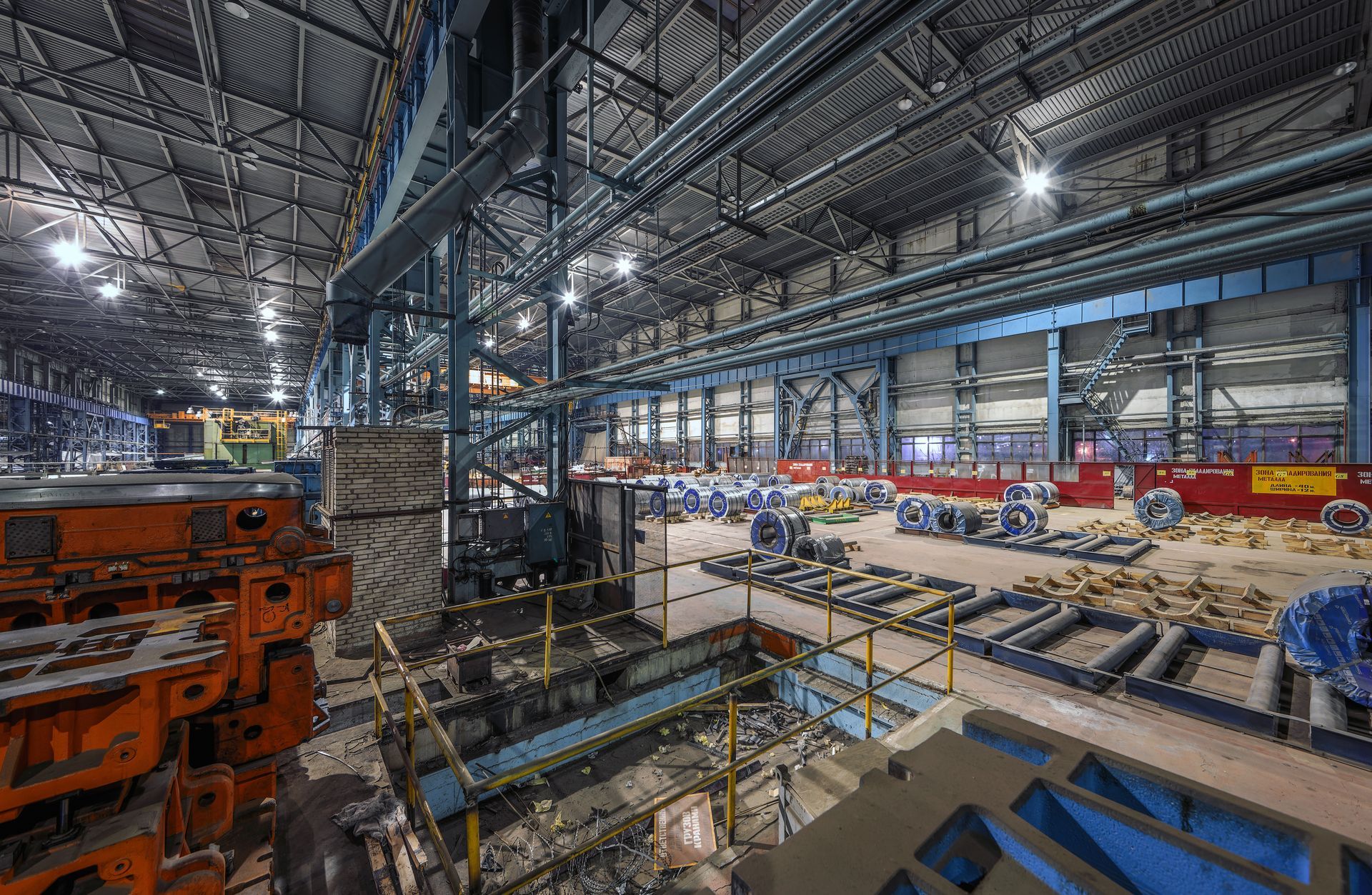
Manufacturing Businesses
Equipment breakdowns, product liability, and workforce injuries are daily risks for Texas manufacturers. We build coverage from the shop floor to the loading dock — so one incident does not shut you down.
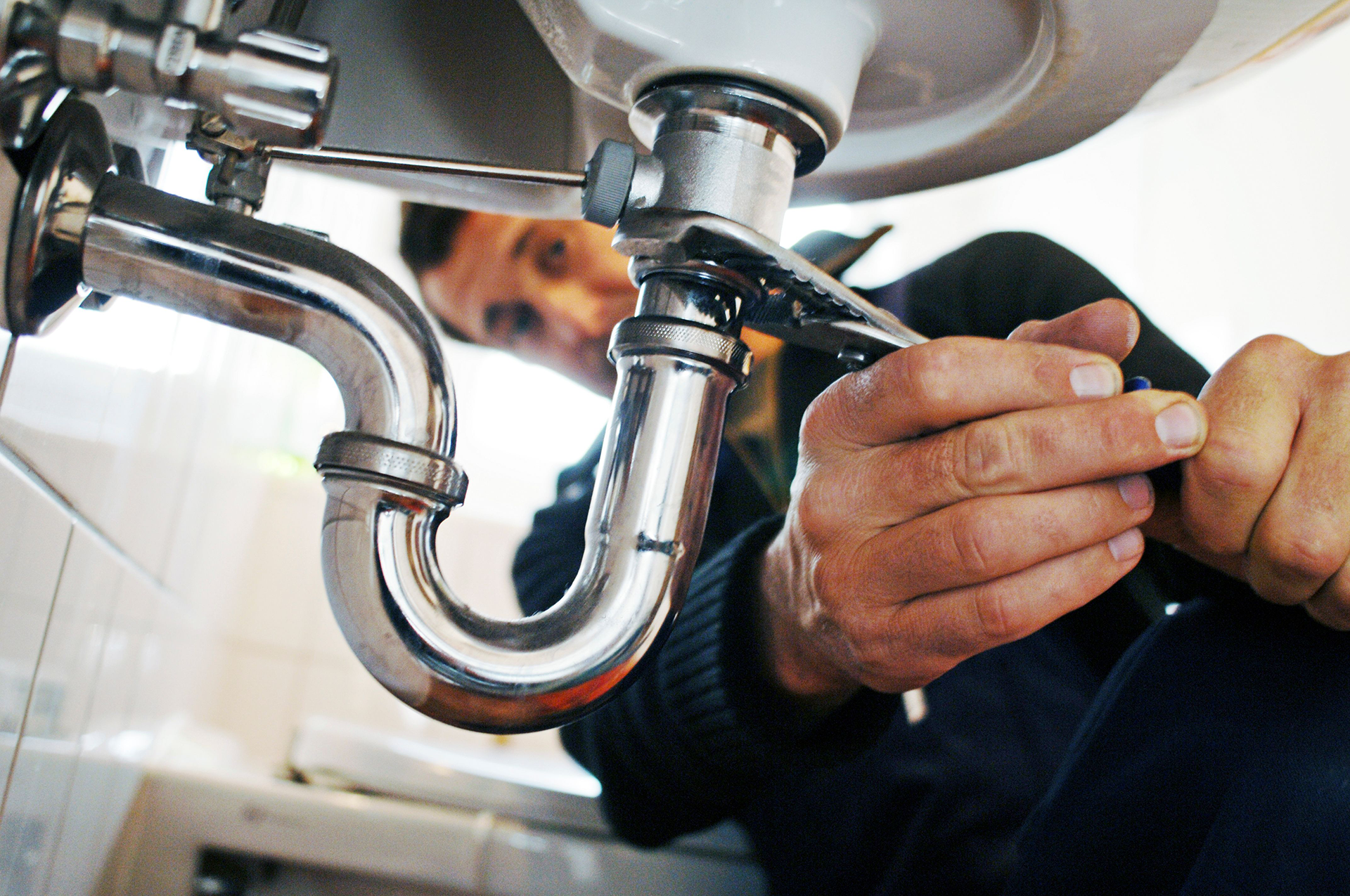
Artisan Contractors
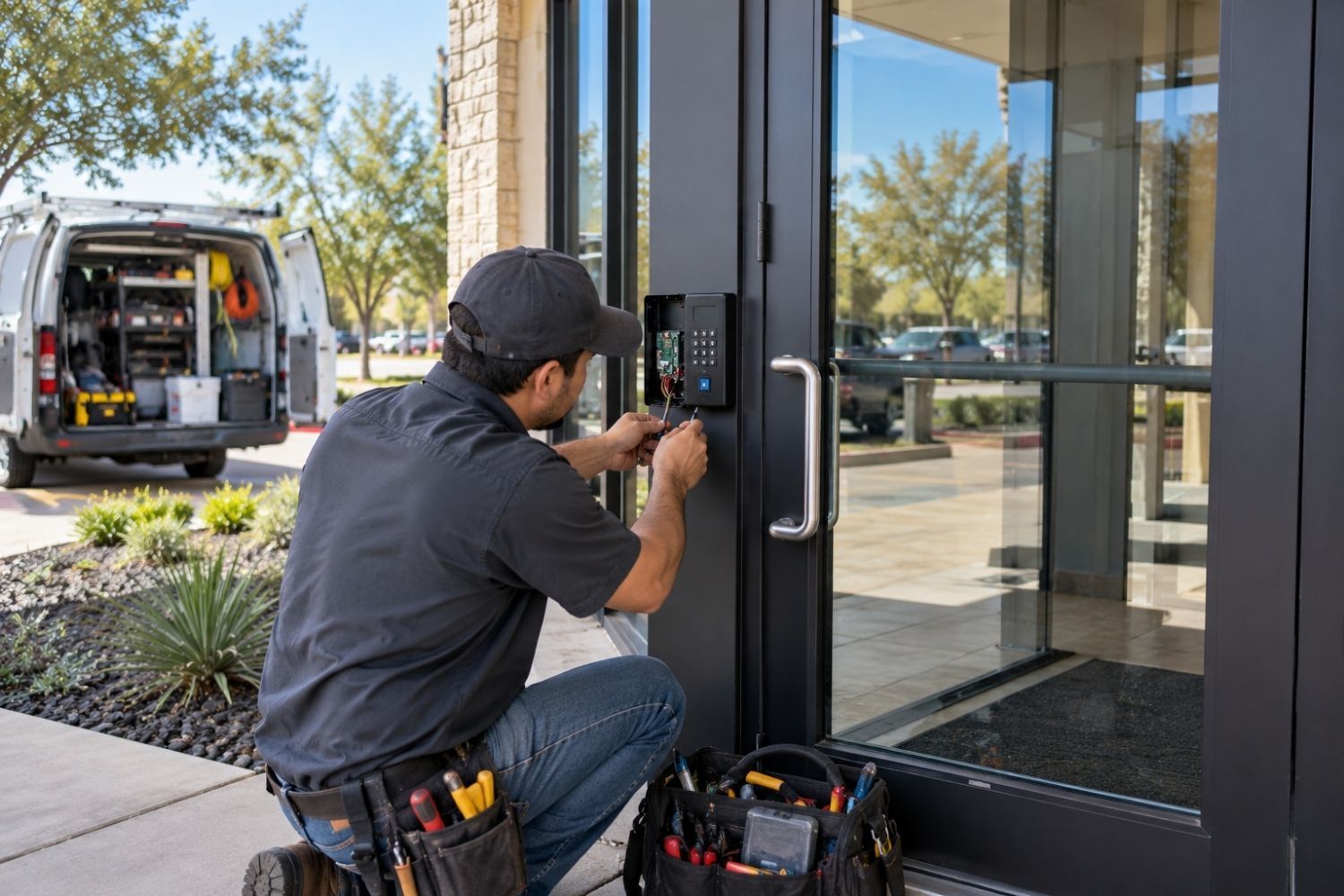
Plumbers, electricians, and skilled tradespeople work in high-risk environments every day. We build coverage around your tools, your vehicles, and your crew — so a job site incident does not stop your business.

Restaurants & Food Service
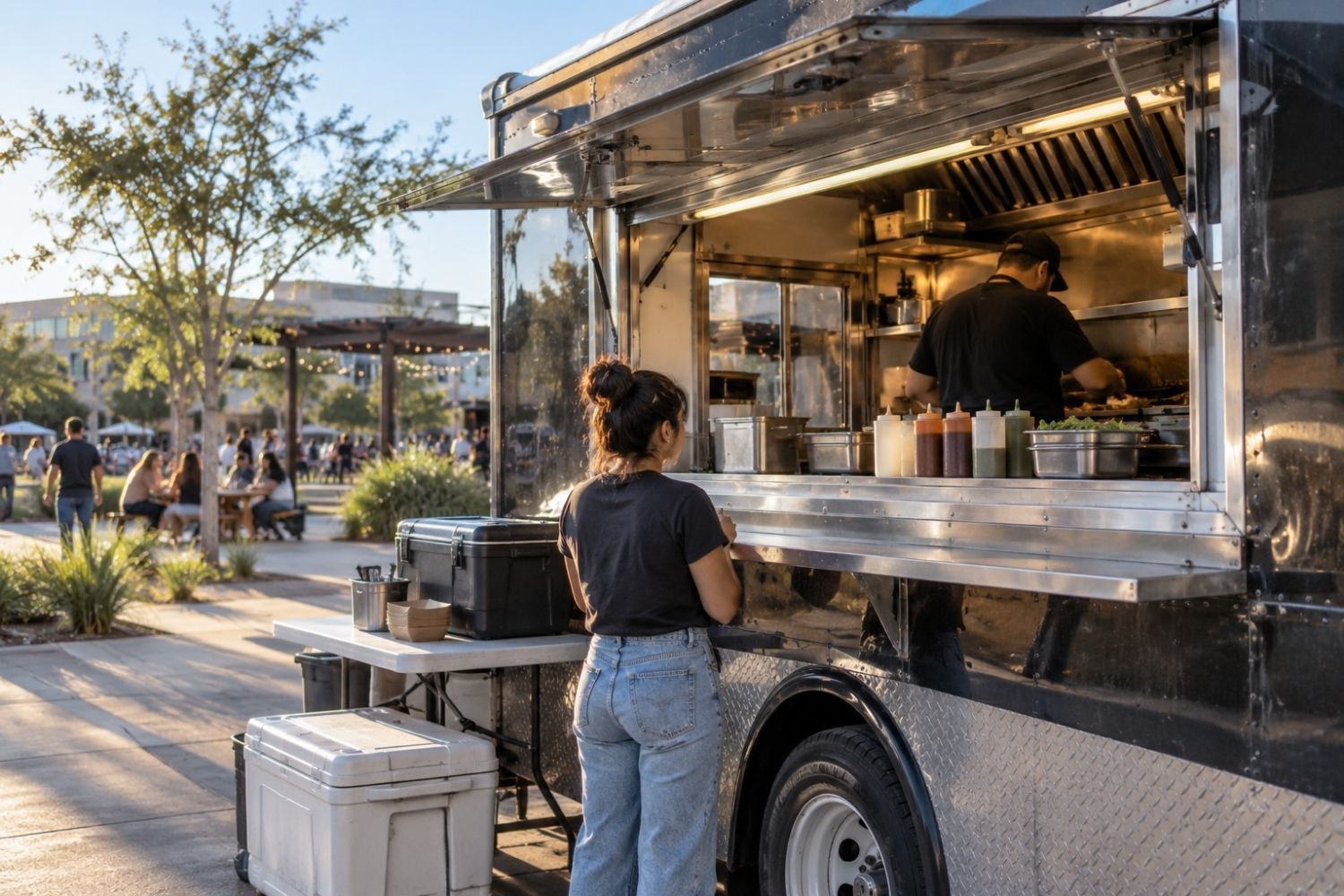
Restaurants carry liability on every shift — from the kitchen to the dining room and everything in between. We protect your location, your staff, and your equipment, including lost income when operations stop.

Non-Profits Service
Non-profits face unique liability across events, volunteers, staff, and leadership decisions. We cover your organization from the ground up — so you can focus on your mission, not your exposure.

Event Insurance
Event organizers face liability the moment guests arrive, vendors set up, and alcohol is served. We cover your event from start to finish — so one unexpected incident does not cancel everything you planned for.
Answers Before You Pick Up the Phone
What Texas Businesses Ask Us Most
We get a lot of the same questions from business owners across Texas. Here are honest answers to the ones that come up most.

What information do you need to get a commercial insurance quote?
We keep the process straightforward. We typically need your business name, a description of your operations, your gross annual sales projection, number of full-time and part-time employees, your gross annual payroll, and the types of coverage you are looking for. If you have an existing policy, the expiration date and current carrier help us put together a competitive comparison.
The most important thing you can do is be transparent about what your business actually does. Accurate classification ensures you have real coverage if a claim occurs. We have seen businesses with active policies that were incorrectly classified — and those gaps only surface at the worst possible moment.
Does Texas require businesses to carry Workers' Compensation Insurance?
Texas is the only state in the country that does not require most private employers to carry Workers' Compensation. However, if your business holds government contracts or works as a subcontractor on a job site, the hiring company will almost always require proof of coverage before work begins. A growing number of general contractors across Denton and the DFW area enforce this as a standard condition.
Even without a legal requirement, carrying Workers' Comp protects your business from direct liability if an employee is hurt on the job. Medical bills, lost wages, and legal fees can add up quickly — and one serious incident can create a financial loss that far exceeds years of premium payments.
What is a commercial insurance audit and should I expect one?
Most commercial general liability policies are auditable. At the end of your policy term, the insurance carrier reviews your actual gross sales to make sure your premium matched your real exposure. If your sales grew during the year, you may owe an additional premium. If sales came in lower, you could receive a refund.
The best way to avoid a large balance due at audit time is to update your projected gross sales with us during the year if your business grows faster than expected. We can endorse your policy mid-term to reflect the change and spread any additional premium across smaller installments instead of one lump sum at year-end.
What factors affect how much my commercial coverage will cost?
Your premium is calculated based on several variables specific to your operation — industry classification, gross annual sales, number of employees, gross payroll, claims history, and the types of coverage you need. A business that handles physical work with a crew on job sites will pay differently than a professional services firm working out of an office.
As an independent agency, we compare quotes across multiple carriers — including Travelers, The Hartford, Chubb, AmTrust, and others — to find the combination of coverage and price that works for your situation. There is no obligation after your quote, and we walk through every option in plain terms before you decide anything.
My business is a restaurant — what coverage do I actually need?
Restaurants are not a one-size-fits-all class of risk. Carriers look at a range of factors when evaluating a restaurant account: whether you serve alcohol, whether deep frying is involved, the type of fire suppression system in place, whether you have a hood cleaning contract, and whether you offer catering, delivery, or live entertainment. All of these affect both pricing and carrier appetite.
A well-structured restaurant policy typically includes general liability, building and business personal property coverage, liquor liability if applicable, food contamination coverage, business income protection, and workers' compensation for your staff. We work with carriers that actively want to write restaurant accounts in Texas — including Travelers, The Hartford, and Chubb — so you have real options to compare.
Can you help insure a business that is hard to place or outside the mainstream?
Yes — this is one of our strengths. We work with Excess and Surplus (E&S) lines markets through carriers like Burns & Wilcox for businesses that standard carriers will not write. We have placed coverage for master sign electricians, cable splicing operations, transmission rebuild shops for classic cars, CBD retailers, and many other non-standard accounts.
If you have been told your business is difficult to insure or you have received very limited options in the marketplace, reach out to us. We take time to understand your operations in detail, present your account to the right markets, and work to find coverage that actually reflects what you do — not a generic policy that leaves gaps.
Still have Question?
We’re here to help you!
Written for the Texas Business Owner
Insights That Help You Make Smarter Decisions
We publish articles on real topics that affect how Texas operators get covered — from local regulatory updates to coverage gaps most owners do not know they have.