Texas Product Liability Insurance for Bakeries

See How We're Different
Call Us: (940) 268-5112
A single peanut butter cookie sent to a child's birthday party. A tiny shard of glass baked into a croissant. A mislabeled ingredient list that didn't mention tree nuts. These aren't hypothetical scenarios: they're real claims that have forced Texas bakeries to close their doors permanently. Running a bakery means you're responsible for every product that leaves your kitchen, and in a state where jury awards regularly exceed six figures, one contaminated batch can wipe out years of hard work overnight.
Product liability insurance for bakeries in Texas isn't just another line item on your overhead expenses. It's the difference between surviving a lawsuit and watching everything you've built disappear. Food product coverage specifically addresses the unique risks bakers face daily: allergen exposure, contamination, spoilage, and labeling errors that can trigger serious illness or worse. Texas courts have historically been plaintiff-friendly in food injury cases, and the state's massive population means your products potentially reach millions of consumers.
Whether you're operating a small artisan shop in Denton or supplying wedding cakes across the Dallas-Fort Worth metroplex, understanding how this coverage works could save your business. The stakes are too high to guess, and the coverage gaps in standard policies often surprise bakery owners when it's already too late.
Understanding Product Liability for Texas Bakeries
Bakeries occupy a unique risk category in the food industry. Unlike restaurants where food is consumed immediately on-site, baked goods travel. They sit in display cases, get transported to events, and sometimes spend days in customers' homes before consumption. Each step introduces potential contamination points and extends your liability window.
Common Foodborne Risks and Contamination Claims
The most frequent claims against Texas bakeries fall into three categories. Allergen-related incidents top the list, with peanuts, tree nuts, wheat, and dairy causing severe reactions in sensitive customers. Cross-contamination happens easily in shared kitchens where the same mixer processes both nut-free and nut-containing products.
Foreign object contamination ranks second. Metal fragments from worn mixer blades, plastic from packaging, glass from broken equipment, and even jewelry or hair from employees have all appeared in baked goods. These claims are straightforward to prove when a customer produces physical evidence.
Bacterial contamination from ingredients like raw eggs, unpasteurized dairy, or improperly stored cream fillings rounds out the major risk categories. Salmonella and listeria outbreaks traced to bakeries have resulted in hospitalizations and, in rare cases, deaths.
The Financial Impact of Product-Related Lawsuits
A single product liability claim against a Texas bakery averages between $50,000 and $150,000 when settled out of court. Cases that go to trial can exceed $500,000, particularly when children are involved or when permanent injury occurs. Legal defense costs alone typically run $25,000 to $75,000, even for cases you ultimately win.
Beyond direct lawsuit costs, consider the
business interruption. Investigations can shut down your kitchen for weeks. Negative publicity spreads quickly on social media and review platforms. Some bakeries never recover their reputation even after being cleared of wrongdoing.


By: Michael Whitaker
Insurance Advisor at
Denton Business Insurance
Texas-Specific Regulations and Legal Standards
Texas applies strict liability standards to food manufacturers, meaning plaintiffs don't need to prove negligence. They only need to demonstrate that your product caused harm. This legal framework makes Texas one of the more challenging states for food businesses facing litigation.
Texas Cottage Food Law vs. Commercial Bakery Requirements
Texas cottage food operations face different rules than licensed commercial bakeries. Cottage food producers can sell certain baked goods directly to consumers without a food handler's permit, but they're limited to $50,000 in annual sales and restricted product types. Cream-filled pastries, custards, and items requiring refrigeration are prohibited under cottage food rules.
Once you exceed the sales threshold or expand into restricted products, you need a commercial license. This transition triggers new insurance requirements and dramatically increases your liability exposure. Many bakery owners don't realize their cottage food insurance, if they have any, becomes inadequate the moment they go commercial.
Compliance with Texas Department of State Health Services
The Texas Department of State Health Services (DSHS) sets food safety standards that directly impact your insurance coverage. Violations documented during inspections can void certain policy provisions or trigger premium increases. Common violations include improper food storage temperatures, inadequate handwashing facilities, and pest control failures.
Maintaining clean inspection records does more than keep your doors open. Insurance carriers review this history when underwriting your policy. Bakeries with consistent violations pay significantly higher premiums, and some carriers refuse coverage entirely for repeat offenders.
Key Components of Food Product Coverage
Standard general liability policies often exclude or severely limit food product claims. Purpose-built food product coverage addresses the specific scenarios bakeries encounter.
Allergen Liability and Labeling Errors
Allergen claims represent the fastest-growing category of bakery lawsuits nationally. Your policy should explicitly cover claims arising from allergen exposure, including cross-contamination incidents where allergens weren't intentionally included in a product.
Labeling errors deserve special attention. If your ingredient list omits a potential allergen or your "gluten-free" claim proves inaccurate, you're exposed to significant liability. Coverage should extend to errors in printed materials, website descriptions, and verbal representations made by staff.
Foreign Object Contamination Protection
Coverage for foreign object contamination protects against claims when customers find physical contaminants in your products. Quality policies cover both the injury claims and the investigation costs required to identify contamination sources and prevent recurrence.
| Coverage Type | What It Covers | Typical Limits |
|---|---|---|
| Bodily Injury | Medical costs, pain and suffering from contamination | $500K - $2M per occurrence |
| Legal Defense | Attorney fees, court costs, expert witnesses | Included in policy limits |
| Product Recall | Notification, retrieval, disposal of affected products | $25K - $250K |
| Business Interruption | Lost income during investigation or shutdown | 30-180 days coverage |
Product Withdrawal and Recall Expenses
Recall coverage is often sold separately from standard product liability policies. When contamination affects multiple batches, you'll need to notify customers, retrieve products from retail locations, and dispose of affected inventory safely. These costs add up quickly, particularly for bakeries distributing through grocery chains or farmers markets across multiple counties.
A regional recall in the Houston or Dallas areas can cost $50,000 or more in logistics alone, before counting lost product value or reputation damage.

Determining Coverage Limits and Policy Costs
Setting appropriate coverage limits requires honest assessment of your distribution reach, production volume, and ingredient risk profile.
Factors Influencing Premiums for Texas Bakers
Insurance carriers evaluate several factors when pricing bakery policies:
- Annual revenue and production volume
- Types of products, with high-risk items like cream fillings increasing premiums
- Distribution channels, since wholesale to retailers carries more exposure than direct sales
- Inspection history and food safety certifications
- Claims history over the past five years
- Ingredient sourcing and supplier vetting procedures
Texas bakeries typically pay between $1,200 and $4,500 annually for product liability coverage with $1 million per occurrence limits. Bakeries producing high-risk items or distributing regionally can see premiums of $6,000 to $12,000 for adequate coverage.
Working with an independent agency like Denton Business Insurance lets you compare quotes from multiple carriers. Rates vary significantly between insurers, and carriers specializing in food businesses often offer better terms than generalist companies.
Occurrence vs. Claims-Made Policy Structures
Occurrence policies cover incidents that happen during the policy period, regardless of when the claim is filed. Claims-made policies only cover claims filed while the policy is active. For bakeries, occurrence policies generally provide better protection because food-related illnesses sometimes don't manifest until days or weeks after consumption.
Claims-made policies cost less initially but require continuous renewal to maintain coverage for past products. If you switch carriers or let coverage lapse, you'll need tail coverage to protect against claims from products sold during previous policy periods.
Risk Mitigation and Best Practices for Bakeries
Strong risk management practices reduce both your likelihood of claims and your insurance premiums. Carriers reward bakeries that demonstrate proactive safety measures.
Implementing Robust Quality Control Procedures
Document everything. Written procedures for allergen handling, equipment cleaning, and temperature monitoring create evidence of due diligence if claims arise. Train every employee on these procedures and keep signed acknowledgments in personnel files.
Establish clear protocols for identifying and isolating contaminated batches. Quick action when problems are discovered can limit both customer harm and your legal exposure. Consider implementing batch tracking systems that let you identify exactly which products were affected by any ingredient or equipment issue.
Maintaining Accurate Ingredient and Sourcing Records
Keep detailed records of every ingredient supplier, including certificates of analysis for allergen-sensitive items. When contamination traces back to a supplier, these records support subrogation claims where your insurer recovers costs from the responsible party.
Verify that your suppliers carry their own product liability coverage. Request certificates of insurance annually and ensure their coverage limits are adequate for the volume you purchase.
Securing the Right Insurance Partner in Texas
Finding appropriate coverage requires working with an agent who understands food industry risks. Generic business insurance agents often miss critical coverage gaps specific to bakeries.
Denton Business Insurance works with carriers like Nationwide, Travelers, and Chubb who offer specialized food product coverage. As an independent agency, we're not locked into a single carrier's products. We shop your coverage across multiple insurers to find policies that match your specific operation, whether you're a two-person cupcake shop or a commercial operation supplying restaurants across North Texas.
Before purchasing any policy, request sample policy language covering allergen claims, recall expenses, and contamination incidents. Read exclusions carefully, particularly for claims involving products sold outside Texas or distributed through third-party retailers.
Frequently Asked Questions
Does my general liability policy already cover food product claims? Most general liability policies exclude or limit product liability claims. You'll typically need a separate product liability endorsement or standalone policy for adequate protection.
How much coverage do Texas bakeries typically need? Most commercial bakeries carry $1 million per occurrence with $2 million aggregate limits. High-volume operations or those distributing through retail chains should consider $2 million per occurrence.
Will my premiums increase after a claim? Usually yes. A single claim can increase premiums 15-40% at renewal. Multiple claims may make you uninsurable with standard carriers.
Do I need product liability insurance for a home bakery? Texas cottage food producers aren't required to carry insurance, but they're still liable for harm caused by their products. Even small operations should consider coverage.
What's the difference between product liability and general liability? General liability covers accidents on your premises. Product liability specifically covers harm caused by products after they leave your control.
Your bakery represents years of passion and investment. Don't let a single contamination incident destroy what you've built.
Contact Denton Business Insurance to review your current coverage and identify any gaps that could leave you exposed.
Straight from the Clients We Serve
Texas Business Owners Rate Us 5 Stars — Here Is Why
We hear the same things repeatedly: fast service, honest advice, and coverage that made sense for their situation. That is what we aim for every time.
Protection Across Every Area of Your BUSINESS
What Texas Businesses Need. What We Deliver.
From your job site and your fleet to your data and your payroll — we cover the risks that Texas businesses carry every day.
General Liability
Covers third-party claims of bodily injury, property damage, and advertising injury. A foundational protection for nearly every Texas business, regardless of industry or size.
Commercial Property
Covers your building, equipment, inventory, and business contents against fire, theft, storms, and vandalism. Can also include lost income if your businesses are forced to stop.
Commercial Auto
Protects vehicles your company owns, leases, or uses for work. Covers liability, collision damage, and injuries for employees driving on company time.
Errors & Omissions
Protects service providers when a client claims your advice, work, or recommendations caused them a financial loss. Critical for consultants, IT firms, agents, and other professional service businesses.
Directors & Officers
Covers leadership decisions that result in claims from employees, investors, or outside parties. Protects your directors and officers personally when management decisions are challenged.
Inland Marine & Equipment Floater
Covers tools, materials, and equipment that move between job sites or are stored off your primary property. Fills the gap where a standard commercial property policy stops.
Every Sector Has Its Own Risk Profile
We Know Your Trade. We Know Your Exposure.
We work with a wide range of Texas industries — each with different coverage priorities. Below are the sectors we serve most often.

Apartment Complexes
Texas apartment owners face liability across common areas, tenant incidents, and on-site staff. We cover your property, your income, and your exposure — across one complex or an entire portfolio.
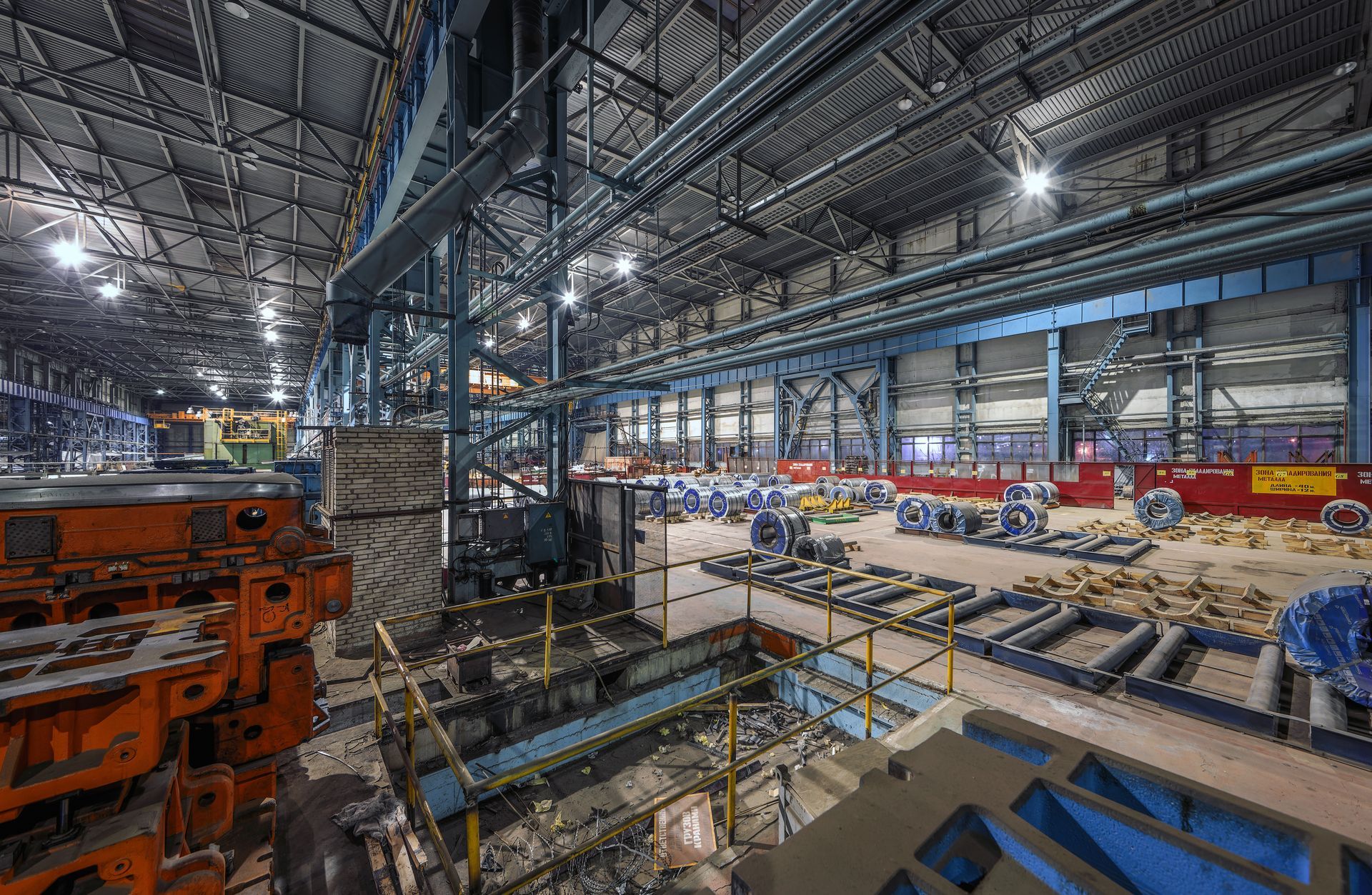
Manufacturing Businesses
Equipment breakdowns, product liability, and workforce injuries are daily risks for Texas manufacturers. We build coverage from the shop floor to the loading dock — so one incident does not shut you down.
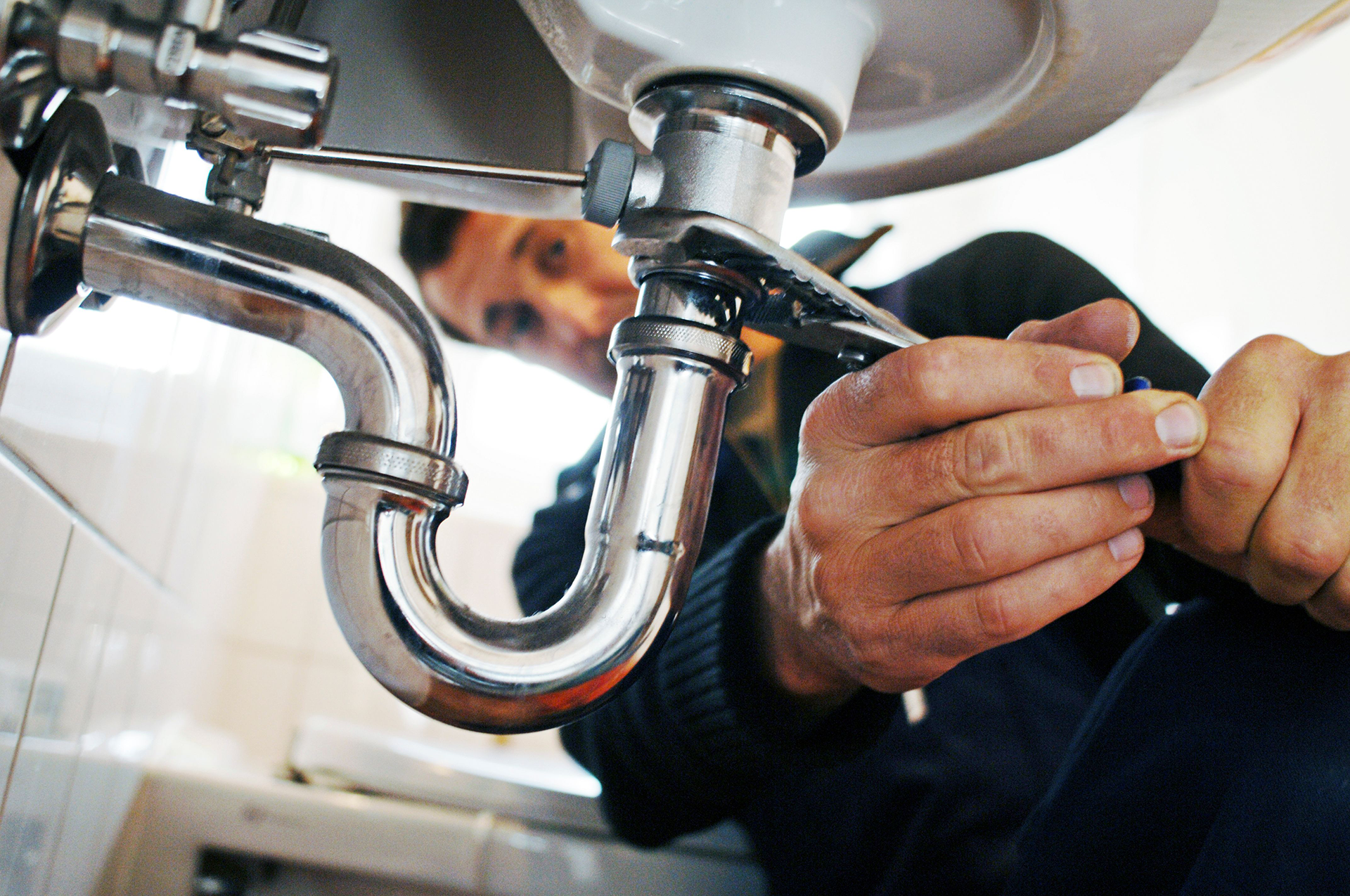
Artisan Contractors
Plumbers, electricians, and skilled tradespeople work in high-risk environments every day. We build coverage around your tools, your vehicles, and your crew — so a job site incident does not stop your business.
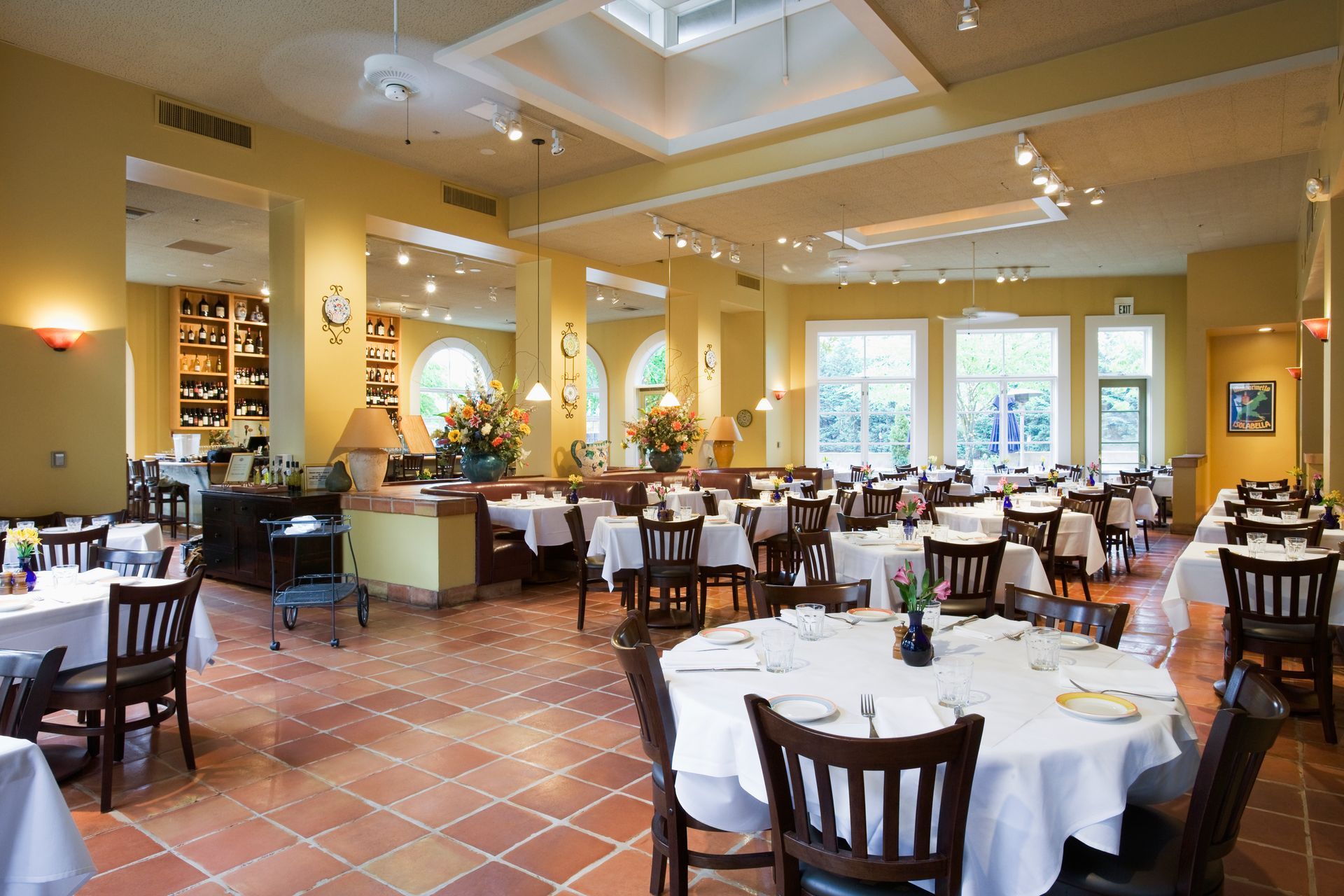
Restaurants & Food Service
Restaurants carry liability on every shift — from the kitchen to the dining room and everything in between. We protect your location, your staff, and your equipment, including lost income when operations stop.

Non-Profits Service
Non-profits face unique liability across events, volunteers, staff, and leadership decisions. We cover your organization from the ground up — so you can focus on your mission, not your exposure.

Event Insurance
Event organizers face liability the moment guests arrive, vendors set up, and alcohol is served. We cover your event from start to finish — so one unexpected incident does not cancel everything you planned for.
Answers Before You Pick Up the Phone
What Texas Businesses Ask Us Most
We get a lot of the same questions from business owners across Texas. Here are honest answers to the ones that come up most.
What information do you need to get a commercial insurance quote?
We keep the process straightforward. We typically need your business name, a description of your operations, your gross annual sales projection, number of full-time and part-time employees, your gross annual payroll, and the types of coverage you are looking for. If you have an existing policy, the expiration date and current carrier help us put together a competitive comparison.
The most important thing you can do is be transparent about what your business actually does. Accurate classification ensures you have real coverage if a claim occurs. We have seen businesses with active policies that were incorrectly classified — and those gaps only surface at the worst possible moment.
Does Texas require businesses to carry Workers' Compensation Insurance?
Texas is the only state in the country that does not require most private employers to carry Workers' Compensation. However, if your business holds government contracts or works as a subcontractor on a job site, the hiring company will almost always require proof of coverage before work begins. A growing number of general contractors across Denton and the DFW area enforce this as a standard condition.
Even without a legal requirement, carrying Workers' Comp protects your business from direct liability if an employee is hurt on the job. Medical bills, lost wages, and legal fees can add up quickly — and one serious incident can create a financial loss that far exceeds years of premium payments.
What is a commercial insurance audit and should I expect one?
Most commercial general liability policies are auditable. At the end of your policy term, the insurance carrier reviews your actual gross sales to make sure your premium matched your real exposure. If your sales grew during the year, you may owe an additional premium. If sales came in lower, you could receive a refund.
The best way to avoid a large balance due at audit time is to update your projected gross sales with us during the year if your business grows faster than expected. We can endorse your policy mid-term to reflect the change and spread any additional premium across smaller installments instead of one lump sum at year-end.
What factors affect how much my commercial coverage will cost?
Your premium is calculated based on several variables specific to your operation — industry classification, gross annual sales, number of employees, gross payroll, claims history, and the types of coverage you need. A business that handles physical work with a crew on job sites will pay differently than a professional services firm working out of an office.
As an independent agency, we compare quotes across multiple carriers — including Travelers, The Hartford, Chubb, AmTrust, and others — to find the combination of coverage and price that works for your situation. There is no obligation after your quote, and we walk through every option in plain terms before you decide anything.
My business is a restaurant — what coverage do I actually need?
Restaurants are not a one-size-fits-all class of risk. Carriers look at a range of factors when evaluating a restaurant account: whether you serve alcohol, whether deep frying is involved, the type of fire suppression system in place, whether you have a hood cleaning contract, and whether you offer catering, delivery, or live entertainment. All of these affect both pricing and carrier appetite.
A well-structured restaurant policy typically includes general liability, building and business personal property coverage, liquor liability if applicable, food contamination coverage, business income protection, and workers' compensation for your staff. We work with carriers that actively want to write restaurant accounts in Texas — including Travelers, The Hartford, and Chubb — so you have real options to compare.
Can you help insure a business that is hard to place or outside the mainstream?
Yes — this is one of our strengths. We work with Excess and Surplus (E&S) lines markets through carriers like Burns & Wilcox for businesses that standard carriers will not write. We have placed coverage for master sign electricians, cable splicing operations, transmission rebuild shops for classic cars, CBD retailers, and many other non-standard accounts.
If you have been told your business is difficult to insure or you have received very limited options in the marketplace, reach out to us. We take time to understand your operations in detail, present your account to the right markets, and work to find coverage that actually reflects what you do — not a generic policy that leaves gaps.
Still have Question?
We’re here to help you!
Written for the Texas Business Owner
Insights That Help You Make Smarter Decisions
We publish articles on real topics that affect how Texas operators get covered — from local regulatory updates to coverage gaps most owners do not know they have.