A bartender cuts off a visibly intoxicated customer at 11 PM. The customer leaves, drives three blocks, and runs a red light. The resulting accident injures two people in another vehicle. Within 48 hours, the bar receives notice of a lawsuit seeking $2.3 million in damages.
This scenario plays out across Texas more often than most business owners realize. The state's Dram Shop Act creates direct liability for establishments that over-serve alcohol, and the financial consequences can destroy a business overnight. Liquor liability insurance provides essential coverage for bars, restaurants, and alcohol sellers operating in Texas, but understanding what you actually need requires more than a quick policy purchase.
Texas takes alcohol-related liability seriously. The state consistently ranks among the top five for dram shop lawsuits, and jury awards in these cases frequently exceed $1 million. Standard general liability policies specifically exclude alcohol-related claims, leaving establishments exposed unless they carry dedicated liquor liability coverage.
Whether you operate a downtown Austin bar, a
family restaurant in Denton with a beer and wine license, or a package store in Houston, the liability exposure remains significant. The good news: proper coverage combined with solid operational practices can protect your business while keeping premiums manageable. The key is understanding exactly what Texas law requires and how insurance responds to different claim scenarios.
Understanding Liquor Liability and Texas Dram Shop Laws
Texas dram shop law creates a specific framework for alcohol-related liability that differs substantially from other states. Understanding these rules directly impacts both your legal exposure and insurance needs.
The Texas Dram Shop Act Explained
The Texas Alcoholic Beverage Code establishes that providers of alcoholic beverages can be held liable for damages caused by intoxicated persons they served. This applies to commercial establishments, not just the intoxicated individual who caused the harm. The law recognizes that businesses profit from alcohol sales and should bear some responsibility for preventing foreseeable harm.
Texas courts have interpreted this statute broadly. Liability can attach even when the establishment didn't directly cause the accident or injury. The connection between over-service and subsequent harm creates the legal basis for claims against your business.
Statutory Definitions of Over-Service
Texas law defines over-service in two primary ways. First, serving alcohol to an obviously intoxicated person creates liability. "Obviously intoxicated" means the person's impairment is apparent to the provider through observation of their manner, disposition, speech, muscular movement, or general appearance.
Second, serving alcohol to a minor creates automatic liability regardless of intoxication level. The minor doesn't need to appear drunk for the establishment to face legal consequences.
Safe Harbor Defense for Texas Business Owners
Texas provides a safe harbor defense that can shield establishments from liability. To qualify, your business must require employees to complete a TABC-approved seller training program and must not directly or indirectly encourage employees to violate the law.
This defense doesn't guarantee immunity, but it significantly strengthens your legal position. Courts view trained staff and documented policies favorably when evaluating dram shop claims.


By: Linda Dodson
Agency Director at
Denton Business Insurance
Core Coverage Components for Alcohol Sellers
Liquor liability policies contain several distinct coverage elements. Understanding each component helps you evaluate whether a policy adequately protects your specific operation.
Bodily Injury and Property Damage Protection
The primary coverage responds to third-party claims for bodily injury or property damage caused by intoxicated patrons you served. This includes medical expenses, lost wages, pain and suffering, and property repair or replacement costs.
Coverage limits typically range from $300,000 to $1 million per occurrence, with aggregate limits of $1 million to $2 million annually. Higher-volume establishments or those in urban areas often need limits at the upper end of this range. Denton Business Insurance regularly sees claims where initial demands exceed $500,000, making adequate limits essential.
Legal Defense Costs and Attorney Fees
Defense costs represent a significant portion of liquor liability claims. Even frivolous lawsuits require legal response, and defending a dram shop case through trial can cost $50,000 to $150,000 in attorney fees alone.
Most quality policies provide defense costs in addition to liability limits, meaning legal expenses don't reduce the money available for settlements or judgments. Verify this structure before purchasing, as some policies include defense costs within limits.
Assault and Battery Endorsements
Standard liquor liability policies often exclude assault and battery claims. This creates a significant gap for bars and nightclubs where altercations occur. An assault and battery endorsement adds coverage for claims arising from fights or physical confrontations on your premises.
These endorsements typically carry sublimits lower than primary policy limits. A policy with $1 million in liquor liability might offer $100,000 or $250,000 for assault and battery claims. Establishments with late-night hours or entertainment should prioritize this coverage.
Who Needs Liquor Liability Insurance in Texas?
Any business holding a TABC license faces potential dram shop liability. The specific coverage requirements vary based on your operation type and alcohol sales volume.
Bars, Taverns, and Nightclubs
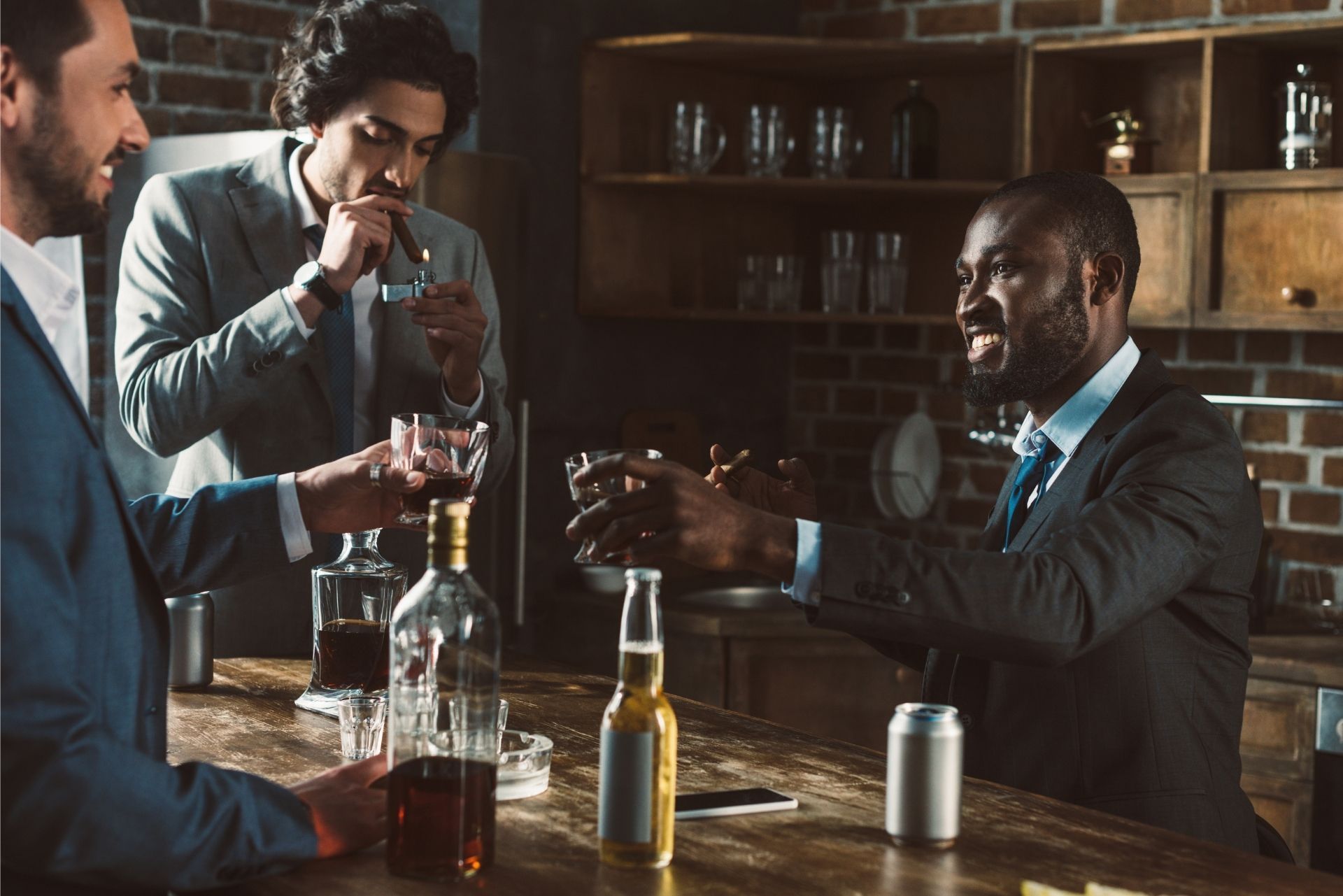
These establishments face the highest liability exposure. Alcohol represents the primary product, customers often consume multiple drinks, and late-night hours increase risk factors. Most landlords and TABC licensing requirements mandate liquor liability coverage for these operations.
Minimum coverage of $500,000 per occurrence is standard, though $1 million limits are increasingly common. Entertainment venues with live music or dancing should consider higher limits due to increased claim frequency.
Restaurants and Brewpubs
Restaurants where alcohol accompanies food service present lower risk profiles than bars, but liability exposure remains significant. A family celebrating a birthday with multiple rounds of drinks can lead to the same dram shop claim as a bar patron.
Brewpubs face additional considerations. Serving your own product creates both manufacturing and service liability. Policies should address both aspects of the operation. Many restaurant owners underestimate their exposure because food represents their primary focus.
Retailers and Off-Premise Liquor Stores
Package stores and retailers selling alcohol for off-premise consumption need liquor liability coverage despite not serving drinks for immediate consumption. Selling to minors or obviously intoxicated individuals creates the same legal exposure as on-premise service.
Coverage requirements for retailers are generally lower than for bars, but the need remains. A $300,000 to $500,000 policy typically provides adequate protection for most retail operations.
Insurance carriers evaluate multiple factors when pricing liquor liability coverage. Understanding these elements helps you manage costs and present your business favorably to underwriters.
Annual Alcohol Sales Volume
Gross alcohol sales represent the primary rating factor for most policies. Higher sales volume correlates with more drinks served and greater liability exposure. Carriers typically charge rates per $1,000 of alcohol sales.
Accurate sales projections matter. Underestimating sales to reduce premiums creates audit exposure at policy end. Overestimating ties up capital unnecessarily. Work with your accountant to develop realistic projections based on historical data or market research for new establishments.
TABC Certification and Server Training Programs
Documented training programs reduce premiums with most carriers. The safe harbor defense these programs provide translates to lower claim frequency and severity, which insurers reward with better rates.
Beyond basic TABC certification, advanced training programs and regular refresher courses demonstrate commitment to responsible service. Some carriers offer 5-15% premium credits for comprehensive training documentation.
Claims History and Venue Type
Prior claims significantly impact premium calculations. A single dram shop claim can double or triple renewal premiums for several years. Claims-free operations enjoy preferred rates and broader carrier options.
Venue characteristics also matter. Establishments with live entertainment, late hours, or predominantly bar-focused operations pay higher rates than restaurants with incidental alcohol service. Location factors in as well, with urban entertainment districts commanding higher premiums than suburban restaurants.
Host Liquor Liability vs. Commercial Liquor Liability
These two coverage types serve entirely different purposes, and confusing them creates dangerous gaps.
Host liquor liability covers businesses that serve alcohol incidentally at company events, not for profit. A law firm hosting a holiday party with an open bar needs host liquor coverage. This coverage is typically included in general liability policies or available as an inexpensive endorsement.
Commercial liquor liability covers businesses that sell alcohol as part of their operations. Any establishment with a TABC license needs commercial coverage. Host liquor coverage provides zero protection for commercial alcohol sales.
The distinction matters because some business owners assume their general liability policy covers alcohol-related claims. It doesn't. General liability policies contain specific exclusions for businesses in the alcohol trade. Only dedicated commercial liquor liability coverage responds to dram shop claims.
| Coverage Type | Who Needs It | Typical Cost | What It Covers |
|---|---|---|---|
| Host Liquor | Businesses hosting occasional events with alcohol | $50-200/year as GL endorsement | Incidental alcohol service at company functions |
| Commercial Liquor | TABC license holders | $2,000-15,000/year standalone | Claims from alcohol sales operations |
Insurance provides financial protection, but preventing claims delivers better outcomes for everyone. Operational practices directly impact both claim frequency and premium costs.
Train every employee who handles alcohol, not just bartenders. Hosts, servers, and bussers should recognize intoxication signs and understand their role in preventing over-service. Document all training with dates, content covered, and employee signatures.
Establish clear cut-off procedures. Staff should know exactly how to refuse service, when to involve management, and how to handle confrontational situations. Role-playing these scenarios during training builds confidence and consistency.
Monitor service patterns throughout shifts. Customers who arrive sober can become intoxicated over several hours. Implement drink counting systems or ticket tracking to identify high-consumption patrons before problems develop.
Maintain incident logs documenting refused service, ejections, and any alcohol-related issues. These records demonstrate responsible practices and support safe harbor defenses if claims arise.
Working with an independent agency like Denton Business Insurance gives you access to multiple carriers and policy structures. Different insurers evaluate risks differently, and comparing options often reveals significant premium variations for identical coverage.
Frequently Asked Questions
How much does liquor liability insurance cost in Texas? Most establishments pay between $2,000 and $15,000 annually, depending on sales volume, venue type, and claims history. High-volume nightclubs pay more than casual dining restaurants.
Does my general liability policy cover alcohol-related claims? No. General liability policies specifically exclude claims arising from alcohol sales. You need separate commercial liquor liability coverage if you hold a TABC license.
What happens if I'm sued and my coverage limits aren't enough? You're personally responsible for any judgment amount exceeding your policy limits. This can include personal assets, business assets, and future earnings.
Can I get liquor liability insurance with a prior dram shop claim? Yes, though options are limited and premiums will be higher. Some carriers specialize in higher-risk accounts. An independent agency can help identify available options.
Is liquor liability insurance required by law in Texas?
Not by state law, but most landlords require it in commercial leases, and TABC may require proof of coverage for certain license types.
Making the Right Coverage Choice
Liquor liability insurance represents essential protection for any Texas business selling alcohol. The combination of strict dram shop laws, active plaintiff attorneys, and substantial jury awards creates real financial risk that standard business insurance doesn't address.
Start by evaluating your actual exposure based on sales volume, venue type, and operating hours. Match coverage limits to realistic claim scenarios, not minimum requirements. Invest in documented training programs that both reduce risk and lower premiums.
Compare quotes from multiple carriers through an independent agency. Premium variations of 30-40% for identical coverage are common in this market. The right coverage at the right price exists, but finding it requires comparing options rather than accepting the first quote you receive.
Straight from the Clients We Serve
Texas Business Owners Rate Us 5 Stars — Here Is Why
We hear the same things repeatedly: fast service, honest advice, and coverage that made sense for their situation. That is what we aim for every time.

Protection Across Every Area of Your Operation
What Texas Operators Need. What We Deliver.
From your job site and your fleet to your data and your payroll — we cover the risks that Texas businesses carry every day.
General Liability
Covers third-party claims of bodily injury, property damage, and advertising injury. A foundational protection for nearly every Texas operator, regardless of industry or size.
Commercial Property
Covers your building, equipment, inventory, and business contents against fire, theft, storms, and vandalism. Can also include lost income if your operations are forced to stop.
Commercial Auto
Protects vehicles your company owns, leases, or uses for work. Covers liability, collision damage, and injuries for employees driving on company time.
Errors & Omissions
Protects service providers when a client claims your advice, work, or recommendations caused them a financial loss. Critical for consultants, IT firms, agents, and other professional service businesses.
Directors & Officers
Covers leadership decisions that result in claims from employees, investors, or outside parties. Protects your directors and officers personally when management decisions are challenged.
Inland Marine & Equipment Floater
Covers tools, materials, and equipment that move between job sites or are stored off your primary property. Fills the gap where a standard commercial property policy stops.
Every Sector Has Its Own Risk Profile
We Know Your Trade. We Know Your Exposure.
We work with a wide range of Texas industries — each with different coverage priorities. Below are the sectors we serve most often.
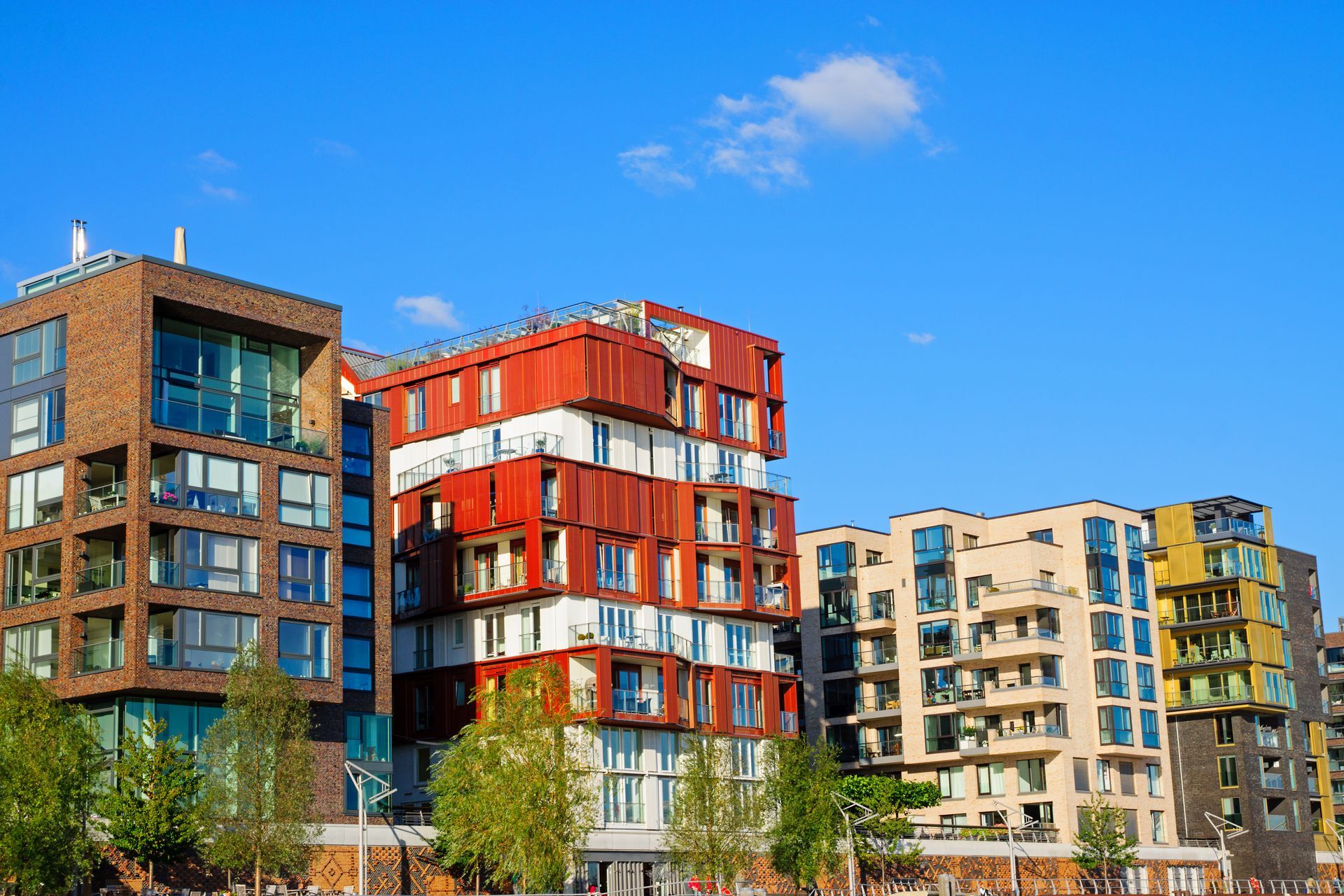
Apartment Complexes
Texas apartment owners face liability across common areas, tenant incidents, and on-site staff. We cover your property, your income, and your exposure — across one complex or an entire portfolio.
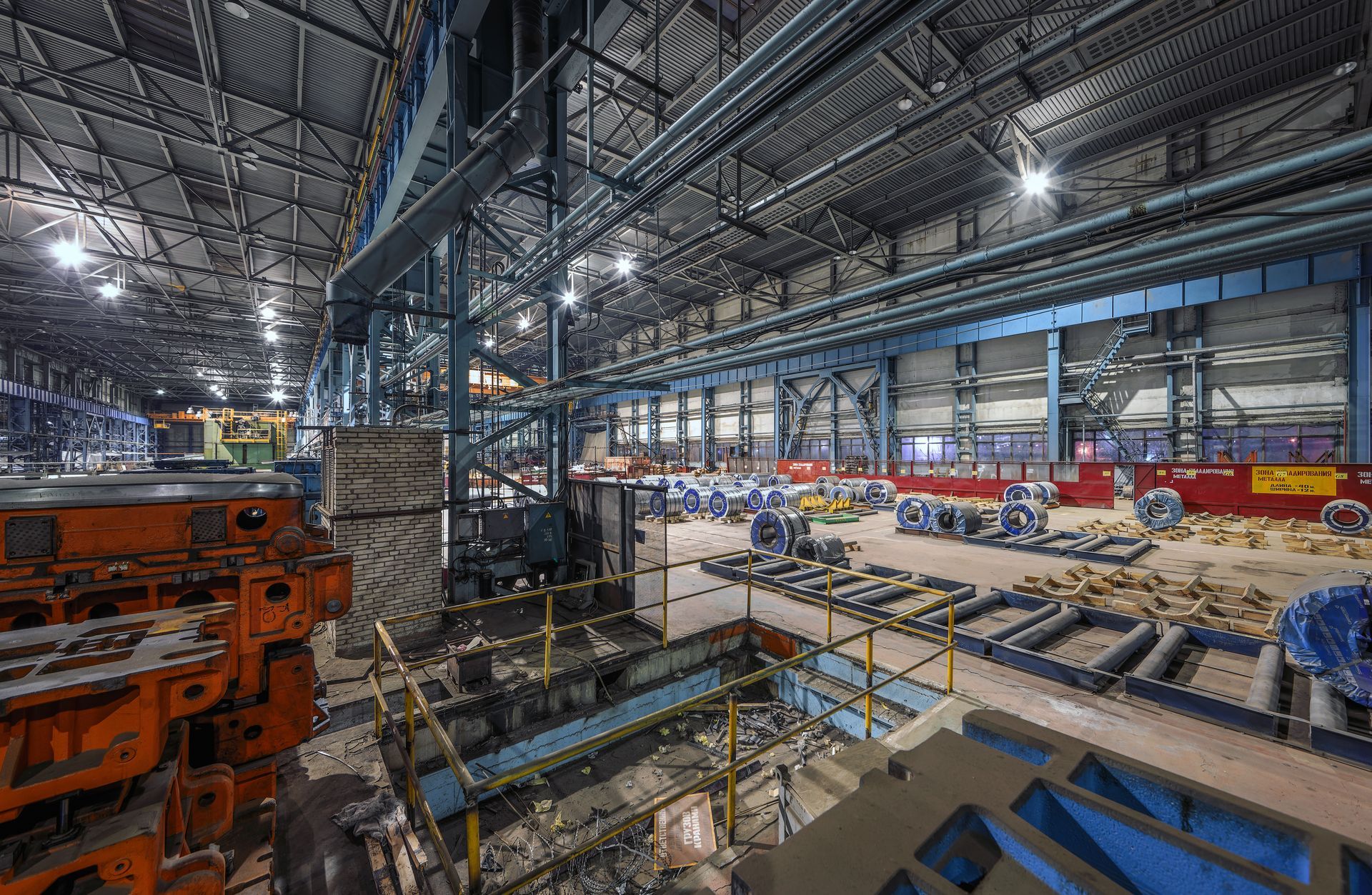
Manufacturing Businesses
Equipment breakdowns, product liability, and workforce injuries are daily risks for Texas manufacturers. We build coverage from the shop floor to the loading dock — so one incident does not shut you down.
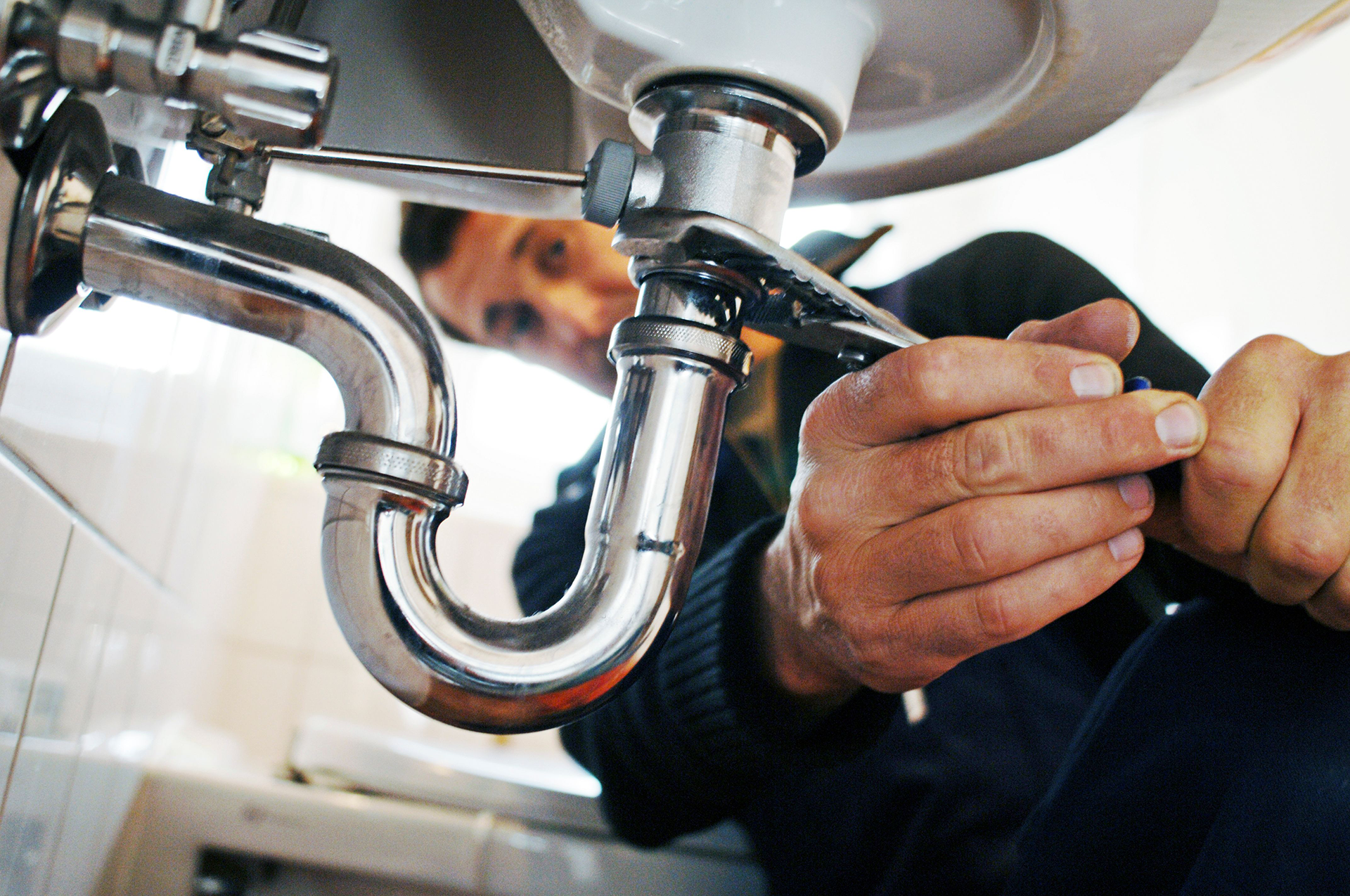
Artisan Contractors
Plumbers, electricians, and skilled tradespeople work in high-risk environments every day. We build coverage around your tools, your vehicles, and your crew — so a job site incident does not stop your business.
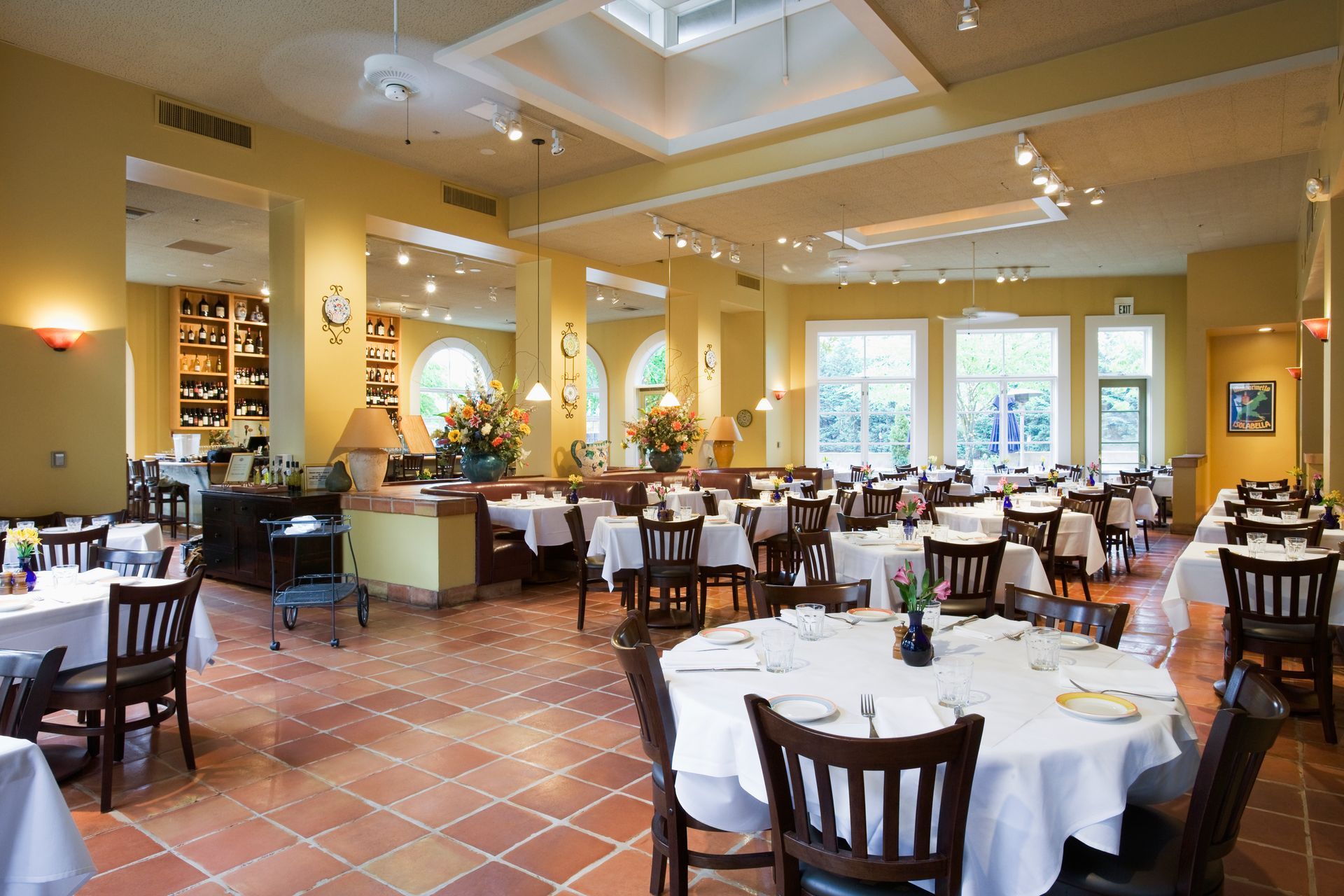
Restaurants & Food Service
Restaurants carry liability on every shift — from the kitchen to the dining room and everything in between. We protect your location, your staff, and your equipment, including lost income when operations stop.

Non-Profits Service
Non-profits face unique liability across events, volunteers, staff, and leadership decisions. We cover your organization from the ground up — so you can focus on your mission, not your exposure.

Event Insurance
Event organizers face liability the moment guests arrive, vendors set up, and alcohol is served. We cover your event from start to finish — so one unexpected incident does not cancel everything you planned for.
Answers Before You Pick Up the Phone
What Texas Operators Ask Us Most
We get a lot of the same questions from business owners across Texas. Here are honest answers to the ones that come up most.
What information do you need to get a commercial insurance quote?
We keep the process straightforward. We typically need your business name, a description of your operations, your gross annual sales projection, number of full-time and part-time employees, your gross annual payroll, and the types of coverage you are looking for. If you have an existing policy, the expiration date and current carrier help us put together a competitive comparison.
The most important thing you can do is be transparent about what your business actually does. Accurate classification ensures you have real coverage if a claim occurs. We have seen businesses with active policies that were incorrectly classified — and those gaps only surface at the worst possible moment.
Does Texas require businesses to carry Workers' Compensation Insurance?
Texas is the only state in the country that does not require most private employers to carry Workers' Compensation. However, if your business holds government contracts or works as a subcontractor on a job site, the hiring company will almost always require proof of coverage before work begins. A growing number of general contractors across Denton and the DFW area enforce this as a standard condition.
Even without a legal requirement, carrying Workers' Comp protects your business from direct liability if an employee is hurt on the job. Medical bills, lost wages, and legal fees can add up quickly — and one serious incident can create a financial loss that far exceeds years of premium payments.
What is a commercial insurance audit and should I expect one?
Most commercial general liability policies are auditable. At the end of your policy term, the insurance carrier reviews your actual gross sales to make sure your premium matched your real exposure. If your sales grew during the year, you may owe an additional premium. If sales came in lower, you could receive a refund.
The best way to avoid a large balance due at audit time is to update your projected gross sales with us during the year if your business grows faster than expected. We can endorse your policy mid-term to reflect the change and spread any additional premium across smaller installments instead of one lump sum at year-end.
What factors affect how much my commercial coverage will cost?
Your premium is calculated based on several variables specific to your operation — industry classification, gross annual sales, number of employees, gross payroll, claims history, and the types of coverage you need. A business that handles physical work with a crew on job sites will pay differently than a professional services firm working out of an office.
As an independent agency, we compare quotes across multiple carriers — including Travelers, The Hartford, Chubb, AmTrust, and others — to find the combination of coverage and price that works for your situation. There is no obligation after your quote, and we walk through every option in plain terms before you decide anything.
My business is a restaurant — what coverage do I actually need?
Restaurants are not a one-size-fits-all class of risk. Carriers look at a range of factors when evaluating a restaurant account: whether you serve alcohol, whether deep frying is involved, the type of fire suppression system in place, whether you have a hood cleaning contract, and whether you offer catering, delivery, or live entertainment. All of these affect both pricing and carrier appetite.
A well-structured restaurant policy typically includes general liability, building and business personal property coverage, liquor liability if applicable, food contamination coverage, business income protection, and workers' compensation for your staff. We work with carriers that actively want to write restaurant accounts in Texas — including Travelers, The Hartford, and Chubb — so you have real options to compare.
Can you help insure a business that is hard to place or outside the mainstream?
Yes — this is one of our strengths. We work with Excess and Surplus (E&S) lines markets through carriers like Burns & Wilcox for businesses that standard carriers will not write. We have placed coverage for master sign electricians, cable splicing operations, transmission rebuild shops for classic cars, CBD retailers, and many other non-standard accounts.
If you have been told your business is difficult to insure or you have received very limited options in the marketplace, reach out to us. We take time to understand your operations in detail, present your account to the right markets, and work to find coverage that actually reflects what you do — not a generic policy that leaves gaps.
Still have Question?
We’re here to help you!
Written for the Texas Business Owner
Insights That Help You Make Smarter Decisions
We publish articles on real topics that affect how Texas operators get covered — from local regulatory updates to coverage gaps most owners do not know they have.