Running a restaurant in Texas means juggling a hundred moving parts daily: managing staff, sourcing ingredients, keeping customers happy, and hoping that fryer doesn't finally give out during the Friday dinner rush. What most owners don't think about until something goes wrong is whether their insurance actually covers what they need it to cover.
Texas presents unique challenges for food service businesses. Between hurricane season threatening Gulf Coast establishments, the occasional ice storm shutting down operations for days, and a legal environment that sees more liability lawsuits than most states, restaurant owners face risks that generic policies often miss entirely. A slip-and-fall claim in Houston can easily hit six figures. A foodborne illness outbreak can shutter your doors permanently if you're not properly protected.
The good news is that comprehensive restaurant insurance in Texas doesn't have to be complicated or outrageously expensive. Understanding what coverage you actually need, what's legally required, and where you can bundle policies to save money puts you in control. Whether you're opening your first taco truck in Austin or running a multi-location steakhouse chain in Dallas, the principles remain the same: protect your people, protect your property, and protect your income stream.
The Essential Role of Insurance for Texas Restaurants
Restaurants operate in one of the highest-risk industries for liability claims. You're inviting the public onto your property, serving them food and drinks, employing staff who handle knives and hot equipment, and doing it all at a pace that invites accidents. Texas courts are notoriously plaintiff-friendly, and Dallas and Houston consistently rank among the top metro areas nationwide for lawsuit frequency.
Beyond legal exposure, Texas weather creates property risks that restaurants in other states simply don't face. Winter Storm Uri in 2021 caused pipe bursts and equipment damage that devastated restaurants across the state, many of which discovered their policies excluded certain types of weather-related losses. Gulf Coast establishments deal with hurricane threats annually, and the Texas Windstorm Insurance Association (TWIA) becomes essential for properties in designated coastal counties.
The financial stakes are real. A single general liability claim averages $30,000 to $50,000 in defense costs alone, even if you win. Equipment replacement for a commercial kitchen runs $50,000 to $200,000 depending on your operation size. Without proper coverage, one bad month can erase years of profit.

By: Michael Whitaker
Insurance Advisor at
Denton Business Insurance
Core Liability Protections for Food Service Operators
General Liability and Slip-and-Fall Incidents
General liability insurance forms the foundation of restaurant protection. This coverage handles third-party bodily injury claims, property damage you cause to others, and personal injury allegations like defamation. For restaurants, slip-and-fall incidents represent the most common claims, accounting for roughly 30% of all general liability payouts in the food service industry.
Texas law requires property owners to maintain reasonably safe premises. When a customer slips on a wet floor or trips over a loose tile, you're potentially liable regardless of whether staff knew about the hazard. Most restaurants carry $1 million per occurrence with $2 million aggregate limits, though high-traffic establishments in major metros often increase to $2 million per occurrence.
Premium costs for general liability typically range from $400 to $1,500 annually for small restaurants, scaling up based on square footage, revenue, and claims history.
Liquor Liability Laws in the Lone Star State
If you serve alcohol, you need liquor liability coverage, period. Texas Alcoholic Beverage Code holds establishments responsible for serving visibly intoxicated patrons who subsequently cause harm. These dram shop claims can result in judgments exceeding $1 million when drunk driving accidents cause serious injuries or deaths.
Standard general liability policies specifically exclude alcohol-related incidents. You'll need a separate liquor liability policy or an endorsement added to your existing coverage. Premiums depend heavily on what percentage of your revenue comes from alcohol sales. A family restaurant with a small bar pays far less than a nightclub or sports bar where drinks drive the business.
Product Liability and Foodborne Illness Coverage
Product liability protects against claims arising from the food itself. Foodborne illness outbreaks, allergic reactions from undisclosed ingredients, and contaminated products all fall under this coverage. A single norovirus outbreak can generate dozens of claims simultaneously, and Texas has seen several high-profile cases where settlements exceeded $500,000.
Most general liability policies include products-completed operations coverage, but verify your limits. Restaurants with higher-risk operations, such as those serving raw oysters, sushi, or catering large events, should consider higher limits and discuss specific exclusions with their agent.
Protecting Physical Assets and Commercial Property
Kitchen Equipment and Business Personal Property
Commercial property insurance covers your building (if you own it), equipment, inventory, furniture, and fixtures. Restaurant kitchens contain specialized equipment that's expensive to replace: walk-in coolers, commercial ranges, ventilation systems, and point-of-sale hardware add up quickly.
When working with an independent agency like Denton Business Insurance, make sure your policy reflects actual replacement costs rather than depreciated values. A five-year-old commercial oven might be worth $3,000 on paper but cost $12,000 to replace. Actual cash value policies leave you covering that gap out of pocket.
Spoilage and Food Contamination Endorsements
Standard property policies often exclude spoilage losses. If your refrigeration fails overnight and you lose $5,000 in inventory, you need a specific spoilage endorsement to recover those costs. This coverage typically runs $100 to $300 annually and covers mechanical breakdown, power outages, and contamination events.
For restaurants in areas prone to power grid issues (remember the 2021 freeze), this endorsement isn't optional. Equipment breakdown coverage pairs well with spoilage protection, covering the repair or replacement of failed refrigeration units themselves.
Business Interruption for Texas Weather Events
Business interruption insurance replaces lost income when covered events force you to close temporarily. After a hurricane, fire, or major equipment failure, your rent, loan payments, and employee wages don't stop. This coverage bridges the gap until you're operational again.
Texas restaurants should pay particular attention to waiting periods and covered perils. Most policies impose 48 to 72-hour waiting periods before coverage kicks in. Hurricane and windstorm damage may require separate policies in coastal counties through TWIA. Review these details carefully before you need them.

Texas-Specific Workforce and Regulatory Requirements
Workers' Compensation: Options for Texas Employers
Texas remains the only state where private employers can opt out of workers' compensation coverage entirely. This "non-subscriber" status might seem attractive for cost savings, but it carries significant legal risk. Non-subscribers lose three key common-law defenses in workplace injury lawsuits: contributory negligence, assumption of risk, and the fellow servant rule.
Restaurant work involves knives, hot surfaces, wet floors, and heavy lifting. Injury rates run higher than most industries. A single serious burn or back injury lawsuit against a non-subscriber can easily exceed $200,000 in damages. Most experienced insurance advisors recommend maintaining workers' comp coverage despite its optional status.
For restaurants with payrolls under $500,000, expect annual premiums ranging from $3,000 to $15,000 depending on your claims history and job classifications.
Employment Practices Liability Insurance (EPLI)
EPLI covers claims of wrongful termination, discrimination, harassment, and wage violations. Restaurants face elevated EPLI risk due to high turnover, tip-related wage disputes, and the interpersonal nature of service work. Texas employment lawsuits have increased steadily over the past decade.
This coverage isn't legally required but has become increasingly important. Defense costs alone for employment claims average $75,000 to $125,000, regardless of outcome. Small restaurants often add EPLI as an endorsement to their business owner's policy for $500 to $2,000 annually.
Bundling Coverage with Business Owner's Policies (BOP)
A
Business Owner's Policy bundles general liability, commercial property, and business interruption coverage into a single package at discounted rates. For restaurants with annual revenues under $5 million and premises under 25,000 square feet, BOPs offer significant savings compared to purchasing policies separately.
| Coverage Type | Standalone Cost | BOP Bundle Savings |
|---|---|---|
| General Liability | $800-$1,500/year | 15-25% discount |
| Commercial Property | $1,000-$3,000/year | Included in bundle |
| Business Interruption | $500-$1,500/year | Included in bundle |
Working with an independent agency gives you access to BOPs from multiple carriers. Denton Business Insurance, for example, compares options from Nationwide, Travelers, and other A-rated carriers to find the best fit for your specific operation. Not all BOPs are created equal, and restaurant-specific endorsements vary significantly between insurers.
Several variables determine what you'll pay for coverage:
- Location matters significantly. Houston and Dallas restaurants pay more than rural establishments due to higher claim frequency and property values.
- Your claims history over the past five years directly impacts premiums. Even small claims can increase rates by 10-20%.
- Square footage and seating capacity affect both property and liability costs.
- Alcohol sales percentage influences liquor liability premiums dramatically.
- Safety features like fire suppression systems, security cameras, and slip-resistant flooring can reduce premiums by 5-15%.
- Carrier financial strength affects both pricing and claim reliability. Look for carriers rated A- or better by A.M. Best.
Steps to Secure and Maintain Comprehensive Coverage
Getting properly covered starts with understanding your actual risks. Conduct a thorough inventory of your equipment, review your lease requirements, and document your typical revenue and payroll figures. This information helps agents provide accurate quotes rather than estimates that change later.
Request quotes from at least three carriers through an independent agency. Compare not just premiums but deductibles, coverage limits, and specific exclusions. Ask about claims handling: does the carrier have local adjusters, or will you wait weeks for someone to assess damage after a weather event?
Review your coverage annually, not just at renewal. Menu changes, renovations, new equipment purchases, and revenue growth all affect your coverage needs. A policy that fit perfectly three years ago might leave dangerous gaps today.
Frequently Asked Questions
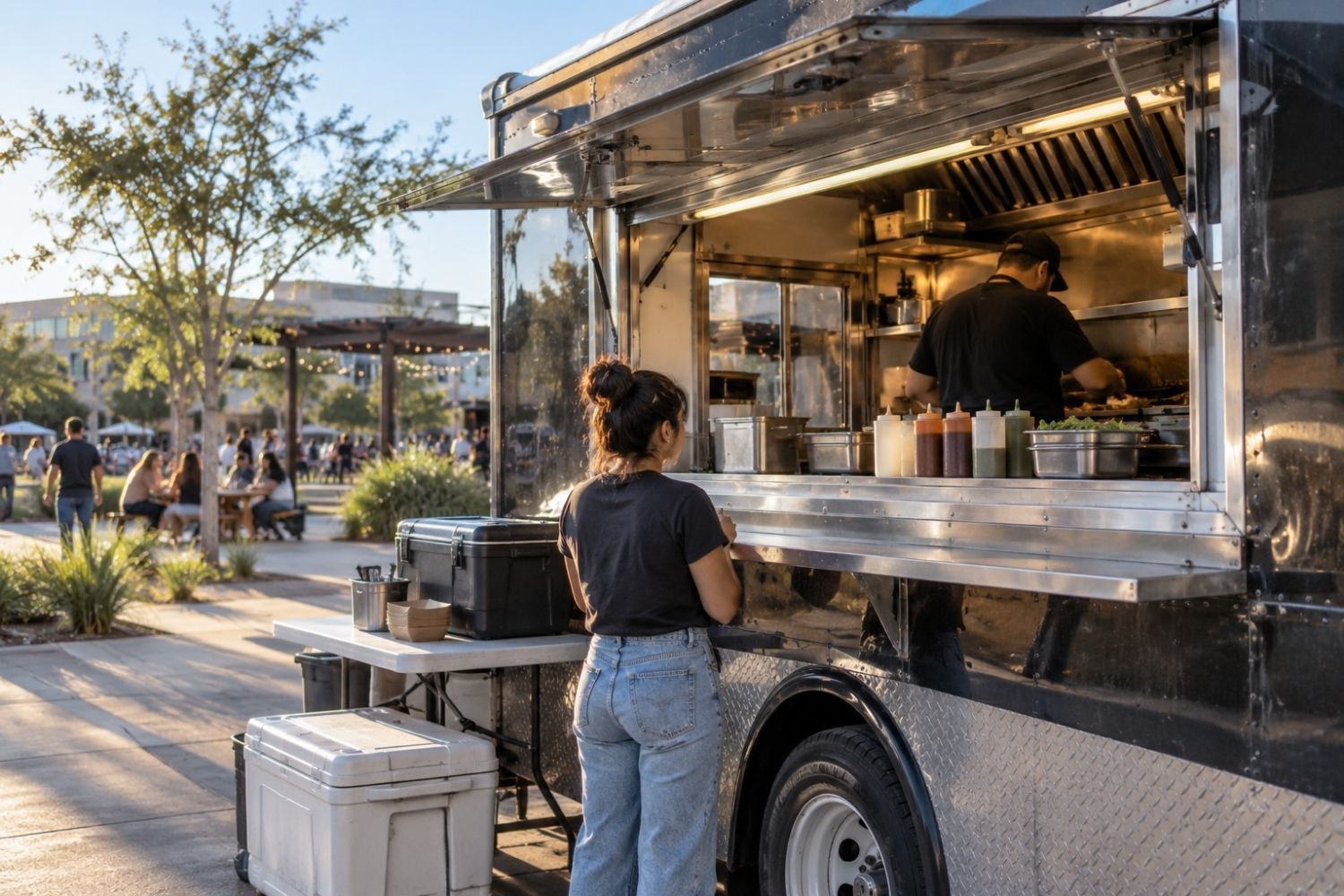
Does my restaurant need insurance if I'm just a food truck? Yes. Food trucks need commercial auto coverage, general liability, and often property coverage for equipment. Most commissary kitchens and event venues require proof of insurance before allowing access.
What happens if I let my workers' comp policy lapse? As a non-subscriber, you lose important legal defenses against employee injury lawsuits. You also face potential penalties if you previously elected coverage and then dropped it without proper notification.
Are foodborne illness claims covered under general liability? Typically yes, under the products-completed operations portion of your policy. Verify your limits are adequate for potential multi-claimant scenarios.
How much liability coverage do Texas restaurants actually need? Most carry $1 million per occurrence with $2 million aggregate. Higher-risk operations, especially those with significant alcohol sales, often increase to $2 million per occurrence or add umbrella policies.
Can I get coverage if I've had previous claims? Yes, though premiums will be higher. Independent agencies can shop specialty markets that work with higher-risk accounts when standard carriers decline.
Making the Right Choice for Your Restaurant
Protecting your Texas restaurant requires more than checking boxes on a quote form. The right coverage matches your actual operations, accounts for Texas-specific risks like weather events and lawsuit frequency, and provides reliable claims support when you need it.
Take time to work with an agency that understands food service businesses. The difference between adequate coverage and dangerous gaps often comes down to asking the right questions upfront. Your restaurant represents years of work and significant financial investment. Protect it accordingly.
Straight from the Clients We Serve
Texas Business Owners Rate Us 5 Stars — Here Is Why
We hear the same things repeatedly: fast service, honest advice, and coverage that made sense for their situation. That is what we aim for every time.

Protection Across Every Area of Your BUSINESS
What Texas Businesses Need. What We Deliver.
From your job site and your fleet to your data and your payroll — we cover the risks that Texas businesses carry every day.
General Liability
Covers third-party claims of bodily injury, property damage, and advertising injury. A foundational protection for nearly every Texas business, regardless of industry or size.
Commercial Property
Covers your building, equipment, inventory, and business contents against fire, theft, storms, and vandalism. Can also include lost income if your businesses are forced to stop.
Commercial Auto
Protects vehicles your company owns, leases, or uses for work. Covers liability, collision damage, and injuries for employees driving on company time.
Errors & Omissions
Protects service providers when a client claims your advice, work, or recommendations caused them a financial loss. Critical for consultants, IT firms, agents, and other professional service businesses.
Directors & Officers
Covers leadership decisions that result in claims from employees, investors, or outside parties. Protects your directors and officers personally when management decisions are challenged.
Inland Marine & Equipment Floater
Covers tools, materials, and equipment that move between job sites or are stored off your primary property. Fills the gap where a standard commercial property policy stops.
Every Sector Has Its Own Risk Profile
We Know Your Trade. We Know Your Exposure.
We work with a wide range of Texas industries — each with different coverage priorities. Below are the sectors we serve most often.

Apartment Complexes
Texas apartment owners face liability across common areas, tenant incidents, and on-site staff. We cover your property, your income, and your exposure — across one complex or an entire portfolio.
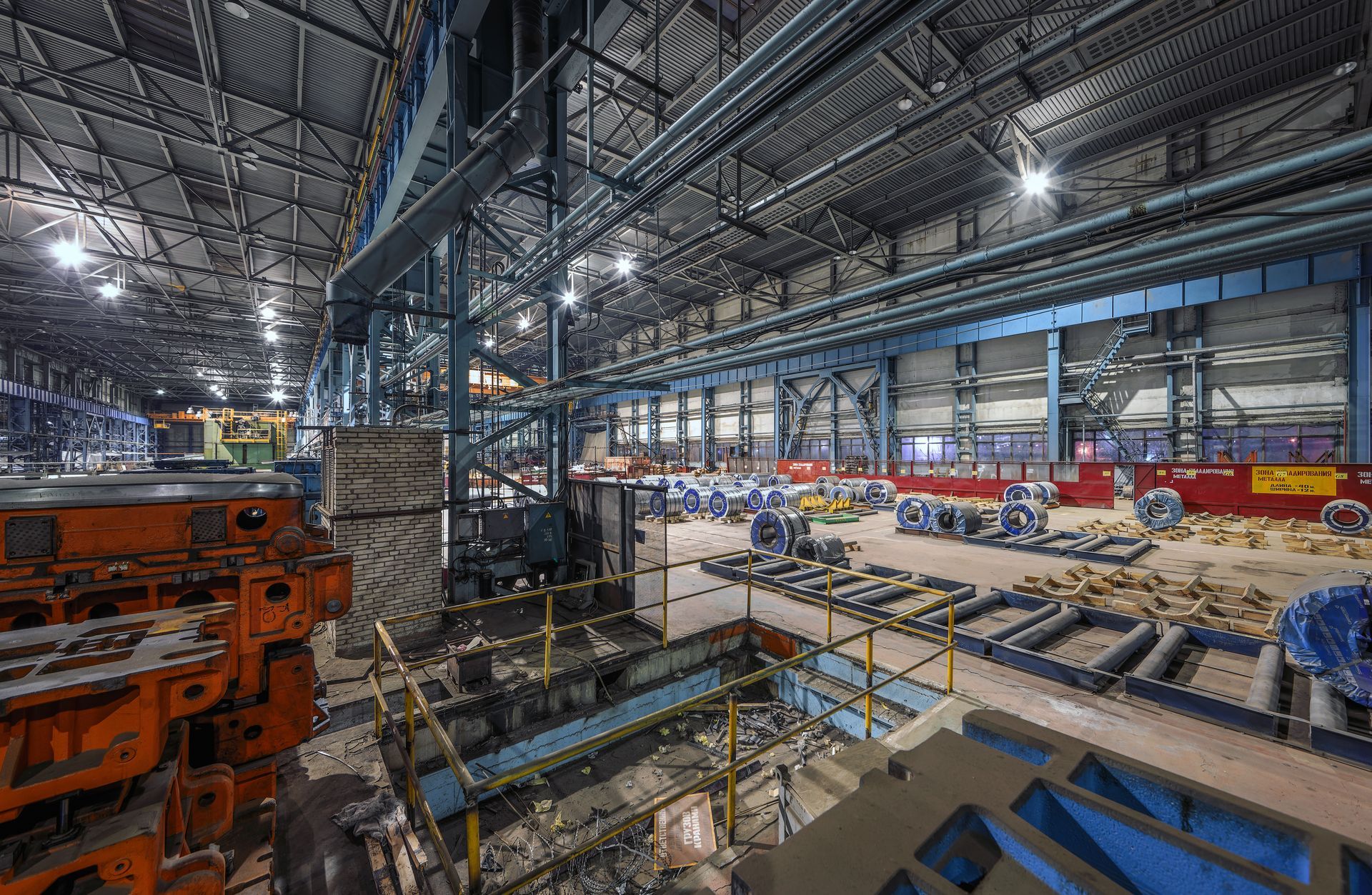
Manufacturing Businesses
Equipment breakdowns, product liability, and workforce injuries are daily risks for Texas manufacturers. We build coverage from the shop floor to the loading dock — so one incident does not shut you down.
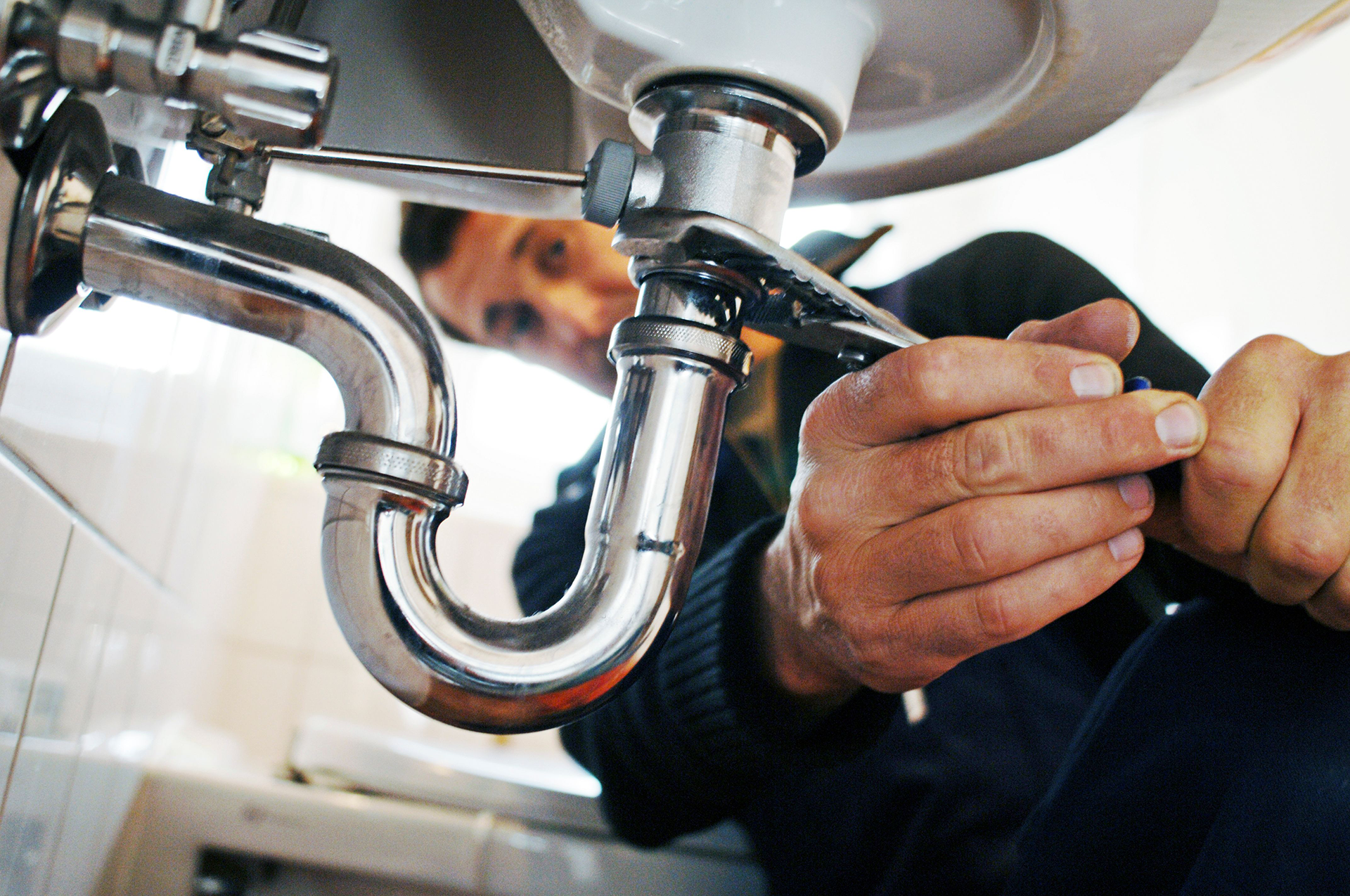
Artisan Contractors
Plumbers, electricians, and skilled tradespeople work in high-risk environments every day. We build coverage around your tools, your vehicles, and your crew — so a job site incident does not stop your business.
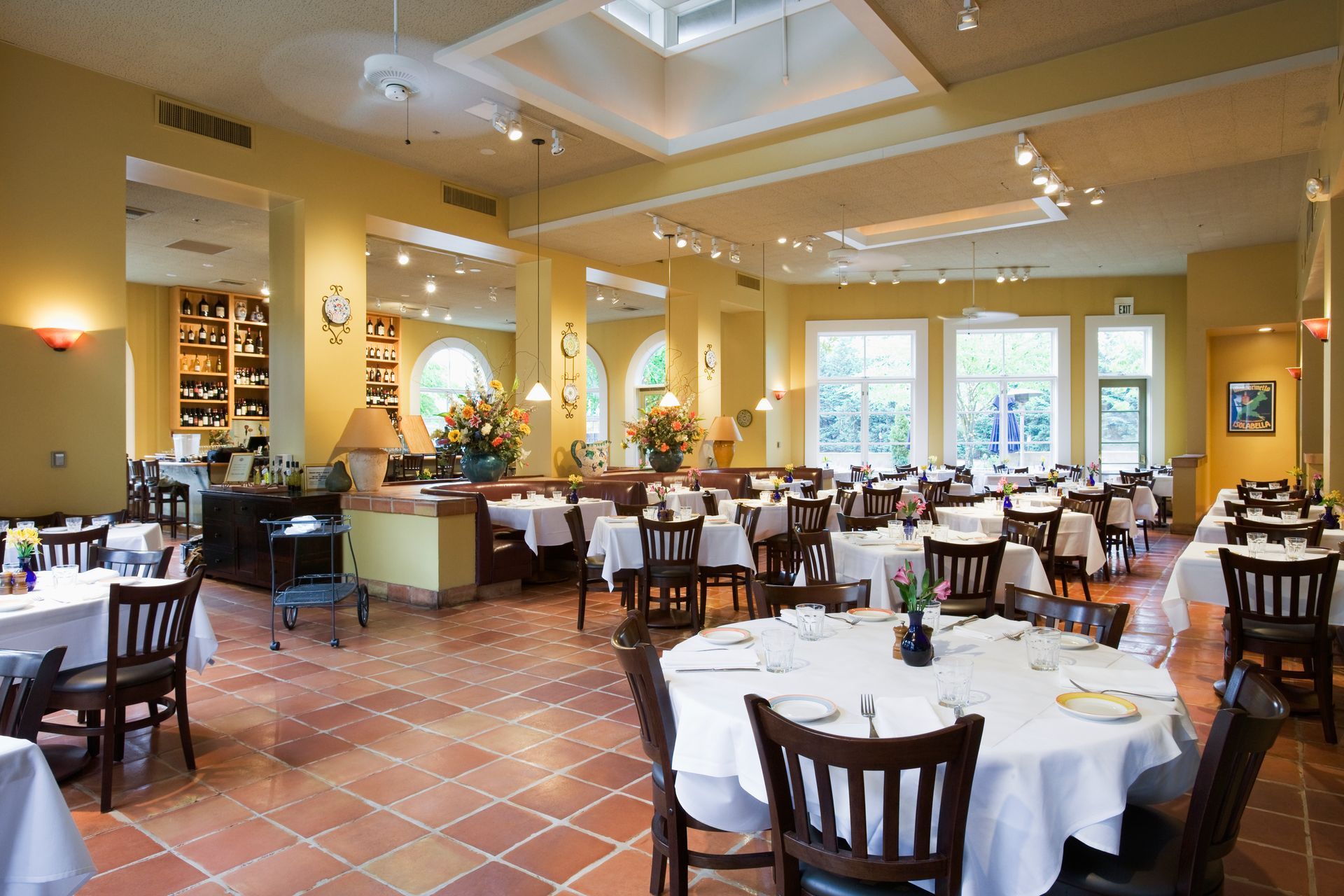
Restaurants & Food Service
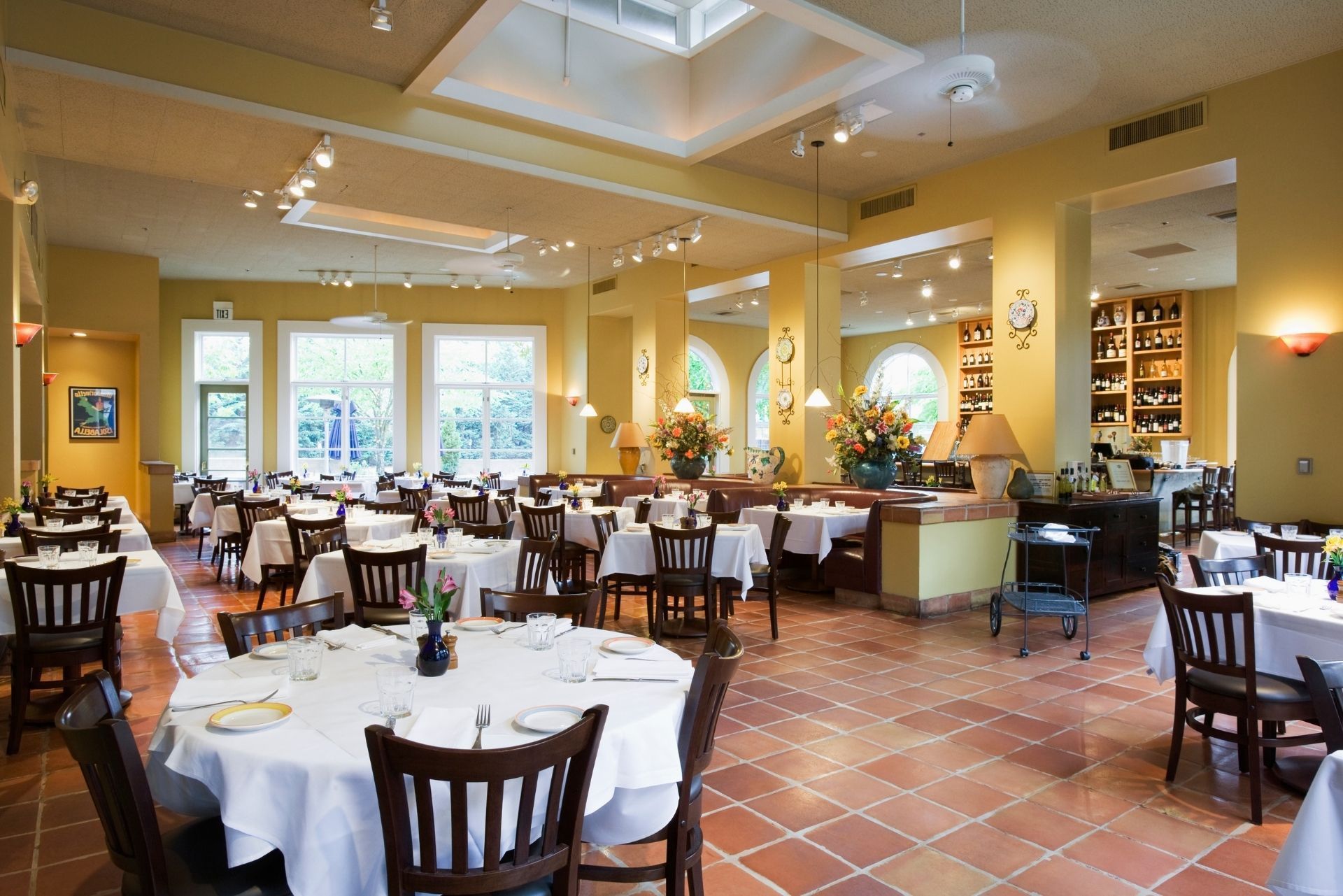
Restaurants carry liability on every shift — from the kitchen to the dining room and everything in between. We protect your location, your staff, and your equipment, including lost income when operations stop.

Non-Profits Service
Non-profits face unique liability across events, volunteers, staff, and leadership decisions. We cover your organization from the ground up — so you can focus on your mission, not your exposure.

Event Insurance
Event organizers face liability the moment guests arrive, vendors set up, and alcohol is served. We cover your event from start to finish — so one unexpected incident does not cancel everything you planned for.
Answers Before You Pick Up the Phone
What Texas Businesses Ask Us Most
We get a lot of the same questions from business owners across Texas. Here are honest answers to the ones that come up most.
What information do you need to get a commercial insurance quote?
We keep the process straightforward. We typically need your business name, a description of your operations, your gross annual sales projection, number of full-time and part-time employees, your gross annual payroll, and the types of coverage you are looking for. If you have an existing policy, the expiration date and current carrier help us put together a competitive comparison.
The most important thing you can do is be transparent about what your business actually does. Accurate classification ensures you have real coverage if a claim occurs. We have seen businesses with active policies that were incorrectly classified — and those gaps only surface at the worst possible moment.
Does Texas require businesses to carry Workers' Compensation Insurance?
Texas is the only state in the country that does not require most private employers to carry Workers' Compensation. However, if your business holds government contracts or works as a subcontractor on a job site, the hiring company will almost always require proof of coverage before work begins. A growing number of general contractors across Denton and the DFW area enforce this as a standard condition.
Even without a legal requirement, carrying Workers' Comp protects your business from direct liability if an employee is hurt on the job. Medical bills, lost wages, and legal fees can add up quickly — and one serious incident can create a financial loss that far exceeds years of premium payments.
What is a commercial insurance audit and should I expect one?
Most commercial general liability policies are auditable. At the end of your policy term, the insurance carrier reviews your actual gross sales to make sure your premium matched your real exposure. If your sales grew during the year, you may owe an additional premium. If sales came in lower, you could receive a refund.
The best way to avoid a large balance due at audit time is to update your projected gross sales with us during the year if your business grows faster than expected. We can endorse your policy mid-term to reflect the change and spread any additional premium across smaller installments instead of one lump sum at year-end.
What factors affect how much my commercial coverage will cost?
Your premium is calculated based on several variables specific to your operation — industry classification, gross annual sales, number of employees, gross payroll, claims history, and the types of coverage you need. A business that handles physical work with a crew on job sites will pay differently than a professional services firm working out of an office.
As an independent agency, we compare quotes across multiple carriers — including Travelers, The Hartford, Chubb, AmTrust, and others — to find the combination of coverage and price that works for your situation. There is no obligation after your quote, and we walk through every option in plain terms before you decide anything.
My business is a restaurant — what coverage do I actually need?
Restaurants are not a one-size-fits-all class of risk. Carriers look at a range of factors when evaluating a restaurant account: whether you serve alcohol, whether deep frying is involved, the type of fire suppression system in place, whether you have a hood cleaning contract, and whether you offer catering, delivery, or live entertainment. All of these affect both pricing and carrier appetite.
A well-structured restaurant policy typically includes general liability, building and business personal property coverage, liquor liability if applicable, food contamination coverage, business income protection, and workers' compensation for your staff. We work with carriers that actively want to write restaurant accounts in Texas — including Travelers, The Hartford, and Chubb — so you have real options to compare.
Can you help insure a business that is hard to place or outside the mainstream?
Yes — this is one of our strengths. We work with Excess and Surplus (E&S) lines markets through carriers like Burns & Wilcox for businesses that standard carriers will not write. We have placed coverage for master sign electricians, cable splicing operations, transmission rebuild shops for classic cars, CBD retailers, and many other non-standard accounts.
If you have been told your business is difficult to insure or you have received very limited options in the marketplace, reach out to us. We take time to understand your operations in detail, present your account to the right markets, and work to find coverage that actually reflects what you do — not a generic policy that leaves gaps.
Still have Question?
We’re here to help you!
Written for the Texas Business Owner
Insights That Help You Make Smarter Decisions
We publish articles on real topics that affect how Texas operators get covered — from local regulatory updates to coverage gaps most owners do not know they have.