Texas Equipment Breakdown Insurance for Laundromats

See How We're Different
Call Us: (940) 268-5112
A single commercial washer motor burns out on a Saturday morning, and suddenly your laundromat is losing $400 per day in revenue while you scramble to find a replacement part that has to ship from Ohio. Your general liability policy? It won't cover a dime of that loss. This scenario plays out across Texas laundromats more often than most owners expect, and the financial hit extends far beyond the repair bill itself.
Texas presents unique challenges for laundromat equipment. Between unpredictable power grid fluctuations, mineral-heavy water supplies, and humidity that accelerates wear on electronic components, commercial washers and dryers face conditions that shorten their operational lifespan. Equipment breakdown coverage for Texas laundromats fills a critical gap that standard property insurance leaves wide open, protecting your machines, your income, and your ability to keep doors open when mechanical failures strike.
The average commercial washer costs between $8,000 and $15,000 to replace, with high-capacity extractors running even higher. When you're operating 20 or 30 machines, the potential exposure adds up fast. Understanding how this specialized coverage works, what it protects, and how to structure it for your specific facility can mean the difference between a minor setback and a business-threatening crisis.
The Role of Equipment Breakdown Insurance in Texas Laundromats
Equipment breakdown insurance, sometimes called boiler and machinery coverage, specifically addresses sudden mechanical or electrical failures in commercial equipment. For laundromats, this means protection when a motor seizes, a control board fries, or a bearing fails without warning. The policy kicks in where your property insurance stops, covering the internal breakdown of machinery rather than external damage from fires, theft, or weather events.
How Breakdown Coverage Differs from General Liability
General liability protects you when a customer slips on a wet floor or claims their clothes were damaged. Property insurance covers your building and equipment if a tree falls through the roof or a fire breaks out. Neither policy responds when your equipment simply stops working due to internal failure.
Breakdown coverage specifically addresses mechanical and electrical failures that originate inside the equipment itself. If a compressor burns out, a circuit board malfunctions, or a motor overheats and fails, this is the policy that responds. The distinction matters because these internal failures represent the most common and costly problems laundromat owners face.
Common Causes of Commercial Washer and Dryer Failure
Commercial laundry equipment fails for predictable reasons. Motor burnout tops the list, often caused by overloading or voltage irregularities. Bearing failures come next, typically from inadequate lubrication or water intrusion. Control board malfunctions have become increasingly common as machines rely more heavily on computerized systems.
Extraction systems face particular stress in high-volume environments. The centrifugal force required to spin water from heavy loads puts tremendous strain on bearings, suspension systems, and drive components. Dryer failures often trace back to heating element burnout, blower motor issues, or ignition system problems in gas units.

By: Michael Whitaker
Insurance Advisor at
Denton Business Insurance
Texas throws challenges at laundromat equipment that owners in other states rarely consider. The combination of grid instability, water quality issues, and climate extremes creates conditions that accelerate equipment wear and increase breakdown frequency.
Power Surge Protection During Texas Grid Instability
Winter Storm Uri in 2021 reminded every Texas business owner about grid vulnerability. Power surges during grid recovery events can destroy electronic control boards instantly. Even smaller voltage fluctuations during peak summer demand periods stress motors and electrical components.
Equipment breakdown policies typically cover surge damage, but the specifics matter. Some policies exclude damage from utility interruption unless you've added specific endorsements. When working with an independent agency like Denton Business Insurance, asking about surge-specific coverage language can prevent unpleasant surprises during claim time.
Impact of Hard Water and Humidity on Component Longevity
Much of Texas has notoriously hard water, with mineral content that deposits scale inside heating elements, valves, and pumps. This buildup reduces efficiency first, then causes premature failure. San Antonio and the Hill Country areas face particularly challenging water conditions.
Gulf Coast humidity creates its own problems. Moisture accelerates corrosion on electrical connections and promotes rust on internal metal components. Laundromats in Houston, Corpus Christi, and coastal areas often see equipment fail years earlier than identical machines in drier regions.
Key Components Covered Under a Breakdown Policy
Understanding exactly what your policy protects helps you evaluate whether your coverage limits match your exposure. Most breakdown policies cover a comprehensive range of mechanical and electrical components, but the details vary by carrier.
Mechanical Failures in High-Capacity Extractors
High-capacity extractors represent your biggest single equipment investment and your greatest breakdown risk. Coverage typically includes the main drive motor, transmission components, bearing assemblies, and suspension systems. The extraction drum itself is usually covered if failure results from mechanical causes rather than physical damage.
Policies generally cover the cost to repair or replace failed components, including labor. Some carriers offer coverage for expedited repairs when standard timelines would extend your downtime unreasonably.
Electrical and Computerized Control Board Malfunctions
Modern commercial laundry equipment relies heavily on electronic controls. A single control board can cost $1,500 to $3,000 to replace, and many machines have multiple boards controlling different functions. Breakdown coverage protects against failures in these systems, including damage from power irregularities.
| Component Type | Typical Repair Cost | Coverage Status |
|---|---|---|
| Main control board | $1,200 - $3,500 | Covered |
| Motor starter | $300 - $800 | Covered |
| Coin mechanism electronics | $200 - $600 | Usually covered |
| Display panels | $400 - $1,200 | Covered |
| Wiring harnesses | $150 - $500 | Covered if failure-related |
Boiler and Water Heating System Protection
If your facility uses a central boiler system for hot water, breakdown coverage becomes even more critical. Boiler repairs can easily exceed $10,000, and replacement costs run much higher. Coverage typically includes the boiler vessel, burner assembly, controls, pumps, and associated piping.
Water heaters serving individual machines or small groups also qualify for coverage. Heating element failures, thermostat malfunctions, and tank corrosion all fall under typical policy language.
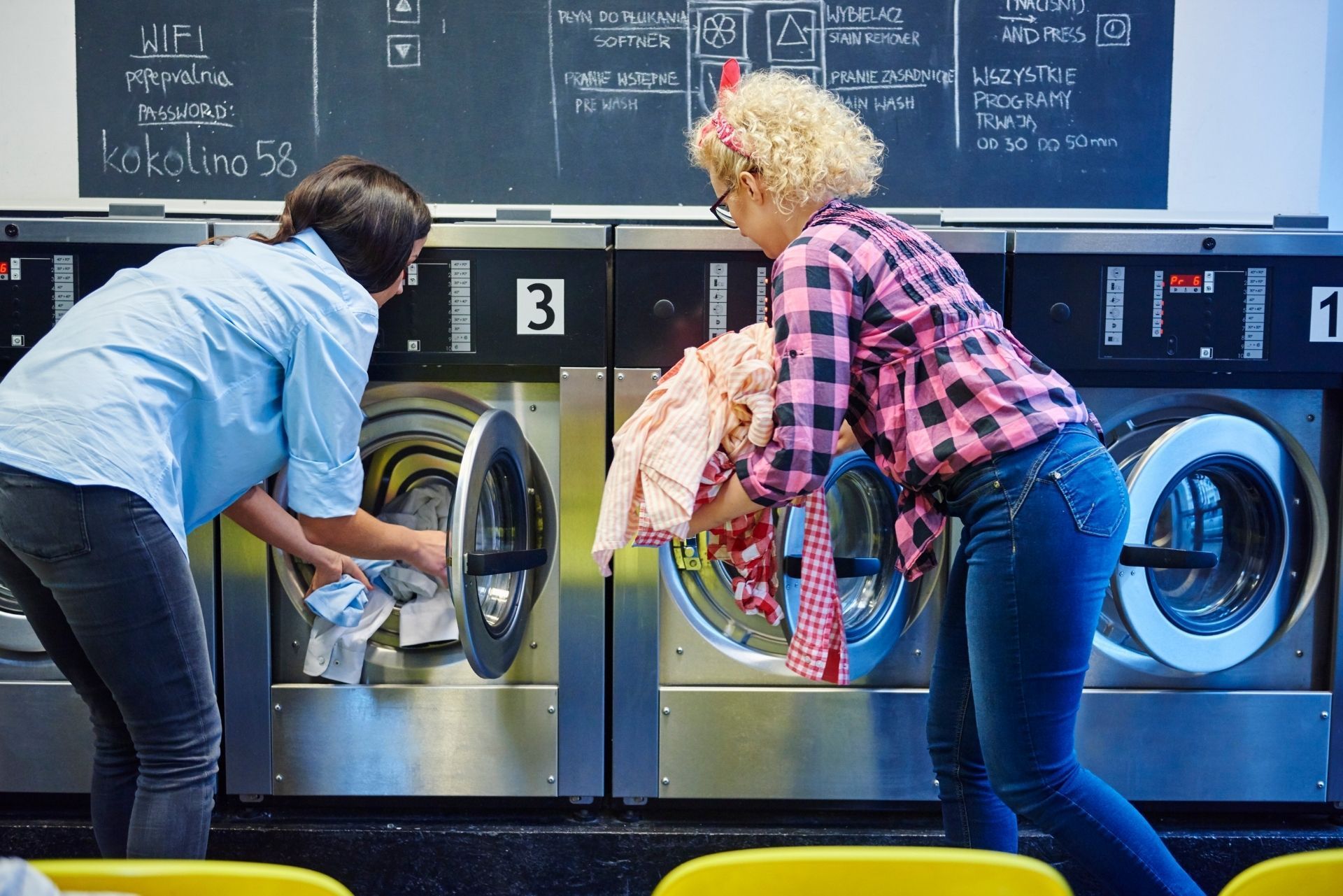
Financial Safeguards: Business Interruption and Repair Costs
The repair bill often represents only a fraction of your total loss when equipment fails. Lost revenue during downtime can quickly exceed the cost of parts and labor, especially if the failure affects multiple machines or takes days to resolve.
Recovering Lost Income During Machine Downtime
Business interruption coverage, included in most equipment breakdown policies, reimburses your lost income while covered equipment is out of service. The calculation typically uses your historical revenue figures to establish a daily loss amount.
For a laundromat generating $15,000 monthly in revenue, a week of reduced capacity could mean $2,000 to $3,000 in lost income on top of repair costs. Business interruption coverage helps maintain cash flow during these disruptions, covering fixed expenses like rent and utilities that continue regardless of equipment status.
Expediting Expenses for Emergency Parts Shipping
When a critical part isn't available locally, overnight shipping can cost several hundred dollars. Expediting expense coverage reimburses these costs when faster delivery reduces your downtime. Some policies also cover premium labor rates for after-hours or weekend repairs.
This coverage often pays for itself quickly. The difference between waiting five days for standard shipping versus paying $200 for overnight delivery could save $1,500 or more in lost revenue.
Selecting the Right Coverage Limits for Your Facility
Coverage limits determine the maximum your policy will pay for any single breakdown or during the policy period. Setting these limits too low leaves you exposed; setting them unnecessarily high wastes premium dollars.
Evaluating Replacement Cost vs. Actual Cash Value
Replacement cost coverage pays to replace failed equipment with new machines of similar type and quality. Actual cash value coverage deducts depreciation, paying only what your equipment was worth at the time of failure. For a five-year-old commercial washer, the difference could be $6,000 or more.
Replacement cost coverage costs more but provides significantly better protection. Most laundromat owners find the additional premium worthwhile, particularly for newer equipment.
Determining Deductibles for Multi-Machine Facilities
Higher deductibles reduce your premium but increase your out-of-pocket cost when claims occur. For facilities with many machines, a $1,000 deductible might make sense since you'll likely file claims occasionally. A small operation with fewer machines might prefer a $2,500 deductible to minimize premium costs.
Working with an independent agency that can compare options from carriers like
Travelers, Nationwide, and
Chubb helps you find the right balance. Denton Business Insurance regularly helps Texas laundromat owners evaluate these tradeoffs based on their specific equipment inventory and risk tolerance.
Proactive Maintenance and Risk Management Strategies
Insurance protects you financially when breakdowns occur, but preventing failures saves money, reduces downtime, and keeps customers happy. Most carriers recognize this and may offer premium credits for documented maintenance programs.
Establish a written maintenance schedule that includes monthly bearing lubrication, quarterly belt inspections, and annual motor cleaning. Keep records of all maintenance performed, as these documents support claims and demonstrate responsible ownership. Train staff to recognize early warning signs like unusual noises, vibration changes, or performance drops.
Consider water treatment systems if your facility faces hard water issues. The upfront cost typically pays back through extended equipment life and reduced repair frequency. Similarly, surge protection on incoming electrical service can prevent costly control board failures.
Frequently Asked Questions
Does my property insurance already cover equipment breakdowns? Standard property policies exclude mechanical and electrical failures. You need specific equipment breakdown coverage to protect against internal equipment malfunctions.
How quickly are breakdown claims typically paid? Most carriers process straightforward claims within two to three weeks. Emergency repairs can often proceed immediately with carrier approval, and reimbursement follows.
Are coin mechanisms and card readers covered? Electronic payment systems are typically covered under breakdown policies. Mechanical coin mechanisms may have limited coverage depending on policy language.
What documentation do I need to file a claim? Keep repair invoices, technician reports describing the failure cause, photos of damaged components, and records of recent maintenance. Revenue records support business interruption claims.
Can I get coverage for used equipment?
Yes, though carriers may require inspection reports for older machines. Actual cash value coverage is more common for used equipment than replacement cost.
Equipment breakdown coverage for Texas laundromats addresses risks that standard policies ignore. Between grid instability, water quality challenges, and the mechanical stress of high-volume operations, your machines face conditions that make breakdowns inevitable rather than merely possible.
The right policy protects your equipment investment, replaces lost income during repairs, and covers the expedited shipping costs that minimize downtime. Getting coverage limits and deductibles right requires understanding your specific equipment inventory and revenue patterns.
If you're operating a laundromat in Texas without equipment breakdown coverage, you're carrying more risk than you probably realize. Reach out to Denton Business Insurance to review your current policies and identify gaps before your next machine decides to quit on a busy weekend.
Straight from the Clients We Serve
Texas Business Owners Rate Us 5 Stars — Here Is Why
We hear the same things repeatedly: fast service, honest advice, and coverage that made sense for their situation. That is what we aim for every time.
Protection Across Every Area of Your BUSINESS
What Texas Businesses Need. What We Deliver.
From your job site and your fleet to your data and your payroll — we cover the risks that Texas businesses carry every day.
General Liability
Covers third-party claims of bodily injury, property damage, and advertising injury. A foundational protection for nearly every Texas business, regardless of industry or size.
Commercial Property
Covers your building, equipment, inventory, and business contents against fire, theft, storms, and vandalism. Can also include lost income if your businesses are forced to stop.
Commercial Auto
Protects vehicles your company owns, leases, or uses for work. Covers liability, collision damage, and injuries for employees driving on company time.
Errors & Omissions
Protects service providers when a client claims your advice, work, or recommendations caused them a financial loss. Critical for consultants, IT firms, agents, and other professional service businesses.
Directors & Officers
Covers leadership decisions that result in claims from employees, investors, or outside parties. Protects your directors and officers personally when management decisions are challenged.
Inland Marine & Equipment Floater
Covers tools, materials, and equipment that move between job sites or are stored off your primary property. Fills the gap where a standard commercial property policy stops.
Every Sector Has Its Own Risk Profile
We Know Your Trade. We Know Your Exposure.
We work with a wide range of Texas industries — each with different coverage priorities. Below are the sectors we serve most often.

Apartment Complexes
Texas apartment owners face liability across common areas, tenant incidents, and on-site staff. We cover your property, your income, and your exposure — across one complex or an entire portfolio.
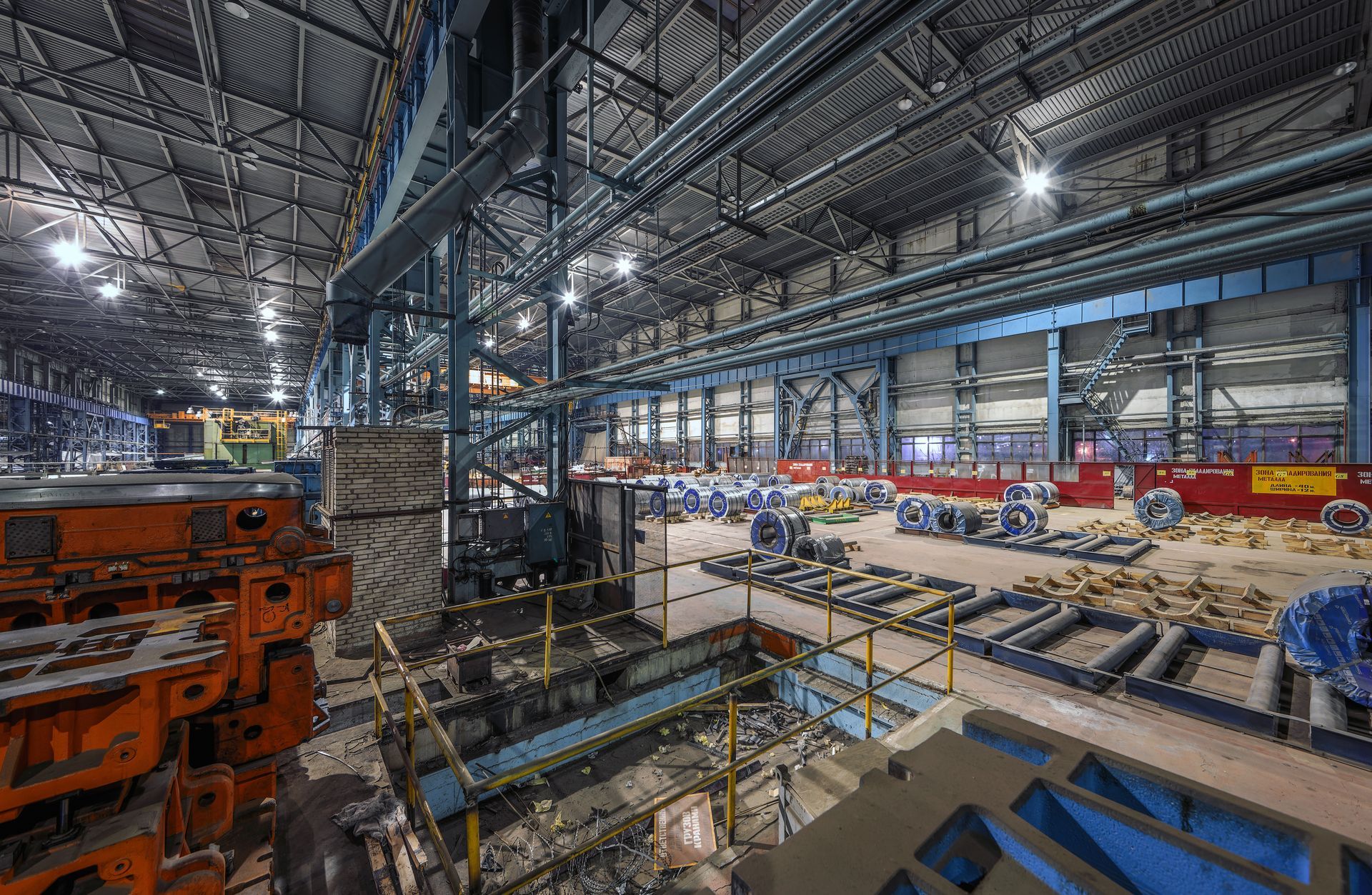
Manufacturing Businesses
Equipment breakdowns, product liability, and workforce injuries are daily risks for Texas manufacturers. We build coverage from the shop floor to the loading dock — so one incident does not shut you down.
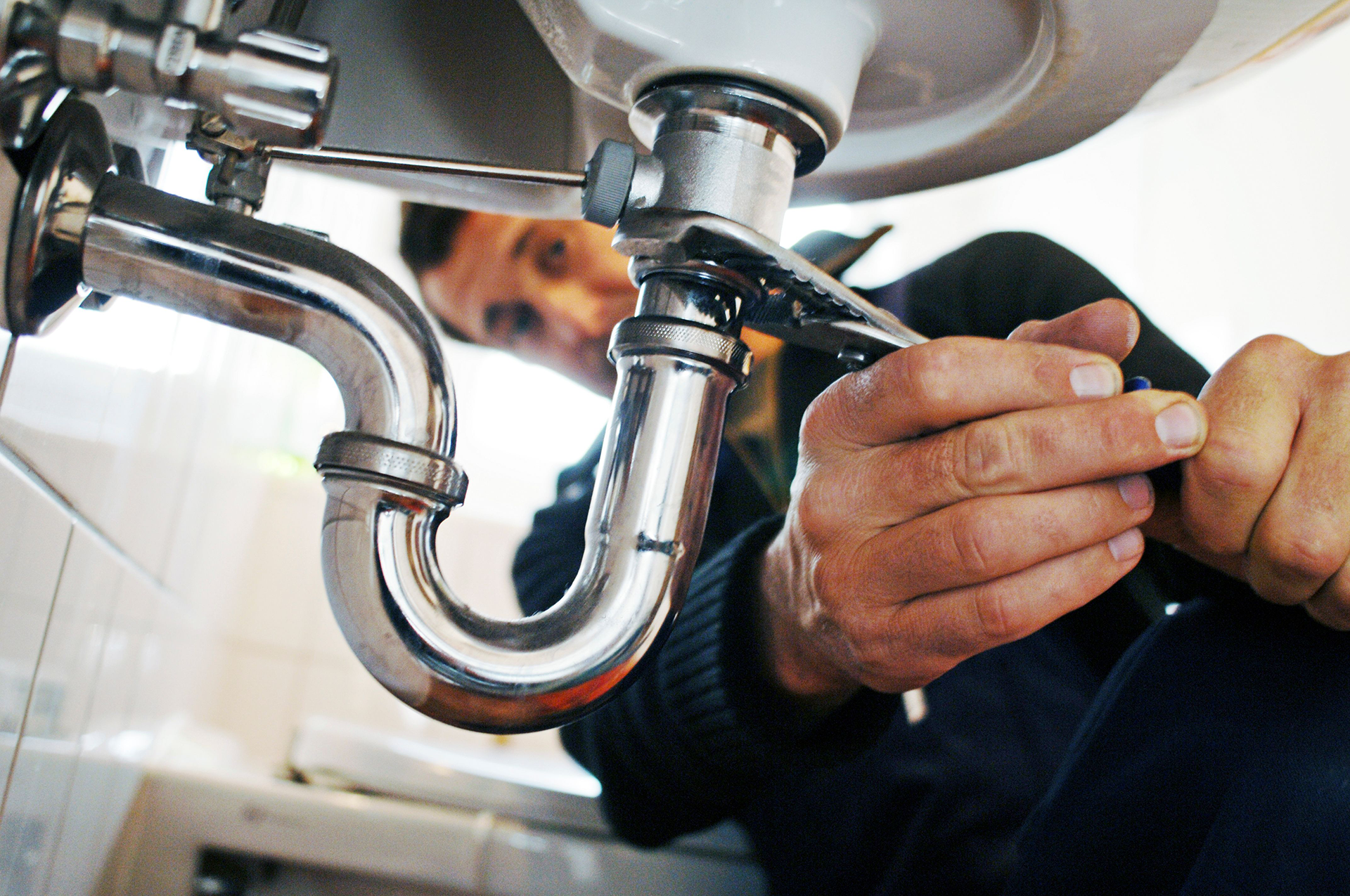
Artisan Contractors
Plumbers, electricians, and skilled tradespeople work in high-risk environments every day. We build coverage around your tools, your vehicles, and your crew — so a job site incident does not stop your business.

Restaurants & Food Service
Restaurants carry liability on every shift — from the kitchen to the dining room and everything in between. We protect your location, your staff, and your equipment, including lost income when operations stop.

Non-Profits Service
Non-profits face unique liability across events, volunteers, staff, and leadership decisions. We cover your organization from the ground up — so you can focus on your mission, not your exposure.

Event Insurance
Event organizers face liability the moment guests arrive, vendors set up, and alcohol is served. We cover your event from start to finish — so one unexpected incident does not cancel everything you planned for.
Answers Before You Pick Up the Phone
What Texas Businesses Ask Us Most
We get a lot of the same questions from business owners across Texas. Here are honest answers to the ones that come up most.

What information do you need to get a commercial insurance quote?
We keep the process straightforward. We typically need your business name, a description of your operations, your gross annual sales projection, number of full-time and part-time employees, your gross annual payroll, and the types of coverage you are looking for. If you have an existing policy, the expiration date and current carrier help us put together a competitive comparison.
The most important thing you can do is be transparent about what your business actually does. Accurate classification ensures you have real coverage if a claim occurs. We have seen businesses with active policies that were incorrectly classified — and those gaps only surface at the worst possible moment.
Does Texas require businesses to carry Workers' Compensation Insurance?
Texas is the only state in the country that does not require most private employers to carry Workers' Compensation. However, if your business holds government contracts or works as a subcontractor on a job site, the hiring company will almost always require proof of coverage before work begins. A growing number of general contractors across Denton and the DFW area enforce this as a standard condition.
Even without a legal requirement, carrying Workers' Comp protects your business from direct liability if an employee is hurt on the job. Medical bills, lost wages, and legal fees can add up quickly — and one serious incident can create a financial loss that far exceeds years of premium payments.
What is a commercial insurance audit and should I expect one?
Most commercial general liability policies are auditable. At the end of your policy term, the insurance carrier reviews your actual gross sales to make sure your premium matched your real exposure. If your sales grew during the year, you may owe an additional premium. If sales came in lower, you could receive a refund.
The best way to avoid a large balance due at audit time is to update your projected gross sales with us during the year if your business grows faster than expected. We can endorse your policy mid-term to reflect the change and spread any additional premium across smaller installments instead of one lump sum at year-end.
What factors affect how much my commercial coverage will cost?
Your premium is calculated based on several variables specific to your operation — industry classification, gross annual sales, number of employees, gross payroll, claims history, and the types of coverage you need. A business that handles physical work with a crew on job sites will pay differently than a professional services firm working out of an office.
As an independent agency, we compare quotes across multiple carriers — including Travelers, The Hartford, Chubb, AmTrust, and others — to find the combination of coverage and price that works for your situation. There is no obligation after your quote, and we walk through every option in plain terms before you decide anything.
My business is a restaurant — what coverage do I actually need?
Restaurants are not a one-size-fits-all class of risk. Carriers look at a range of factors when evaluating a restaurant account: whether you serve alcohol, whether deep frying is involved, the type of fire suppression system in place, whether you have a hood cleaning contract, and whether you offer catering, delivery, or live entertainment. All of these affect both pricing and carrier appetite.
A well-structured restaurant policy typically includes general liability, building and business personal property coverage, liquor liability if applicable, food contamination coverage, business income protection, and workers' compensation for your staff. We work with carriers that actively want to write restaurant accounts in Texas — including Travelers, The Hartford, and Chubb — so you have real options to compare.
Can you help insure a business that is hard to place or outside the mainstream?
Yes — this is one of our strengths. We work with Excess and Surplus (E&S) lines markets through carriers like Burns & Wilcox for businesses that standard carriers will not write. We have placed coverage for master sign electricians, cable splicing operations, transmission rebuild shops for classic cars, CBD retailers, and many other non-standard accounts.
If you have been told your business is difficult to insure or you have received very limited options in the marketplace, reach out to us. We take time to understand your operations in detail, present your account to the right markets, and work to find coverage that actually reflects what you do — not a generic policy that leaves gaps.
Still have Question?
We’re here to help you!
Written for the Texas Business Owner
Insights That Help You Make Smarter Decisions
We publish articles on real topics that affect how Texas operators get covered — from local regulatory updates to coverage gaps most owners do not know they have.