Running an upscale restaurant in Texas means managing risks that casual eateries never face. Your $80,000 La Cornue range, temperature-controlled wine cellar, and hand-carved mahogany bar represent investments that standard restaurant policies simply weren't designed to protect. A single kitchen fire or burst pipe could wipe out hundreds of thousands in custom build-outs, rare vintages, and specialty equipment before you've finished your morning espresso.
Texas fine dining establishments operate in a unique environment where Gulf Coast humidity threatens wine collections, the state's aggressive Dram Shop laws create serious liquor liability exposure, and severe weather events from hailstorms to hurricanes can shutter operations for weeks. The average fine dining restaurant in Dallas or Houston generates $3-5 million annually, which means every day of closure costs $8,000-$14,000 in lost revenue.
Working with business owners across Texas, I've seen too many upscale restaurateurs discover their coverage gaps after a claim gets denied. The chef who assumed his $200,000 truffle and caviar inventory was covered under standard food spoilage. The sommelier whose $400,000 wine collection had a $50,000 policy limit. These aren't hypothetical scenarios; they're real conversations with real financial consequences.
Premium insurance coverage for fine dining operations requires understanding both the elevated asset values and the sophisticated liability exposures that come with white-tablecloth service. Here's what actually matters when protecting your upscale establishment.
The Unique Risk Landscape for Texas Fine Dining
Texas presents a distinct combination of regulatory requirements, weather risks, and liability exposures that affect fine dining establishments differently than restaurants in other states.
Protecting High-Value Assets and Interior Build-Outs
Standard commercial property policies typically cap interior improvements at $50,000-$100,000. That's woefully inadequate when your custom millwork, imported Italian marble, and designer lighting fixtures cost $500,000 or more. Fine dining interiors often represent 40-60% of total startup costs, yet many owners carry property coverage based on their lease value rather than replacement cost.
Your policy needs scheduled coverage for high-value items like chandeliers, artwork, and custom furniture. A blanket property policy won't distinguish between your $15,000 antique sideboard and a standard restaurant table. Work with an independent agency like Denton Business Insurance to document replacement values for custom elements, because insurers won't pay more than your policy limits regardless of actual loss.
Navigating Texas-Specific Regulatory Requirements
Texas health department regulations, TABC licensing requirements, and local fire codes create compliance obligations that affect your insurance needs. A liquor license suspension due to a compliance violation can trigger business interruption losses, but only if your policy specifically covers regulatory closures.
The Texas Department of Licensing and Regulation also governs valet parking operations, which many fine dining establishments offer. Garage keeper's liability and hired/non-owned auto coverage become essential when your staff parks guest vehicles worth $100,000 or more.

By: Linda Dodson
Agency Director at
Denton Business Insurance
Essential Liability Coverage for Upscale Service
Fine dining service creates liability exposures that fast-casual restaurants rarely encounter. Tableside preparations, sommelier recommendations, and valet services all increase your risk profile.
Liquor Liability and Dram Shop Act Compliance
Texas Dram Shop laws hold establishments liable when they serve alcohol to visibly intoxicated patrons who later cause harm. Judgments in Texas dram shop cases regularly exceed $1 million, with some reaching $10 million or more. Your standard general liability policy excludes liquor liability entirely.
Most fine dining establishments should carry liquor liability limits of at least $1 million per occurrence with a $2 million aggregate. If your wine program generates 40% or more of revenue, consider higher limits. Carriers like Travelers and Chubb offer specialized hospitality programs that bundle liquor liability with other restaurant coverages at better rates than standalone policies.
General Liability for Guest Safety and Valet Services
Slip-and-fall claims at upscale restaurants often involve higher damages because guests are typically older and higher-earning. A broken hip that sidelines a 55-year-old executive generates larger lost wage claims than similar injuries at casual dining spots.
Valet operations require garage keeper's legal liability coverage for vehicles in your care, custody, and control. Standard limits of $100,000 per vehicle may be inadequate when parking luxury vehicles. Consider excess coverage or higher per-vehicle limits if your clientele regularly arrives in vehicles worth $150,000 or more.
Beyond standard restaurant coverage, fine dining establishments need endorsements that address their unique inventory and operational requirements.
Wine Cellar and Rare Spirit Endorsements
Standard food spoilage coverage treats wine like any other perishable inventory, typically capping coverage at $10,000-$25,000. A serious wine program requires scheduled coverage with agreed values for rare bottles. Your 1982 Château Margaux isn't worth what you paid for it; it's worth current market value, which your insurer won't know unless you've documented it.
| Coverage Type | Standard Policy | Fine Dining Endorsement |
|---|---|---|
| Wine Inventory | $10,000-$25,000 | $100,000-$500,000+ |
| Temperature Failure | Often excluded | Included with monitoring requirements |
| Rare Spirits | Lumped with general inventory | Scheduled with appraisals |
| Transit Coverage | Limited or excluded | Full replacement value |
Temperature monitoring systems are increasingly required by carriers for wine cellar coverage. The $2,000 investment in a monitoring system with cellular alerts can prevent $200,000 losses when HVAC systems fail overnight.
Food Spoilage and Equipment Breakdown Coverage
Fine dining kitchens rely on specialized equipment that costs dramatically more than standard restaurant gear. A Josper charcoal oven runs $15,000-$30,000. Commercial sous vide equipment, blast chillers, and specialty refrigeration can easily total $200,000 or more.
Equipment breakdown coverage (sometimes called mechanical breakdown) pays for repairs when equipment fails due to mechanical or electrical causes, not just fire or theft. This coverage also typically includes spoilage losses caused by equipment failure, which standard property policies often exclude.
Business Interruption for High-Revenue Establishments
Business interruption coverage replaces lost income when covered events force closure. For fine dining establishments, the calculation matters enormously. A restaurant generating $4 million annually needs coverage for $333,000 per month in lost revenue, plus ongoing expenses like rent, loan payments, and key employee salaries.
The coinsurance clause in business interruption policies catches many restaurant owners off guard. If you're required to insure 80% of annual revenue but only carry coverage for 50%, the insurer can reduce claim payments proportionally. Underinsuring to save premium often costs far more during claims.
Safeguarding Your Texas Workforce
Fine dining service requires skilled staff who are difficult to replace. Your insurance program should protect both your employees and your business from employment-related claims.
Workers' Compensation and Texas Non-Subscriber Options
Texas remains the only state where private employers can opt out of workers' compensation coverage. About 20% of Texas employers choose non-subscriber status, but this decision carries significant legal risks for restaurants.
Non-subscribers lose three common-law defenses against employee injury lawsuits: contributory negligence, assumption of risk, and fellow servant doctrine. An injured line cook can sue directly, and juries tend to favor injured workers. Most fine dining establishments should carry workers' compensation coverage, with limits that reflect their payroll and risk exposure.
Typical workers' compensation premiums for Texas restaurants run $2-$4 per $100 of payroll, depending on claims history and safety programs. For a restaurant with $800,000 in annual payroll, that's $16,000-$32,000 annually.
Employment Practices Liability Insurance (EPLI)
Fine dining establishments face elevated employment practices risks due to tipped wage structures, tip pooling arrangements, and the intimate service environment. Sexual harassment claims, wage-and-hour disputes, and wrongful termination suits can generate six-figure legal costs even when you prevail.
EPLI coverage typically starts at $25,000-$50,000 annually for restaurants with 20-50 employees. The coverage pays defense costs and settlements for covered employment claims. Given the restaurant industry's high turnover and the complexity of tip credit regulations, this coverage pays for itself with a single avoided lawsuit.
Mitigating Regional Hazards and Weather Risks
Texas weather creates insurance challenges that vary dramatically by region. Gulf Coast establishments face hurricane exposure requiring separate windstorm coverage through the Texas Windstorm Insurance Association (TWIA) in many coastal counties. North Texas restaurants deal with hail damage and the occasional ice storm, as Winter Storm Uri demonstrated in 2021.
Flood insurance through FEMA's National Flood Insurance Program is essential for restaurants in flood-prone areas, but standard limits of $500,000 for buildings and $500,000 for contents may be inadequate for high-value fine dining build-outs. Excess flood coverage from private markets can fill the gap.
Severe weather closures can trigger business interruption claims, but only if the closure results from covered property damage. A mandatory evacuation order without physical damage typically won't trigger coverage unless you've added civil authority coverage to your policy.
Designing a Custom Insurance Portfolio for Longevity
Building the right insurance program for a fine dining establishment requires working with an agency that understands both hospitality risks and the Texas regulatory environment. Independent agencies like Denton Business Insurance can compare quotes from multiple carriers, including hospitality specialists like Chubb and Travelers alongside regional carriers like Germania.
Start by documenting your actual asset values, including detailed inventories of wine, spirits, artwork, and custom build-outs. Get appraisals for items worth more than $10,000 individually. Calculate your actual monthly revenue and ongoing expenses to properly size business interruption coverage.
Review your coverage annually, especially after renovations, menu changes that affect your wine program, or significant revenue increases. The policy that protected a $2 million restaurant may leave dangerous gaps when revenue hits $4 million.
The right insurance program won't be the cheapest option, but it will be the one that actually pays when you need it. For a free coverage review, contact Denton Business Insurance to discuss your fine dining establishment's specific needs.
Frequently Asked Questions
How much does fine dining restaurant insurance typically cost in Texas? Expect $15,000-$40,000 annually for comprehensive coverage, depending on revenue, location, liquor sales percentage, and claims history. High-value wine programs and valet services increase premiums.
Does standard restaurant insurance cover my wine collection? No. Standard food spoilage limits typically cap at $10,000-$25,000. You'll need a scheduled wine cellar endorsement with agreed values for adequate protection.
Can I save money by opting out of workers' compensation in Texas? Technically yes, but the legal exposure usually isn't worth the savings. Non-subscribers lose key defenses against employee lawsuits and face potentially unlimited liability.
What happens if my restaurant floods but I don't have flood insurance? Standard property policies exclude flood damage. Without separate flood coverage, you'll pay repair costs out of pocket, which can easily reach $100,000 or more for fine dining interiors.
How do I insure valet parking operations?
You'll need garage keeper's legal liability coverage for vehicles in your care, plus hired and non-owned auto coverage. Standard limits may be inadequate for luxury vehicles.
Straight from the Clients We Serve
Texas Business Owners Rate Us 5 Stars — Here Is Why
We hear the same things repeatedly: fast service, honest advice, and coverage that made sense for their situation. That is what we aim for every time.

Protection Across Every Area of Your BUSINESS
What Texas Businesses Need. What We Deliver.
From your job site and your fleet to your data and your payroll — we cover the risks that Texas businesses carry every day.
General Liability
Covers third-party claims of bodily injury, property damage, and advertising injury. A foundational protection for nearly every Texas business, regardless of industry or size.
Commercial Property
Covers your building, equipment, inventory, and business contents against fire, theft, storms, and vandalism. Can also include lost income if your businesses are forced to stop.
Commercial Auto
Protects vehicles your company owns, leases, or uses for work. Covers liability, collision damage, and injuries for employees driving on company time.
Errors & Omissions
Protects service providers when a client claims your advice, work, or recommendations caused them a financial loss. Critical for consultants, IT firms, agents, and other professional service businesses.
Directors & Officers
Covers leadership decisions that result in claims from employees, investors, or outside parties. Protects your directors and officers personally when management decisions are challenged.
Inland Marine & Equipment Floater
Covers tools, materials, and equipment that move between job sites or are stored off your primary property. Fills the gap where a standard commercial property policy stops.
Every Sector Has Its Own Risk Profile
We Know Your Trade. We Know Your Exposure.
We work with a wide range of Texas industries — each with different coverage priorities. Below are the sectors we serve most often.
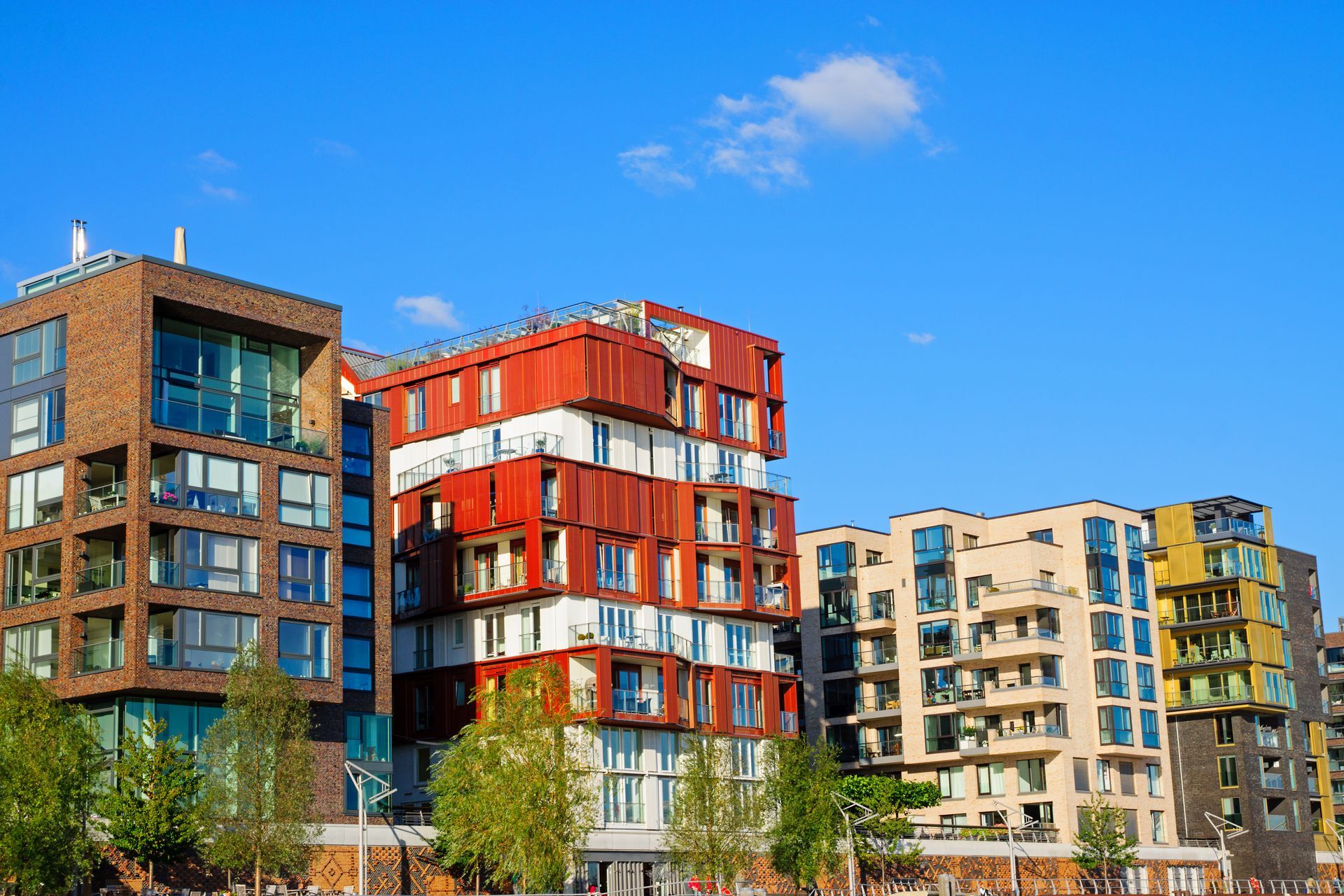
Apartment Complexes
Texas apartment owners face liability across common areas, tenant incidents, and on-site staff. We cover your property, your income, and your exposure — across one complex or an entire portfolio.
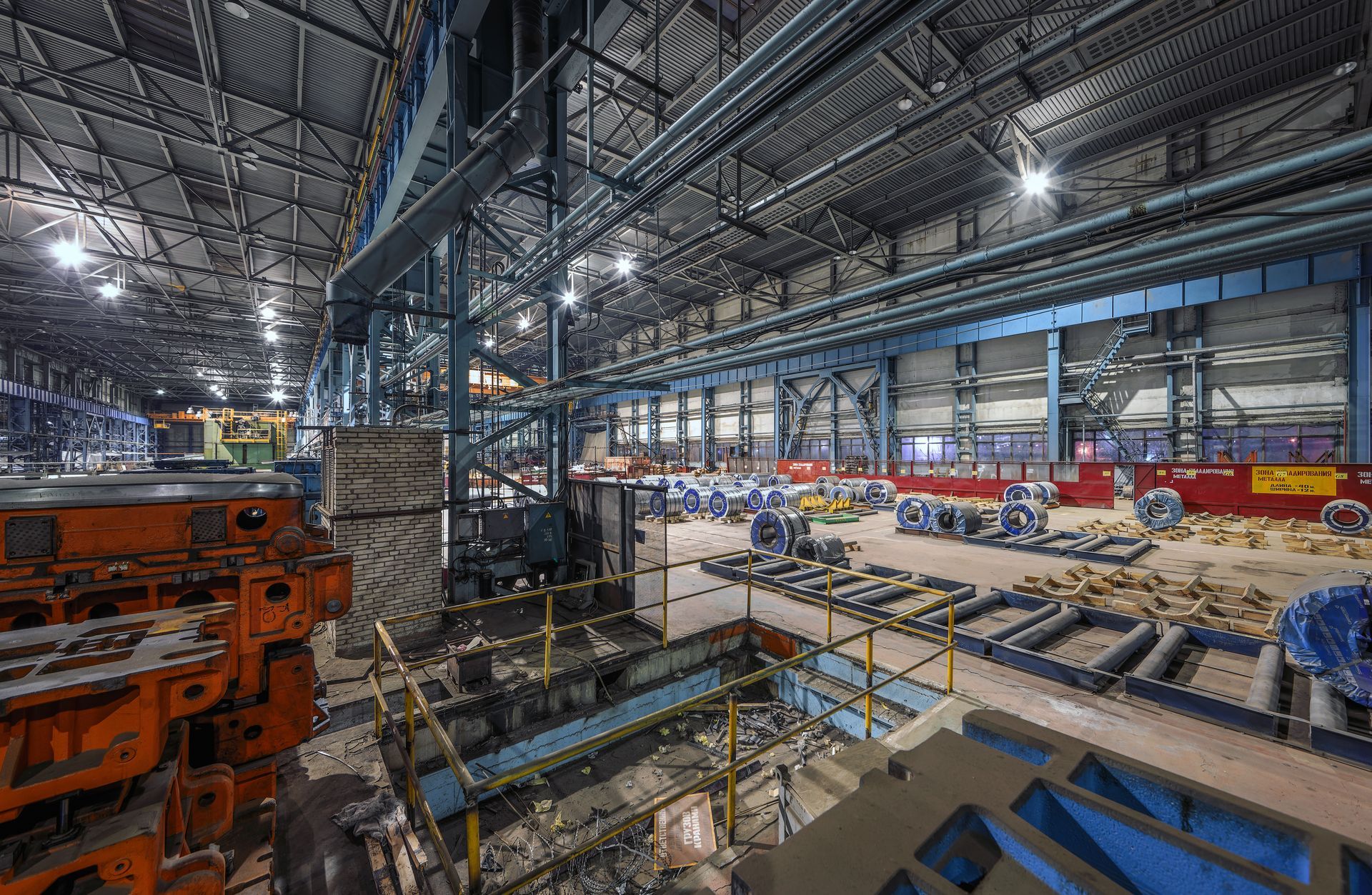
Manufacturing Businesses
Equipment breakdowns, product liability, and workforce injuries are daily risks for Texas manufacturers. We build coverage from the shop floor to the loading dock — so one incident does not shut you down.
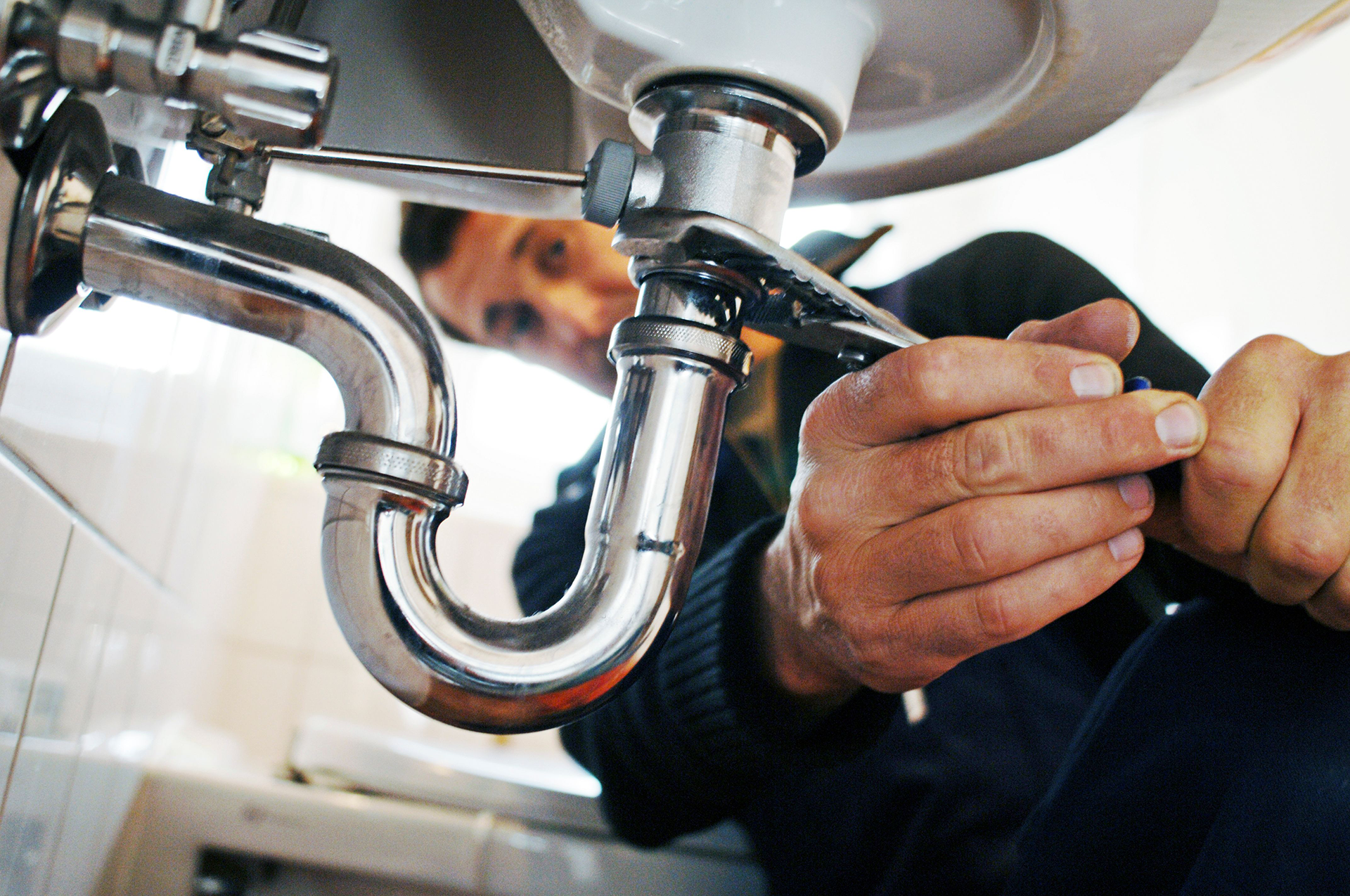
Artisan Contractors
Plumbers, electricians, and skilled tradespeople work in high-risk environments every day. We build coverage around your tools, your vehicles, and your crew — so a job site incident does not stop your business.
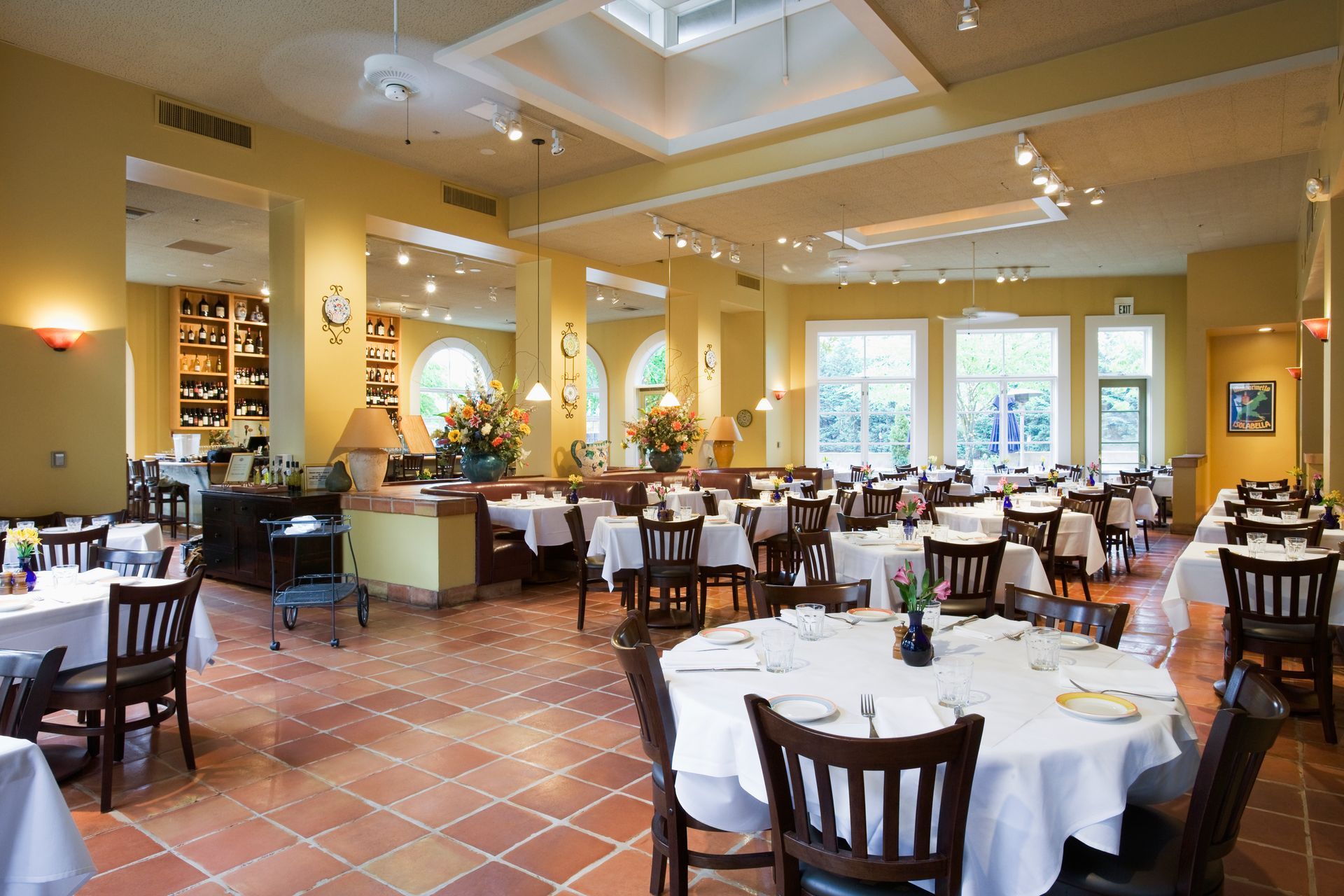
Restaurants & Food Service
Restaurants carry liability on every shift — from the kitchen to the dining room and everything in between. We protect your location, your staff, and your equipment, including lost income when operations stop.

Non-Profits Service
Non-profits face unique liability across events, volunteers, staff, and leadership decisions. We cover your organization from the ground up — so you can focus on your mission, not your exposure.

Event Insurance
Event organizers face liability the moment guests arrive, vendors set up, and alcohol is served. We cover your event from start to finish — so one unexpected incident does not cancel everything you planned for.
Answers Before You Pick Up the Phone
What Texas Businesses Ask Us Most
We get a lot of the same questions from business owners across Texas. Here are honest answers to the ones that come up most.
What information do you need to get a commercial insurance quote?
We keep the process straightforward. We typically need your business name, a description of your operations, your gross annual sales projection, number of full-time and part-time employees, your gross annual payroll, and the types of coverage you are looking for. If you have an existing policy, the expiration date and current carrier help us put together a competitive comparison.
The most important thing you can do is be transparent about what your business actually does. Accurate classification ensures you have real coverage if a claim occurs. We have seen businesses with active policies that were incorrectly classified — and those gaps only surface at the worst possible moment.
Does Texas require businesses to carry Workers' Compensation Insurance?
Texas is the only state in the country that does not require most private employers to carry Workers' Compensation. However, if your business holds government contracts or works as a subcontractor on a job site, the hiring company will almost always require proof of coverage before work begins. A growing number of general contractors across Denton and the DFW area enforce this as a standard condition.
Even without a legal requirement, carrying Workers' Comp protects your business from direct liability if an employee is hurt on the job. Medical bills, lost wages, and legal fees can add up quickly — and one serious incident can create a financial loss that far exceeds years of premium payments.
What is a commercial insurance audit and should I expect one?
Most commercial general liability policies are auditable. At the end of your policy term, the insurance carrier reviews your actual gross sales to make sure your premium matched your real exposure. If your sales grew during the year, you may owe an additional premium. If sales came in lower, you could receive a refund.
The best way to avoid a large balance due at audit time is to update your projected gross sales with us during the year if your business grows faster than expected. We can endorse your policy mid-term to reflect the change and spread any additional premium across smaller installments instead of one lump sum at year-end.
What factors affect how much my commercial coverage will cost?
Your premium is calculated based on several variables specific to your operation — industry classification, gross annual sales, number of employees, gross payroll, claims history, and the types of coverage you need. A business that handles physical work with a crew on job sites will pay differently than a professional services firm working out of an office.
As an independent agency, we compare quotes across multiple carriers — including Travelers, The Hartford, Chubb, AmTrust, and others — to find the combination of coverage and price that works for your situation. There is no obligation after your quote, and we walk through every option in plain terms before you decide anything.
My business is a restaurant — what coverage do I actually need?
Restaurants are not a one-size-fits-all class of risk. Carriers look at a range of factors when evaluating a restaurant account: whether you serve alcohol, whether deep frying is involved, the type of fire suppression system in place, whether you have a hood cleaning contract, and whether you offer catering, delivery, or live entertainment. All of these affect both pricing and carrier appetite.
A well-structured restaurant policy typically includes general liability, building and business personal property coverage, liquor liability if applicable, food contamination coverage, business income protection, and workers' compensation for your staff. We work with carriers that actively want to write restaurant accounts in Texas — including Travelers, The Hartford, and Chubb — so you have real options to compare.
Can you help insure a business that is hard to place or outside the mainstream?
Yes — this is one of our strengths. We work with Excess and Surplus (E&S) lines markets through carriers like Burns & Wilcox for businesses that standard carriers will not write. We have placed coverage for master sign electricians, cable splicing operations, transmission rebuild shops for classic cars, CBD retailers, and many other non-standard accounts.
If you have been told your business is difficult to insure or you have received very limited options in the marketplace, reach out to us. We take time to understand your operations in detail, present your account to the right markets, and work to find coverage that actually reflects what you do — not a generic policy that leaves gaps.
Still have Question?
We’re here to help you!
Written for the Texas Business Owner
Insights That Help You Make Smarter Decisions
We publish articles on real topics that affect how Texas operators get covered — from local regulatory updates to coverage gaps most owners do not know they have.