Running a homeowners association in Texas comes with responsibilities most board members never anticipated when they volunteered. Between managing common areas, enforcing deed restrictions, and handling budgets that can reach into the millions, HOA boards face exposure that rivals many small businesses. The difference? Most board members are unpaid volunteers who could lose personal assets if something goes wrong.
Texas has over 20,000 HOAs managing roughly $28 billion in assets, according to the Community Associations Institute. That's a staggering amount of property, liability, and financial risk concentrated in the hands of volunteers who often have day jobs completely unrelated to property management or insurance. A single slip-and-fall at the community pool, one accusation of discriminatory enforcement, or a board treasurer who helps themselves to reserve funds can devastate an association financially.
HOA insurance in Texas requires understanding several interconnected policies: D&O coverage for board decisions, general liability for accidents, property insurance for shared structures, and specialized coverage for everything from embezzlement to data breaches. Getting this wrong means either paying for coverage you don't need or discovering gaps when a claim hits. Neither outcome serves your community well.
The stakes are particularly high in Texas, where severe weather events, aggressive litigation culture, and unique state regulations create a challenging insurance environment. This guide breaks down what Texas HOAs actually need, what the law requires, and where associations commonly get burned.
Understanding Texas HOA Insurance Requirements and Fundamentals
Texas Property Code and Legal Mandates
The Texas Property Code doesn't mandate specific insurance policies for all HOAs, but your governing documents almost certainly do. Most declarations require associations to maintain property insurance on common areas and general liability coverage at minimum. Lenders financing homes in your community may impose additional requirements.
Chapter 82 of the Texas Property Code governs condominiums specifically and requires associations to maintain property insurance covering common elements and liability insurance. The minimum coverage must equal the full replacement cost of insurable common elements. Single-family HOAs operating under Chapter 209 face fewer statutory mandates but typically have insurance requirements written into their declarations or bylaws.
Failing to maintain required coverage can expose board members to personal liability and may violate fiduciary duties. If your declarations require $2 million in liability coverage and you're carrying $1 million, every board member who voted to reduce coverage could face personal exposure if a claim exceeds your limits.
Master Policy vs. Individual Homeowner Coverage
The master policy covers common areas, shared structures, and association liability. Individual homeowner policies (HO-6 for condos, HO-3 for single-family) cover personal property and interior improvements. Understanding where master coverage ends and individual coverage begins prevents disputes and coverage gaps.
Most Texas condo associations carry "bare walls" or "all-in" policies. Bare walls coverage insures the structure as originally built, leaving owners responsible for upgrades, fixtures, and finishes. All-in coverage extends to improvements, reducing individual owner insurance needs but increasing association premiums. Your declarations should specify which approach your association uses.
Single-family HOAs typically insure only common areas: clubhouses, pools, entry monuments, and landscaping in common areas. Individual homes remain entirely the owner's responsibility. The association's policy should clearly define covered property to avoid disputes when damage occurs.

By: Michael Whitaker
Insurance Advisor at
Denton Business Insurance
Directors and Officers (D&O) Liability Insurance
Protecting Board Members from Personal Liability
D&O insurance protects board members when someone sues over their decisions. Without it, volunteers face personal liability for everything from alleged mismanagement to claims of discrimination. Texas courts have held individual board members personally liable when associations lacked adequate D&O coverage.
Standard D&O policies cover defense costs, settlements, and judgments arising from wrongful acts in board capacity. Coverage typically extends to current and former board members, committee members, and sometimes property managers. Premiums for Texas HOAs range from $1,500 to $5,000 annually for associations under 500 units, depending on claims history and coverage limits.
Most carriers offer limits from $500,000 to $5 million. Associations with significant assets, contentious histories, or active litigation should consider higher limits. The cost difference between $1 million and $2 million in coverage is often only a few hundred dollars annually.
Common Claims: Breach of Fiduciary Duty and Discrimination
Breach of fiduciary duty claims top the list for HOA D&O lawsuits. Homeowners allege boards mismanaged funds, failed to maintain property, or made decisions benefiting certain members over others. These claims often arise during special assessments, when owners question how the association spent previous funds.
Fair housing discrimination claims present serious exposure. A board that inconsistently enforces rules, denies accommodation requests for disabilities, or applies architectural standards unevenly faces federal fair housing liability. Defense costs alone can exceed $50,000 before any settlement.
Employment-related claims also fall under D&O coverage for many policies. If your association employs staff directly, wrongful termination or harassment allegations can trigger coverage. At Denton Business Insurance, we've seen associations surprised to learn their D&O policy excluded employment claims, leaving them exposed when a terminated property manager sued.
General Liability and Property Coverage in the Lone Star State
Premises Liability for Common Areas and Amenities
General liability insurance covers injuries and property damage occurring in common areas. The community pool, playground, fitness center, and walking trails all create exposure. A child injured on playground equipment, a resident who slips on an icy sidewalk, or a guest who drowns in the pool can generate claims reaching hundreds of thousands of dollars.
Texas premises liability law requires property owners to maintain safe conditions and warn of known hazards. HOAs face the same standard as commercial property owners. Inadequate lighting, broken handrails, uneven pavement, and deferred maintenance all increase liability exposure.
Most Texas HOAs carry $1 million per occurrence with $2 million aggregate limits. Associations with pools, fitness centers, or playgrounds should consider higher limits or umbrella policies. Premium costs typically range from $2,500 to $8,000 annually depending on amenities and association size.
Property Insurance for Shared Structures and Signage
Property coverage protects common area structures: clubhouses, maintenance buildings, pool houses, entry monuments, and community signage. Policies should cover replacement cost rather than actual cash value, ensuring adequate funds to rebuild after a loss.
| Coverage Type | What It Covers | Typical Limits |
|---|---|---|
| Building Coverage | Clubhouse, pool house, maintenance buildings | Full replacement cost |
| Contents | Furniture, equipment, supplies in common areas | $50,000-$250,000 |
| Signage | Entry monuments, directional signs | $25,000-$100,000 |
| Landscaping | Trees, shrubs in common areas | $25,000-$50,000 |
Review property valuations annually. Construction costs in Texas increased over 30% between 2020 and 2023. Associations that haven't updated coverage limits may find themselves underinsured when filing claims.
Addressing Texas-Specific Environmental Risks
Windstorm and Hail Coverage in Coastal and Inland Areas
Texas leads the nation in hail damage claims, and windstorm exposure extends well beyond the coast. The 14-county coastal zone requires coverage through the Texas Windstorm Insurance Association (TWIA) for wind and hail, while standard policies cover these perils inland.
TWIA coverage comes with specific requirements: structures must meet building code standards, and associations need WPI-8 certificates confirming compliance. Premiums in coastal areas run significantly higher than inland rates, sometimes triple or quadruple standard costs.
North Texas associations face different challenges. The Dallas-Fort Worth metroplex experiences more hail events than almost anywhere in the country. Roof damage claims have driven up premiums regionwide, and many carriers impose higher deductibles or percentage-based deductibles for hail damage.
Flood Insurance and Excess Liability Needs
Standard property policies exclude flood damage. Associations in flood zones need separate flood insurance through the National Flood Insurance Program or private carriers. Even associations outside designated flood zones should consider coverage, as roughly 25% of flood claims occur in low-to-moderate risk areas.
Hurricane Harvey demonstrated that inland flooding can devastate communities far from the coast. Houston-area HOAs without flood coverage faced catastrophic losses. The maximum NFIP coverage for commercial properties is $500,000 for buildings and $500,000 for contents. Associations with higher values need excess flood coverage from private markets.
Specialized Policies: Fidelity Bonds and Cyber Liability
Crime and Fidelity Insurance for HOA Funds
Fidelity bonds protect association funds from theft by board members, employees, or management companies. Embezzlement remains disturbingly common in HOAs. The Community Associations Institute estimates associations lose over $300 million annually to fraud.
Texas associations should carry fidelity coverage equal to at least three months of operating expenses plus reserves. Many declarations require specific coverage amounts. Policies should cover employee dishonesty, forgery, computer fraud, and funds transfer fraud.
Working with an independent agency like Denton Business Insurance allows associations to compare fidelity bond options across multiple carriers. Coverage terms vary significantly, and some policies exclude management company employees unless specifically endorsed.
Data Breach Protection for Member Information
HOAs collect sensitive information: social security numbers for background checks, bank account data for ACH payments, and personal details for member directories. A data breach exposes the association to notification costs, credit monitoring expenses, and potential lawsuits.
Cyber liability coverage addresses these exposures. Policies cover breach response costs, regulatory defense, and third-party liability. Annual premiums typically range from $500 to $2,000 for associations under 1,000 units. Given the average data breach cost exceeds $150 per compromised record, coverage represents reasonable protection.
Insurance costs consume significant portions of HOA budgets, but strategies exist to manage premiums without sacrificing coverage. Start renewals 90 days before expiration, allowing time to obtain competitive quotes and negotiate terms.
Bundling policies with a single carrier often generates discounts of 10-15%. Higher deductibles reduce premiums but require adequate reserves to cover the increased out-of-pocket exposure. Implementing loss prevention measures, documenting maintenance schedules, and addressing safety concerns proactively can improve your risk profile.
Review coverage annually with your insurance advisor. Associations change: amenities get added or removed, property values fluctuate, and new exposures emerge. An independent agency can shop your coverage across multiple carriers, ensuring competitive pricing without compromising protection.
Frequently Asked Questions
Does Texas law require HOAs to carry insurance? Texas doesn't mandate insurance for all HOAs, but condominium associations under Chapter 82 must maintain property and liability coverage. Most declarations require specific coverage regardless of state law.
What D&O coverage limits should our HOA carry? Most associations should carry at least $1 million in D&O coverage. Larger associations, those with litigation history, or communities with significant assets should consider $2-5 million limits.
Are volunteer board members personally liable for HOA decisions? Without D&O insurance, board members face personal liability for decisions made in their official capacity. D&O coverage protects personal assets when claims arise from board actions.
Does our HOA need separate flood insurance? Standard property policies exclude flood damage. Associations in flood zones need separate coverage, and even those outside designated zones should consider protection given the frequency of inland flooding in Texas.
How often should we review our HOA insurance? Review coverage annually at minimum, and whenever significant changes occur: new amenities, major construction, or changes in property values. Construction cost increases alone warrant regular coverage updates.
Texas HOA insurance requires balancing adequate protection against budget constraints. The right coverage protects volunteer board members, safeguards community assets, and ensures the association can recover from unexpected losses. Getting quotes from multiple carriers through an independent agency ensures you're not overpaying while maintaining the coverage your community needs.
Straight from the Clients We Serve
Texas Business Owners Rate Us 5 Stars — Here Is Why
We hear the same things repeatedly: fast service, honest advice, and coverage that made sense for their situation. That is what we aim for every time.

Protection Across Every Area of Your BUSINESS
What Texas Businesses Need. What We Deliver.
From your job site and your fleet to your data and your payroll — we cover the risks that Texas businesses carry every day.
General Liability
Covers third-party claims of bodily injury, property damage, and advertising injury. A foundational protection for nearly every Texas business, regardless of industry or size.
Commercial Property
Covers your building, equipment, inventory, and business contents against fire, theft, storms, and vandalism. Can also include lost income if your businesses are forced to stop.
Commercial Auto
Protects vehicles your company owns, leases, or uses for work. Covers liability, collision damage, and injuries for employees driving on company time.
Errors & Omissions
Protects service providers when a client claims your advice, work, or recommendations caused them a financial loss. Critical for consultants, IT firms, agents, and other professional service businesses.
Directors & Officers
Covers leadership decisions that result in claims from employees, investors, or outside parties. Protects your directors and officers personally when management decisions are challenged.
Inland Marine & Equipment Floater
Covers tools, materials, and equipment that move between job sites or are stored off your primary property. Fills the gap where a standard commercial property policy stops.
Every Sector Has Its Own Risk Profile
We Know Your Trade. We Know Your Exposure.
We work with a wide range of Texas industries — each with different coverage priorities. Below are the sectors we serve most often.

Apartment Complexes
Texas apartment owners face liability across common areas, tenant incidents, and on-site staff. We cover your property, your income, and your exposure — across one complex or an entire portfolio.

Manufacturing Businesses
Equipment breakdowns, product liability, and workforce injuries are daily risks for Texas manufacturers. We build coverage from the shop floor to the loading dock — so one incident does not shut you down.
Artisan Contractors
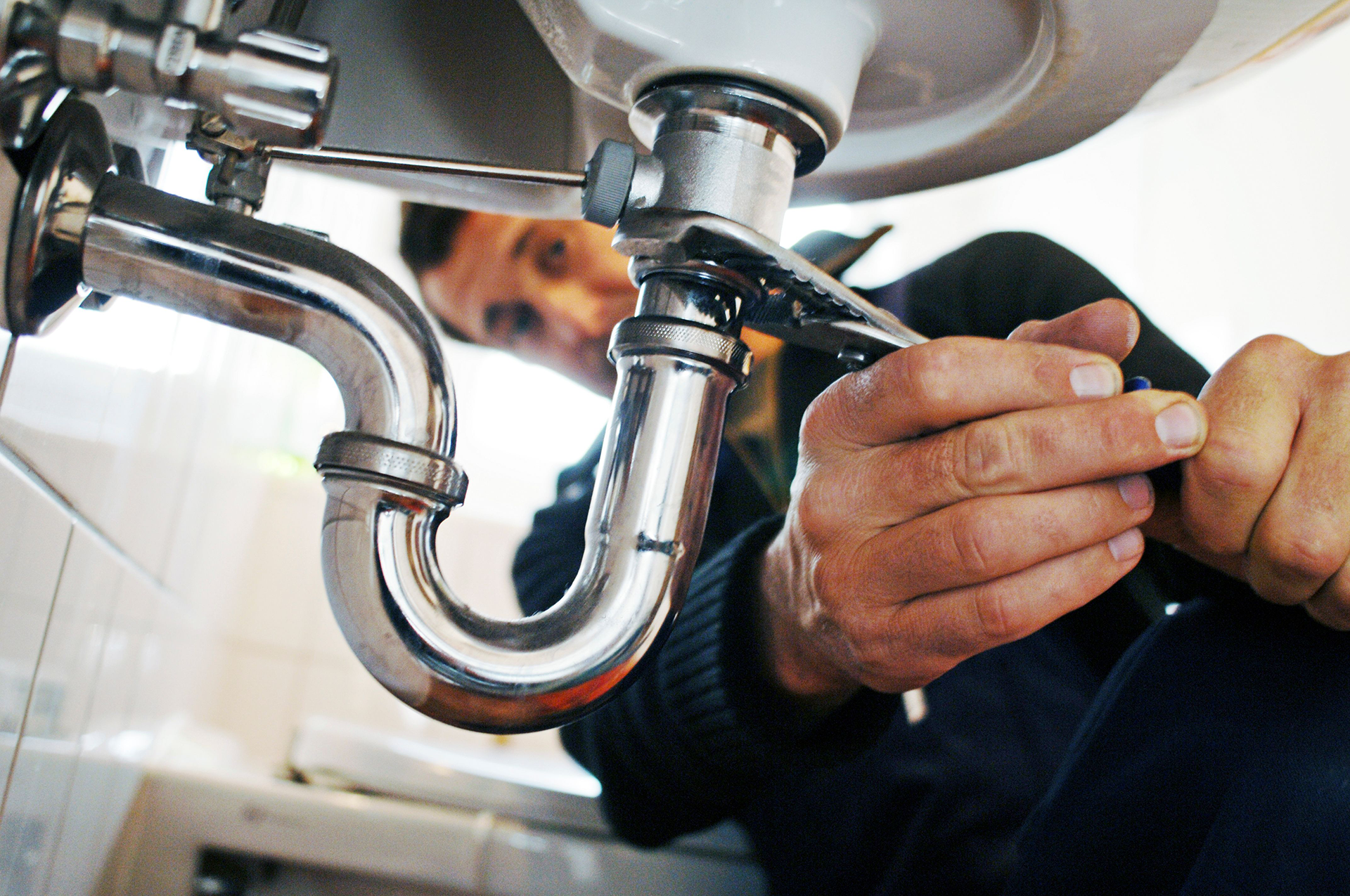
Plumbers, electricians, and skilled tradespeople work in high-risk environments every day. We build coverage around your tools, your vehicles, and your crew — so a job site incident does not stop your business.
Restaurants & Food Service
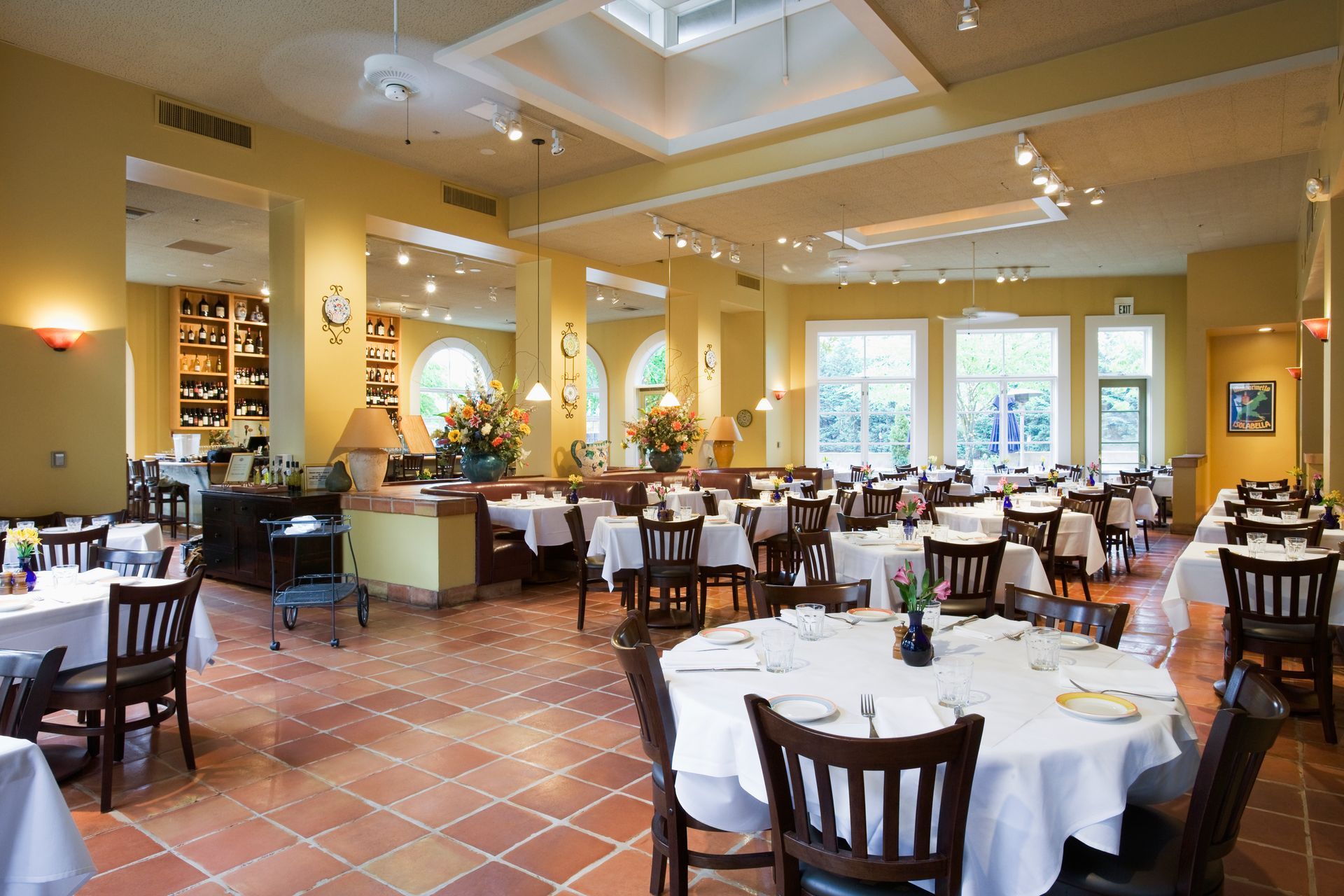
Restaurants carry liability on every shift — from the kitchen to the dining room and everything in between. We protect your location, your staff, and your equipment, including lost income when operations stop.

Non-Profits Service
Non-profits face unique liability across events, volunteers, staff, and leadership decisions. We cover your organization from the ground up — so you can focus on your mission, not your exposure.

Event Insurance
Event organizers face liability the moment guests arrive, vendors set up, and alcohol is served. We cover your event from start to finish — so one unexpected incident does not cancel everything you planned for.
Answers Before You Pick Up the Phone
What Texas Businesses Ask Us Most
We get a lot of the same questions from business owners across Texas. Here are honest answers to the ones that come up most.
What information do you need to get a commercial insurance quote?
We keep the process straightforward. We typically need your business name, a description of your operations, your gross annual sales projection, number of full-time and part-time employees, your gross annual payroll, and the types of coverage you are looking for. If you have an existing policy, the expiration date and current carrier help us put together a competitive comparison.
The most important thing you can do is be transparent about what your business actually does. Accurate classification ensures you have real coverage if a claim occurs. We have seen businesses with active policies that were incorrectly classified — and those gaps only surface at the worst possible moment.
Does Texas require businesses to carry Workers' Compensation Insurance?
Texas is the only state in the country that does not require most private employers to carry Workers' Compensation. However, if your business holds government contracts or works as a subcontractor on a job site, the hiring company will almost always require proof of coverage before work begins. A growing number of general contractors across Denton and the DFW area enforce this as a standard condition.
Even without a legal requirement, carrying Workers' Comp protects your business from direct liability if an employee is hurt on the job. Medical bills, lost wages, and legal fees can add up quickly — and one serious incident can create a financial loss that far exceeds years of premium payments.
What is a commercial insurance audit and should I expect one?
Most commercial general liability policies are auditable. At the end of your policy term, the insurance carrier reviews your actual gross sales to make sure your premium matched your real exposure. If your sales grew during the year, you may owe an additional premium. If sales came in lower, you could receive a refund.
The best way to avoid a large balance due at audit time is to update your projected gross sales with us during the year if your business grows faster than expected. We can endorse your policy mid-term to reflect the change and spread any additional premium across smaller installments instead of one lump sum at year-end.
What factors affect how much my commercial coverage will cost?
Your premium is calculated based on several variables specific to your operation — industry classification, gross annual sales, number of employees, gross payroll, claims history, and the types of coverage you need. A business that handles physical work with a crew on job sites will pay differently than a professional services firm working out of an office.
As an independent agency, we compare quotes across multiple carriers — including Travelers, The Hartford, Chubb, AmTrust, and others — to find the combination of coverage and price that works for your situation. There is no obligation after your quote, and we walk through every option in plain terms before you decide anything.
My business is a restaurant — what coverage do I actually need?
Restaurants are not a one-size-fits-all class of risk. Carriers look at a range of factors when evaluating a restaurant account: whether you serve alcohol, whether deep frying is involved, the type of fire suppression system in place, whether you have a hood cleaning contract, and whether you offer catering, delivery, or live entertainment. All of these affect both pricing and carrier appetite.
A well-structured restaurant policy typically includes general liability, building and business personal property coverage, liquor liability if applicable, food contamination coverage, business income protection, and workers' compensation for your staff. We work with carriers that actively want to write restaurant accounts in Texas — including Travelers, The Hartford, and Chubb — so you have real options to compare.
Can you help insure a business that is hard to place or outside the mainstream?
Yes — this is one of our strengths. We work with Excess and Surplus (E&S) lines markets through carriers like Burns & Wilcox for businesses that standard carriers will not write. We have placed coverage for master sign electricians, cable splicing operations, transmission rebuild shops for classic cars, CBD retailers, and many other non-standard accounts.
If you have been told your business is difficult to insure or you have received very limited options in the marketplace, reach out to us. We take time to understand your operations in detail, present your account to the right markets, and work to find coverage that actually reflects what you do — not a generic policy that leaves gaps.
Still have Question?
We’re here to help you!
Written for the Texas Business Owner
Insights That Help You Make Smarter Decisions
We publish articles on real topics that affect how Texas operators get covered — from local regulatory updates to coverage gaps most owners do not know they have.