Texas Business Interruption Insurance for Restaurants

See How We're Different
Call Us: (940) 268-5112
A single winter storm can shutter your restaurant for weeks. Hurricane season brings mandatory evacuations that empty your dining room. A burst water main downtown cuts power to your block for days. For Texas restaurant owners, these scenarios aren't hypothetical: they're annual realities that can drain months of revenue in a matter of hours.
The Texas hospitality industry faces a unique combination of climate threats, infrastructure vulnerabilities, and regulatory complexities that make revenue protection essential. Business interruption insurance for restaurants in Texas provides a financial lifeline when circumstances beyond your control force your doors closed. Unlike property insurance that covers physical damage to your building and equipment, this coverage replaces the income you lose while you're unable to operate.
Most restaurant owners underestimate how quickly fixed costs accumulate during a closure. Your lease payment doesn't pause because a hurricane flooded your parking lot. Your loan obligations continue whether you're serving customers or not. Staff members who depend on their paychecks face their own financial pressures. Without proper revenue protection coverage, a two-week closure can create financial stress that takes months to recover from, assuming you recover at all.
The difference between restaurants that survive major disruptions and those that permanently close often comes down to one factor: whether they had adequate business interruption coverage in place before disaster struck.
The Role of Business Interruption Insurance in Texas Hospitality
Defining Revenue Protection for Food Service Operations
Business interruption insurance, sometimes called business income coverage, compensates your restaurant for lost profits during a covered event. The calculation typically includes your net income plus continuing operating expenses, minus any costs you save by not operating. For restaurants, this means covering the profit margin you would have earned on food and beverage sales, plus fixed expenses like rent, loan payments, and insurance premiums.
Texas restaurants face particular challenges because profit margins in food service typically run between 3% and 9%. A closure that eliminates revenue while fixed costs continue can quickly push a profitable operation into the red. Coverage amounts should reflect your actual financial exposure, which requires honest assessment of your monthly revenue, seasonal fluctuations, and fixed cost obligations.
How Business Income Coverage Complements Property Insurance
Property insurance covers the physical stuff: your building, kitchen equipment, furniture, and inventory. Business interruption coverage handles the financial consequences of losing access to that physical stuff. Think of them as two sides of the same coin. A fire might cause $50,000 in property damage, but the three months of lost revenue while you rebuild could easily exceed $200,000.
Most business interruption policies attach to your
commercial property policy as an endorsement or rider. They typically require a covered property loss to trigger benefits, which means you need to understand exactly what your property policy covers. Working with an independent agency like Denton Business Insurance helps you identify gaps between your property coverage and your business income protection.


By: Linda Dodson
Agency Director at
Denton Business Insurance
Common Triggers for Texas Restaurant Claims
Natural Disasters: Hurricanes, Floods, and Winter Storms
Texas experiences the full spectrum of natural disasters, and each creates different coverage considerations. Hurricane season along the Gulf Coast forces evacuations and causes wind damage that can close restaurants for extended periods. Coastal establishments often need policies through the Texas Windstorm Insurance Association (TWIA) for wind coverage, with separate business interruption endorsements.
Winter Storm Uri in February 2021 demonstrated how vulnerable Texas infrastructure can be. Restaurants across Dallas, Houston, and San Antonio lost power for days. Frozen pipes burst, causing water damage that required weeks of repairs. Many owners discovered their policies had gaps: they covered the pipe damage but not the lost revenue during repairs.
Flood damage requires separate flood insurance, and standard business interruption policies often exclude flood-related closures unless you've purchased specific endorsements. Given that Texas leads the nation in flood insurance claims, this coverage deserves serious consideration.
Utility Service Interruptions and Supply Chain Disruptions
Power outages can spoil thousands of dollars in refrigerated inventory and force immediate closure. Some business interruption policies include utility service interruption coverage, but many require it as an add-on endorsement. The waiting periods for these claims often differ from standard business interruption waiting periods, so read your policy carefully.
Supply chain disruptions gained new attention during recent years. If your primary food distributor can't deliver because their facility was damaged, some policies provide coverage for losses caused by damage to dependent properties. This coverage, sometimes called contingent business interruption, protects against disruptions at supplier or customer locations.
Civil Authority Actions and Mandatory Evacuations
When government officials order evacuations or restrict access to your area, civil authority coverage can replace lost income even if your building sustains no damage. Hurricane evacuation orders along the Texas coast trigger these provisions regularly. The coverage typically requires that the civil authority action result from direct physical damage to nearby property, not just a precautionary order.
During the 2020-2021 pandemic, many restaurant owners discovered their civil authority coverage didn't apply to virus-related closures. Courts across Texas generally ruled that government shutdown orders didn't constitute the type of physical damage required to trigger coverage. This experience prompted many insurers to add explicit virus exclusions to policies, making it crucial to understand exactly what triggers your coverage.
Calculating Lost Profits and Continuing Expenses
Determining Net Income and Fixed Operating Costs
Accurate financial documentation makes or breaks business interruption claims. You'll need to demonstrate your historical revenue, profit margins, and operating expenses. Most policies use a 12-month look-back period to establish baseline income, though some allow projections for newer restaurants or those experiencing growth.
Fixed operating costs typically include:
- Rent or mortgage payments
- Equipment lease payments
- Insurance premiums
- Loan obligations
- Utility base charges
- Property taxes
- Professional services retainers
Variable costs that stop when you close, like food purchases and hourly wages, typically don't factor into continuing expense calculations. The goal is to put you in the same financial position you would have occupied had the loss not occurred.
Payroll Coverage Options for Essential Staff
Standard business interruption policies don't automatically cover payroll for all employees. You may need to add ordinary payroll coverage to protect wages for hourly workers, or you might choose to cover only key employees whose departure would harm your recovery.
Restaurants face difficult decisions here. Losing experienced kitchen staff during a lengthy closure can extend your recovery time significantly. Many owners add payroll coverage for at least 60 to 90 days to retain essential team members. The premium increase is typically modest compared to the cost of recruiting and training replacement staff.

Documentation Requirements for Lost Revenue Claims
Start documenting immediately after any incident that might trigger a claim. Photograph damage, preserve damaged inventory records, and maintain detailed logs of all communications with contractors, utilities, and government officials. Your claim will require:
- Profit and loss statements for the preceding 12 to 24 months
- Tax returns supporting your income claims
- Detailed records of continuing expenses during closure
- Documentation of any revenue you earned through alternative means
- Evidence of the covered cause of loss
Working with a public adjuster or experienced insurance professional can help maximize your recovery. These professionals understand how insurers calculate losses and can identify coverage you might overlook.
Understanding Waiting Periods and Indemnity Windows
Most business interruption policies include a waiting period, typically 24 to 72 hours, before coverage begins. This functions like a deductible measured in time rather than dollars. Some policies allow you to reduce the waiting period for additional premium.
The indemnity period, sometimes called the period of restoration, determines how long your coverage lasts. Standard periods range from 12 to 24 months, though you can often purchase extended coverage. The period typically runs until you could reasonably resume operations, not necessarily until you actually reopen. Delays caused by your own decisions rather than the covered loss may not extend your coverage period.
Strategies for Selecting the Right Policy Limits
Seasonal Variance and Peak Season Endorsements
Texas restaurants often experience significant seasonal fluctuations. A Galveston seafood restaurant might generate 40% of annual revenue during summer months. A Dallas steakhouse might peak during football season. Standard policies that average your annual income can leave you underinsured if disaster strikes during your busiest period.
Peak season endorsements adjust your coverage limits to reflect seasonal revenue patterns. You'll pay slightly higher premiums, but you'll have adequate protection when you need it most. When discussing options with agencies like Denton Business Insurance, bring detailed monthly revenue data to ensure your coverage matches your actual exposure.
Evaluating Extra Expense Coverage for Temporary Relocation
| Coverage Type | What It Covers | Typical Limits | Best For |
|---|---|---|---|
| Basic Business Interruption | Lost net income plus continuing expenses | 12-month revenue | All restaurants |
| Extended Period of Indemnity | Reduced earnings during ramp-up after reopening | 30-180 days additional | Established restaurants with loyal customers |
| Extra Expense | Costs to expedite reopening or operate temporarily | $25,000-$100,000 | Restaurants with catering capabilities |
| Contingent Business Interruption | Losses from supplier or customer property damage | Varies widely | Restaurants dependent on specific suppliers |
Extra expense coverage pays for costs beyond your normal operating expenses that help you continue operations or reopen faster. This might include renting temporary kitchen space, expedited shipping for replacement equipment, or overtime labor costs. For restaurants with catering operations, this coverage can fund temporary setups that maintain some revenue during repairs.
Future-Proofing Your Restaurant Against Financial Loss
Building resilient revenue protection requires annual policy reviews and honest assessment of your changing risk profile. As your restaurant grows, your coverage needs evolve. A location that generated $500,000 annually when you purchased your policy might now produce $800,000, leaving you significantly underinsured.
Texas-specific risks demand Texas-specific solutions. Coastal restaurants need wind and flood coverage that inland operations might skip. Urban restaurants face different civil authority exposure than suburban locations. An independent agency that compares multiple carriers can identify coverage combinations that match your specific situation.
The restaurants that survive major disruptions share common traits: they documented their operations thoroughly, purchased adequate coverage before disaster struck, and worked with professionals who understood their specific needs. Revenue protection through business interruption coverage isn't just another expense: it's the financial foundation that lets you rebuild when circumstances conspire against you.
Frequently Asked Questions
How long does a typical business interruption claim take to settle in Texas? Most claims settle within 60 to 120 days, though complex claims involving multiple coverage types or disputed causes can take longer. Thorough documentation speeds the process significantly.
Does business interruption insurance cover virus-related closures? Most current policies explicitly exclude virus or pandemic-related losses. Some older policies without specific exclusions saw litigation, but Texas courts generally ruled against coverage for COVID-related closures.
What happens if my landlord's insurance covers building repairs but I still can't operate? Your business interruption coverage protects your lost income regardless of who pays for building repairs. The coverage responds to your inability to operate, not to who bears responsibility for physical damage.
Can I purchase business interruption coverage as a standalone policy? Standalone policies exist but are uncommon for restaurants. Most coverage attaches to commercial property policies as endorsements, which typically provides better pricing and simpler claims handling.
How do insurers verify my claimed lost revenue? Insurers examine tax returns, bank statements, point-of-sale records, and accounting software data. Consistent, professional financial records strengthen your claim and speed settlement.
Denton Business Insurance works with Texas restaurant owners to compare business interruption options across multiple carriers. Contact our team to review your current coverage and identify any gaps before the next storm season arrives.
Straight from the Clients We Serve
Texas Business Owners Rate Us 5 Stars — Here Is Why
We hear the same things repeatedly: fast service, honest advice, and coverage that made sense for their situation. That is what we aim for every time.
Protection Across Every Area of Your BUSINESS
What Texas Businesses Need. What We Deliver.
From your job site and your fleet to your data and your payroll — we cover the risks that Texas businesses carry every day.
General Liability
Covers third-party claims of bodily injury, property damage, and advertising injury. A foundational protection for nearly every Texas business, regardless of industry or size.
Commercial Property
Covers your building, equipment, inventory, and business contents against fire, theft, storms, and vandalism. Can also include lost income if your businesses are forced to stop.
Commercial Auto
Protects vehicles your company owns, leases, or uses for work. Covers liability, collision damage, and injuries for employees driving on company time.
Errors & Omissions
Protects service providers when a client claims your advice, work, or recommendations caused them a financial loss. Critical for consultants, IT firms, agents, and other professional service businesses.
Directors & Officers
Covers leadership decisions that result in claims from employees, investors, or outside parties. Protects your directors and officers personally when management decisions are challenged.
Inland Marine & Equipment Floater
Covers tools, materials, and equipment that move between job sites or are stored off your primary property. Fills the gap where a standard commercial property policy stops.
Every Sector Has Its Own Risk Profile
We Know Your Trade. We Know Your Exposure.
We work with a wide range of Texas industries — each with different coverage priorities. Below are the sectors we serve most often.
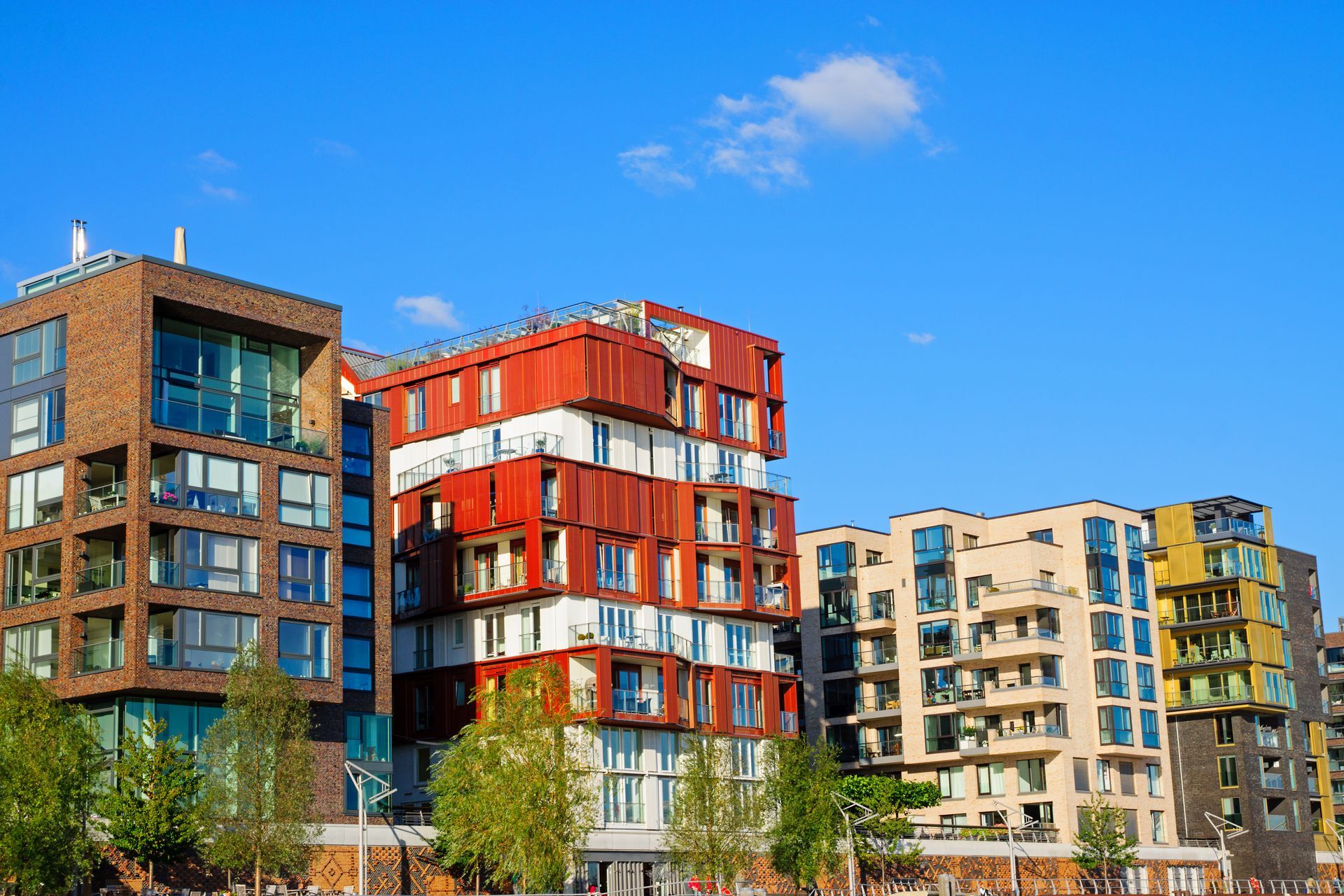
Apartment Complexes
Texas apartment owners face liability across common areas, tenant incidents, and on-site staff. We cover your property, your income, and your exposure — across one complex or an entire portfolio.
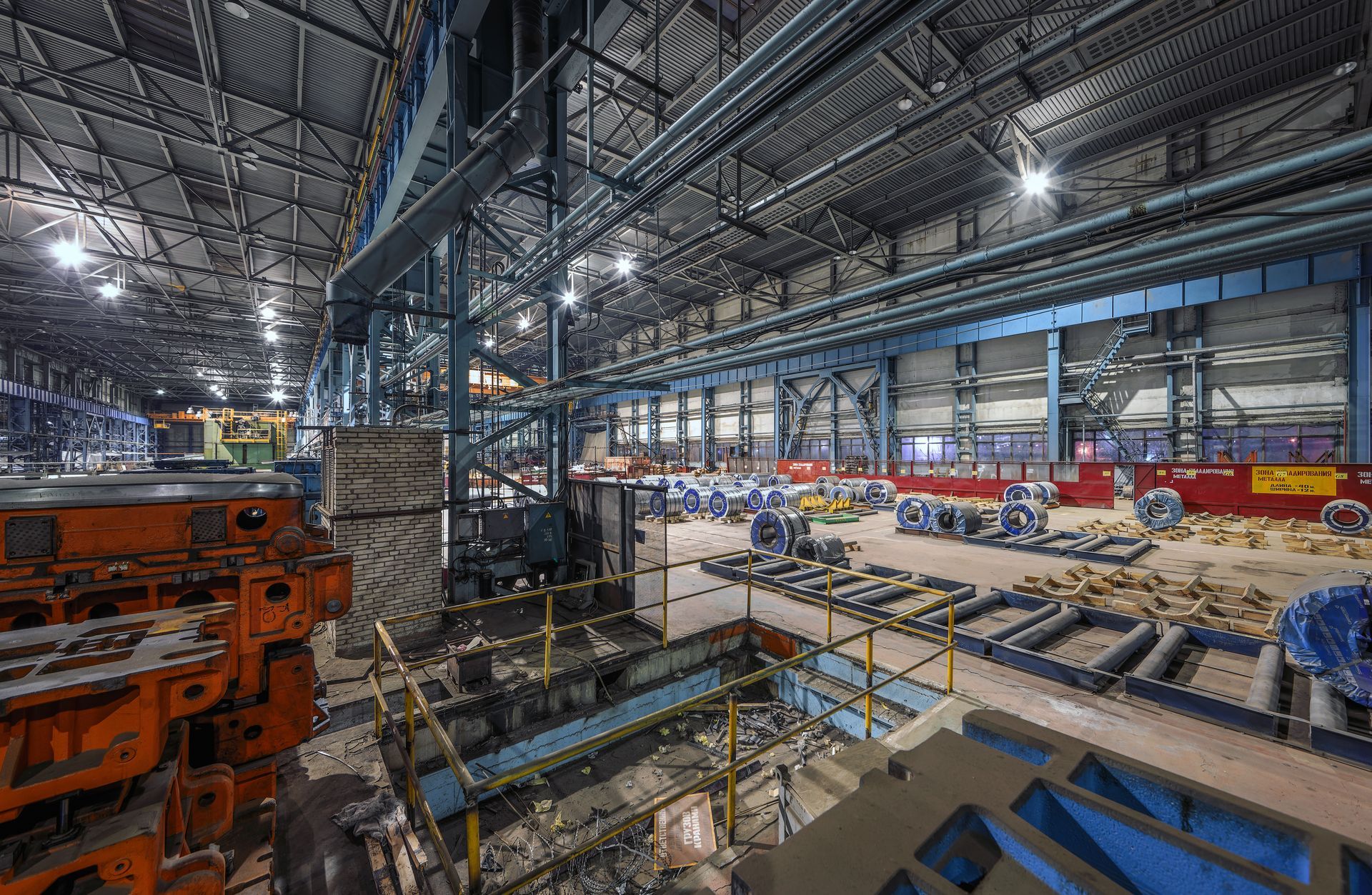
Manufacturing Businesses
Equipment breakdowns, product liability, and workforce injuries are daily risks for Texas manufacturers. We build coverage from the shop floor to the loading dock — so one incident does not shut you down.
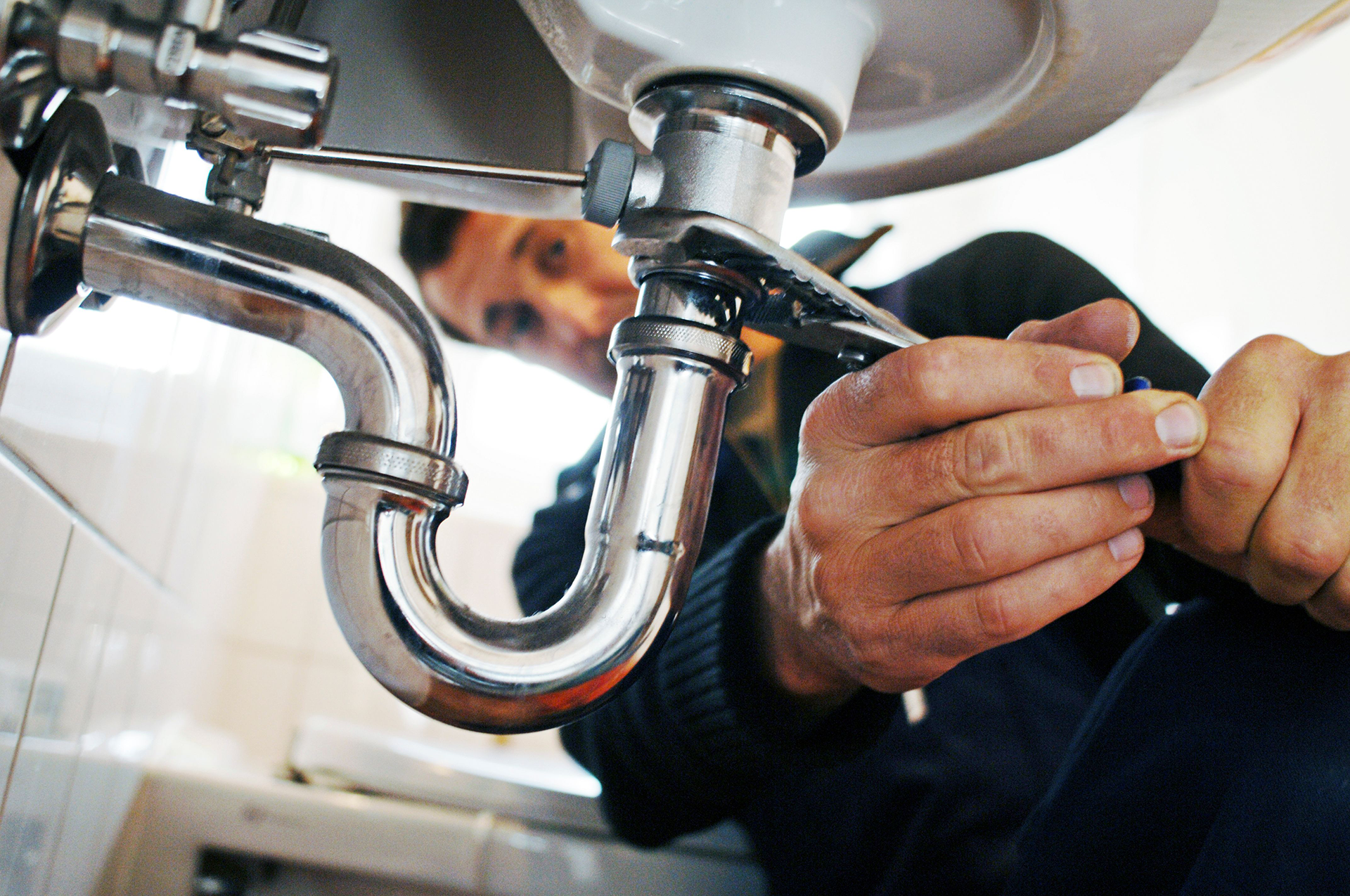
Artisan Contractors
Plumbers, electricians, and skilled tradespeople work in high-risk environments every day. We build coverage around your tools, your vehicles, and your crew — so a job site incident does not stop your business.
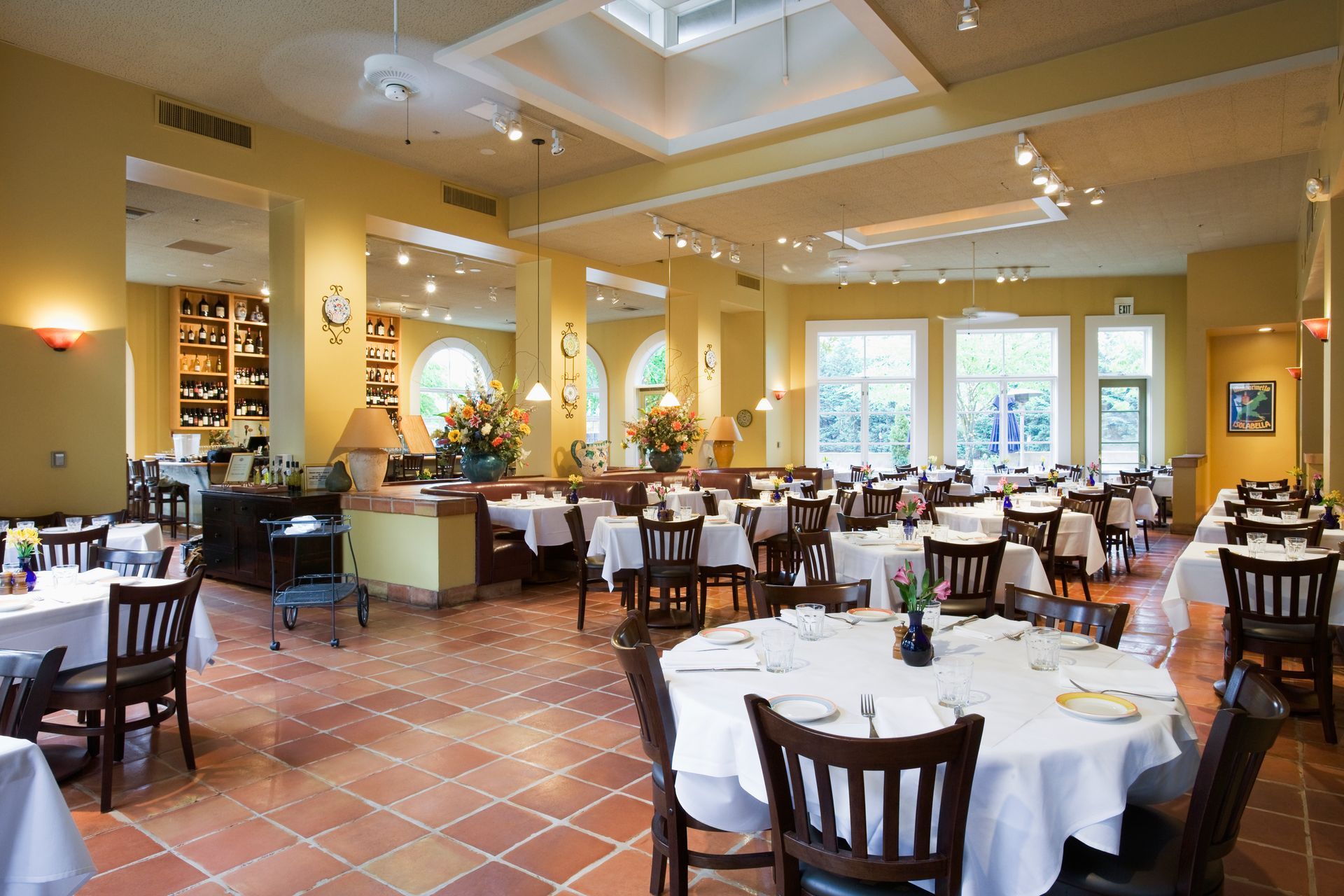
Restaurants & Food Service
Restaurants carry liability on every shift — from the kitchen to the dining room and everything in between. We protect your location, your staff, and your equipment, including lost income when operations stop.

Non-Profits Service
Non-profits face unique liability across events, volunteers, staff, and leadership decisions. We cover your organization from the ground up — so you can focus on your mission, not your exposure.

Event Insurance
Event organizers face liability the moment guests arrive, vendors set up, and alcohol is served. We cover your event from start to finish — so one unexpected incident does not cancel everything you planned for.
Answers Before You Pick Up the Phone
What Texas Businesses Ask Us Most
We get a lot of the same questions from business owners across Texas. Here are honest answers to the ones that come up most.
What information do you need to get a commercial insurance quote?
We keep the process straightforward. We typically need your business name, a description of your operations, your gross annual sales projection, number of full-time and part-time employees, your gross annual payroll, and the types of coverage you are looking for. If you have an existing policy, the expiration date and current carrier help us put together a competitive comparison.
The most important thing you can do is be transparent about what your business actually does. Accurate classification ensures you have real coverage if a claim occurs. We have seen businesses with active policies that were incorrectly classified — and those gaps only surface at the worst possible moment.
Does Texas require businesses to carry Workers' Compensation Insurance?
Texas is the only state in the country that does not require most private employers to carry Workers' Compensation. However, if your business holds government contracts or works as a subcontractor on a job site, the hiring company will almost always require proof of coverage before work begins. A growing number of general contractors across Denton and the DFW area enforce this as a standard condition.
Even without a legal requirement, carrying Workers' Comp protects your business from direct liability if an employee is hurt on the job. Medical bills, lost wages, and legal fees can add up quickly — and one serious incident can create a financial loss that far exceeds years of premium payments.
What is a commercial insurance audit and should I expect one?
Most commercial general liability policies are auditable. At the end of your policy term, the insurance carrier reviews your actual gross sales to make sure your premium matched your real exposure. If your sales grew during the year, you may owe an additional premium. If sales came in lower, you could receive a refund.
The best way to avoid a large balance due at audit time is to update your projected gross sales with us during the year if your business grows faster than expected. We can endorse your policy mid-term to reflect the change and spread any additional premium across smaller installments instead of one lump sum at year-end.
What factors affect how much my commercial coverage will cost?
Your premium is calculated based on several variables specific to your operation — industry classification, gross annual sales, number of employees, gross payroll, claims history, and the types of coverage you need. A business that handles physical work with a crew on job sites will pay differently than a professional services firm working out of an office.
As an independent agency, we compare quotes across multiple carriers — including Travelers, The Hartford, Chubb, AmTrust, and others — to find the combination of coverage and price that works for your situation. There is no obligation after your quote, and we walk through every option in plain terms before you decide anything.
My business is a restaurant — what coverage do I actually need?
Restaurants are not a one-size-fits-all class of risk. Carriers look at a range of factors when evaluating a restaurant account: whether you serve alcohol, whether deep frying is involved, the type of fire suppression system in place, whether you have a hood cleaning contract, and whether you offer catering, delivery, or live entertainment. All of these affect both pricing and carrier appetite.
A well-structured restaurant policy typically includes general liability, building and business personal property coverage, liquor liability if applicable, food contamination coverage, business income protection, and workers' compensation for your staff. We work with carriers that actively want to write restaurant accounts in Texas — including Travelers, The Hartford, and Chubb — so you have real options to compare.
Can you help insure a business that is hard to place or outside the mainstream?
Yes — this is one of our strengths. We work with Excess and Surplus (E&S) lines markets through carriers like Burns & Wilcox for businesses that standard carriers will not write. We have placed coverage for master sign electricians, cable splicing operations, transmission rebuild shops for classic cars, CBD retailers, and many other non-standard accounts.
If you have been told your business is difficult to insure or you have received very limited options in the marketplace, reach out to us. We take time to understand your operations in detail, present your account to the right markets, and work to find coverage that actually reflects what you do — not a generic policy that leaves gaps.
Still have Question?
We’re here to help you!
Written for the Texas Business Owner
Insights That Help You Make Smarter Decisions
We publish articles on real topics that affect how Texas operators get covered — from local regulatory updates to coverage gaps most owners do not know they have.