Running a delivery service out of Denton or hauling equipment across the DFW metroplex puts your vehicles in some of the most congested, accident-prone corridors in the country. Texas ranks second nationally for commercial vehicle accidents, and Harris County alone sees more than 15,000 crashes involving commercial trucks annually. If one of your drivers rear-ends someone on I-35 during rush hour, the difference between staying in business and closing your doors often comes down to whether you bought the right commercial auto policy.
Commercial auto insurance in Texas protects business-owned vehicles, covering liability when your driver causes an accident, physical damage to your fleet, and medical expenses for injured parties. The state mandates minimum coverage levels, but those minimums rarely provide adequate protection for real-world claims. Understanding what Texas requires versus what your business actually needs can save you from a six-figure gap when a serious accident happens. Most business owners I've worked with at Denton Business Insurance are surprised to learn their personal auto policy explicitly excludes vehicles used for business purposes, leaving them completely exposed without knowing it.
Texas Minimum Liability Requirements for Commercial Vehicles
State-Mandated Liability Limits (30/60/25)
Texas requires all commercial vehicles to carry minimum liability coverage of 30/60/25. That translates to $30,000 per person for bodily injury, $60,000 total bodily injury per accident, and $25,000 for property damage. These numbers were set decades ago and haven't kept pace with medical costs or vehicle values.
Here's the reality: a single trip to the emergency room after a moderate collision can easily exceed $30,000. If your driver causes a multi-vehicle pileup, the $60,000 cap disappears fast. Most commercial insurance professionals recommend at least $100,000/$300,000/$100,000 for small fleets, with many Texas businesses opting for $1 million combined single limits.
DOT and FMCSA Compliance for Heavy Trucks
If your vehicles cross state lines or
exceed 10,001 pounds, federal regulations from the Department of Transportation and Federal Motor Carrier Safety Administration kick in. These requirements are significantly higher than state minimums.
| Vehicle Type | Minimum Required Coverage |
|---|---|
| General freight (under 10,001 lbs) | $300,000 |
| General freight (over 10,001 lbs) | $750,000 |
| Hazardous materials | $1,000,000 - $5,000,000 |
| Oil transport | $1,000,000 |
| Passenger carriers (16+ passengers) | $5,000,000 |
Missing FMCSA filing requirements can result in your operating authority being suspended. Your insurance carrier must file Form MCS-90 with the FMCSA on your behalf, and not all carriers handle this process smoothly.

By: Linda Dodson
Agency Director at
Denton Business Insurance
Collision and Comprehensive Protection
Collision coverage pays to repair or replace your vehicle after an accident, regardless of fault. Comprehensive handles everything else: hail damage (a major concern across North Texas), theft, vandalism, and animal strikes. These aren't required by Texas law, but if you're financing your vehicles, your lender will mandate both.
Deductibles typically range from $500 to $2,500. Choosing a higher deductible drops your premium, but make sure you can actually afford that out-of-pocket expense when a claim happens. For a five-vehicle fleet, one bad hailstorm could mean $12,500 in deductibles before insurance pays anything.
Uninsured and Underinsured Motorist Coverage
Texas has one of the highest uninsured driver rates in the nation, hovering around 14%. That means roughly one in seven drivers you share the road with has no insurance. Uninsured motorist coverage protects you when those drivers hit your vehicles.
Underinsured coverage matters just as much. When someone with state-minimum coverage causes $200,000 in damages, their $30,000 policy leaves you holding the bag for $170,000. Your underinsured motorist coverage fills that gap.
Hired and Non-Owned Auto (HNOA) Extensions
HNOA coverage addresses two common scenarios: employees using personal vehicles for business errands, and your company renting vehicles temporarily. If your salesperson causes an accident while driving their own car to a client meeting, your business can be sued. HNOA provides liability protection for these situations.
This coverage is often overlooked but critical for businesses where employees regularly use personal vehicles. The premium is relatively low compared to the exposure it covers.
Impact of Vehicle Type and Usage
Insurers classify vehicles by weight, purpose, and distance traveled. A box truck making local deliveries costs less to insure than an identical truck running long-haul routes. Specialized equipment like dump trucks, tow trucks, or vehicles with mounted machinery carry higher premiums due to increased liability exposure.
Annual mileage matters significantly. A service van driving 50,000 miles annually presents more risk than one covering 15,000 miles. Be accurate when reporting mileage estimates: underreporting can void your coverage when you need it most.
Driver History and MVR Requirements
Every driver on your policy gets their Motor Vehicle Record pulled. Major violations like DUIs, reckless driving, or at-fault accidents within the past three to five years can double or triple your premium. Some carriers won't write policies at all if your drivers have serious violations.
Implementing a driver qualification process before hiring helps control costs long-term. Requiring clean MVRs and conducting annual checks keeps your premiums stable and reduces actual accident risk.
Geographic Rating Zones: Houston, Dallas, and Rural Areas
Where your vehicles operate dramatically affects pricing. Houston consistently ranks among the most expensive cities in America for auto insurance due to high traffic density, frequent weather events, and lawsuit-friendly courts. Dallas-Fort Worth follows close behind.
Rural operations in West Texas or the Panhandle typically see premiums 30-40% lower than urban counterparts. If your vehicles primarily operate in smaller markets like Denton, Waco, or Tyler, make sure your agent codes your policy correctly to reflect that lower-risk territory.
Determining if Your Business Needs Commercial vs. Personal Coverage
The line between personal and commercial auto insurance trips up many small business owners. Your personal policy almost certainly excludes business use, even if you think occasional work trips are covered.
You need commercial coverage if any of these apply:
- The vehicle title is in your business name
- You transport goods or equipment for customers
- Employees other than family members drive the vehicle
- You haul materials or tools regularly
- The vehicle has commercial signage or modifications
- You charge customers for transportation services
A common mistake involves contractors who use personal trucks for job sites. When an accident happens during work hours, personal insurers deny claims, leaving the contractor personally liable. At Denton Business Insurance, we regularly help business owners who discovered this gap the hard way after a claim denial.
Implementing Fleet Safety and Telematics Programs
Telematics devices track driving behavior: speed, braking patterns, idle time, and route efficiency. Insurers offer discounts of 10-25% for businesses that install these systems and maintain good scores. Beyond premium savings, telematics data helps identify risky drivers before they cause accidents.
Formal safety programs also reduce costs. Documented driver training, regular vehicle inspections, and clear policies around distracted driving demonstrate to insurers that you take risk management seriously. Some carriers require these programs for fleets over five vehicles.
Bundling with General Liability or Workers' Comp
Packaging multiple policies with one carrier typically generates discounts of 10-15%. Beyond the premium savings, bundling simplifies administration and can prevent coverage gaps between policies.
A
Business Owner's Policy combining
general liability with
property coverage often pairs well with commercial auto.
Workers' compensation can sometimes be added to the same carrier relationship, creating a single point of contact for all your
business insurance needs.
How to Secure Quotes and Choose a Texas Provider
Getting accurate quotes requires detailed information about your vehicles, drivers, and operations. Prepare VIN numbers, driver license numbers, and three years of loss history before requesting quotes. Incomplete applications generate inaccurate pricing or delays.
Compare at least three quotes, but don't choose solely on price. Review policy forms for coverage differences, check carrier financial ratings through AM Best, and verify the insurer has experience with your industry. A trucking-focused carrier understands your risks differently than a generalist.
Working with an independent agency gives you access to multiple carriers through one relationship. Instead of calling five companies separately, an independent agent shops your account across their carrier appointments and presents options that fit your specific situation.
Frequently Asked Questions
How quickly can I get commercial auto insurance in Texas? Same-day coverage is possible for straightforward risks. Complex fleets or drivers with violations may require additional underwriting, taking three to five business days.
Does commercial auto insurance cover my employees' personal vehicles? Not automatically. You need Hired and Non-Owned Auto coverage added to your policy to protect against liability when employees use personal vehicles for business purposes.
What happens if my driver gets a DUI while employed? Most policies require immediate notification. The driver will likely need to be removed from your policy or your rates will increase substantially. Some carriers will non-renew the entire policy.
Can I insure a mixed-use vehicle under a personal policy? Generally no. If the vehicle is used regularly for business purposes, personal policies exclude coverage. Some carriers offer endorsements for very limited business use, but commercial coverage is safer.
Are rideshare drivers covered under commercial auto? Rideshare requires specialized coverage. Standard commercial policies often exclude app-based transportation. Specific rideshare endorsements or TNC policies address this gap.
Making the Right Choice for Your Fleet
Protecting your commercial vehicles in Texas means going beyond state minimums and understanding how your specific operations create risk. The right policy balances adequate coverage with manageable premiums, and that balance looks different for every business.
Start by documenting your vehicles, drivers, and typical operations. Get quotes from carriers experienced in your industry, and work with an agent who asks detailed questions about how you actually use your fleet. If you're in the Denton area or anywhere across Texas, Denton Business Insurance can help you compare options from multiple carriers and find coverage that actually fits your business. Reach out for a quote, and get your vehicles properly protected before the next claim happens.
Straight from the Clients We Serve
Texas Business Owners Rate Us 5 Stars — Here Is Why
We hear the same things repeatedly: fast service, honest advice, and coverage that made sense for their situation. That is what we aim for every time.

Protection Across Every Area of Your BUSINESS
What Texas Businesses Need. What We Deliver.
From your job site and your fleet to your data and your payroll — we cover the risks that Texas businesses carry every day.
General Liability
Covers third-party claims of bodily injury, property damage, and advertising injury. A foundational protection for nearly every Texas business, regardless of industry or size.
Commercial Property
Covers your building, equipment, inventory, and business contents against fire, theft, storms, and vandalism. Can also include lost income if your businesses are forced to stop.
Commercial Auto
Protects vehicles your company owns, leases, or uses for work. Covers liability, collision damage, and injuries for employees driving on company time.
Errors & Omissions
Protects service providers when a client claims your advice, work, or recommendations caused them a financial loss. Critical for consultants, IT firms, agents, and other professional service businesses.
Directors & Officers
Covers leadership decisions that result in claims from employees, investors, or outside parties. Protects your directors and officers personally when management decisions are challenged.
Inland Marine & Equipment Floater
Covers tools, materials, and equipment that move between job sites or are stored off your primary property. Fills the gap where a standard commercial property policy stops.
Every Sector Has Its Own Risk Profile
We Know Your Trade. We Know Your Exposure.
We work with a wide range of Texas industries — each with different coverage priorities. Below are the sectors we serve most often.

Apartment Complexes
Texas apartment owners face liability across common areas, tenant incidents, and on-site staff. We cover your property, your income, and your exposure — across one complex or an entire portfolio.
Manufacturing Businesses
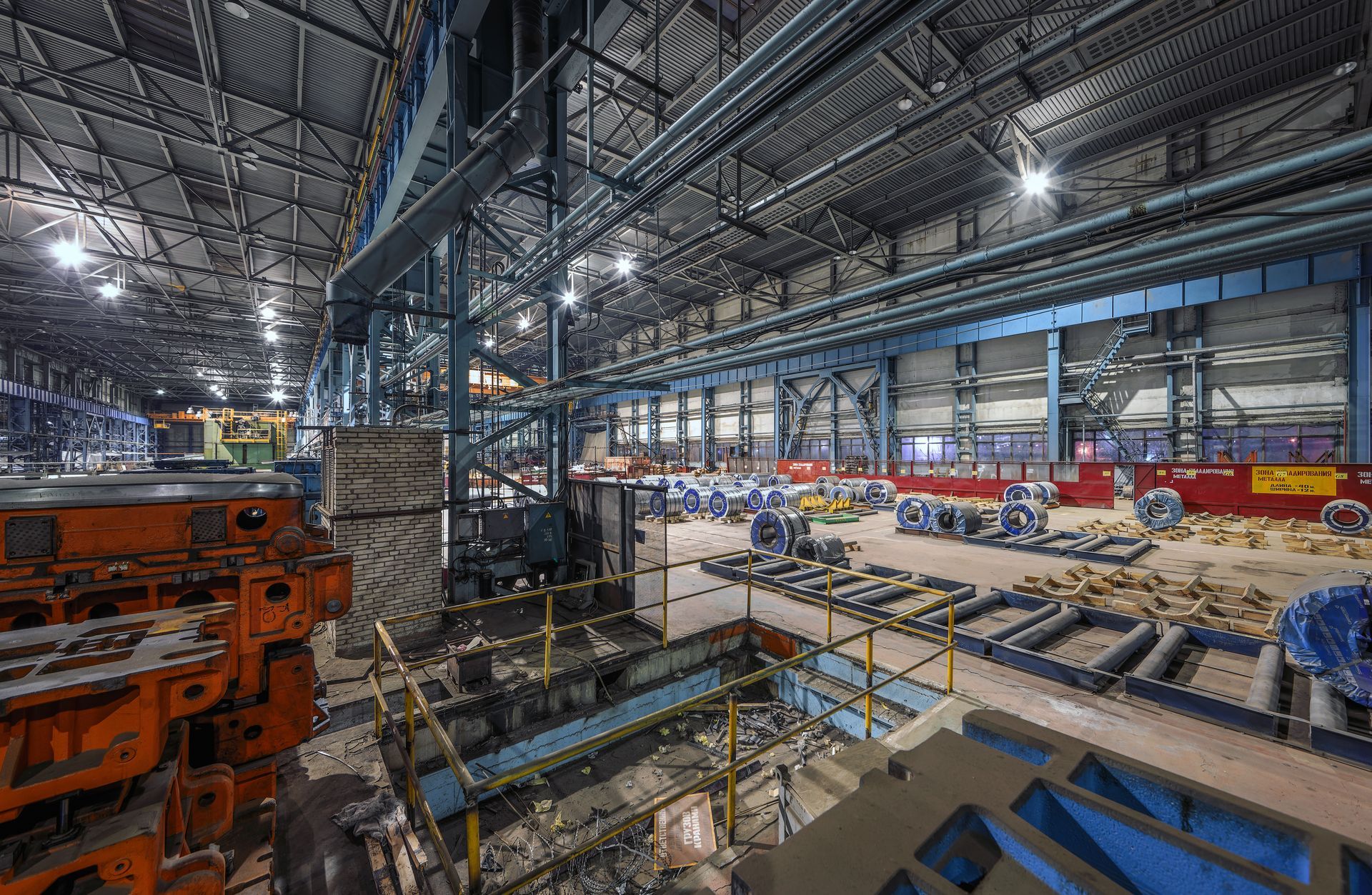
Equipment breakdowns, product liability, and workforce injuries are daily risks for Texas manufacturers. We build coverage from the shop floor to the loading dock — so one incident does not shut you down.
Artisan Contractors
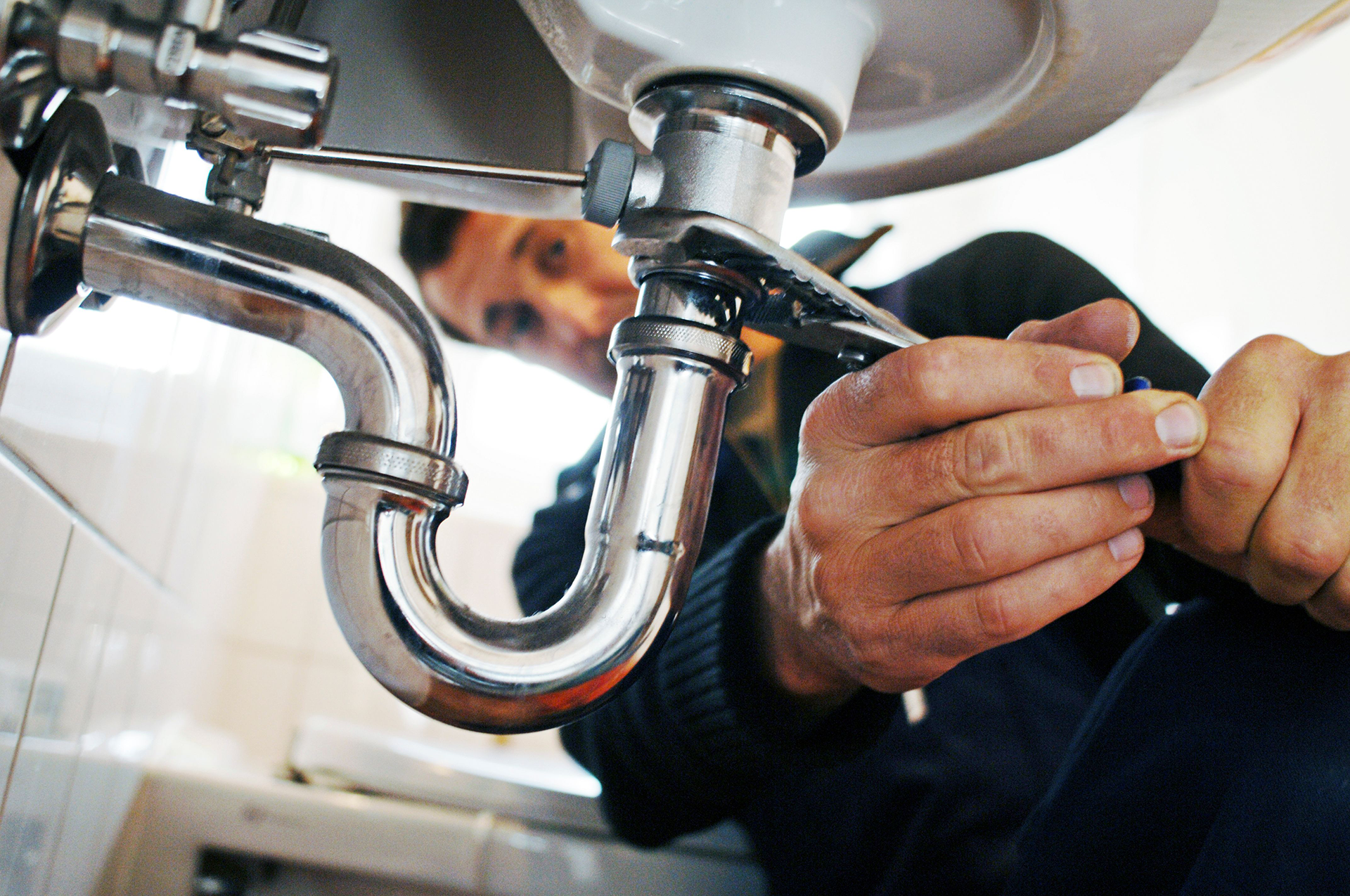
Plumbers, electricians, and skilled tradespeople work in high-risk environments every day. We build coverage around your tools, your vehicles, and your crew — so a job site incident does not stop your business.
Restaurants & Food Service
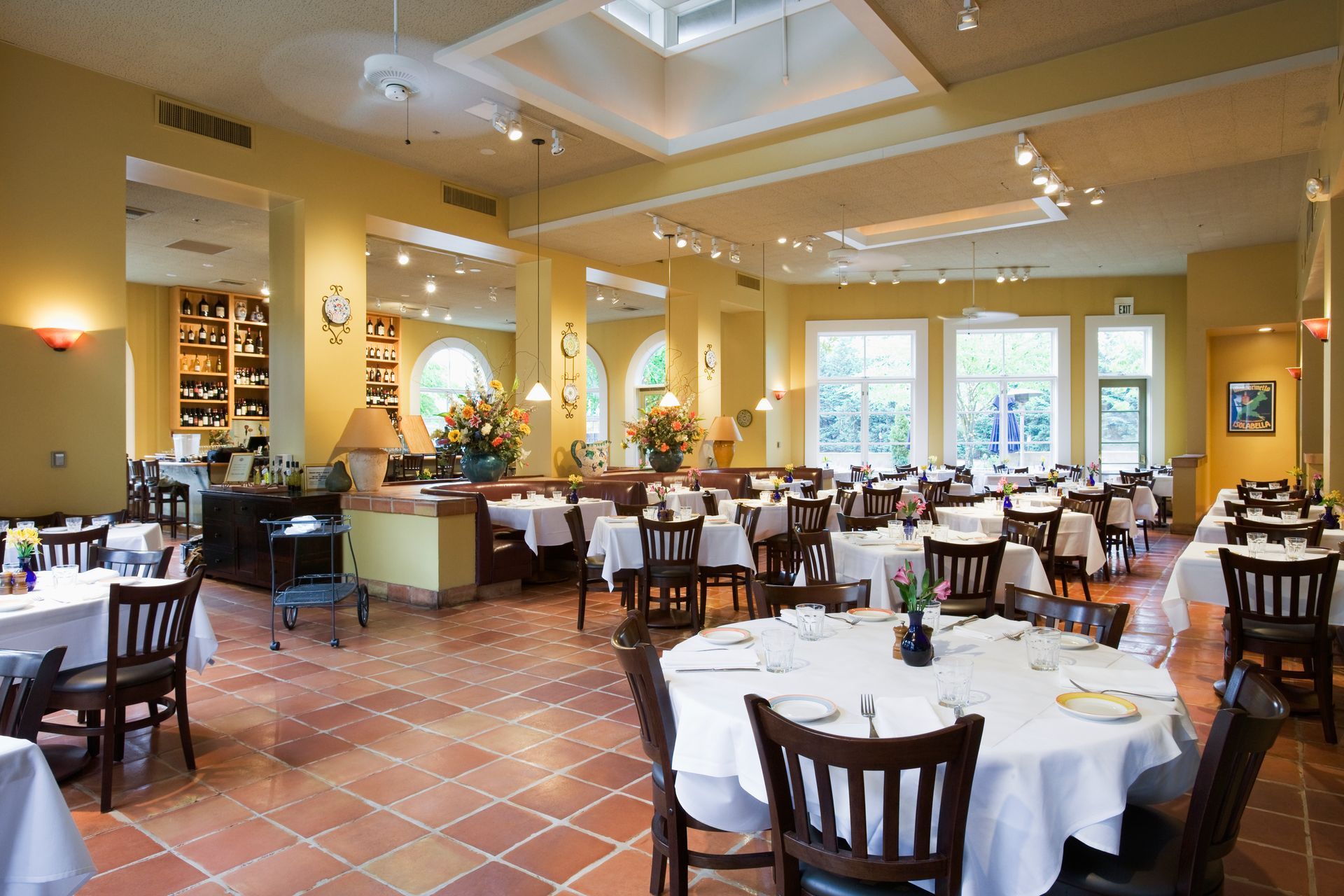
Restaurants carry liability on every shift — from the kitchen to the dining room and everything in between. We protect your location, your staff, and your equipment, including lost income when operations stop.

Non-Profits Service
Non-profits face unique liability across events, volunteers, staff, and leadership decisions. We cover your organization from the ground up — so you can focus on your mission, not your exposure.

Event Insurance
Event organizers face liability the moment guests arrive, vendors set up, and alcohol is served. We cover your event from start to finish — so one unexpected incident does not cancel everything you planned for.
Answers Before You Pick Up the Phone
What Texas Businesses Ask Us Most
We get a lot of the same questions from business owners across Texas. Here are honest answers to the ones that come up most.
What information do you need to get a commercial insurance quote?
We keep the process straightforward. We typically need your business name, a description of your operations, your gross annual sales projection, number of full-time and part-time employees, your gross annual payroll, and the types of coverage you are looking for. If you have an existing policy, the expiration date and current carrier help us put together a competitive comparison.
The most important thing you can do is be transparent about what your business actually does. Accurate classification ensures you have real coverage if a claim occurs. We have seen businesses with active policies that were incorrectly classified — and those gaps only surface at the worst possible moment.
Does Texas require businesses to carry Workers' Compensation Insurance?
Texas is the only state in the country that does not require most private employers to carry Workers' Compensation. However, if your business holds government contracts or works as a subcontractor on a job site, the hiring company will almost always require proof of coverage before work begins. A growing number of general contractors across Denton and the DFW area enforce this as a standard condition.
Even without a legal requirement, carrying Workers' Comp protects your business from direct liability if an employee is hurt on the job. Medical bills, lost wages, and legal fees can add up quickly — and one serious incident can create a financial loss that far exceeds years of premium payments.
What is a commercial insurance audit and should I expect one?
Most commercial general liability policies are auditable. At the end of your policy term, the insurance carrier reviews your actual gross sales to make sure your premium matched your real exposure. If your sales grew during the year, you may owe an additional premium. If sales came in lower, you could receive a refund.
The best way to avoid a large balance due at audit time is to update your projected gross sales with us during the year if your business grows faster than expected. We can endorse your policy mid-term to reflect the change and spread any additional premium across smaller installments instead of one lump sum at year-end.
What factors affect how much my commercial coverage will cost?
Your premium is calculated based on several variables specific to your operation — industry classification, gross annual sales, number of employees, gross payroll, claims history, and the types of coverage you need. A business that handles physical work with a crew on job sites will pay differently than a professional services firm working out of an office.
As an independent agency, we compare quotes across multiple carriers — including Travelers, The Hartford, Chubb, AmTrust, and others — to find the combination of coverage and price that works for your situation. There is no obligation after your quote, and we walk through every option in plain terms before you decide anything.
My business is a restaurant — what coverage do I actually need?
Restaurants are not a one-size-fits-all class of risk. Carriers look at a range of factors when evaluating a restaurant account: whether you serve alcohol, whether deep frying is involved, the type of fire suppression system in place, whether you have a hood cleaning contract, and whether you offer catering, delivery, or live entertainment. All of these affect both pricing and carrier appetite.
A well-structured restaurant policy typically includes general liability, building and business personal property coverage, liquor liability if applicable, food contamination coverage, business income protection, and workers' compensation for your staff. We work with carriers that actively want to write restaurant accounts in Texas — including Travelers, The Hartford, and Chubb — so you have real options to compare.
Can you help insure a business that is hard to place or outside the mainstream?
Yes — this is one of our strengths. We work with Excess and Surplus (E&S) lines markets through carriers like Burns & Wilcox for businesses that standard carriers will not write. We have placed coverage for master sign electricians, cable splicing operations, transmission rebuild shops for classic cars, CBD retailers, and many other non-standard accounts.
If you have been told your business is difficult to insure or you have received very limited options in the marketplace, reach out to us. We take time to understand your operations in detail, present your account to the right markets, and work to find coverage that actually reflects what you do — not a generic policy that leaves gaps.
Still have Question?
We’re here to help you!
Written for the Texas Business Owner
Insights That Help You Make Smarter Decisions
We publish articles on real topics that affect how Texas operators get covered — from local regulatory updates to coverage gaps most owners do not know they have.