A customer drops off their brand-new F-150 for a routine oil change. That night, a hailstorm rolls through Denton County, leaving baseball-sized dents across every vehicle in your lot. The customer's personal auto insurance won't cover it because the truck was in your care. Your general liability policy won't either because it covers injuries and property damage you cause to others, not damage to customer vehicles. Without garagekeeper's coverage, you're writing a check for $8,000 or more out of pocket.
This scenario plays out across Texas more often than shop owners expect. Between our severe weather patterns, high theft rates in urban areas, and the sheer volume of vehicles moving through repair facilities, the risks are substantial. Garagekeeper's insurance exists specifically to protect auto repair shops and body shops from financial losses when customer vehicles are damaged, stolen, or destroyed while in your custody.
Texas presents unique challenges that make this coverage particularly important. The state experiences
more hail damage claims than anywhere else in the country, and cities like Houston, Dallas, and San Antonio see elevated rates of
vehicle theft. A single catastrophic event, whether it's a fire, tornado, or break-in, can generate claims that exceed what many small shops could survive without proper protection. Understanding how this coverage works, what options exist, and how to structure a policy for your specific operation isn't optional if you want to stay in business long-term.
Understanding Garagekeeper's Insurance for Texas Shop Owners
Garagekeeper's insurance covers physical damage to customer vehicles while they're in your care, custody, or control. This includes vehicles parked in your lot, stored inside your facility, or being worked on by your technicians. The coverage kicks in when something goes wrong that damages or destroys a customer's property, whether that's a fire, theft, vandalism, or weather event.
The policy responds to situations where you're responsible for safeguarding someone else's vehicle. If a technician accidentally backs a customer's car into a wall, garagekeeper's coverage handles the repair. If someone breaks into your shop overnight and steals a customer's catalytic converter, the policy pays for replacement. This protection matters because customer vehicles often represent significant value concentrated in one location.
The Difference Between Garage Liability and Garagekeeper's Coverage
These two policies sound similar but cover completely different risks. Garage liability insurance covers bodily injury and property damage claims arising from your business operations. If a customer slips on an oil spot in your waiting area or a test drive results in a collision that injures another driver, garage liability responds.
Garagekeeper's coverage focuses exclusively on physical damage to customer vehicles in your possession. Think of garage liability as protecting you from lawsuits, while garagekeeper's protects the actual vehicles you're working on. Most Texas shops need both policies working together to have complete protection.
Why Texas Auto Repair Shops Face Unique Risks
Texas weather creates exposure that shops in other states simply don't face. The state averages over 600 hail events annually, with North Texas being particularly vulnerable. A single severe storm can damage every vehicle on your lot simultaneously, creating claims that quickly reach six figures for busy shops.
Urban areas present additional challenges. Houston ranks among the top cities nationally for vehicle theft, and catalytic converter theft has become epidemic across the state.
Body shops face extended exposure because vehicles often remain on premises for weeks during repairs, increasing the window for something to go wrong.

By: Linda Dodson
Agency Director at
Denton Business Insurance
When structuring garagekeeper's coverage, you'll choose between two fundamental approaches. This decision significantly impacts both your premium costs and how claims get handled. Understanding the distinction helps you match coverage to your actual risk tolerance.
Legal Liability: Protection Against Negligence
Legal liability coverage only pays when you're legally responsible for the damage. If your technician drops a tool through a windshield or a fire starts from faulty wiring in your shop, this coverage responds because the damage resulted from your negligence. The insurance company will investigate to determine fault before paying claims.
This option costs less because the carrier isn't covering every possible loss, only those where you bear legal responsibility. The downside becomes apparent during claims. If a customer's vehicle is damaged by a hit-and-run driver in your parking lot, legal liability coverage won't pay because you weren't negligent. The customer might still hold you responsible, creating disputes that damage relationships and reputation.
Direct Primary: Comprehensive Protection Regardless of Fault
Direct primary coverage pays for damage to customer vehicles regardless of who caused it. Hail damage, theft, vandalism, fire, and collision are all covered without the insurance company needing to establish your negligence first. This approach simplifies claims and protects your customer relationships.
The premium difference between legal liability and direct primary typically runs 20-40% higher for direct coverage. For many Texas shops, this additional cost proves worthwhile. When a customer's vehicle is damaged on your watch, being able to handle the claim quickly and completely preserves trust and avoids the contentious process of determining fault.
Specific Perils Covered Under a Standard Policy
Standard garagekeeper's policies cover a defined list of perils. Understanding exactly what's included helps you identify potential gaps and structure appropriate coverage for your operation.
Protection Against Fire, Theft, and Vandalism
Fire coverage protects against damage from flames, smoke, and firefighting efforts. This matters because auto repair facilities contain flammable materials, electrical equipment, and vehicles with full fuel tanks. A single fire can destroy multiple customer vehicles simultaneously.
Theft coverage responds when vehicles or their components are stolen from your premises. With catalytic converter theft running rampant across Texas, this protection has become increasingly valuable. Vandalism coverage handles intentional damage from break-ins or malicious acts, including graffiti, broken windows, and interior damage.
Extreme Weather Coverage: Hail and Windstorm Protection in Texas
Hail and windstorm coverage is non-negotiable for Texas auto shops. The state's position in Tornado Alley and the frequency of severe thunderstorms create constant exposure. A single hailstorm can generate claims exceeding $100,000 for shops with 15-20 customer vehicles on premises.
Some policies include weather coverage automatically while others require specific endorsements. Verify your policy explicitly covers hail and windstorm damage, and understand any sublimits that might apply. Coastal areas may face additional requirements through the Texas Windstorm Insurance Association for windstorm coverage.
Collision Damage During Test Drives or Transport
Collision coverage protects customer vehicles during test drives, transport between locations, or movement around your facility. If a technician rear-ends another vehicle while test driving a customer's car, this coverage pays for damage to the customer's vehicle.
This peril creates significant exposure because vehicles are actively being operated rather than parked. Ensure your policy provides adequate limits for collision losses, particularly if you regularly transport high-value vehicles or perform extensive road testing.
Factors Influencing Insurance Costs in the Lone Star State
Premium calculations for garagekeeper's coverage depend on multiple variables specific to your operation. Understanding these factors helps you make informed decisions about coverage levels and identify opportunities to reduce costs.
Determining Total Limit of Liability and Deductibles
Your total limit of liability represents the maximum the policy will pay for all covered losses during the policy period. This limit should reflect the maximum value of customer vehicles you might have on premises at any given time. A shop regularly holding 20 vehicles averaging $25,000 each needs at least $500,000 in coverage.
| Coverage Element | Typical Range | Impact on Premium |
|---|---|---|
| Total Limit | $100,000 - $1,000,000+ | Higher limits increase premium proportionally |
| Per-Vehicle Limit | $50,000 - $150,000 | Affects maximum payout per claim |
| Deductible | $500 - $5,000 | Higher deductibles reduce premium 10-25% |
Deductibles represent your out-of-pocket cost per claim. Higher deductibles reduce premiums but increase your financial exposure on each loss. Most Texas shops find deductibles between $1,000 and $2,500 balance cost savings against manageable claim costs.
Impact of Shop Location and Security Measures
Location significantly affects premium calculations. Shops in high-crime areas of Houston or Dallas pay more than rural operations. Proximity to flood zones, coastal windstorm exposure, and local fire protection ratings all factor into pricing.
Security measures can reduce premiums substantially. Fenced lots, security cameras, alarm systems, and overnight lighting all demonstrate reduced risk to underwriters. Some carriers offer discounts of 10-15% for shops with comprehensive security systems. At Denton Business Insurance, we've helped shop owners document their security measures to qualify for better rates across multiple carriers.
Essential Risk Management for Body Shops and Mechanics
Insurance provides financial protection, but preventing losses saves money and protects your reputation. Practical risk management reduces both claim frequency and severity.
Start with vehicle intake procedures. Document the condition of every vehicle upon arrival with dated photographs. Note existing damage, mileage, and any valuables left inside. This documentation proves invaluable when disputes arise about pre-existing damage.
Control access to your facility. Limit key access to essential personnel, secure vehicles inside whenever possible, and implement check-out procedures for vehicle movement. Install adequate lighting throughout parking areas and consider motion-activated cameras covering all vehicle storage locations.
Weather preparedness matters in Texas. Monitor severe weather forecasts and have a plan for moving vehicles inside when storms approach. Even covering vehicles with protective blankets can reduce hail damage severity when indoor space isn't available.
How to Select the Right Policy for Your Texas Business
Choosing appropriate garagekeeper's coverage requires honest assessment of your specific risks. Start by calculating the maximum value of customer vehicles you might hold simultaneously, including peak periods around holidays or major weather events.
Consider your customer base. Shops working on luxury vehicles, classic cars, or commercial fleets need higher per-vehicle limits than those servicing primarily economy vehicles. Body shops typically need more coverage than quick-service operations because vehicles remain on premises longer.
Work with an independent agency that can compare options across multiple carriers. At Denton Business Insurance, we regularly quote garagekeeper's coverage from Nationwide, Travelers, and other A-rated carrier to find the best combination of coverage and cost for Texas auto shops. The right policy depends on your specific operation, and having options matters.
Review your coverage annually. As your business grows or changes, coverage needs evolve. A shop that added a second location or started working on higher-value vehicles needs updated limits. Premium costs for garagekeeper's coverage in Texas typically range from $1,200 to $5,000 annually depending on coverage levels and risk factors.
Frequently Asked Questions
Does my garage liability policy cover customer vehicles? No. Garage liability covers injuries and property damage from your operations, not physical damage to customer vehicles. You need separate garagekeeper's coverage for that protection.
What happens if a customer's vehicle is damaged by another customer's vehicle on my lot? With direct primary coverage, your policy pays regardless of fault. With legal liability coverage, you'd need to prove your negligence caused the incident, which is difficult when another customer caused the damage.
Are vehicles covered during test drives? Yes, most garagekeeper's policies include collision coverage during test drives. Verify your policy includes this coverage and check for any mileage restrictions.
How much coverage do I need? Calculate the maximum total value of customer vehicles you might hold at once. Most shops need between $200,000 and $500,000 in total coverage, with per-vehicle limits matching your highest-value customers.
Can I reduce my premium costs? Yes. Higher deductibles, comprehensive security systems, and documented safety procedures all help reduce premiums. Working with an independent agency that shops multiple carriers also ensures competitive pricing.
Getting the right garagekeeper's insurance protects your business, your customers, and your reputation. Take time to understand your coverage, document your security measures, and review your policy annually to ensure protection keeps pace with your operation.
Straight from the Clients We Serve
Texas Business Owners Rate Us 5 Stars — Here Is Why
We hear the same things repeatedly: fast service, honest advice, and coverage that made sense for their situation. That is what we aim for every time.

Protection Across Every Area of Your BUSINESS
What Texas Businesses Need. What We Deliver.
From your job site and your fleet to your data and your payroll — we cover the risks that Texas businesses carry every day.
General Liability
Covers third-party claims of bodily injury, property damage, and advertising injury. A foundational protection for nearly every Texas business, regardless of industry or size.
Commercial Property
Covers your building, equipment, inventory, and business contents against fire, theft, storms, and vandalism. Can also include lost income if your businesses are forced to stop.
Commercial Auto
Protects vehicles your company owns, leases, or uses for work. Covers liability, collision damage, and injuries for employees driving on company time.
Errors & Omissions
Protects service providers when a client claims your advice, work, or recommendations caused them a financial loss. Critical for consultants, IT firms, agents, and other professional service businesses.
Directors & Officers
Covers leadership decisions that result in claims from employees, investors, or outside parties. Protects your directors and officers personally when management decisions are challenged.
Inland Marine & Equipment Floater
Covers tools, materials, and equipment that move between job sites or are stored off your primary property. Fills the gap where a standard commercial property policy stops.
Every Sector Has Its Own Risk Profile
We Know Your Trade. We Know Your Exposure.
We work with a wide range of Texas industries — each with different coverage priorities. Below are the sectors we serve most often.
Apartment Complexes
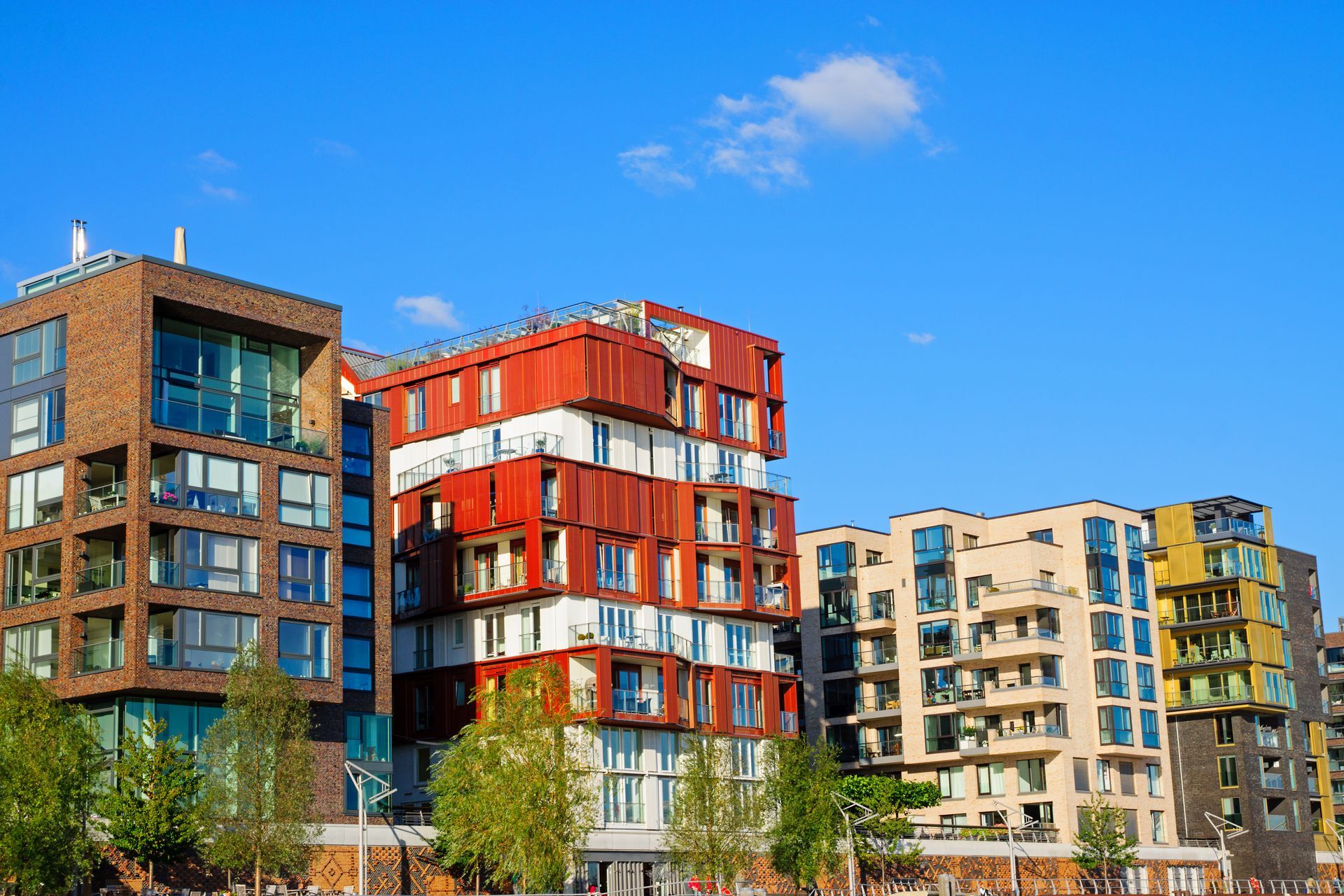
Texas apartment owners face liability across common areas, tenant incidents, and on-site staff. We cover your property, your income, and your exposure — across one complex or an entire portfolio.
Manufacturing Businesses
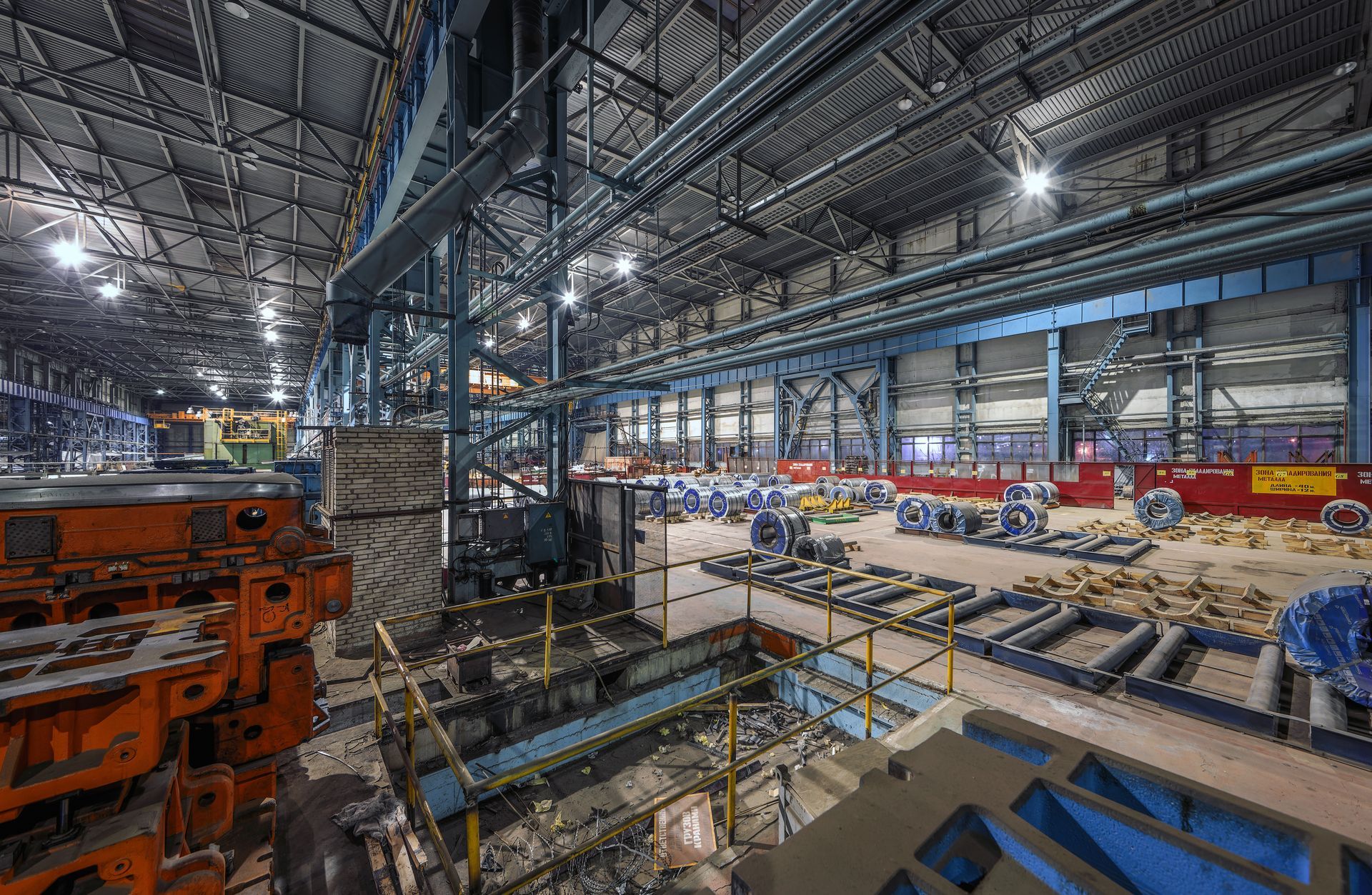
Equipment breakdowns, product liability, and workforce injuries are daily risks for Texas manufacturers. We build coverage from the shop floor to the loading dock — so one incident does not shut you down.
Artisan Contractors
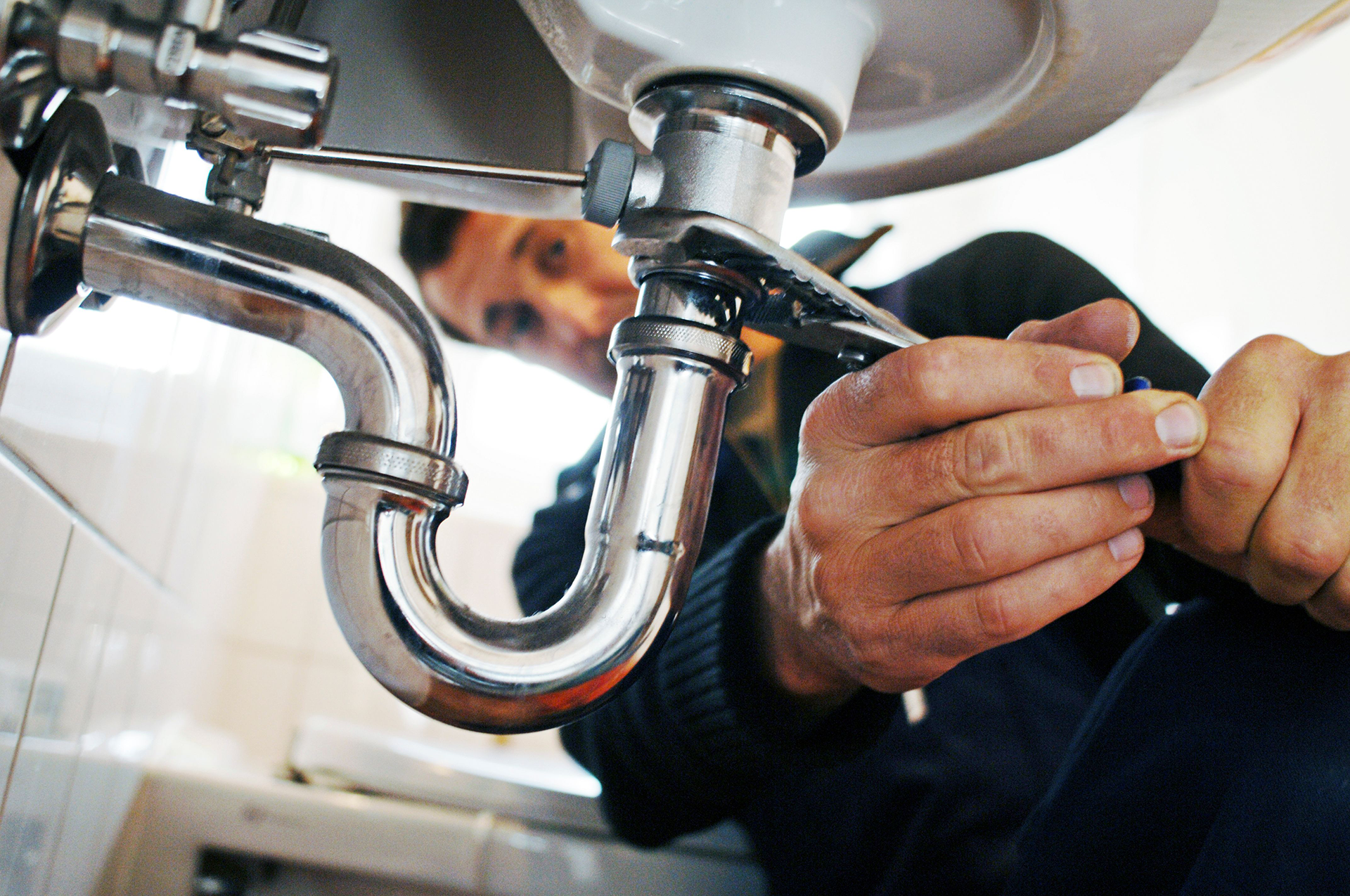
Plumbers, electricians, and skilled tradespeople work in high-risk environments every day. We build coverage around your tools, your vehicles, and your crew — so a job site incident does not stop your business.
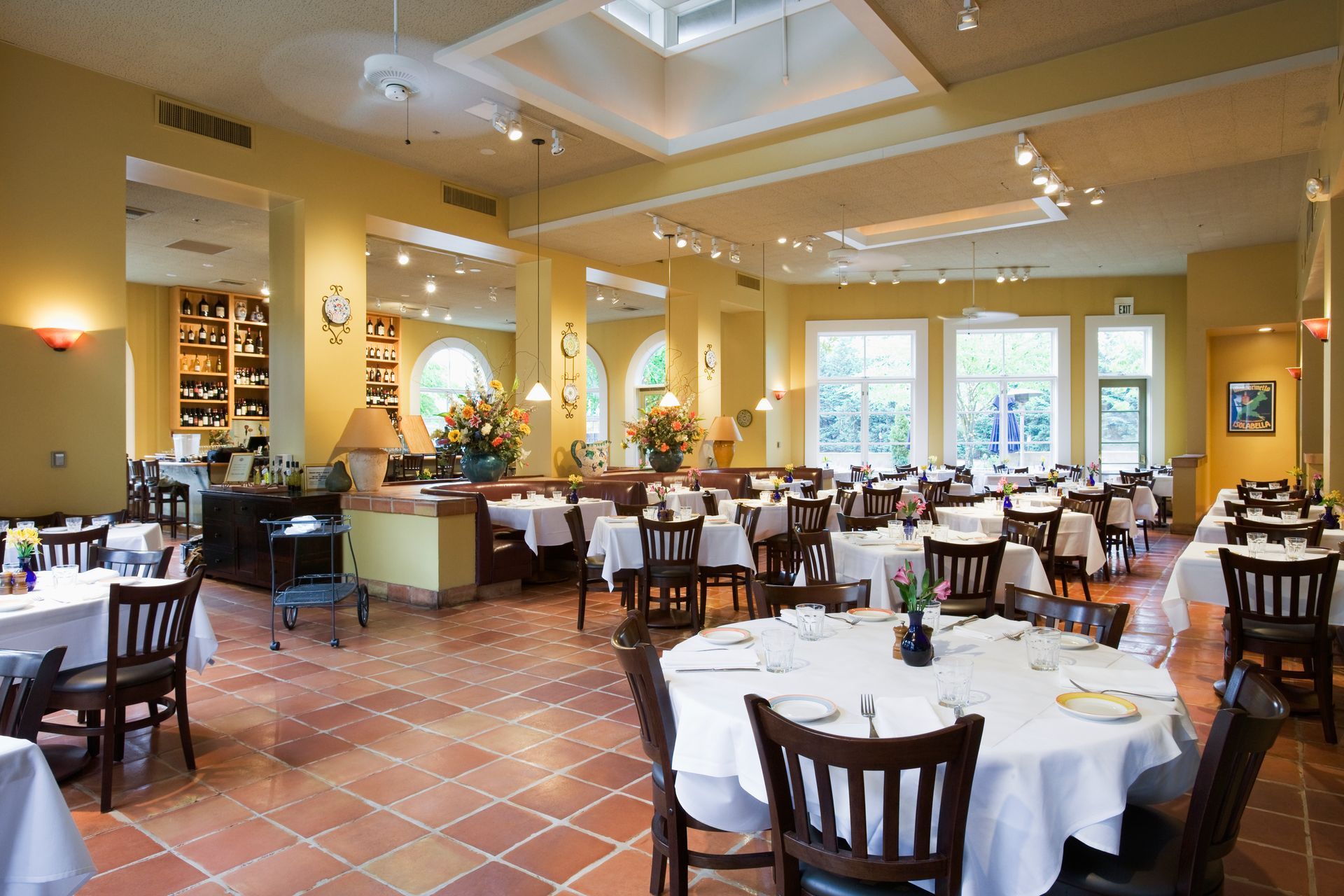
Restaurants & Food Service
Restaurants carry liability on every shift — from the kitchen to the dining room and everything in between. We protect your location, your staff, and your equipment, including lost income when operations stop.

Non-Profits Service
Non-profits face unique liability across events, volunteers, staff, and leadership decisions. We cover your organization from the ground up — so you can focus on your mission, not your exposure.

Event Insurance
Event organizers face liability the moment guests arrive, vendors set up, and alcohol is served. We cover your event from start to finish — so one unexpected incident does not cancel everything you planned for.
Answers Before You Pick Up the Phone
What Texas Businesses Ask Us Most
We get a lot of the same questions from business owners across Texas. Here are honest answers to the ones that come up most.
What information do you need to get a commercial insurance quote?
We keep the process straightforward. We typically need your business name, a description of your operations, your gross annual sales projection, number of full-time and part-time employees, your gross annual payroll, and the types of coverage you are looking for. If you have an existing policy, the expiration date and current carrier help us put together a competitive comparison.
The most important thing you can do is be transparent about what your business actually does. Accurate classification ensures you have real coverage if a claim occurs. We have seen businesses with active policies that were incorrectly classified — and those gaps only surface at the worst possible moment.
Does Texas require businesses to carry Workers' Compensation Insurance?
Texas is the only state in the country that does not require most private employers to carry Workers' Compensation. However, if your business holds government contracts or works as a subcontractor on a job site, the hiring company will almost always require proof of coverage before work begins. A growing number of general contractors across Denton and the DFW area enforce this as a standard condition.
Even without a legal requirement, carrying Workers' Comp protects your business from direct liability if an employee is hurt on the job. Medical bills, lost wages, and legal fees can add up quickly — and one serious incident can create a financial loss that far exceeds years of premium payments.
What is a commercial insurance audit and should I expect one?
Most commercial general liability policies are auditable. At the end of your policy term, the insurance carrier reviews your actual gross sales to make sure your premium matched your real exposure. If your sales grew during the year, you may owe an additional premium. If sales came in lower, you could receive a refund.
The best way to avoid a large balance due at audit time is to update your projected gross sales with us during the year if your business grows faster than expected. We can endorse your policy mid-term to reflect the change and spread any additional premium across smaller installments instead of one lump sum at year-end.
What factors affect how much my commercial coverage will cost?
Your premium is calculated based on several variables specific to your operation — industry classification, gross annual sales, number of employees, gross payroll, claims history, and the types of coverage you need. A business that handles physical work with a crew on job sites will pay differently than a professional services firm working out of an office.
As an independent agency, we compare quotes across multiple carriers — including Travelers, The Hartford, Chubb, AmTrust, and others — to find the combination of coverage and price that works for your situation. There is no obligation after your quote, and we walk through every option in plain terms before you decide anything.
My business is a restaurant — what coverage do I actually need?
Restaurants are not a one-size-fits-all class of risk. Carriers look at a range of factors when evaluating a restaurant account: whether you serve alcohol, whether deep frying is involved, the type of fire suppression system in place, whether you have a hood cleaning contract, and whether you offer catering, delivery, or live entertainment. All of these affect both pricing and carrier appetite.
A well-structured restaurant policy typically includes general liability, building and business personal property coverage, liquor liability if applicable, food contamination coverage, business income protection, and workers' compensation for your staff. We work with carriers that actively want to write restaurant accounts in Texas — including Travelers, The Hartford, and Chubb — so you have real options to compare.
Can you help insure a business that is hard to place or outside the mainstream?
Yes — this is one of our strengths. We work with Excess and Surplus (E&S) lines markets through carriers like Burns & Wilcox for businesses that standard carriers will not write. We have placed coverage for master sign electricians, cable splicing operations, transmission rebuild shops for classic cars, CBD retailers, and many other non-standard accounts.
If you have been told your business is difficult to insure or you have received very limited options in the marketplace, reach out to us. We take time to understand your operations in detail, present your account to the right markets, and work to find coverage that actually reflects what you do — not a generic policy that leaves gaps.
Still have Question?
We’re here to help you!
Written for the Texas Business Owner
Insights That Help You Make Smarter Decisions
We publish articles on real topics that affect how Texas operators get covered — from local regulatory updates to coverage gaps most owners do not know they have.