A single organized retail theft ring can wipe out $50,000 in smartphones within minutes. I've seen it happen to a Houston electronics retailer who thought his standard commercial property policy had him covered. It didn't. The policy excluded employee theft entirely, covered only $5,000 for burglary, and offered zero protection for the wire fraud that drained his business account two months later. His total losses that year exceeded $120,000, and insurance covered less than $8,000.
Texas electronics retailers face a unique combination of risks that standard business policies simply weren't designed to address. High-value inventory that's easy to resell, sophisticated fraud schemes targeting payment systems, and employee access to expensive merchandise create a perfect storm of exposure. Crime insurance exists specifically to fill these gaps, but most store owners either don't know it exists or assume their current coverage handles everything.
The reality is that crime insurance operates as a separate policy from your property and liability coverage. It addresses theft and fraud
protection for electronics stores through specific endorsements that cover employee dishonesty, robbery, forgery, computer fraud, and social engineering schemes. For Texas retailers, understanding these coverages isn't optional anymore. The state ranks among the top five nationally for organized retail crime, and the Dallas-Fort Worth and Houston metros consistently report some of the highest theft rates in the country.
Understanding Crime Insurance for Texas Electronics Retailers
Crime insurance protects your business from financial losses caused by criminal acts, whether committed by employees, customers, or outside parties. Unlike general liability or property insurance, crime policies focus specifically on theft, fraud, and dishonesty that result in direct financial harm to your business.
The Difference Between Commercial Property and Crime Insurance
Commercial property insurance covers physical damage to your building and inventory from events like fire, storms, or vandalism. If someone breaks your window, property insurance pays to replace it. But if that same person steals $30,000 in laptops, your property policy likely has severe limitations.
Most commercial property policies cap theft coverage at low amounts, often $2,500 to $10,000, and exclude employee theft entirely. Crime insurance picks up where property insurance stops. It covers the actual value of stolen merchandise, money taken from registers or safes, and losses from various fraud schemes. The two policies work together, but they protect against fundamentally different risks.
Why Texas Electronics Stores Face Unique Security Risks
Texas's position as a border state and major shipping hub makes it attractive for organized retail crime operations. Electronics are particularly targeted because they're high-value, easily transported, and simple to resell through online marketplaces or across state lines.
The state's major metros present distinct challenges. Houston sees significant cargo theft and organized smash-and-grab operations. Dallas-Fort Worth experiences high rates of return fraud and gift card schemes. San Antonio and Austin report growing problems with employee collusion in theft rings. These regional patterns affect both your risk profile and your premium calculations when working with agencies like Denton Business Insurance to structure coverage.

By: Linda Dodson
Agency Director at
Denton Business Insurance
Core Coverage Components for High-Value Inventory
Electronics inventory represents concentrated value that requires specific protection. A single display case might hold $100,000 in smartphones. Your stockroom could contain $500,000 in laptops and tablets. Standard policies weren't built for this exposure level.
Employee Dishonesty and Internal Theft Protection
Here's an uncomfortable truth: employee theft accounts for roughly 30% of inventory shrinkage in retail operations. Electronics stores face even higher rates because employees have access to small, valuable items that are easy to conceal and sell.
Crime insurance covers losses when employees steal merchandise, manipulate transactions, or collude with outside parties. Coverage typically applies per employee or as a blanket limit covering all employees. For a Texas electronics retailer, blanket coverage of $100,000 to $250,000 is common, though stores with extensive inventory may need higher limits.
Robbery and Burglary of Physical Merchandise
Robbery coverage applies when someone uses force or threat of force to take merchandise or money. Burglary coverage kicks in when someone breaks into your closed business to steal. Both scenarios require different policy language, and both happen regularly at Texas electronics stores.
After-hours burglaries often target specific high-value items. Criminals know exactly which cases hold the newest iPhones or gaming consoles. Your crime policy should cover the full replacement value of stolen inventory, not just depreciated amounts.
Computer Fraud and Funds Transfer Coverage
Modern electronics retailers process thousands of digital transactions monthly. Computer fraud coverage protects against unauthorized access to your systems that results in fund transfers to criminal accounts. This includes hacking of payment systems, manipulation of vendor payment details, and unauthorized wire transfers.
Funds transfer fraud coverage specifically addresses situations where criminals intercept or redirect legitimate business payments. If someone hacks your email and changes wire instructions on a $40,000 vendor payment, this coverage responds.
Mitigating Modern Fraud and Financial Crimes
Physical theft gets attention, but fraud losses often exceed traditional theft at electronics retailers. These schemes target your payment systems, banking relationships, and vendor transactions.
Social Engineering and Deceptive Transfer Schemes
Social engineering fraud involves criminals manipulating employees into transferring funds or revealing sensitive information. A common scheme involves emails that appear to come from company executives requesting urgent wire transfers. Another targets accounts payable staff with fake vendor payment updates.
Standard crime policies often exclude social engineering losses, but endorsements are available. Given the sophistication of current schemes, this coverage has become essential. Limits typically range from $25,000 to $250,000, with higher amounts available for larger operations.
Forgery and Alteration of Business Checks
Despite the shift toward electronic payments, check fraud remains common. Criminals alter payee names, change amounts, or create counterfeit checks using stolen account information. Forgery coverage reimburses losses when someone forges or alters checks drawn on your business accounts.
Texas businesses should note that banks often limit their liability for check fraud, particularly when the business failed to identify altered checks within specific timeframes. Crime insurance provides a backup when banking protections fall short.
Counterfeit Currency and Money Order Fraud
Electronics stores accepting cash payments face exposure to counterfeit currency. While individual losses might seem small, they accumulate quickly in high-volume retail environments. Crime policies typically include counterfeit currency coverage, often with modest limits of $1,000 to $5,000 that can be increased if needed.
Money order fraud presents a more significant risk. Criminals use counterfeit or stolen money orders to purchase electronics, then resell the merchandise before the fraud is discovered. Coverage for these losses requires specific policy language.
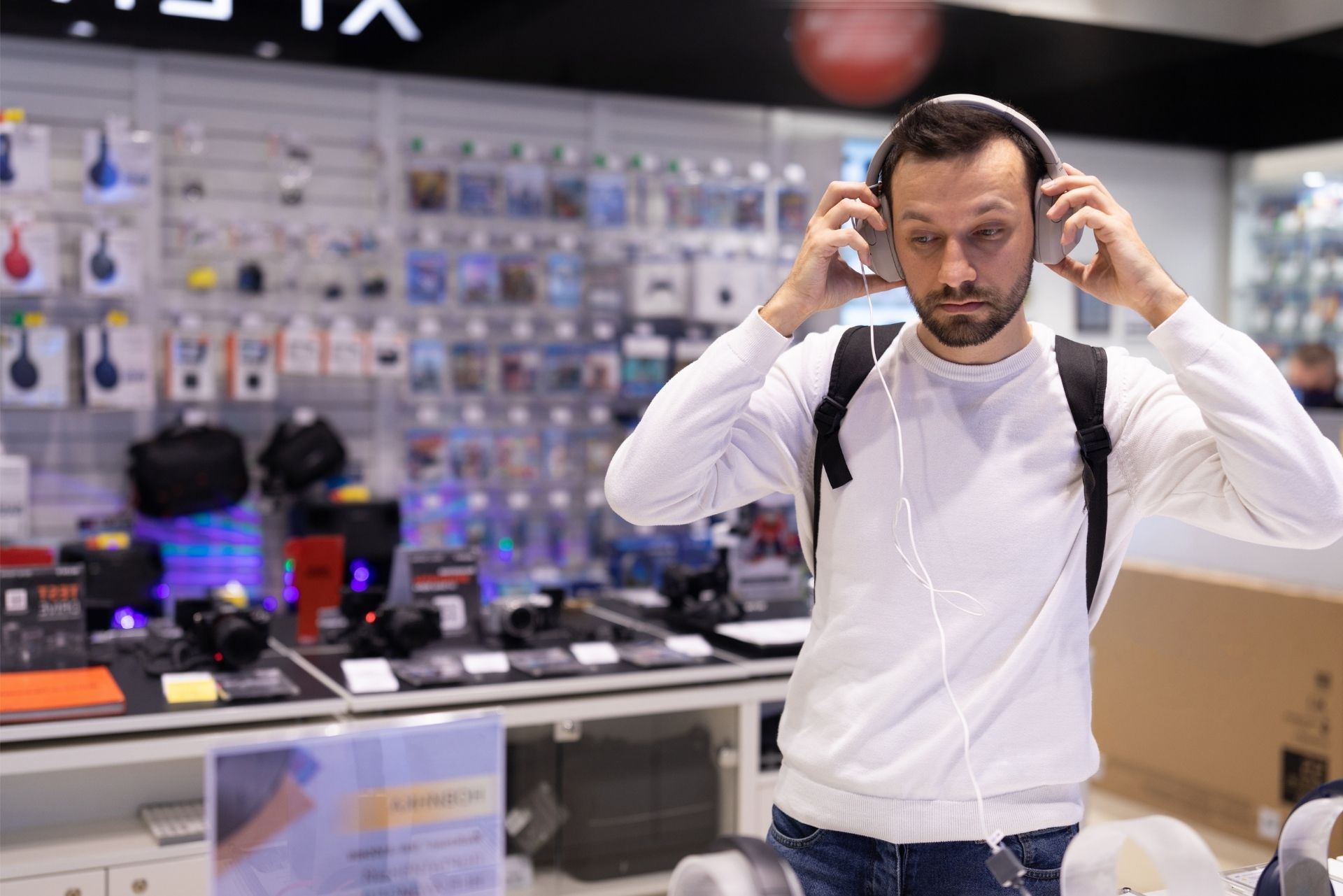
Texas insurance regulations and local crime patterns both influence how you structure crime coverage. Understanding these factors helps you make informed decisions.
Texas Department of Insurance Compliance Standards
The Texas Department of Insurance regulates crime insurance policies sold in the state. Policies must meet specific standards for clarity, coverage definitions, and claims procedures. Working with an independent agency familiar with Texas requirements, such as Denton Business Insurance, ensures your coverage meets state standards while addressing your specific risks.
Texas law also affects how claims are handled. The state's prompt payment statute requires insurers to acknowledge claims within 15 days and pay valid claims within five business days of reaching an agreement. Knowing these timelines helps you hold carriers accountable during the claims process.
Local Crime Trends in Major Texas Metropolitan Hubs
Crime patterns vary significantly across Texas metros. Houston leads in organized retail crime, with sophisticated rings targeting electronics retailers along the I-10 corridor. Dallas-Fort Worth sees high rates of return
fraud and credit card schemes. Austin's rapid growth has attracted criminals targeting newer businesses with less established security protocols.
| Metro Area | Primary Crime Concerns | Average Premium Impact |
|---|---|---|
| Houston | Organized theft, cargo crime | +15-25% above state average |
| Dallas-Fort Worth | Return fraud, card schemes | +10-20% above state average |
| San Antonio | Employee theft, burglary | State average |
| Austin | Smash-and-grab, new business targeting | +5-15% above state average |
These patterns affect both coverage recommendations and premium calculations.
Premiums for crime coverage depend on multiple factors within your control. Understanding these variables helps you manage costs while maintaining adequate protection.
Security Protocols and Inventory Management Systems
Insurers evaluate your security measures when calculating premiums. Monitored alarm systems, security cameras with adequate retention periods, and controlled access to high-value inventory all reduce risk and lower costs. Some carriers offer discounts of 10-20% for comprehensive security systems.
Inventory management systems that track merchandise movement help detect theft quickly and demonstrate loss control to insurers. Real-time tracking, regular cycle counts, and exception reporting all factor into underwriting decisions.
Historical Loss Data and Deductible Selection
Your claims history significantly impacts premiums. Businesses with prior theft or fraud losses face higher rates, sometimes for several years following a claim. Clean loss history demonstrates effective risk management and keeps premiums competitive.
Deductible selection involves balancing premium savings against out-of-pocket exposure. Higher deductibles reduce premiums but increase your costs when claims occur. For most Texas electronics retailers, deductibles between $1,000 and $5,000 provide reasonable balance.
Implementing a Comprehensive Risk Management Strategy
Crime insurance works best as part of a broader risk management approach. Coverage provides financial recovery after losses, but prevention reduces both claims and premiums over time.
Start by conducting an honest assessment of your vulnerabilities. Where are the gaps in physical security? Which employees have access to high-value inventory or financial systems? What verification procedures exist for wire transfers and vendor payments? These questions identify risks that insurance alone cannot address.
Train employees on fraud recognition, particularly social engineering schemes. Implement dual authorization for wire transfers above certain thresholds. Conduct background checks on employees with access to inventory or financial systems. These measures reduce losses and demonstrate risk management commitment to insurers.
When structuring coverage, work with an independent agency that can compare options across multiple carriers. Denton Business Insurance works with carriers like Nationwide, Travelers, and Chubb to find coverage that matches your specific operation. Different carriers offer different endorsements, limits, and pricing, so comparison shopping matters.
Frequently Asked Questions
How much crime insurance does a typical Texas electronics store need? Coverage needs vary based on inventory value and transaction volume. Most retailers carry $100,000 to $500,000 in employee dishonesty coverage and similar limits for other crime exposures. Your agent can help calculate appropriate limits based on your specific operation.
Does crime insurance cover shoplifting? Standard crime policies typically exclude shoplifting, which is usually addressed through inventory shrinkage allowances in property policies. Crime insurance focuses on larger theft events, employee dishonesty, and fraud schemes.
What's the difference between first-party and third-party crime coverage? First-party coverage protects your business from direct losses. Third-party coverage, sometimes called commercial crime coverage, protects against losses you cause to clients. Electronics retailers primarily need first-party protection.
How quickly are crime insurance claims paid? Texas law requires insurers to acknowledge claims within 15 days and pay agreed claims within five business days. Actual timelines depend on claim complexity and documentation quality.
Can I bundle crime insurance with other business coverage?
Yes, many carriers offer crime coverage as part of business owner's policies or commercial packages. Bundling often provides premium discounts and simplified administration.
Crime insurance fills critical gaps that standard business policies leave exposed. For Texas electronics retailers facing elevated theft and fraud risks, this coverage isn't optional. It's essential protection for your inventory, your finances, and your business continuity.
Review your current policies to identify gaps in theft and fraud protection. Calculate your actual exposure based on inventory values and transaction volumes. Then work with an independent agency that can compare options across multiple carriers. The right coverage exists. You just need to find it before you need it.
Straight from the Clients We Serve
Texas Business Owners Rate Us 5 Stars — Here Is Why
We hear the same things repeatedly: fast service, honest advice, and coverage that made sense for their situation. That is what we aim for every time.

Protection Across Every Area of Your BUSINESS
What Texas Businesses Need. What We Deliver.
From your job site and your fleet to your data and your payroll — we cover the risks that Texas businesses carry every day.
General Liability
Covers third-party claims of bodily injury, property damage, and advertising injury. A foundational protection for nearly every Texas business, regardless of industry or size.
Commercial Property
Covers your building, equipment, inventory, and business contents against fire, theft, storms, and vandalism. Can also include lost income if your businesses are forced to stop.
Commercial Auto
Protects vehicles your company owns, leases, or uses for work. Covers liability, collision damage, and injuries for employees driving on company time.
Errors & Omissions
Protects service providers when a client claims your advice, work, or recommendations caused them a financial loss. Critical for consultants, IT firms, agents, and other professional service businesses.
Directors & Officers
Covers leadership decisions that result in claims from employees, investors, or outside parties. Protects your directors and officers personally when management decisions are challenged.
Inland Marine & Equipment Floater
Covers tools, materials, and equipment that move between job sites or are stored off your primary property. Fills the gap where a standard commercial property policy stops.
Every Sector Has Its Own Risk Profile
We Know Your Trade. We Know Your Exposure.
We work with a wide range of Texas industries — each with different coverage priorities. Below are the sectors we serve most often.

Apartment Complexes
Texas apartment owners face liability across common areas, tenant incidents, and on-site staff. We cover your property, your income, and your exposure — across one complex or an entire portfolio.

Manufacturing Businesses
Equipment breakdowns, product liability, and workforce injuries are daily risks for Texas manufacturers. We build coverage from the shop floor to the loading dock — so one incident does not shut you down.
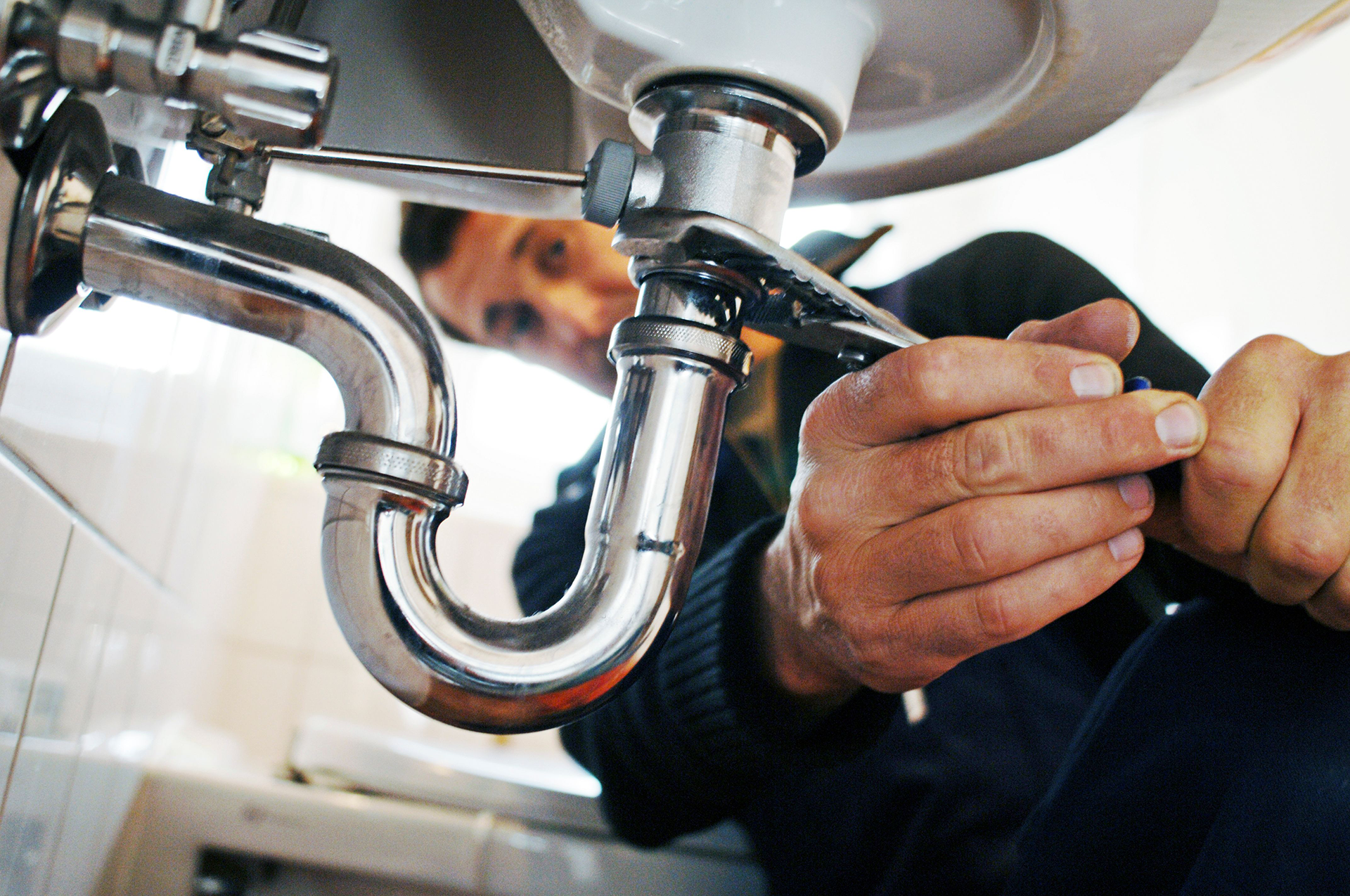
Artisan Contractors
Plumbers, electricians, and skilled tradespeople work in high-risk environments every day. We build coverage around your tools, your vehicles, and your crew — so a job site incident does not stop your business.

Restaurants & Food Service
Restaurants carry liability on every shift — from the kitchen to the dining room and everything in between. We protect your location, your staff, and your equipment, including lost income when operations stop.

Non-Profits Service
Non-profits face unique liability across events, volunteers, staff, and leadership decisions. We cover your organization from the ground up — so you can focus on your mission, not your exposure.

Event Insurance
Event organizers face liability the moment guests arrive, vendors set up, and alcohol is served. We cover your event from start to finish — so one unexpected incident does not cancel everything you planned for.
Answers Before You Pick Up the Phone
What Texas Businesses Ask Us Most
We get a lot of the same questions from business owners across Texas. Here are honest answers to the ones that come up most.

What information do you need to get a commercial insurance quote?
We keep the process straightforward. We typically need your business name, a description of your operations, your gross annual sales projection, number of full-time and part-time employees, your gross annual payroll, and the types of coverage you are looking for. If you have an existing policy, the expiration date and current carrier help us put together a competitive comparison.
The most important thing you can do is be transparent about what your business actually does. Accurate classification ensures you have real coverage if a claim occurs. We have seen businesses with active policies that were incorrectly classified — and those gaps only surface at the worst possible moment.
Does Texas require businesses to carry Workers' Compensation Insurance?
Texas is the only state in the country that does not require most private employers to carry Workers' Compensation. However, if your business holds government contracts or works as a subcontractor on a job site, the hiring company will almost always require proof of coverage before work begins. A growing number of general contractors across Denton and the DFW area enforce this as a standard condition.
Even without a legal requirement, carrying Workers' Comp protects your business from direct liability if an employee is hurt on the job. Medical bills, lost wages, and legal fees can add up quickly — and one serious incident can create a financial loss that far exceeds years of premium payments.
What is a commercial insurance audit and should I expect one?
Most commercial general liability policies are auditable. At the end of your policy term, the insurance carrier reviews your actual gross sales to make sure your premium matched your real exposure. If your sales grew during the year, you may owe an additional premium. If sales came in lower, you could receive a refund.
The best way to avoid a large balance due at audit time is to update your projected gross sales with us during the year if your business grows faster than expected. We can endorse your policy mid-term to reflect the change and spread any additional premium across smaller installments instead of one lump sum at year-end.
What factors affect how much my commercial coverage will cost?
Your premium is calculated based on several variables specific to your operation — industry classification, gross annual sales, number of employees, gross payroll, claims history, and the types of coverage you need. A business that handles physical work with a crew on job sites will pay differently than a professional services firm working out of an office.
As an independent agency, we compare quotes across multiple carriers — including Travelers, The Hartford, Chubb, AmTrust, and others — to find the combination of coverage and price that works for your situation. There is no obligation after your quote, and we walk through every option in plain terms before you decide anything.
My business is a restaurant — what coverage do I actually need?
Restaurants are not a one-size-fits-all class of risk. Carriers look at a range of factors when evaluating a restaurant account: whether you serve alcohol, whether deep frying is involved, the type of fire suppression system in place, whether you have a hood cleaning contract, and whether you offer catering, delivery, or live entertainment. All of these affect both pricing and carrier appetite.
A well-structured restaurant policy typically includes general liability, building and business personal property coverage, liquor liability if applicable, food contamination coverage, business income protection, and workers' compensation for your staff. We work with carriers that actively want to write restaurant accounts in Texas — including Travelers, The Hartford, and Chubb — so you have real options to compare.
Can you help insure a business that is hard to place or outside the mainstream?
Yes — this is one of our strengths. We work with Excess and Surplus (E&S) lines markets through carriers like Burns & Wilcox for businesses that standard carriers will not write. We have placed coverage for master sign electricians, cable splicing operations, transmission rebuild shops for classic cars, CBD retailers, and many other non-standard accounts.
If you have been told your business is difficult to insure or you have received very limited options in the marketplace, reach out to us. We take time to understand your operations in detail, present your account to the right markets, and work to find coverage that actually reflects what you do — not a generic policy that leaves gaps.
Still have Question?
We’re here to help you!
Written for the Texas Business Owner
Insights That Help You Make Smarter Decisions
We publish articles on real topics that affect how Texas operators get covered — from local regulatory updates to coverage gaps most owners do not know they have.