Texas Workers Compensation for Drywall Contractors

See How We're Different
Call Us: (940) 268-5112
A single fall from scaffolding can cost your drywall business everything you've built. Medical bills, lost wages, legal fees, and potential lawsuits add up fast when a crew member gets hurt hanging sheetrock on a commercial job site. Texas gives employers a choice that no other state offers: you can opt out of workers' compensation entirely. But that freedom comes with serious risks, especially in an industry where injuries happen regularly. Drywall work ranks among the most physically demanding trades, combining awkward lifting positions, repetitive motions, overhead work, and constant exposure to fine dust particles. Understanding how workers' comp coverage protects drywall contractors and their crews in Texas isn't just about meeting contract requirements. It's about keeping your business solvent when accidents happen. The right policy covers medical treatment, replaces lost income, and shields you from devastating personal injury lawsuits. Whether you're running a two-person finishing crew or managing multiple installation teams across the Dallas-Fort Worth metroplex, the coverage decisions you make today determine whether a workplace injury becomes a manageable insurance claim or a business-ending catastrophe.
Understanding Workers' Compensation Requirements for Texas Drywallers
Texas stands alone as the only state where private employers can legally operate without workers' compensation insurance. This unique regulatory environment creates both opportunities and pitfalls for drywall contractors trying to balance costs against protection.
The Non-Subscriber System in Texas
Choosing to become a non-subscriber means you're personally liable for workplace injuries. You lose three common-law defenses that would otherwise protect you in court: contributory negligence, assumption of risk, and the fellow servant rule. An injured worker can sue you directly, and juries in Houston and Dallas have awarded substantial damages in these cases. Non-subscribers must file annual notices with the Texas Department of Insurance and post workplace notices informing employees of their uninsured status. The paperwork savings rarely justify the exposure.
Why General Contractors Require Coverage
Most
general contractors won't let you bid on projects without proof of workers' comp. They face liability if an uninsured subcontractor's employee gets hurt on their job site. Certificate of insurance requirements have become standard on commercial drywall projects across Texas. Losing access to these contracts often costs more than annual premiums would. Working with an independent agency like Denton Business Insurance helps you compare carrier options and find coverage that keeps you competitive on bids while protecting your bottom line.

By: Linda Dodson
Agency Director at
Denton Business Insurance
Specific Risks and Hazards in the Drywall Industry
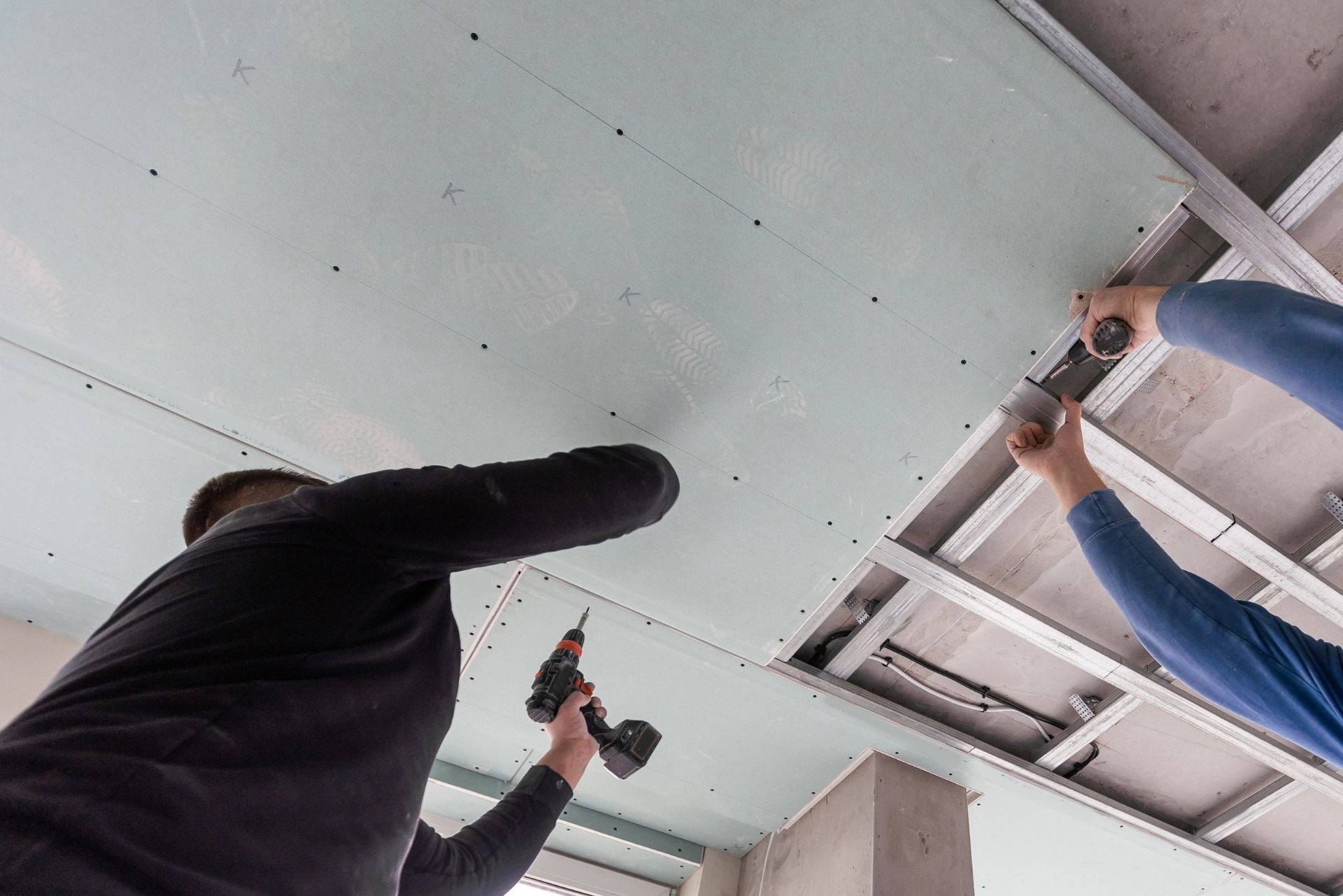
Drywall installation combines nearly every physical hazard found in construction. Your crews face daily exposure to conditions that cause both immediate injuries and long-term health problems.
Common Injuries: Falls, Strains, and Respiratory Issues
Falls from ladders, scaffolding, and stilts account for the most severe drywall injuries. A worker taping ceilings on 24-inch stilts has limited mobility and poor balance when something goes wrong. Lifting full sheets of 5/8-inch drywall, often weighing over 70 pounds, causes back injuries that can sideline workers for weeks. Repetitive motion injuries affect finishers who spend hours sanding and applying compound. Cuts from utility knives and injuries from power tools round out the list of common claims.
Long-term Health Risks of Drywall Dust Exposure
Joint compound dust contains silica particles that cause serious respiratory damage over time. Workers who sand without proper respiratory protection develop chronic lung conditions that may not appear until years after exposure. These occupational disease claims can be expensive and complicated. Proper safety protocols reduce both injuries and insurance costs, but even the best safety programs can't eliminate all risk.
How you classify your workers directly affects your insurance premiums and legal obligations. Getting this wrong creates audit problems and potential coverage gaps.
W-2 Employees vs. 1099 Independent Contractors
Texas follows the IRS guidelines for worker classification, and insurance carriers conduct audits to verify your payroll numbers. Misclassifying employees as independent contractors to reduce premiums is a common mistake that backfires during audits. If you control how, when, and where the work gets done, those workers are likely employees regardless of what paperwork says. True independent contractors carry their own workers' comp coverage and provide certificates proving it.
The Role of Scopes of Work and Certificates of Insurance
Every subcontractor relationship needs clear documentation. Written scopes of work establish what tasks each party handles and who bears responsibility for worker safety.
Certificates of insurance should be collected before work begins and verified for adequate coverage limits. Many contractors learn too late that a subcontractor's policy lapsed or excluded the specific work being performed. Denton Business Insurance can help you understand what to look for when reviewing certificates and how to protect yourself from gaps in subcontractor coverage.

Your premiums depend on several factors you can influence. Understanding how carriers calculate rates helps you make decisions that control costs over time.
The Impact of Experience Modifier Rates (MOD)
Your experience modification rate compares your claims history against other
drywall contractors of similar size. A MOD of 1.0 means average performance. Every claim pushes that number higher, and a MOD of 1.3 means you're paying 30% more than competitors with cleaner records. New businesses start at 1.0 and build their own history over three years. Strong safety programs and return-to-work policies help keep your MOD low.
| MOD Rate | Premium Impact | What It Means |
|---|---|---|
| 0.75 | 25% discount | Excellent safety record |
| 1.0 | Standard rate | Industry average claims |
| 1.25 | 25% surcharge | Above-average claims |
| 1.5+ | 50%+ surcharge | Poor claims history |
Class Code 5445: Wallboard Installation and Taping
Insurance carriers assign class codes based on the type of work performed. Drywall installation and taping falls under NCCI class code 5445, which carries rates typically between $4 and $8 per $100 of payroll depending on your location and claims history. Some carriers offer better rates than others for this class code, which is why comparing quotes from multiple insurers matters. A contractor with $500,000 in annual payroll could see premium differences of $10,000 or more between carriers.
Benefits of Coverage for Business Owners and Laborers
Workers' compensation delivers value to everyone involved. Your employees get medical care and income replacement. You get protection from lawsuits and financial stability.
Medical Expenses and Income Replacement
Covered employees receive medical treatment for work-related injuries without out-of-pocket costs. Temporary income benefits replace a portion of lost wages while they recover. Permanent impairment benefits compensate workers who suffer lasting disabilities. Death benefits provide for families when fatal accidents occur. These benefits keep injured workers from facing financial ruin while recovering.
Legal Protection Against Personal Injury Lawsuits
The exclusive remedy provision is the real value for employers. When you carry workers' comp, employees generally cannot sue you for workplace injuries. They receive benefits through the insurance system instead of pursuing personal injury claims. Without this protection, a single serious injury could result in a lawsuit seeking hundreds of thousands in damages. Non-subscribers in Texas face these lawsuits regularly, and the outcomes can be devastating.
How to Secure and Maintain Affordable Coverage in Texas
Finding the right workers' comp policy requires comparing options and understanding what drives your costs. Here's how to approach the process.
Start by documenting your payroll accurately and classifying workers correctly. Carriers base quotes on these numbers, and errors create problems during audits. Implement written safety programs and document your training. Many carriers offer premium discounts for formal safety protocols. Consider your deductible options, as higher deductibles reduce premiums but increase your out-of-pocket costs when claims occur.
Work with an independent agency that represents multiple carriers. Denton Business Insurance compares quotes from companies like Nationwide, Travelers, and Chubb to find competitive rates for Texas drywall contractors. Different carriers price class code 5445 differently, and an independent agent can identify which ones offer the best combination of price and service for your specific situation.
Review your policy annually before renewal. Your payroll, crew size, and claims history change over time, and your coverage should reflect current operations. Address any workplace hazards that contributed to past claims. Maintain relationships with carriers by paying premiums on time and reporting claims promptly and honestly.
Frequently Asked Questions
How much does workers' comp cost for a small drywall crew in Texas? Expect to pay between $4 and $8 per $100 of payroll, depending on your claims history and carrier. A crew with $200,000 in annual payroll might pay $8,000 to $16,000 per year.
Can I exclude myself as the owner from coverage? Texas allows sole proprietors and partners to exclude themselves from workers' comp policies. Corporate officers may also elect exclusion with proper documentation.
What happens if a subcontractor doesn't have coverage? Your policy may cover their injuries, and you'll face an audit adjustment charging premium for their payroll. Collect certificates before work begins.
Do I need workers' comp if I only hire independent contractors? True independent contractors carry their own coverage. If your workers are misclassified, you're responsible for their injuries regardless of paperwork.
How quickly can I get a policy in place?
Coverage can often begin within 24 to 48 hours once you provide payroll information and complete the application.
Making the Right Coverage Decision
Workers' compensation coverage for drywall crews in Texas comes down to weighing certain premium costs against uncertain but potentially catastrophic liability exposure. The math usually favors coverage, especially when you factor in lost contract opportunities from operating without insurance. Your crews face real hazards every day, from falls and strains to long-term dust exposure. The right policy protects them when injuries happen and protects your business from lawsuits that could take everything.
Contact Denton Business Insurance to compare workers' comp quotes from multiple carriers. We'll help you find coverage that fits your drywall operation and keeps you competitive on bids across Texas.
Straight from the Clients We Serve
Texas Business Owners Rate Us 5 Stars — Here Is Why
We hear the same things repeatedly: fast service, honest advice, and coverage that made sense for their situation. That is what we aim for every time.
Protection Across Every Area of Your BUSINESS
What Texas Businesses Need. What We Deliver.
From your job site and your fleet to your data and your payroll — we cover the risks that Texas businesses carry every day.
General Liability
Covers third-party claims of bodily injury, property damage, and advertising injury. A foundational protection for nearly every Texas business, regardless of industry or size.
Commercial Property
Covers your building, equipment, inventory, and business contents against fire, theft, storms, and vandalism. Can also include lost income if your businesses are forced to stop.
Commercial Auto
Protects vehicles your company owns, leases, or uses for work. Covers liability, collision damage, and injuries for employees driving on company time.
Errors & Omissions
Protects service providers when a client claims your advice, work, or recommendations caused them a financial loss. Critical for consultants, IT firms, agents, and other professional service businesses.
Directors & Officers
Covers leadership decisions that result in claims from employees, investors, or outside parties. Protects your directors and officers personally when management decisions are challenged.
Inland Marine & Equipment Floater
Covers tools, materials, and equipment that move between job sites or are stored off your primary property. Fills the gap where a standard commercial property policy stops.
Every Sector Has Its Own Risk Profile
We Know Your Trade. We Know Your Exposure.
We work with a wide range of Texas industries — each with different coverage priorities. Below are the sectors we serve most often.

Apartment Complexes
Texas apartment owners face liability across common areas, tenant incidents, and on-site staff. We cover your property, your income, and your exposure — across one complex or an entire portfolio.
Manufacturing Businesses
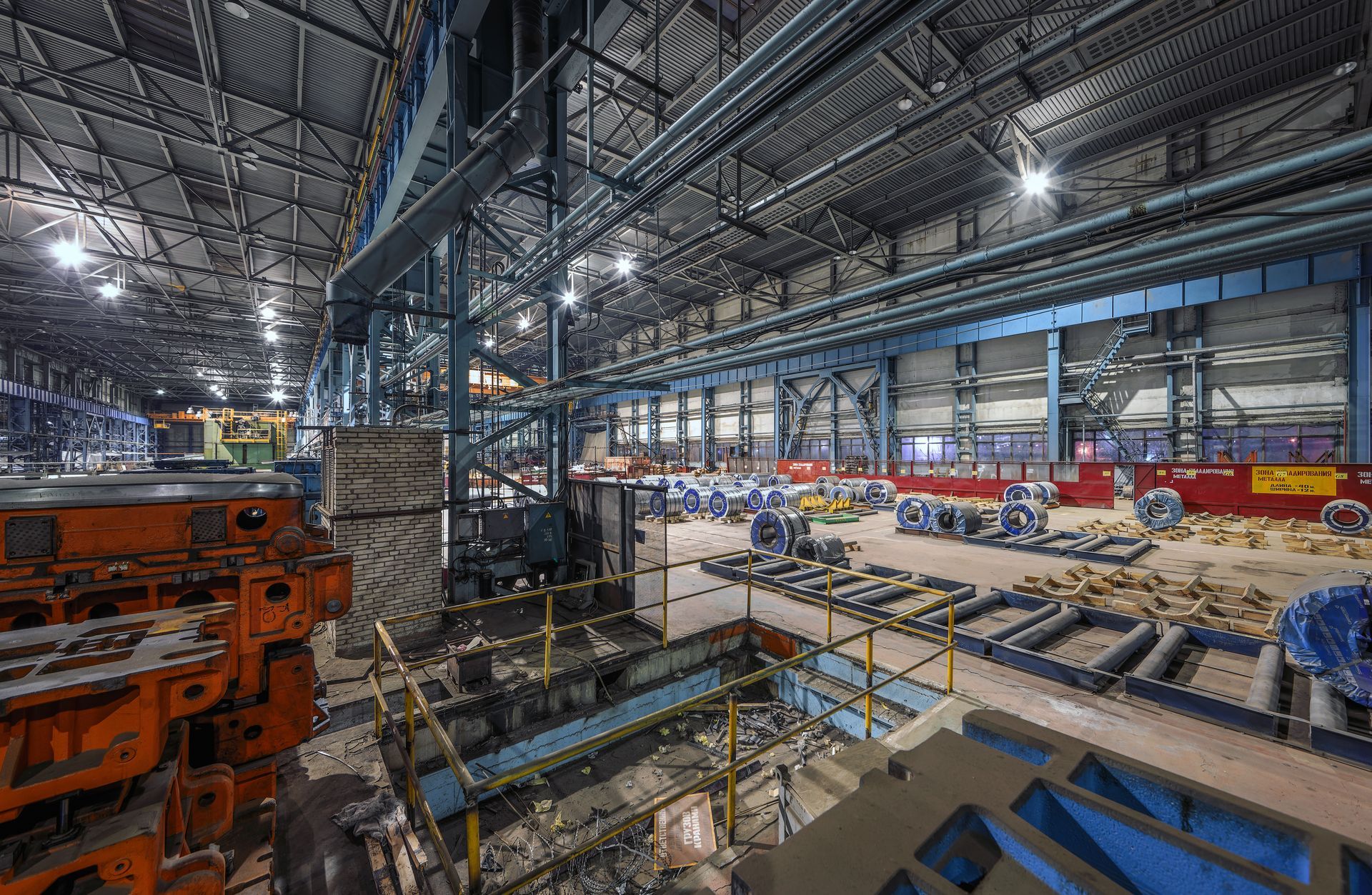
Equipment breakdowns, product liability, and workforce injuries are daily risks for Texas manufacturers. We build coverage from the shop floor to the loading dock — so one incident does not shut you down.
Artisan Contractors
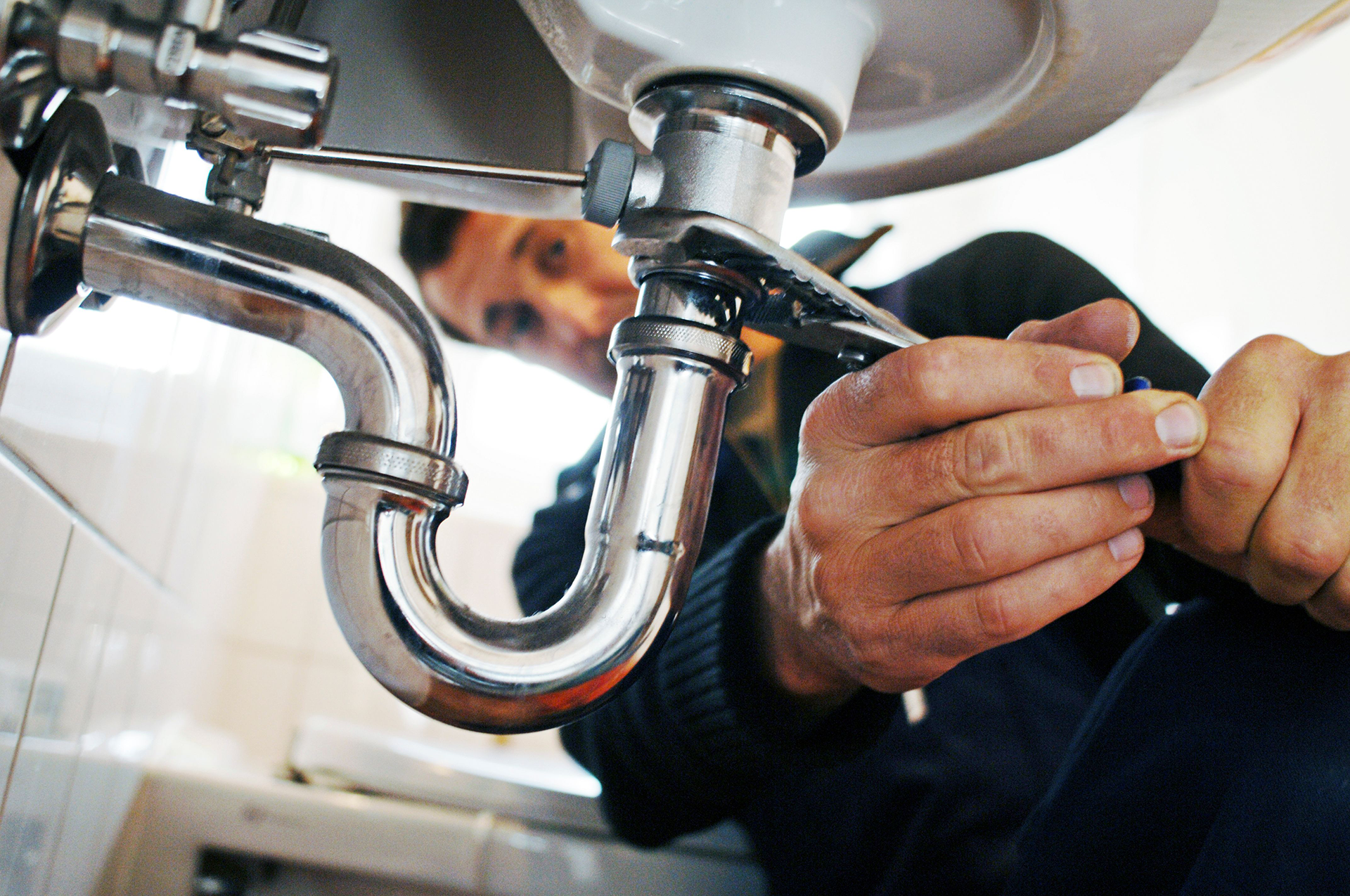
Plumbers, electricians, and skilled tradespeople work in high-risk environments every day. We build coverage around your tools, your vehicles, and your crew — so a job site incident does not stop your business.

Restaurants & Food Service
Restaurants carry liability on every shift — from the kitchen to the dining room and everything in between. We protect your location, your staff, and your equipment, including lost income when operations stop.

Non-Profits Service
Non-profits face unique liability across events, volunteers, staff, and leadership decisions. We cover your organization from the ground up — so you can focus on your mission, not your exposure.

Event Insurance
Event organizers face liability the moment guests arrive, vendors set up, and alcohol is served. We cover your event from start to finish — so one unexpected incident does not cancel everything you planned for.
Answers Before You Pick Up the Phone
What Texas Businesses Ask Us Most
We get a lot of the same questions from business owners across Texas. Here are honest answers to the ones that come up most.

What information do you need to get a commercial insurance quote?
We keep the process straightforward. We typically need your business name, a description of your operations, your gross annual sales projection, number of full-time and part-time employees, your gross annual payroll, and the types of coverage you are looking for. If you have an existing policy, the expiration date and current carrier help us put together a competitive comparison.
The most important thing you can do is be transparent about what your business actually does. Accurate classification ensures you have real coverage if a claim occurs. We have seen businesses with active policies that were incorrectly classified — and those gaps only surface at the worst possible moment.
Does Texas require businesses to carry Workers' Compensation Insurance?
Texas is the only state in the country that does not require most private employers to carry Workers' Compensation. However, if your business holds government contracts or works as a subcontractor on a job site, the hiring company will almost always require proof of coverage before work begins. A growing number of general contractors across Denton and the DFW area enforce this as a standard condition.
Even without a legal requirement, carrying Workers' Comp protects your business from direct liability if an employee is hurt on the job. Medical bills, lost wages, and legal fees can add up quickly — and one serious incident can create a financial loss that far exceeds years of premium payments.
What is a commercial insurance audit and should I expect one?
Most commercial general liability policies are auditable. At the end of your policy term, the insurance carrier reviews your actual gross sales to make sure your premium matched your real exposure. If your sales grew during the year, you may owe an additional premium. If sales came in lower, you could receive a refund.
The best way to avoid a large balance due at audit time is to update your projected gross sales with us during the year if your business grows faster than expected. We can endorse your policy mid-term to reflect the change and spread any additional premium across smaller installments instead of one lump sum at year-end.
What factors affect how much my commercial coverage will cost?
Your premium is calculated based on several variables specific to your operation — industry classification, gross annual sales, number of employees, gross payroll, claims history, and the types of coverage you need. A business that handles physical work with a crew on job sites will pay differently than a professional services firm working out of an office.
As an independent agency, we compare quotes across multiple carriers — including Travelers, The Hartford, Chubb, AmTrust, and others — to find the combination of coverage and price that works for your situation. There is no obligation after your quote, and we walk through every option in plain terms before you decide anything.
My business is a restaurant — what coverage do I actually need?
Restaurants are not a one-size-fits-all class of risk. Carriers look at a range of factors when evaluating a restaurant account: whether you serve alcohol, whether deep frying is involved, the type of fire suppression system in place, whether you have a hood cleaning contract, and whether you offer catering, delivery, or live entertainment. All of these affect both pricing and carrier appetite.
A well-structured restaurant policy typically includes general liability, building and business personal property coverage, liquor liability if applicable, food contamination coverage, business income protection, and workers' compensation for your staff. We work with carriers that actively want to write restaurant accounts in Texas — including Travelers, The Hartford, and Chubb — so you have real options to compare.
Can you help insure a business that is hard to place or outside the mainstream?
Yes — this is one of our strengths. We work with Excess and Surplus (E&S) lines markets through carriers like Burns & Wilcox for businesses that standard carriers will not write. We have placed coverage for master sign electricians, cable splicing operations, transmission rebuild shops for classic cars, CBD retailers, and many other non-standard accounts.
If you have been told your business is difficult to insure or you have received very limited options in the marketplace, reach out to us. We take time to understand your operations in detail, present your account to the right markets, and work to find coverage that actually reflects what you do — not a generic policy that leaves gaps.
Still have Question?
We’re here to help you!
Written for the Texas Business Owner
Insights That Help You Make Smarter Decisions
We publish articles on real topics that affect how Texas operators get covered — from local regulatory updates to coverage gaps most owners do not know they have.