Texas presents unique insurance challenges that standard markets often refuse to touch. From Gulf Coast hurricanes battering coastal properties to hailstorms pummeling commercial roofs in North Texas, businesses across the state face risks that make traditional carriers nervous. When your retail agent hits a wall with standard markets, wholesale brokers like Burns & Wilcox step in to find coverage where others can't.
Finding a Burns & Wilcox wholesale broker in Texas connects retail agents to one of the largest excess and surplus lines specialists in North America. With multiple offices across the state, these wholesale professionals have access to markets and underwriting authority that can mean the difference between a client getting covered or going without protection. For Texas businesses operating in high-risk industries or locations, this access matters.
At Denton Business Insurance, we work with wholesale brokers regularly to place difficult risks for our clients. The reality is that some businesses simply don't fit neatly into standard insurance boxes. A contractor working near the coast, a manufacturer with a tough loss history, or a professional service firm needing specialized liability coverage often requires the expertise that wholesale markets provide. Understanding how to connect with these resources makes retail agents more valuable to their clients and keeps Texas businesses properly protected.
The Role of Burns & Wilcox in the Texas Insurance Market
Burns & Wilcox operates as a wholesale insurance broker and managing general agent, serving as a bridge between retail insurance agents and specialty insurance markets. Rather than selling directly to businesses or individuals, they work exclusively with licensed agents who need access to coverage that standard carriers won't write.
Understanding Wholesale Brokerage and Excess & Surplus Lines
Excess and surplus lines insurance exists for risks that admitted carriers consider too hazardous or unusual. Texas maintains a list of eligible surplus lines insurers through the Texas Department of Insurance, and these non-admitted carriers can write policies that standard markets decline. The trade-off is less regulatory oversight, but the benefit is flexibility in coverage terms and pricing.
Wholesale brokers like Burns & Wilcox maintain relationships with dozens of surplus lines carriers, each with different appetites and specialties. One carrier might excel at coastal property risks while another focuses on professional liability for emerging industries. The wholesale broker's job is matching the risk to the right market and negotiating terms that work for everyone involved.
Why Texas Businesses Require Specialized Risk Coverage
Texas ranks among the most litigious states in the country, with Harris County and Dallas County courts seeing billions in verdicts annually. This legal environment drives up liability costs and makes carriers cautious about certain industries. Add in weather exposure from hurricanes, tornadoes, hail, and flooding, and you've got a state where standard insurance often falls short.
Energy sector businesses, construction firms working on large projects, and companies with international operations frequently need surplus lines coverage. The same goes for newer business models that traditional underwriters haven't figured out how to rate. Cannabis-adjacent businesses, technology startups with unusual liability exposures, and sharing economy companies often land in surplus lines markets by default.


By: Michael Whitaker
Insurance Advisor at
Denton Business Insurance
Locating Burns & Wilcox Offices Across the Lone Star State
Burns & Wilcox maintains a significant presence in Texas, recognizing the state's size and the complexity of its insurance needs. Their regional offices give retail agents local contacts who understand Texas-specific risks and regulations.
Major Hubs: Dallas, Houston, and San Antonio Operations
The Dallas-Fort Worth metroplex serves as a major hub for Burns & Wilcox operations in Texas. This location handles risks across North Texas, where severe convective storms cause some of the highest hail losses in the nation. The 2019 Dallas hailstorm alone caused over $2 billion in insured losses, and underwriters in this region understand the challenge of writing property coverage in hail-prone areas.
Houston operations focus heavily on coastal and energy-related risks. With the Gulf Coast's hurricane exposure and the concentration of oil and gas businesses, Houston-based wholesale brokers deal with some of the most complex commercial risks in the country. San Antonio rounds out the Texas presence, serving South Texas markets and providing additional capacity for statewide placements.
How to Use the Broker Directory for Local Access
Burns & Wilcox maintains an online directory that allows retail agents to locate offices by state and specialty. The process involves identifying your client's primary risk type, finding the appropriate regional office, and submitting an application through the broker's portal or directly to an underwriter.
Most wholesale submissions require complete applications, loss runs for the past five years, and detailed information about the risk. Incomplete submissions slow everything down. Experienced retail agents gather all documentation before reaching out, which speeds up the quoting process considerably.
Core Insurance Products Offered by Texas Wholesale Brokers
| Coverage Type | Common Texas Applications | Typical Limits |
|---|---|---|
| Commercial Property | Coastal buildings, hail-prone areas | $1M - $50M+ |
| General Liability | Contractors, manufacturers | $1M/$2M aggregate |
| Professional Liability | Tech firms, consultants | $1M - $5M |
| Excess Liability | High-risk operations | $5M - $25M |
| Inland Marine | Equipment, cargo | Varies by value |
Commercial Property and Casualty for Texas Industries
Commercial property coverage through surplus lines often addresses risks that standard markets won't touch. Buildings with older roofs in hail-prone areas, properties in Tier 1 wind zones along the coast, and structures with occupancies that carriers consider hazardous all end up in wholesale markets.
Casualty coverage follows similar patterns. A general contractor with a poor loss history might find standard markets unwilling to quote, but surplus lines carriers specialize in accounts that need improvement. The premiums are typically higher, but the alternative is going without coverage entirely.
Professional Liability and Specialty Personal Lines
Professional liability coverage through wholesale channels serves industries that standard carriers avoid. Technology companies with cyber exposures, consultants working in specialized fields, and professionals in emerging industries often need surplus lines solutions. Coverage forms can be customized more easily than admitted market policies, allowing for endorsements that address specific client concerns.
Specialty personal lines include high-value homes, collections, and personal umbrella coverage for individuals with complex asset profiles. Texas has no shortage of high-net-worth individuals needing coverage that goes beyond what standard personal lines carriers offer.
Coastal Coverage Solutions for Gulf Regions
The Texas Windstorm Insurance Association handles wind coverage for many coastal properties, but TWIA has limitations. Surplus lines markets can provide wind coverage, often with better terms than TWIA for qualifying properties. They also write flood coverage outside the National Flood Insurance Program, which can offer higher limits and broader coverage.
After Hurricane Harvey
dumped over 60 inches of rain on parts of Houston in 2017, flood coverage became a priority for inland properties that had never flooded before. Surplus lines carriers responded with products addressing these emerging risks, filling gaps that standard markets weren't equipped to handle.

Benefits of Partnering with a Local Burns & Wilcox Agent
Working with a Texas-based wholesale broker provides advantages that out-of-state operations can't match. Local knowledge translates directly into better coverage recommendations and faster service.
Expertise in Texas-Specific Regulatory Compliance
Texas surplus lines regulations require specific disclosures, tax filings, and documentation. A wholesale broker familiar with Texas Department of Insurance requirements ensures compliance without the retail agent needing to become an expert in surplus lines procedures. The broker handles stamping fees, filing requirements, and policy documentation.
Texas also has unique rules around certain coverage types. Workers' compensation remains optional for private employers, making Texas the only state with this distinction. Wholesale brokers understand how this affects liability exposures and can structure coverage accordingly.
Faster Quote Turnaround and Underwriting Access
Local wholesale operations typically provide faster response times than distant offices. When a retail agent in Denton needs a quote for a difficult risk, working with a Dallas-based wholesale broker means same-timezone communication and often same-day responses on straightforward submissions.
Established wholesale brokers also have binding authority on certain classes of business, meaning they can issue policies without waiting for carrier approval on every risk. This authority speeds up the process considerably for qualifying accounts.
Steps for Retail Agents to Connect with a Texas Wholesale Broker
Getting started with wholesale markets requires preparation and realistic expectations. Here's what the process typically looks like:
- Gather complete submission information including applications, loss runs, and any supplemental documentation the risk requires
- Identify the appropriate wholesale broker based on the type of coverage needed and geographic location
- Submit through the broker's preferred method, whether online portal, email, or direct contact
- Respond promptly to underwriting questions, as delays kill deals in surplus lines markets
- Review quotes carefully, paying attention to coverage terms and not just premium
- Bind coverage within the quote validity period, typically 30 days
At Denton Business Insurance, we've found that building relationships with specific underwriters at wholesale brokers pays dividends over time. When they know your submission quality and understand your client base, quotes come back faster and coverage terms improve.
Frequently Asked Questions
Can any insurance agent access Burns & Wilcox wholesale markets? Only licensed insurance agents can submit business to wholesale brokers. Individual businesses cannot work directly with wholesale markets and must go through a retail agent.
How long does it take to get a quote from a surplus lines broker? Simple risks might quote within 24-48 hours. Complex commercial accounts can take one to two weeks, especially if underwriters need additional information or inspections.
Are surplus lines policies less reliable than standard market coverage? Surplus lines carriers must meet financial requirements to operate in Texas, though they're not backed by state guaranty funds. Checking carrier ratings through A.M. Best, looking for A- or better, helps ensure financial stability.
What types of businesses typically need wholesale market placement? Contractors with poor loss history, coastal properties, professional service firms in specialized fields, and any business that standard carriers have declined often end up in surplus lines markets.
Does using a wholesale broker cost more?
Wholesale brokers add their fee to the transaction, but they often access better rates than retail agents could find independently. The net cost frequently ends up lower than alternatives.
Making the Right Connection
Finding the right wholesale broker relationship takes time but pays off when your clients face difficult risks. Texas businesses deal with exposures that standard markets weren't designed to handle, and having access to surplus lines solutions keeps them protected when it matters most.
Whether you're a retail agent looking to expand your placement capabilities or a business owner wondering why your agent keeps mentioning wholesale markets, understanding this layer of the insurance system helps everyone make better decisions. The coverage exists for risks that need it. The key is knowing how to access it efficiently.
Straight from the Clients We Serve
Texas Business Owners Rate Us 5 Stars — Here Is Why
We hear the same things repeatedly: fast service, honest advice, and coverage that made sense for their situation. That is what we aim for every time.

Protection Across Every Area of Your BUSINESS
What Texas Businesses Need. What We Deliver.
From your job site and your fleet to your data and your payroll — we cover the risks that Texas businesses carry every day.
General Liability
Covers third-party claims of bodily injury, property damage, and advertising injury. A foundational protection for nearly every Texas business, regardless of industry or size.
Commercial Property
Covers your building, equipment, inventory, and business contents against fire, theft, storms, and vandalism. Can also include lost income if your businesses are forced to stop.
Commercial Auto
Protects vehicles your company owns, leases, or uses for work. Covers liability, collision damage, and injuries for employees driving on company time.
Errors & Omissions
Protects service providers when a client claims your advice, work, or recommendations caused them a financial loss. Critical for consultants, IT firms, agents, and other professional service businesses.
Directors & Officers
Covers leadership decisions that result in claims from employees, investors, or outside parties. Protects your directors and officers personally when management decisions are challenged.
Inland Marine & Equipment Floater
Covers tools, materials, and equipment that move between job sites or are stored off your primary property. Fills the gap where a standard commercial property policy stops.
Every Sector Has Its Own Risk Profile
We Know Your Trade. We Know Your Exposure.
We work with a wide range of Texas industries — each with different coverage priorities. Below are the sectors we serve most often.

Apartment Complexes
Texas apartment owners face liability across common areas, tenant incidents, and on-site staff. We cover your property, your income, and your exposure — across one complex or an entire portfolio.
Manufacturing Businesses
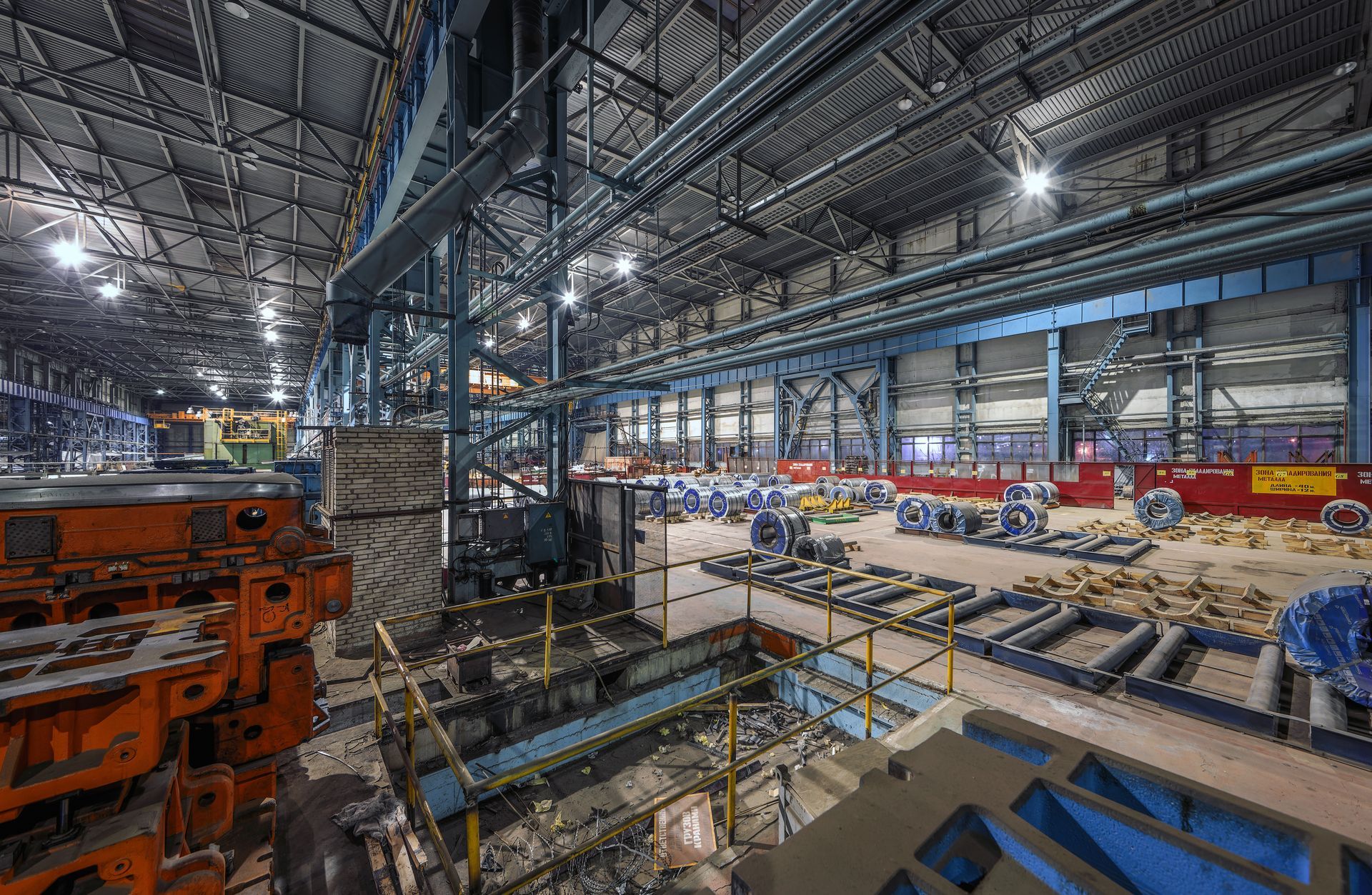
Equipment breakdowns, product liability, and workforce injuries are daily risks for Texas manufacturers. We build coverage from the shop floor to the loading dock — so one incident does not shut you down.
Artisan Contractors
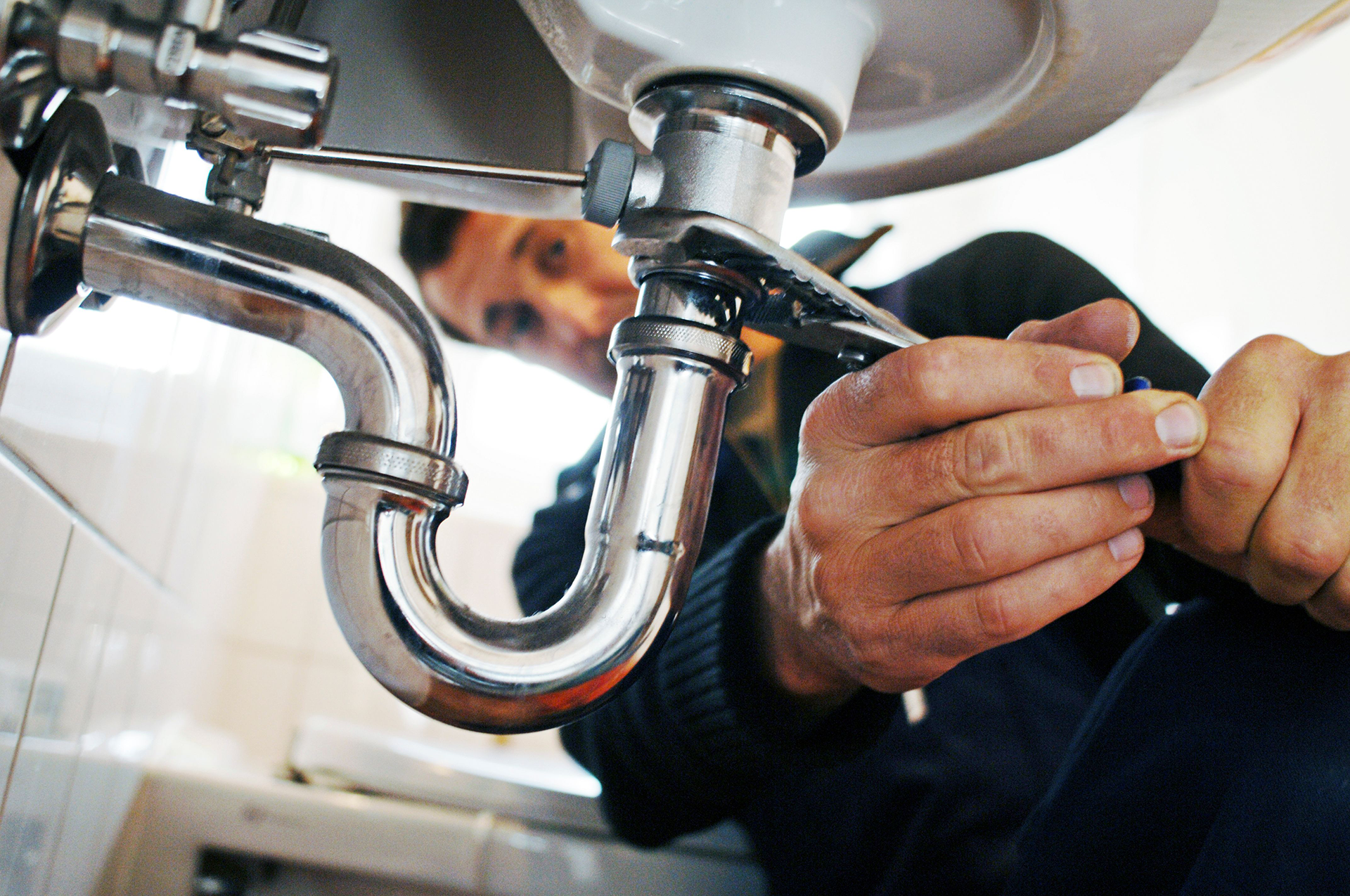
Plumbers, electricians, and skilled tradespeople work in high-risk environments every day. We build coverage around your tools, your vehicles, and your crew — so a job site incident does not stop your business.

Restaurants & Food Service
Restaurants carry liability on every shift — from the kitchen to the dining room and everything in between. We protect your location, your staff, and your equipment, including lost income when operations stop.

Non-Profits Service
Non-profits face unique liability across events, volunteers, staff, and leadership decisions. We cover your organization from the ground up — so you can focus on your mission, not your exposure.

Event Insurance
Event organizers face liability the moment guests arrive, vendors set up, and alcohol is served. We cover your event from start to finish — so one unexpected incident does not cancel everything you planned for.
Answers Before You Pick Up the Phone
What Texas Businesses Ask Us Most
We get a lot of the same questions from business owners across Texas. Here are honest answers to the ones that come up most.
What information do you need to get a commercial insurance quote?
We keep the process straightforward. We typically need your business name, a description of your operations, your gross annual sales projection, number of full-time and part-time employees, your gross annual payroll, and the types of coverage you are looking for. If you have an existing policy, the expiration date and current carrier help us put together a competitive comparison.
The most important thing you can do is be transparent about what your business actually does. Accurate classification ensures you have real coverage if a claim occurs. We have seen businesses with active policies that were incorrectly classified — and those gaps only surface at the worst possible moment.
Does Texas require businesses to carry Workers' Compensation Insurance?
Texas is the only state in the country that does not require most private employers to carry Workers' Compensation. However, if your business holds government contracts or works as a subcontractor on a job site, the hiring company will almost always require proof of coverage before work begins. A growing number of general contractors across Denton and the DFW area enforce this as a standard condition.
Even without a legal requirement, carrying Workers' Comp protects your business from direct liability if an employee is hurt on the job. Medical bills, lost wages, and legal fees can add up quickly — and one serious incident can create a financial loss that far exceeds years of premium payments.
What is a commercial insurance audit and should I expect one?
Most commercial general liability policies are auditable. At the end of your policy term, the insurance carrier reviews your actual gross sales to make sure your premium matched your real exposure. If your sales grew during the year, you may owe an additional premium. If sales came in lower, you could receive a refund.
The best way to avoid a large balance due at audit time is to update your projected gross sales with us during the year if your business grows faster than expected. We can endorse your policy mid-term to reflect the change and spread any additional premium across smaller installments instead of one lump sum at year-end.
What factors affect how much my commercial coverage will cost?
Your premium is calculated based on several variables specific to your operation — industry classification, gross annual sales, number of employees, gross payroll, claims history, and the types of coverage you need. A business that handles physical work with a crew on job sites will pay differently than a professional services firm working out of an office.
As an independent agency, we compare quotes across multiple carriers — including Travelers, The Hartford, Chubb, AmTrust, and others — to find the combination of coverage and price that works for your situation. There is no obligation after your quote, and we walk through every option in plain terms before you decide anything.
My business is a restaurant — what coverage do I actually need?
Restaurants are not a one-size-fits-all class of risk. Carriers look at a range of factors when evaluating a restaurant account: whether you serve alcohol, whether deep frying is involved, the type of fire suppression system in place, whether you have a hood cleaning contract, and whether you offer catering, delivery, or live entertainment. All of these affect both pricing and carrier appetite.
A well-structured restaurant policy typically includes general liability, building and business personal property coverage, liquor liability if applicable, food contamination coverage, business income protection, and workers' compensation for your staff. We work with carriers that actively want to write restaurant accounts in Texas — including Travelers, The Hartford, and Chubb — so you have real options to compare.
Can you help insure a business that is hard to place or outside the mainstream?
Yes — this is one of our strengths. We work with Excess and Surplus (E&S) lines markets through carriers like Burns & Wilcox for businesses that standard carriers will not write. We have placed coverage for master sign electricians, cable splicing operations, transmission rebuild shops for classic cars, CBD retailers, and many other non-standard accounts.
If you have been told your business is difficult to insure or you have received very limited options in the marketplace, reach out to us. We take time to understand your operations in detail, present your account to the right markets, and work to find coverage that actually reflects what you do — not a generic policy that leaves gaps.
Still have Question?
We’re here to help you!
Written for the Texas Business Owner
Insights That Help You Make Smarter Decisions
We publish articles on real topics that affect how Texas operators get covered — from local regulatory updates to coverage gaps most owners do not know they have.