Texas Product Liability Insurance for Food Manufacturers

See How We're Different
Call Us: (940) 268-5112
A single batch of contaminated salsa can cost a Texas food manufacturer everything they've built. We're not talking about a minor setback or a bad quarter. We're talking about lawsuits, recalls, regulatory shutdowns, and a brand reputation that took years to establish disappearing overnight. The reality is stark: Texas ranks among the top states for food manufacturing, with thousands of facilities producing everything from tortillas to craft beverages, and every one of them faces contamination risks that standard business insurance simply doesn't cover.
Product liability insurance designed specifically for food manufacturers addresses the unique dangers of putting consumable products into the marketplace. When contamination happens, whether from pathogens like Salmonella or E. coli, foreign objects, or spoilage during distribution, the financial exposure can reach into the millions. Texas courts have historically sided with consumers in food safety cases, and the strict liability standards in this state mean manufacturers can be held responsible even when they followed every protocol correctly.
Working with food manufacturers across Texas, we've seen how the right contamination coverage can mean the difference between surviving a crisis and closing the doors permanently. The policies available today go far beyond basic liability, offering protection for recall expenses, business interruption, and even the costs of rebuilding consumer trust after an incident.
The Essential Role of Product Liability in Texas Food Manufacturing
Texas food manufacturers operate in a high-stakes environment where a single contamination event can trigger cascading consequences. The state's food processing industry generates billions in annual revenue, and that scale brings proportional risk. Standard general liability policies typically exclude or severely limit coverage for product-related claims, leaving manufacturers exposed precisely when they need protection most.
Unique Risks for the Texas Food and Beverage Industry
The Texas climate creates specific challenges that manufacturers in cooler states don't face. Summer temperatures regularly exceed 100°F, stressing cold chain logistics and increasing spoilage risks during transportation. Facilities in the Gulf Coast region deal with humidity levels that can promote mold growth and bacterial contamination if environmental controls fail even briefly.
Distribution networks in Texas also span enormous distances. A manufacturer in El Paso might ship products 800 miles to Houston, with multiple temperature handoffs along the way. Each transfer point represents a potential contamination risk. The state's position as a major export hub to Mexico adds international regulatory complexity that domestic-only producers don't encounter.
State-Specific Legal Standards and Strict Liability
Texas applies strict liability to product defect cases, including contamination. This means a plaintiff doesn't need to prove negligence or fault. They only need to demonstrate that the product was defective and caused harm. For food manufacturers, this legal framework creates significant exposure even when quality control systems functioned properly.
Recent Texas court decisions have awarded substantial damages in foodborne illness cases. A 2022 case in Harris County resulted in a $2.3 million verdict against a regional processor after a Listeria outbreak. The manufacturer had passed all recent inspections and maintained proper documentation, but strict liability still applied. Insurance carriers evaluate these legal precedents when underwriting policies, which directly affects both availability and pricing for Texas manufacturers.

By: Linda Dodson
Agency Director at
Denton Business Insurance
Understanding Contamination and Spoilage Coverage
Standard product liability policies often contain exclusions that leave food manufacturers vulnerable to their most likely claims. Contamination coverage addresses these gaps specifically, providing protection tailored to the realities of food production.
Accidental vs. Malicious Contamination Scenarios
Accidental contamination represents the most common exposure. Equipment failures, ingredient supplier issues, processing errors, and storage problems can all introduce harmful substances into finished products. A properly structured policy covers defense costs and settlements when consumers suffer illness or injury from these incidents.
Malicious contamination presents a different risk profile entirely. While less common, intentional tampering or sabotage by disgruntled employees, competitors, or random bad actors does occur. Many standard policies exclude intentional acts, but endorsements are available that extend coverage to malicious contamination scenarios. Given the potential for catastrophic harm and resulting lawsuits, this coverage deserves serious consideration.
Pathogen Outbreaks and Foodborne Illness Protection
Pathogen contamination claims often involve multiple plaintiffs. A single batch of contaminated product can sicken dozens or hundreds of consumers, each with potential claims for medical expenses, lost wages, and pain and suffering. These mass tort situations require coverage limits substantially higher than single-incident claims.
| Coverage Type | Typical Limits | Best For |
|---|---|---|
| Basic Product Liability | $1M per occurrence / $2M aggregate | Small-scale local distribution |
| Enhanced Contamination | $2M-$5M per occurrence | Regional distribution networks |
| Comprehensive Food Manufacturing | $5M-$10M+ per occurrence | National distribution or export |
The difference between adequate and inadequate limits often becomes apparent only after an incident occurs. At Denton Business Insurance, we've helped manufacturers assess their actual exposure based on distribution scope and production volume rather than simply choosing the cheapest available option.
Critical Policy Components Beyond Standard Liability
Defense costs and settlement payments represent only part of the financial impact when contamination occurs. Modern food manufacturing policies include several additional coverages that address the full scope of potential losses.
Product Withdrawal and Recall Expense Reimbursement
Recall expenses can dwarf the actual liability claims from an incident. Transportation costs to retrieve products from retail locations, disposal fees for contaminated inventory, replacement product costs, and consumer notification expenses add up rapidly. A regional recall can easily exceed $500,000 in direct expenses before any liability claims are filed.
Recall coverage typically operates as a separate policy or endorsement rather than part of standard product liability. The trigger mechanisms vary between carriers. Some policies require a government-mandated recall, while others cover voluntary withdrawals when the manufacturer identifies a potential hazard. The voluntary recall trigger provides more flexibility but typically costs more in premium.
Business Interruption and Loss of Income Coverage
Contamination events often force production shutdowns while facilities undergo investigation, cleaning, and regulatory re-approval. These shutdowns can last weeks or months, during which fixed costs continue while revenue stops. Business interruption coverage replaces lost income during these periods.
Coverage limits should reflect realistic shutdown scenarios. A facility producing perishable products might need three to six months of coverage to account for regulatory investigation timelines and the process of rebuilding supplier and customer relationships after an incident.
Rehabilitation Costs for Brand Reputation
Consumer trust, once damaged, requires significant investment to rebuild. Crisis communication consultants, public relations campaigns, and marketing initiatives to restore brand image all carry substantial costs. Some specialized food manufacturing policies include coverage for these reputation rehabilitation expenses.
This coverage remains relatively uncommon but increasingly valuable. Social media amplifies contamination incidents far beyond their actual scope, and the reputational damage can persist long after the immediate crisis resolves.
Insurance eligibility and premium pricing both depend heavily on regulatory compliance. Carriers view compliance as a proxy for overall risk management quality, and facilities with strong compliance records typically access better coverage terms.
FSMA Compliance and Insurance Eligibility
The Food Safety Modernization Act established federal standards that most food manufacturers must meet. Carriers increasingly require evidence of FSMA compliance before offering coverage, and facilities without proper documentation may face declinations or substantial premium surcharges.
Key FSMA requirements that insurers evaluate include hazard analysis documentation, preventive controls implementation, supply chain verification programs, and recall plan development. Facilities that can demonstrate mature compliance programs often qualify for premium credits of 10-20%.
Texas Department of State Health Services (DSHS) Standards
Texas-specific requirements layer on top of federal standards. DSHS conducts facility inspections and maintains licensing requirements that vary by product type. Dairy processors, meat facilities, and beverage manufacturers each face distinct regulatory frameworks.
Inspection history directly affects insurance underwriting. Facilities with recent violations or warning letters may face coverage restrictions or exclusions related to the specific issues identified. Conversely, a clean inspection record over multiple years supports favorable underwriting treatment.
Premium calculations for food manufacturing coverage involve numerous variables. Understanding these factors helps manufacturers make operational decisions that support better insurance outcomes.
Manufacturing Volume and Distribution Scope
Annual revenue and production volume establish baseline premium calculations. A facility producing $10 million in annual product faces different exposure than one producing $500,000, and premiums scale accordingly.
Distribution geography matters as much as volume. Products sold only within Texas present different risk profiles than those shipped nationally or internationally. Export products face additional regulatory frameworks and potential claims from foreign jurisdictions.
Quality Control Protocols and HACCP Documentation
Hazard Analysis Critical Control Point (HACCP) documentation demonstrates systematic risk management. Carriers review these programs during underwriting, and facilities with comprehensive, well-maintained HACCP systems typically receive preferential treatment.
Third-party audits and certifications also influence pricing.
SQF,
BRC, and similar certifications signal commitment to food safety that carriers reward with better terms. The audit investment often pays for itself through premium savings over time.
Frequently Asked Questions
How much does product liability insurance cost for a Texas food manufacturer? Premiums typically range from $3,000 to $25,000 annually for small to mid-sized operations, depending on product type, volume, and distribution scope. High-risk products like raw proteins or products for vulnerable populations cost more.
Does general liability cover food contamination claims? Usually not adequately. Most GL policies contain product exclusions or sublimits that leave significant gaps. Dedicated product liability coverage addresses these exposures properly.
What triggers a recall coverage policy? Triggers vary by carrier. Some require government-mandated recalls, while others cover voluntary withdrawals. Review trigger language carefully before purchasing.
How long does it take to get coverage in place? Standard policies typically bind within one to two weeks after application. Complex operations or facilities with compliance issues may require longer underwriting review.
Do I need coverage if I only sell at farmers markets? Yes. Even small-scale direct sales create liability exposure. Policies for limited distribution operations are available at lower premiums than commercial manufacturing coverage.
Securing the Right Coverage for Your Texas Food Facility
Finding appropriate contamination coverage requires evaluating your specific operation rather than purchasing generic policies. Product types, distribution channels, regulatory history, and quality control systems all affect both coverage needs and available options.
Working with an independent agency like Denton Business Insurance provides access to multiple carriers, including specialists in food manufacturing coverage. We compare options from Travelers, Chubb, and other A-rated carriers to find policies that match your actual exposure rather than simply meeting minimum requirements.
The time to secure proper coverage is before an incident occurs. Contamination events happen without warning, and manufacturers who wait until they've had a problem often find coverage unavailable or prohibitively expensive. Contact our team to review your current coverage and identify any gaps that could leave your Texas food manufacturing operation exposed.
Straight from the Clients We Serve
Texas Business Owners Rate Us 5 Stars — Here Is Why
We hear the same things repeatedly: fast service, honest advice, and coverage that made sense for their situation. That is what we aim for every time.
Protection Across Every Area of Your BUSINESS
What Texas Businesses Need. What We Deliver.
From your job site and your fleet to your data and your payroll — we cover the risks that Texas businesses carry every day.
General Liability
Covers third-party claims of bodily injury, property damage, and advertising injury. A foundational protection for nearly every Texas business, regardless of industry or size.
Commercial Property
Covers your building, equipment, inventory, and business contents against fire, theft, storms, and vandalism. Can also include lost income if your businesses are forced to stop.
Commercial Auto
Protects vehicles your company owns, leases, or uses for work. Covers liability, collision damage, and injuries for employees driving on company time.
Errors & Omissions
Protects service providers when a client claims your advice, work, or recommendations caused them a financial loss. Critical for consultants, IT firms, agents, and other professional service businesses.
Directors & Officers
Covers leadership decisions that result in claims from employees, investors, or outside parties. Protects your directors and officers personally when management decisions are challenged.
Inland Marine & Equipment Floater
Covers tools, materials, and equipment that move between job sites or are stored off your primary property. Fills the gap where a standard commercial property policy stops.
Every Sector Has Its Own Risk Profile
We Know Your Trade. We Know Your Exposure.
We work with a wide range of Texas industries — each with different coverage priorities. Below are the sectors we serve most often.

Apartment Complexes
Texas apartment owners face liability across common areas, tenant incidents, and on-site staff. We cover your property, your income, and your exposure — across one complex or an entire portfolio.
Manufacturing Businesses
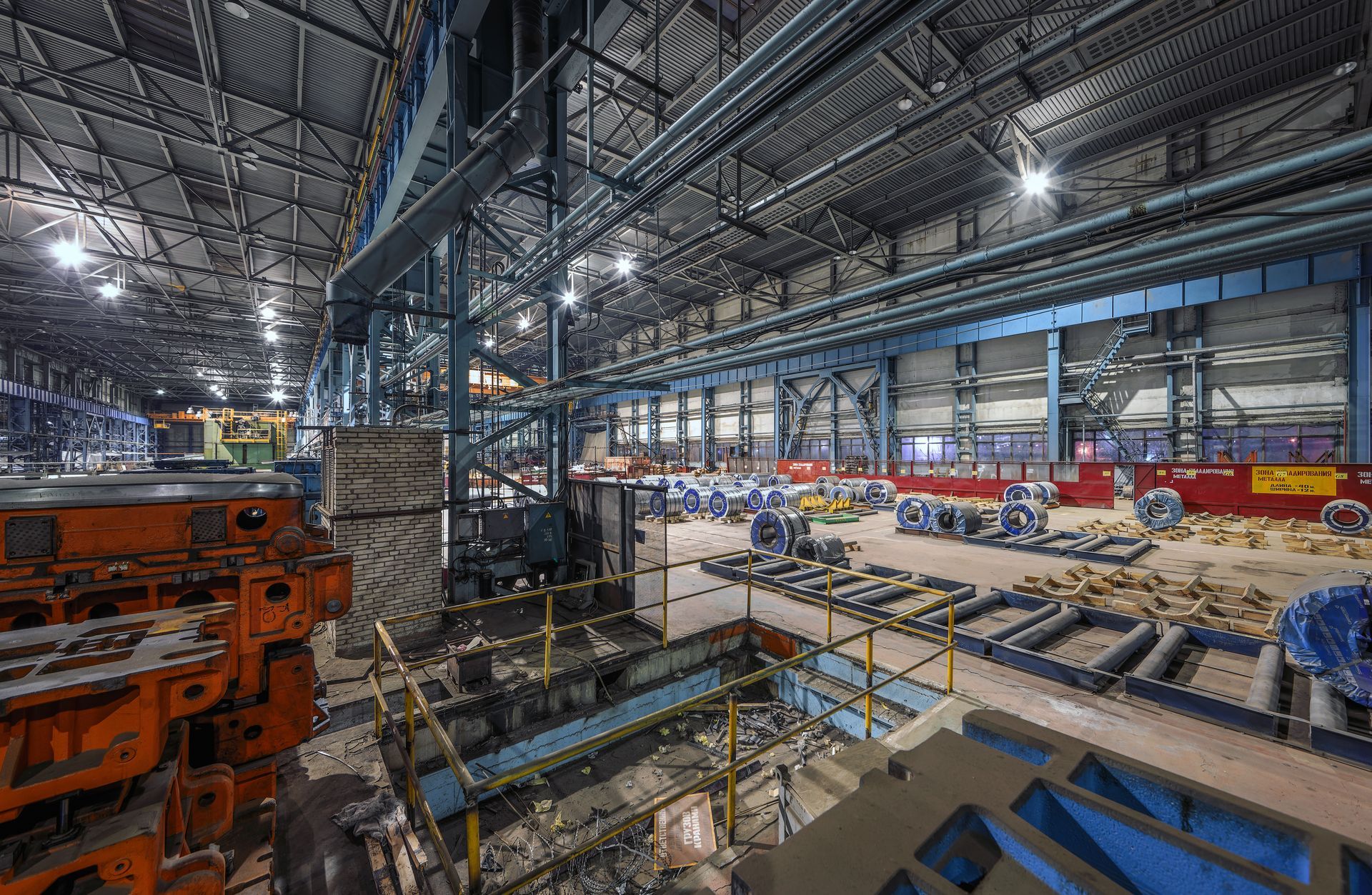
Equipment breakdowns, product liability, and workforce injuries are daily risks for Texas manufacturers. We build coverage from the shop floor to the loading dock — so one incident does not shut you down.
Artisan Contractors
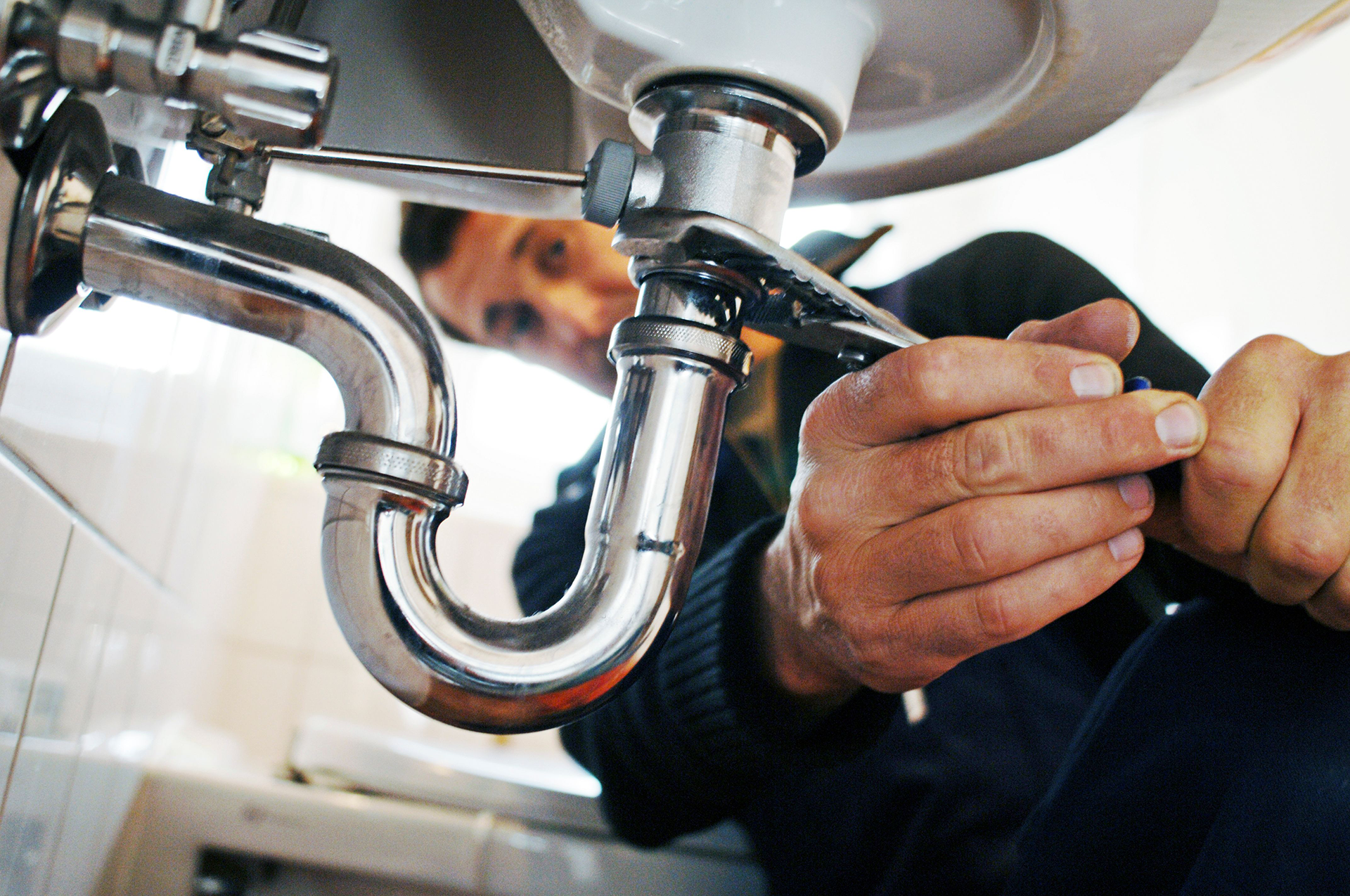
Plumbers, electricians, and skilled tradespeople work in high-risk environments every day. We build coverage around your tools, your vehicles, and your crew — so a job site incident does not stop your business.
Restaurants & Food Service
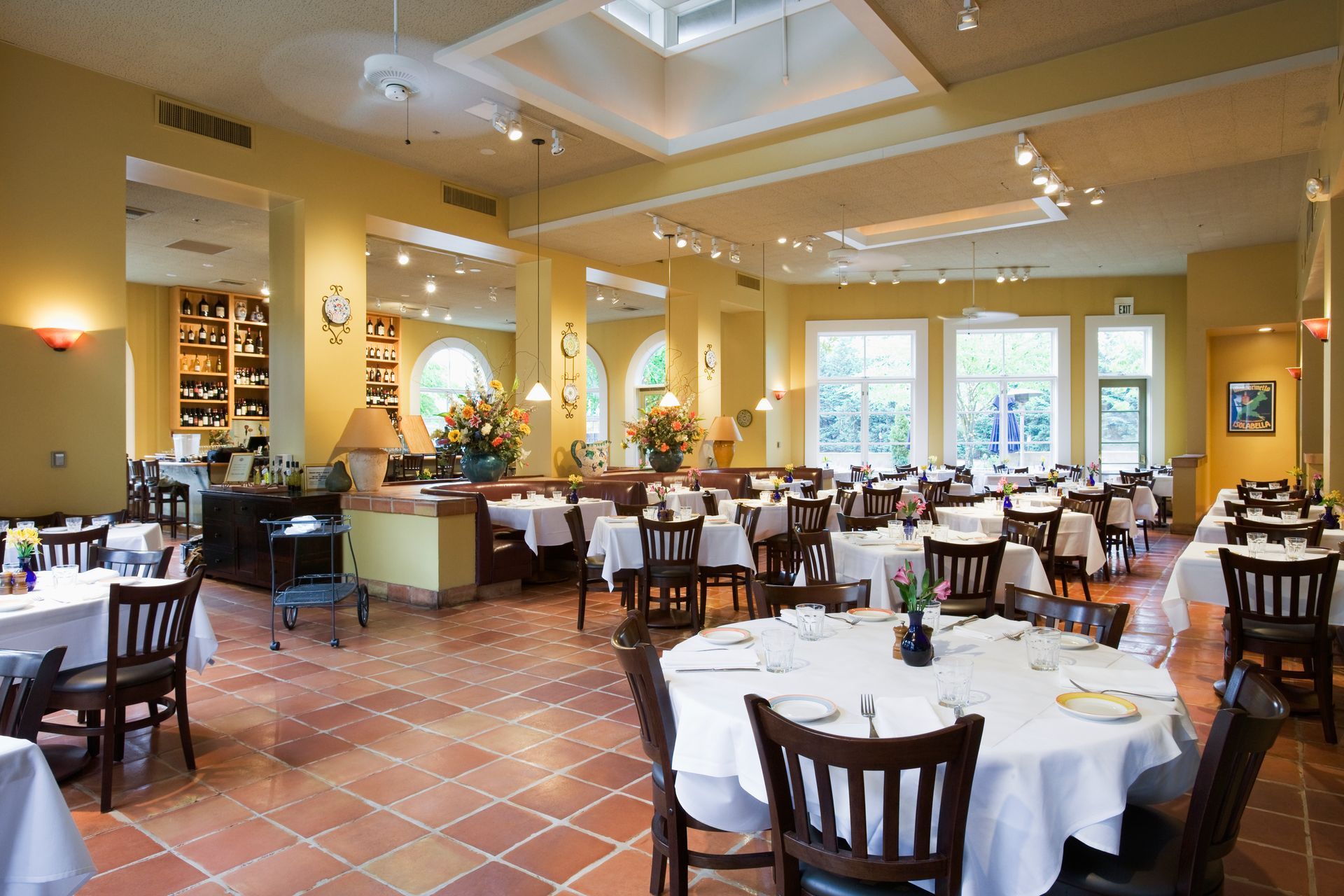
Restaurants carry liability on every shift — from the kitchen to the dining room and everything in between. We protect your location, your staff, and your equipment, including lost income when operations stop.

Non-Profits Service
Non-profits face unique liability across events, volunteers, staff, and leadership decisions. We cover your organization from the ground up — so you can focus on your mission, not your exposure.

Event Insurance
Event organizers face liability the moment guests arrive, vendors set up, and alcohol is served. We cover your event from start to finish — so one unexpected incident does not cancel everything you planned for.
Answers Before You Pick Up the Phone
What Texas Businesses Ask Us Most
We get a lot of the same questions from business owners across Texas. Here are honest answers to the ones that come up most.

What information do you need to get a commercial insurance quote?
We keep the process straightforward. We typically need your business name, a description of your operations, your gross annual sales projection, number of full-time and part-time employees, your gross annual payroll, and the types of coverage you are looking for. If you have an existing policy, the expiration date and current carrier help us put together a competitive comparison.
The most important thing you can do is be transparent about what your business actually does. Accurate classification ensures you have real coverage if a claim occurs. We have seen businesses with active policies that were incorrectly classified — and those gaps only surface at the worst possible moment.
Does Texas require businesses to carry Workers' Compensation Insurance?
Texas is the only state in the country that does not require most private employers to carry Workers' Compensation. However, if your business holds government contracts or works as a subcontractor on a job site, the hiring company will almost always require proof of coverage before work begins. A growing number of general contractors across Denton and the DFW area enforce this as a standard condition.
Even without a legal requirement, carrying Workers' Comp protects your business from direct liability if an employee is hurt on the job. Medical bills, lost wages, and legal fees can add up quickly — and one serious incident can create a financial loss that far exceeds years of premium payments.
What is a commercial insurance audit and should I expect one?
Most commercial general liability policies are auditable. At the end of your policy term, the insurance carrier reviews your actual gross sales to make sure your premium matched your real exposure. If your sales grew during the year, you may owe an additional premium. If sales came in lower, you could receive a refund.
The best way to avoid a large balance due at audit time is to update your projected gross sales with us during the year if your business grows faster than expected. We can endorse your policy mid-term to reflect the change and spread any additional premium across smaller installments instead of one lump sum at year-end.
What factors affect how much my commercial coverage will cost?
Your premium is calculated based on several variables specific to your operation — industry classification, gross annual sales, number of employees, gross payroll, claims history, and the types of coverage you need. A business that handles physical work with a crew on job sites will pay differently than a professional services firm working out of an office.
As an independent agency, we compare quotes across multiple carriers — including Travelers, The Hartford, Chubb, AmTrust, and others — to find the combination of coverage and price that works for your situation. There is no obligation after your quote, and we walk through every option in plain terms before you decide anything.
My business is a restaurant — what coverage do I actually need?
Restaurants are not a one-size-fits-all class of risk. Carriers look at a range of factors when evaluating a restaurant account: whether you serve alcohol, whether deep frying is involved, the type of fire suppression system in place, whether you have a hood cleaning contract, and whether you offer catering, delivery, or live entertainment. All of these affect both pricing and carrier appetite.
A well-structured restaurant policy typically includes general liability, building and business personal property coverage, liquor liability if applicable, food contamination coverage, business income protection, and workers' compensation for your staff. We work with carriers that actively want to write restaurant accounts in Texas — including Travelers, The Hartford, and Chubb — so you have real options to compare.
Can you help insure a business that is hard to place or outside the mainstream?
Yes — this is one of our strengths. We work with Excess and Surplus (E&S) lines markets through carriers like Burns & Wilcox for businesses that standard carriers will not write. We have placed coverage for master sign electricians, cable splicing operations, transmission rebuild shops for classic cars, CBD retailers, and many other non-standard accounts.
If you have been told your business is difficult to insure or you have received very limited options in the marketplace, reach out to us. We take time to understand your operations in detail, present your account to the right markets, and work to find coverage that actually reflects what you do — not a generic policy that leaves gaps.
Still have Question?
We’re here to help you!
Written for the Texas Business Owner
Insights That Help You Make Smarter Decisions
We publish articles on real topics that affect how Texas operators get covered — from local regulatory updates to coverage gaps most owners do not know they have.