A single contaminated batch of salsa. A faulty component in an automotive part. A children's toy with a choking hazard that slipped past quality control. For Texas businesses, these scenarios aren't hypothetical nightmares: they're real risks that can cost hundreds of thousands of dollars in a matter of days. The average food recall costs between $10 million and $30 million when you factor in retrieval logistics, destroyed inventory, legal fees, and the slow bleed of lost customer trust.
Texas manufacturers and food producers face unique pressures. The state's massive food processing industry, sprawling supply chains, and proximity to international shipping routes create exposure points that businesses in smaller markets simply don't encounter. When a recall hits, standard commercial insurance policies often leave gaping holes in coverage. General liability might cover third-party injury claims, but who pays for the warehouse full of product you need to destroy? Who covers the emergency PR firm you hire at 2 AM when the story breaks?
Product recall insurance fills these gaps, but understanding what you're actually buying requires cutting through industry jargon and carrier fine print. This guide breaks down what Texas businesses need to know about recall coverage for food, consumer goods, and
manufacturing operations.
Understanding Product Recall Risks for Texas Businesses
Texas ranks among the top states for food manufacturing, consumer goods production, and industrial manufacturing. That scale creates opportunity, but it also concentrates risk. A contamination event at a Houston-area food processing facility doesn't just affect local grocery stores: products may have shipped to distribution centers across multiple states before anyone detects the problem.
The financial exposure extends far beyond the contaminated product itself. You're looking at notification costs for potentially thousands of retailers, transportation logistics for retrieval, disposal fees for hazardous materials, and the revenue you lose while production halts. For smaller manufacturers, a single recall can threaten the entire business.
The Difference Between General Liability and Recall Coverage
General liability insurance covers bodily injury and property damage claims from third parties. If someone gets sick from your product and sues, GL responds. What it doesn't cover is the recall itself: the proactive steps you take to pull products from shelves before more people get hurt.
This distinction trips up many business owners. They assume their existing commercial policies will kick in during a crisis, then discover the coverage gap when they're already scrambling to contain damage. Recall insurance is a separate policy designed specifically for the costs of identifying, retrieving, and disposing of defective products, plus the business interruption that follows.
Regulatory Landscape: FSMA and CPSC Compliance in Texas
The FDA's Food Safety Modernization Act (FSMA) shifted food safety from reactive to preventive, requiring documented safety plans and giving regulators broader authority to mandate recalls. Texas food producers must maintain traceability systems that can identify affected product batches within hours, not days.
For consumer goods, the Consumer Product Safety Commission (CPSC) can require recalls and impose civil penalties up to $100,000 per violation. Texas manufacturers selling nationally face federal oversight regardless of where production happens. Having recall coverage that includes regulatory defense costs and compliance expenses isn't optional: it's a business necessity.


By: Michael Whitaker
Insurance Advisor at
Denton Business Insurance
Core Coverage Components for Food and Beverage Recalls
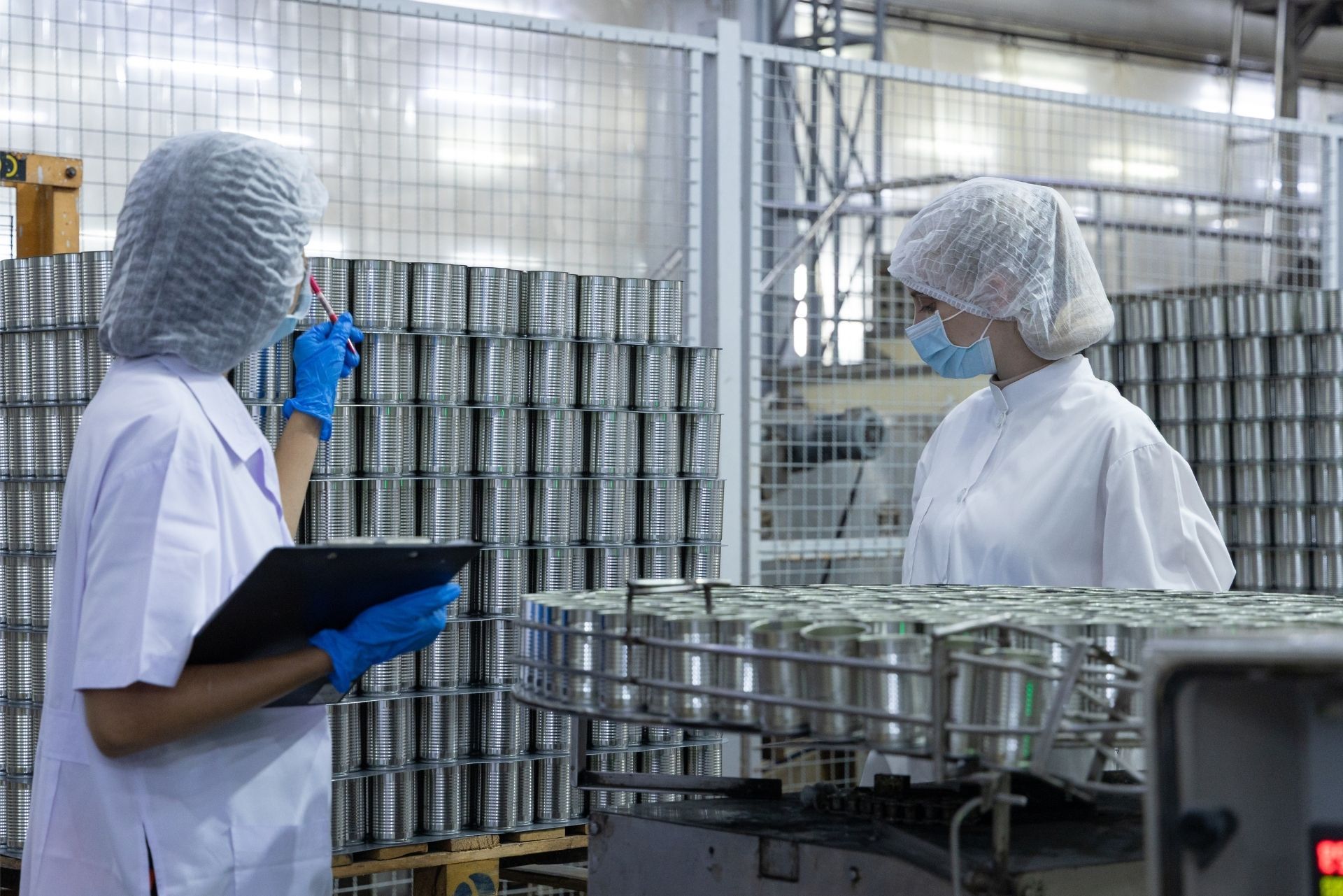
Food and beverage recalls present distinct challenges. Perishability creates urgency, contamination can spread through shared equipment or ingredients, and consumer health consequences can be severe. Policies designed for this sector address these specific exposures.
Accidental Contamination vs. Malicious Tampering
Standard recall policies typically cover accidental contamination: unintentional introduction of pathogens, allergens, or foreign materials during production. This includes equipment failures, employee errors, and ingredient supplier issues.
Malicious tampering coverage, sometimes called product extortion or sabotage coverage, addresses intentional contamination by disgruntled employees, activists, or criminals demanding ransom. These policies often include:
- Extortion payment reimbursement
- Crisis consultant fees
- Law enforcement coordination costs
- Reward money for information leading to arrests
Not all policies include both types of coverage. When working with an independent agency like Denton Business Insurance, you can compare how different carriers structure these coverages and identify gaps before they become problems.
Coverage for Spoilage and Pathogen Outbreaks
Listeria, Salmonella, and E. coli outbreaks dominate food recall headlines. Coverage for pathogen-related recalls should include laboratory testing costs, facility decontamination, and the extended business interruption that follows while you verify the problem is resolved.
Spoilage coverage addresses temperature control failures, refrigeration breakdowns, and transit delays that render products unsaleable. Texas summers create particular exposure here: a truck breakdown on I-35 in August can destroy an entire shipment in hours.
Protecting Consumer Goods and Durable Manufacturing
Non-food manufacturers face different recall triggers but similar financial consequences. Design defects, manufacturing errors, and component failures can all necessitate market withdrawals.
Design Defects and Mechanical Failure Protection
Design defect claims allege the product was inherently dangerous regardless of manufacturing quality. These recalls often affect entire product lines rather than specific batches, dramatically increasing scope and cost.
Coverage considerations for design defects include:
- Product redesign and re-engineering costs
- Retrofit expenses for products already in consumer hands
- Extended replacement programs
- Legal defense for design-related lawsuits
Mechanical failure coverage addresses manufacturing errors that cause specific units to malfunction. The coverage responds to both voluntary recalls and those mandated by regulatory agencies.
Component Part Coverage for Texas Manufacturers
Many Texas manufacturers produce components that other companies incorporate into finished products. If your component causes a recall of the end product, you may face liability for the entire recall cost, not just your component's value.
Component part coverage protects against these downstream exposures. It's particularly relevant for automotive suppliers, electronics manufacturers, and industrial equipment producers operating in Texas's manufacturing corridors around Dallas-Fort Worth and Houston.
Financial Recovery and Reimbursable Recall Costs
Understanding exactly what expenses a policy reimburses helps you evaluate coverage adequacy. The categories below represent typical coverage elements, though specific policy language varies by carrier.
First-Party Expenses: Shipping, Disposal, and Labor
First-party recall costs include everything you spend directly to execute the recall:
| Expense Category | Typical Coverage Elements |
|---|---|
| Transportation | Shipping, freight, courier services for product retrieval |
| Disposal | Destruction, recycling, or safe disposal of recalled products |
| Labor | Overtime, temporary staff, contractor fees |
| Storage | Warehousing costs for recalled inventory awaiting disposition |
| Communication | Customer notification, retailer coordination, hotline setup |
These costs accumulate rapidly. A mid-sized food manufacturer might spend $50,000 or more on logistics alone before addressing any other recall expenses.
Brand Rehabilitation and Crisis Management Services
The damage a recall inflicts on brand reputation often exceeds direct financial losses. Quality recall policies include crisis management coverage that pays for:
- Public relations firm retainers
- Media response coordination
- Consumer outreach campaigns
- Social media monitoring and response
- Reputation restoration advertising
Some carriers maintain pre-approved crisis management firms that policyholders can engage immediately, reducing response time during critical early hours.
Business Interruption and Loss of Profits
Production shutdowns during recall investigations create revenue gaps that standard business interruption policies may not cover. Recall-specific business interruption coverage addresses lost profits during the recall period, including:
- Revenue losses from suspended production
- Fixed costs that continue during shutdown
- Extra expenses to maintain customer relationships
- Costs to restore production capacity
Coverage periods vary significantly between policies. Some provide 12 months of business interruption coverage while others cap at 90 days. For Texas manufacturers with complex supply chains, longer coverage periods provide meaningful additional protection.
Evaluating and Securing the Right Policy in Texas
Purchasing recall coverage requires matching policy terms to your specific risk profile. Cookie-cutter policies often leave gaps that only become apparent during claims.
Determining Appropriate Coverage Limits for Your Industry
Coverage limits should reflect realistic recall scenarios, not just premium budget constraints. Consider these factors:
- Annual revenue and production volume
- Geographic distribution footprint
- Product price points and replacement costs
- Historical recall costs in your industry sector
- Regulatory environment and enforcement trends
Food and beverage manufacturers typically need higher limits than durable goods producers due to perishability and health consequences. A $1 million limit might seem adequate until you're facing a multi-state recall with national media attention.
Working with an independent agency allows you to compare limit options across multiple carriers. Denton Business Insurance regularly helps Texas manufacturers evaluate coverage from carriers like Travelers, Chubb, and specialty insurers that focus specifically on product recall exposures.
Risk Mitigation Strategies to Lower Insurance Premiums
Carriers reward businesses that demonstrate proactive risk management. Premium credits often apply for:
- Documented quality control procedures
- Regular third-party audits and certifications
- Traceability systems that can identify affected batches quickly
- Crisis response plans with designated team members
- Supplier vetting and ingredient verification programs
Investing in these systems provides dual benefits: lower premiums and reduced likelihood of needing to file a claim in the first place.
Frequently Asked Questions
Does my general liability policy cover any recall expenses? General liability covers third-party injury claims but not the recall itself. You need separate recall coverage for retrieval, disposal, and business interruption costs.
How quickly can I get recall coverage in place? Most carriers can bind coverage within 2-4 weeks after completing underwriting. Complex manufacturing operations may require longer review periods.
Are supplier-caused contaminations covered under my policy? Most recall policies cover contamination regardless of source, including supplier-caused issues. However, your carrier may pursue subrogation against the responsible supplier.
What triggers coverage under a recall policy? Policies typically respond to government-mandated recalls, voluntary recalls based on reasonable belief of defect, and third-party claims alleging product defects.
Do I need recall coverage if I only sell within Texas? Yes. State boundaries don't limit your exposure. A Texas-only distribution still creates significant recall costs if contamination or defects occur.
Making the Right Choice for Your Business
Product recall insurance represents a specialized coverage that most Texas businesses don't think about until they need it. The gap between what standard commercial policies cover and what a recall actually costs can be the difference between surviving a crisis and closing your doors.
Getting the right coverage means working with someone who understands both the insurance products available and the specific risks your industry faces. As an independent agency, Denton Business Insurance compares recall coverage options from multiple carriers to find policies that match your actual exposure, not just check a box on your insurance list.
If you're manufacturing food products, consumer goods, or
industrial components in Texas, recall coverage deserves a serious conversation with your insurance advisor. The time to figure out your coverage is before the crisis hits.
Straight from the Clients We Serve
Texas Business Owners Rate Us 5 Stars — Here Is Why
We hear the same things repeatedly: fast service, honest advice, and coverage that made sense for their situation. That is what we aim for every time.

Protection Across Every Area of Your BUSINESS
What Texas Businesses Need. What We Deliver.
From your job site and your fleet to your data and your payroll — we cover the risks that Texas businesses carry every day.
General Liability
Covers third-party claims of bodily injury, property damage, and advertising injury. A foundational protection for nearly every Texas business, regardless of industry or size.
Commercial Property
Covers your building, equipment, inventory, and business contents against fire, theft, storms, and vandalism. Can also include lost income if your businesses are forced to stop.
Commercial Auto
Protects vehicles your company owns, leases, or uses for work. Covers liability, collision damage, and injuries for employees driving on company time.
Errors & Omissions
Protects service providers when a client claims your advice, work, or recommendations caused them a financial loss. Critical for consultants, IT firms, agents, and other professional service businesses.
Directors & Officers
Covers leadership decisions that result in claims from employees, investors, or outside parties. Protects your directors and officers personally when management decisions are challenged.
Inland Marine & Equipment Floater
Covers tools, materials, and equipment that move between job sites or are stored off your primary property. Fills the gap where a standard commercial property policy stops.
Every Sector Has Its Own Risk Profile
We Know Your Trade. We Know Your Exposure.
We work with a wide range of Texas industries — each with different coverage priorities. Below are the sectors we serve most often.

Apartment Complexes
Texas apartment owners face liability across common areas, tenant incidents, and on-site staff. We cover your property, your income, and your exposure — across one complex or an entire portfolio.
Manufacturing Businesses
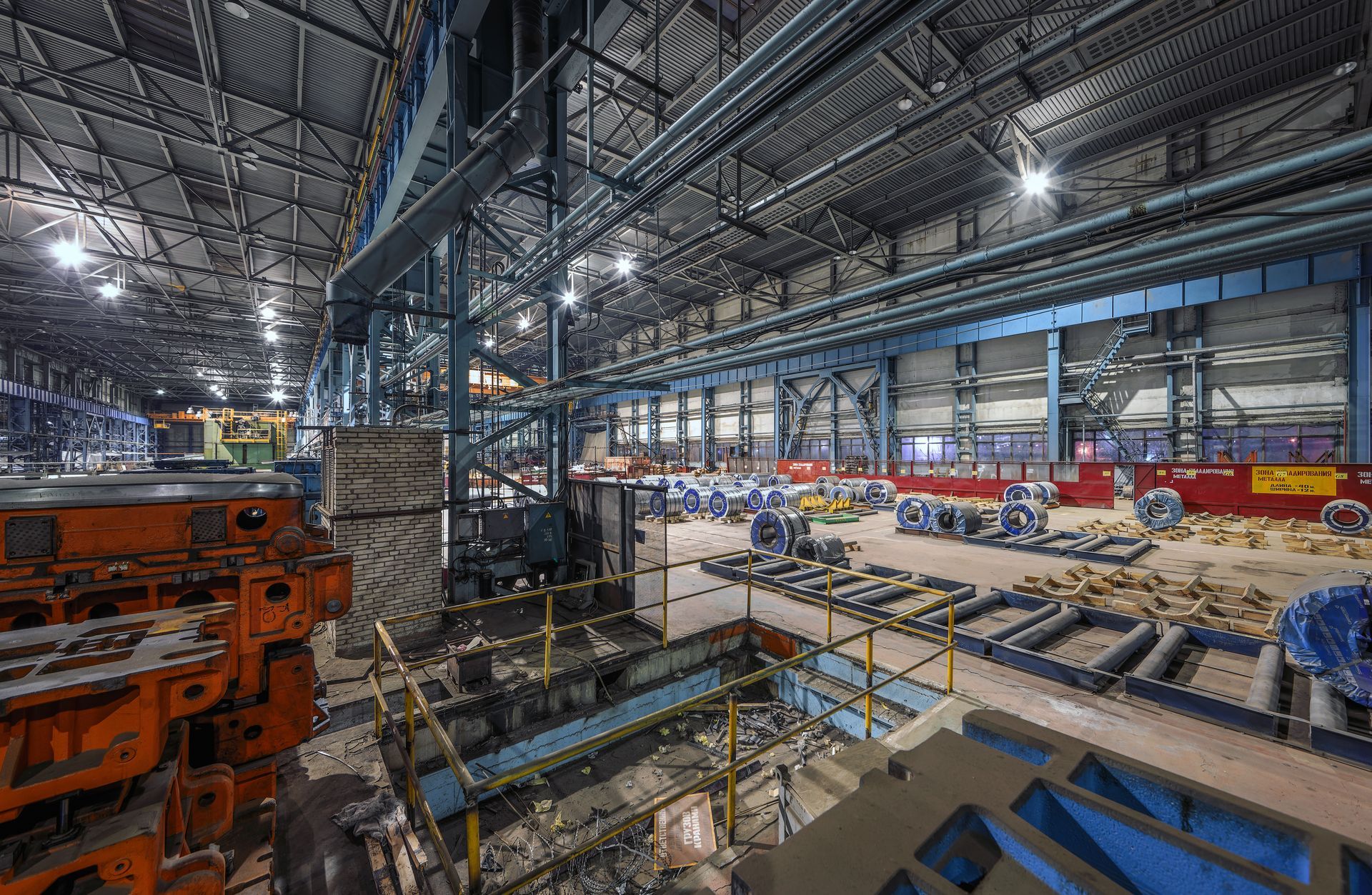
Equipment breakdowns, product liability, and workforce injuries are daily risks for Texas manufacturers. We build coverage from the shop floor to the loading dock — so one incident does not shut you down.
Artisan Contractors
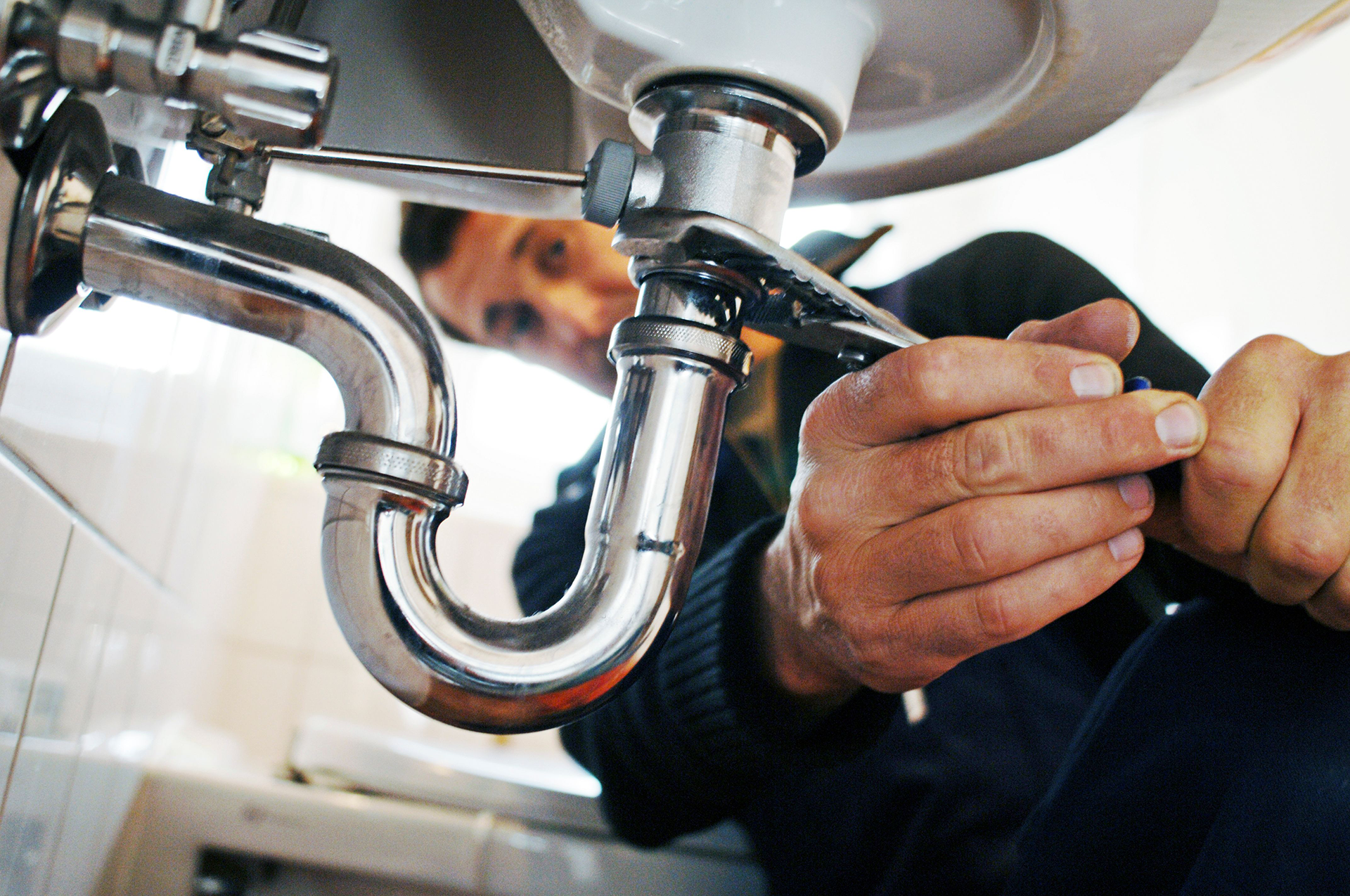
Plumbers, electricians, and skilled tradespeople work in high-risk environments every day. We build coverage around your tools, your vehicles, and your crew — so a job site incident does not stop your business.
Restaurants & Food Service
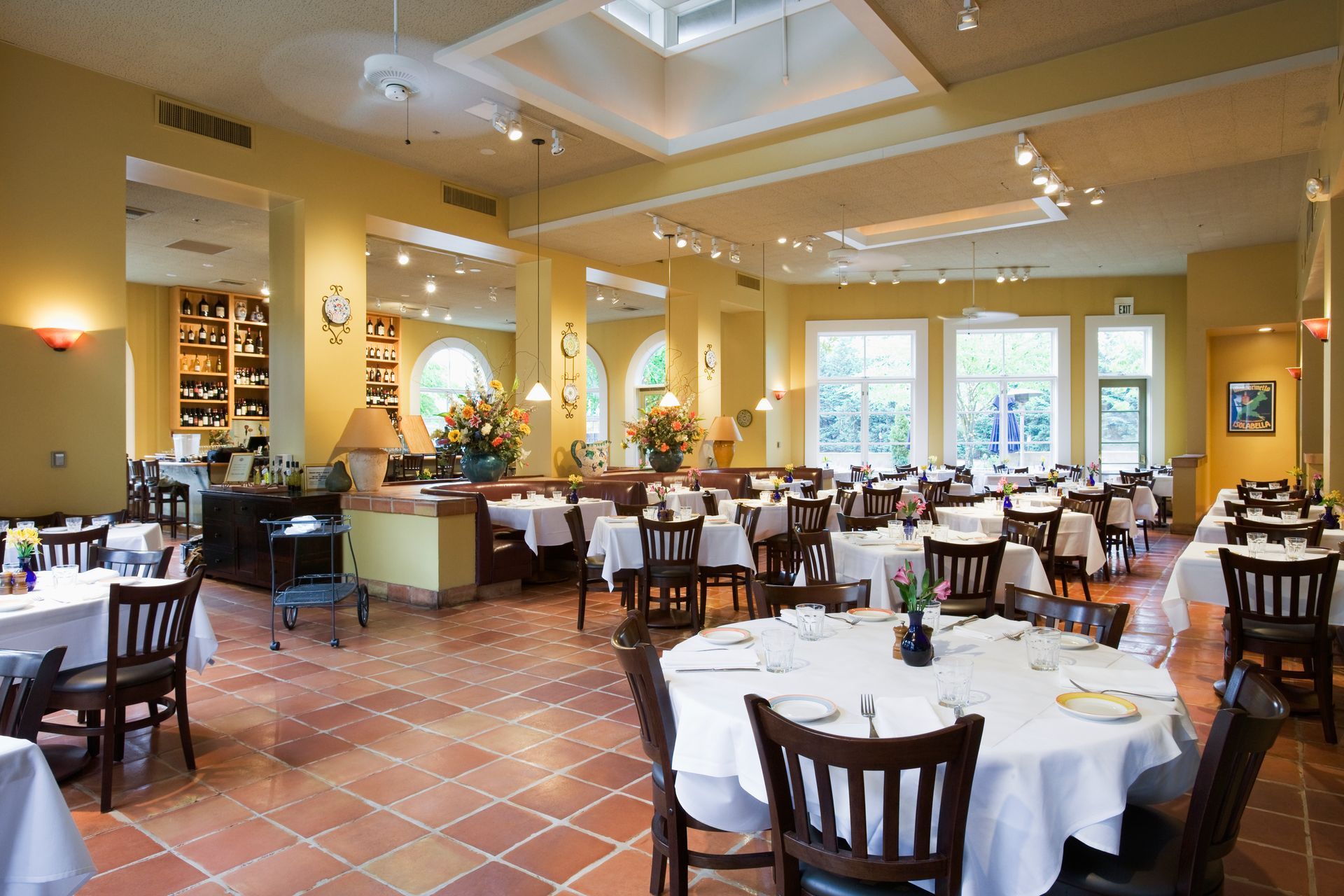
Restaurants carry liability on every shift — from the kitchen to the dining room and everything in between. We protect your location, your staff, and your equipment, including lost income when operations stop.

Non-Profits Service
Non-profits face unique liability across events, volunteers, staff, and leadership decisions. We cover your organization from the ground up — so you can focus on your mission, not your exposure.

Event Insurance
Event organizers face liability the moment guests arrive, vendors set up, and alcohol is served. We cover your event from start to finish — so one unexpected incident does not cancel everything you planned for.
Answers Before You Pick Up the Phone
What Texas Businesses Ask Us Most
We get a lot of the same questions from business owners across Texas. Here are honest answers to the ones that come up most.
What information do you need to get a commercial insurance quote?
We keep the process straightforward. We typically need your business name, a description of your operations, your gross annual sales projection, number of full-time and part-time employees, your gross annual payroll, and the types of coverage you are looking for. If you have an existing policy, the expiration date and current carrier help us put together a competitive comparison.
The most important thing you can do is be transparent about what your business actually does. Accurate classification ensures you have real coverage if a claim occurs. We have seen businesses with active policies that were incorrectly classified — and those gaps only surface at the worst possible moment.
Does Texas require businesses to carry Workers' Compensation Insurance?
Texas is the only state in the country that does not require most private employers to carry Workers' Compensation. However, if your business holds government contracts or works as a subcontractor on a job site, the hiring company will almost always require proof of coverage before work begins. A growing number of general contractors across Denton and the DFW area enforce this as a standard condition.
Even without a legal requirement, carrying Workers' Comp protects your business from direct liability if an employee is hurt on the job. Medical bills, lost wages, and legal fees can add up quickly — and one serious incident can create a financial loss that far exceeds years of premium payments.
What is a commercial insurance audit and should I expect one?
Most commercial general liability policies are auditable. At the end of your policy term, the insurance carrier reviews your actual gross sales to make sure your premium matched your real exposure. If your sales grew during the year, you may owe an additional premium. If sales came in lower, you could receive a refund.
The best way to avoid a large balance due at audit time is to update your projected gross sales with us during the year if your business grows faster than expected. We can endorse your policy mid-term to reflect the change and spread any additional premium across smaller installments instead of one lump sum at year-end.
What factors affect how much my commercial coverage will cost?
Your premium is calculated based on several variables specific to your operation — industry classification, gross annual sales, number of employees, gross payroll, claims history, and the types of coverage you need. A business that handles physical work with a crew on job sites will pay differently than a professional services firm working out of an office.
As an independent agency, we compare quotes across multiple carriers — including Travelers, The Hartford, Chubb, AmTrust, and others — to find the combination of coverage and price that works for your situation. There is no obligation after your quote, and we walk through every option in plain terms before you decide anything.
My business is a restaurant — what coverage do I actually need?
Restaurants are not a one-size-fits-all class of risk. Carriers look at a range of factors when evaluating a restaurant account: whether you serve alcohol, whether deep frying is involved, the type of fire suppression system in place, whether you have a hood cleaning contract, and whether you offer catering, delivery, or live entertainment. All of these affect both pricing and carrier appetite.
A well-structured restaurant policy typically includes general liability, building and business personal property coverage, liquor liability if applicable, food contamination coverage, business income protection, and workers' compensation for your staff. We work with carriers that actively want to write restaurant accounts in Texas — including Travelers, The Hartford, and Chubb — so you have real options to compare.
Can you help insure a business that is hard to place or outside the mainstream?
Yes — this is one of our strengths. We work with Excess and Surplus (E&S) lines markets through carriers like Burns & Wilcox for businesses that standard carriers will not write. We have placed coverage for master sign electricians, cable splicing operations, transmission rebuild shops for classic cars, CBD retailers, and many other non-standard accounts.
If you have been told your business is difficult to insure or you have received very limited options in the marketplace, reach out to us. We take time to understand your operations in detail, present your account to the right markets, and work to find coverage that actually reflects what you do — not a generic policy that leaves gaps.
Still have Question?
We’re here to help you!
Written for the Texas Business Owner
Insights That Help You Make Smarter Decisions
We publish articles on real topics that affect how Texas operators get covered — from local regulatory updates to coverage gaps most owners do not know they have.