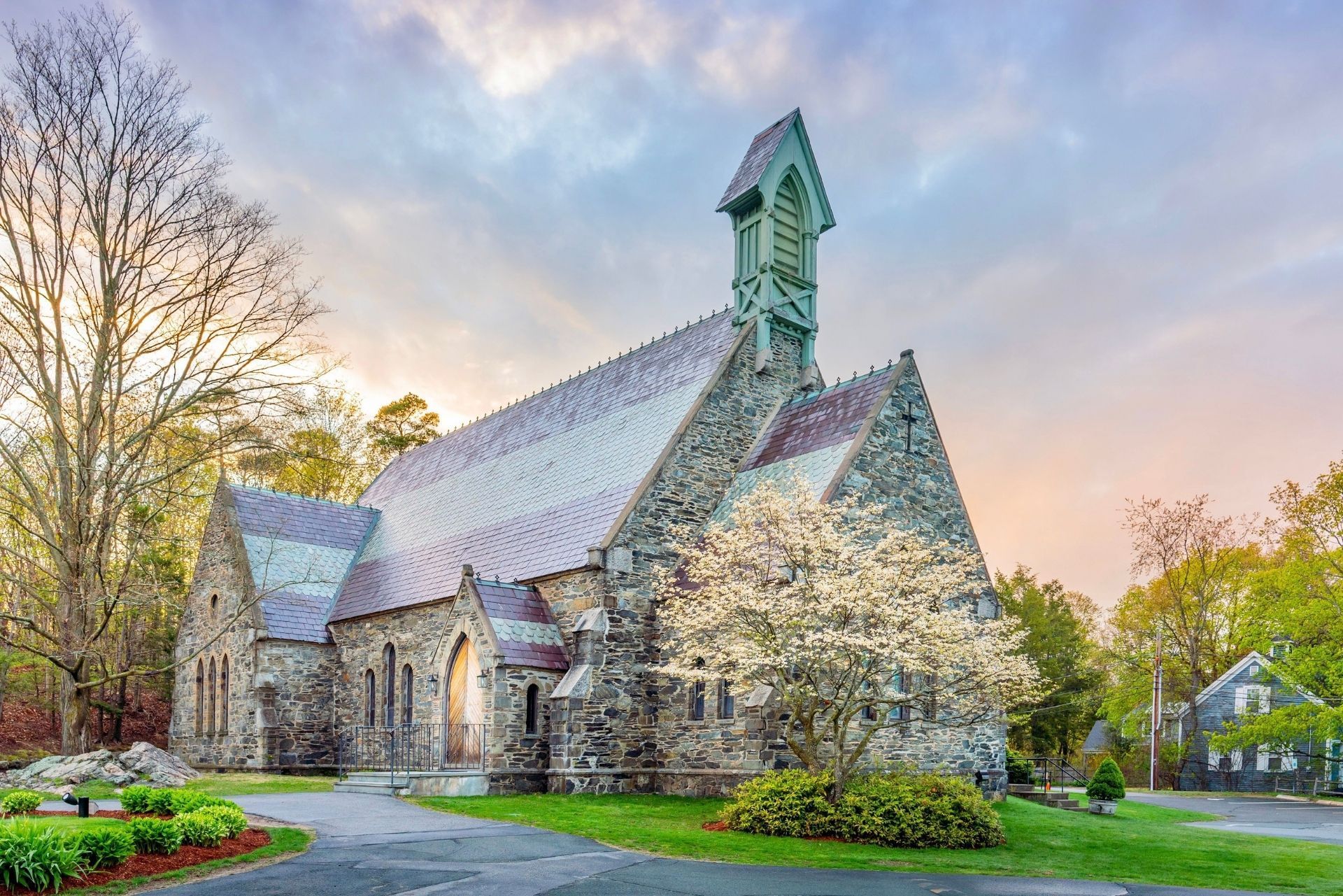
A fire tears through a historic Texas church at 2 AM, destroying a century-old pipe organ, irreplaceable stained glass windows, and decades of ministry records. The congregation assumes insurance will cover everything. Then reality hits: their standard commercial policy excludes the organ because it's "permanently attached," values the stained glass at depreciated rates, and caps contents coverage at a fraction of actual replacement costs.
This scenario plays out across Texas more often than most church leaders realize. Houses of worship face unique property risks that standard business insurance simply wasn't designed to address. From the Gulf Coast hurricane corridor to the hail-prone Panhandle, Texas churches need coverage that accounts for both their specialized assets and the state's distinctive environmental hazards.
Church property insurance in Texas requires understanding two fundamental components: building coverage for the physical structure and contents coverage for everything inside. But the details matter enormously. A policy that works perfectly for a retail store will leave significant gaps for a sanctuary filled with custom-built pews, professional sound systems, and religious artifacts that can't be replaced at any price.
Whether your congregation meets in a 150-year-old stone cathedral or a converted strip mall, the right coverage protects both your physical assets and your ministry's ability to continue serving the community after disaster strikes. Here's what Texas church leaders need to know about getting this coverage right.
Understanding Property Insurance Needs for Texas Ministries
Texas churches range from small rural congregations with modest facilities to sprawling suburban campuses with multiple buildings, gymnasiums, and commercial kitchens. Each faces distinct insurance challenges based on building age, construction type, location, and ministry activities.
The Difference Between Building and Contents Coverage
Building coverage protects the physical structure itself: walls, roof, foundation, and permanently attached fixtures. Contents coverage handles everything that isn't part of the building: furniture, equipment, supplies, and portable items. The distinction seems straightforward until you consider where a built-in baptistry falls, or whether a bolted-down sound booth counts as building or contents.
Most disputes arise around items in the gray zone. Pipe organs, for instance, often require specific scheduling because they're neither purely structural nor easily movable. Stained glass windows might fall under building coverage, but their artistic value often exceeds standard replacement calculations.
Why Standard Commercial Policies May Fall Short for Churches
Commercial property policies assume predictable business operations: regular hours, typical equipment, standard inventory. Churches operate differently. Facilities sit empty for extended periods, then host hundreds of people for services. Kitchens serve occasional fellowship meals rather than daily restaurant service. Classrooms function for Sunday school, then sit unused for days.
These usage patterns create coverage gaps. Standard policies may exclude volunteer activities, limit coverage for donated items, or impose restrictions on occasional rental use. A policy designed for a church accounts for these realities from the start.

By: Michael Whitaker
Insurance Advisor at
Denton Business Insurance
Protecting the Sanctuary: Building Coverage Specifics
The sanctuary represents the heart of most church facilities, and it typically contains the most challenging items to insure properly.
Insuring Stained Glass, Organs, and Fixed Altars
Stained glass windows require specialized valuation that accounts for artistic craftsmanship, historical significance, and the limited number of artisans capable of restoration work. A window valued at $50,000 for materials might cost $200,000 to recreate with period-appropriate techniques.
Pipe organs present similar challenges. These instruments often represent the single most valuable item in a church building, yet standard policies may treat them as generic equipment. Proper coverage requires professional appraisal by an organ specialist who understands both the instrument's replacement cost and the installation complexity.
At Denton Business Insurance, we've seen churches discover after a loss that their organ coverage was based on a decades-old estimate that never kept pace with restoration costs. Getting current appraisals every three to five years prevents this painful surprise.
Replacement Cost vs. Actual Cash Value in Texas
Replacement cost coverage pays to rebuild or replace damaged property at current prices. Actual cash value deducts depreciation, meaning a 30-year-old roof might only pay out a fraction of what a new roof costs. For churches with older facilities, this distinction can mean the difference between full restoration and financial hardship.
Texas insurers offer both options, with replacement cost policies carrying higher premiums. For most churches, replacement cost coverage makes sense for the building and major systems, while actual cash value might be acceptable for items with shorter useful lives.
Detached Structures: Parsonages, Sheds, and Fellowship Halls
Many church campuses include multiple buildings: parsonages, fellowship halls, educational wings, storage buildings, and outdoor structures like pavilions or playgrounds. Each structure needs explicit coverage, and policies vary in how they handle detached buildings.
Some policies automatically extend a percentage of main building coverage to other structures. Others require separate scheduling for each building. Review your policy's "other structures" provisions carefully, especially if your campus has grown over time.
Securing Ministry Assets: Personal Property and Contents
Contents coverage protects the items that make ministry possible, from communion sets to computer networks.
Audio-Visual Equipment and Musical Instruments
Modern churches often invest heavily in sound systems, projection equipment, lighting rigs, and video production gear. A mid-sized church might easily have $100,000 or more in AV equipment. Standard contents limits frequently fall short of these values.
Musical instruments require similar attention. Beyond the main sanctuary instruments, consider choir room pianos, band equipment for contemporary services, and instruments used in children's programs. Create a detailed inventory with serial numbers, purchase dates, and current replacement values.
Office Equipment, Furniture, and Kitchen Supplies
Administrative offices contain computers, copiers, furniture, and records that keep the church functioning. Commercial kitchens include appliances, cookware, and serving equipment. Classrooms hold furniture, curriculum materials, and teaching supplies.
These everyday items add up quickly. A thorough contents inventory often reveals values significantly higher than church leaders initially estimate. Walk through every room, closet, and storage area when calculating your coverage needs.
Off-Premises Coverage for Youth Trips and Community Events
Ministry doesn't stay within church walls. Youth groups take equipment on retreats. Outreach teams bring supplies to community events. Musicians transport instruments to nursing homes and hospitals.
Standard contents coverage typically applies only to property at the insured location. Off-premises coverage extends protection to church property wherever it travels. For active ministries, this endorsement prevents gaps when equipment is damaged or stolen away from the church campus.
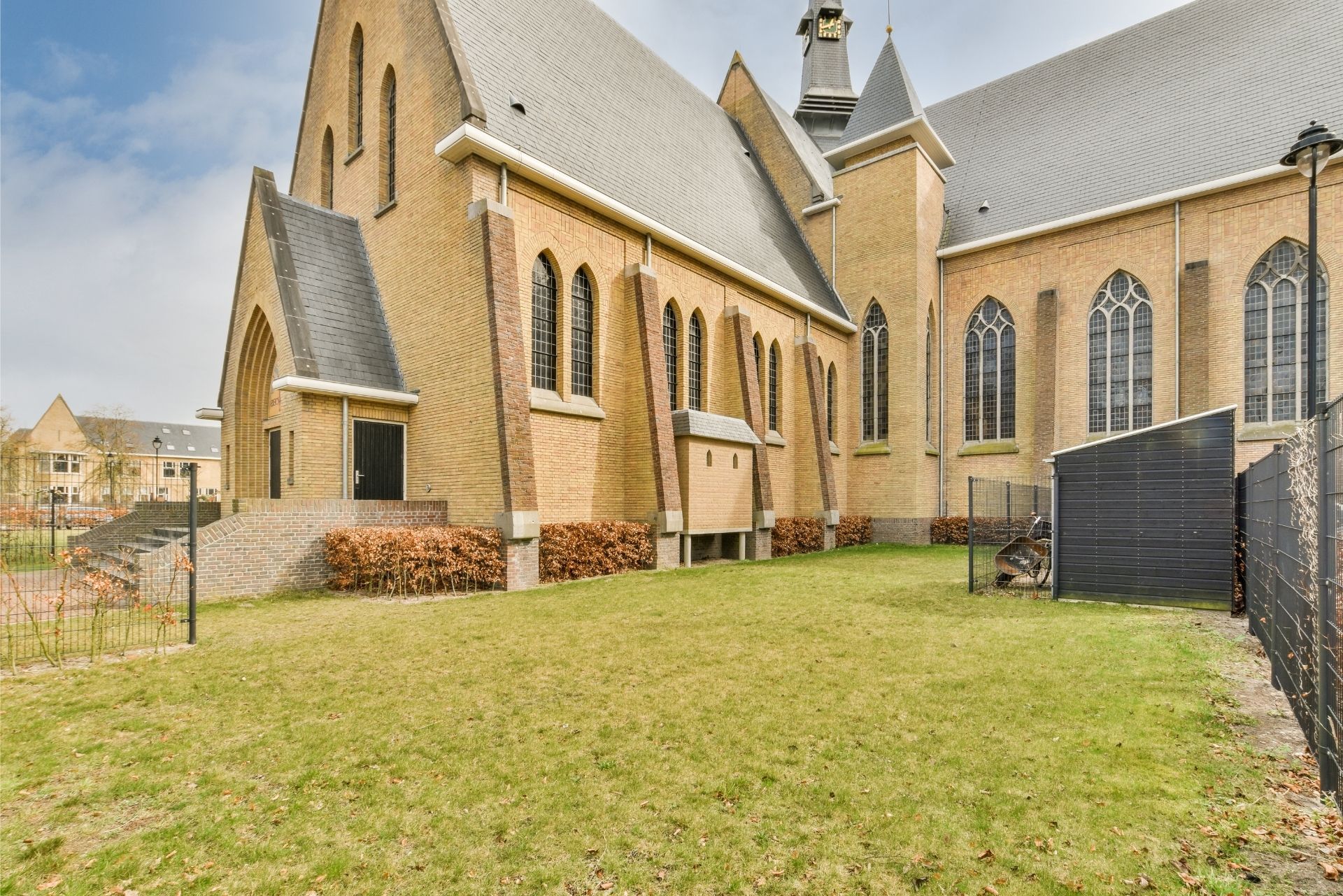
Texas-Specific Risks and Environmental Hazards
Texas weather creates insurance challenges unlike anywhere else in the country.
Windstorm and Hail Damage Deductibles
Hail causes more property damage in Texas than any other state. Insurance carriers respond with percentage-based deductibles for wind and hail claims, typically ranging from 1% to 5% of the building's insured value. On a $2 million church building, a 2% wind/hail deductible means $40,000 out of pocket before coverage kicks in.
Churches in coastal counties face additional complications. The Texas Windstorm Insurance Association (TWIA) provides wind coverage in 14 coastal counties and parts of Harris County where private insurers won't write policies. TWIA coverage requires separate applications and inspections, with specific building standards for eligibility.
Flood Insurance and Water Backup Endorsements
Standard property policies exclude flood damage. Period. Churches in flood-prone areas need separate flood insurance through the National Flood Insurance Program or private flood markets. Don't assume your location is safe because you've never flooded: many churches damaged in Hurricane Harvey had never experienced flooding before.
Water backup coverage addresses a different risk: damage from sewer or drain backups. This endorsement costs relatively little but covers a common claim scenario, especially in older buildings with aging plumbing systems.
Essential Property Endorsements for Houses of Worship
Base policies provide a foundation, but endorsements customize coverage for specific church needs.
Ordinance or Law Coverage for Older Facilities
When older buildings suffer major damage, current building codes often require upgrades beyond simple restoration. A church built in 1950 might need to add sprinklers, upgrade electrical systems, or improve accessibility to meet current standards during reconstruction.
Ordinance or law coverage pays for these code-required upgrades. Without it, the church faces the difference between restoring what existed and meeting current requirements. For historic buildings, this gap can run into hundreds of thousands of dollars.
Equipment Breakdown for HVAC and Electrical Systems
Property insurance covers damage from external causes like fire or storms.
Equipment breakdown coverage handles mechanical and electrical failures: a compressor that burns out, an electrical panel that shorts, a boiler that fails. For churches with commercial HVAC systems, commercial kitchens, or elevator equipment, this coverage prevents unexpected major expenses.
Smart risk management reduces both premium costs and claim frequency.
Conducting Regular Professional Appraisals
Accurate valuations serve two purposes: ensuring adequate coverage and preventing premium overpayment. Professional appraisals every three to five years keep building values current and document contents thoroughly.
Working with an independent agency like Denton Business Insurance means having someone who reviews these appraisals with you and compares options across multiple carriers, including Nationwide, Travelers, and Chubb, to find the right balance of coverage and cost.
Implementing Risk Management to Lower Insurance Costs
Practical steps reduce both risks and premiums. Install monitored fire and security systems. Maintain HVAC equipment on regular schedules. Address roof issues before they become claims. Document maintenance activities to demonstrate responsible stewardship.
| Risk Management Action | Typical Premium Impact | Implementation Cost |
|---|---|---|
| Monitored fire alarm | 5-15% discount | $1,500-$5,000 |
| Security system | 3-10% discount | $1,000-$3,000 |
| Roof replacement | Varies by condition | $15,000-$50,000+ |
| Updated electrical | May affect eligibility | $5,000-$20,000 |
Frequently Asked Questions
Does church property insurance cover items members donate for fundraisers? Donated items typically fall under contents coverage while on church premises, but verify your policy's treatment of property owned by others. Some policies include automatic coverage; others require specific endorsements.
How do we insure a historic church building that can't be rebuilt identically? Functional replacement cost coverage allows rebuilding with modern materials and methods that serve the same purpose, even if not architecturally identical. This approach often costs less than true historic restoration while still providing a functional worship space.
Are we covered if someone breaks into the church and steals equipment? Theft coverage is standard in most church property policies, but limits and deductibles apply. High-value items like musical instruments or AV equipment may need scheduling for full protection.
What happens if our church floods but we don't have flood insurance? Standard property policies exclude flood damage entirely. Without separate flood coverage, the church bears the full cost of flood-related repairs and replacement.
Do we need separate coverage for our church van? Yes. Church vehicles require
commercial auto insurance, which is separate from property coverage. The vehicle's use for ministry activities affects both coverage requirements and premium costs.
Protecting your church's physical assets requires understanding both the unique characteristics of religious properties and the specific risks Texas weather presents. Standard commercial policies leave gaps that can devastate a congregation after a major loss.
Review your current coverage with someone who understands church insurance specifically. Get current appraisals on your building and major contents. Verify that your policy addresses Texas-specific risks like wind, hail, and flood. The time to discover coverage gaps is now, not after disaster strikes.
Straight from the Clients We Serve
Texas Business Owners Rate Us 5 Stars — Here Is Why
We hear the same things repeatedly: fast service, honest advice, and coverage that made sense for their situation. That is what we aim for every time.

Protection Across Every Area of Your BUSINESS
What Texas Businesses Need. What We Deliver.
From your job site and your fleet to your data and your payroll — we cover the risks that Texas businesses carry every day.
General Liability
Covers third-party claims of bodily injury, property damage, and advertising injury. A foundational protection for nearly every Texas business, regardless of industry or size.
Commercial Property
Covers your building, equipment, inventory, and business contents against fire, theft, storms, and vandalism. Can also include lost income if your businesses are forced to stop.
Commercial Auto
Protects vehicles your company owns, leases, or uses for work. Covers liability, collision damage, and injuries for employees driving on company time.
Errors & Omissions
Protects service providers when a client claims your advice, work, or recommendations caused them a financial loss. Critical for consultants, IT firms, agents, and other professional service businesses.
Directors & Officers
Covers leadership decisions that result in claims from employees, investors, or outside parties. Protects your directors and officers personally when management decisions are challenged.
Inland Marine & Equipment Floater
Covers tools, materials, and equipment that move between job sites or are stored off your primary property. Fills the gap where a standard commercial property policy stops.
Every Sector Has Its Own Risk Profile
We Know Your Trade. We Know Your Exposure.
We work with a wide range of Texas industries — each with different coverage priorities. Below are the sectors we serve most often.
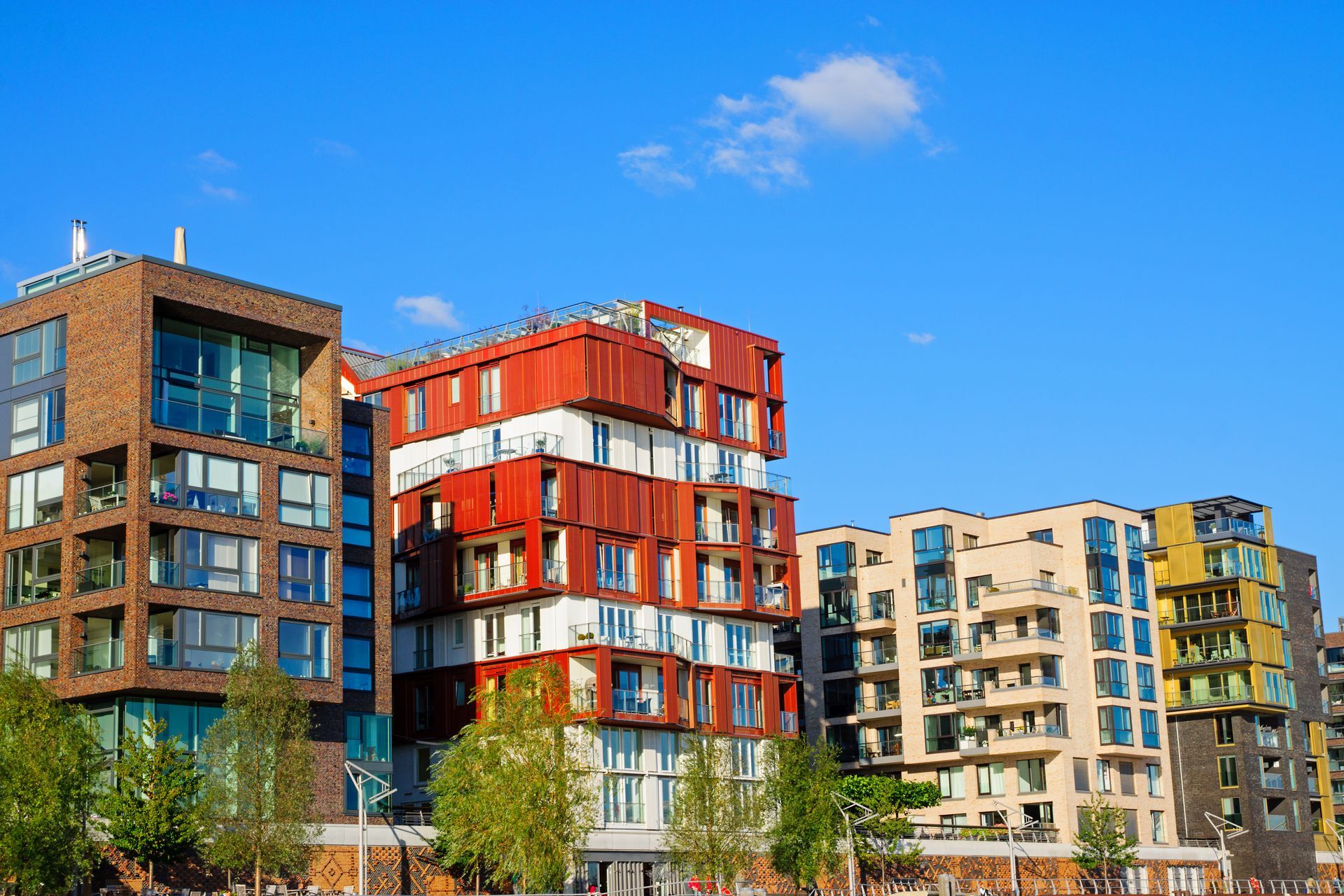
Apartment Complexes
Texas apartment owners face liability across common areas, tenant incidents, and on-site staff. We cover your property, your income, and your exposure — across one complex or an entire portfolio.
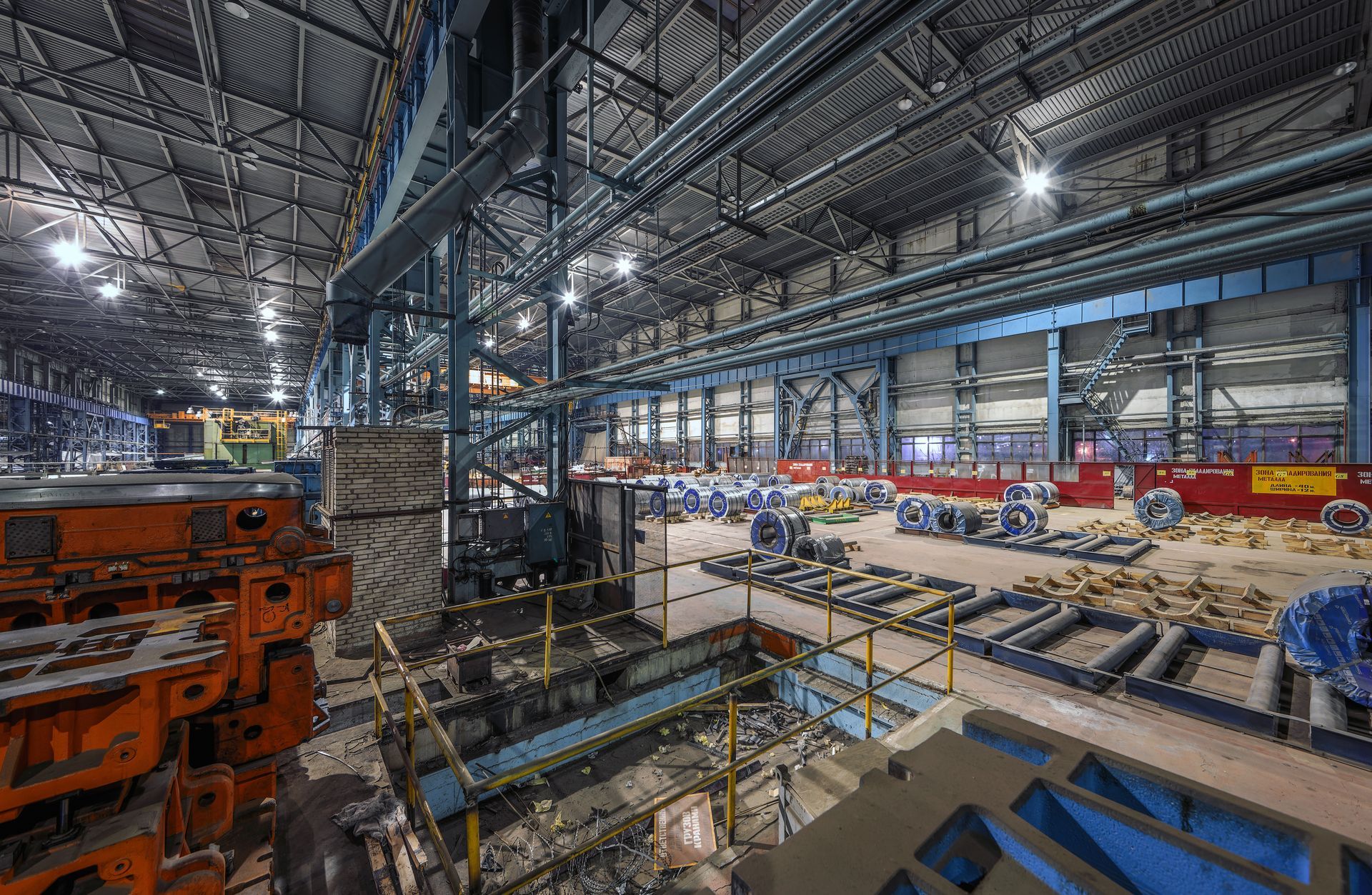
Manufacturing Businesses
Equipment breakdowns, product liability, and workforce injuries are daily risks for Texas manufacturers. We build coverage from the shop floor to the loading dock — so one incident does not shut you down.
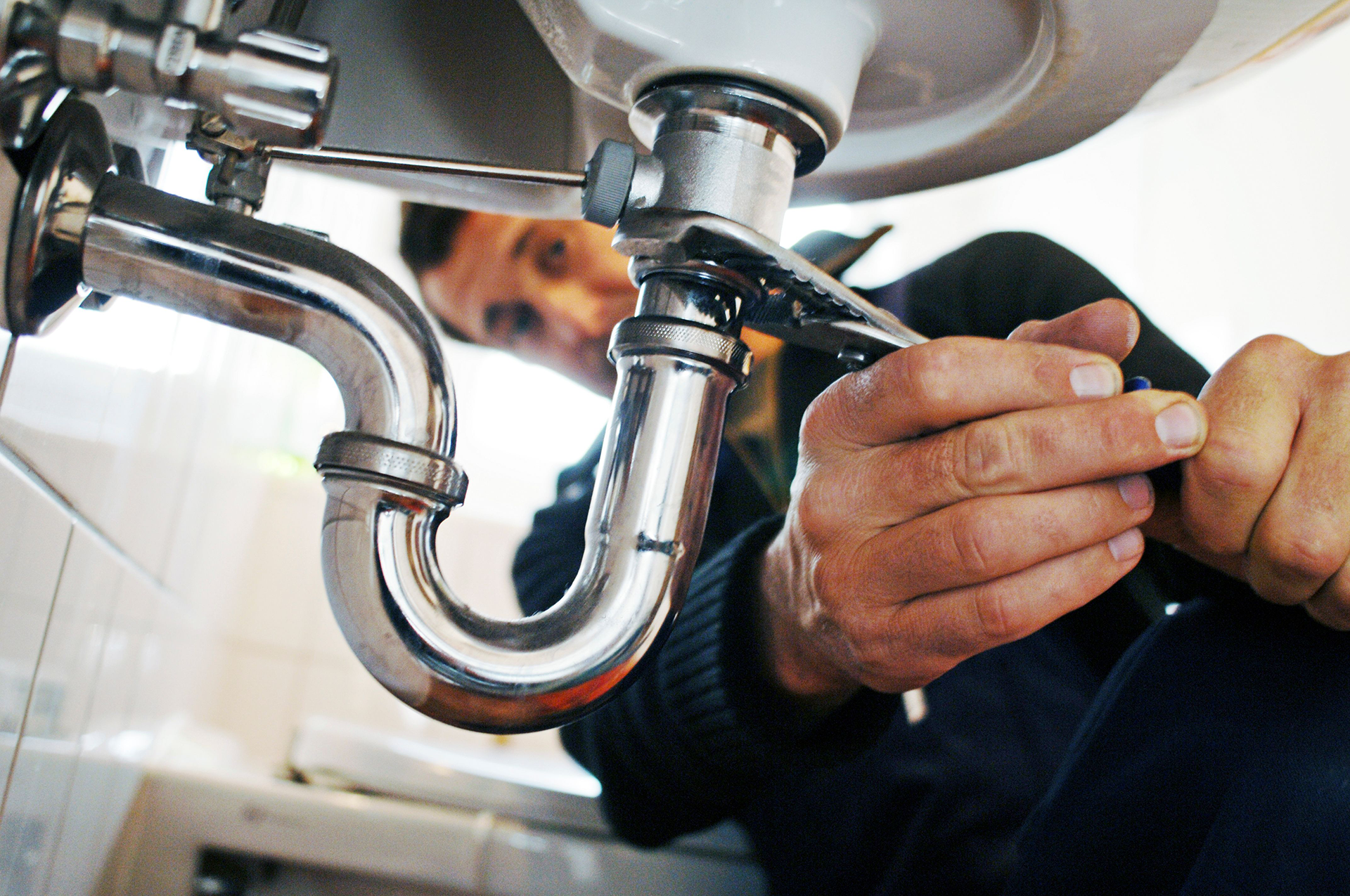
Artisan Contractors
Plumbers, electricians, and skilled tradespeople work in high-risk environments every day. We build coverage around your tools, your vehicles, and your crew — so a job site incident does not stop your business.
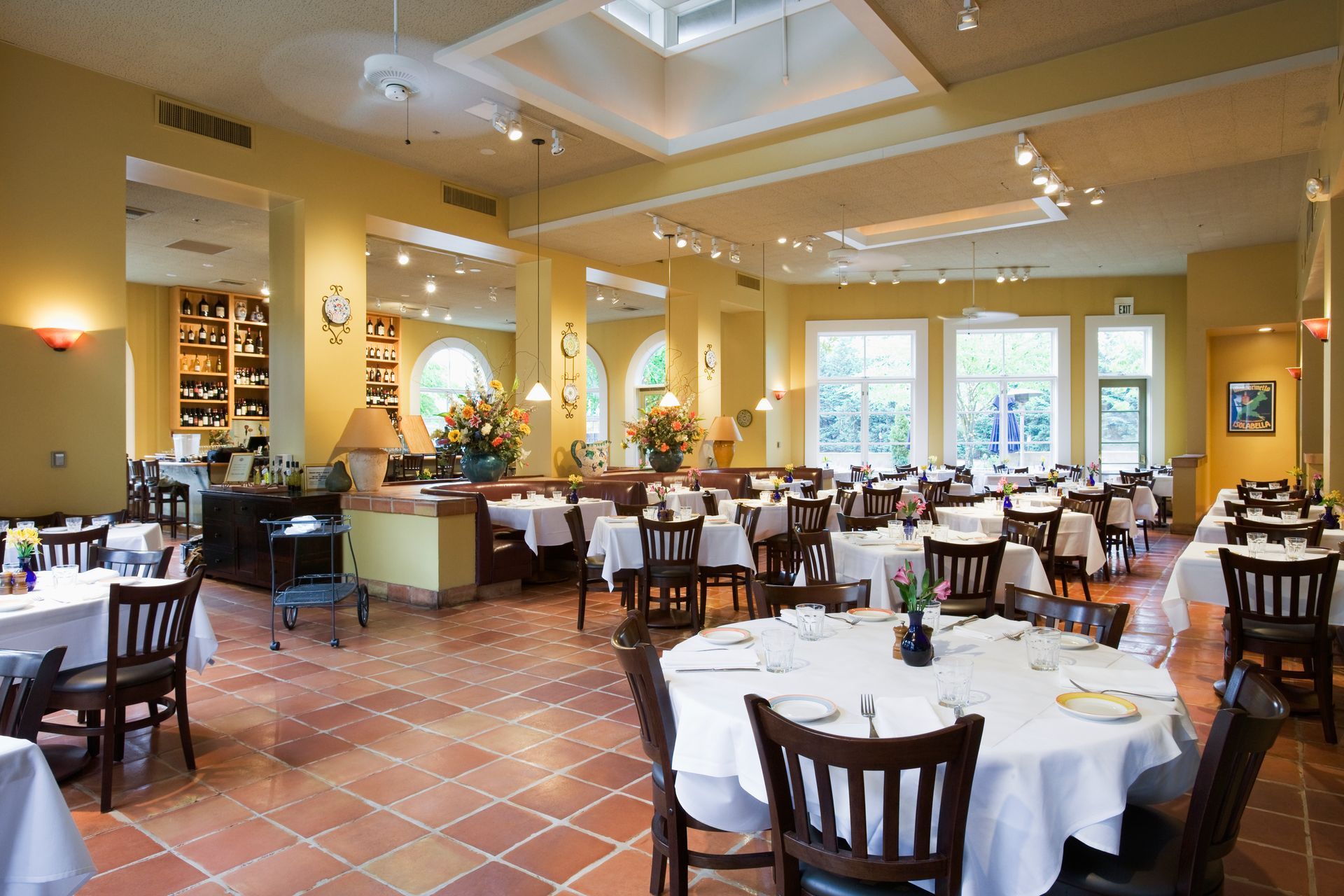
Restaurants & Food Service
Restaurants carry liability on every shift — from the kitchen to the dining room and everything in between. We protect your location, your staff, and your equipment, including lost income when operations stop.

Non-Profits Service
Non-profits face unique liability across events, volunteers, staff, and leadership decisions. We cover your organization from the ground up — so you can focus on your mission, not your exposure.

Event Insurance
Event organizers face liability the moment guests arrive, vendors set up, and alcohol is served. We cover your event from start to finish — so one unexpected incident does not cancel everything you planned for.
Answers Before You Pick Up the Phone
What Texas Businesses Ask Us Most
We get a lot of the same questions from business owners across Texas. Here are honest answers to the ones that come up most.
What information do you need to get a commercial insurance quote?
We keep the process straightforward. We typically need your business name, a description of your operations, your gross annual sales projection, number of full-time and part-time employees, your gross annual payroll, and the types of coverage you are looking for. If you have an existing policy, the expiration date and current carrier help us put together a competitive comparison.
The most important thing you can do is be transparent about what your business actually does. Accurate classification ensures you have real coverage if a claim occurs. We have seen businesses with active policies that were incorrectly classified — and those gaps only surface at the worst possible moment.
Does Texas require businesses to carry Workers' Compensation Insurance?
Texas is the only state in the country that does not require most private employers to carry Workers' Compensation. However, if your business holds government contracts or works as a subcontractor on a job site, the hiring company will almost always require proof of coverage before work begins. A growing number of general contractors across Denton and the DFW area enforce this as a standard condition.
Even without a legal requirement, carrying Workers' Comp protects your business from direct liability if an employee is hurt on the job. Medical bills, lost wages, and legal fees can add up quickly — and one serious incident can create a financial loss that far exceeds years of premium payments.
What is a commercial insurance audit and should I expect one?
Most commercial general liability policies are auditable. At the end of your policy term, the insurance carrier reviews your actual gross sales to make sure your premium matched your real exposure. If your sales grew during the year, you may owe an additional premium. If sales came in lower, you could receive a refund.
The best way to avoid a large balance due at audit time is to update your projected gross sales with us during the year if your business grows faster than expected. We can endorse your policy mid-term to reflect the change and spread any additional premium across smaller installments instead of one lump sum at year-end.
What factors affect how much my commercial coverage will cost?
Your premium is calculated based on several variables specific to your operation — industry classification, gross annual sales, number of employees, gross payroll, claims history, and the types of coverage you need. A business that handles physical work with a crew on job sites will pay differently than a professional services firm working out of an office.
As an independent agency, we compare quotes across multiple carriers — including Travelers, The Hartford, Chubb, AmTrust, and others — to find the combination of coverage and price that works for your situation. There is no obligation after your quote, and we walk through every option in plain terms before you decide anything.
My business is a restaurant — what coverage do I actually need?
Restaurants are not a one-size-fits-all class of risk. Carriers look at a range of factors when evaluating a restaurant account: whether you serve alcohol, whether deep frying is involved, the type of fire suppression system in place, whether you have a hood cleaning contract, and whether you offer catering, delivery, or live entertainment. All of these affect both pricing and carrier appetite.
A well-structured restaurant policy typically includes general liability, building and business personal property coverage, liquor liability if applicable, food contamination coverage, business income protection, and workers' compensation for your staff. We work with carriers that actively want to write restaurant accounts in Texas — including Travelers, The Hartford, and Chubb — so you have real options to compare.
Can you help insure a business that is hard to place or outside the mainstream?
Yes — this is one of our strengths. We work with Excess and Surplus (E&S) lines markets through carriers like Burns & Wilcox for businesses that standard carriers will not write. We have placed coverage for master sign electricians, cable splicing operations, transmission rebuild shops for classic cars, CBD retailers, and many other non-standard accounts.
If you have been told your business is difficult to insure or you have received very limited options in the marketplace, reach out to us. We take time to understand your operations in detail, present your account to the right markets, and work to find coverage that actually reflects what you do — not a generic policy that leaves gaps.
Still have Question?
We’re here to help you!
Written for the Texas Business Owner
Insights That Help You Make Smarter Decisions
We publish articles on real topics that affect how Texas operators get covered — from local regulatory updates to coverage gaps most owners do not know they have.