A water pipe bursts in a shared wall at 2 AM. By morning, three units have flooded, the elevator is out of service, and angry owners are asking who pays for what. This scenario plays out across Texas condo communities every week, and the answer depends entirely on how well the association's insurance program was structured before disaster struck.
Texas condominium associations face a unique insurance landscape shaped by state law, Gulf Coast weather patterns, and the complex relationship between master policies and individual unit coverage. The Texas Uniform Condominium Act establishes baseline requirements, but it leaves significant room for interpretation in governing documents. Board members who don't understand these nuances often discover coverage gaps only after filing a claim, when it's too late to fix them.
Whether your association manages a 20-unit building in Denton or a 500-unit high-rise in Houston, the fundamentals remain consistent: you need property coverage for common elements,
liability protection for the association, and
D&O coverage for board members making decisions on behalf of owners. Getting these pieces right protects both the association's assets and individual board members' personal finances. What follows breaks down each component, addresses Texas-specific risks like windstorm and flood exposure, and explains how master policies interact with the HO-6 policies your unit owners carry.
Legal Requirements and the Texas Uniform Condominium Act
Mandatory Insurance Provisions for Texas COAs
Chapter 82 of the Texas Property Code governs condominium associations and establishes minimum insurance standards that most associations must meet. The statute requires associations to maintain property insurance covering common elements at replacement cost, along with liability insurance protecting the association from third-party claims. These aren't suggestions: failing to maintain required coverage exposes board members to personal liability and can trigger lender acceleration clauses on unit mortgages.
The minimum amounts specified in the statute often fall short of what associations actually need. A $1 million liability limit might satisfy legal requirements, but a serious injury claim in a common area could easily exceed that amount. Smart boards treat statutory minimums as a floor, not a ceiling, and work with insurance professionals to determine appropriate limits based on their specific property and risk profile.
Navigating Association Bylaws vs. State Statutes
Here's where things get complicated: your association's declaration and bylaws may impose insurance requirements that exceed state law. Some declarations written in the 1980s require coverage types that no longer exist or use terminology that doesn't match modern policy forms. Other declarations are silent on key issues like deductible responsibility, leaving boards to interpret ambiguous language when claims arise.
When bylaws conflict with state law, the more restrictive requirement typically applies. This means boards need to review both their governing documents and current statutes before making insurance decisions. Having an attorney familiar with Texas condominium law review your insurance provisions every few years prevents nasty surprises when you need to file a claim.


By: Michael Whitaker
Insurance Advisor at
Denton Business Insurance
Understanding the Master Policy: Property and General Liability
Bare Walls vs. All-In Coverage Models
The master policy's coverage scope determines what unit owners must insure themselves. Texas associations typically choose between two models. Bare walls coverage insures only the structural elements: exterior walls, roof, foundation, and original common element fixtures. Everything inside the unit, including flooring, cabinets, and fixtures, falls to the unit owner's HO-6 policy.
All-in coverage extends the master policy to include original interior improvements within units, such as flooring, cabinetry, and appliances installed by the developer. This approach simplifies claims but increases association premiums. Most Texas associations use some variation of bare walls coverage, but your declaration's specific language controls. Ambiguity here causes the most disputes after losses.
Common Area Protection and Replacement Cost Value
Common areas present unique valuation challenges. Pools, fitness centers, parking structures, and landscaping all require coverage, but replacement costs fluctuate with construction prices. After Winter Storm Uri in 2021, many Texas associations discovered their coverage limits hadn't kept pace with material and labor cost increases.
Annual replacement cost appraisals help ensure adequate limits, especially for associations with amenity-rich common areas. The cost of an appraisal, typically $2,000 to $5,000 depending on property size, pales compared to being underinsured by hundreds of thousands of dollars when a major loss occurs.
Directors and Officers (D&O) Liability for Board Members
Protecting Personal Assets from Breach of Fiduciary Duty Claims
Board members serve as fiduciaries, meaning they owe duties of care and loyalty to the association and its members. When owners believe the board made a bad decision, whether about assessments, vendor contracts, or rule enforcement, they sometimes sue individual board members personally. D&O insurance covers defense costs and settlements arising from these claims.
Texas courts have held board members personally liable for decisions made in bad faith or with gross negligence. Even when boards act reasonably, defending against a lawsuit costs money. D&O policies typically provide $1 million to $5 million in coverage, with premiums ranging from $1,500 to $8,000 annually depending on association size and claims history.
Coverage for Non-Monetary Claims and Defense Costs
D&O claims aren't always about money. Owners may sue over alleged discrimination in rule enforcement, improper meeting procedures, or failure to maintain records. These non-monetary claims still require legal defense, and D&O policies cover those costs. Some policies include employment practices liability, protecting against claims by association employees or contractors.
Defense costs can consume policy limits quickly. A contested lawsuit through trial might generate $150,000 or more in legal fees before any settlement or judgment. Policies with defense costs outside the limit, rather than eroding it, provide better protection for serious claims.

Texas-Specific Environmental and Catastrophic Risks
Windstorm and Hail Deductibles in Coastal Regions
Associations along the Texas Gulf Coast face windstorm deductibles that can reach 5% of the insured value. For a property insured at $10 million, that's a $500,000 deductible the association must fund before insurance pays anything. These deductibles apply per occurrence, meaning back-to-back hurricanes could trigger the deductible twice in a single season.
| Coverage Type | Typical Deductible | Coastal Zone Deductible |
|---|---|---|
| All-Peril | $5,000-$25,000 | N/A |
| Named Windstorm | 2-5% of TIV | 2-5% of TIV |
| Hail | 1-2% of TIV | 2-3% of TIV |
| Flood | $10,000-$50,000 | $25,000-$100,000 |
Associations in the 14 coastal counties often must obtain windstorm coverage through the Texas Windstorm Insurance Association (TWIA), the state's insurer of last resort.
Flood Insurance Requirements and TWIA Considerations
Standard property policies exclude flood damage. Associations in FEMA-designated flood zones must carry separate flood insurance, and lenders typically require it for any units with mortgages. Even associations outside mapped flood zones face exposure: Houston's 2017 flooding affected many properties in supposedly low-risk areas.
TWIA provides wind coverage but not flood coverage, and the application process requires meeting specific building code requirements. Associations with older buildings may need to make structural improvements before qualifying for TWIA coverage. An independent agency like Denton Business Insurance can help associations in coastal areas navigate the TWIA application process while finding competitive rates for other coverages through carriers like Travelers or Chubb.
Closing the Gap Between Master Policies and Unit Owner HO-6
Defining Maintenance Responsibilities and Deductible Allocation
The gap between master policy coverage and unit owner HO-6 policies creates the most confusion during claims. When a loss affects both common elements and unit interiors, determining which policy pays what requires careful coordination. Clear declarations help, but many Texas associations operate under documents that don't address modern loss scenarios.
Deductible allocation presents particular challenges. If a $50,000 loss triggers a $25,000 master policy deductible, who pays that deductible? Some declarations allocate it to the affected unit owner, others spread it across all owners through special assessments, and many are silent on the issue entirely. Boards should work with legal counsel to establish clear deductible allocation policies before losses occur.
Loss Assessment Coverage for Texas Condominium Owners
When master policy deductibles or coverage gaps result in special assessments, unit owners' HO-6 policies may provide loss assessment coverage. This coverage, typically available in limits from $1,000 to $50,000, reimburses owners for their share of association assessments following covered losses.
Smart associations educate owners about the importance of adequate HO-6 coverage and loss assessment limits. After major storms, associations that communicated coverage requirements to owners face fewer collection problems when special assessments become necessary. Denton Business Insurance works with both associations and individual unit owners to ensure coverage coordinates properly between master policies and HO-6 policies.
Best Practices for Annual Insurance Reviews and Risk Management
Treating insurance as a set-it-and-forget-it expense leads to coverage gaps and overpayment. Associations should review their insurance program annually, ideally 90 days before renewal, to assess coverage adequacy and market conditions.
Annual reviews should include updated replacement cost valuations, comparison of at least three carrier quotes, verification that coverage matches current declaration requirements, and confirmation that all board members are named on D&O policies. Working with an independent agency that represents multiple carriers ensures you're seeing competitive options rather than whatever a single carrier wants to offer.
Risk management extends beyond insurance. Regular property inspections, documented maintenance programs, and clear communication with owners all reduce claim frequency. Carriers reward associations with good loss histories through lower premiums and broader coverage terms.
Frequently Asked Questions
Does Texas law require condo associations to carry D&O insurance? No, but governing documents often require it, and operating without D&O coverage exposes board members to personal liability for decisions made on behalf of the association.
What's the difference between actual cash value and replacement cost coverage? Replacement cost pays to rebuild or replace damaged property at current prices. Actual cash value deducts depreciation, often leaving associations significantly underinsured for older buildings.
Can unit owners sue the association if the master policy doesn't cover their loss? Yes, if the association failed to maintain coverage required by the declaration or state law. Proper coverage and clear communication about coverage limits reduce this risk.
How do I know if my association needs TWIA coverage? Associations in the 14 Texas coastal counties, and some properties in adjacent counties, may need TWIA for windstorm coverage if private market options are unavailable or unaffordable.
What happens if our association can't afford a special assessment deductible? The association may need to obtain a loan, defer repairs, or pursue claims against responsible parties. Adequate reserves and appropriate deductible levels prevent this situation.
Making the Right Coverage Decisions
Getting condominium association insurance right in Texas requires understanding how state law, governing documents, and policy terms interact. The stakes are high: inadequate coverage can result in special assessments, litigation, and personal liability for board members.
Start by reviewing your declaration's insurance requirements with legal counsel. Get current replacement cost valuations for your property. Compare quotes from multiple carriers through an independent agency that understands Texas condo association risks. The time you invest before a loss occurs determines how well your association recovers when disaster strikes.
Straight from the Clients We Serve
Texas Business Owners Rate Us 5 Stars — Here Is Why
We hear the same things repeatedly: fast service, honest advice, and coverage that made sense for their situation. That is what we aim for every time.

Protection Across Every Area of Your BUSINESS
What Texas Businesses Need. What We Deliver.
From your job site and your fleet to your data and your payroll — we cover the risks that Texas businesses carry every day.
General Liability
Covers third-party claims of bodily injury, property damage, and advertising injury. A foundational protection for nearly every Texas business, regardless of industry or size.
Commercial Property
Covers your building, equipment, inventory, and business contents against fire, theft, storms, and vandalism. Can also include lost income if your businesses are forced to stop.
Commercial Auto
Protects vehicles your company owns, leases, or uses for work. Covers liability, collision damage, and injuries for employees driving on company time.
Errors & Omissions
Protects service providers when a client claims your advice, work, or recommendations caused them a financial loss. Critical for consultants, IT firms, agents, and other professional service businesses.
Directors & Officers
Covers leadership decisions that result in claims from employees, investors, or outside parties. Protects your directors and officers personally when management decisions are challenged.
Inland Marine & Equipment Floater
Covers tools, materials, and equipment that move between job sites or are stored off your primary property. Fills the gap where a standard commercial property policy stops.
Every Sector Has Its Own Risk Profile
We Know Your Trade. We Know Your Exposure.
We work with a wide range of Texas industries — each with different coverage priorities. Below are the sectors we serve most often.

Apartment Complexes
Texas apartment owners face liability across common areas, tenant incidents, and on-site staff. We cover your property, your income, and your exposure — across one complex or an entire portfolio.
Manufacturing Businesses
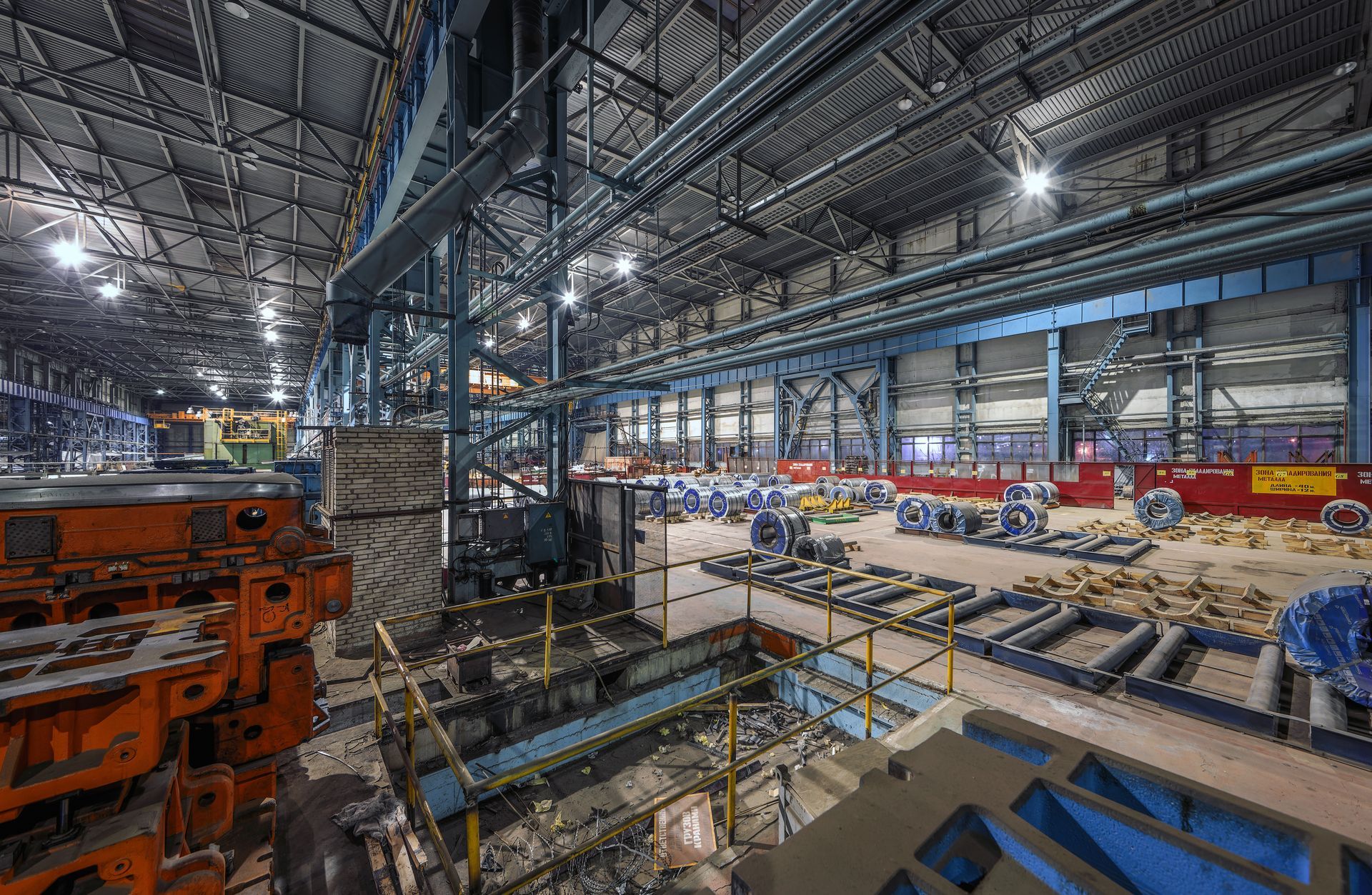
Equipment breakdowns, product liability, and workforce injuries are daily risks for Texas manufacturers. We build coverage from the shop floor to the loading dock — so one incident does not shut you down.
Artisan Contractors
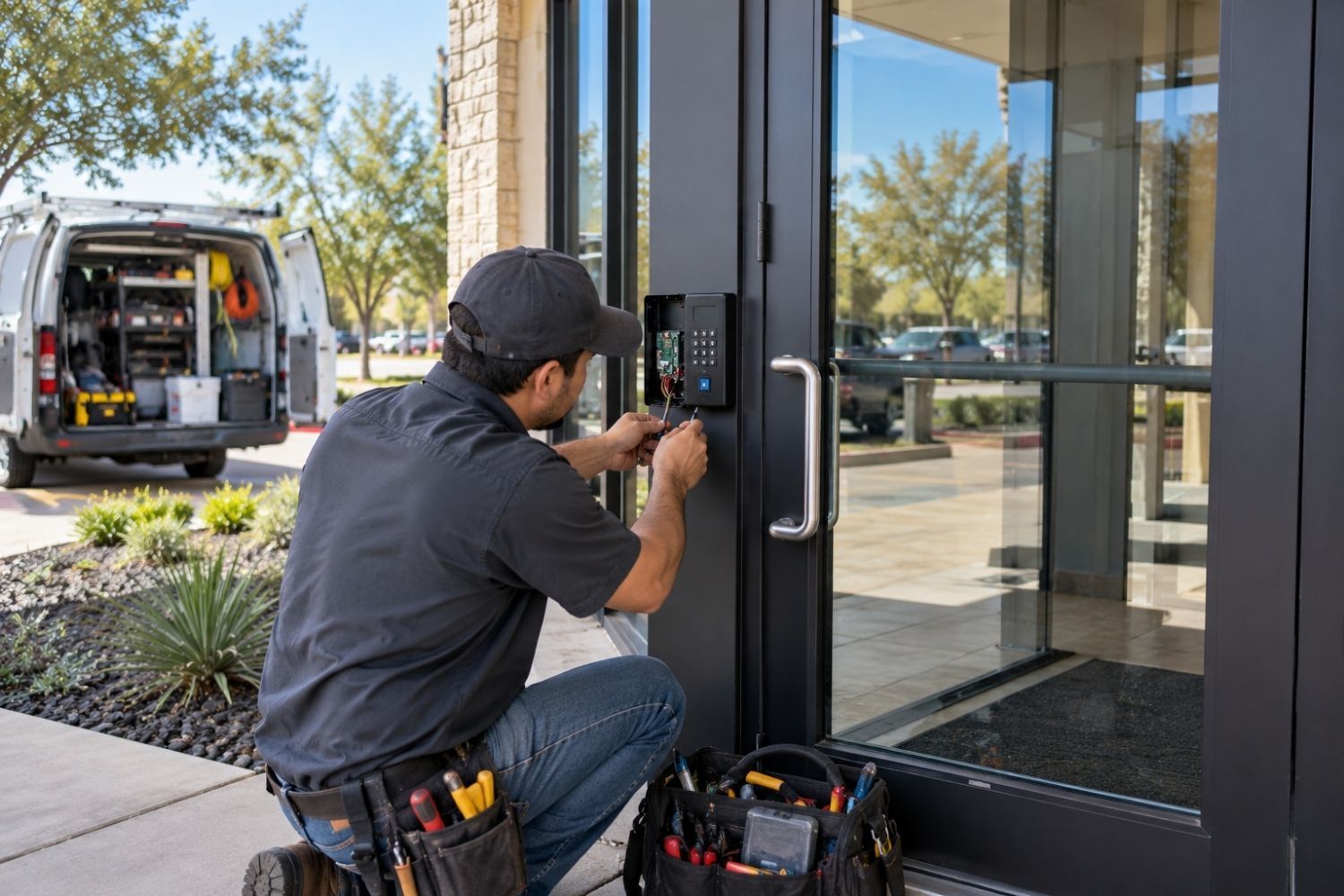
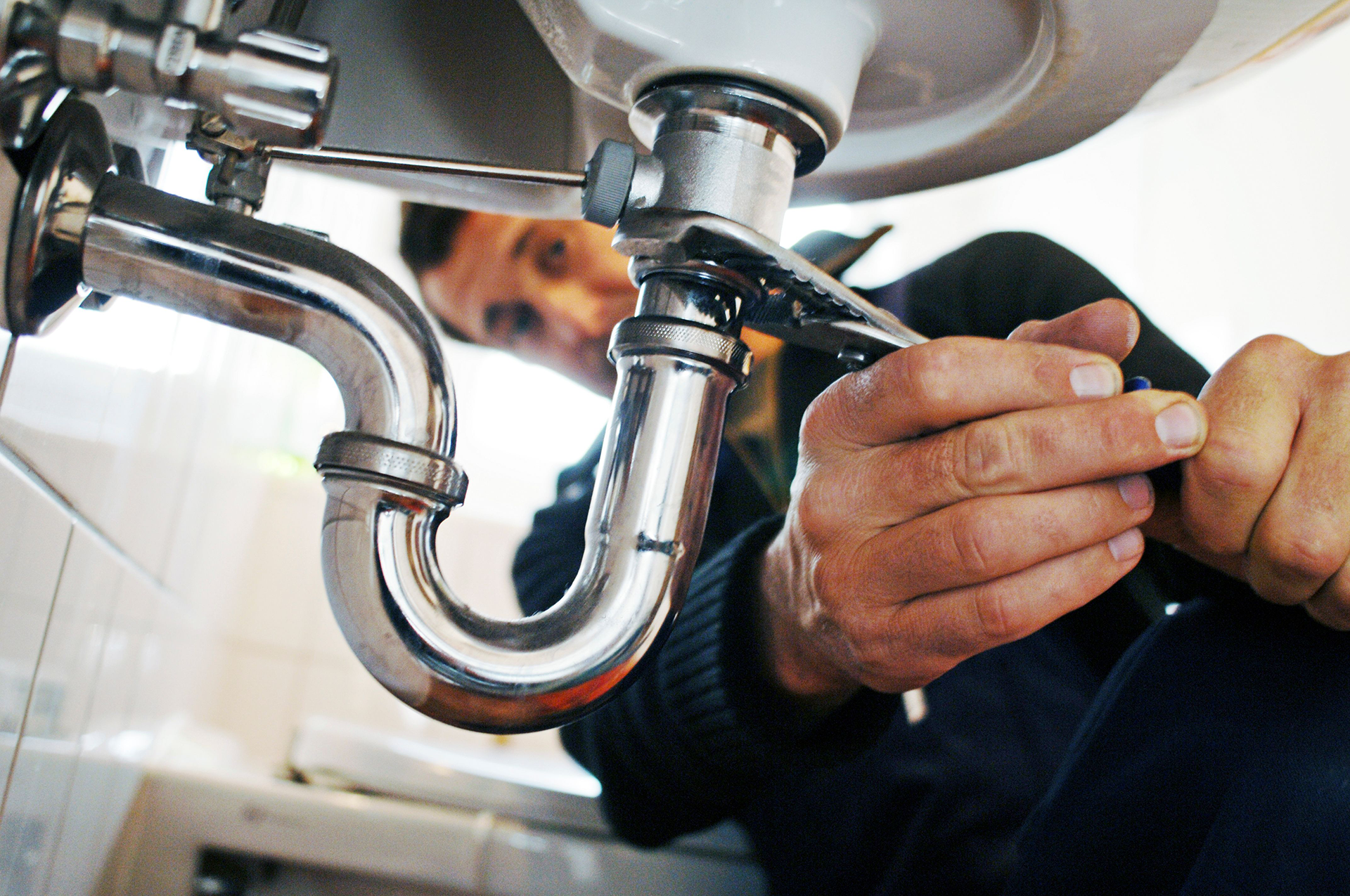
Plumbers, electricians, and skilled tradespeople work in high-risk environments every day. We build coverage around your tools, your vehicles, and your crew — so a job site incident does not stop your business.
Restaurants & Food Service
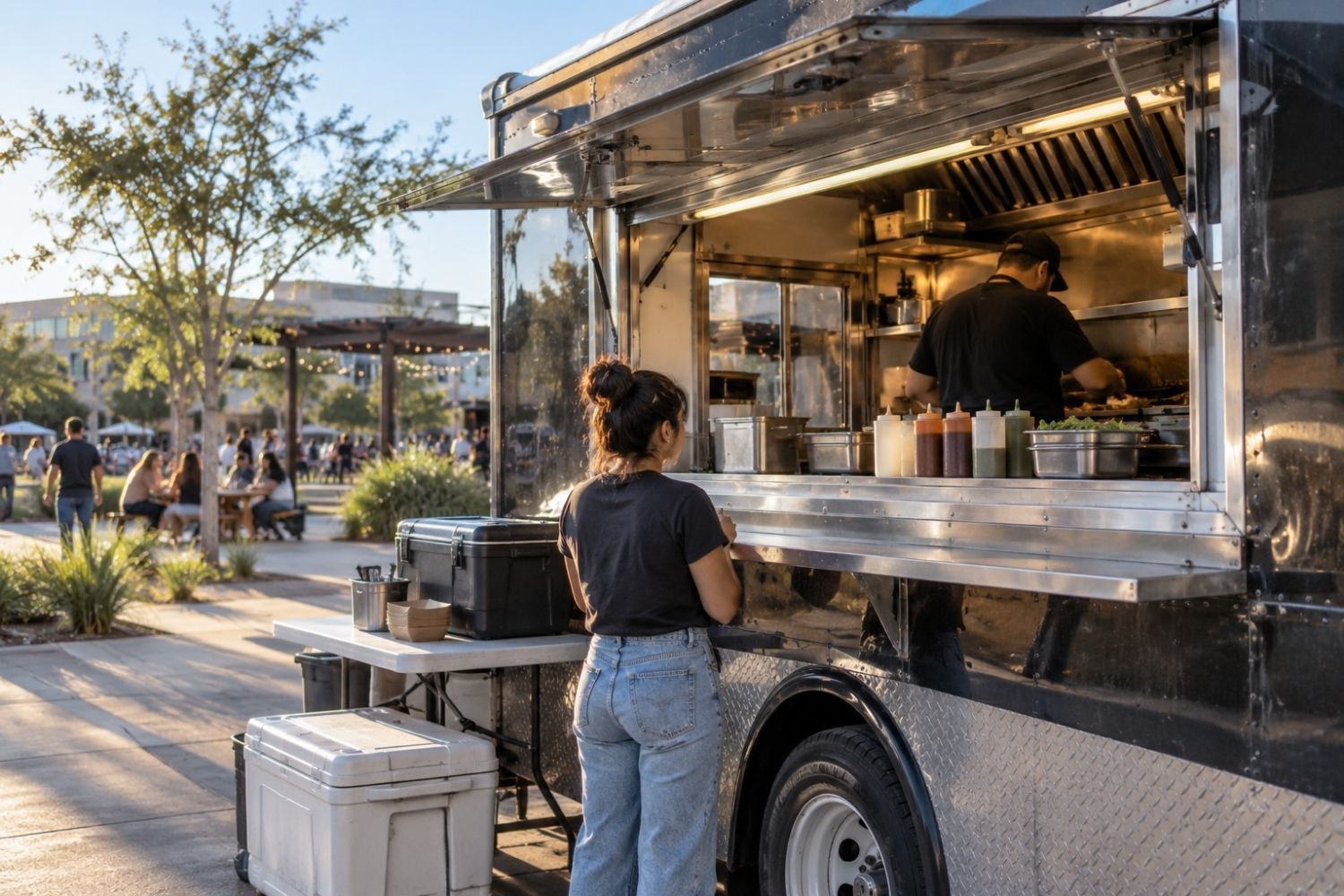
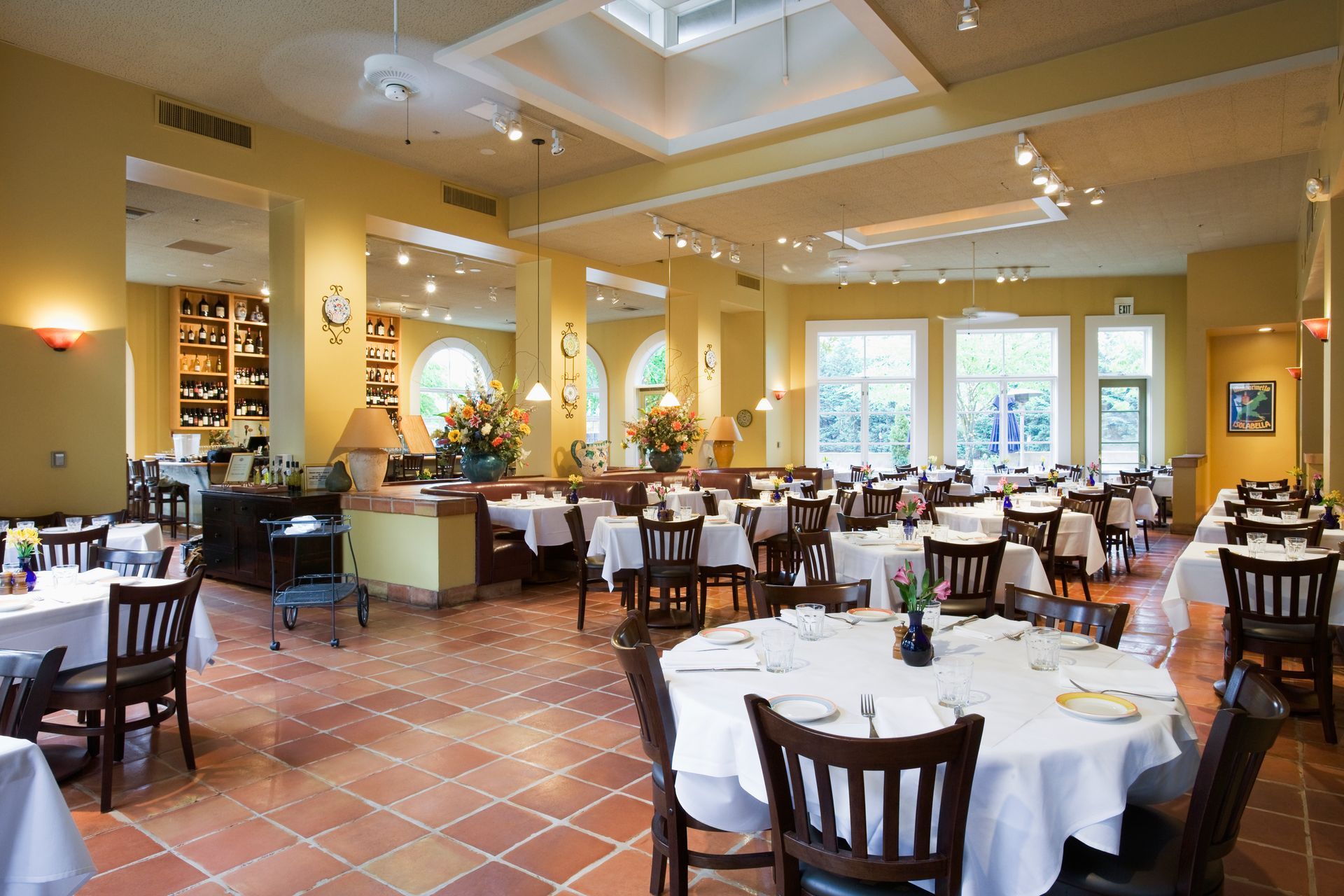
Restaurants carry liability on every shift — from the kitchen to the dining room and everything in between. We protect your location, your staff, and your equipment, including lost income when operations stop.

Non-Profits Service
Non-profits face unique liability across events, volunteers, staff, and leadership decisions. We cover your organization from the ground up — so you can focus on your mission, not your exposure.

Event Insurance
Event organizers face liability the moment guests arrive, vendors set up, and alcohol is served. We cover your event from start to finish — so one unexpected incident does not cancel everything you planned for.
Answers Before You Pick Up the Phone
What Texas Businesses Ask Us Most
We get a lot of the same questions from business owners across Texas. Here are honest answers to the ones that come up most.
What information do you need to get a commercial insurance quote?
We keep the process straightforward. We typically need your business name, a description of your operations, your gross annual sales projection, number of full-time and part-time employees, your gross annual payroll, and the types of coverage you are looking for. If you have an existing policy, the expiration date and current carrier help us put together a competitive comparison.
The most important thing you can do is be transparent about what your business actually does. Accurate classification ensures you have real coverage if a claim occurs. We have seen businesses with active policies that were incorrectly classified — and those gaps only surface at the worst possible moment.
Does Texas require businesses to carry Workers' Compensation Insurance?
Texas is the only state in the country that does not require most private employers to carry Workers' Compensation. However, if your business holds government contracts or works as a subcontractor on a job site, the hiring company will almost always require proof of coverage before work begins. A growing number of general contractors across Denton and the DFW area enforce this as a standard condition.
Even without a legal requirement, carrying Workers' Comp protects your business from direct liability if an employee is hurt on the job. Medical bills, lost wages, and legal fees can add up quickly — and one serious incident can create a financial loss that far exceeds years of premium payments.
What is a commercial insurance audit and should I expect one?
Most commercial general liability policies are auditable. At the end of your policy term, the insurance carrier reviews your actual gross sales to make sure your premium matched your real exposure. If your sales grew during the year, you may owe an additional premium. If sales came in lower, you could receive a refund.
The best way to avoid a large balance due at audit time is to update your projected gross sales with us during the year if your business grows faster than expected. We can endorse your policy mid-term to reflect the change and spread any additional premium across smaller installments instead of one lump sum at year-end.
What factors affect how much my commercial coverage will cost?
Your premium is calculated based on several variables specific to your operation — industry classification, gross annual sales, number of employees, gross payroll, claims history, and the types of coverage you need. A business that handles physical work with a crew on job sites will pay differently than a professional services firm working out of an office.
As an independent agency, we compare quotes across multiple carriers — including Travelers, The Hartford, Chubb, AmTrust, and others — to find the combination of coverage and price that works for your situation. There is no obligation after your quote, and we walk through every option in plain terms before you decide anything.
My business is a restaurant — what coverage do I actually need?
Restaurants are not a one-size-fits-all class of risk. Carriers look at a range of factors when evaluating a restaurant account: whether you serve alcohol, whether deep frying is involved, the type of fire suppression system in place, whether you have a hood cleaning contract, and whether you offer catering, delivery, or live entertainment. All of these affect both pricing and carrier appetite.
A well-structured restaurant policy typically includes general liability, building and business personal property coverage, liquor liability if applicable, food contamination coverage, business income protection, and workers' compensation for your staff. We work with carriers that actively want to write restaurant accounts in Texas — including Travelers, The Hartford, and Chubb — so you have real options to compare.
Can you help insure a business that is hard to place or outside the mainstream?
Yes — this is one of our strengths. We work with Excess and Surplus (E&S) lines markets through carriers like Burns & Wilcox for businesses that standard carriers will not write. We have placed coverage for master sign electricians, cable splicing operations, transmission rebuild shops for classic cars, CBD retailers, and many other non-standard accounts.
If you have been told your business is difficult to insure or you have received very limited options in the marketplace, reach out to us. We take time to understand your operations in detail, present your account to the right markets, and work to find coverage that actually reflects what you do — not a generic policy that leaves gaps.
Still have Question?
We’re here to help you!
Written for the Texas Business Owner
Insights That Help You Make Smarter Decisions
We publish articles on real topics that affect how Texas operators get covered — from local regulatory updates to coverage gaps most owners do not know they have.