A single hailstorm in North Texas can shatter windows, puncture roofs, and destroy thousands of dollars worth of inventory in under an hour. I've seen business owners stare at the damage, then realize their policy doesn't cover what they assumed it would. That moment of clarity always comes too late.
Commercial property insurance in Texas protects your building, equipment, and inventory from the specific risks this state throws at businesses. But Texas isn't like other states. The Gulf Coast deals with hurricanes. The Panhandle faces tornadoes. Central Texas floods in ways that defy logic. And everywhere, hail seems personally invested in destroying commercial rooftops.
The problem most business owners face isn't whether to get coverage. It's understanding what they're actually buying. Standard policies have gaps. Endorsements matter more than you'd think. And the difference between actual cash value and replacement cost can mean tens of thousands of dollars when you file a claim.
Working with Texas business owners through Denton Business Insurance, I've watched people make the same mistakes repeatedly. They undervalue their property. They skip flood coverage because they're not in a flood zone. They assume their equipment is covered when it breaks down. These assumptions cost real money.
This guide covers what Texas commercial property insurance actually does, where the gaps hide, and how to build coverage that protects your business against this state's particular brand of chaos.
The Essentials of Texas Commercial Property Insurance
Commercial property insurance functions as the financial backbone protecting your physical business assets. When something damages or destroys your property, this coverage pays to repair or replace it. Simple concept, complicated execution.
Building and Structure Coverage
If you own your commercial building, structure coverage protects the building itself: walls, roof, foundation, permanently installed fixtures, and attached structures like loading docks or signage. This includes electrical systems, plumbing, HVAC equipment, and built-in security systems.
Here's where confusion starts. Many business owners lease their space and assume the landlord's insurance covers everything. It doesn't. The landlord's policy typically covers the building shell. Your improvements, build-outs, and modifications? Those are your responsibility. That custom reception area you built out for $40,000 needs coverage under your policy, not theirs.
Coverage limits should reflect current construction costs, not what you paid years ago. A building constructed in 2015 for $500,000 might cost $750,000 to rebuild today. Material costs and labor rates have climbed significantly, and your policy limits need to keep pace.
Business Personal Property: Equipment and Inventory
This portion covers everything you own that isn't nailed down: furniture, computers, manufacturing equipment, tools, raw materials, finished inventory, and supplies. For retailers, inventory often represents the largest asset category. For service businesses, specialized equipment dominates.
The challenge is accurate valuation. Most businesses underestimate their personal property values by 20-40%. Walk through your space and actually catalog what's there. That industrial printer cost $12,000. The server room equipment totals $45,000. Inventory on hand averages $80,000. These numbers add up faster than people expect.
Actual Cash Value vs. Replacement Cost
This distinction determines how much money you receive after a claim. Actual cash value pays what your property was worth at the time of loss, factoring in depreciation. Replacement cost pays what it costs to buy equivalent new property.
The difference matters enormously. A five-year-old commercial HVAC system worth $25,000 when new might have an actual cash value of $10,000. If it's destroyed, actual cash value coverage gives you $10,000. Replacement cost coverage gives you enough to buy a new system.
Replacement cost policies cost more in premiums. They're almost always worth it.


By: Linda Dodson
Agency Director at
Denton Business Insurance
Common Hazards and Weather Risks in the Lone Star State
Texas weather doesn't play favorites. Every region faces distinct threats, and understanding your local risk profile shapes what coverage you need.
Windstorm, Hail, and Hurricane Protection
Texas leads the nation in hail damage claims. The state's position where cold northern air collides with warm Gulf moisture creates perfect conditions for severe thunderstorms. Dallas-Fort Worth, Austin, and San Antonio all sit in high-frequency hail zones.
Standard commercial property policies typically cover wind and hail damage, but deductibles work differently. Many policies use percentage-based wind and hail deductibles rather than flat dollar amounts. A 2% deductible on a $1 million property means you pay the first $20,000 of any wind or hail claim.
Coastal counties face additional complexity. The Texas Windstorm Insurance Association provides wind coverage for properties in 14 coastal counties and parts of Harris County where private insurers won't write policies. If your business operates along the Gulf Coast, you may need separate TWIA coverage for wind and hail.
Flood Insurance and Texas Drainage Risks
Standard commercial property policies exclude flood damage. Full stop. This catches business owners off guard constantly because flood zones don't tell the whole story.
Texas experiences flash flooding that ignores traditional flood maps. Poor drainage, rapid development, and intense rainfall events cause flooding in areas technically outside FEMA-designated zones. Houston's repeated flooding disasters affected countless properties in supposedly low-risk areas.
The National Flood Insurance Program offers coverage up to $500,000 for buildings and $500,000 for contents. Businesses needing higher limits can purchase excess flood coverage through private insurers. At Denton Business Insurance, we regularly help clients understand their actual flood exposure versus what maps suggest.
Fire and Theft Prevention for Commercial Spaces
Fire remains a leading cause of commercial property claims. Restaurants face cooking fires. Warehouses deal with electrical issues. Retail spaces experience arson. Your policy covers fire damage, but prevention measures directly impact your premiums.
Monitored fire alarm systems, sprinkler installations, and proximity to fire hydrants all influence rates. Buildings with central station fire alarms often qualify for premium discounts of 5-15%.
Theft coverage protects against burglary and robbery. Security systems, reinforced entry points, and inventory controls reduce both your risk and your premiums.
Base policies provide foundation coverage. Endorsements fill specific gaps that standard policies leave exposed.
Business Interruption and Loss of Income
Property damage creates two problems: the physical damage itself and the income you lose while recovering. Business interruption insurance addresses the second problem.
This coverage replaces lost income and pays ongoing expenses when covered property damage forces you to suspend operations. If a fire closes your restaurant for three months, business interruption coverage pays your rent, utilities, loan payments, and payroll. It covers the profit you would have earned.
The coverage period matters. Policies specify how long they'll pay: 12 months is common, but some businesses need longer restoration periods. Manufacturing facilities with specialized equipment might require 18-24 months to fully rebuild and resume operations.
Equipment Breakdown and Technology Coverage
Standard property policies cover damage from external events like fire, wind, and theft. They typically exclude mechanical or electrical breakdown. Your commercial refrigeration system fails due to a compressor malfunction? That's not covered under basic property insurance.
Equipment breakdown coverage fills this gap. It covers repair or replacement costs when covered equipment fails due to mechanical breakdown, electrical arcing, motor burnout, or pressure system failures. For businesses dependent on specialized equipment, this endorsement is essential.
Technology coverage extends protection to data restoration,
cyber-related losses, and electronic equipment. As businesses become more technology-dependent, these endorsements grow increasingly relevant.
Understanding what drives your premium helps you make informed decisions about coverage and risk management.
Building Construction Type and Safety Systems
Insurers classify buildings by construction type, with fire-resistive construction commanding the lowest rates. Masonry and steel-frame buildings cost less to insure than wood-frame structures. The logic is straightforward: some buildings burn faster than others.
| Construction Type | Fire Resistance | Typical Premium Impact |
|---|---|---|
| Fire-resistive | Highest | Lowest premiums |
| Non-combustible | High | Low premiums |
| Masonry | Moderate | Moderate premiums |
| Joisted masonry | Moderate-low | Higher premiums |
| Frame | Lowest | Highest premiums |
Safety systems provide premium credits. Central station burglar alarms, fire suppression systems, and deadbolt locks all reduce rates. Investing in security often pays for itself through premium savings within a few years.
Geographic Location and Regional Risk Profiles
Your address influences your premium more than most factors. Coastal locations carry hurricane exposure. North Texas properties face elevated hail risk. Urban locations may have higher theft rates but better fire response times.
Insurers use sophisticated modeling to assess location-specific risks. Two identical buildings five miles apart can have significantly different premiums based on local claim history, fire department response times, and proximity to hazards.
Texas offers multiple paths to commercial property coverage. Understanding your options helps you find appropriate coverage at competitive rates.
Comparing Admitted vs. Surplus Lines Carriers
Admitted carriers are licensed by the Texas Department of Insurance and participate in the state guaranty fund. If an admitted carrier becomes insolvent, the guaranty fund helps pay claims. Admitted carriers must file their rates and policy forms with the state.
Surplus lines carriers aren't admitted in Texas but are allowed to write coverage that admitted carriers won't. They offer more flexibility in coverage terms and pricing but don't participate in the guaranty fund. Businesses with unusual risks or those declined by admitted carriers often find coverage through surplus lines.
Neither option is inherently better. The right choice depends on your specific situation, risk profile, and coverage needs.
How to Conduct a Thorough Property Valuation
Accurate property valuation prevents two problems: underinsurance and overpaying for coverage you don't need. Most businesses err toward underinsurance.
Start with current replacement costs, not original purchase prices or book values. Construction costs have increased substantially. Equipment prices fluctuate. Inventory levels change seasonally.
Consider hiring a professional appraiser for complex properties or high-value equipment. The cost of an appraisal is minimal compared to discovering you're underinsured after a major loss.
Review your valuations annually. Business growth, equipment purchases, and inventory changes all affect your coverage needs. Working with an independent agency like Denton Business Insurance means having someone who reviews your coverage regularly rather than just at renewal.
Frequently Asked Questions
Does my commercial property policy cover employee personal belongings? Generally no. Employee personal property belongs to them, not the business. Some policies offer limited coverage for employee belongings, but employees should maintain their own renters or homeowners policies.
How quickly can I get coverage for a new commercial property? Most policies can be bound within 24-48 hours once underwriting information is complete. Complex risks or properties requiring inspections may take longer.
What happens if I make improvements to my leased space? Tenant improvements need coverage under your policy, not your landlord's. Notify your agent when making significant build-outs so your coverage reflects the investment.
Are outdoor signs covered under commercial property insurance? Yes, permanently attached signs are typically covered. Freestanding signs may need specific scheduling. Check your policy for coverage limits on signs.
Does commercial property insurance cover my business vehicles? No. Vehicles require separate
commercial auto insurance. Property insurance covers buildings, equipment, and inventory, not vehicles.
Making the Right Coverage Decision
Texas businesses face real property risks that generic policies don't adequately address. The combination of severe weather, geographic diversity, and specific coverage gaps means your policy needs customization.
Get accurate valuations. Understand your deductibles. Know what's excluded. Add endorsements that match your actual exposures rather than hoping your base policy covers everything.
If you're unsure whether your current coverage protects what you've built, reach out to Denton Business Insurance for a policy review. We compare options across multiple carriers and help you understand exactly what you're buying before you need to use it.
Straight from the Clients We Serve
Texas Business Owners Rate Us 5 Stars — Here Is Why
We hear the same things repeatedly: fast service, honest advice, and coverage that made sense for their situation. That is what we aim for every time.

Protection Across Every Area of Your BUSINESS
What Texas Businesses Need. What We Deliver.
From your job site and your fleet to your data and your payroll — we cover the risks that Texas businesses carry every day.
General Liability
Covers third-party claims of bodily injury, property damage, and advertising injury. A foundational protection for nearly every Texas business, regardless of industry or size.
Commercial Property
Covers your building, equipment, inventory, and business contents against fire, theft, storms, and vandalism. Can also include lost income if your businesses are forced to stop.
Commercial Auto
Protects vehicles your company owns, leases, or uses for work. Covers liability, collision damage, and injuries for employees driving on company time.
Errors & Omissions
Protects service providers when a client claims your advice, work, or recommendations caused them a financial loss. Critical for consultants, IT firms, agents, and other professional service businesses.
Directors & Officers
Covers leadership decisions that result in claims from employees, investors, or outside parties. Protects your directors and officers personally when management decisions are challenged.
Inland Marine & Equipment Floater
Covers tools, materials, and equipment that move between job sites or are stored off your primary property. Fills the gap where a standard commercial property policy stops.
Every Sector Has Its Own Risk Profile
We Know Your Trade. We Know Your Exposure.
We work with a wide range of Texas industries — each with different coverage priorities. Below are the sectors we serve most often.
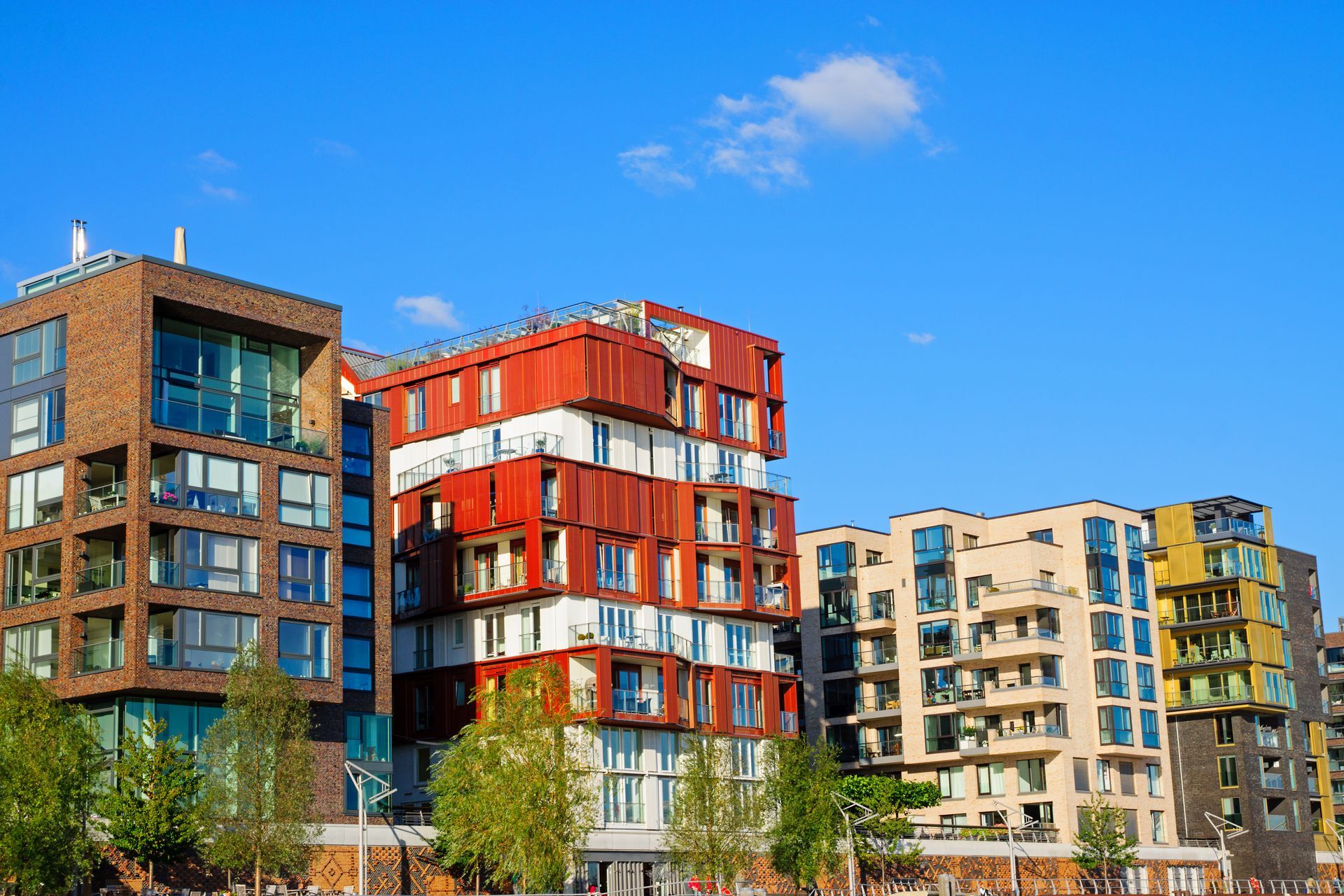
Apartment Complexes
Texas apartment owners face liability across common areas, tenant incidents, and on-site staff. We cover your property, your income, and your exposure — across one complex or an entire portfolio.
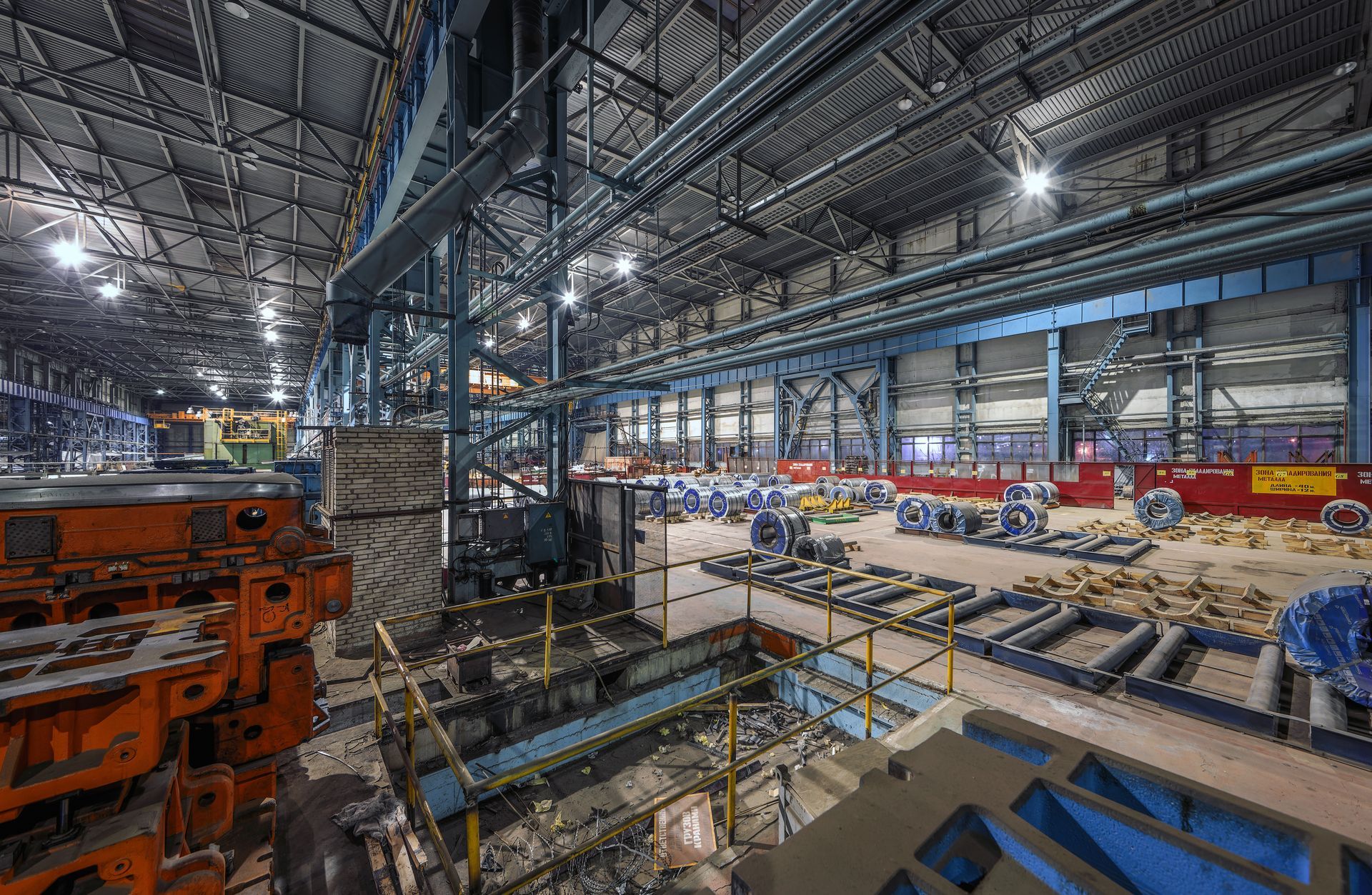
Manufacturing Businesses
Equipment breakdowns, product liability, and workforce injuries are daily risks for Texas manufacturers. We build coverage from the shop floor to the loading dock — so one incident does not shut you down.
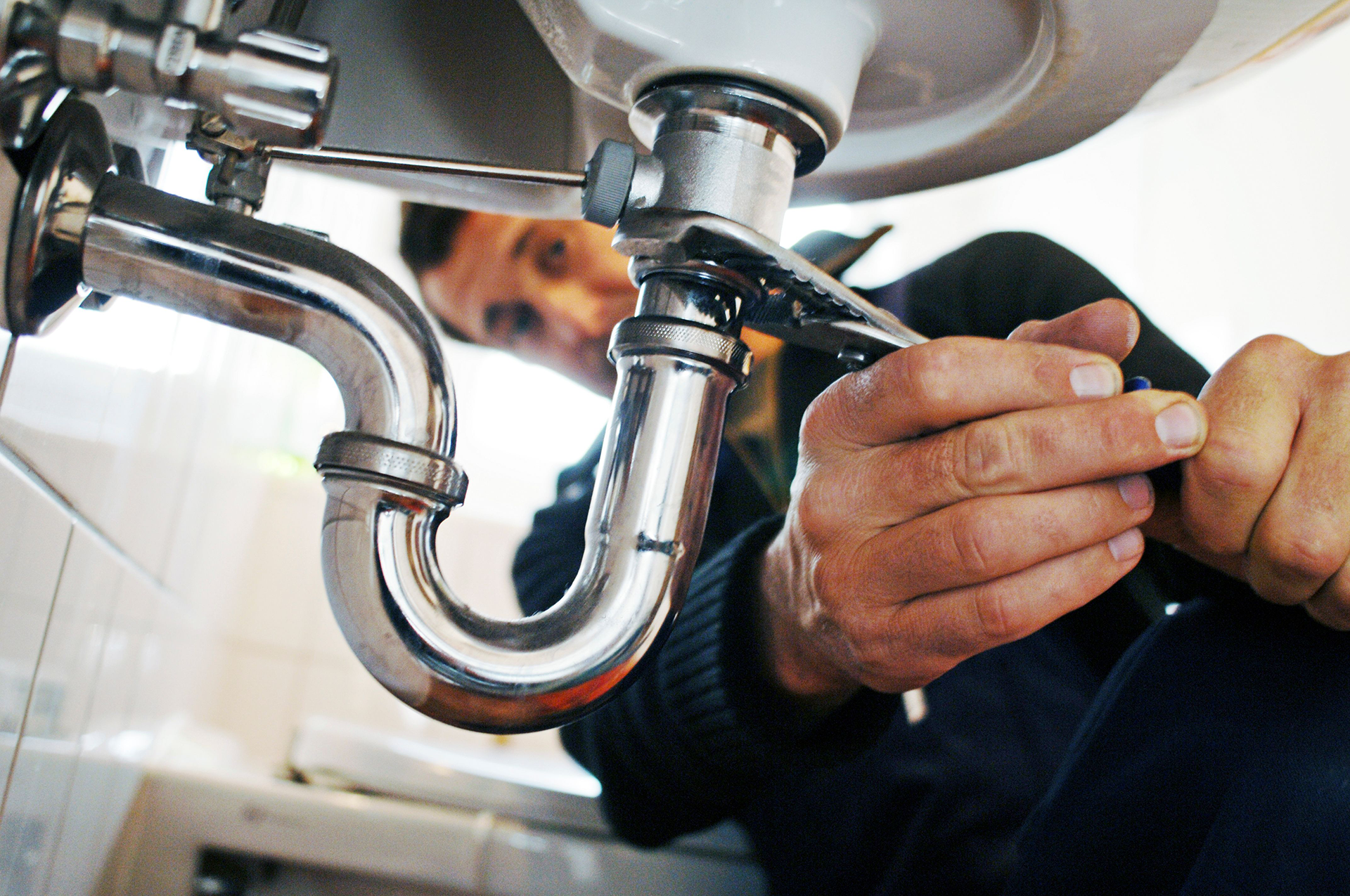
Artisan Contractors
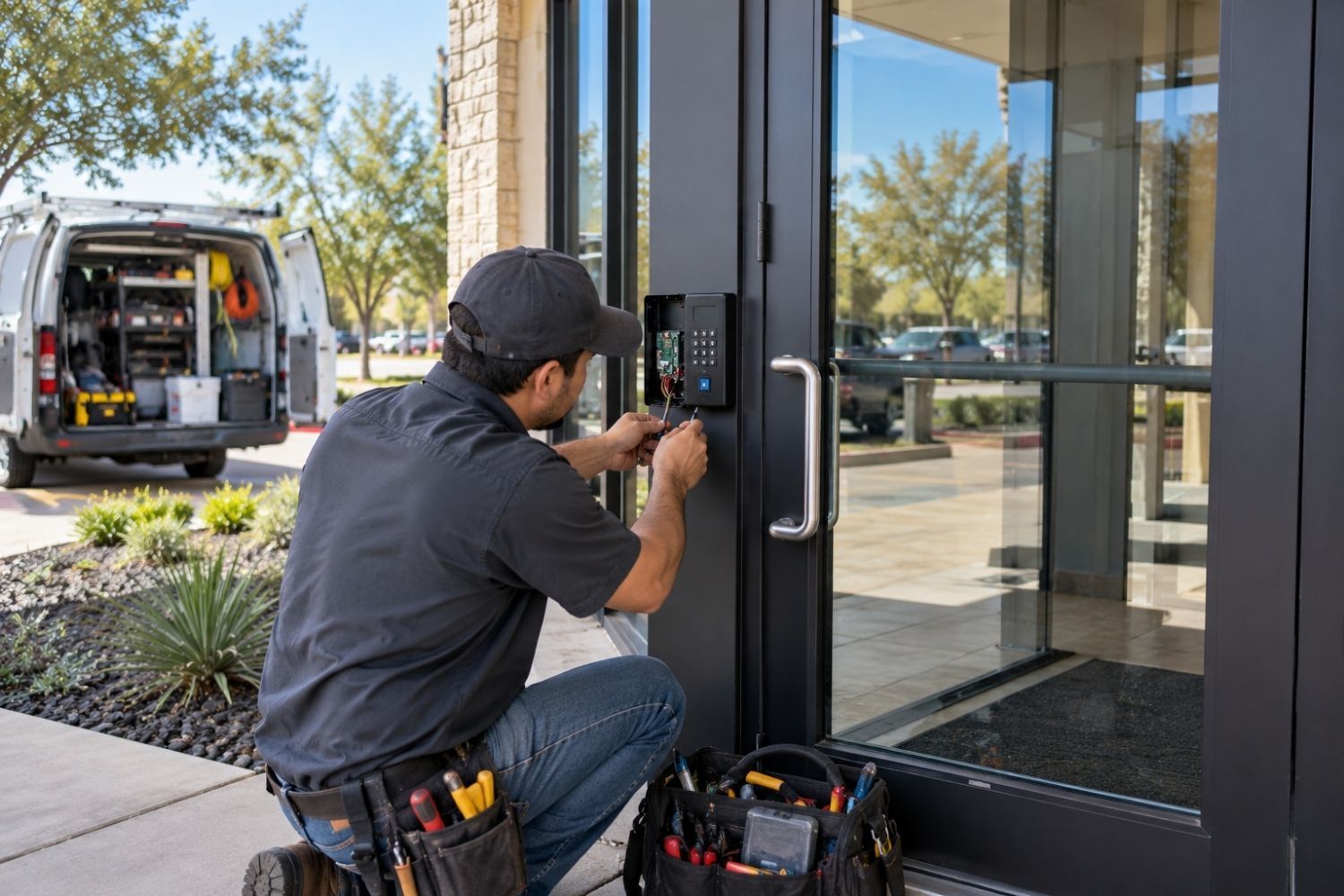
Plumbers, electricians, and skilled tradespeople work in high-risk environments every day. We build coverage around your tools, your vehicles, and your crew — so a job site incident does not stop your business.
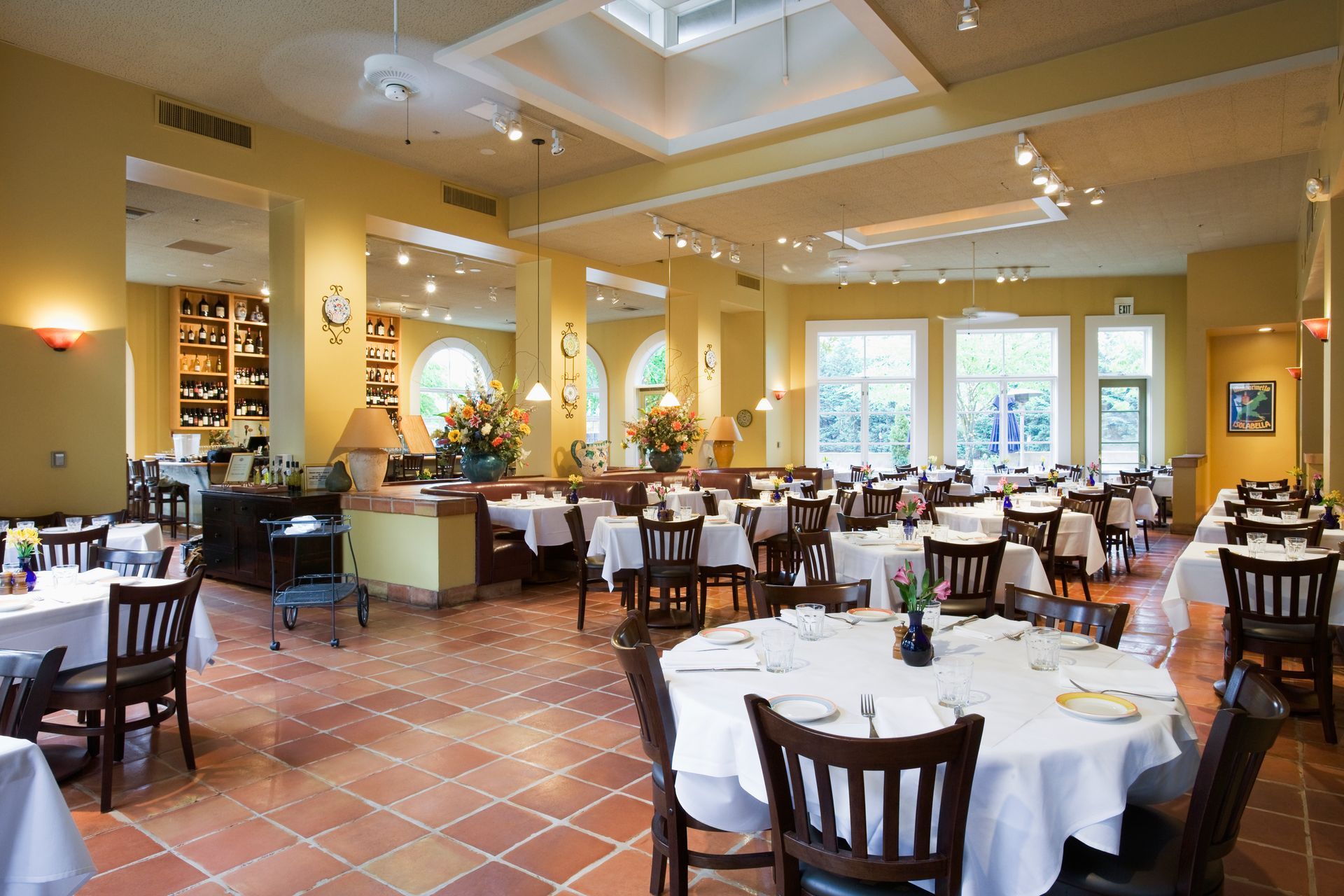
Restaurants & Food Service
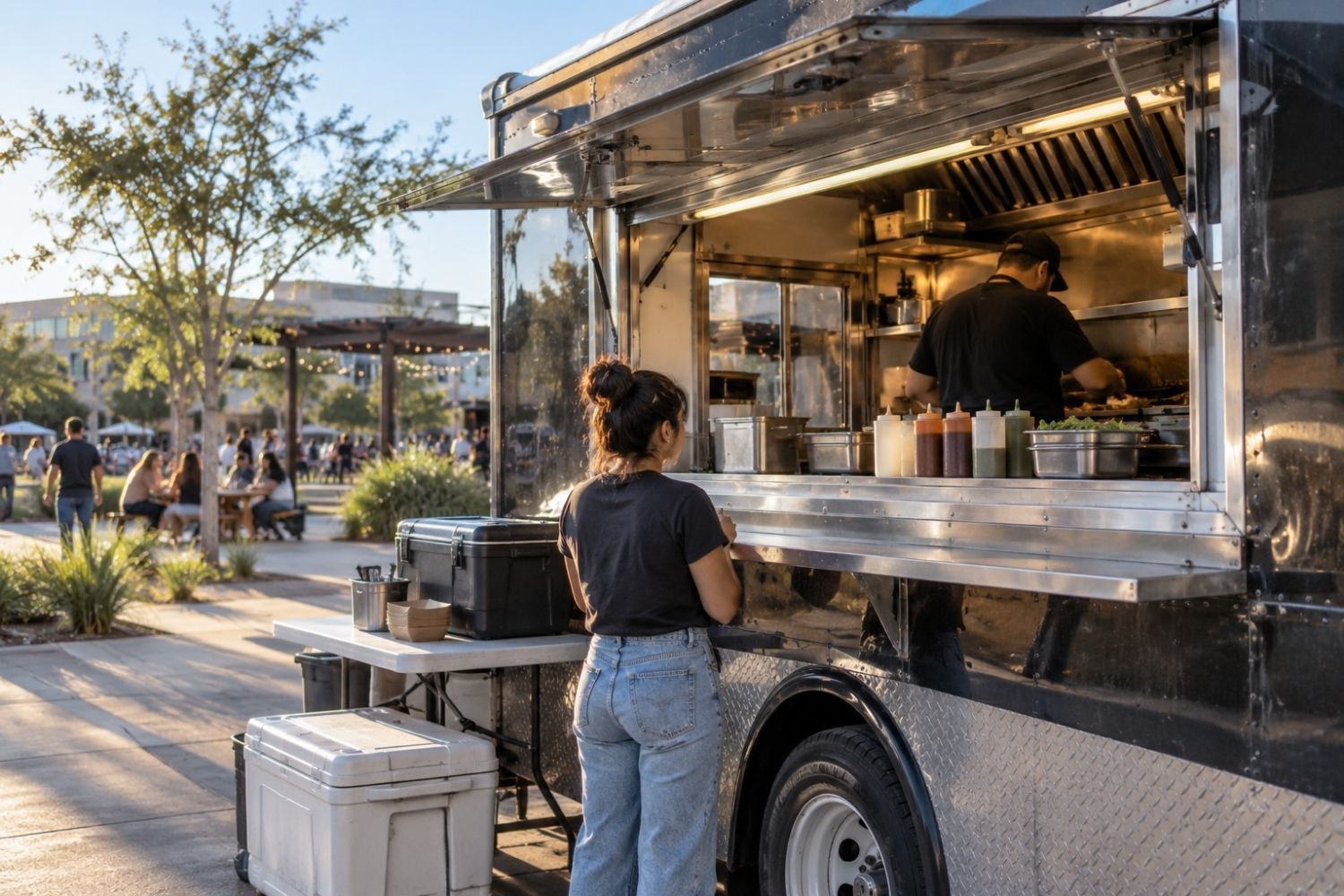
Restaurants carry liability on every shift — from the kitchen to the dining room and everything in between. We protect your location, your staff, and your equipment, including lost income when operations stop.

Non-Profits Service
Non-profits face unique liability across events, volunteers, staff, and leadership decisions. We cover your organization from the ground up — so you can focus on your mission, not your exposure.

Event Insurance
Event organizers face liability the moment guests arrive, vendors set up, and alcohol is served. We cover your event from start to finish — so one unexpected incident does not cancel everything you planned for.
Answers Before You Pick Up the Phone
What Texas Businesses Ask Us Most
We get a lot of the same questions from business owners across Texas. Here are honest answers to the ones that come up most.
What information do you need to get a commercial insurance quote?
We keep the process straightforward. We typically need your business name, a description of your operations, your gross annual sales projection, number of full-time and part-time employees, your gross annual payroll, and the types of coverage you are looking for. If you have an existing policy, the expiration date and current carrier help us put together a competitive comparison.
The most important thing you can do is be transparent about what your business actually does. Accurate classification ensures you have real coverage if a claim occurs. We have seen businesses with active policies that were incorrectly classified — and those gaps only surface at the worst possible moment.
Does Texas require businesses to carry Workers' Compensation Insurance?
Texas is the only state in the country that does not require most private employers to carry Workers' Compensation. However, if your business holds government contracts or works as a subcontractor on a job site, the hiring company will almost always require proof of coverage before work begins. A growing number of general contractors across Denton and the DFW area enforce this as a standard condition.
Even without a legal requirement, carrying Workers' Comp protects your business from direct liability if an employee is hurt on the job. Medical bills, lost wages, and legal fees can add up quickly — and one serious incident can create a financial loss that far exceeds years of premium payments.
What is a commercial insurance audit and should I expect one?
Most commercial general liability policies are auditable. At the end of your policy term, the insurance carrier reviews your actual gross sales to make sure your premium matched your real exposure. If your sales grew during the year, you may owe an additional premium. If sales came in lower, you could receive a refund.
The best way to avoid a large balance due at audit time is to update your projected gross sales with us during the year if your business grows faster than expected. We can endorse your policy mid-term to reflect the change and spread any additional premium across smaller installments instead of one lump sum at year-end.
What factors affect how much my commercial coverage will cost?
Your premium is calculated based on several variables specific to your operation — industry classification, gross annual sales, number of employees, gross payroll, claims history, and the types of coverage you need. A business that handles physical work with a crew on job sites will pay differently than a professional services firm working out of an office.
As an independent agency, we compare quotes across multiple carriers — including Travelers, The Hartford, Chubb, AmTrust, and others — to find the combination of coverage and price that works for your situation. There is no obligation after your quote, and we walk through every option in plain terms before you decide anything.
My business is a restaurant — what coverage do I actually need?
Restaurants are not a one-size-fits-all class of risk. Carriers look at a range of factors when evaluating a restaurant account: whether you serve alcohol, whether deep frying is involved, the type of fire suppression system in place, whether you have a hood cleaning contract, and whether you offer catering, delivery, or live entertainment. All of these affect both pricing and carrier appetite.
A well-structured restaurant policy typically includes general liability, building and business personal property coverage, liquor liability if applicable, food contamination coverage, business income protection, and workers' compensation for your staff. We work with carriers that actively want to write restaurant accounts in Texas — including Travelers, The Hartford, and Chubb — so you have real options to compare.
Can you help insure a business that is hard to place or outside the mainstream?
Yes — this is one of our strengths. We work with Excess and Surplus (E&S) lines markets through carriers like Burns & Wilcox for businesses that standard carriers will not write. We have placed coverage for master sign electricians, cable splicing operations, transmission rebuild shops for classic cars, CBD retailers, and many other non-standard accounts.
If you have been told your business is difficult to insure or you have received very limited options in the marketplace, reach out to us. We take time to understand your operations in detail, present your account to the right markets, and work to find coverage that actually reflects what you do — not a generic policy that leaves gaps.
Still have Question?
We’re here to help you!
Written for the Texas Business Owner
Insights That Help You Make Smarter Decisions
We publish articles on real topics that affect how Texas operators get covered — from local regulatory updates to coverage gaps most owners do not know they have.