Frequently Asked Questions
A $1 million general liability policy sounds like plenty of protection until you're facing a $2.3 million judgment from a slip-and-fall at your annual gala. Texas courts handed down more than 7,500 verdicts exceeding $1 million in personal injury cases last year, and nonprofits aren't exempt from these awards. Your mission might be charitable, but plaintiffs' attorneys don't offer discounts for good intentions.
Umbrella insurance for nonprofits in Texas provides the extra liability coverage that sits above your existing policies, kicking in when claims exceed your primary limits. For 501(c)(3) organizations operating in one of the most litigation-heavy states in the country, this coverage isn't a luxury. It's a financial safeguard that can mean the difference between surviving a major claim and shuttering your doors.
Texas nonprofits face a unique combination of risks: high volunteer activity, frequent community events, board member liability, and a legal environment that tends to favor plaintiffs in personal injury cases. The Texas Charitable Immunity and Liability Act offers some protection, but it has significant gaps that many nonprofit leaders don't fully understand. An umbrella policy fills those gaps while extending protection across your general liability, auto, and even directors and officers coverage.
Whether you're running a food bank in Fort Worth or a youth mentorship program in Houston, understanding how umbrella coverage works for 501(c)(3)s can protect decades of community investment from a single catastrophic claim.
The Role of Commercial Umbrella Insurance for Texas Nonprofits
Commercial umbrella insurance functions as a financial safety net that activates when your primary policies reach their limits. For Texas nonprofits, this coverage typically sits above general liability, commercial auto, and employer's liability policies, providing an additional layer of protection that can range from $1 million to $10 million or more.
Extending Coverage Beyond General Liability
Your general liability policy likely carries limits of $1 million per occurrence and $2 million aggregate. That sounds substantial until you consider the math behind a serious injury claim: medical costs, lost wages, pain and suffering, and punitive damages can quickly stack beyond seven figures. An umbrella policy picks up where your primary coverage stops.
The coverage also extends to scenarios your general liability might not fully address. Personal injury claims like defamation or invasion of privacy, certain advertising injuries, and worldwide liability for traveling staff can fall under umbrella protection. For nonprofits with international mission work or staff traveling to conferences, this broader coverage scope matters.
Protecting Assets in a High-Litigation State
Texas consistently ranks among the top five states for lawsuit filings, with Harris County and Dallas County appearing on the American Tort Reform Association's "judicial hellhole" list multiple times. Jury awards in Texas metropolitan areas trend 20-40% higher than national averages, which means a claim that might settle for $800,000 in another state could easily hit $1.2 million in Houston or San Antonio.
Nonprofits often hold significant assets that plaintiffs can target: real estate, endowment funds, vehicles, and equipment. Without adequate umbrella coverage, a judgment exceeding your primary limits puts these organizational assets at direct risk. Working with an independent agency like Denton Business Insurance allows you to compare umbrella options across multiple carriers, finding coverage limits that actually match your exposure rather than settling for whatever one company offers.


By: Linda Dodson
Agency Director at
Denton Business Insurance
Specific Liability Risks for 501(c)(3) Organizations
Nonprofits face liability exposures that differ significantly from for-profit businesses. Your reliance on volunteers, community-facing programs, and public events creates risk categories that require specific attention.
Volunteer and Employee Misconduct Allegations
Allegations of misconduct against volunteers or employees represent one of the most financially devastating claim categories for nonprofits. Youth-serving organizations face particular exposure, with abuse allegations sometimes resulting in multi-million dollar settlements. Even unfounded allegations trigger substantial legal defense costs.
Your general liability policy may have limited coverage for these claims, and some policies exclude them entirely. An umbrella policy can provide additional defense costs and settlement funds, though coverage varies significantly by carrier. Organizations working with vulnerable populations should verify that their umbrella policy explicitly covers misconduct allegations rather than assuming protection exists.
Fundraising and Special Event Liabilities
That charity auction with 300 attendees, the 5K run through downtown, the golf tournament at the country club: each event creates concentrated liability exposure. Alcohol service at fundraisers compounds the risk substantially, as Texas dram shop laws can hold event hosts liable for injuries caused by intoxicated guests.
Event-specific insurance can cover individual occasions, but an umbrella policy provides consistent protection across all your activities throughout the year. When a participant in your charity cycling event collides with a vehicle, or a volunteer falls from a ladder during your building renovation project, the umbrella coverage activates after your primary policy limits are exhausted.
Texas-Specific Legal Considerations for Nonprofits
Texas law provides certain protections for charitable organizations, but these protections have boundaries that every nonprofit leader should understand.
The Texas Charitable Immunity and Liability Act
The Texas Charitable Immunity and Liability Act (TCILA) limits liability for charitable organizations and their volunteers in specific circumstances. Volunteers acting within the scope of their duties are generally protected from personal liability for negligence, and the organization itself has capped liability in certain situations.
Under TCILA, a nonprofit's liability for acts of volunteers is limited to $500,000 per person and $1 million per occurrence for claims arising from motor vehicle operation. For other negligence claims involving volunteers, the cap is $500,000 per person and $1 million per occurrence, but only if the organization maintains liability insurance at specified minimum levels.
Limitations of State Liability Protections
TCILA protections don't apply universally. Claims involving gross negligence, intentional misconduct, or actions outside the scope of organizational activities fall outside the immunity provisions. Federal claims, including those arising under civil rights laws or employment discrimination statutes, aren't covered by state immunity.
The act also requires that nonprofits maintain certain insurance minimums to qualify for liability caps. Failing to carry adequate coverage can actually increase your exposure by eliminating the statutory protections you might otherwise enjoy. This creates a situation where umbrella coverage serves double duty: it provides additional protection while helping ensure you meet the insurance thresholds that activate TCILA immunity.

Determining the Right Coverage Limits
Selecting appropriate umbrella limits requires honest assessment of your organization's risk profile rather than simply choosing the cheapest available option.
Assessing Total Insurable Value and Risk Exposure
Start by calculating your organization's total assets: real estate, investments, equipment, vehicles, and endowment funds. Your umbrella limits should at minimum protect these assets from a catastrophic judgment. An organization with $3 million in total assets facing a $4 million judgment without adequate umbrella coverage could lose everything built over decades of community service.
| Risk Factor | Lower Limit Appropriate | Higher Limit Needed |
|---|---|---|
| Annual budget | Under $500,000 | Over $2 million |
| Event attendance | Under 100 per event | 500+ per event |
| Volunteer count | Under 20 active | 100+ active |
| Vehicle fleet | 1-2 vehicles | 5+ vehicles |
| Youth programs | None | Regular youth contact |
Beyond assets, consider your activity profile. Organizations with extensive volunteer programs, large public events, youth-serving missions, or vehicle fleets need higher limits than small administrative nonprofits with minimal public interaction.
Contractual Requirements from Grantors and Partners
Many foundations, government agencies, and corporate partners require specific umbrella coverage limits as a condition of funding or partnership. Grant agreements commonly specify $2 million to $5 million in umbrella coverage, particularly for programs involving direct service delivery or facility use.
Reviewing your current and anticipated grant requirements before purchasing umbrella coverage prevents the frustrating situation of securing funding only to discover you don't meet the insurance requirements. At Denton Business Insurance, we regularly help nonprofits match their coverage to grantor specifications while shopping multiple carriers for competitive pricing.
Choosing a Policy and Managing Costs
Umbrella coverage represents an additional expense, but strategic purchasing decisions can maximize protection while controlling costs.
Bundling with Directors and Officers (D&O) Insurance
Many carriers offer discounts when you bundle umbrella coverage with directors and officers liability insurance. D&O coverage protects your board members and executives from personal liability arising from their governance decisions, while umbrella coverage extends protection across your operational policies.
Bundling these coverages often reduces total premium costs by 10-15% compared to purchasing separately. More importantly, it simplifies claims handling when an incident potentially triggers multiple policies. Having one carrier coordinate coverage across policies eliminates finger-pointing between insurers.
Strategies for Reducing Nonprofit Premiums
Premium costs for nonprofit umbrella policies typically range from $500 to $3,000 annually for $1 million in coverage, with rates varying based on organizational size, activities, and claims history. Several strategies can reduce these costs:
- Maintain clean claims history across all underlying policies
- Implement documented risk management procedures for events and volunteer activities
- Increase underlying policy limits to reduce umbrella exposure
- Accept higher self-insured retentions if your organization can absorb moderate losses
- Compare quotes from multiple carriers through an independent agency
Organizations with strong safety records and formal risk management programs often qualify for preferred rates. Documenting your volunteer training procedures, event safety protocols, and incident reporting systems demonstrates to underwriters that you actively manage risk rather than simply purchasing insurance.
Frequently Asked Questions
How much umbrella coverage does a typical Texas nonprofit need? Most small to mid-sized nonprofits carry $1-2 million in umbrella coverage, while organizations with significant assets, large events, or youth programs often need $3-5 million or more.
Does umbrella insurance cover board members? Umbrella policies extend coverage for bodily injury and property damage claims but don't replace directors and officers (D&O) insurance, which covers governance decisions and fiduciary duties.
Can a nonprofit lose its 501(c)(3) status over an uninsured claim? Not directly, but a catastrophic judgment can force dissolution, effectively ending operations. Adequate insurance protects both the mission and the organization's ability to continue serving the community.
What's the difference between umbrella and excess liability coverage? Umbrella policies typically provide broader coverage and may cover claims excluded by underlying policies, while excess liability simply adds higher limits to existing coverage without expanding scope.
Does TCILA protect nonprofits from all lawsuits?
No. TCILA immunity doesn't apply to gross negligence, intentional acts, federal claims, or situations where the organization fails to maintain required insurance minimums.
Making the Right Coverage Decision
Umbrella insurance for Texas 501(c)(3)s isn't about preparing for the worst case scenario. It's about ensuring a single lawsuit can't undo years of community impact. The combination of Texas's litigation environment, the limitations of charitable immunity, and the unique risks nonprofits face makes umbrella coverage a practical necessity rather than an optional extra.
The right coverage amount depends on your specific situation: your assets, your activities, your volunteer base, and your contractual obligations. Getting this decision right requires comparing options across multiple carriers rather than accepting the first quote you receive. An independent agency can present options from carriers like Travelers, Nationwide, and
Chubb, helping you find coverage that actually fits your organization's risk profile and budget.
Straight from the Clients We Serve
Texas Business Owners Rate Us 5 Stars — Here Is Why
We hear the same things repeatedly: fast service, honest advice, and coverage that made sense for their situation. That is what we aim for every time.

Protection Across Every Area of Your BUSINESS
What Texas Businesses Need. What We Deliver.
From your job site and your fleet to your data and your payroll — we cover the risks that Texas businesses carry every day.
General Liability
Covers third-party claims of bodily injury, property damage, and advertising injury. A foundational protection for nearly every Texas business, regardless of industry or size.
Commercial Property
Covers your building, equipment, inventory, and business contents against fire, theft, storms, and vandalism. Can also include lost income if your businesses are forced to stop.
Commercial Auto
Protects vehicles your company owns, leases, or uses for work. Covers liability, collision damage, and injuries for employees driving on company time.
Errors & Omissions
Protects service providers when a client claims your advice, work, or recommendations caused them a financial loss. Critical for consultants, IT firms, agents, and other professional service businesses.
Directors & Officers
Covers leadership decisions that result in claims from employees, investors, or outside parties. Protects your directors and officers personally when management decisions are challenged.
Inland Marine & Equipment Floater
Covers tools, materials, and equipment that move between job sites or are stored off your primary property. Fills the gap where a standard commercial property policy stops.
Every Sector Has Its Own Risk Profile
We Know Your Trade. We Know Your Exposure.
We work with a wide range of Texas industries — each with different coverage priorities. Below are the sectors we serve most often.

Apartment Complexes
Texas apartment owners face liability across common areas, tenant incidents, and on-site staff. We cover your property, your income, and your exposure — across one complex or an entire portfolio.

Manufacturing Businesses
Equipment breakdowns, product liability, and workforce injuries are daily risks for Texas manufacturers. We build coverage from the shop floor to the loading dock — so one incident does not shut you down.
Artisan Contractors
Plumbers, electricians, and skilled tradespeople work in high-risk environments every day. We build coverage around your tools, your vehicles, and your crew — so a job site incident does not stop your business.
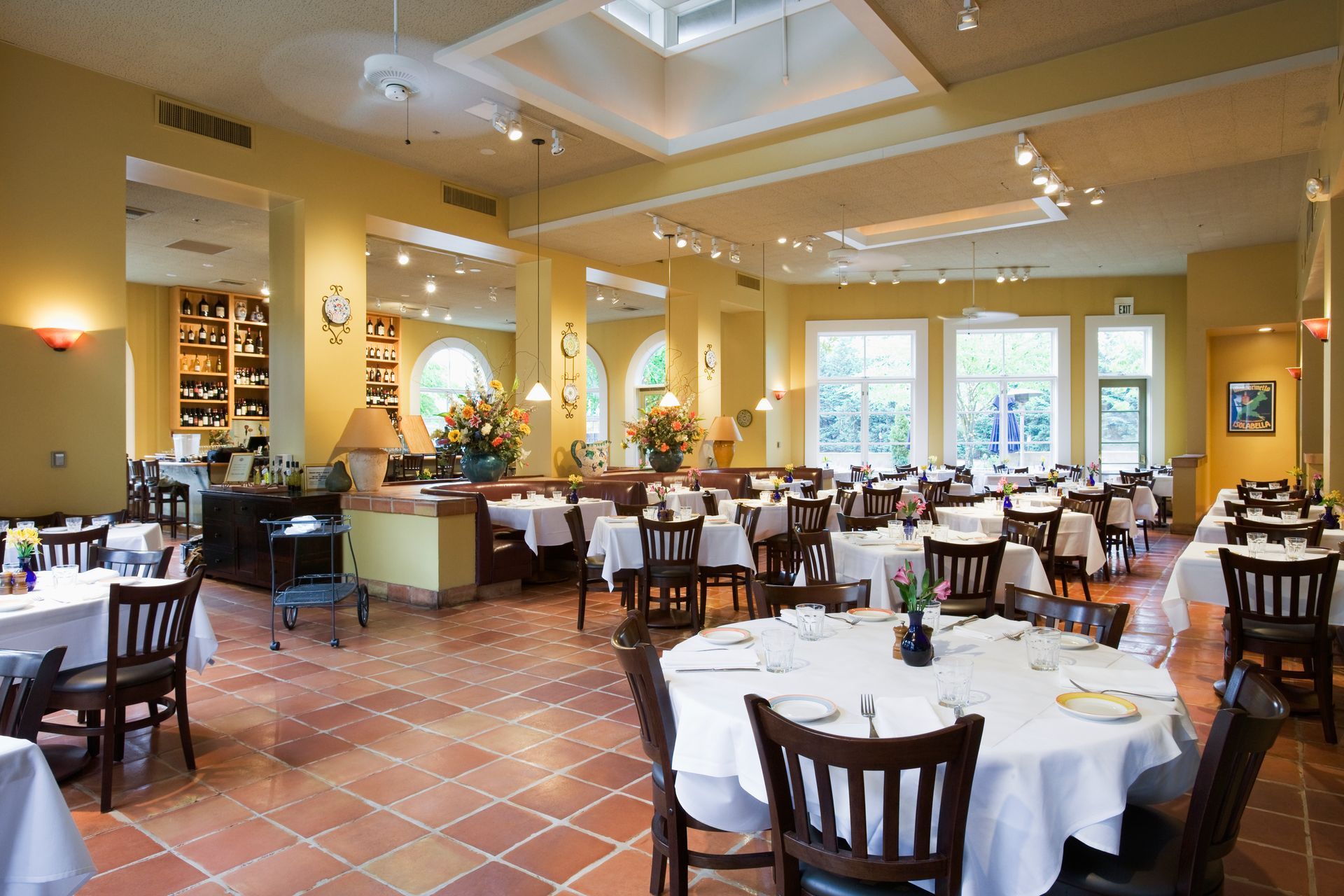
Restaurants & Food Service
Restaurants carry liability on every shift — from the kitchen to the dining room and everything in between. We protect your location, your staff, and your equipment, including lost income when operations stop.

Non-Profits Service
Non-profits face unique liability across events, volunteers, staff, and leadership decisions. We cover your organization from the ground up — so you can focus on your mission, not your exposure.

Event Insurance
Event organizers face liability the moment guests arrive, vendors set up, and alcohol is served. We cover your event from start to finish — so one unexpected incident does not cancel everything you planned for.
Answers Before You Pick Up the Phone
What Texas Businesses Ask Us Most
We get a lot of the same questions from business owners across Texas. Here are honest answers to the ones that come up most.

What information do you need to get a commercial insurance quote?
We keep the process straightforward. We typically need your business name, a description of your operations, your gross annual sales projection, number of full-time and part-time employees, your gross annual payroll, and the types of coverage you are looking for. If you have an existing policy, the expiration date and current carrier help us put together a competitive comparison.
The most important thing you can do is be transparent about what your business actually does. Accurate classification ensures you have real coverage if a claim occurs. We have seen businesses with active policies that were incorrectly classified — and those gaps only surface at the worst possible moment.
Does Texas require businesses to carry Workers' Compensation Insurance?
Texas is the only state in the country that does not require most private employers to carry Workers' Compensation. However, if your business holds government contracts or works as a subcontractor on a job site, the hiring company will almost always require proof of coverage before work begins. A growing number of general contractors across Denton and the DFW area enforce this as a standard condition.
Even without a legal requirement, carrying Workers' Comp protects your business from direct liability if an employee is hurt on the job. Medical bills, lost wages, and legal fees can add up quickly — and one serious incident can create a financial loss that far exceeds years of premium payments.
What is a commercial insurance audit and should I expect one?
Most commercial general liability policies are auditable. At the end of your policy term, the insurance carrier reviews your actual gross sales to make sure your premium matched your real exposure. If your sales grew during the year, you may owe an additional premium. If sales came in lower, you could receive a refund.
The best way to avoid a large balance due at audit time is to update your projected gross sales with us during the year if your business grows faster than expected. We can endorse your policy mid-term to reflect the change and spread any additional premium across smaller installments instead of one lump sum at year-end.
What factors affect how much my commercial coverage will cost?
Your premium is calculated based on several variables specific to your operation — industry classification, gross annual sales, number of employees, gross payroll, claims history, and the types of coverage you need. A business that handles physical work with a crew on job sites will pay differently than a professional services firm working out of an office.
As an independent agency, we compare quotes across multiple carriers — including Travelers, The Hartford, Chubb, AmTrust, and others — to find the combination of coverage and price that works for your situation. There is no obligation after your quote, and we walk through every option in plain terms before you decide anything.
My business is a restaurant — what coverage do I actually need?
Restaurants are not a one-size-fits-all class of risk. Carriers look at a range of factors when evaluating a restaurant account: whether you serve alcohol, whether deep frying is involved, the type of fire suppression system in place, whether you have a hood cleaning contract, and whether you offer catering, delivery, or live entertainment. All of these affect both pricing and carrier appetite.
A well-structured restaurant policy typically includes general liability, building and business personal property coverage, liquor liability if applicable, food contamination coverage, business income protection, and workers' compensation for your staff. We work with carriers that actively want to write restaurant accounts in Texas — including Travelers, The Hartford, and Chubb — so you have real options to compare.
Can you help insure a business that is hard to place or outside the mainstream?
Yes — this is one of our strengths. We work with Excess and Surplus (E&S) lines markets through carriers like Burns & Wilcox for businesses that standard carriers will not write. We have placed coverage for master sign electricians, cable splicing operations, transmission rebuild shops for classic cars, CBD retailers, and many other non-standard accounts.
If you have been told your business is difficult to insure or you have received very limited options in the marketplace, reach out to us. We take time to understand your operations in detail, present your account to the right markets, and work to find coverage that actually reflects what you do — not a generic policy that leaves gaps.
Still have Question?
We’re here to help you!
Written for the Texas Business Owner
Insights That Help You Make Smarter Decisions
We publish articles on real topics that affect how Texas operators get covered — from local regulatory updates to coverage gaps most owners do not know they have.