Texas Umbrella Insurance for Contractors

See How We're Different
Call Us: (940) 268-5112
A single lawsuit can wipe out everything you've built. I've seen it happen to contractors who thought their general liability policy had them covered, only to discover a $2 million judgment waiting after a catastrophic jobsite accident. Texas courts don't mess around with construction injury cases, and juries here have a reputation for awarding substantial damages. The average verdict in commercial liability cases across Dallas and Houston has climbed steadily, with seven-figure awards becoming routine rather than exceptional.
That's where umbrella insurance becomes essential for Texas contractors. This coverage sits on top of your existing policies and kicks in when claims exceed your underlying limits. Think of it as a financial safety net that catches what your general liability, auto, and employers' liability policies can't hold. For contractors working on commercial projects, managing crews, or operating heavy equipment, extra liability protection isn't optional anymore. It's the difference between surviving a major claim and closing your doors.
The Texas construction market presents unique challenges. Our state leads the nation in construction activity, which means more projects, more workers, and more exposure. Combine that with a legal environment that favors plaintiffs in personal injury cases, and you've got a recipe for significant risk. Whether you're a general contractor bidding on municipal projects or a specialty trade working residential builds, understanding how umbrella coverage works could save your business.
The Role of Umbrella Insurance in the Texas Construction Industry
Bridging the Gap Beyond General Liability
Your general liability policy probably carries limits of $1 million per occurrence with a $2 million aggregate. That sounds like plenty until you're facing a wrongful death suit after a scaffolding collapse or defending against claims from multiple injured parties. Medical costs alone can burn through a million dollars before you've even addressed lost wages, pain and suffering, or punitive damages.
Umbrella policies typically start at $1 million and can extend to $5 million, $10 million, or higher. They provide excess coverage over your GL, commercial auto, and employers' liability policies simultaneously. When your underlying policy pays its maximum, the umbrella picks up the remainder up to its own limits. This structure means you're not purchasing separate excess coverage for each policy type.
Why Texas Statutes Make Extra Coverage Vital
Texas follows a modified comparative fault system, meaning plaintiffs can recover damages as long as they're not more than 50% responsible for their injuries. This standard makes it easier for injured parties to collect, and Texas doesn't cap non-economic damages in most commercial cases. Construction defect claims, in particular, have a ten-year statute of repose, giving property owners a decade to discover and file claims for structural failures.
The Texas Supreme Court has consistently upheld substantial jury awards in construction injury cases. Combined with the state's business-friendly reputation attracting major development projects, contractors face a risk environment that demands more than minimum coverage. Working with an independent agency like Denton Business Insurance helps you evaluate carriers who understand Texas construction risks and price umbrella coverage competitively.


By: Michael Whitaker
Insurance Advisor at
Denton Business Insurance
Key Scenarios Where Contractors Need Excess Liability
Catastrophic Bodily Injury on the Jobsite
A roofing contractor's employee falls through an improperly secured opening, suffering traumatic brain injury. Medical bills exceed $800,000 within the first year. The injured worker's family sues for negligence, and the jury awards $3.2 million. Your $1 million GL policy pays its limit, leaving you personally responsible for $2.2 million unless umbrella coverage exists.
These scenarios happen more frequently than most contractors realize. OSHA reports that falls remain the leading cause of construction fatalities, and Texas consistently ranks among the top states for workplace injuries. A $2 million umbrella policy would have covered the remaining judgment in this example, protecting business assets and personal finances.
Large-Scale Property Damage and Structural Failures
A plumbing subcontractor installs a water line incorrectly in a new commercial building. Six months after completion, the line fails catastrophically, flooding three floors and destroying tenant improvements worth $1.8 million. The building owner's insurance company comes after your policy through subrogation.
Property damage claims can escalate quickly when they involve commercial structures, specialized equipment, or business interruption losses. Your standard GL policy might cover direct physical damage but hit its limits before addressing consequential losses. Umbrella coverage provides the additional capacity needed when claims grow beyond initial estimates.
Legal Defense Costs Exceeding Standard Policy Limits
Defense costs in complex construction litigation can reach $300,000 or more before trial. Some GL policies include defense costs within their limits, meaning every dollar spent on attorneys reduces what's available for settlements or judgments. If you're carrying a $1 million policy with defense costs inside limits, a protracted lawsuit could consume half your coverage before any payout.
Most umbrella policies provide defense coverage in addition to their stated limits. This structure protects your primary coverage for actual damages while ensuring you have resources for legal representation throughout extended litigation.
Meeting Contractual Requirements for Texas Projects
Commercial Bidding and Umbrella Minimums
General contractors on commercial projects routinely require subcontractors to carry umbrella coverage as a condition of contract. A typical requirement might specify $2 million excess liability for standard trades and $5 million or more for high-risk operations like crane work, demolition, or structural steel erection.
| Project Type | Typical Umbrella Requirement | Common Underlying Limits |
|---|---|---|
| Residential Remodel | Often not required | $1M/$2M GL |
| Commercial Tenant Buildout | $1M - $2M | $1M/$2M GL, $1M Auto |
| Municipal/Government | $2M - $5M | $1M/$2M GL, $1M Auto |
| Industrial/Heavy Civil | $5M - $10M | $2M/$4M GL, $1M Auto |
Missing these requirements means losing bid opportunities. Having umbrella coverage in place before you need it keeps you competitive and ready to pursue larger projects.
Satisfying Master Service Agreements (MSAs)
Long-term service agreements with property management companies, facility owners, or general contractors almost always include insurance specifications. MSAs typically require umbrella coverage with the contracting party named as additional insured. These agreements often lock in requirements for multiple years, making it essential to maintain consistent coverage.
Denton Business Insurance works with contractors who need certificates of insurance showing umbrella coverage for MSA compliance. Having an agency that understands these requirements means faster turnaround when project managers request updated documentation.

Determining the Right Coverage Limits for Your Trade
Evaluating Risk Profiles for High-Hazard Trades
Not every contractor needs $10 million in umbrella coverage. A painting contractor working residential interiors faces different exposure than an excavation company operating near underground utilities. Your risk profile depends on several factors: crew size, equipment operated, project types, and claims history.
High-hazard classifications include:
- Roofing and structural work at height
- Excavation and trenching operations
- Crane and heavy equipment operation
- Demolition and environmental remediation
- Work involving fire, welding, or hot processes
Contractors in these categories should consider umbrella limits of $3 million to $5 million minimum. Lower-hazard trades like finish carpentry, flooring installation, or landscape maintenance might find $1 million to $2 million adequate, depending on project scale.
Cost-Benefit Analysis of Incremental Coverage Millions
Umbrella insurance pricing follows a declining cost curve. Your first $1 million might cost $800 to $1,500 annually, but adding the second million often costs only $300 to $500 more. By the time you're adding your fourth or fifth million, you might pay just $200 to $400 per increment.
This pricing structure means carrying higher limits often makes financial sense. The difference between $2 million and $5 million coverage might be $600 to $800 annually, a relatively small investment against potential exposure. Run the numbers with your agent to find the coverage level that balances protection and cost for your specific operation.
How to Secure an Umbrella Policy in the Texas Market
Underlying Policy Requirements for Eligibility
Umbrella carriers require minimum limits on your underlying policies before they'll provide excess coverage. Standard requirements include $1 million per occurrence on general liability, $500,000 to $1 million combined single limit on commercial auto, and statutory limits plus $500,000 to $1 million employers' liability on workers' compensation.
If your current policies fall below these thresholds, you'll need to increase underlying limits before binding umbrella coverage. This often makes sense anyway, as the cost to increase underlying limits is typically modest compared to the umbrella premium savings from having a properly structured program.
Common Exclusions to Watch for in Texas Policies
Umbrella policies aren't unlimited. Standard exclusions include pollution liability, professional errors and omissions, employment practices claims, and intentional acts. Some policies exclude specific operations like asbestos abatement or work on certain structure types.
Read the exclusions carefully. A policy that excludes coverage for work on residential structures over three stories won't help if that's your primary market. Texas-specific concerns include hurricane and wind damage exclusions in coastal counties, which could affect contractors working in the Houston, Corpus Christi, or Brownsville markets.
Protecting Business Assets and Long-Term Stability
The contractors who stay in business for decades share a common trait: they respect risk. They don't assume accidents won't happen. They don't bet their companies on the hope that every project goes smoothly. They carry coverage that matches their actual exposure, not just the minimum required by law.
Umbrella insurance represents relatively inexpensive protection against scenarios that could otherwise end your business. A $3 million policy might cost $1,200 to $2,000 annually, roughly what you'd spend on a few tanks of diesel. That investment protects your equipment, your savings, and potentially your personal assets if you operate as a sole proprietor or have personally guaranteed business obligations.
If you're unsure whether your current coverage adequately protects your operation, Denton Business Insurance can review your policies and identify gaps. As an independent agency comparing carriers like Travelers, Nationwide, and Chubb, we find coverage that fits Texas contractors' actual needs rather than selling whatever one company offers.
Frequently Asked Questions
Does umbrella insurance cover completed operations claims? Yes, umbrella policies extend over your completed operations coverage, protecting against claims arising from work you finished months or years ago.
Can I get umbrella coverage if I've had previous claims? Previous claims don't automatically disqualify you, though they may affect pricing. Carriers evaluate your overall risk profile, including claims history, safety programs, and current operations.
What's the difference between umbrella and excess liability policies? Umbrella policies can provide broader coverage than underlying policies, while excess policies simply add limits to existing coverage without expanding scope. Most contractors benefit from true umbrella coverage.
How quickly can I add umbrella coverage to my existing policies? Coverage can typically bind within a few days once underlying policies meet carrier requirements. Having certificates ready for project bids usually takes 24 to 48 hours.
Does my umbrella policy cover all my vehicles automatically? Umbrella coverage extends over scheduled vehicles on your
commercial auto policy. Personal vehicles used for business purposes may require separate consideration.
Straight from the Clients We Serve
Texas Business Owners Rate Us 5 Stars — Here Is Why
We hear the same things repeatedly: fast service, honest advice, and coverage that made sense for their situation. That is what we aim for every time.
Protection Across Every Area of Your BUSINESS
What Texas Businesses Need. What We Deliver.
From your job site and your fleet to your data and your payroll — we cover the risks that Texas businesses carry every day.
General Liability
Covers third-party claims of bodily injury, property damage, and advertising injury. A foundational protection for nearly every Texas business, regardless of industry or size.
Commercial Property
Covers your building, equipment, inventory, and business contents against fire, theft, storms, and vandalism. Can also include lost income if your businesses are forced to stop.
Commercial Auto
Protects vehicles your company owns, leases, or uses for work. Covers liability, collision damage, and injuries for employees driving on company time.
Errors & Omissions
Protects service providers when a client claims your advice, work, or recommendations caused them a financial loss. Critical for consultants, IT firms, agents, and other professional service businesses.
Directors & Officers
Covers leadership decisions that result in claims from employees, investors, or outside parties. Protects your directors and officers personally when management decisions are challenged.
Inland Marine & Equipment Floater
Covers tools, materials, and equipment that move between job sites or are stored off your primary property. Fills the gap where a standard commercial property policy stops.
Every Sector Has Its Own Risk Profile
We Know Your Trade. We Know Your Exposure.
We work with a wide range of Texas industries — each with different coverage priorities. Below are the sectors we serve most often.

Apartment Complexes
Texas apartment owners face liability across common areas, tenant incidents, and on-site staff. We cover your property, your income, and your exposure — across one complex or an entire portfolio.
Manufacturing Businesses
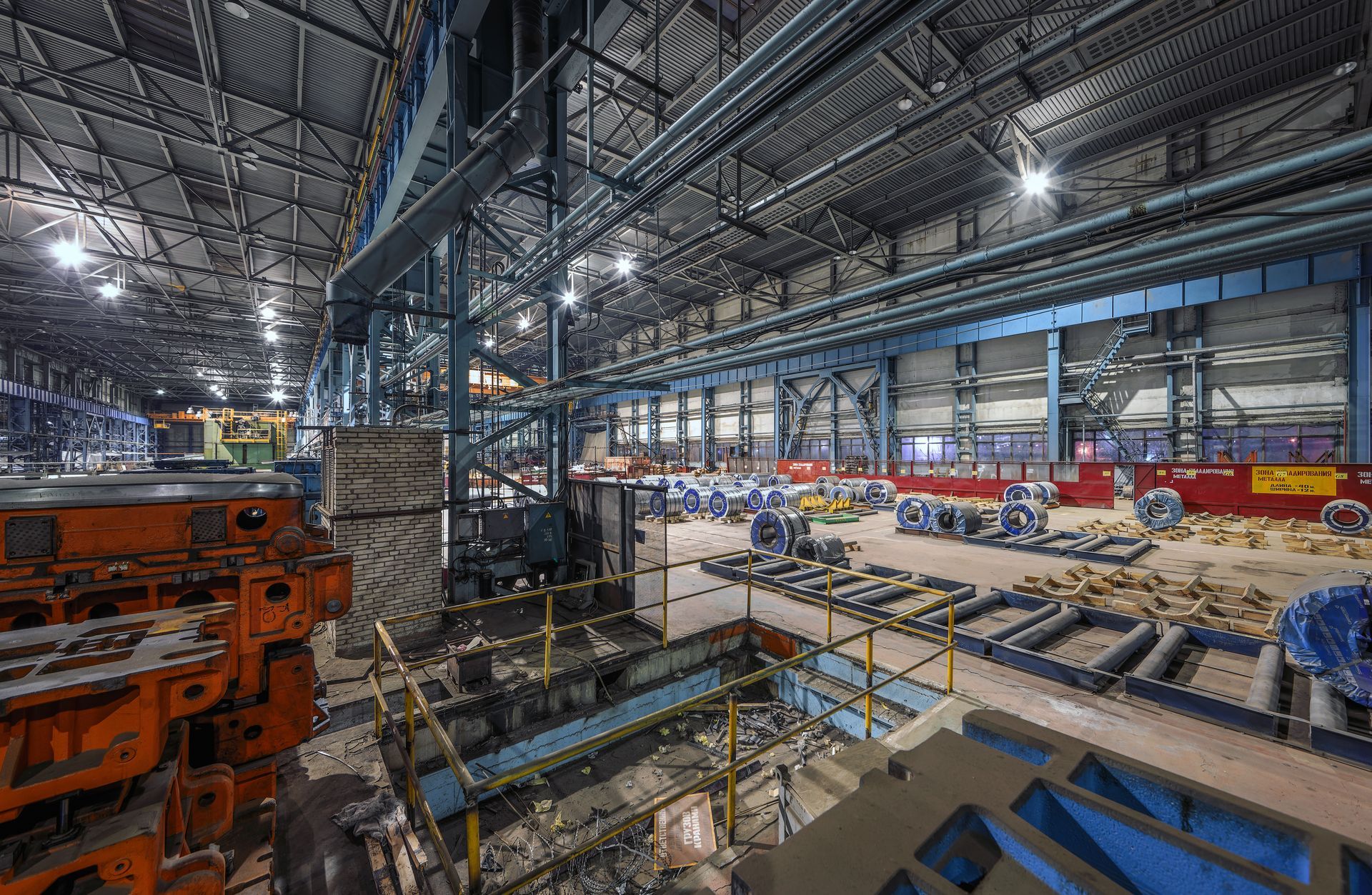
Equipment breakdowns, product liability, and workforce injuries are daily risks for Texas manufacturers. We build coverage from the shop floor to the loading dock — so one incident does not shut you down.
Artisan Contractors
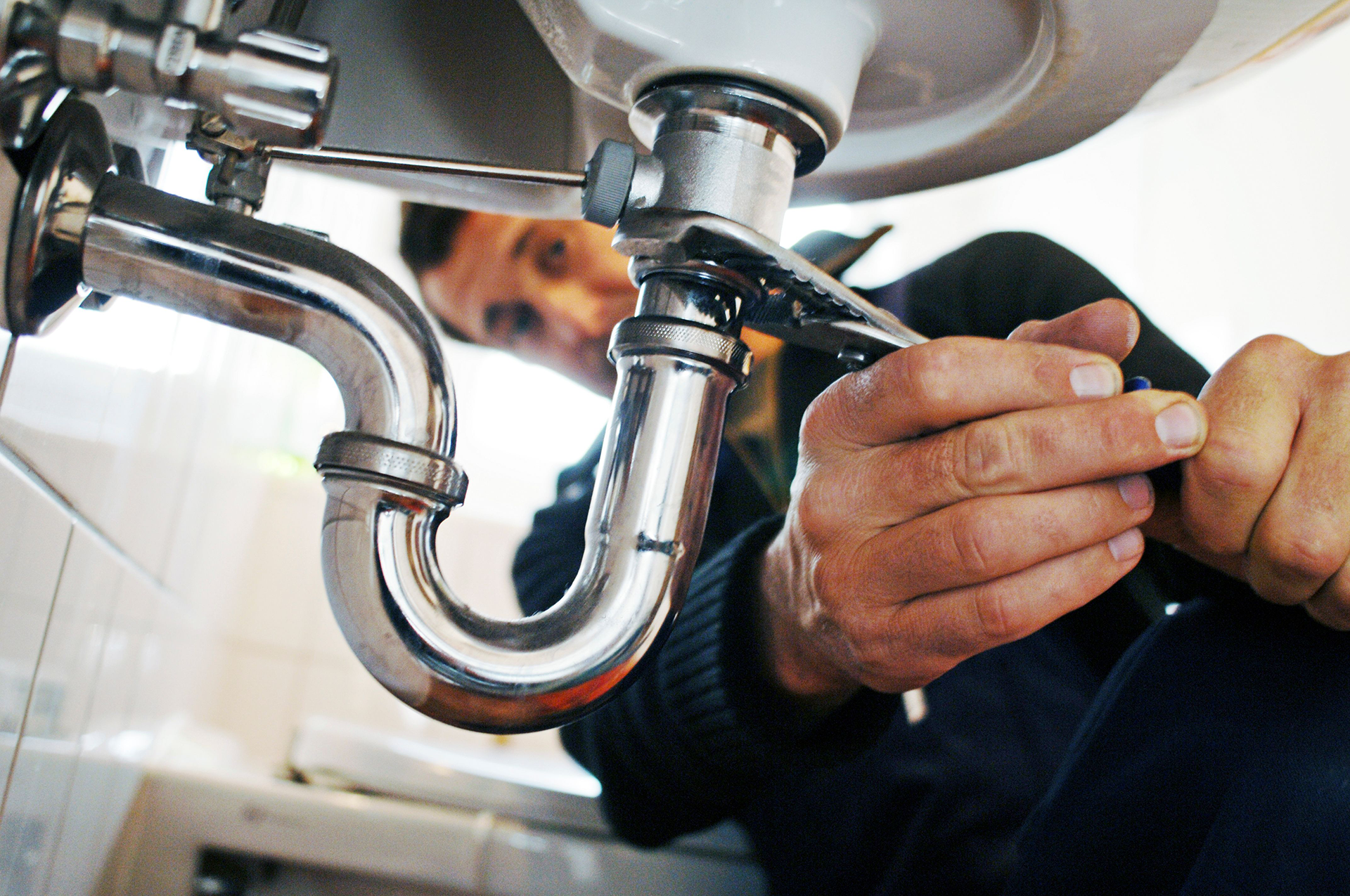
Plumbers, electricians, and skilled tradespeople work in high-risk environments every day. We build coverage around your tools, your vehicles, and your crew — so a job site incident does not stop your business.

Restaurants & Food Service
Restaurants carry liability on every shift — from the kitchen to the dining room and everything in between. We protect your location, your staff, and your equipment, including lost income when operations stop.

Non-Profits Service
Non-profits face unique liability across events, volunteers, staff, and leadership decisions. We cover your organization from the ground up — so you can focus on your mission, not your exposure.

Event Insurance
Event organizers face liability the moment guests arrive, vendors set up, and alcohol is served. We cover your event from start to finish — so one unexpected incident does not cancel everything you planned for.
Answers Before You Pick Up the Phone
What Texas Businesses Ask Us Most
We get a lot of the same questions from business owners across Texas. Here are honest answers to the ones that come up most.

What information do you need to get a commercial insurance quote?
We keep the process straightforward. We typically need your business name, a description of your operations, your gross annual sales projection, number of full-time and part-time employees, your gross annual payroll, and the types of coverage you are looking for. If you have an existing policy, the expiration date and current carrier help us put together a competitive comparison.
The most important thing you can do is be transparent about what your business actually does. Accurate classification ensures you have real coverage if a claim occurs. We have seen businesses with active policies that were incorrectly classified — and those gaps only surface at the worst possible moment.
Does Texas require businesses to carry Workers' Compensation Insurance?
Texas is the only state in the country that does not require most private employers to carry Workers' Compensation. However, if your business holds government contracts or works as a subcontractor on a job site, the hiring company will almost always require proof of coverage before work begins. A growing number of general contractors across Denton and the DFW area enforce this as a standard condition.
Even without a legal requirement, carrying Workers' Comp protects your business from direct liability if an employee is hurt on the job. Medical bills, lost wages, and legal fees can add up quickly — and one serious incident can create a financial loss that far exceeds years of premium payments.
What is a commercial insurance audit and should I expect one?
Most commercial general liability policies are auditable. At the end of your policy term, the insurance carrier reviews your actual gross sales to make sure your premium matched your real exposure. If your sales grew during the year, you may owe an additional premium. If sales came in lower, you could receive a refund.
The best way to avoid a large balance due at audit time is to update your projected gross sales with us during the year if your business grows faster than expected. We can endorse your policy mid-term to reflect the change and spread any additional premium across smaller installments instead of one lump sum at year-end.
What factors affect how much my commercial coverage will cost?
Your premium is calculated based on several variables specific to your operation — industry classification, gross annual sales, number of employees, gross payroll, claims history, and the types of coverage you need. A business that handles physical work with a crew on job sites will pay differently than a professional services firm working out of an office.
As an independent agency, we compare quotes across multiple carriers — including Travelers, The Hartford, Chubb, AmTrust, and others — to find the combination of coverage and price that works for your situation. There is no obligation after your quote, and we walk through every option in plain terms before you decide anything.
My business is a restaurant — what coverage do I actually need?
Restaurants are not a one-size-fits-all class of risk. Carriers look at a range of factors when evaluating a restaurant account: whether you serve alcohol, whether deep frying is involved, the type of fire suppression system in place, whether you have a hood cleaning contract, and whether you offer catering, delivery, or live entertainment. All of these affect both pricing and carrier appetite.
A well-structured restaurant policy typically includes general liability, building and business personal property coverage, liquor liability if applicable, food contamination coverage, business income protection, and workers' compensation for your staff. We work with carriers that actively want to write restaurant accounts in Texas — including Travelers, The Hartford, and Chubb — so you have real options to compare.
Can you help insure a business that is hard to place or outside the mainstream?
Yes — this is one of our strengths. We work with Excess and Surplus (E&S) lines markets through carriers like Burns & Wilcox for businesses that standard carriers will not write. We have placed coverage for master sign electricians, cable splicing operations, transmission rebuild shops for classic cars, CBD retailers, and many other non-standard accounts.
If you have been told your business is difficult to insure or you have received very limited options in the marketplace, reach out to us. We take time to understand your operations in detail, present your account to the right markets, and work to find coverage that actually reflects what you do — not a generic policy that leaves gaps.
Still have Question?
We’re here to help you!
Written for the Texas Business Owner
Insights That Help You Make Smarter Decisions
We publish articles on real topics that affect how Texas operators get covered — from local regulatory updates to coverage gaps most owners do not know they have.