Texas Cargo Insurance for Grocery Distributors

See How We're Different
Call Us: (940) 268-5112
A refrigerated trailer carrying $180,000 worth of dairy products breaks down on I-35 outside Waco during an August afternoon. Within four hours, the entire load is unsalvageable. The distributor discovers their motor carrier's liability coverage maxes out at $100,000, and their own policy excludes temperature-related spoilage. This scenario plays out across Texas every week, and the financial damage extends far beyond the lost product.
Texas grocery distributors face a unique combination of challenges that make proper freight protection essential. The state's sheer size means longer transit times and more exposure to equipment failures. Summer temperatures regularly exceed 100 degrees, turning any refrigeration malfunction into an immediate crisis. Add high-value theft corridors along major interstates and the Gulf Coast's hurricane season, and you have a risk profile that demands specialized coverage.
Most distributors I've worked with underestimate their exposure until they file their first significant claim. The gap between what they thought they had and what their policy actually covers can be devastating. A single uninsured loss can wipe out months of operating profit, damage supplier relationships, and leave customers without critical inventory.
Getting cargo insurance right for perishable goods distribution requires understanding Texas-specific risks, knowing which coverage types actually protect your loads, and working with carriers who understand the grocery supply chain. Here's what you need to know to protect your freight properly.
The Critical Role of Cargo Insurance for Texas Grocery Logistics
Navigating Texas-Specific Freight Risks
Texas presents distribution challenges you won't find anywhere else in the country. The state spans over 800 miles from east to west, meaning a single delivery route might cross multiple climate zones and weather patterns. Houston's humidity creates different preservation challenges than the dry heat of West Texas or the occasional ice storms that paralyze the Dallas-Fort Worth metroplex.
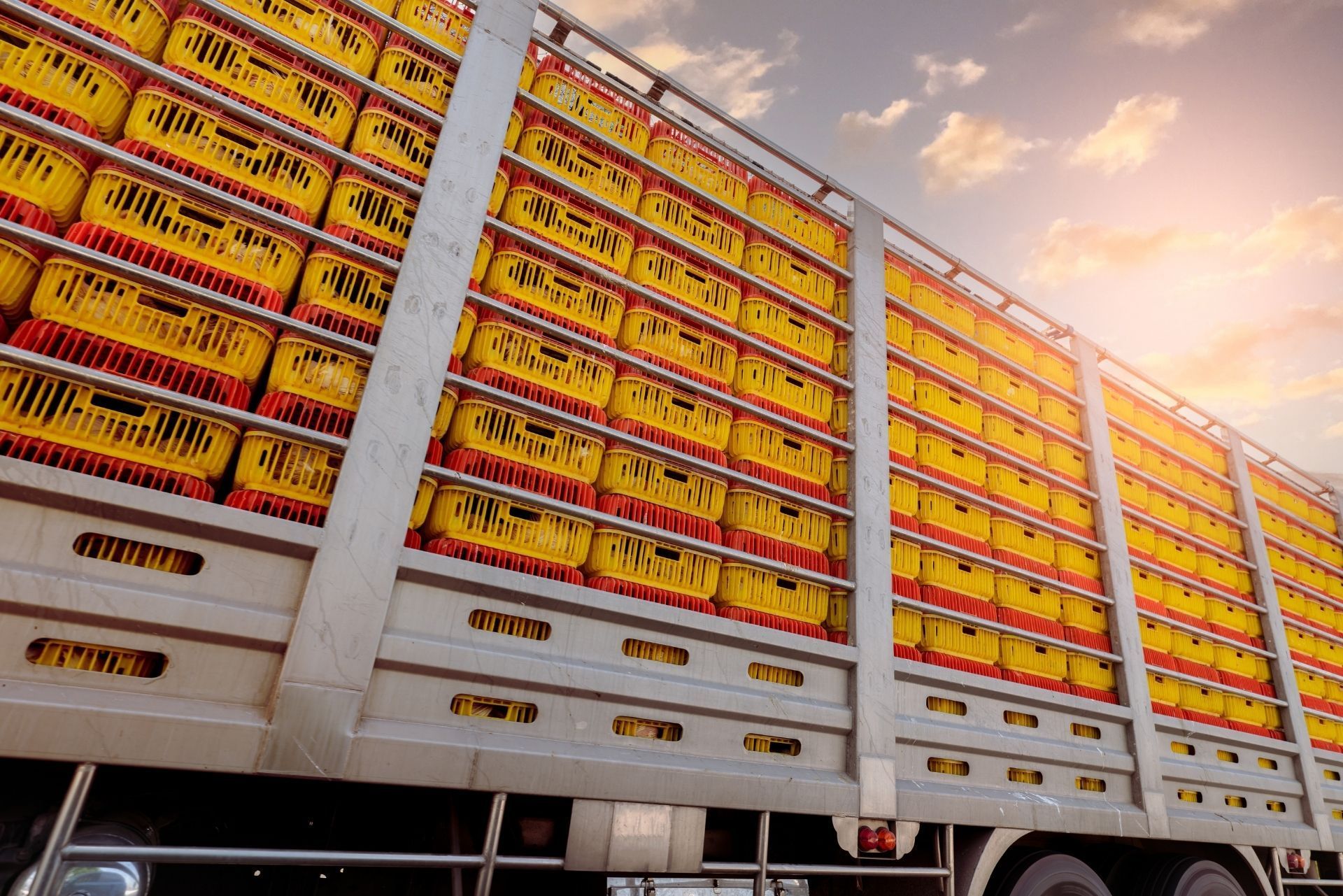
Interstate 10 between Houston and San Antonio and I-35 from Laredo to Dallas are among the highest-risk corridors for cargo theft in the nation. Organized theft rings specifically target refrigerated trailers because they know the contents are valuable and time-sensitive. A stolen reefer load must be moved quickly before spoilage, which actually makes thieves more aggressive about quick turnaround.
Weather events compound these risks significantly. Hurricane season brings supply chain disruptions that can strand loads for days. Winter Storm Uri in 2021 demonstrated how quickly a cold snap can overwhelm infrastructure, leaving trucks stranded and temperature-controlled cargo at risk.
Financial Consequences of Uninsured Cargo Loss
The math on uninsured cargo loss is brutal. A fully loaded refrigerated trailer of fresh produce might carry $150,000 to $250,000 in wholesale value. Losing even one major shipment without adequate coverage can eliminate an entire quarter's profit margin for a mid-sized distributor.
Beyond the direct loss, there are ripple effects. Retailers depend on consistent delivery schedules. A major loss that disrupts your supply chain can cost you accounts that took years to build. Supplier relationships suffer too, especially if you can't pay for product you never delivered.

By: Linda Dodson
Agency Director at
Denton Business Insurance
Essential Coverage Types for Perishable Goods
Reefer Breakdown and Temperature Failure
Standard cargo policies often exclude mechanical breakdown of refrigeration units, which is precisely the most common cause of perishable loss. You need specific reefer breakdown coverage that kicks in when your cooling system fails, regardless of the cause.
The best policies cover not just the cargo value but also the cost of emergency transloading to a functioning unit. Some policies require you to maintain specific
temperature monitoring protocols to remain eligible for claims. Make sure you understand these requirements before you need to file.
| Coverage Type | What It Covers | Typical Exclusions |
|---|---|---|
| Basic Cargo | Physical damage, collision, overturning | Temperature failure, mechanical breakdown |
| Reefer Breakdown | Refrigeration unit failure | Pre-existing conditions, improper maintenance |
| All-Risk Perishable | Spoilage from any cause | Inherent vice, improper packaging |
| Temperature Deviation | Gradual temperature drift | Intentional temperature changes |
Spoilage and Contamination Protection
Contamination coverage protects against scenarios where your cargo becomes unsalvageable due to contact with other substances. This could be a fuel leak contaminating food products or cross-contamination from improperly cleaned trailer interiors.
Spoilage coverage addresses the natural deterioration that occurs when transit times extend beyond safe limits. If a truck breaks down and your produce sits for 18 hours before another unit arrives, spoilage coverage pays for the loss even though no single catastrophic event occurred.
Theft and Hijacking Coverage in Transit
Theft coverage varies dramatically between policies. Some only cover theft of the entire trailer while others extend to partial theft, pilferage, or hijacking scenarios. Given Texas's position as a major cargo theft target, you want the broadest theft protection available.
Look for policies that cover theft from secured parking facilities, not just while the truck is in motion. Many losses occur at truck stops and rest areas along major corridors. Coverage should also address
fictitious pickup schemes, where thieves impersonate legitimate carriers to steal loads directly from warehouses.
Minimum Liability vs. Actual Cash Value
Texas requires motor carriers to maintain minimum liability coverage, but these minimums rarely reflect the actual value of grocery shipments. The state's required minimums might cover a fraction of a high-value perishable load.
Actual cash value coverage pays what your cargo was worth at the time of loss, accounting for depreciation. Replacement cost coverage pays what it would cost to replace the cargo at current market prices. For perishable goods with volatile pricing, replacement cost coverage often provides better protection.
Compliance for Intrastate Grocery Distribution
Distributors operating exclusively within Texas face different requirements than those crossing state lines. Intrastate carriers must register with the Texas Department of Motor Vehicles and maintain proof of insurance that meets state standards.
The Texas Department of Insurance doesn't mandate specific cargo coverage amounts, but your contracts with retailers and suppliers often do. Many major grocery chains require their vendors to carry minimum cargo coverage of $250,000 or more per shipment. Review your contracts carefully to ensure your coverage meets all contractual obligations.
Route Safety and Regional Risk Profiles
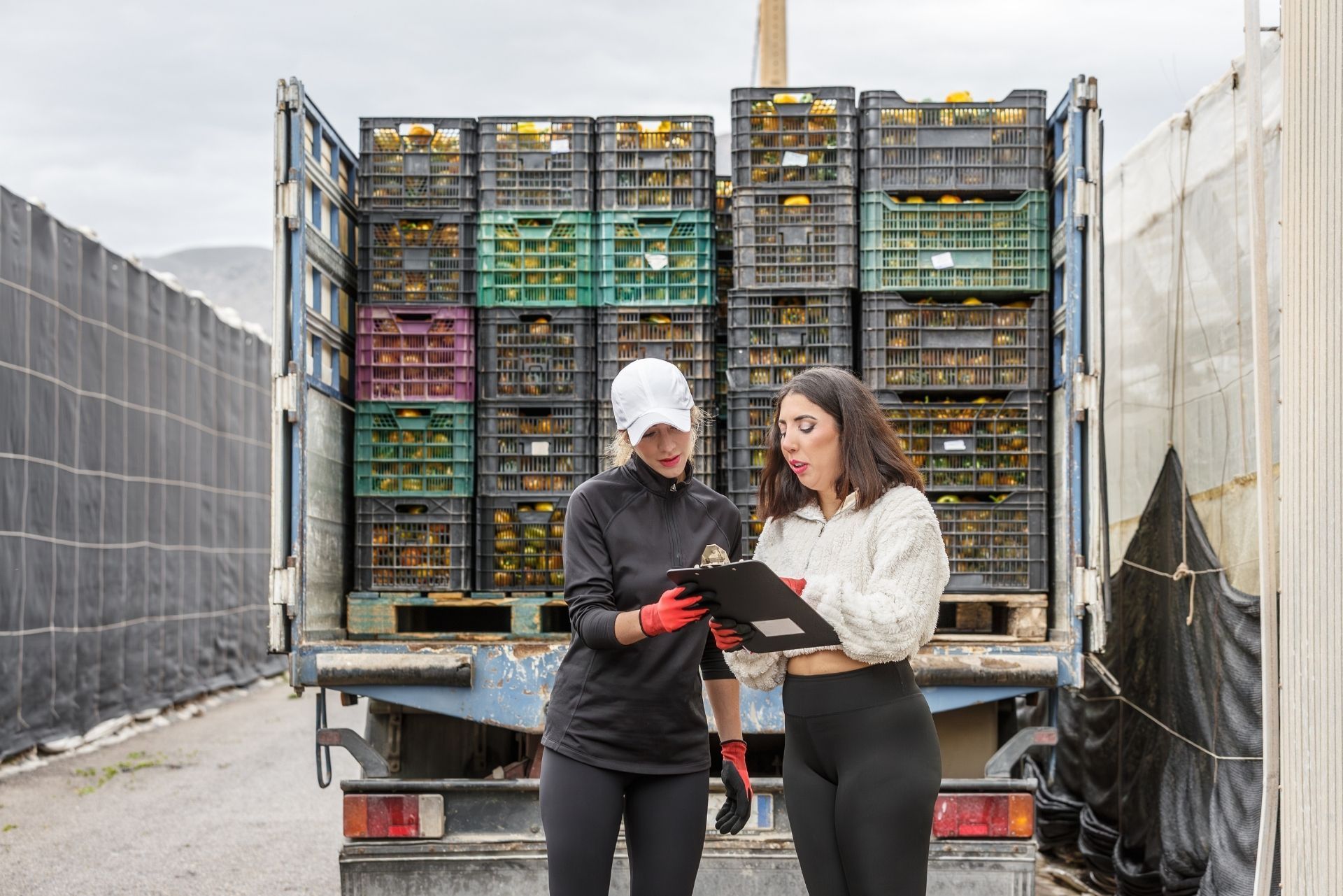
Insurers evaluate your specific routes when calculating premiums. Routes through high-theft areas command higher rates than rural deliveries. The Houston metropolitan area, with its port traffic and dense interstate network, typically carries higher risk ratings than routes through Central Texas.
Your loss history matters more than almost any other factor. Distributors with clean claims records for three to five years qualify for significantly better rates. Even a single large claim can increase premiums by 20% to 40% at renewal.
Working with an independent agency like Denton Business Insurance allows you to compare rates across multiple carriers. Different insurers assess route risks differently, and the spread between quotes for identical coverage can exceed 30%.
Fleet Maintenance and Telematics Integration
Insurers reward distributors who demonstrate proactive risk management. Documented maintenance programs for refrigeration units signal lower risk and qualify for premium credits. Telematics systems that monitor temperature, location, and driver behavior provide data that supports both better rates and stronger claims.
GPS tracking with geofencing alerts can reduce theft risk significantly. Some insurers offer 10% to 15% premium reductions for fleets with comprehensive telematics. The investment in monitoring technology often pays for itself through insurance savings alone.
Best Practices for Claims Management and Loss Prevention
Standard Operating Procedures for Temperature Logging
Continuous temperature monitoring isn't just good practice; it's often required for claims eligibility. Your procedures should include pre-trip temperature verification, hourly logging during transit, and documented handoff temperatures at delivery.
Digital temperature recorders with tamper-evident seals provide the strongest documentation for claims. Paper logs can be challenged; continuous digital records are much harder to dispute. Store these records for at least three years, as some claims take time to fully develop.
Documentation Required for Expedited Claims
Fast claims resolution depends on thorough documentation. Keep copies of bills of lading, temperature logs, maintenance records, and photographs of cargo condition at pickup and delivery. When a loss occurs, document everything immediately: photos, witness statements, police reports for theft, and mechanic assessments for breakdowns.
Denton Business Insurance recommends creating a claims kit that drivers keep in every truck. Include a digital camera, claim forms, and a checklist of required documentation. The first hours after a loss are critical for preserving evidence.
Selecting the Right Cargo Insurance Provider in Texas
The right insurance provider understands grocery distribution specifically. General cargo insurers may not appreciate the nuances of perishable goods, temperature requirements, or the speed needed for claims resolution when you have retailers waiting for product.
Look for carriers rated A- or better by A.M. Best. Financial strength matters because you need confidence that claims will be paid promptly. Ask about claims handling: do they have adjusters experienced with perishable goods? Can they authorize emergency transloading without waiting for approval?
Independent agencies offer a significant advantage here. Rather than being limited to one carrier's products, agencies like Denton Business Insurance compare options from multiple insurers including Nationwide, Travelers, and Chubb. This comparison shopping often reveals coverage gaps or premium savings that wouldn't surface otherwise.
Your cargo insurance should match your actual risk exposure, not just satisfy minimum requirements. Take time to review your routes, cargo values, and contractual obligations with an agent who understands Texas grocery distribution. The premium you pay for proper coverage is a fraction of what a single uninsured loss would cost.
Frequently Asked Questions
How much cargo insurance do Texas grocery distributors typically need? Most distributors carry $250,000 to $500,000 per shipment, depending on their highest-value loads. Review your actual cargo values and retailer contract requirements to determine appropriate limits.
Does the motor carrier's insurance cover my products during transit? Carrier liability coverage has strict limits and numerous exclusions. You should carry your own cargo policy to fill gaps, especially for temperature-related losses that carrier policies often exclude.
Are there seasonal rate adjustments for hurricane season? Some insurers adjust rates or require additional coverage during peak hurricane months. Discuss seasonal risks with your agent before storm season begins.
What documentation do I need for a temperature-related claim? Continuous temperature logs, maintenance records for refrigeration units, photos of cargo condition, and evidence of proper pre-cooling are typically required.
Can I get coverage for loads picked up from suppliers before I take possession?
Yes, but you need to specifically request coverage that attaches at the supplier's dock rather than when your driver takes possession. This closes a common gap in standard policies.
Straight from the Clients We Serve
Texas Business Owners Rate Us 5 Stars — Here Is Why
We hear the same things repeatedly: fast service, honest advice, and coverage that made sense for their situation. That is what we aim for every time.
Protection Across Every Area of Your BUSINESS
What Texas Businesses Need. What We Deliver.
From your job site and your fleet to your data and your payroll — we cover the risks that Texas businesses carry every day.
General Liability
Covers third-party claims of bodily injury, property damage, and advertising injury. A foundational protection for nearly every Texas business, regardless of industry or size.
Commercial Property
Covers your building, equipment, inventory, and business contents against fire, theft, storms, and vandalism. Can also include lost income if your businesses are forced to stop.
Commercial Auto
Protects vehicles your company owns, leases, or uses for work. Covers liability, collision damage, and injuries for employees driving on company time.
Errors & Omissions
Protects service providers when a client claims your advice, work, or recommendations caused them a financial loss. Critical for consultants, IT firms, agents, and other professional service businesses.
Directors & Officers
Covers leadership decisions that result in claims from employees, investors, or outside parties. Protects your directors and officers personally when management decisions are challenged.
Inland Marine & Equipment Floater
Covers tools, materials, and equipment that move between job sites or are stored off your primary property. Fills the gap where a standard commercial property policy stops.
Every Sector Has Its Own Risk Profile
We Know Your Trade. We Know Your Exposure.
We work with a wide range of Texas industries — each with different coverage priorities. Below are the sectors we serve most often.

Apartment Complexes
Texas apartment owners face liability across common areas, tenant incidents, and on-site staff. We cover your property, your income, and your exposure — across one complex or an entire portfolio.
Manufacturing Businesses
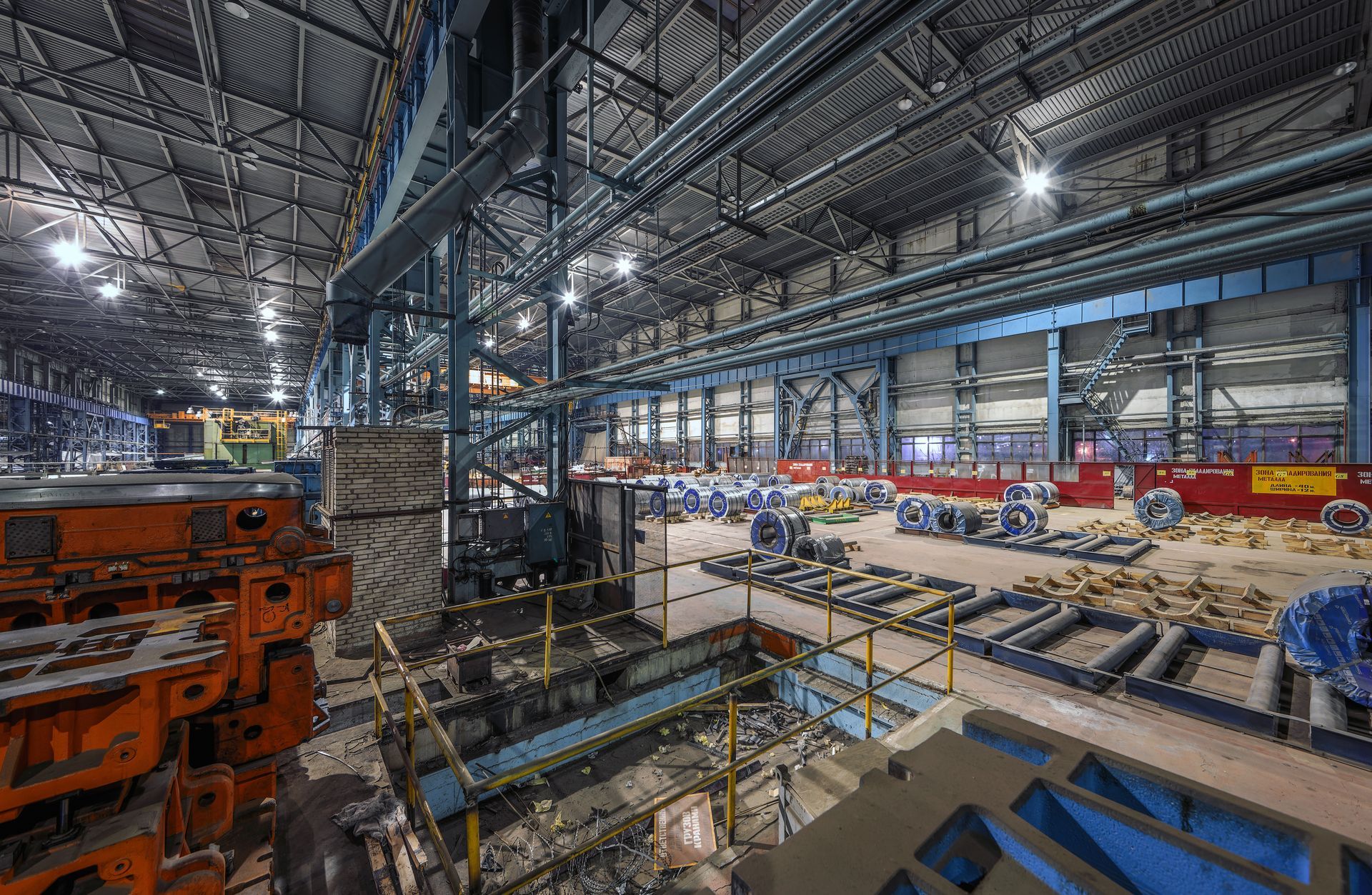
Equipment breakdowns, product liability, and workforce injuries are daily risks for Texas manufacturers. We build coverage from the shop floor to the loading dock — so one incident does not shut you down.
Artisan Contractors
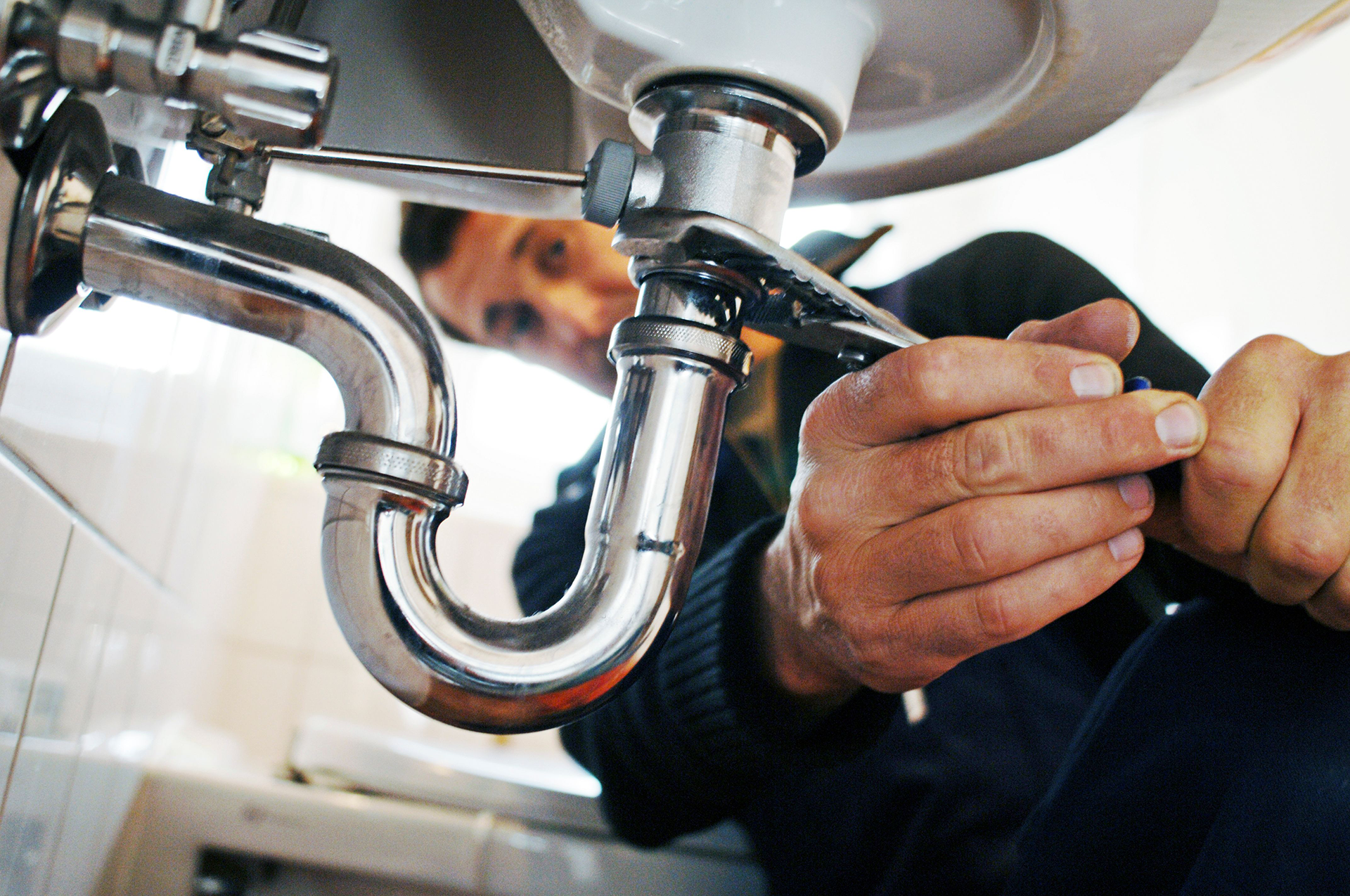
Plumbers, electricians, and skilled tradespeople work in high-risk environments every day. We build coverage around your tools, your vehicles, and your crew — so a job site incident does not stop your business.

Restaurants & Food Service
Restaurants carry liability on every shift — from the kitchen to the dining room and everything in between. We protect your location, your staff, and your equipment, including lost income when operations stop.

Non-Profits Service
Non-profits face unique liability across events, volunteers, staff, and leadership decisions. We cover your organization from the ground up — so you can focus on your mission, not your exposure.

Event Insurance
Event organizers face liability the moment guests arrive, vendors set up, and alcohol is served. We cover your event from start to finish — so one unexpected incident does not cancel everything you planned for.
Answers Before You Pick Up the Phone
What Texas Businesses Ask Us Most
We get a lot of the same questions from business owners across Texas. Here are honest answers to the ones that come up most.

What information do you need to get a commercial insurance quote?
We keep the process straightforward. We typically need your business name, a description of your operations, your gross annual sales projection, number of full-time and part-time employees, your gross annual payroll, and the types of coverage you are looking for. If you have an existing policy, the expiration date and current carrier help us put together a competitive comparison.
The most important thing you can do is be transparent about what your business actually does. Accurate classification ensures you have real coverage if a claim occurs. We have seen businesses with active policies that were incorrectly classified — and those gaps only surface at the worst possible moment.
Does Texas require businesses to carry Workers' Compensation Insurance?
Texas is the only state in the country that does not require most private employers to carry Workers' Compensation. However, if your business holds government contracts or works as a subcontractor on a job site, the hiring company will almost always require proof of coverage before work begins. A growing number of general contractors across Denton and the DFW area enforce this as a standard condition.
Even without a legal requirement, carrying Workers' Comp protects your business from direct liability if an employee is hurt on the job. Medical bills, lost wages, and legal fees can add up quickly — and one serious incident can create a financial loss that far exceeds years of premium payments.
What is a commercial insurance audit and should I expect one?
Most commercial general liability policies are auditable. At the end of your policy term, the insurance carrier reviews your actual gross sales to make sure your premium matched your real exposure. If your sales grew during the year, you may owe an additional premium. If sales came in lower, you could receive a refund.
The best way to avoid a large balance due at audit time is to update your projected gross sales with us during the year if your business grows faster than expected. We can endorse your policy mid-term to reflect the change and spread any additional premium across smaller installments instead of one lump sum at year-end.
What factors affect how much my commercial coverage will cost?
Your premium is calculated based on several variables specific to your operation — industry classification, gross annual sales, number of employees, gross payroll, claims history, and the types of coverage you need. A business that handles physical work with a crew on job sites will pay differently than a professional services firm working out of an office.
As an independent agency, we compare quotes across multiple carriers — including Travelers, The Hartford, Chubb, AmTrust, and others — to find the combination of coverage and price that works for your situation. There is no obligation after your quote, and we walk through every option in plain terms before you decide anything.
My business is a restaurant — what coverage do I actually need?
Restaurants are not a one-size-fits-all class of risk. Carriers look at a range of factors when evaluating a restaurant account: whether you serve alcohol, whether deep frying is involved, the type of fire suppression system in place, whether you have a hood cleaning contract, and whether you offer catering, delivery, or live entertainment. All of these affect both pricing and carrier appetite.
A well-structured restaurant policy typically includes general liability, building and business personal property coverage, liquor liability if applicable, food contamination coverage, business income protection, and workers' compensation for your staff. We work with carriers that actively want to write restaurant accounts in Texas — including Travelers, The Hartford, and Chubb — so you have real options to compare.
Can you help insure a business that is hard to place or outside the mainstream?
Yes — this is one of our strengths. We work with Excess and Surplus (E&S) lines markets through carriers like Burns & Wilcox for businesses that standard carriers will not write. We have placed coverage for master sign electricians, cable splicing operations, transmission rebuild shops for classic cars, CBD retailers, and many other non-standard accounts.
If you have been told your business is difficult to insure or you have received very limited options in the marketplace, reach out to us. We take time to understand your operations in detail, present your account to the right markets, and work to find coverage that actually reflects what you do — not a generic policy that leaves gaps.
Still have Question?
We’re here to help you!
Written for the Texas Business Owner
Insights That Help You Make Smarter Decisions
We publish articles on real topics that affect how Texas operators get covered — from local regulatory updates to coverage gaps most owners do not know they have.