Understanding Media Liability Insurance for Texas Professionals
A single Instagram post cost a Dallas influencer $47,000 last year. She'd shared a negative review about a local restaurant, including claims that turned out to be exaggerated. The restaurant sued for defamation, and her general liability policy offered zero protection. This scenario plays out more often than most Texas content creators realize.
Media liability insurance fills a coverage gap that catches publishers, advertisers, and digital creators off guard. Whether you're running a news website from Austin, managing social media campaigns for Houston clients, or streaming gaming content from your San Antonio apartment, your standard business insurance likely excludes the specific risks tied to content creation and distribution.
Texas presents unique challenges for media professionals. The state sees more defamation lawsuits than most, partly due to its large population and business-friendly environment that attracts media companies. Dallas and Houston rank among the top cities nationally for intellectual property disputes, and Texas courts have historically been plaintiff-friendly in certain media-related cases.
The coverage you need protects against claims arising from what you say, write, publish, or broadcast. This includes defamation allegations, copyright infringement claims, invasion of privacy lawsuits, and errors in advertising content. For Texas media professionals, understanding these exposures and securing proper coverage isn't optional: it's essential for business survival.
Core Differences Between Media Liability and General Liability
General liability insurance handles slip-and-fall accidents, property damage, and basic bodily injury claims. It protects your physical operations. Media liability insurance protects your intellectual output.
Here's the distinction that matters: if a visitor trips over cables in your podcast studio, general liability responds. If that same podcast episode includes statements that a guest claims damaged their reputation, you need media liability coverage. General liability policies contain explicit exclusions for content-related claims.
| Coverage Type | What It Covers | What It Excludes |
|---|---|---|
| General Liability | Bodily injury, property damage, advertising injury (limited) | Defamation, IP infringement, content errors |
| Media Liability | Defamation, libel, copyright claims, privacy violations | Physical injuries, property damage |
| Professional E&O | Professional advice errors, service failures | Content publication claims |
Most Texas businesses need both policies working together. The advertising injury coverage in general liability policies sounds relevant but typically excludes claims arising from content you intentionally published.
Why Texas Content Creators Need Specialized Errors and Omissions (E&O)
Standard E&O policies cover professional service mistakes, but media E&O addresses content-specific exposures. A marketing consultant's E&O might cover a strategic recommendation that flopped, but it won't cover a copyright infringement claim from using unlicensed stock photos in a client campaign.
Texas content creators face particular exposure because the state lacks a comprehensive shield law protecting journalists and bloggers from revealing sources. This creates additional legal vulnerability that specialized media coverage can help address through defense cost provisions.
The content volume matters too. A single blog post annually presents different risk than publishing 200 articles monthly. Specialized media E&O policies account for this, with underwriters evaluating your actual content output rather than applying generic
professional liability assumptions.

By: Michael Whitaker
Insurance Advisor at
Denton Business Insurance
Essential Coverage Components for Modern Media Entities
Protection Against Defamation, Libel, and Slander
Defamation claims represent the most common media liability exposure in Texas. Libel covers written statements, slander addresses spoken ones, and both can devastate an uninsured media business. Defense costs alone typically run $50,000 to $150,000 before any settlement or judgment.
Texas follows a fault-based defamation standard, meaning plaintiffs must prove negligence or actual malice depending on their status as public or private figures. This creates litigation that often extends 18 to 24 months, accumulating legal fees throughout.
Media liability policies typically provide:
- Defense costs coverage, often outside policy limits
- Settlement and judgment payment up to policy limits
- Coverage for online and offline content
- Protection for employee and contractor statements made within their scope
Intellectual Property and Copyright Infringement Claims
Copyright claims have exploded with digital content distribution. Using a photo without proper licensing, incorporating music into video content, or even inadvertently mimicking another creator's distinctive style can trigger infringement allegations.
Texas federal courts handle substantial IP litigation, with the Eastern District historically attracting patent cases and the Northern District seeing significant copyright disputes. Average defense costs for copyright infringement claims range from $30,000 for quick settlements to $500,000 or more for cases proceeding through trial.
Media liability policies address copyright infringement, trademark violations, and related IP claims. Coverage typically extends to unintentional infringement, though policies exclude knowing violations, which is why content review processes matter.
Invasion of Privacy and Right of Publicity Violations
Privacy claims come in multiple forms: intrusion upon seclusion, public disclosure of private facts, false light, and appropriation of name or likeness. Texas recognizes all four, creating broad exposure for content creators.
Right of publicity claims arise when you use someone's image, name, or likeness for commercial purposes without permission. This affects advertisers and influencers particularly, especially those creating sponsored content featuring recognizable individuals.
A Fort Worth photographer faced a $125,000 claim after using street photography in a commercial campaign without model releases. His media liability policy covered defense costs and the eventual $40,000 settlement.
Tailoring Policies for Publishers, Advertisers, and Influencers
Digital Publishers and News Organizations
Online publishers face continuous exposure with archives of content remaining accessible indefinitely. A statement published five years ago can still generate a lawsuit today under Texas's two-year defamation statute of limitations, which runs from when the plaintiff discovered the statement.
Publishers need coverage addressing:
- Archived content liability
- User-generated content in comments sections
- Syndicated content from third parties
- Corrections and retractions procedures
Policy limits for Texas digital publishers typically start at $1 million per occurrence with $2 million aggregate, though larger operations often carry $5 million or more. Premiums range from $3,000 annually for small publishers to $50,000 or more for major news organizations.
Advertising Agencies and Marketing Freelancers
Agencies face dual exposure: liability for their own creative work and vicarious liability for client content they help distribute. A campaign containing unsubstantiated claims can generate FTC scrutiny alongside private lawsuits.
Texas advertising professionals should ensure policies cover:
- Comparative advertising disputes
- Trade libel claims from competitors
- Testimonial and endorsement compliance issues
- Client indemnification gaps
Working with an independent agency like Denton Business Insurance helps advertising professionals compare coverage across multiple carriers. Some insurers specialize in agency risks while others offer broader media coverage that might miss industry-specific exposures.
Social Media Content Creators and Streamers
Influencers and streamers often assume their informal content carries less legal risk. The opposite is true. Sponsored content disclosures, competitor mentions, product claims, and even casual commentary create liability exposure.
A Houston gaming streamer discovered this when a competitor claimed his on-stream comments constituted tortious interference with business relationships. Defense costs reached $28,000 before the case settled.
Streamers and influencers should look for policies covering live content, platform-specific risks, and the unique exposures of parasocial relationships with audiences. Premiums for individual creators typically run $1,500 to $5,000 annually depending on audience size and content type.

The Texas Defamation Mitigation Act and Insurance Implications
Texas Civil Practice and Remedies Code Chapter 73 establishes procedures for defamation claims, including requirements for correction requests before filing suit. Understanding these procedures affects both risk management and insurance claims.
The Act requires plaintiffs to request corrections before suing, giving publishers an opportunity to mitigate damages. Insurers view proactive correction policies favorably, and some carriers offer premium credits for documented editorial review procedures.
This matters for coverage because demonstrating compliance with statutory requirements strengthens defense positions. Policies that include media law consultation services help ensure your correction procedures meet legal standards.
Texas Anti-SLAPP Statutes and Legal Defense Costs
Texas has one of the nation's stronger anti-SLAPP laws, allowing defendants to seek early dismissal of frivolous lawsuits targeting free speech. The Texas Citizens Participation Act provides mechanisms for quick case resolution and fee recovery.
Anti-SLAPP motions typically cost $15,000 to $25,000 to file and argue. When successful, defendants recover attorney fees from plaintiffs. Media liability policies cover these defense costs, and successful fee recovery effectively reimburses the insurer.
Understanding this interplay helps when selecting coverage. Policies with strong defense cost provisions outside limits provide better protection during anti-SLAPP proceedings, preserving policy limits for potential settlements if motions fail.
Evaluating Revenue, Content Volume, and Distribution Reach
Underwriters assess media liability risk through several factors:
| Factor | Lower Premium Impact | Higher Premium Impact |
|---|---|---|
| Annual Revenue | Under $500,000 | Over $5 million |
| Content Volume | Under 50 pieces monthly | Over 500 pieces monthly |
| Audience Size | Under 10,000 followers | Over 1 million followers |
| Content Type | Educational, entertainment | News, opinion, reviews |
| Claims History | Clean record | Prior claims |
Texas-specific factors also apply. Content focused on industries with high litigation rates, like healthcare or legal services, carries higher premiums. Political commentary faces increased scrutiny given Texas's active political environment.
Best Practices for Claims Prevention and Risk Management
Insurers reward documented risk management practices with lower premiums. Effective practices include:
- Written editorial review procedures
- Legal review for sensitive content
- Proper licensing documentation for third-party materials
- Model releases and consent forms
- Regular staff training on defamation and copyright basics
Denton Business Insurance works with Texas media businesses to identify carrier preferences for risk management documentation. Some insurers offer 10 to 15 percent premium reductions for formal content review procedures.
Securing the Right Policy for Your Texas Media Business
Finding appropriate media liability coverage requires understanding your specific exposures rather than purchasing generic policies. A podcast network needs different coverage than a print magazine, and both differ from an advertising agency's requirements.
Start by documenting your content types, distribution channels, audience size, and revenue. Identify any prior claims or disputes, even those resolved without litigation. This information helps insurers accurately assess your risk profile.
Working with an independent agency provides access to multiple carriers specializing in media risks. Denton Business Insurance compares options from insurers like Travelers, Chubb, and specialized media liability carriers to find coverage matching your operations and budget.
The right policy protects your creative work and business assets while providing access to media law expertise when disputes arise. For Texas publishers, advertisers, and content creators, this coverage isn't a luxury: it's the foundation that allows you to create confidently.
Frequently Asked Questions
Does my general liability policy cover defamation claims? No. General liability policies specifically exclude defamation, libel, and slander claims arising from your published content. You need separate media liability coverage.
How much does media liability insurance cost in Texas? Individual creators typically pay $1,500 to $5,000 annually. Small publishers and agencies pay $3,000 to $15,000. Larger operations with significant content volume may pay $25,000 to $75,000 or more.
Are social media posts covered under media liability insurance? Yes, most policies cover content across all platforms including social media, provided you disclose your social media activities during the application process.
What's the difference between media liability and professional liability? Professional liability covers errors in professional services you provide. Media liability covers claims arising from content you publish or broadcast. Many media businesses need both.
Does media liability cover copyright claims from using stock photos? Most policies cover unintentional copyright infringement, including improper licensing of stock imagery. Intentional infringement is typically excluded.
Can I get coverage for past content I've already published?
Yes, through retroactive coverage dates. Policies can cover claims arising from content published before your policy inception, provided you had no knowledge of potential claims when purchasing coverage.
Straight from the Clients We Serve
Texas Business Owners Rate Us 5 Stars — Here Is Why
We hear the same things repeatedly: fast service, honest advice, and coverage that made sense for their situation. That is what we aim for every time.

Protection Across Every Area of Your BUSINESS
What Texas Businesses Need. What We Deliver.
From your job site and your fleet to your data and your payroll — we cover the risks that Texas businesses carry every day.
General Liability
Covers third-party claims of bodily injury, property damage, and advertising injury. A foundational protection for nearly every Texas business, regardless of industry or size.
Commercial Property
Covers your building, equipment, inventory, and business contents against fire, theft, storms, and vandalism. Can also include lost income if your businesses are forced to stop.
Commercial Auto
Protects vehicles your company owns, leases, or uses for work. Covers liability, collision damage, and injuries for employees driving on company time.
Errors & Omissions
Protects service providers when a client claims your advice, work, or recommendations caused them a financial loss. Critical for consultants, IT firms, agents, and other professional service businesses.
Directors & Officers
Covers leadership decisions that result in claims from employees, investors, or outside parties. Protects your directors and officers personally when management decisions are challenged.
Inland Marine & Equipment Floater
Covers tools, materials, and equipment that move between job sites or are stored off your primary property. Fills the gap where a standard commercial property policy stops.
Every Sector Has Its Own Risk Profile
We Know Your Trade. We Know Your Exposure.
We work with a wide range of Texas industries — each with different coverage priorities. Below are the sectors we serve most often.

Apartment Complexes
Texas apartment owners face liability across common areas, tenant incidents, and on-site staff. We cover your property, your income, and your exposure — across one complex or an entire portfolio.
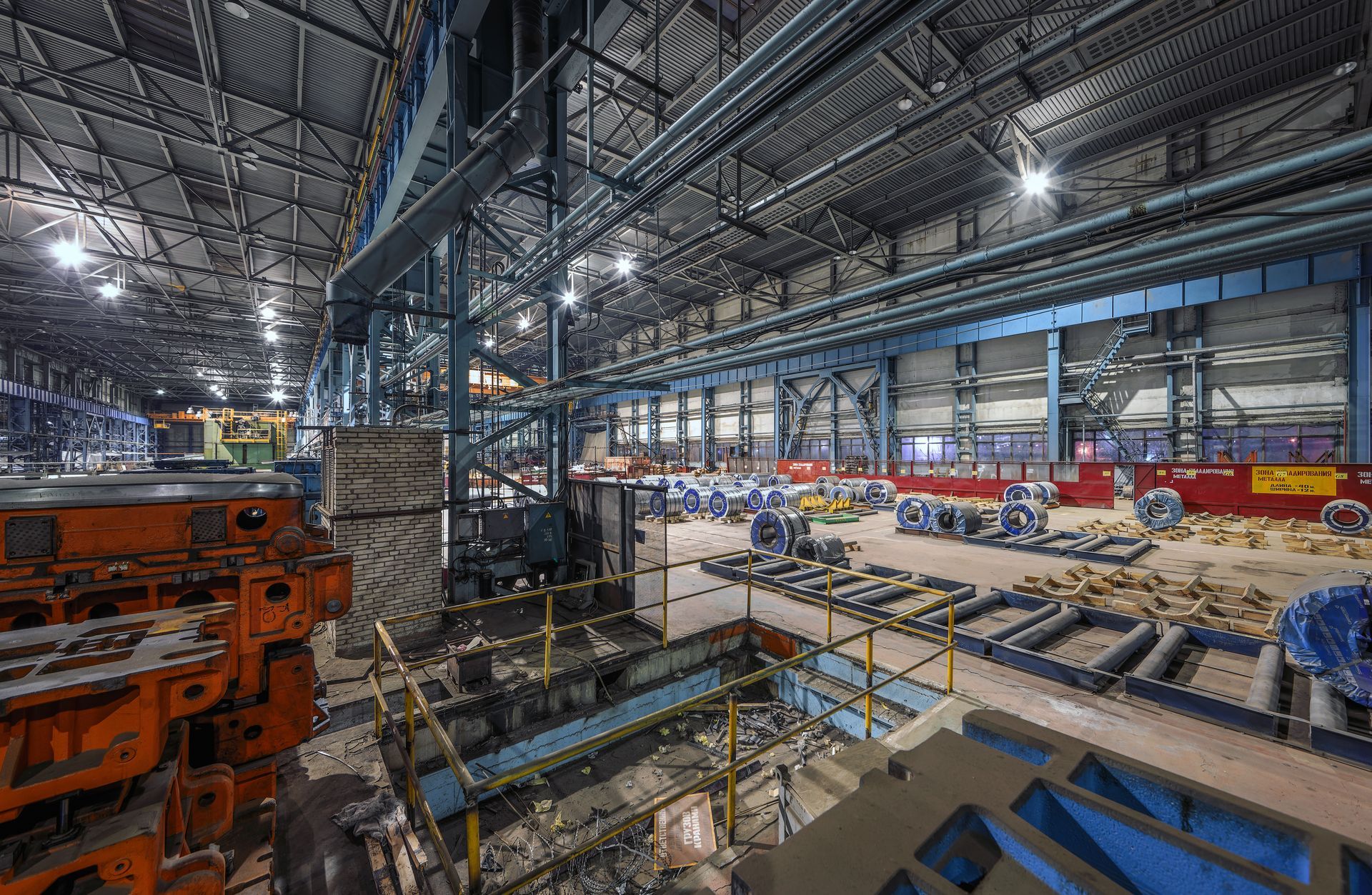
Manufacturing Businesses
Equipment breakdowns, product liability, and workforce injuries are daily risks for Texas manufacturers. We build coverage from the shop floor to the loading dock — so one incident does not shut you down.
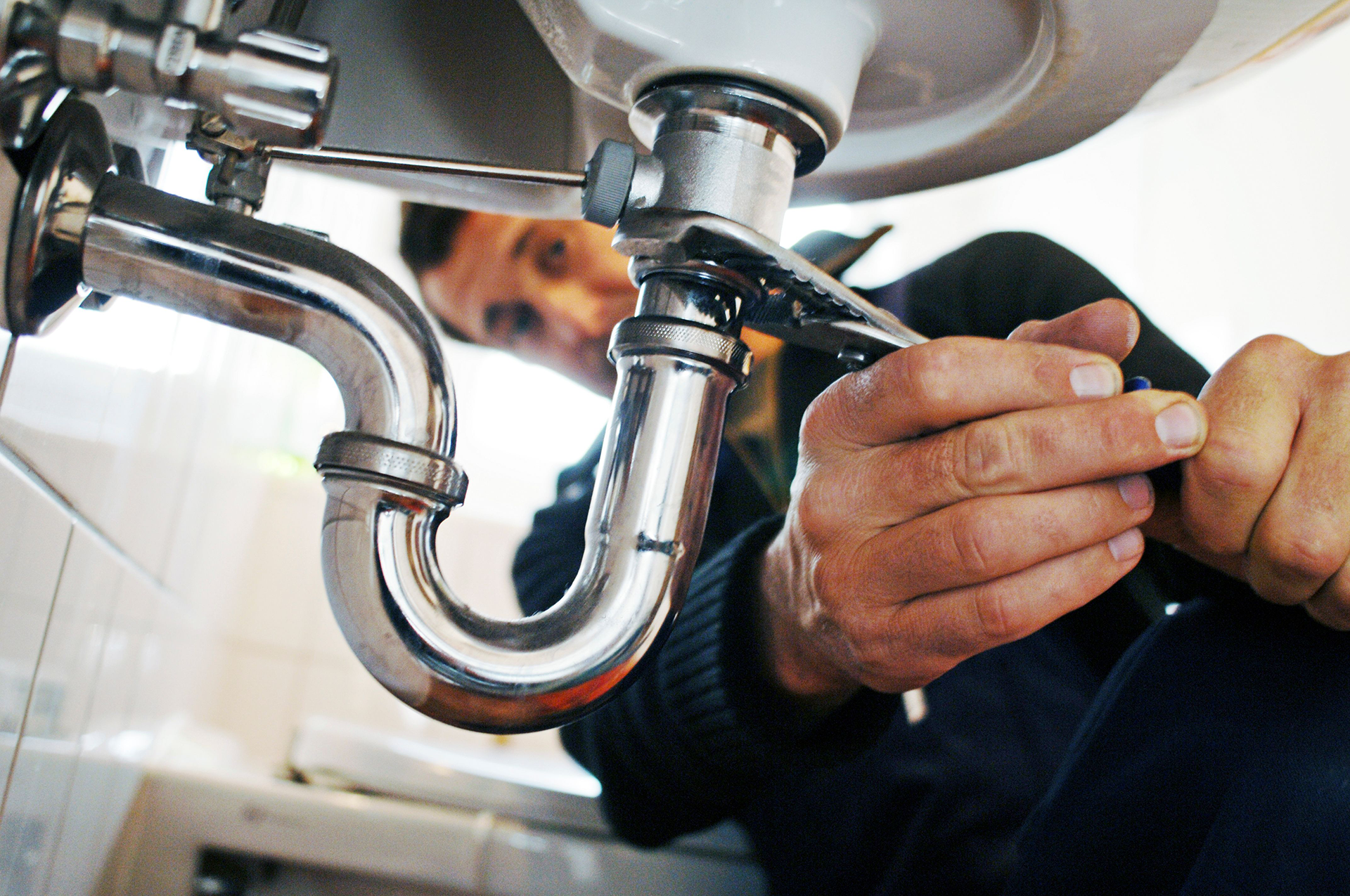
Artisan Contractors
Plumbers, electricians, and skilled tradespeople work in high-risk environments every day. We build coverage around your tools, your vehicles, and your crew — so a job site incident does not stop your business.

Restaurants & Food Service
Restaurants carry liability on every shift — from the kitchen to the dining room and everything in between. We protect your location, your staff, and your equipment, including lost income when operations stop.

Non-Profits Service
Non-profits face unique liability across events, volunteers, staff, and leadership decisions. We cover your organization from the ground up — so you can focus on your mission, not your exposure.

Event Insurance
Event organizers face liability the moment guests arrive, vendors set up, and alcohol is served. We cover your event from start to finish — so one unexpected incident does not cancel everything you planned for.
Answers Before You Pick Up the Phone
What Texas Businesses Ask Us Most
We get a lot of the same questions from business owners across Texas. Here are honest answers to the ones that come up most.
What information do you need to get a commercial insurance quote?
We keep the process straightforward. We typically need your business name, a description of your operations, your gross annual sales projection, number of full-time and part-time employees, your gross annual payroll, and the types of coverage you are looking for. If you have an existing policy, the expiration date and current carrier help us put together a competitive comparison.
The most important thing you can do is be transparent about what your business actually does. Accurate classification ensures you have real coverage if a claim occurs. We have seen businesses with active policies that were incorrectly classified — and those gaps only surface at the worst possible moment.
Does Texas require businesses to carry Workers' Compensation Insurance?
Texas is the only state in the country that does not require most private employers to carry Workers' Compensation. However, if your business holds government contracts or works as a subcontractor on a job site, the hiring company will almost always require proof of coverage before work begins. A growing number of general contractors across Denton and the DFW area enforce this as a standard condition.
Even without a legal requirement, carrying Workers' Comp protects your business from direct liability if an employee is hurt on the job. Medical bills, lost wages, and legal fees can add up quickly — and one serious incident can create a financial loss that far exceeds years of premium payments.
What is a commercial insurance audit and should I expect one?
Most commercial general liability policies are auditable. At the end of your policy term, the insurance carrier reviews your actual gross sales to make sure your premium matched your real exposure. If your sales grew during the year, you may owe an additional premium. If sales came in lower, you could receive a refund.
The best way to avoid a large balance due at audit time is to update your projected gross sales with us during the year if your business grows faster than expected. We can endorse your policy mid-term to reflect the change and spread any additional premium across smaller installments instead of one lump sum at year-end.
What factors affect how much my commercial coverage will cost?
Your premium is calculated based on several variables specific to your operation — industry classification, gross annual sales, number of employees, gross payroll, claims history, and the types of coverage you need. A business that handles physical work with a crew on job sites will pay differently than a professional services firm working out of an office.
As an independent agency, we compare quotes across multiple carriers — including Travelers, The Hartford, Chubb, AmTrust, and others — to find the combination of coverage and price that works for your situation. There is no obligation after your quote, and we walk through every option in plain terms before you decide anything.
My business is a restaurant — what coverage do I actually need?
Restaurants are not a one-size-fits-all class of risk. Carriers look at a range of factors when evaluating a restaurant account: whether you serve alcohol, whether deep frying is involved, the type of fire suppression system in place, whether you have a hood cleaning contract, and whether you offer catering, delivery, or live entertainment. All of these affect both pricing and carrier appetite.
A well-structured restaurant policy typically includes general liability, building and business personal property coverage, liquor liability if applicable, food contamination coverage, business income protection, and workers' compensation for your staff. We work with carriers that actively want to write restaurant accounts in Texas — including Travelers, The Hartford, and Chubb — so you have real options to compare.
Can you help insure a business that is hard to place or outside the mainstream?
Yes — this is one of our strengths. We work with Excess and Surplus (E&S) lines markets through carriers like Burns & Wilcox for businesses that standard carriers will not write. We have placed coverage for master sign electricians, cable splicing operations, transmission rebuild shops for classic cars, CBD retailers, and many other non-standard accounts.
If you have been told your business is difficult to insure or you have received very limited options in the marketplace, reach out to us. We take time to understand your operations in detail, present your account to the right markets, and work to find coverage that actually reflects what you do — not a generic policy that leaves gaps.
Still have Question?
We’re here to help you!
Written for the Texas Business Owner
Insights That Help You Make Smarter Decisions
We publish articles on real topics that affect how Texas operators get covered — from local regulatory updates to coverage gaps most owners do not know they have.