Texas Inland Marine Insurance for Contractors

See How We're Different
Call Us: (940) 268-5112
A $45,000 excavator stolen from a job site in Fort Worth. A trailer full of specialty tools destroyed when a flash flood swept through a construction staging area near Houston. A generator worth $12,000 that walked off a remote pipeline project in the Permian Basin. These aren't hypothetical scenarios. They're actual claims that Texas contractors have filed, and they share one thing in common: standard property insurance wouldn't have covered any of them.
Texas contractors face a unique set of challenges when protecting their tools and equipment. The state's sheer size means equipment constantly moves between job sites, sometimes hundreds of miles apart. Combine that with severe weather patterns, high theft rates in metropolitan areas, and the reality that much of your most valuable gear spends its life outside a fixed location, and you start to understand why inland marine coverage for contractors in Texas has become essential rather than optional.
The name itself confuses people. "Marine" insurance for a roofing contractor in Dallas? The term dates back to ocean cargo insurance, but today it covers property in transit or mobile equipment that doesn't stay in one place. For contractors, this means your tools, machinery, and equipment get protection whether they're on a truck, at a job site, or temporarily stored at a client's property.
Understanding Inland Marine Insurance for Texas Contractors
Why Standard Property Insurance Falls Short
Standard commercial property policies work on a simple premise: they protect your stuff at a specific location. Your office, your warehouse, your permanent shop. The moment your equipment leaves that address, coverage gets murky at best and nonexistent at worst.
Most property policies include some coverage for equipment temporarily away from your premises, but the limits are typically capped at 10% of your total insured property value. If you've got $500,000 in property coverage, that means only $50,000 for everything off-site. For a contractor with a fleet of equipment spread across multiple job sites, that's nowhere near enough.
There's also the issue of covered perils. Property policies often exclude flood damage unless you've purchased separate flood insurance, and that coverage typically applies only to the listed location. Equipment sitting in a low-lying area during a Texas thunderstorm? You're probably on your own.
The Role of Inland Marine in Protecting Assets in Transit
Inland marine insurance was designed specifically for property that moves. It follows your equipment wherever it goes within your coverage territory, which for most Texas contractors means anywhere in the continental United States.
The coverage kicks in during transport, at job sites, and even when equipment is stored temporarily at locations you don't own. This matters because contractors rarely work at their own property. You're on client sites, at commercial developments, along roadways, or in the middle of nowhere running utilities to a new subdivision.
Working with an independent agency like Denton Business Insurance gives you access to multiple carriers who write this coverage. That means comparing policy terms and pricing from companies like Travelers, Nationwide, and Chubb rather than taking whatever a single carrier offers.

By: Michael Whitaker
Insurance Advisor at
Denton Business Insurance
What Tools and Equipment are Covered?
Small Tools and Employee Equipment
Hand tools, power tools, and smaller equipment often represent a contractor's biggest coverage gap. Individual items might cost $200 to $2,000, but when you add up everything across your crews, the total can easily reach $50,000 or more.
Most inland marine policies cover owned tools without requiring you to list each item individually. You'll provide an estimated total value, and the policy covers losses up to that amount. Some policies also extend coverage to employee-owned tools used for work, though limits on this are typically lower.
The key is accurate valuation. Contractors consistently underestimate their tool inventory. When a theft wipes out a work truck's contents, they're shocked to realize the replacement cost exceeds their coverage by 40%.
Heavy Machinery and Mobile Equipment
Excavators, skid steers, trenchers, and other heavy equipment require scheduled coverage. This means each piece is listed individually with its own stated value. Policies typically cover theft, vandalism, collision during transport, fire, and weather damage.
Texas contractors should pay attention to coverage during loading and unloading, which is when many equipment accidents occur. Not all policies automatically include this, so ask specifically. Coverage for attached implements and accessories matters too. That $8,000 hydraulic breaker attached to your excavator needs to be included in the equipment's stated value.
Leased or Rented Equipment Considerations
Renting equipment creates insurance complications. The rental company's damage waiver might seem like enough protection, but those waivers often exclude theft, vandalism, and weather damage. They also won't cover your liability if the equipment damages someone else's property.
Your inland marine policy can often extend to cover rented equipment, but you'll need to add this coverage specifically. Some contractors maintain a blanket limit for rented equipment, while others add individual pieces as needed for longer-term rentals.
Texas-Specific Risks and Environmental Hazards
Protection Against Severe Weather and Flooding
Texas weather doesn't mess around. The state averages 132 tornadoes annually, more than any other state. Add hailstorms that can total vehicles and equipment, flash flooding that arrives with almost no warning, and hurricanes that affect contractors working anywhere near the Gulf Coast, and weather becomes a primary concern.
Winter Storm Uri in 2021 caught many contractors off guard. Equipment left on job sites suffered freeze damage, burst hydraulic lines, and cracked engine blocks. Policies that excluded weather damage left those contractors absorbing losses that should have been covered.
Flood coverage requires specific attention. Standard inland marine policies may exclude flood, or they may include it with sublimits that don't match your exposure. If you're working in flood-prone areas around Houston, San Antonio, or anywhere in the Rio Grande Valley, verify exactly what your policy covers.
Theft and Vandalism at Remote Job Sites
Texas ranks among the top states for construction equipment theft. Remote job sites, especially those along the I-35 corridor and in the Permian Basin oil fields, present easy targets. Equipment sits unattended overnight, often without security cameras or fencing.
| Risk Factor | Metro Areas (DFW, Houston) | Rural/Remote Sites |
|---|---|---|
| Theft frequency | High | Moderate |
| Recovery rate | 15-20% | Under 10% |
| Average loss | $25,000 | $40,000+ |
| Vandalism claims | Moderate | High |
Insurers may require specific security measures for high-value equipment. GPS tracking, physical locks, and secure storage can reduce both your risk and your premiums.

Key Policy Features: Replacement Cost vs. Actual Cash Value
This distinction determines whether you can actually replace your equipment after a loss. Replacement cost pays what it takes to buy equivalent new equipment. Actual cash value deducts depreciation, meaning a five-year-old generator that cost $10,000 new might only pay out $4,000.
For most contractors, replacement cost coverage is worth the additional premium. Equipment doesn't depreciate as fast as the accounting suggests, and you'll need functional replacements immediately to keep projects moving.
Some policies offer agreed value coverage for scheduled equipment. You and the insurer agree on a value upfront, and that's what gets paid regardless of depreciation calculations. This eliminates disputes after a loss but requires periodic value updates as equipment ages.
Determining Coverage Limits for Your Business
Conducting a Thorough Equipment Inventory
Start with a complete list. Every piece of equipment, every tool, every accessory. Include serial numbers, purchase dates, and current replacement costs. Take photos and store them somewhere other than your work truck.
Group items into categories: scheduled equipment that needs individual listing, unscheduled tools covered under a blanket limit, and items that might be excluded entirely. Most policies won't cover cell phones, laptops, or cash, so those need separate consideration.
Update this inventory annually at minimum. Equipment gets added, sold, or retired throughout the year. A policy based on last year's inventory leaves gaps.
Balancing Deductibles and Premium Costs
Higher deductibles reduce premiums but increase your out-of-pocket costs when claims occur. A $2,500 deductible might save $400 annually compared to a $1,000 deductible. If you're filing claims every year, the lower deductible makes sense. If you're going years without claims, the higher deductible saves money over time.
Consider separate deductibles for different coverage types. Some contractors choose a higher deductible for theft, which is harder to prevent, and a lower deductible for collision damage, which is more within their control.
Frequently Asked Questions
Does my general liability policy cover stolen equipment? No. General liability covers damage you cause to others, not your own property losses. You need inland marine or a contractors equipment policy for theft protection.
Can I get coverage for equipment I'm financing? Yes, and your lender will probably require it. The policy should list the lender as a loss payee so they're notified of any changes or claims.
What happens if my employee damages equipment through negligence? Most inland marine policies cover accidental damage regardless of who caused it. Intentional damage is excluded, and repeated negligence might affect your ability to get coverage renewed.
How quickly can I add new equipment to my policy? Most policies allow you to add equipment mid-term with a quick phone call or email. Coverage typically begins immediately, with premium adjusted at renewal.
Securing Your Texas Contracting Business for the Future
Protecting your tools and equipment isn't about checking a box for compliance. It's about ensuring one bad night, one storm, or one theft doesn't derail your business. The contractors who survive setbacks are the ones who planned for them.
Getting the right inland marine coverage means working with someone who understands both the insurance and your actual operations. At Denton Business Insurance, we work with contractors across Texas to compare options from multiple carriers and find coverage that matches how you actually work. Reach out for a quote, and let's make sure your equipment is protected wherever the job takes you.
Straight from the Clients We Serve
Texas Business Owners Rate Us 5 Stars — Here Is Why
We hear the same things repeatedly: fast service, honest advice, and coverage that made sense for their situation. That is what we aim for every time.
Protection Across Every Area of Your BUSINESS
What Texas Businesses Need. What We Deliver.
From your job site and your fleet to your data and your payroll — we cover the risks that Texas businesses carry every day.
General Liability
Covers third-party claims of bodily injury, property damage, and advertising injury. A foundational protection for nearly every Texas business, regardless of industry or size.
Commercial Property
Covers your building, equipment, inventory, and business contents against fire, theft, storms, and vandalism. Can also include lost income if your businesses are forced to stop.
Commercial Auto
Protects vehicles your company owns, leases, or uses for work. Covers liability, collision damage, and injuries for employees driving on company time.
Errors & Omissions
Protects service providers when a client claims your advice, work, or recommendations caused them a financial loss. Critical for consultants, IT firms, agents, and other professional service businesses.
Directors & Officers
Covers leadership decisions that result in claims from employees, investors, or outside parties. Protects your directors and officers personally when management decisions are challenged.
Inland Marine & Equipment Floater
Covers tools, materials, and equipment that move between job sites or are stored off your primary property. Fills the gap where a standard commercial property policy stops.
Every Sector Has Its Own Risk Profile
We Know Your Trade. We Know Your Exposure.
We work with a wide range of Texas industries — each with different coverage priorities. Below are the sectors we serve most often.

Apartment Complexes
Texas apartment owners face liability across common areas, tenant incidents, and on-site staff. We cover your property, your income, and your exposure — across one complex or an entire portfolio.
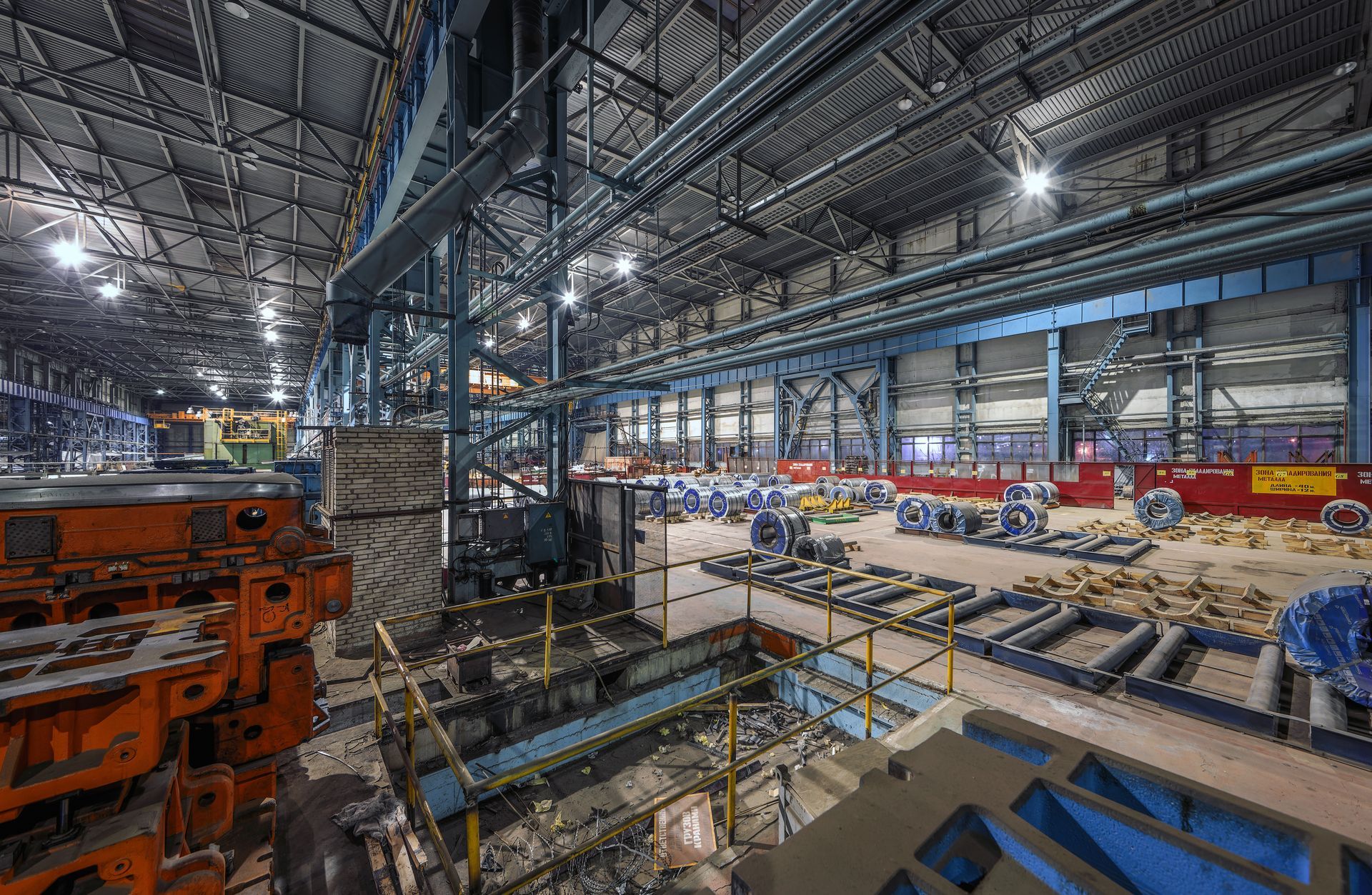
Manufacturing Businesses
Equipment breakdowns, product liability, and workforce injuries are daily risks for Texas manufacturers. We build coverage from the shop floor to the loading dock — so one incident does not shut you down.
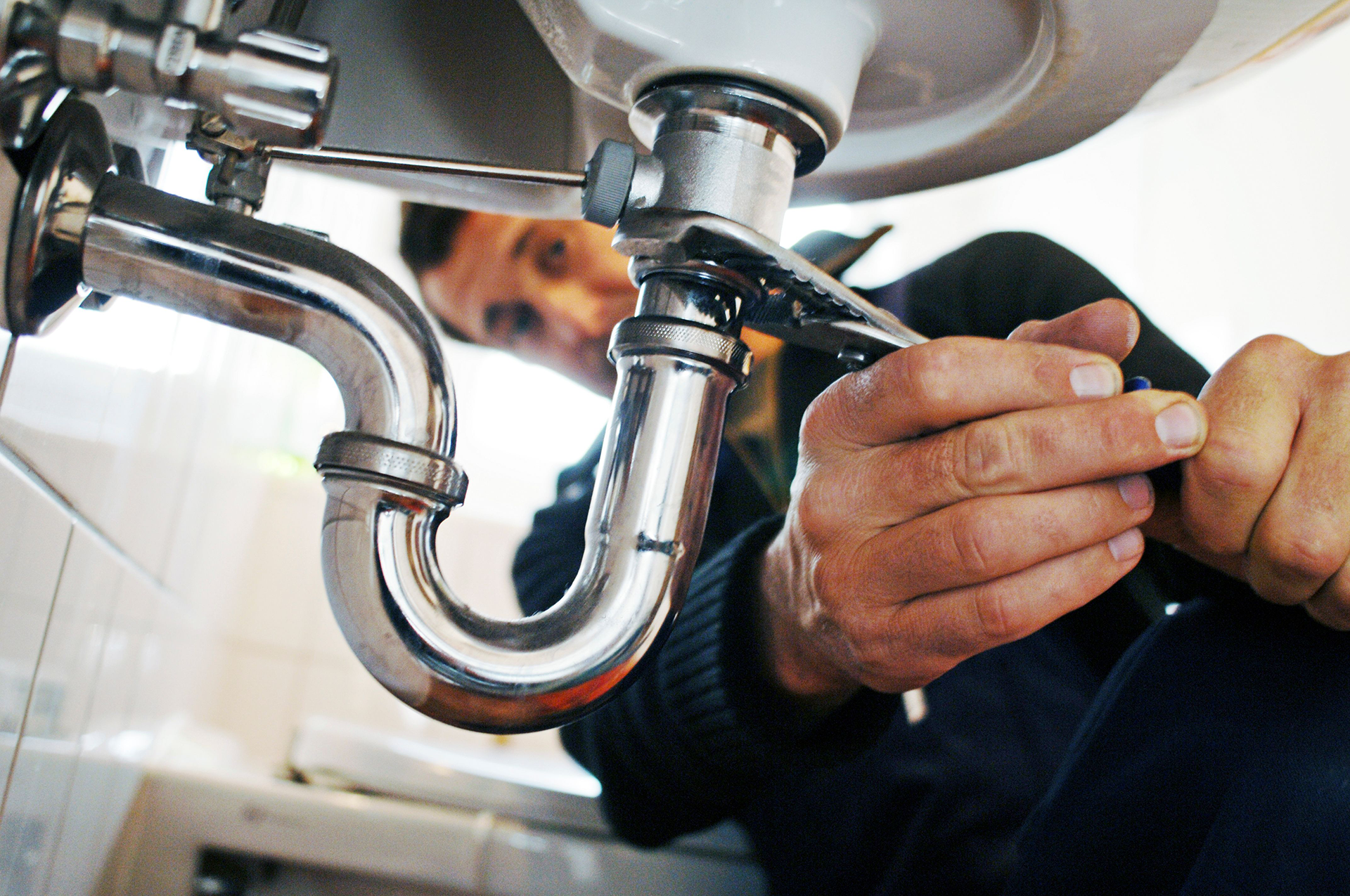
Artisan Contractors
Plumbers, electricians, and skilled tradespeople work in high-risk environments every day. We build coverage around your tools, your vehicles, and your crew — so a job site incident does not stop your business.

Restaurants & Food Service
Restaurants carry liability on every shift — from the kitchen to the dining room and everything in between. We protect your location, your staff, and your equipment, including lost income when operations stop.

Non-Profits Service
Non-profits face unique liability across events, volunteers, staff, and leadership decisions. We cover your organization from the ground up — so you can focus on your mission, not your exposure.

Event Insurance
Event organizers face liability the moment guests arrive, vendors set up, and alcohol is served. We cover your event from start to finish — so one unexpected incident does not cancel everything you planned for.
Answers Before You Pick Up the Phone
What Texas Businesses Ask Us Most
We get a lot of the same questions from business owners across Texas. Here are honest answers to the ones that come up most.
What information do you need to get a commercial insurance quote?
We keep the process straightforward. We typically need your business name, a description of your operations, your gross annual sales projection, number of full-time and part-time employees, your gross annual payroll, and the types of coverage you are looking for. If you have an existing policy, the expiration date and current carrier help us put together a competitive comparison.
The most important thing you can do is be transparent about what your business actually does. Accurate classification ensures you have real coverage if a claim occurs. We have seen businesses with active policies that were incorrectly classified — and those gaps only surface at the worst possible moment.
Does Texas require businesses to carry Workers' Compensation Insurance?
Texas is the only state in the country that does not require most private employers to carry Workers' Compensation. However, if your business holds government contracts or works as a subcontractor on a job site, the hiring company will almost always require proof of coverage before work begins. A growing number of general contractors across Denton and the DFW area enforce this as a standard condition.
Even without a legal requirement, carrying Workers' Comp protects your business from direct liability if an employee is hurt on the job. Medical bills, lost wages, and legal fees can add up quickly — and one serious incident can create a financial loss that far exceeds years of premium payments.
What is a commercial insurance audit and should I expect one?
Most commercial general liability policies are auditable. At the end of your policy term, the insurance carrier reviews your actual gross sales to make sure your premium matched your real exposure. If your sales grew during the year, you may owe an additional premium. If sales came in lower, you could receive a refund.
The best way to avoid a large balance due at audit time is to update your projected gross sales with us during the year if your business grows faster than expected. We can endorse your policy mid-term to reflect the change and spread any additional premium across smaller installments instead of one lump sum at year-end.
What factors affect how much my commercial coverage will cost?
Your premium is calculated based on several variables specific to your operation — industry classification, gross annual sales, number of employees, gross payroll, claims history, and the types of coverage you need. A business that handles physical work with a crew on job sites will pay differently than a professional services firm working out of an office.
As an independent agency, we compare quotes across multiple carriers — including Travelers, The Hartford, Chubb, AmTrust, and others — to find the combination of coverage and price that works for your situation. There is no obligation after your quote, and we walk through every option in plain terms before you decide anything.
My business is a restaurant — what coverage do I actually need?
Restaurants are not a one-size-fits-all class of risk. Carriers look at a range of factors when evaluating a restaurant account: whether you serve alcohol, whether deep frying is involved, the type of fire suppression system in place, whether you have a hood cleaning contract, and whether you offer catering, delivery, or live entertainment. All of these affect both pricing and carrier appetite.
A well-structured restaurant policy typically includes general liability, building and business personal property coverage, liquor liability if applicable, food contamination coverage, business income protection, and workers' compensation for your staff. We work with carriers that actively want to write restaurant accounts in Texas — including Travelers, The Hartford, and Chubb — so you have real options to compare.
Can you help insure a business that is hard to place or outside the mainstream?
Yes — this is one of our strengths. We work with Excess and Surplus (E&S) lines markets through carriers like Burns & Wilcox for businesses that standard carriers will not write. We have placed coverage for master sign electricians, cable splicing operations, transmission rebuild shops for classic cars, CBD retailers, and many other non-standard accounts.
If you have been told your business is difficult to insure or you have received very limited options in the marketplace, reach out to us. We take time to understand your operations in detail, present your account to the right markets, and work to find coverage that actually reflects what you do — not a generic policy that leaves gaps.
Still have Question?
We’re here to help you!
Written for the Texas Business Owner
Insights That Help You Make Smarter Decisions
We publish articles on real topics that affect how Texas operators get covered — from local regulatory updates to coverage gaps most owners do not know they have.