Texas Workers Compensation for Auto Repair Shops

See How We're Different
Call Us: (940) 268-5112
A mechanic at a Houston repair shop drops a transmission on his foot. Another tech in San Antonio develops chronic respiratory issues from years of brake dust exposure. A third employee in Dallas slips on an oil spill and tears his ACL. Each scenario plays out daily across Texas auto repair facilities, and how shop owners respond to these incidents depends entirely on one decision: whether they carry workers' compensation insurance.
Texas stands alone as the only state where private employers can legally skip workers' comp coverage entirely. For auto repair shop owners, this creates a genuine choice with real consequences. The physical nature of mechanic work, combined with chemical hazards and heavy equipment, makes this industry particularly risky. Understanding workers' comp requirements for auto repair shops in Texas means weighing the legal protections, financial costs, and practical realities of running a garage where injuries happen regularly.
The numbers paint a clear picture. Auto repair ranks among the most hazardous industries, with injury rates roughly 50% higher than the national average for all occupations. Shop owners who choose to go without coverage might save on premiums today, but one serious injury lawsuit could close their doors permanently.
Texas Workers' Compensation Laws for Private Employers
The Opt-Out System: Nonsubscriber Status Explained
Texas created its nonsubscriber system decades ago, allowing private employers to decline workers' comp coverage. Roughly 20% of Texas employers take this route, though that percentage drops significantly in high-risk industries like auto repair.
When a shop becomes a nonsubscriber, it loses key legal defenses in injury lawsuits. Injured employees can sue directly for negligence, and the employer cannot argue that the worker contributed to their own injury or that a coworker caused the accident. These common-law defenses, available to employers with workers' comp coverage, disappear entirely for nonsubscribers.
Nonsubscribers must still file annual notices with the Texas Department of Insurance and inform all employees of their coverage status. Failing to provide proper notification can result in administrative penalties and weakens the employer's position if litigation occurs.
Risks of Going Without Coverage in the Auto Industry
The math rarely works in favor of uninsured auto repair shops. A single serious injury, think a crushed hand requiring multiple surgeries and months of rehabilitation, can easily generate $200,000 or more in medical costs and lost wages. Without workers' comp, that bill lands directly on the shop owner.
Jury verdicts in Texas injury cases regularly exceed $500,000 for permanent disabilities. Auto repair shops face elevated risk because their work environment includes obvious hazards: heavy vehicles, hydraulic lifts, power tools, and toxic chemicals. Juries tend to view these dangers as foreseeable, making negligence claims easier to prove.
Some shop owners purchase occupational accident policies as an alternative, but these products offer limited benefits compared to full workers' comp coverage. They also do not restore the legal defenses that nonsubscribers forfeit.


By: Michael Whitaker
Insurance Advisor at
Denton Business Insurance
Common Workplace Hazards in Texas Auto Repair Shops
Physical Injuries from Heavy Lifting and Machinery
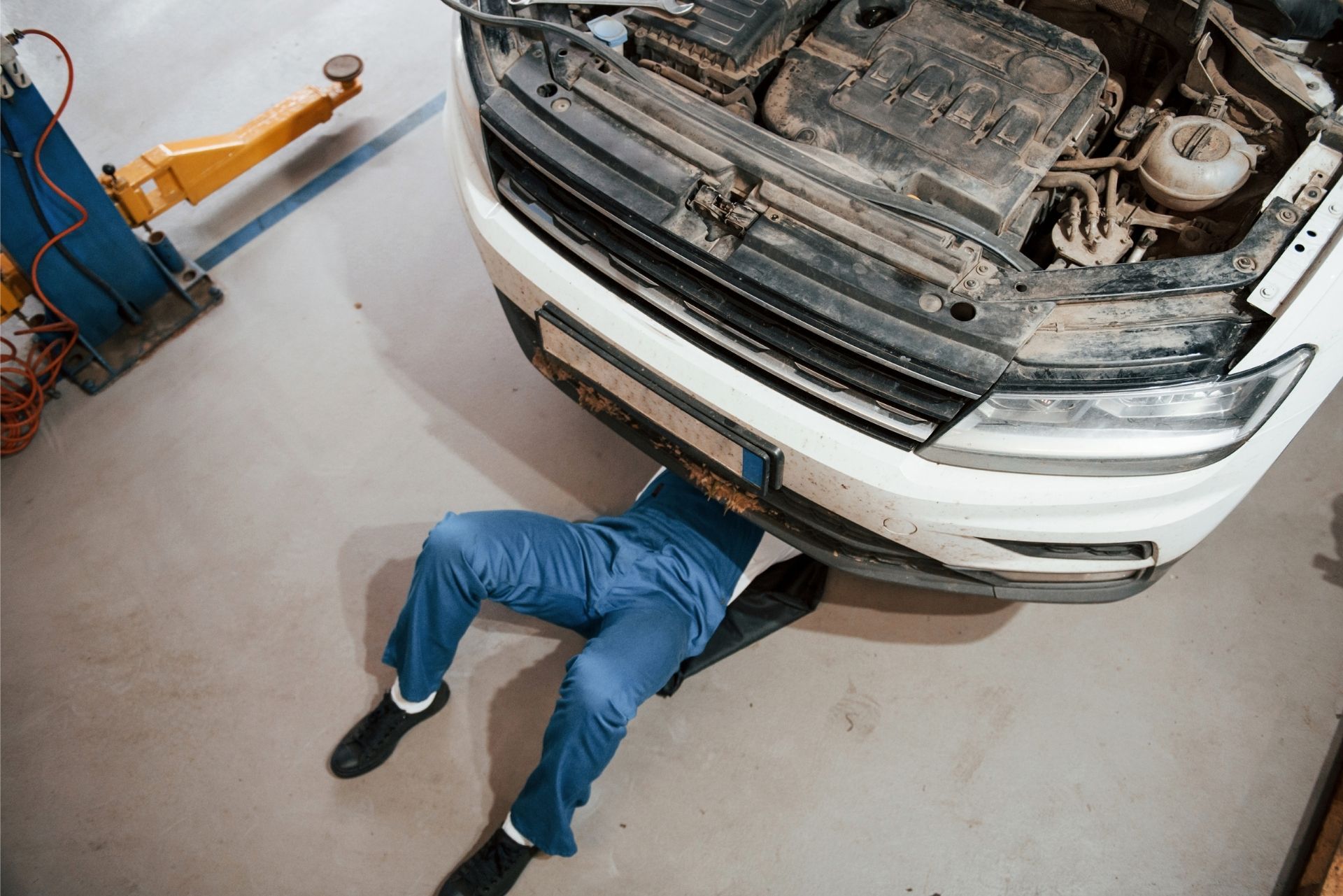
Mechanics handle transmissions weighing 200 pounds, wrestle with stuck suspension components, and work underneath vehicles supported by lifts and jacks. Back injuries from improper lifting remain the most common workers' comp claims in auto repair, followed closely by hand and finger injuries from tools and machinery.
Hydraulic lift failures, while rare, cause catastrophic injuries when they occur. Even properly maintained equipment poses risks during routine use. A vehicle shifting unexpectedly on a lift, a floor jack slipping on an oil-slicked surface, or a tire exploding during inflation can all cause severe injuries in seconds.
Repetitive motion injuries also accumulate over time. Mechanics who spend years using impact wrenches, turning fasteners, and gripping tools develop carpal tunnel syndrome and chronic shoulder problems at rates far exceeding desk workers.
Chemical Exposure and Respiratory Risks
The chemicals present in modern auto repair shops create both acute and long-term health hazards. Brake cleaner, carburetor cleaner, and various solvents contain compounds linked to liver damage and neurological problems. Mechanics working without proper ventilation or respiratory protection absorb these substances through their skin and lungs.
Brake dust contains traces of asbestos in older vehicles and metallic particles in all cases. Welding fumes, battery acid, and refrigerants add to the chemical cocktail. OSHA has documented elevated cancer rates among long-term auto repair workers, particularly those exposed to used motor oil and exhaust fumes over extended periods.
Texas summers compound these risks. Shops without adequate climate control see workers exposed to extreme heat while handling hazardous materials, increasing absorption rates and reducing the effectiveness of personal protective equipment.
Benefits of Coverage for Mechanics and Shop Owners
Medical Bill Reimbursement and Income Replacement
Workers' comp covers all reasonable medical treatment for work-related injuries, with no deductibles or copays for the injured employee. This includes emergency care, surgery, physical therapy, prescription medications, and ongoing treatment for chronic conditions.
Income replacement benefits typically equal about 70% of the worker's average weekly wage, subject to state maximums. For a mechanic earning $50,000 annually, temporary disability benefits would provide roughly $673 per week during recovery. Permanent disability benefits continue indefinitely for workers who cannot return to their previous occupation.
These benefits flow regardless of fault. A mechanic who causes his own injury through carelessness still receives full benefits under workers' comp, eliminating the uncertainty and expense of determining liability through litigation.
Legal Protection and Liability Immunity for Employers
The exclusive remedy provision represents workers' comp's most valuable benefit for employers. When coverage exists, injured workers cannot sue their employer for negligence, even if the employer's actions directly caused the injury. They must accept workers' comp benefits as their sole remedy.
This immunity protects shop owners from unpredictable jury verdicts and the substantial legal costs of defending injury lawsuits. Even winning a lawsuit can cost $50,000 or more in attorney fees and expert witness costs. Workers' comp eliminates this exposure entirely for covered injuries.
At Denton Business Insurance, we regularly help shop owners understand exactly what this protection means for their specific situation. The liability immunity alone often justifies premium costs for shops with more than a handful of employees.
Classification Codes for Mechanics and Clerical Staff
Insurance carriers assign classification codes based on job duties, and these codes determine base premium rates. Auto repair mechanics typically fall under code 8380 or 8393, with rates ranging from $2.50 to $4.00 per $100 of payroll. A shop with $300,000 in mechanic payroll might see base premiums between $7,500 and $12,000 annually.
Office and clerical staff receive separate, much lower classification codes. A parts counter employee or bookkeeper might fall under code 8810, with rates around $0.20 per $100 of payroll. Properly separating payroll by classification significantly reduces total premium costs.
| Classification | Rate per $100 Payroll | Example: $100,000 Payrollecommended Business Limit |
|---|---|---|
| Mechanics (8380) | $2.50 - $4.00 | $2,500 - $4,000 |
| Parts Counter (8046) | $0.80 - $1.20 | $800 - $1,200 |
| Clerical (8810) | $0.18 - $0.25 | $180 - $250 |
Impact of Experience Modifier Rates (MOD) on Pricing
Your experience modification rate adjusts base premiums based on your shop's actual claims history compared to similar businesses. A MOD of 1.0 represents average performance. Shops with fewer claims than expected receive MODs below 1.0, reducing premiums. Shops with worse-than-average claims experience see MODs above 1.0, increasing costs.
A shop with a 0.85 MOD pays 15% less than base rates. A shop with a 1.25 MOD pays 25% more. Over time, this difference compounds significantly. One serious claim can elevate your MOD for three years, adding thousands to annual premiums.
Working with an independent agency like Denton Business Insurance allows shop owners to compare quotes from multiple carriers, including Nationwide, Travelers, and Germania. Different carriers weight claims history differently, meaning your MOD's impact varies by insurer.
Compliance and Filing Requirements for Shop Owners
Reporting Coverage to the Texas Department of Insurance
Employers who carry workers' comp must ensure their carrier files proof of coverage with the Texas Department of Insurance. Most carriers handle this automatically, but verifying compliance protects against administrative problems.
Nonsubscribers face additional requirements. They must file Form DWC-82 annually, confirming their decision to opt out of coverage. This filing creates a public record of nonsubscriber status, which plaintiff attorneys routinely check before taking injury cases.
Mandatory Employee Notification Procedures
Both subscribers and nonsubscribers must inform employees of their coverage status. Subscribers post notices identifying their insurance carrier and explaining how to report injuries. Nonsubscribers must provide written notice that workers' comp does not exist and that employees may purchase their own coverage.
New hires must receive this notification in writing before their start date. Existing employees require annual notification. Failure to properly notify employees can result in administrative penalties and complicates the employer's legal position in any subsequent injury claim.
Strategies to Reduce Claims and Insurance Costs
Preventing injuries costs far less than paying for them. Effective safety programs reduce claims frequency, lower your experience modifier over time, and create a better work environment.
Start with equipment maintenance. Hydraulic lifts require annual inspection and regular fluid checks. Floor jacks need examination before each use. Power tools with damaged guards or frayed cords should be replaced immediately, not patched.
Training matters equally. New mechanics should receive formal instruction on proper lifting techniques, chemical handling, and emergency procedures. Refresher training keeps experienced workers from developing dangerous shortcuts.
Personal protective equipment reduces injury severity when accidents occur. Safety glasses prevent eye injuries from flying debris. Steel-toed boots protect against dropped tools and parts. Respirators and gloves limit chemical exposure.
Denton Business Insurance works with
Texas shop owners to identify coverage options that match their risk profile and budget. We compare policies from multiple A-rated carriers to find competitive rates without sacrificing coverage quality.
Frequently Asked Questions
How much does workers' comp cost for a small auto repair shop? A three-person shop with $150,000 in total payroll typically pays between $4,000 and $7,000 annually, depending on claims history and carrier selection.
Can I exclude myself as the owner from coverage? Yes. Texas allows sole proprietors and partners to exclude themselves from workers' comp policies, reducing premium costs.
What happens if an employee is injured and I have no coverage? The employee can sue you directly for negligence, and you cannot use common defenses like contributory negligence or fellow servant doctrine.
Do I need coverage for part-time mechanics? Yes. Workers' comp requirements apply to all employees regardless of hours worked.
How quickly do I need to report an injury?
Employers must report injuries to their carrier within eight days of learning about them. Delayed reporting can affect claim outcomes.
Running an auto repair shop in Texas means accepting that injuries will happen. The question is whether you prepare for them through proper insurance coverage or gamble on avoiding the worst outcomes. Workers' comp protects both your employees and your business, providing medical care for injured workers while shielding you from potentially devastating lawsuits. Contact an independent agency to compare quotes from multiple carriers and find coverage that fits your shop's specific needs and budget.
Straight from the Clients We Serve
Texas Business Owners Rate Us 5 Stars — Here Is Why
We hear the same things repeatedly: fast service, honest advice, and coverage that made sense for their situation. That is what we aim for every time.
Protection Across Every Area of Your BUSINESS
What Texas Businesses Need. What We Deliver.
From your job site and your fleet to your data and your payroll — we cover the risks that Texas businesses carry every day.
General Liability
Covers third-party claims of bodily injury, property damage, and advertising injury. A foundational protection for nearly every Texas business, regardless of industry or size.
Commercial Property
Covers your building, equipment, inventory, and business contents against fire, theft, storms, and vandalism. Can also include lost income if your businesses are forced to stop.
Commercial Auto
Protects vehicles your company owns, leases, or uses for work. Covers liability, collision damage, and injuries for employees driving on company time.
Errors & Omissions
Protects service providers when a client claims your advice, work, or recommendations caused them a financial loss. Critical for consultants, IT firms, agents, and other professional service businesses.
Directors & Officers
Covers leadership decisions that result in claims from employees, investors, or outside parties. Protects your directors and officers personally when management decisions are challenged.
Inland Marine & Equipment Floater
Covers tools, materials, and equipment that move between job sites or are stored off your primary property. Fills the gap where a standard commercial property policy stops.
Every Sector Has Its Own Risk Profile
We Know Your Trade. We Know Your Exposure.
We work with a wide range of Texas industries — each with different coverage priorities. Below are the sectors we serve most often.

Apartment Complexes
Texas apartment owners face liability across common areas, tenant incidents, and on-site staff. We cover your property, your income, and your exposure — across one complex or an entire portfolio.
Manufacturing Businesses
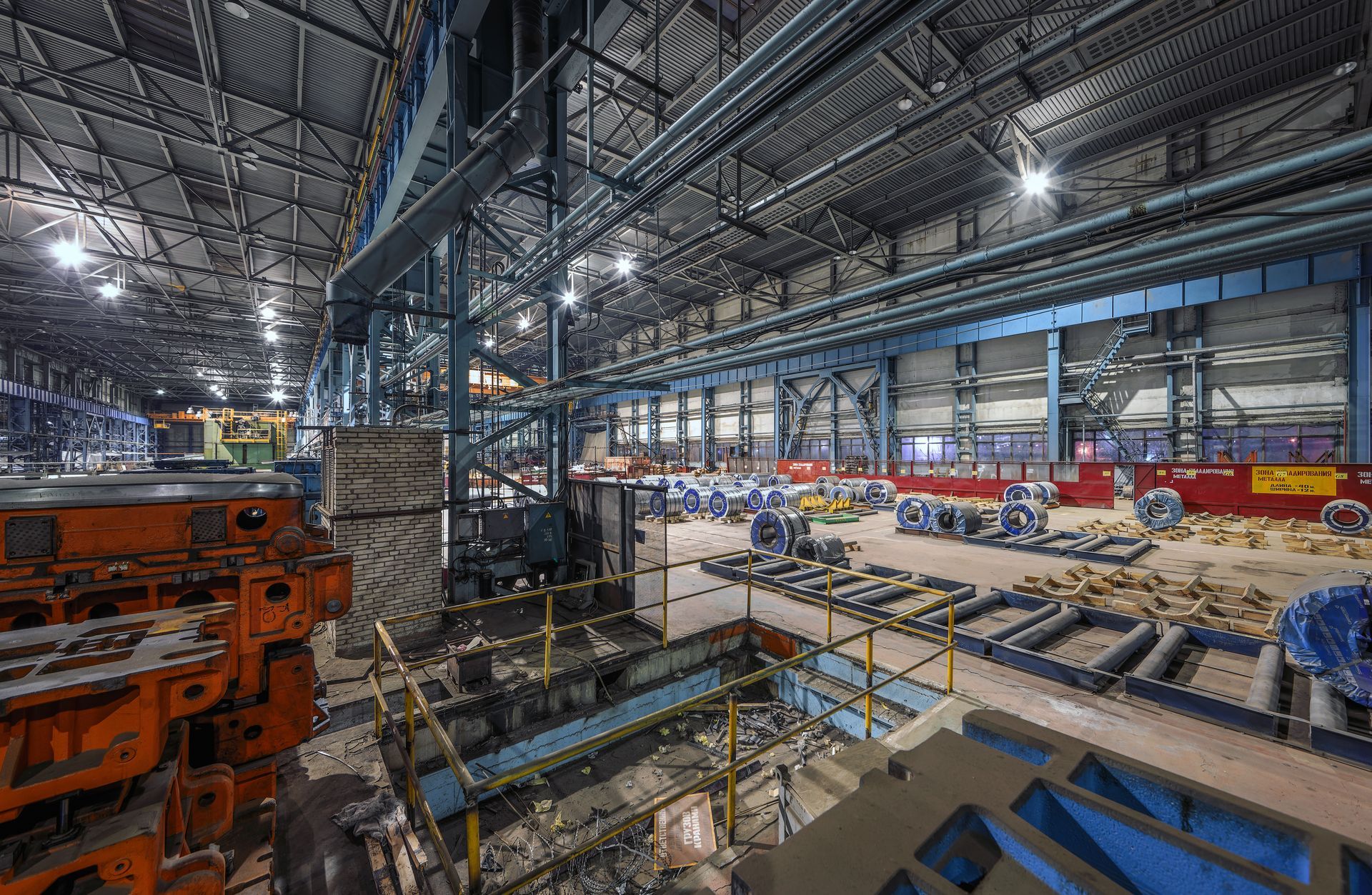
Equipment breakdowns, product liability, and workforce injuries are daily risks for Texas manufacturers. We build coverage from the shop floor to the loading dock — so one incident does not shut you down.
Artisan Contractors
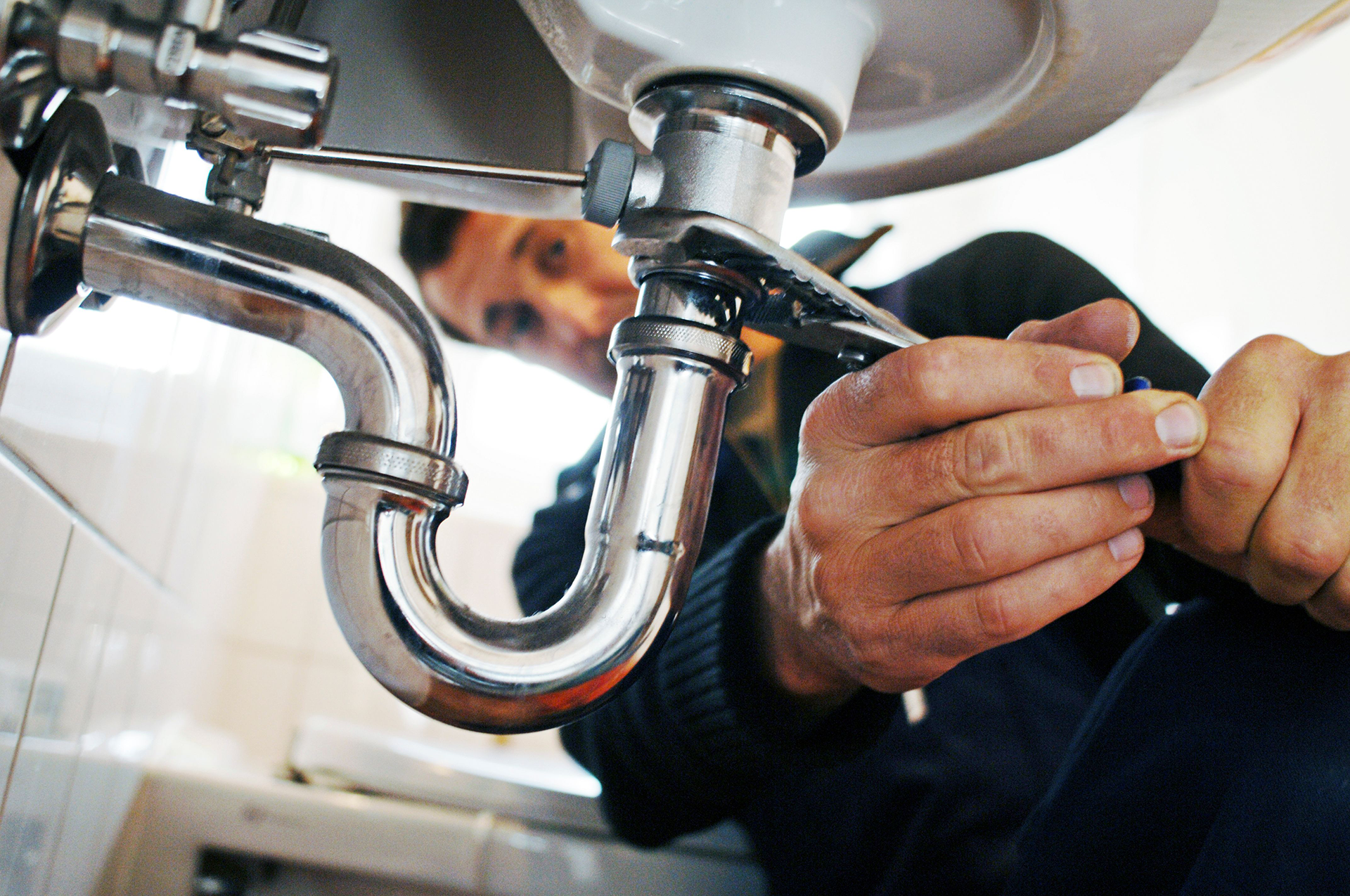
Plumbers, electricians, and skilled tradespeople work in high-risk environments every day. We build coverage around your tools, your vehicles, and your crew — so a job site incident does not stop your business.

Restaurants & Food Service
Restaurants carry liability on every shift — from the kitchen to the dining room and everything in between. We protect your location, your staff, and your equipment, including lost income when operations stop.

Non-Profits Service
Non-profits face unique liability across events, volunteers, staff, and leadership decisions. We cover your organization from the ground up — so you can focus on your mission, not your exposure.

Event Insurance
Event organizers face liability the moment guests arrive, vendors set up, and alcohol is served. We cover your event from start to finish — so one unexpected incident does not cancel everything you planned for.
Answers Before You Pick Up the Phone
What Texas Businesses Ask Us Most
We get a lot of the same questions from business owners across Texas. Here are honest answers to the ones that come up most.

What information do you need to get a commercial insurance quote?
We keep the process straightforward. We typically need your business name, a description of your operations, your gross annual sales projection, number of full-time and part-time employees, your gross annual payroll, and the types of coverage you are looking for. If you have an existing policy, the expiration date and current carrier help us put together a competitive comparison.
The most important thing you can do is be transparent about what your business actually does. Accurate classification ensures you have real coverage if a claim occurs. We have seen businesses with active policies that were incorrectly classified — and those gaps only surface at the worst possible moment.
Does Texas require businesses to carry Workers' Compensation Insurance?
Texas is the only state in the country that does not require most private employers to carry Workers' Compensation. However, if your business holds government contracts or works as a subcontractor on a job site, the hiring company will almost always require proof of coverage before work begins. A growing number of general contractors across Denton and the DFW area enforce this as a standard condition.
Even without a legal requirement, carrying Workers' Comp protects your business from direct liability if an employee is hurt on the job. Medical bills, lost wages, and legal fees can add up quickly — and one serious incident can create a financial loss that far exceeds years of premium payments.
What is a commercial insurance audit and should I expect one?
Most commercial general liability policies are auditable. At the end of your policy term, the insurance carrier reviews your actual gross sales to make sure your premium matched your real exposure. If your sales grew during the year, you may owe an additional premium. If sales came in lower, you could receive a refund.
The best way to avoid a large balance due at audit time is to update your projected gross sales with us during the year if your business grows faster than expected. We can endorse your policy mid-term to reflect the change and spread any additional premium across smaller installments instead of one lump sum at year-end.
What factors affect how much my commercial coverage will cost?
Your premium is calculated based on several variables specific to your operation — industry classification, gross annual sales, number of employees, gross payroll, claims history, and the types of coverage you need. A business that handles physical work with a crew on job sites will pay differently than a professional services firm working out of an office.
As an independent agency, we compare quotes across multiple carriers — including Travelers, The Hartford, Chubb, AmTrust, and others — to find the combination of coverage and price that works for your situation. There is no obligation after your quote, and we walk through every option in plain terms before you decide anything.
My business is a restaurant — what coverage do I actually need?
Restaurants are not a one-size-fits-all class of risk. Carriers look at a range of factors when evaluating a restaurant account: whether you serve alcohol, whether deep frying is involved, the type of fire suppression system in place, whether you have a hood cleaning contract, and whether you offer catering, delivery, or live entertainment. All of these affect both pricing and carrier appetite.
A well-structured restaurant policy typically includes general liability, building and business personal property coverage, liquor liability if applicable, food contamination coverage, business income protection, and workers' compensation for your staff. We work with carriers that actively want to write restaurant accounts in Texas — including Travelers, The Hartford, and Chubb — so you have real options to compare.
Can you help insure a business that is hard to place or outside the mainstream?
Yes — this is one of our strengths. We work with Excess and Surplus (E&S) lines markets through carriers like Burns & Wilcox for businesses that standard carriers will not write. We have placed coverage for master sign electricians, cable splicing operations, transmission rebuild shops for classic cars, CBD retailers, and many other non-standard accounts.
If you have been told your business is difficult to insure or you have received very limited options in the marketplace, reach out to us. We take time to understand your operations in detail, present your account to the right markets, and work to find coverage that actually reflects what you do — not a generic policy that leaves gaps.
Still have Question?
We’re here to help you!
Written for the Texas Business Owner
Insights That Help You Make Smarter Decisions
We publish articles on real topics that affect how Texas operators get covered — from local regulatory updates to coverage gaps most owners do not know they have.