Texas Property Insurance for Apartment Complexes

See How We're Different
Call Us: (940) 268-5112
Texas apartment owners face a unique insurance reality that property investors in other states simply don't encounter. Between the hailstorms that rake through Dallas-Fort Worth every spring, the hurricane threats along the Gulf Coast, and the occasional winter freeze that catches everyone off guard (remember Uri?), getting the right building and grounds coverage isn't just smart business: it's survival.
I've seen too many apartment complex owners in Houston and San Antonio discover coverage gaps only after a major claim. The roofing contractor hands them a $180,000 repair estimate, and suddenly that "great deal" on their policy looks a lot less attractive. The truth is that property insurance for apartment complexes in Texas requires careful attention to both building structures and exterior assets, and the details matter more than most owners realize.
Whether you own a 12-unit property in Denton or manage a 200-unit complex in Austin, understanding what your policy actually covers (and what it doesn't) can mean the difference between a manageable claim and a financial disaster. Texas has specific weather patterns, building codes, and insurance market conditions that shape how coverage works here. Let's break down what you actually need to know.
Unique Regional Risks: Wind, Hail, and Humidity
Texas weather doesn't play favorites. The panhandle gets hammered by hail, coastal properties face hurricane exposure, and the entire state deals with humidity that accelerates building deterioration. Insurance carriers price these risks differently depending on your location.
Properties in TWIA (Texas Windstorm Insurance Association) territory along the coast operate under different rules entirely. If you're within the designated catastrophe area, you may need separate windstorm coverage that your standard property policy excludes. Dallas-Fort Worth properties, meanwhile, typically face higher hail deductibles because insurers have paid out billions in roofing claims over the past decade.
Humidity creates slower, less dramatic damage: mold in walls, rust on HVAC systems, and wood rot in exterior structures. Standard policies often limit or exclude mold coverage, so apartment owners need to understand exactly what their policy language says.
Understanding Actual Cash Value vs. Replacement Cost
This distinction trips up more apartment owners than almost anything else. Actual Cash Value (ACV) pays what your property is worth today, factoring in depreciation. Replacement Cost pays what it actually costs to rebuild or repair.
Here's a real scenario: Your 15-year-old roof gets destroyed by hail. Replacement cost coverage pays $150,000 for a new roof. ACV coverage might pay $60,000 because your old roof was already two-thirds through its lifespan. That $90,000 difference comes directly out of your pocket.
For multi-family properties,
replacement cost coverage is almost always worth the higher premium. Buildings depreciate on paper, but repair costs only go up.

By: Michael Whitaker
Insurance Advisor at
Denton Business Insurance
Core Building Coverage: Protecting Physical Structures
Multi-Family Residential Units and Common Areas
Your building coverage should protect every permanent structure on the property. This includes the residential units themselves, hallways, stairwells, lobbies, laundry facilities, and maintenance areas. The policy should cover the building's structural components: foundation, framing, roofing, electrical systems, plumbing, and permanently installed fixtures.
Common areas often represent significant value that owners underestimate. A clubhouse with a full kitchen, fitness center equipment, and business center computers adds up quickly. Make sure your coverage limits reflect what it would actually cost to rebuild and re-equip these spaces.
One frequently overlooked item: built-in appliances in units. If your complex provides refrigerators, stoves, dishwashers, and HVAC units in each apartment, those are typically covered under building coverage, not contents. Verify your policy handles this correctly.
Building Ordinance and Law Coverage
Texas building codes change, and they rarely get less strict. When you file a major claim, you might discover that rebuilding to current code costs significantly more than replacing what was there before.
Building ordinance coverage addresses three specific gaps: the cost of demolishing undamaged portions that don't meet current code, the increased cost of rebuilding to current standards, and the loss of value when you can't legally rebuild the same square footage. Without this endorsement, you're responsible for these costs yourself.
After Winter Storm Uri, many apartment owners learned this lesson the hard way. Plumbing repairs triggered code requirements for upgraded insulation and pipe routing that their basic policies didn't cover.
Detached Structures: Garages, Carports, and Leasing Offices
Detached structures need explicit coverage, and the limits matter. A property with 50 covered parking spaces and a standalone leasing office might have $300,000 or more in detached structure value. Many policies cap this coverage at a percentage of the main building limit, which may not be enough.
Carports are particularly vulnerable to Texas weather. Wind damage claims on metal carport structures are extremely common, and replacement costs have increased substantially due to material prices. Review your detached structure limits annually and adjust as construction costs rise.
Comprehensive Grounds and Exterior Asset Protection
Landscaping, Fencing, and Retaining Walls
Grounds coverage often gets minimal attention until something goes wrong. Mature trees, professional landscaping, decorative fencing, and retaining walls represent real investment that deserves protection.
Standard policies typically limit landscaping coverage to a small percentage of the building limit, often capped at $250 per plant or tree. For a property with extensive landscaping, this might cover a fraction of actual replacement costs. If your curb appeal depends on mature oak trees or extensive xeriscaping, consider higher limits.
Fencing presents its own challenges. A 200-unit property might have thousands of linear feet of perimeter and privacy fencing. Wind damage to wooden fences is one of the most common claims in Texas, and replacement costs add up fast.
Pools, Playgrounds, and Outdoor Amenities
Amenities drive rental rates, and they need appropriate coverage. Swimming pools, hot tubs, playground equipment, outdoor kitchens, and sports courts all require protection.
Pool equipment is particularly expensive to replace. Pumps, heaters, filtration systems, and automated chemical management systems can easily exceed $30,000 for a commercial pool. Make sure your policy covers mechanical equipment, not just the pool structure itself.
Playground equipment carries liability implications beyond property damage, but the equipment itself represents significant value. Modern commercial playground systems cost $50,000 to $150,000 installed. Verify your coverage limits reflect current replacement costs.
Signage and Outdoor Lighting Systems
Monument signs, building identification, wayfinding signage, and parking lot lighting often fall through coverage gaps. These items may be considered personal property, outdoor fixtures, or building components depending on policy language.
A damaged monument sign might cost $15,000 to replace. Parking lot lighting systems, including poles, fixtures, and wiring, can run $500 to $1,500 per pole. For a large property, that adds up to substantial exposure that needs explicit coverage.
Critical Endorsements for Texas Property Owners
Equipment Breakdown for HVAC and Elevators
Standard property coverage handles external damage: a tree falls on your HVAC unit, and you're covered. Equipment breakdown coverage handles internal failures: a compressor burns out, a motor fails, or an elevator control system malfunctions.
Texas heat means HVAC systems run hard for six months straight. Equipment breakdown coverage pays for repairs when these systems fail mechanically, plus any spoilage losses (like frozen pipes if heating fails in winter). For properties with elevators, this coverage is essential.
Working with an independent agency like Denton Business Insurance helps here because carriers handle equipment breakdown endorsements differently. Some include it in commercial property packages, while others require separate coverage.
Sewer and Drain Back-up Coverage
Sewer backup is explicitly excluded from most standard property policies, but it's one of the most common and expensive claims apartment owners face. A single backup event can damage multiple units, destroy flooring and drywall, and require extensive remediation.
Texas properties face particular risk during heavy rain events when municipal systems get overwhelmed. Adding sewer and drain backup coverage typically costs a few hundred dollars annually but can prevent five or six-figure losses.
Managing Deductibles and Policy Limits
The Impact of Percentage-Based Wind and Hail Deductibles
Here's where Texas apartment insurance gets expensive. Most policies in hail-prone areas use percentage-based deductibles for wind and hail claims, typically 1% to 5% of the building's insured value.
For a property insured at $5 million, a 2% wind/hail deductible means you're responsible for the first $100,000 of any wind or hail claim. That's a significant self-insured retention that catches many owners off guard.
| Insured Value | 1% Deductible | 2% Deductible | 5% Deductible |
|---|---|---|---|
| $2,000,000 | $20,000 | $40,000 | $100,000 |
| $5,000,000 | $50,000 | $100,000 | $250,000 |
| $10,000,000 | $100,000 | $200,000 | $500,000 |
Strategies for Mitigating High Premium Costs
Premium costs for Texas apartment complexes have increased substantially, but several strategies can help. Impact-resistant roofing materials can reduce premiums by 10% to 25% with some carriers. Updated electrical, plumbing, and HVAC systems demonstrate lower risk. Claims-free history matters significantly.
An independent agency can shop multiple carriers to find the best combination of coverage and price.
Denton Business Insurance works with carriers like
Travelers, Nationwide, and
Chubb, each of which prices Texas apartment risks differently. What's expensive with one carrier might be reasonable with another.
Claim Preparedness and Risk Mitigation for Complex Managers
Documentation makes or breaks claims. Maintain detailed records including property photos updated annually, equipment inventories with serial numbers and purchase dates, maintenance records for all major systems, and contractor invoices for improvements.
After any weather event, document damage immediately with photos and video before making temporary repairs. Keep receipts for emergency repairs, which are typically covered even before a claim is approved.
Establish relationships with restoration contractors before you need them. After major storms, reputable contractors get booked immediately, leaving unprepared owners waiting weeks for help.
Frequently Asked Questions
Does my policy cover tenant belongings damaged by a building issue? No. Your property coverage protects the building and your property as the owner. Tenants need their own renters insurance for personal belongings.
How often should I update my coverage limits? Annually at minimum, and immediately after any significant improvements. Construction costs have increased 20% to 30% in recent years, and outdated limits leave you underinsured.
What's the difference between named peril and open peril coverage? Named peril covers only specifically listed events. Open peril covers everything except what's explicitly excluded. Open peril provides broader protection and is standard for most commercial property policies.
Can I reduce my wind/hail deductible? Sometimes. Some carriers offer buydown options for additional premium. Impact-resistant roofing may also qualify you for lower deductibles.
Are floods covered under my property policy?
No. Flood requires separate coverage through the National Flood Insurance Program or private flood insurers.
Property insurance for apartment complexes in Texas demands attention to regional risks, building specifics, and grounds coverage that standard policies often miss. The right coverage protects your investment against the weather events and equipment failures that Texas properties inevitably face.
Review your current policy against the coverage categories outlined here. If you find gaps or questions, working with an independent agency that understands Texas apartment risks can help you build appropriate protection without overpaying. Denton Business Insurance can compare options across multiple carriers to find coverage that fits your property and budget. The time to fix coverage gaps is before the next storm hits.
Straight from the Clients We Serve
Texas Business Owners Rate Us 5 Stars — Here Is Why
We hear the same things repeatedly: fast service, honest advice, and coverage that made sense for their situation. That is what we aim for every time.
Protection Across Every Area of Your BUSINESS
What Texas Businesses Need. What We Deliver.
From your job site and your fleet to your data and your payroll — we cover the risks that Texas businesses carry every day.
General Liability
Covers third-party claims of bodily injury, property damage, and advertising injury. A foundational protection for nearly every Texas business, regardless of industry or size.
Commercial Property
Covers your building, equipment, inventory, and business contents against fire, theft, storms, and vandalism. Can also include lost income if your businesses are forced to stop.
Commercial Auto
Protects vehicles your company owns, leases, or uses for work. Covers liability, collision damage, and injuries for employees driving on company time.
Errors & Omissions
Protects service providers when a client claims your advice, work, or recommendations caused them a financial loss. Critical for consultants, IT firms, agents, and other professional service businesses.
Directors & Officers
Covers leadership decisions that result in claims from employees, investors, or outside parties. Protects your directors and officers personally when management decisions are challenged.
Inland Marine & Equipment Floater
Covers tools, materials, and equipment that move between job sites or are stored off your primary property. Fills the gap where a standard commercial property policy stops.
Every Sector Has Its Own Risk Profile
We Know Your Trade. We Know Your Exposure.
We work with a wide range of Texas industries — each with different coverage priorities. Below are the sectors we serve most often.
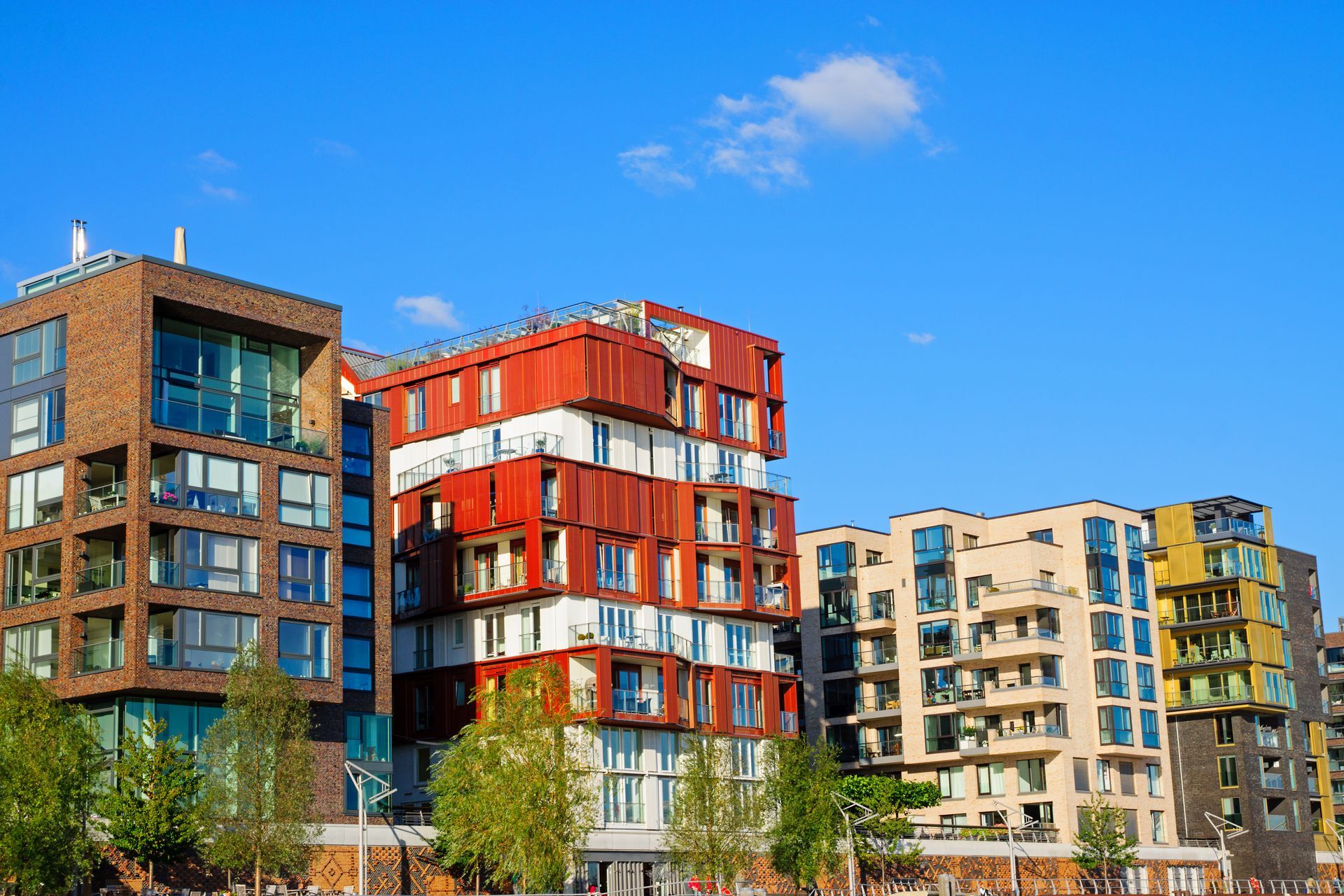
Apartment Complexes
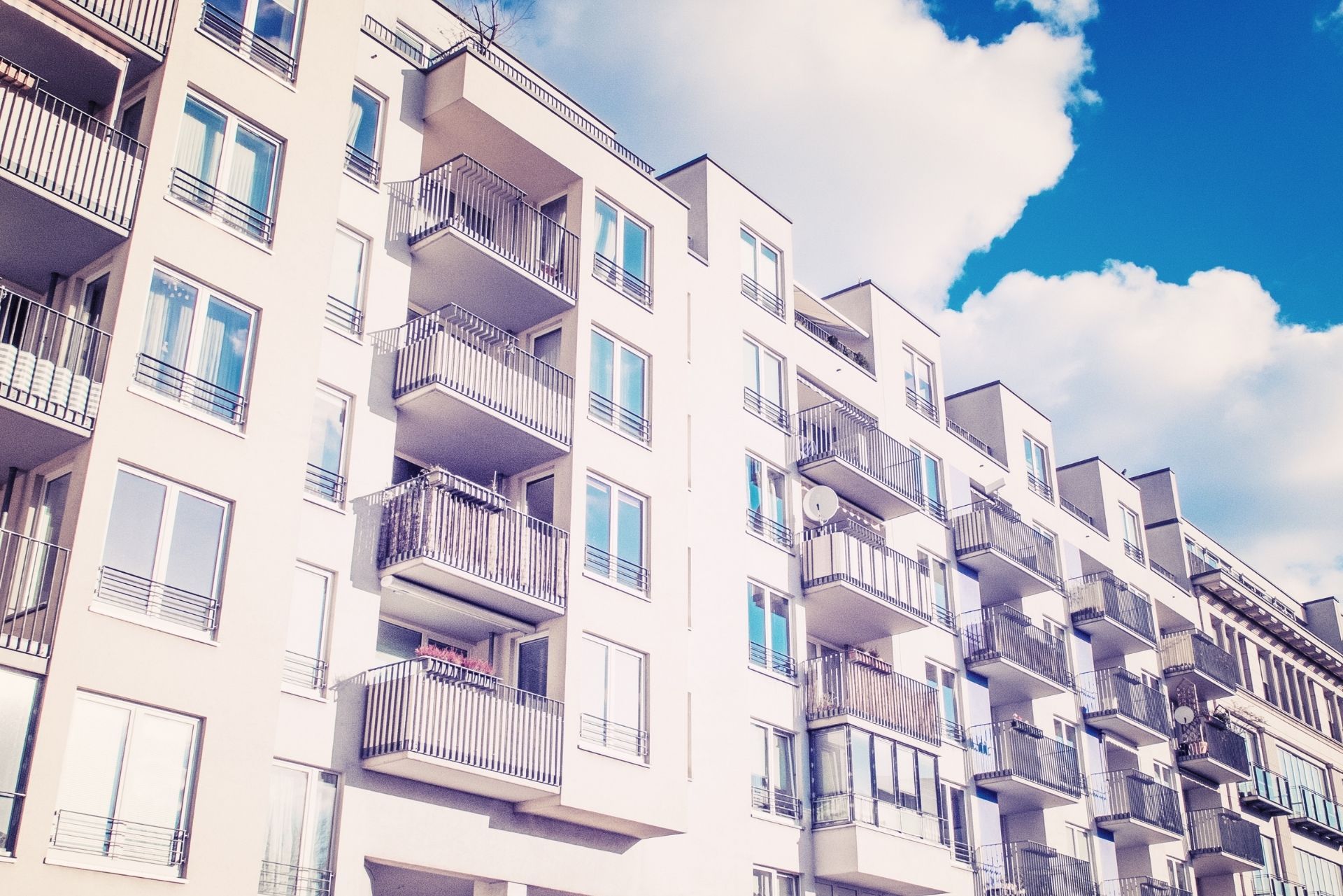
Texas apartment owners face liability across common areas, tenant incidents, and on-site staff. We cover your property, your income, and your exposure — across one complex or an entire portfolio.
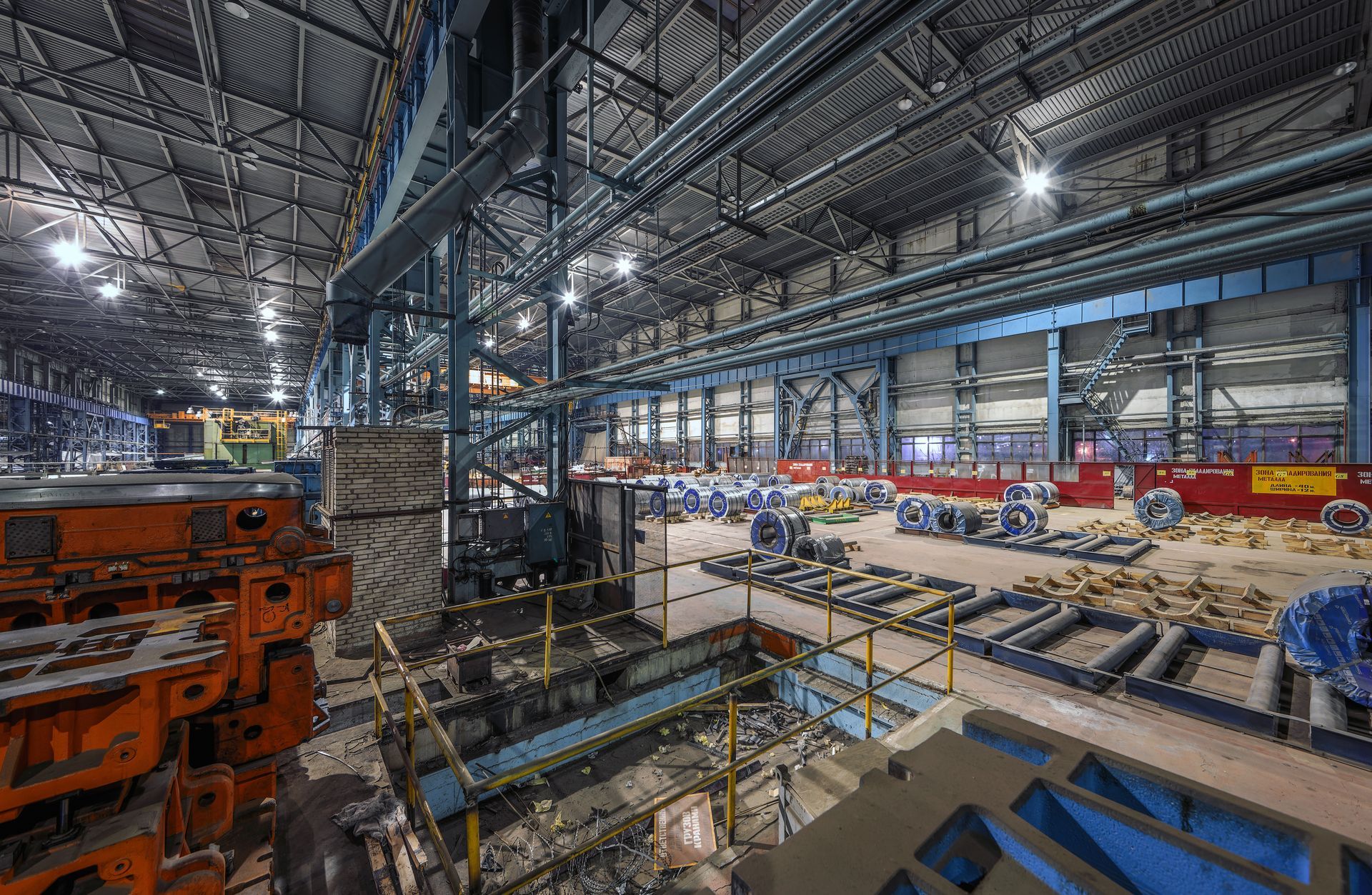
Manufacturing Businesses
Equipment breakdowns, product liability, and workforce injuries are daily risks for Texas manufacturers. We build coverage from the shop floor to the loading dock — so one incident does not shut you down.
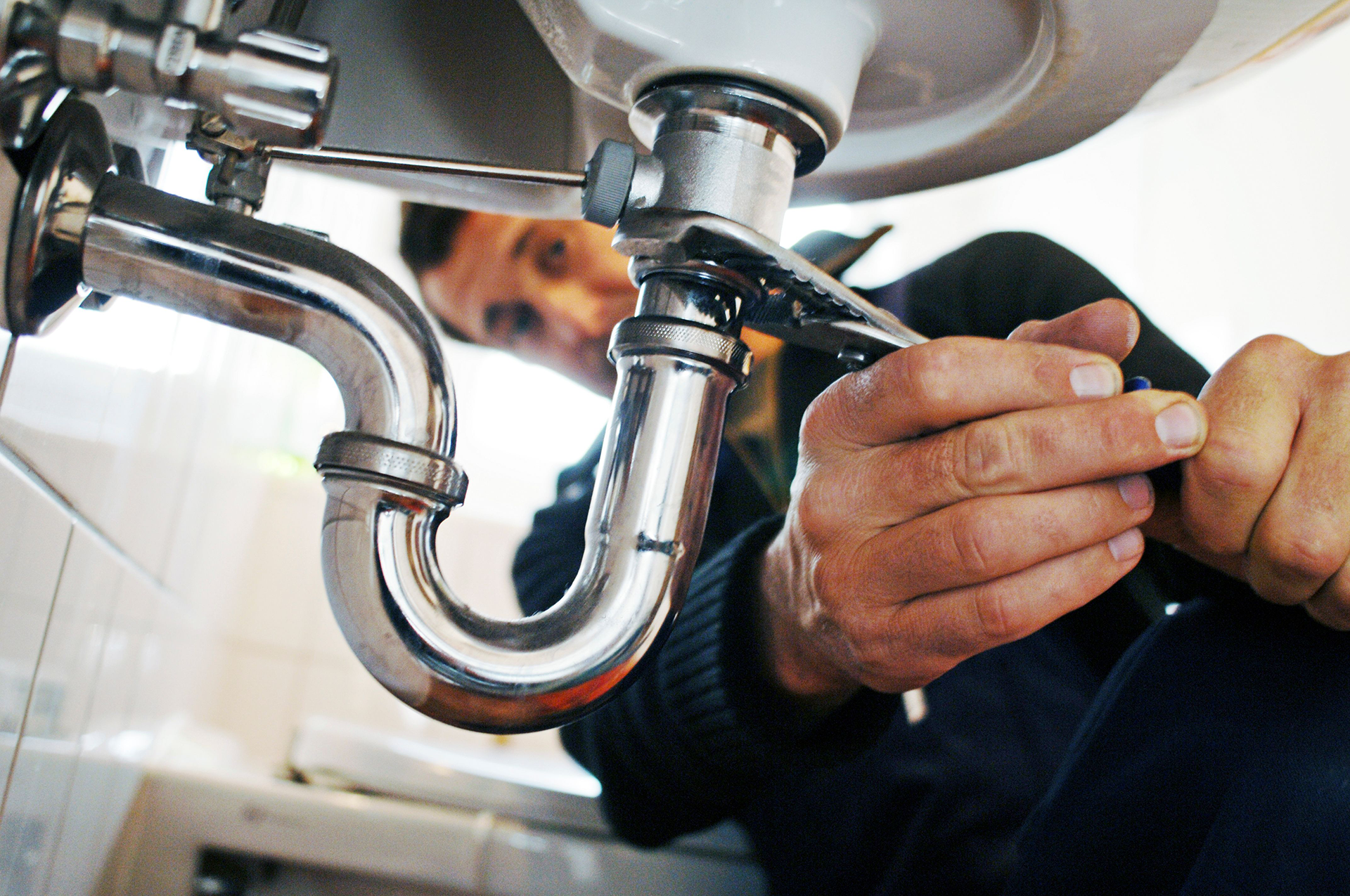
Artisan Contractors
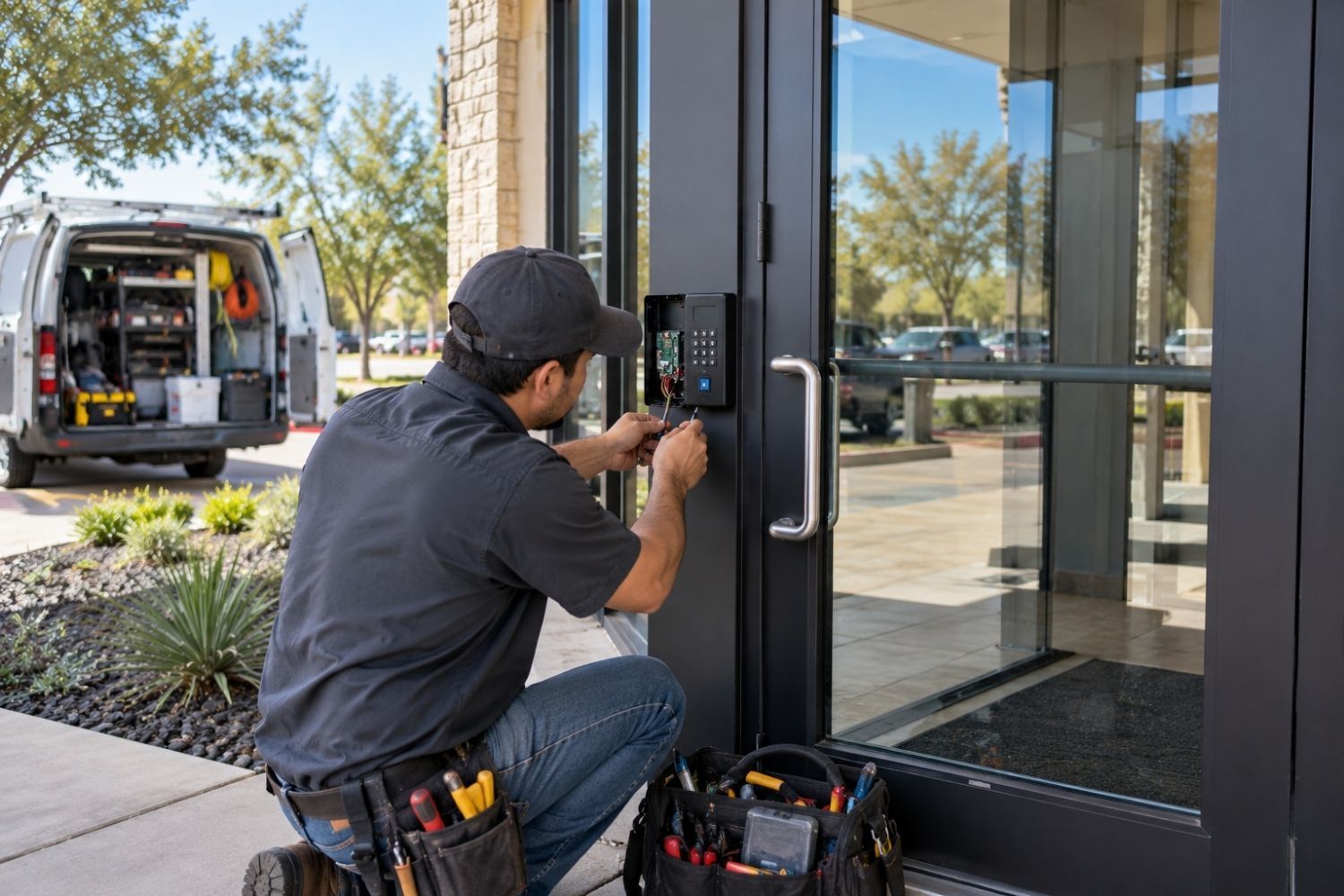
Plumbers, electricians, and skilled tradespeople work in high-risk environments every day. We build coverage around your tools, your vehicles, and your crew — so a job site incident does not stop your business.
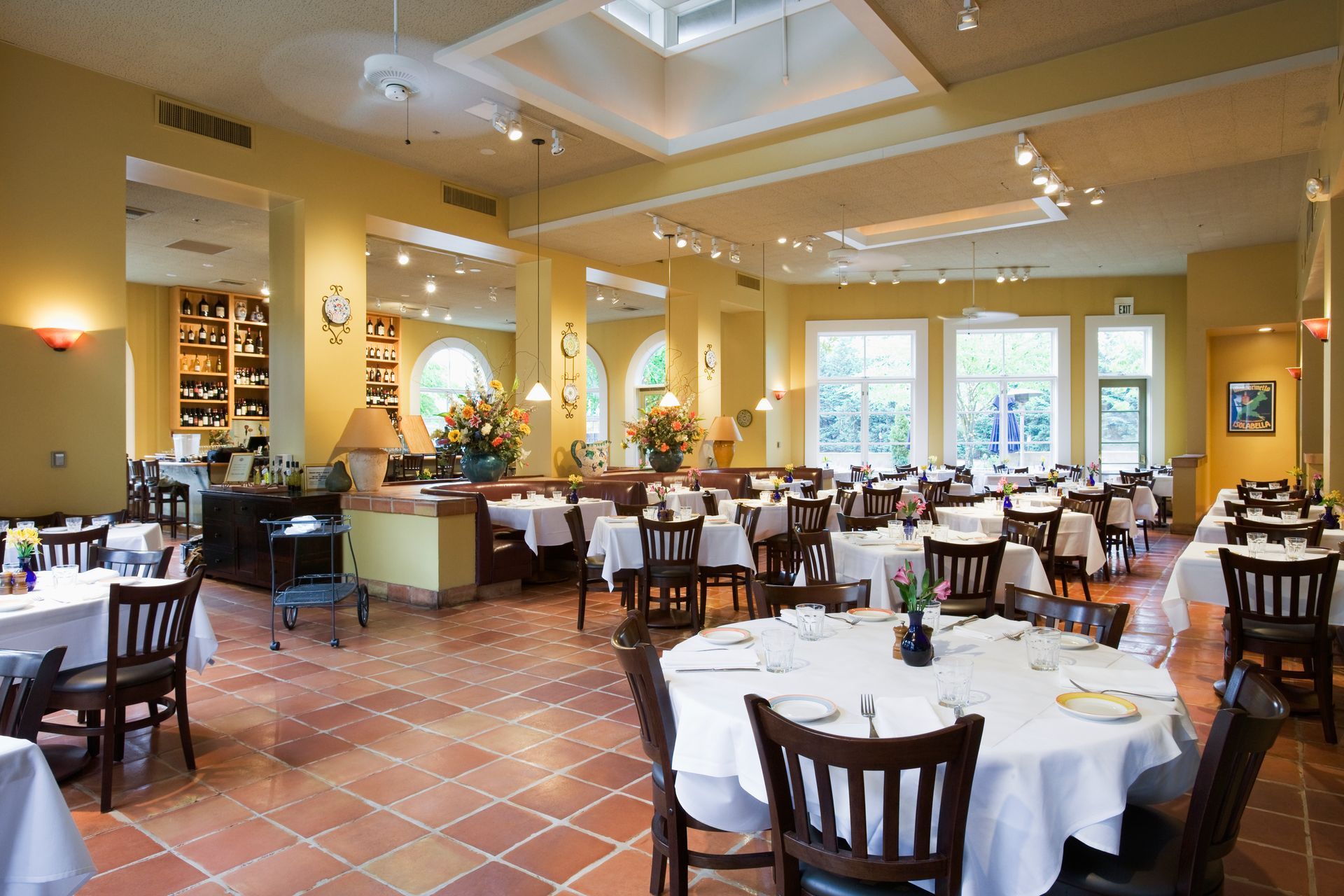
Restaurants & Food Service
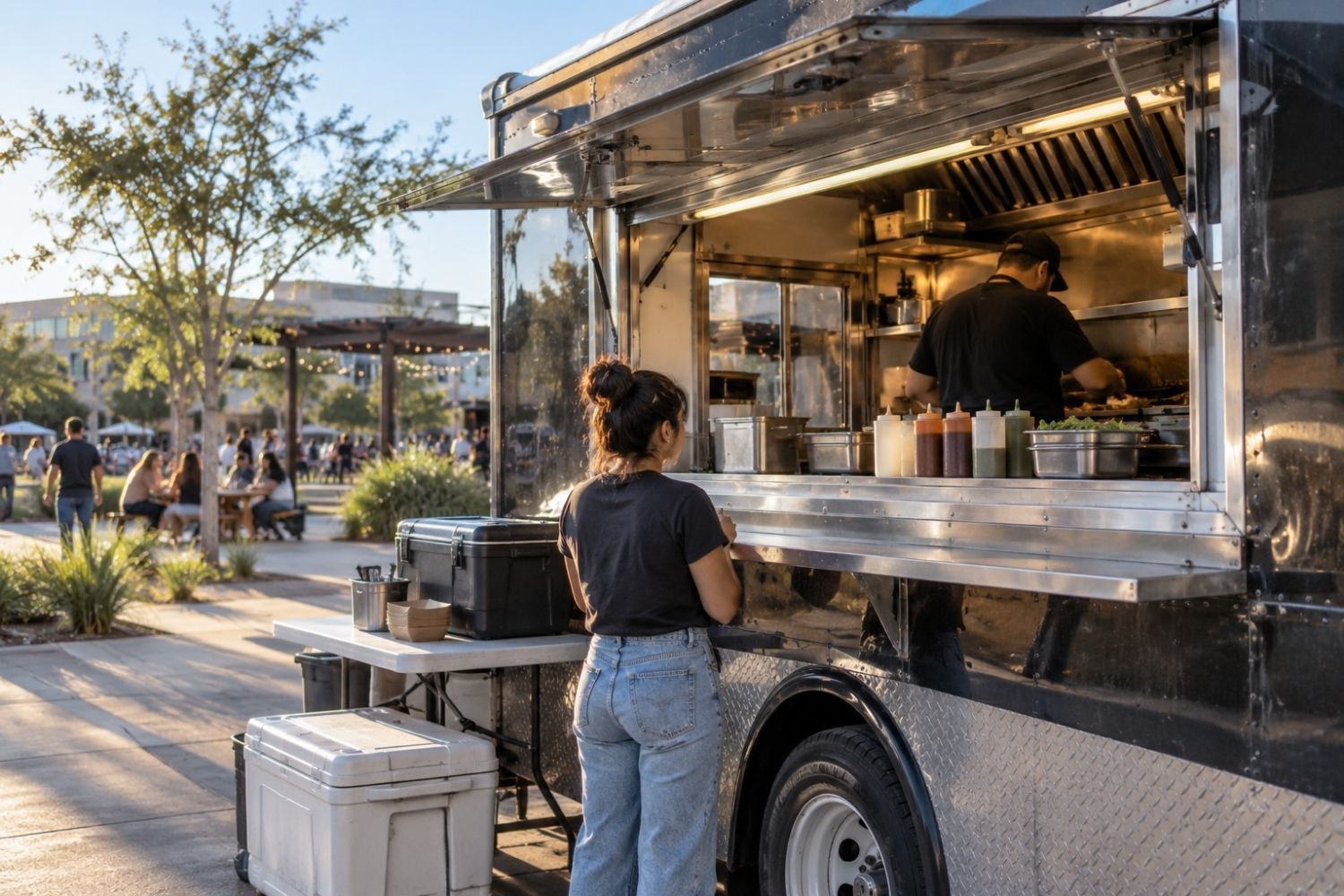
Restaurants carry liability on every shift — from the kitchen to the dining room and everything in between. We protect your location, your staff, and your equipment, including lost income when operations stop.

Non-Profits Service
Non-profits face unique liability across events, volunteers, staff, and leadership decisions. We cover your organization from the ground up — so you can focus on your mission, not your exposure.

Event Insurance
Event organizers face liability the moment guests arrive, vendors set up, and alcohol is served. We cover your event from start to finish — so one unexpected incident does not cancel everything you planned for.
Answers Before You Pick Up the Phone
What Texas Businesses Ask Us Most
We get a lot of the same questions from business owners across Texas. Here are honest answers to the ones that come up most.
What information do you need to get a commercial insurance quote?
We keep the process straightforward. We typically need your business name, a description of your operations, your gross annual sales projection, number of full-time and part-time employees, your gross annual payroll, and the types of coverage you are looking for. If you have an existing policy, the expiration date and current carrier help us put together a competitive comparison.
The most important thing you can do is be transparent about what your business actually does. Accurate classification ensures you have real coverage if a claim occurs. We have seen businesses with active policies that were incorrectly classified — and those gaps only surface at the worst possible moment.
Does Texas require businesses to carry Workers' Compensation Insurance?
Texas is the only state in the country that does not require most private employers to carry Workers' Compensation. However, if your business holds government contracts or works as a subcontractor on a job site, the hiring company will almost always require proof of coverage before work begins. A growing number of general contractors across Denton and the DFW area enforce this as a standard condition.
Even without a legal requirement, carrying Workers' Comp protects your business from direct liability if an employee is hurt on the job. Medical bills, lost wages, and legal fees can add up quickly — and one serious incident can create a financial loss that far exceeds years of premium payments.
What is a commercial insurance audit and should I expect one?
Most commercial general liability policies are auditable. At the end of your policy term, the insurance carrier reviews your actual gross sales to make sure your premium matched your real exposure. If your sales grew during the year, you may owe an additional premium. If sales came in lower, you could receive a refund.
The best way to avoid a large balance due at audit time is to update your projected gross sales with us during the year if your business grows faster than expected. We can endorse your policy mid-term to reflect the change and spread any additional premium across smaller installments instead of one lump sum at year-end.
What factors affect how much my commercial coverage will cost?
Your premium is calculated based on several variables specific to your operation — industry classification, gross annual sales, number of employees, gross payroll, claims history, and the types of coverage you need. A business that handles physical work with a crew on job sites will pay differently than a professional services firm working out of an office.
As an independent agency, we compare quotes across multiple carriers — including Travelers, The Hartford, Chubb, AmTrust, and others — to find the combination of coverage and price that works for your situation. There is no obligation after your quote, and we walk through every option in plain terms before you decide anything.
My business is a restaurant — what coverage do I actually need?
Restaurants are not a one-size-fits-all class of risk. Carriers look at a range of factors when evaluating a restaurant account: whether you serve alcohol, whether deep frying is involved, the type of fire suppression system in place, whether you have a hood cleaning contract, and whether you offer catering, delivery, or live entertainment. All of these affect both pricing and carrier appetite.
A well-structured restaurant policy typically includes general liability, building and business personal property coverage, liquor liability if applicable, food contamination coverage, business income protection, and workers' compensation for your staff. We work with carriers that actively want to write restaurant accounts in Texas — including Travelers, The Hartford, and Chubb — so you have real options to compare.
Can you help insure a business that is hard to place or outside the mainstream?
Yes — this is one of our strengths. We work with Excess and Surplus (E&S) lines markets through carriers like Burns & Wilcox for businesses that standard carriers will not write. We have placed coverage for master sign electricians, cable splicing operations, transmission rebuild shops for classic cars, CBD retailers, and many other non-standard accounts.
If you have been told your business is difficult to insure or you have received very limited options in the marketplace, reach out to us. We take time to understand your operations in detail, present your account to the right markets, and work to find coverage that actually reflects what you do — not a generic policy that leaves gaps.
Still have Question?
We’re here to help you!
Written for the Texas Business Owner
Insights That Help You Make Smarter Decisions
We publish articles on real topics that affect how Texas operators get covered — from local regulatory updates to coverage gaps most owners do not know they have.