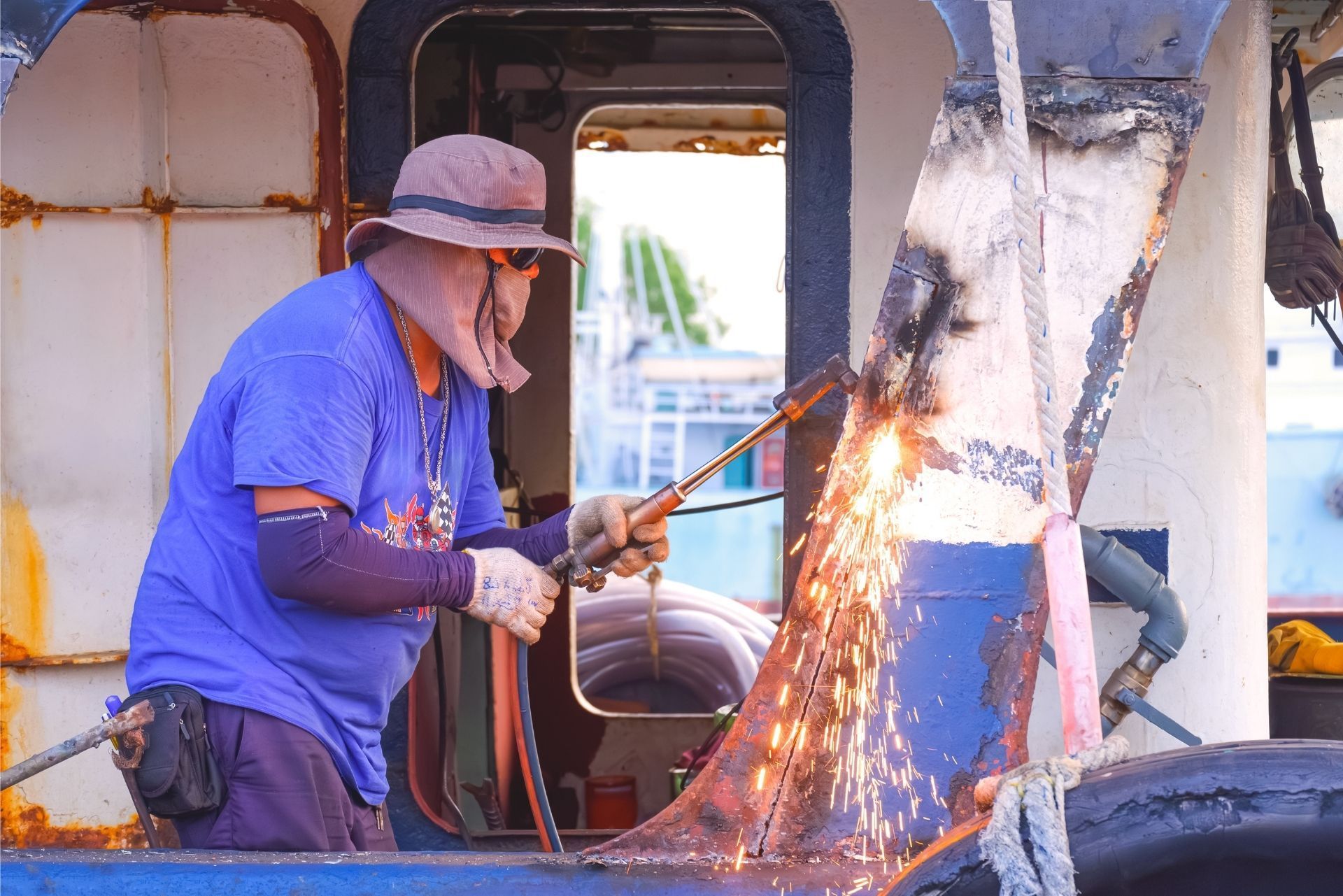
Running a boat repair shop in Texas means working with expensive vessels, hazardous materials, and a legal environment that can sink your business faster than a hull breach. A single dropped fiberglass panel on a customer's $200,000 center console can wipe out a year's profit. A fuel spill during engine work can trigger EPA fines exceeding $50,000 per day. And if a customer's vessel catches fire while in your care, you're looking at a lawsuit that could cost you everything.
Marine repair insurance in Texas isn't just about checking a box for your landlord or satisfying a contract requirement. The combination of Gulf Coast hurricane exposure, strict federal maritime regulations, and Texas's plaintiff-friendly court system creates a risk profile unlike any other state. Houston alone sees more marine-related litigation than most coastal states combined.
Most
general liability policies explicitly exclude vessels and marine operations from coverage. That exclusion catches shop owners off guard when they file their first claim, only to receive a denial letter citing the marine exclusion buried in their policy language. Getting proper coverage for boat repair shops requires specialized policies designed specifically for marine operations, and understanding which coverages you actually need versus which ones agents try to upsell.
The Landscape of Boat Repair Insurance in Texas
Texas operates more than 600,000 registered recreational vessels, and that number grows annually. This creates steady demand for repair services across the state, from small outboard mechanics to full-service boatyards handling vessels worth millions. The insurance market for these operations has tightened considerably since Hurricane Harvey, with many carriers pulling out of coastal zones entirely.
Unique Risks for Gulf Coast and Inland Lake Shops
Gulf Coast facilities face obvious hurricane exposure, but the risks extend beyond storm damage. Saltwater corrosion accelerates equipment failure. Higher humidity creates mold issues in stored vessels. And the concentration of commercial fishing and offshore support vessels means shops often work on boats with complex mechanical systems and higher claim values.
Inland lake operations around Lake Travis, Lake Texoma, and Possum Kingdom face different challenges. Seasonal demand creates cash flow gaps that make maintaining year-round coverage difficult. Drought conditions strand vessels, creating storage liability issues. And the recreational nature of these boats means owners often have unrealistic expectations about repair timelines and costs, leading to disputes that can escalate into lawsuits.
Texas Maritime Laws and Shop Owner Liability
Texas follows general maritime law for navigable waters, which means federal admiralty jurisdiction can apply to claims involving vessels on the Gulf, Intracoastal Waterway, and major rivers. This matters because maritime law allows different damage calculations than state law, potentially increasing your exposure.
The state's comparative fault system means even if a customer's negligence contributed to their loss, you can still be held partially liable. Texas courts have historically been favorable to plaintiffs in commercial disputes, and Harris County in particular has a reputation for large jury awards against businesses.

By: Michael Whitaker
Insurance Advisor at
Denton Business Insurance
Essential Marine General Liability Coverage
Standard commercial general liability policies contain marine exclusions that void coverage for most boat repair operations. You need a marine general liability policy specifically designed for your work.
Protection Against Third-Party Bodily Injury
Customer injuries at your facility represent your most common liability exposure. Slip-and-fall incidents on wet docks, injuries from equipment, and accidents involving boat lifts or hoists all fall under this coverage. Limits typically start at $1 million per occurrence with $2 million aggregate, though many commercial contracts and marina leases require higher limits.
Property Damage Liability During Repairs
This coverage protects you when your operations damage property belonging to others, excluding the vessels themselves. Think damaged dock structures, neighboring boats struck during launches, or customer vehicles hit by equipment. The distinction between this coverage and Ship Repairers Legal Liability is critical and often misunderstood.
Products and Completed Operations Coverage
When a repair you performed fails after the vessel leaves your shop, products and completed operations coverage responds. A fuel line you installed that leaks and causes a fire, an improperly balanced propeller that causes engine damage, or electrical work that shorts and destroys electronics all trigger this coverage. Claims often emerge months after the work was completed, making this coverage essential for any shop doing mechanical or electrical repairs.
Ship Repairers Legal Liability (SRLL)
This is the coverage that separates marine insurance from standard commercial policies. SRLL protects you when vessels under your care, custody, or control are damaged or destroyed, regardless of whether you were negligent.
Insuring Vessels Under Your Care, Custody, and Control
Standard liability policies exclude property in your care, custody, or control. That exclusion specifically targets the exact situation boat repair shops face daily. SRLL fills this gap, covering vessels from the moment they arrive at your facility until they leave.
Coverage limits should reflect the maximum value of vessels you handle. If you occasionally work on a $500,000 sportfisher, your policy needs limits to match. Many shop owners underestimate this, carrying $250,000 limits while routinely accepting vessels worth twice that amount. At Denton Business Insurance, we regularly see shops with this coverage gap, often because they purchased their policy years ago when they worked on smaller boats.
Coverage for Sea Trials and Transit
Moving vessels creates additional exposure. Sea trials to verify repairs, transporting boats between facilities, and launching operations all extend your liability beyond your physical premises. Your SRLL policy should specifically include coverage for these operations, including navigation limits that match where you actually operate.

Specialized Endorsements for Texas Marine Facilities
Base policies rarely provide complete protection. Several endorsements address specific exposures common to Texas marine operations.
Pollution and Fuel Spill Liability
Environmental liability represents one of the largest potential exposures for marine facilities. A fuel spill during tank work, antifreeze contamination, or bottom paint entering the water can trigger cleanup costs exceeding six figures. The Texas Commission on Environmental Quality and EPA both have enforcement authority, and penalties accumulate daily.
Pollution coverage comes in two forms: sudden and accidental (covering unexpected releases) and gradual pollution (covering contamination that develops over time). Most standard policies only include sudden and accidental coverage, leaving you exposed to groundwater contamination from a slow leak you didn't know existed.
Bumbershoot (Marine Excess) Liability Policies
Bumbershoot policies provide excess liability coverage specifically designed for marine operations. Unlike standard umbrella policies that often exclude marine risks, bumbershoot coverage sits above your marine GL, SRLL, and other marine policies to provide additional limits when a large claim exhausts your primary coverage.
For shops handling high-value vessels or performing complex mechanical work, bumbershoot limits of $5 million or more provide meaningful protection against catastrophic claims.
Protection for Specialized Tools and Equipment
Marine repair requires expensive specialized equipment. Engine hoists, diagnostic computers, fiberglass layup equipment, and specialized hand tools represent significant investment. Inland marine coverage, despite its confusing name, protects mobile equipment and tools both on and off your premises.
Employee injuries in marine operations create complex jurisdictional questions that affect which workers' compensation system applies.
Understanding the Longshore and Harbor Workers' Compensation Act
The Longshore and Harbor Workers' Compensation Act (LHWCA) provides federal workers' compensation coverage for maritime workers. If your employees work on navigable waters or adjoining areas like docks and piers, LHWCA may apply instead of or in addition to state workers' compensation.
LHWCA benefits generally exceed Texas state workers' comp benefits, and the coverage requirements differ. Employers covered by LHWCA must obtain coverage through the USL&H endorsement on their workers' compensation policy.
| Coverage Type | Jurisdiction | Key Differences |
|---|---|---|
| Texas Workers' Comp | State | Optional for private employers; fixed benefit schedules |
| USL&H/LHWCA | Federal | Mandatory for covered maritime workers; higher benefits |
| Jones Act | Federal | Applies to vessel crew members; allows negligence lawsuits |
Texas State Workers' Comp vs. Federal Maritime Requirements
Texas remains the only state where private employers can opt out of workers' compensation entirely. However, this flexibility doesn't extend to federal maritime requirements. If LHWCA applies to your workers, you must carry USL&H coverage regardless of your state workers' comp election.
The determination of which law applies depends on the specific work location and duties. Employees who primarily work in your shop building may fall under state jurisdiction, while those working on vessels or docks may require LHWCA coverage. Many marine employers need both coverages to properly protect their workforce.
Insurance costs for marine operations vary dramatically based on your risk profile and how you present your operation to underwriters. Shops with documented safety programs, proper contracts, and clean claims history can secure rates 30-40% below competitors with similar revenue.
Written customer agreements that clearly define your liability limitations, document vessel condition at intake, and specify insurance requirements help control exposure. Requiring customers to maintain their own hull coverage prevents you from becoming the insurer of first resort for pre-existing damage.
Working with an independent agency that specializes in
commercial coverage gives you access to multiple marine markets. Carriers like Travelers, Chubb, and specialty marine insurers each have different appetites and pricing structures. Denton Business Insurance works with Texas boat repair shops to compare options across carriers, finding coverage that matches both your operations and budget.
Frequently Asked Questions
Does my standard business liability policy cover boats I'm working on? Almost certainly not. Standard CGL policies contain marine exclusions and care, custody, and control exclusions that specifically eliminate coverage for vessels in your shop.
What limits of SRLL coverage do I need? Your limits should equal or exceed the maximum value of any single vessel you accept. If you occasionally work on boats worth $400,000, carrying $250,000 limits creates a dangerous gap.
Is workers' comp required for my boat repair shop in Texas? State workers' comp is optional for private Texas employers. However, if your employees work on navigable waters or adjoining dock areas, federal LHWCA coverage may be mandatory regardless of your state election.
How do hurricanes affect my marine insurance rates? Coastal zone facilities face significantly higher premiums and may have difficulty finding coverage at all. Inland facilities generally have more carrier options and lower rates.
Boat repair insurance in Texas requires specialized coverage that standard commercial policies simply don't provide. The combination of SRLL, marine general liability, pollution coverage, and proper workers' compensation creates a foundation that protects your business from the unique exposures you face daily.
Review your current coverage with someone who understands marine operations. Verify your SRLL limits match the vessels you actually handle. Confirm your pollution coverage includes both sudden and gradual releases. And make sure your workers' compensation properly addresses federal maritime requirements if your employees work on or near the water.
Straight from the Clients We Serve
Texas Business Owners Rate Us 5 Stars — Here Is Why
We hear the same things repeatedly: fast service, honest advice, and coverage that made sense for their situation. That is what we aim for every time.

Protection Across Every Area of Your BUSINESS
What Texas Businesses Need. What We Deliver.
From your job site and your fleet to your data and your payroll — we cover the risks that Texas businesses carry every day.
General Liability
Covers third-party claims of bodily injury, property damage, and advertising injury. A foundational protection for nearly every Texas business, regardless of industry or size.
Commercial Property
Covers your building, equipment, inventory, and business contents against fire, theft, storms, and vandalism. Can also include lost income if your businesses are forced to stop.
Commercial Auto
Protects vehicles your company owns, leases, or uses for work. Covers liability, collision damage, and injuries for employees driving on company time.
Errors & Omissions
Protects service providers when a client claims your advice, work, or recommendations caused them a financial loss. Critical for consultants, IT firms, agents, and other professional service businesses.
Directors & Officers
Covers leadership decisions that result in claims from employees, investors, or outside parties. Protects your directors and officers personally when management decisions are challenged.
Inland Marine & Equipment Floater
Covers tools, materials, and equipment that move between job sites or are stored off your primary property. Fills the gap where a standard commercial property policy stops.
Every Sector Has Its Own Risk Profile
We Know Your Trade. We Know Your Exposure.
We work with a wide range of Texas industries — each with different coverage priorities. Below are the sectors we serve most often.

Apartment Complexes
Texas apartment owners face liability across common areas, tenant incidents, and on-site staff. We cover your property, your income, and your exposure — across one complex or an entire portfolio.
Manufacturing Businesses
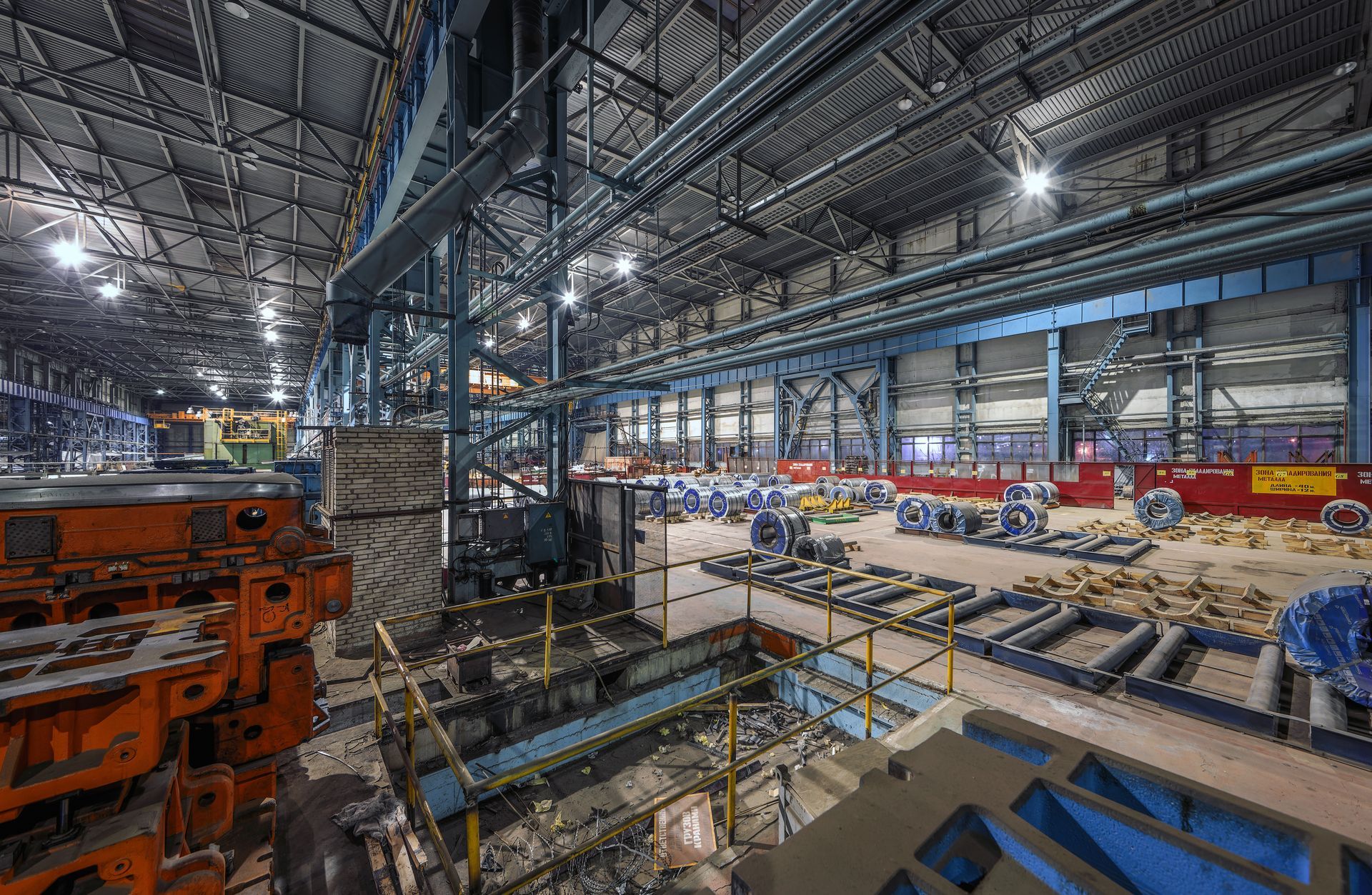
Equipment breakdowns, product liability, and workforce injuries are daily risks for Texas manufacturers. We build coverage from the shop floor to the loading dock — so one incident does not shut you down.
Artisan Contractors
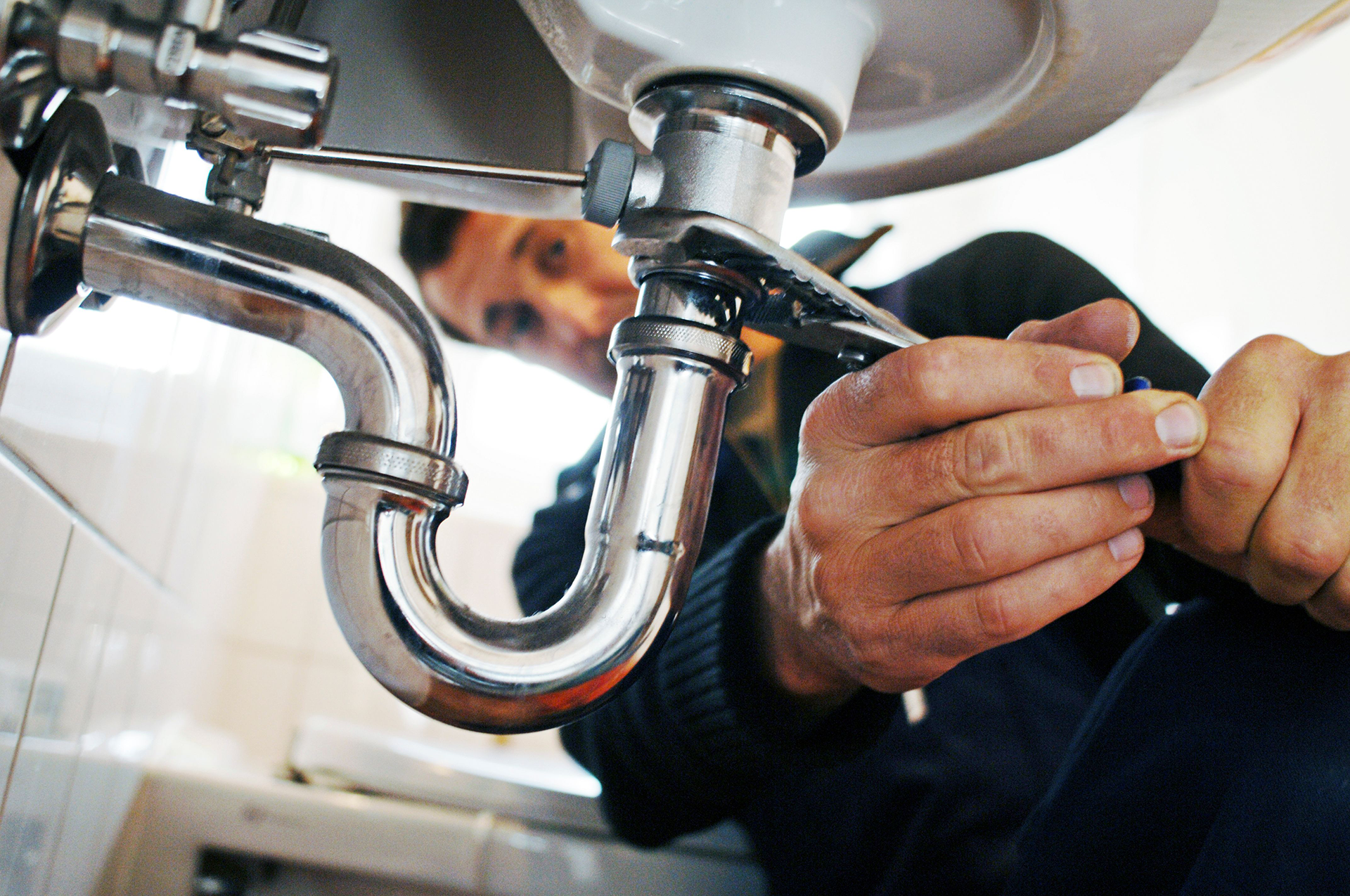
Plumbers, electricians, and skilled tradespeople work in high-risk environments every day. We build coverage around your tools, your vehicles, and your crew — so a job site incident does not stop your business.

Restaurants & Food Service
Restaurants carry liability on every shift — from the kitchen to the dining room and everything in between. We protect your location, your staff, and your equipment, including lost income when operations stop.

Non-Profits Service
Non-profits face unique liability across events, volunteers, staff, and leadership decisions. We cover your organization from the ground up — so you can focus on your mission, not your exposure.

Event Insurance
Event organizers face liability the moment guests arrive, vendors set up, and alcohol is served. We cover your event from start to finish — so one unexpected incident does not cancel everything you planned for.
Answers Before You Pick Up the Phone
What Texas Businesses Ask Us Most
We get a lot of the same questions from business owners across Texas. Here are honest answers to the ones that come up most.

What information do you need to get a commercial insurance quote?
We keep the process straightforward. We typically need your business name, a description of your operations, your gross annual sales projection, number of full-time and part-time employees, your gross annual payroll, and the types of coverage you are looking for. If you have an existing policy, the expiration date and current carrier help us put together a competitive comparison.
The most important thing you can do is be transparent about what your business actually does. Accurate classification ensures you have real coverage if a claim occurs. We have seen businesses with active policies that were incorrectly classified — and those gaps only surface at the worst possible moment.
Does Texas require businesses to carry Workers' Compensation Insurance?
Texas is the only state in the country that does not require most private employers to carry Workers' Compensation. However, if your business holds government contracts or works as a subcontractor on a job site, the hiring company will almost always require proof of coverage before work begins. A growing number of general contractors across Denton and the DFW area enforce this as a standard condition.
Even without a legal requirement, carrying Workers' Comp protects your business from direct liability if an employee is hurt on the job. Medical bills, lost wages, and legal fees can add up quickly — and one serious incident can create a financial loss that far exceeds years of premium payments.
What is a commercial insurance audit and should I expect one?
Most commercial general liability policies are auditable. At the end of your policy term, the insurance carrier reviews your actual gross sales to make sure your premium matched your real exposure. If your sales grew during the year, you may owe an additional premium. If sales came in lower, you could receive a refund.
The best way to avoid a large balance due at audit time is to update your projected gross sales with us during the year if your business grows faster than expected. We can endorse your policy mid-term to reflect the change and spread any additional premium across smaller installments instead of one lump sum at year-end.
What factors affect how much my commercial coverage will cost?
Your premium is calculated based on several variables specific to your operation — industry classification, gross annual sales, number of employees, gross payroll, claims history, and the types of coverage you need. A business that handles physical work with a crew on job sites will pay differently than a professional services firm working out of an office.
As an independent agency, we compare quotes across multiple carriers — including Travelers, The Hartford, Chubb, AmTrust, and others — to find the combination of coverage and price that works for your situation. There is no obligation after your quote, and we walk through every option in plain terms before you decide anything.
My business is a restaurant — what coverage do I actually need?
Restaurants are not a one-size-fits-all class of risk. Carriers look at a range of factors when evaluating a restaurant account: whether you serve alcohol, whether deep frying is involved, the type of fire suppression system in place, whether you have a hood cleaning contract, and whether you offer catering, delivery, or live entertainment. All of these affect both pricing and carrier appetite.
A well-structured restaurant policy typically includes general liability, building and business personal property coverage, liquor liability if applicable, food contamination coverage, business income protection, and workers' compensation for your staff. We work with carriers that actively want to write restaurant accounts in Texas — including Travelers, The Hartford, and Chubb — so you have real options to compare.
Can you help insure a business that is hard to place or outside the mainstream?
Yes — this is one of our strengths. We work with Excess and Surplus (E&S) lines markets through carriers like Burns & Wilcox for businesses that standard carriers will not write. We have placed coverage for master sign electricians, cable splicing operations, transmission rebuild shops for classic cars, CBD retailers, and many other non-standard accounts.
If you have been told your business is difficult to insure or you have received very limited options in the marketplace, reach out to us. We take time to understand your operations in detail, present your account to the right markets, and work to find coverage that actually reflects what you do — not a generic policy that leaves gaps.
Still have Question?
We’re here to help you!
Written for the Texas Business Owner
Insights That Help You Make Smarter Decisions
We publish articles on real topics that affect how Texas operators get covered — from local regulatory updates to coverage gaps most owners do not know they have.