A founder I spoke with last year learned an expensive lesson when a former investor sued him personally for allegedly misrepresenting growth projections during a seed round. The lawsuit named him, his co-founder, and two board advisors. Legal fees hit $180,000 before the case settled, and none of them had D&O coverage. His personal assets were exposed, his board members resigned, and his next funding round collapsed.
This scenario plays out more often than most Texas founders realize. Directors and officers liability protection isn't just for Fortune 500 companies with sprawling boards. Early-stage ventures face unique risks that make management liability coverage essential, often before they've closed their first institutional round. Texas startups operate in a business-friendly environment, but that doesn't shield founders from personal lawsuits when investors, employees, or regulators claim mismanagement.
The Texas startup ecosystem has exploded across Austin, Dallas, Houston, and San Antonio. With that growth comes increased scrutiny from investors, more complex employment relationships, and heightened regulatory attention. Founders who think they're too small to need D&O coverage often discover their mistake when they're personally named in a lawsuit. Understanding how this coverage works, when to buy it, and what it actually protects is critical for anyone building a venture in Texas.
Understanding D&O Insurance in the Texas Startup Ecosystem
D&O insurance protects the personal assets of company leaders when they're sued for decisions made in their management capacity. Unlike general liability coverage that protects against physical injuries or property damage, D&O policies respond to allegations of wrongful acts, errors in judgment, breach of fiduciary duty, and mismanagement claims.
For Texas startups, this coverage matters because founders often serve multiple roles. You might be CEO, board member, and largest shareholder simultaneously. When things go wrong, plaintiffs target individuals, not just the company. Personal bank accounts, homes, and investments become fair game without proper protection.
Defining Directors and Officers Liability for Emerging Ventures
Management liability for emerging ventures covers a broad range of allegations. Investors might claim you misrepresented financials during fundraising. Employees might allege wrongful termination or discrimination. Competitors might accuse you of poaching talent through improper means. Regulators might investigate compliance failures.
The policy responds to defense costs, settlements, and judgments arising from these claims. Most startup founders underestimate how quickly legal fees accumulate. Even frivolous lawsuits can cost $50,000 to $100,000 to defend, and that's before reaching any settlement discussions.
The Difference Between Side A, B, and C Coverage
D&O policies typically include three coverage components, each serving different purposes.
| Coverage Type | What It Protects | When It Applies |
|---|---|---|
| Side A | Individual directors and officers directly | When the company cannot or will not indemnify |
| Side B | Reimburses the company for indemnifying individuals | When the company pays defense costs for leaders |
| Side C | The company entity itself | Securities claims against the company (often excluded for private companies) |
Side A coverage matters most for startup founders because it kicks in when the company lacks resources to cover your defense. If your startup runs out of cash or goes bankrupt, Side A ensures you still have personal protection.


By: Linda Dodson
Agency Director at
Denton Business Insurance
Why Texas Founders Need Management Liability Protection
Texas ranks among the top states for startup formation, but that growth attracts lawsuits. The state's courts handle thousands of business disputes annually, and founders increasingly find themselves personally named in litigation.
Attracting and Retaining Top-Tier Board Members
Experienced board members won't join your startup without D&O coverage. Full stop. Anyone who's served on multiple boards knows the personal risks involved. When you're recruiting advisors with real operational experience or investors who want board seats, they'll ask about your D&O policy before agreeing to serve.
This isn't paranoia. It's risk management from people who've seen colleagues get sued. At Denton Business Insurance, we regularly help startups secure coverage specifically to close board recruitment. The policy becomes a prerequisite for building the governance structure investors expect.
Fiduciary Duties Under the Texas Business Organizations Code
Texas law imposes specific fiduciary duties on directors and officers. The Texas Business Organizations Code requires leaders to act in good faith, with ordinary care, and in the company's best interest. Violating these duties creates personal liability.
Common fiduciary breach allegations include:
- Approving transactions that benefit insiders over shareholders
- Failing to disclose material information during fundraising
- Ignoring obvious red flags about company finances
- Making decisions without adequate investigation
These claims often arise during company sales, down rounds, or shutdowns when stakeholders feel shortchanged.
Common Claims and Legal Risks for Tech Startups
Understanding what triggers D&O claims helps founders appreciate why coverage matters. Texas startups face several recurring risk categories.
Investor Lawsuits and Misrepresentation Allegations
Investor lawsuits represent the most common D&O claim for venture-backed startups. When a company fails to meet projections or needs a down round, investors look for someone to blame. Allegations typically focus on misrepresentation during fundraising, claiming founders overstated traction, understated risks, or concealed material facts.
These suits often name individual founders and board members who participated in investor presentations. Even if your projections were made in good faith, defending that position costs real money.
Regulatory Scrutiny and Employment Practices Liability
Texas startups face regulatory exposure from multiple agencies. The Texas Workforce Commission investigates wage and hour complaints. The SEC scrutinizes securities offerings. Industry-specific regulators examine compliance with licensing requirements.
Employment claims represent another major category. Wrongful termination, discrimination, harassment, and retaliation allegations can all trigger D&O coverage. Texas is an at-will employment state, but that doesn't prevent employees from suing. The average
employment practices liability claim costs $125,000 to defend and settle.

Strategic Timing: When to Purchase D&O Coverage
Timing your D&O purchase correctly can save significant money and prevent coverage gaps.
Transitioning from Bootstrapped to Seed and Series A Funding
The optimal time to secure D&O coverage is before you need it, ideally before your first institutional funding round. Most sophisticated investors require D&O coverage as a closing condition. Scrambling to bind a policy during due diligence creates unnecessary stress and often results in higher premiums.
For bootstrapped companies, the trigger point typically comes when you:
- Add outside board members or advisors
- Begin serious fundraising conversations
- Hire key employees with equity compensation
- Enter regulated industries
- Reach revenue milestones that attract attention
Waiting until after a claim or near-miss means you'll face higher premiums and potential coverage restrictions. Underwriters price policies based on risk factors, and companies with claim history pay substantially more.
Cost Drivers and Policy Selection in the Texas Market
D&O premiums for Texas startups typically range from $3,000 to $15,000 annually for early-stage companies, scaling higher as you grow. Several factors influence pricing.
Evaluating Limits, Retentions, and Exclusions
Policy limits determine maximum coverage amounts. Most startups begin with $1 million to $2 million in coverage, increasing limits as they raise larger rounds. Your retention, similar to a deductible, represents what you pay before coverage kicks in. Higher retentions reduce premiums but increase out-of-pocket exposure.
Key exclusions to watch include:
- Prior acts exclusions that eliminate coverage for events before policy inception
- Specific litigation exclusions for known disputes
- Fraud and criminal conduct exclusions
- Insured vs. insured exclusions that limit coverage for disputes between company leaders
Reading exclusions carefully matters. A policy with impressive limits but broad exclusions provides less actual protection than a smaller policy with tighter exclusion language.
Navigating the Underwriting Process for High-Growth Firms
Underwriters evaluate several factors when pricing startup D&O coverage. They examine your industry, funding stage, board composition, corporate governance practices, and any prior claims or regulatory issues.
Working with an independent agency like Denton Business Insurance gives you access to multiple carriers. We compare quotes from Travelers, Chubb, and specialized tech insurers to find competitive pricing. Carriers have different appetites for startup risk, and the right match can mean significant premium differences for identical coverage.
High-growth firms should expect annual underwriting reviews. As your company evolves, coverage needs change. The policy appropriate for a seed-stage company won't adequately protect a Series B venture with 50 employees and $20 million in annual revenue.
D&O coverage works best as part of a broader protection strategy. Most Texas startups need several policies working together: general liability for premises and operations risks, professional liability if you provide services or advice, cyber liability for data breach exposure, and employment practices liability for workforce-related claims.
Some carriers offer package policies that combine these coverages at lower total premiums than purchasing separately. The key is ensuring no gaps exist between policies. A claim that falls between coverage areas leaves you exposed.
Corporate governance practices also reduce D&O risk. Documenting board decisions, maintaining accurate financial records, and following proper procedures for major transactions all help defend against allegations of mismanagement. Underwriters reward good governance with better pricing.
Protecting yourself and your board from personal liability isn't optional once you're building something real. The founders who skip D&O coverage aren't saving money. They're gambling their personal assets on the hope that nothing goes wrong.
Texas startups face genuine risks from investors, employees, regulators, and competitors. The cost of coverage is modest compared to a single lawsuit's defense costs. Starting the conversation early, before you're in fundraising crunch time, gives you better options and better pricing.
If you're building a venture in Texas and haven't addressed management liability protection, reach out to Denton Business Insurance. We'll help you understand what coverage makes sense for your stage and connect you with carriers who specialize in startup risk. Your personal assets deserve the same protection you'd give any other critical business asset.
Frequently Asked Questions
Do I need D&O insurance if my startup is just me and a co-founder? Yes, if you have any outside investors, board advisors, or significant contracts. Even two-person startups face investor lawsuits and employment claims from contractors or early employees.
Does D&O coverage protect against fraud allegations? Policies cover defense costs for fraud allegations, but most exclude coverage for judgments or settlements if fraud is actually proven. You get help fighting the claim, not help paying if you're found guilty.
How much D&O coverage do Texas startups typically carry? Seed-stage companies usually start with $1 million to $2 million limits. Series A companies often increase to $3 million to $5 million. Coverage needs grow with company valuation and complexity.
Can I add D&O coverage to my existing business insurance policy? D&O is typically a standalone policy, though some carriers offer management liability packages. It's separate from general liability and professional liability coverage.
What happens to my D&O coverage if my startup fails? Most policies include a discovery period, often called a tail, that extends coverage for claims made after the policy ends. Purchasing extended tail coverage protects against suits filed after shutdown.
Straight from the Clients We Serve
Texas Business Owners Rate Us 5 Stars — Here Is Why
We hear the same things repeatedly: fast service, honest advice, and coverage that made sense for their situation. That is what we aim for every time.

Protection Across Every Area of Your BUSINESS
What Texas Businesses Need. What We Deliver.
From your job site and your fleet to your data and your payroll — we cover the risks that Texas businesses carry every day.
General Liability
Covers third-party claims of bodily injury, property damage, and advertising injury. A foundational protection for nearly every Texas business, regardless of industry or size.
Commercial Property
Covers your building, equipment, inventory, and business contents against fire, theft, storms, and vandalism. Can also include lost income if your businesses are forced to stop.
Commercial Auto
Protects vehicles your company owns, leases, or uses for work. Covers liability, collision damage, and injuries for employees driving on company time.
Errors & Omissions
Protects service providers when a client claims your advice, work, or recommendations caused them a financial loss. Critical for consultants, IT firms, agents, and other professional service businesses.
Directors & Officers
Covers leadership decisions that result in claims from employees, investors, or outside parties. Protects your directors and officers personally when management decisions are challenged.
Inland Marine & Equipment Floater
Covers tools, materials, and equipment that move between job sites or are stored off your primary property. Fills the gap where a standard commercial property policy stops.
Every Sector Has Its Own Risk Profile
We Know Your Trade. We Know Your Exposure.
We work with a wide range of Texas industries — each with different coverage priorities. Below are the sectors we serve most often.

Apartment Complexes
Texas apartment owners face liability across common areas, tenant incidents, and on-site staff. We cover your property, your income, and your exposure — across one complex or an entire portfolio.
Manufacturing Businesses
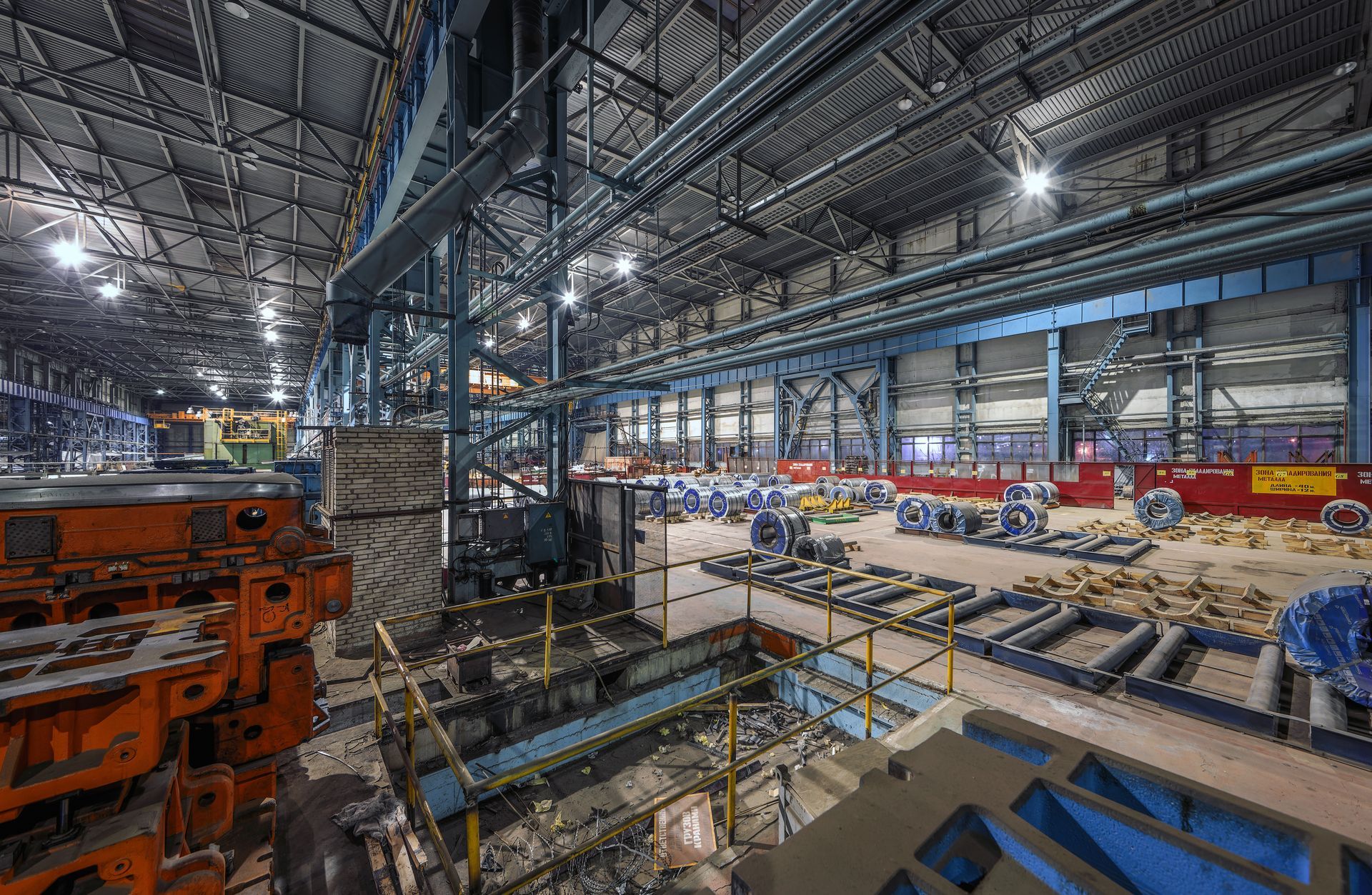
Equipment breakdowns, product liability, and workforce injuries are daily risks for Texas manufacturers. We build coverage from the shop floor to the loading dock — so one incident does not shut you down.
Artisan Contractors
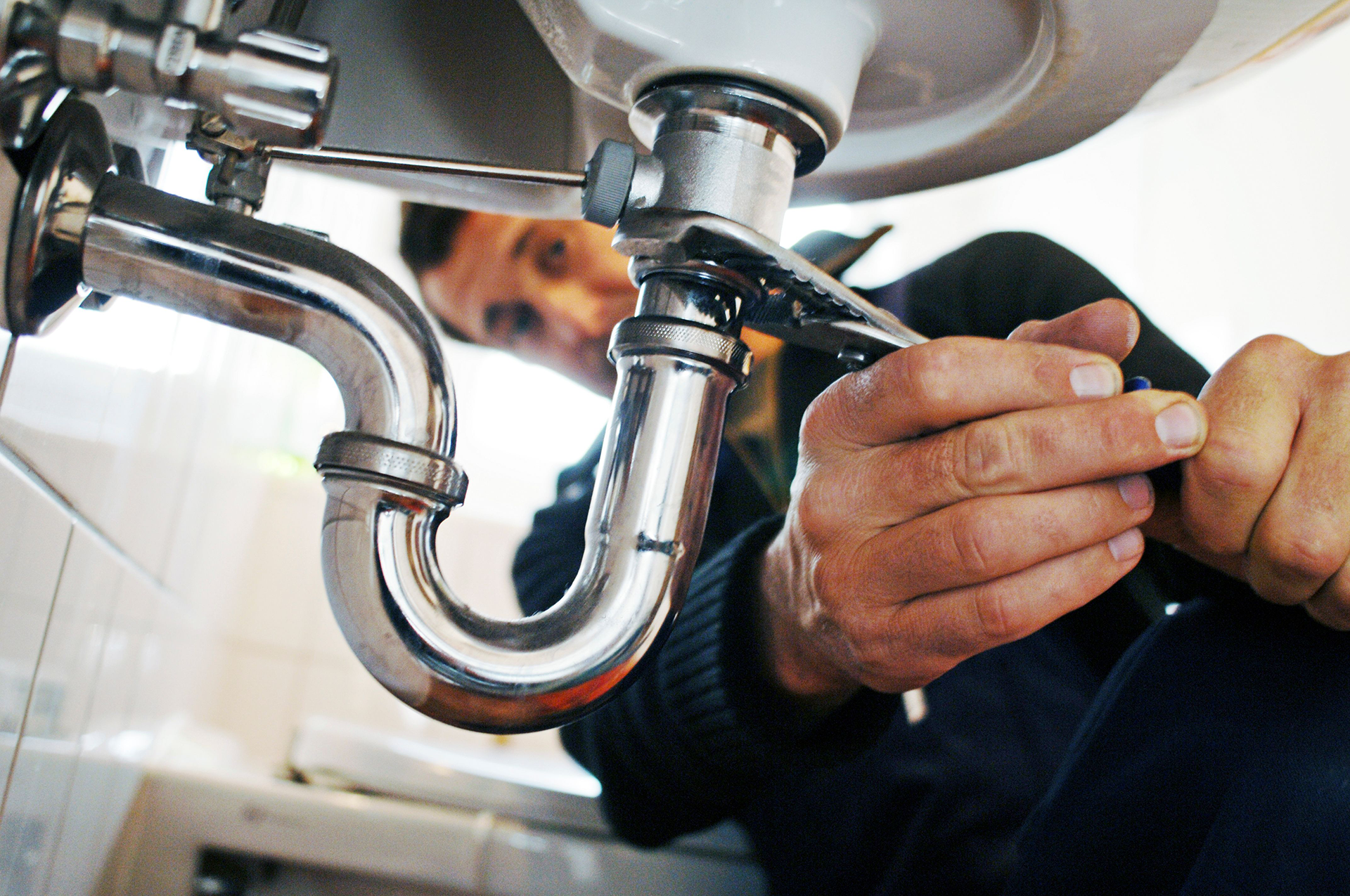
Plumbers, electricians, and skilled tradespeople work in high-risk environments every day. We build coverage around your tools, your vehicles, and your crew — so a job site incident does not stop your business.

Restaurants & Food Service
Restaurants carry liability on every shift — from the kitchen to the dining room and everything in between. We protect your location, your staff, and your equipment, including lost income when operations stop.

Non-Profits Service
Non-profits face unique liability across events, volunteers, staff, and leadership decisions. We cover your organization from the ground up — so you can focus on your mission, not your exposure.

Event Insurance
Event organizers face liability the moment guests arrive, vendors set up, and alcohol is served. We cover your event from start to finish — so one unexpected incident does not cancel everything you planned for.
Answers Before You Pick Up the Phone
What Texas Businesses Ask Us Most
We get a lot of the same questions from business owners across Texas. Here are honest answers to the ones that come up most.

What information do you need to get a commercial insurance quote?
We keep the process straightforward. We typically need your business name, a description of your operations, your gross annual sales projection, number of full-time and part-time employees, your gross annual payroll, and the types of coverage you are looking for. If you have an existing policy, the expiration date and current carrier help us put together a competitive comparison.
The most important thing you can do is be transparent about what your business actually does. Accurate classification ensures you have real coverage if a claim occurs. We have seen businesses with active policies that were incorrectly classified — and those gaps only surface at the worst possible moment.
Does Texas require businesses to carry Workers' Compensation Insurance?
Texas is the only state in the country that does not require most private employers to carry Workers' Compensation. However, if your business holds government contracts or works as a subcontractor on a job site, the hiring company will almost always require proof of coverage before work begins. A growing number of general contractors across Denton and the DFW area enforce this as a standard condition.
Even without a legal requirement, carrying Workers' Comp protects your business from direct liability if an employee is hurt on the job. Medical bills, lost wages, and legal fees can add up quickly — and one serious incident can create a financial loss that far exceeds years of premium payments.
What is a commercial insurance audit and should I expect one?
Most commercial general liability policies are auditable. At the end of your policy term, the insurance carrier reviews your actual gross sales to make sure your premium matched your real exposure. If your sales grew during the year, you may owe an additional premium. If sales came in lower, you could receive a refund.
The best way to avoid a large balance due at audit time is to update your projected gross sales with us during the year if your business grows faster than expected. We can endorse your policy mid-term to reflect the change and spread any additional premium across smaller installments instead of one lump sum at year-end.
What factors affect how much my commercial coverage will cost?
Your premium is calculated based on several variables specific to your operation — industry classification, gross annual sales, number of employees, gross payroll, claims history, and the types of coverage you need. A business that handles physical work with a crew on job sites will pay differently than a professional services firm working out of an office.
As an independent agency, we compare quotes across multiple carriers — including Travelers, The Hartford, Chubb, AmTrust, and others — to find the combination of coverage and price that works for your situation. There is no obligation after your quote, and we walk through every option in plain terms before you decide anything.
My business is a restaurant — what coverage do I actually need?
Restaurants are not a one-size-fits-all class of risk. Carriers look at a range of factors when evaluating a restaurant account: whether you serve alcohol, whether deep frying is involved, the type of fire suppression system in place, whether you have a hood cleaning contract, and whether you offer catering, delivery, or live entertainment. All of these affect both pricing and carrier appetite.
A well-structured restaurant policy typically includes general liability, building and business personal property coverage, liquor liability if applicable, food contamination coverage, business income protection, and workers' compensation for your staff. We work with carriers that actively want to write restaurant accounts in Texas — including Travelers, The Hartford, and Chubb — so you have real options to compare.
Can you help insure a business that is hard to place or outside the mainstream?
Yes — this is one of our strengths. We work with Excess and Surplus (E&S) lines markets through carriers like Burns & Wilcox for businesses that standard carriers will not write. We have placed coverage for master sign electricians, cable splicing operations, transmission rebuild shops for classic cars, CBD retailers, and many other non-standard accounts.
If you have been told your business is difficult to insure or you have received very limited options in the marketplace, reach out to us. We take time to understand your operations in detail, present your account to the right markets, and work to find coverage that actually reflects what you do — not a generic policy that leaves gaps.
Still have Question?
We’re here to help you!
Written for the Texas Business Owner
Insights That Help You Make Smarter Decisions
We publish articles on real topics that affect how Texas operators get covered — from local regulatory updates to coverage gaps most owners do not know they have.