Running a CBD shop in Texas puts you in a unique position. You're selling products that are federally legal under the 2018 Farm Bill, yet you face regulatory scrutiny that traditional retailers never encounter. One contaminated batch, one customer claiming adverse effects, one mislabeled product: any of these can trigger a lawsuit that threatens everything you've built. The challenge is finding insurance carriers willing to cover hemp and CBD retailers at reasonable rates, since most standard insurers still treat these businesses as high-risk or exclude them entirely.
Texas CBD retailers need
product liability coverage as their foundation, but that's just the starting point. You also need general liability for slip-and-fall incidents in your store, property coverage for your inventory, and cyber liability if you process online orders. The problem? Many business owners discover their coverage gaps only after a claim gets denied. At Denton Business Insurance, we've helped CBD shop owners across Texas find carriers who actually understand the hemp industry and provide meaningful coverage rather than policies riddled with exclusions.
The Landscape of CBD and Hemp Retail in Texas
Texas legalized hemp and hemp-derived products in 2019 through House Bill 1325, aligning state law with the federal Farm Bill's definition of hemp as cannabis containing less than 0.3% Delta-9 THC. This created a booming retail market, but it also introduced a patchwork of regulations that CBD shop owners must navigate carefully.
The state has seen explosive growth in CBD retail, from dedicated dispensaries to smoke shops adding hemp products to their inventory. This growth attracted regulatory attention, and Texas authorities have taken enforcement seriously, particularly around product testing and labeling requirements.
Texas Department of State Health Services (DSHS) Regulations
DSHS oversees consumable hemp products in Texas, requiring manufacturers and retailers to register with the state and comply with testing standards. Products must contain less than 0.3% Delta-9 THC, and consumable hemp products require third-party lab testing before sale.
Retailers are responsible for verifying that products they sell meet these standards. If you're caught selling untested or non-compliant products, you face fines, product seizures, and potential license revocation. From an insurance perspective, compliance violations can void certain policy protections, leaving you exposed when you need coverage most.
Legal Distinctions Between CBD, Delta-8, and Delta-9 THC
Here's where Texas law gets complicated. While CBD is clearly legal, Delta-8 THC occupies a legal gray area. The Texas Supreme Court ruled in 2023 that Delta-8 remains legal under state law, but enforcement agencies have challenged this interpretation. Some local jurisdictions have attempted their own restrictions.
For insurance purposes, products containing Delta-8 or other alternative cannabinoids often face stricter underwriting scrutiny. Carriers may exclude these products entirely or charge significantly higher premiums. When applying for coverage, be transparent about your full product line: surprises during claims investigations lead to denied coverage.

By: Linda Dodson
Agency Director at
Denton Business Insurance
Critical Importance of Product Liability Insurance
Product liability insurance protects your business when customers claim they were harmed by products you sold. For CBD retailers, this coverage is non-negotiable. You're selling ingestible products that interact with people's bodies, and even with the best suppliers, things can go wrong.
Protecting Against Mislabeling and Contamination Claims
Mislabeling claims are among the most common in the CBD industry. A customer purchases a product marketed as THC-free, fails a drug test, and loses their job. They sue your shop for damages. Without product liability coverage, you're paying legal defense costs and potential settlements out of pocket.
Contamination claims present even greater risks. Heavy metals, pesticides, and residual solvents can appear in poorly manufactured CBD products. If a batch causes health problems for multiple customers, you're facing potential class-action exposure. Coverage limits of $1 million per occurrence with $2 million aggregate represent the minimum most retailers should carry, though high-volume shops should consider higher limits.
Managing Risks Associated with Health Claims and Side Effects
CBD retailers face liability when customers experience adverse reactions or when products don't deliver promised benefits. If your marketing materials or staff make health claims about CBD treating specific conditions, you're creating liability exposure that can trigger lawsuits.
Train your staff to avoid making medical claims. Stick to general wellness language and always recommend customers consult healthcare providers. Document your training protocols: insurers view risk management practices favorably during underwriting, and these records can support your defense if claims arise.
Essential Coverage Types for Texas CBD Shop Owners
Product liability is critical, but Texas CBD retailers need a comprehensive insurance portfolio. Here's what a complete coverage package looks like:
General Liability and Property Insurance
General liability covers third-party bodily injury and property damage at your location. A customer slips on a wet floor, a delivery driver trips over merchandise: these incidents happen regardless of what you're selling. Expect premiums ranging from $800 to $2,500 annually for a small retail location, depending on foot traffic and location.
Property insurance protects your inventory, fixtures, and equipment. CBD inventory can represent significant value, and standard property policies may exclude or limit coverage for hemp products. Verify that your policy explicitly covers hemp-derived inventory at replacement cost, not actual cash value.
Cyber Liability for E-commerce and POS Systems
If you process credit cards or sell online, cyber liability coverage protects against data breaches and payment fraud. Texas CBD retailers are attractive targets for hackers because they often use newer payment processors with varying security standards.
A single data breach can cost small businesses $50,000 or more in notification costs, credit monitoring services, and legal fees. Cyber liability policies typically start around $500 annually for small retailers and provide crucial protection that general liability policies explicitly exclude.
Workers' Compensation Requirements in Texas
Texas is the only state where private employers can opt out of workers' compensation coverage. While this flexibility might seem attractive, going without coverage exposes you to significant risk. Non-subscribers lose important legal protections and face direct lawsuits from injured employees.
If an employee is injured stocking shelves or handling products, you're responsible for medical bills and lost wages without
workers' comp coverage. Most CBD retailers with employees should carry this coverage, with premiums typically running $0.75 to $2.50 per $100 of payroll depending on job classifications.
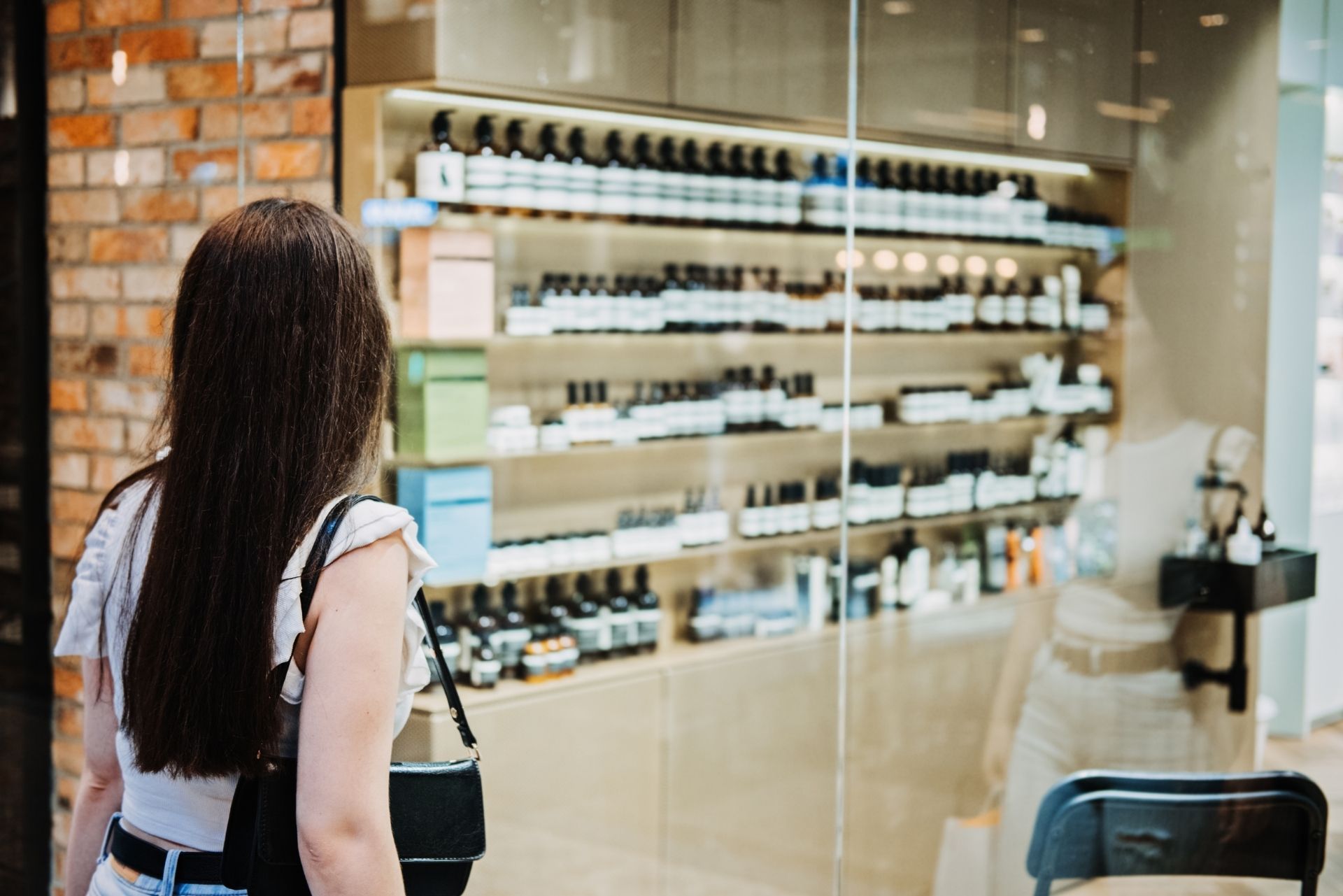
Finding insurance for your CBD shop isn't like insuring a traditional retail store. Many carriers simply won't write these policies, and those that will often impose significant restrictions.
Why Standard Carriers Often Exclude CBD Retailers
Major insurance carriers like State Farm and Allstate generally exclude cannabis-related businesses from their standard commercial policies. Even though hemp is federally legal, these carriers view the regulatory uncertainty and litigation history as unacceptable risks.
The exclusions often appear in policy endorsements that specifically remove coverage for cannabis or hemp products. Some retailers have discovered these exclusions only after filing claims, resulting in devastating coverage denials. Always read your policy carefully and ask specifically about hemp product coverage.
The Role of Specialized Surplus Lines Carriers
Surplus lines insurers operate outside standard regulatory frameworks, allowing them to write policies that admitted carriers won't touch. For CBD retailers, surplus lines carriers like Lloyd's of London syndicates and specialty domestic carriers often provide the only viable coverage options.
Working with an independent agency like Denton Business Insurance gives you access to multiple surplus lines markets. We compare quotes from carriers who specialize in hemp businesses, ensuring you get coverage that actually responds when you need it rather than policies designed to collect premiums and deny claims.
Insurance premiums for CBD retailers can be substantial, but proactive risk management can reduce your costs significantly. Carriers reward businesses that demonstrate commitment to compliance and quality control.
Verifying Certificates of Analysis (COAs) from Suppliers
Every product in your store should have a current Certificate of Analysis from an accredited third-party laboratory. COAs verify THC content, confirm the absence of contaminants, and demonstrate that products meet Texas regulatory requirements.
Maintain organized records of all COAs and verify that lab results match product batches. When underwriters review your application, documented COA verification procedures signal a well-managed business. Some carriers offer premium discounts of 10-15% for retailers with robust supplier verification programs.
Implementing Strict Age Verification and Compliance Protocols
While CBD isn't age-restricted under federal law, many Texas localities require age verification for hemp products. Implementing consistent age verification protects against liability claims involving minors and demonstrates compliance commitment to insurers.
Document all compliance training, maintain written policies, and conduct regular audits of your procedures. These practices reduce your risk profile and can translate to lower premiums over time.
| Coverage Type | Typical Annual Premium | Recommended Limits |
|---|---|---|
| Product Liability | $2,000 - $6,000 | $1M/$2M aggregate |
| General Liability | $800 - $2,500 | $1M/$2M aggregate |
| Property Insurance | $500 - $2,000 | Replacement cost |
| Cyber Liability | $500 - $1,500 | $100K - $500K |
| Workers' Comp | Varies by payroll | State minimums |
Securing Your Business Future in the Texas Hemp Market
The Texas CBD market continues evolving, with regulatory changes likely as the industry matures. Building a comprehensive insurance program now protects your investment and positions your business for sustainable growth.
Start by auditing your current coverage for hemp-related exclusions. If you're working with a carrier that doesn't understand your business, you're likely either overpaying or underprotected. An independent agency can review your policies and identify gaps before they become expensive problems.
The CBD retailers who thrive long-term are those who treat compliance and risk management as competitive advantages rather than burdens. Proper insurance coverage isn't just about protecting against worst-case scenarios: it's about building a business that can weather regulatory changes, market shifts, and the inevitable challenges of retail operations.
Frequently Asked Questions
Do I need separate insurance for Delta-8 products? Not necessarily separate policies, but you must disclose Delta-8 sales during underwriting. Some carriers exclude these products, while others cover them with adjusted premiums.
Can my landlord require specific insurance coverage? Yes. Most commercial leases require general liability coverage naming the landlord as an additional insured. Review lease requirements before purchasing coverage.
What happens if my supplier's COA is fraudulent? Your product liability coverage should still respond to customer claims, but you may have subrogation rights against the supplier. Always verify supplier credentials and maintain documentation.
How quickly can I get coverage for a new CBD shop? Surplus lines policies typically take 2-4 weeks for underwriting. Start the process at least 30 days before opening to avoid coverage gaps.
Will my insurance cover regulatory fines?
Most policies exclude government fines and penalties. Coverage typically applies to third-party claims, not regulatory enforcement actions.
Straight from the Clients We Serve
Texas Business Owners Rate Us 5 Stars — Here Is Why
We hear the same things repeatedly: fast service, honest advice, and coverage that made sense for their situation. That is what we aim for every time.

Protection Across Every Area of Your BUSINESS
What Texas Businesses Need. What We Deliver.
From your job site and your fleet to your data and your payroll — we cover the risks that Texas businesses carry every day.
General Liability
Covers third-party claims of bodily injury, property damage, and advertising injury. A foundational protection for nearly every Texas business, regardless of industry or size.
Commercial Property
Covers your building, equipment, inventory, and business contents against fire, theft, storms, and vandalism. Can also include lost income if your businesses are forced to stop.
Commercial Auto
Protects vehicles your company owns, leases, or uses for work. Covers liability, collision damage, and injuries for employees driving on company time.
Errors & Omissions
Protects service providers when a client claims your advice, work, or recommendations caused them a financial loss. Critical for consultants, IT firms, agents, and other professional service businesses.
Directors & Officers
Covers leadership decisions that result in claims from employees, investors, or outside parties. Protects your directors and officers personally when management decisions are challenged.
Inland Marine & Equipment Floater
Covers tools, materials, and equipment that move between job sites or are stored off your primary property. Fills the gap where a standard commercial property policy stops.
Every Sector Has Its Own Risk Profile
We Know Your Trade. We Know Your Exposure.
We work with a wide range of Texas industries — each with different coverage priorities. Below are the sectors we serve most often.
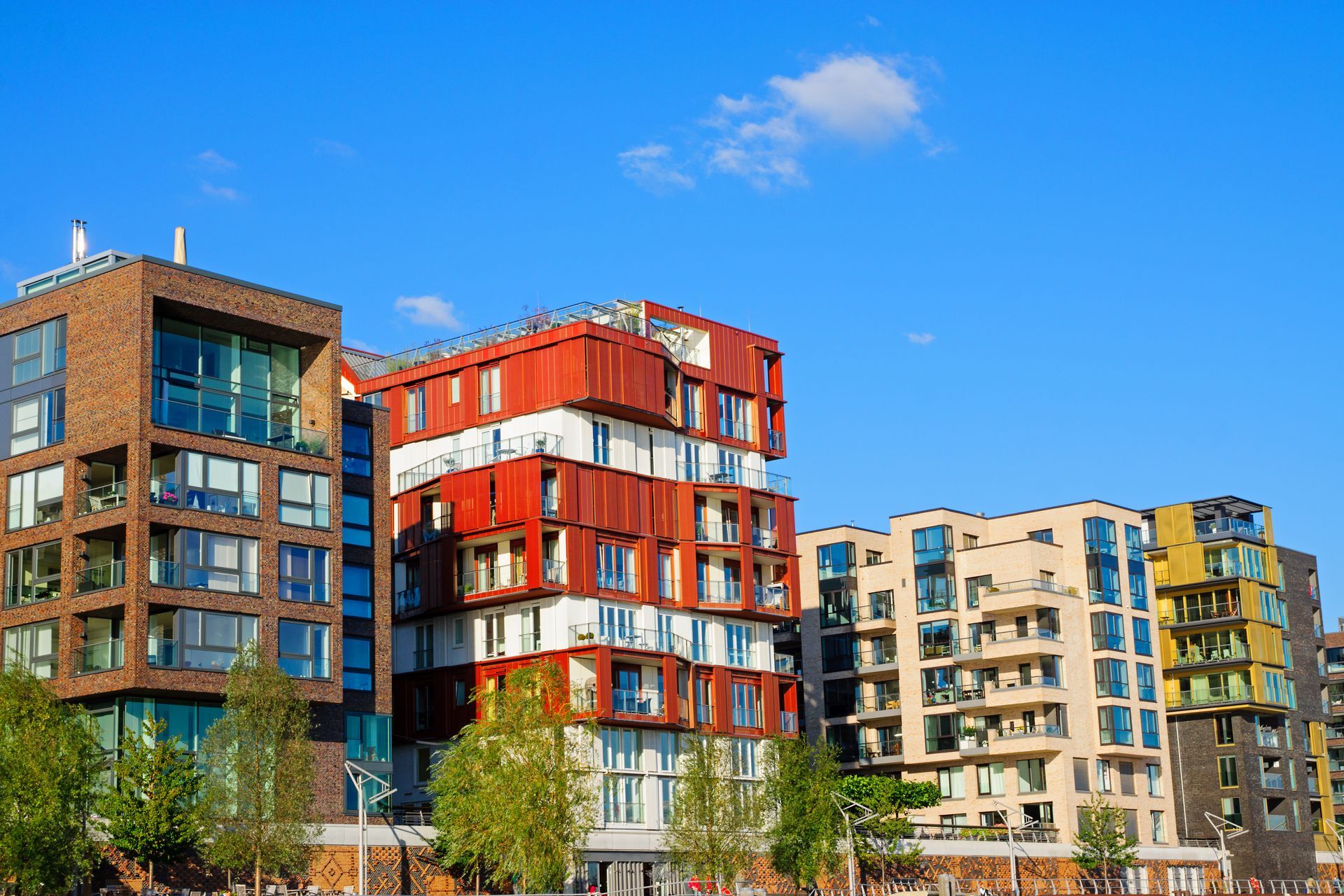
Apartment Complexes
Texas apartment owners face liability across common areas, tenant incidents, and on-site staff. We cover your property, your income, and your exposure — across one complex or an entire portfolio.
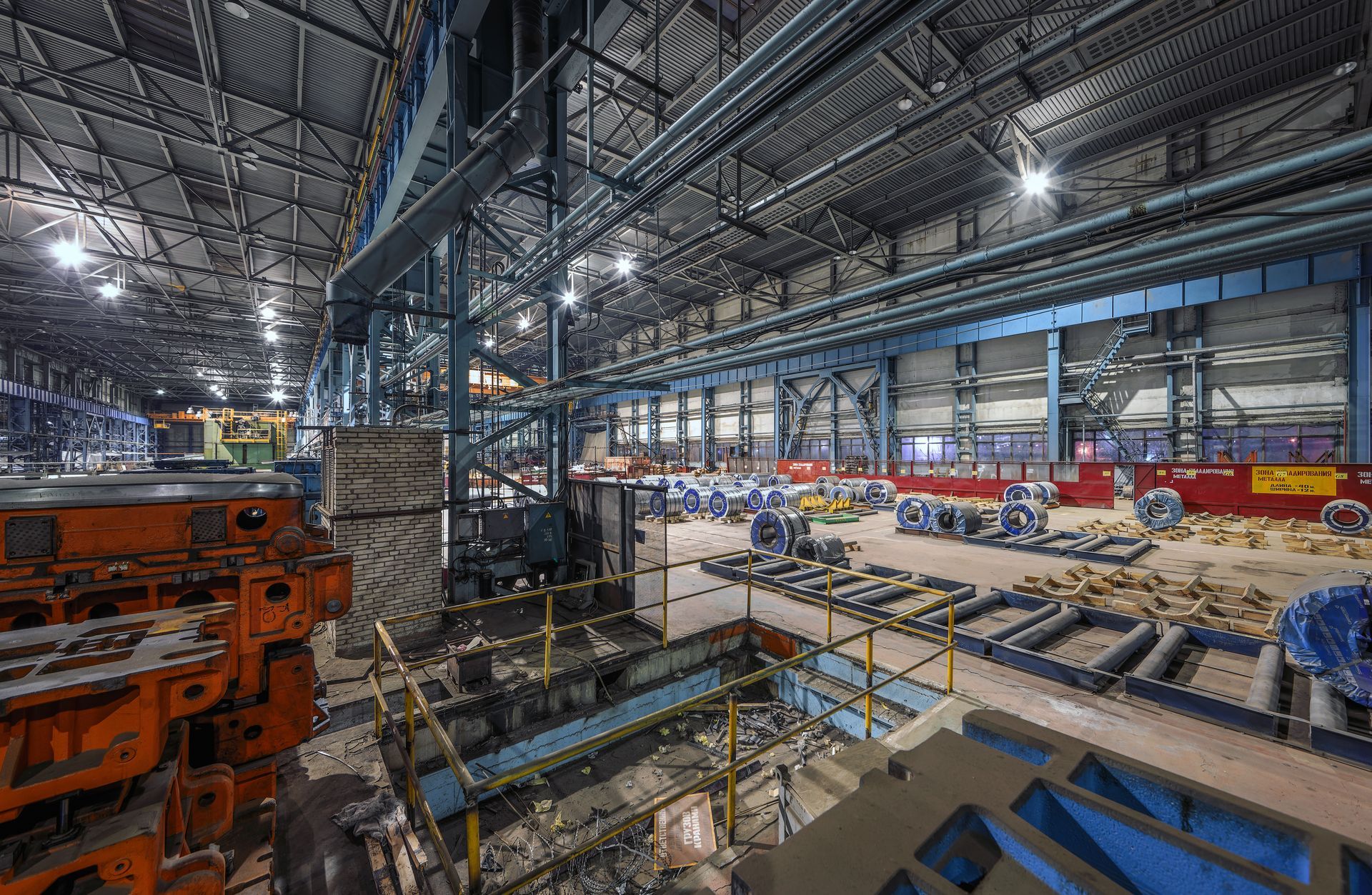
Manufacturing Businesses
Equipment breakdowns, product liability, and workforce injuries are daily risks for Texas manufacturers. We build coverage from the shop floor to the loading dock — so one incident does not shut you down.
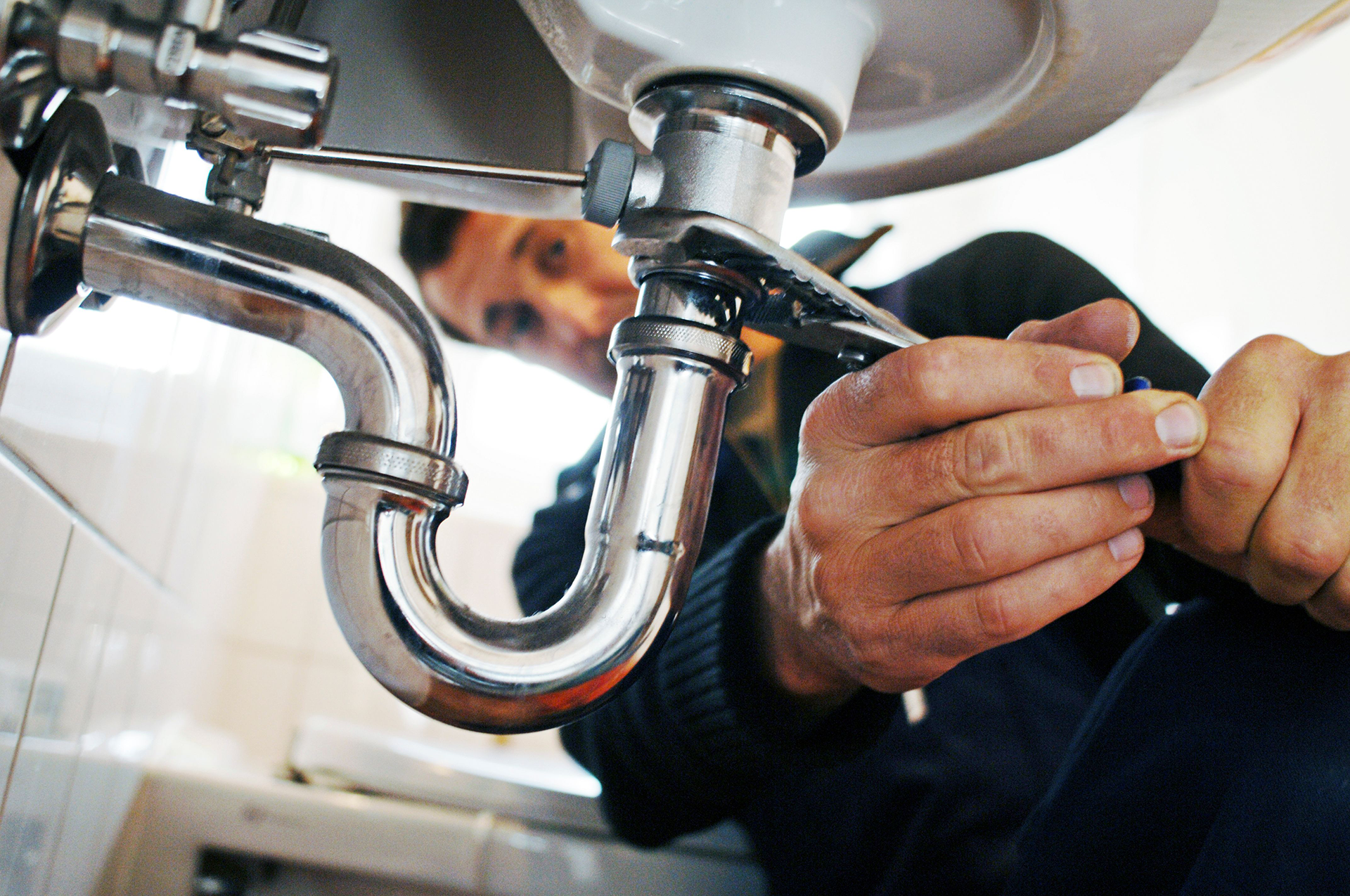
Artisan Contractors
Plumbers, electricians, and skilled tradespeople work in high-risk environments every day. We build coverage around your tools, your vehicles, and your crew — so a job site incident does not stop your business.

Restaurants & Food Service
Restaurants carry liability on every shift — from the kitchen to the dining room and everything in between. We protect your location, your staff, and your equipment, including lost income when operations stop.

Non-Profits Service
Non-profits face unique liability across events, volunteers, staff, and leadership decisions. We cover your organization from the ground up — so you can focus on your mission, not your exposure.

Event Insurance
Event organizers face liability the moment guests arrive, vendors set up, and alcohol is served. We cover your event from start to finish — so one unexpected incident does not cancel everything you planned for.
Answers Before You Pick Up the Phone
What Texas Businesses Ask Us Most
We get a lot of the same questions from business owners across Texas. Here are honest answers to the ones that come up most.
What information do you need to get a commercial insurance quote?
We keep the process straightforward. We typically need your business name, a description of your operations, your gross annual sales projection, number of full-time and part-time employees, your gross annual payroll, and the types of coverage you are looking for. If you have an existing policy, the expiration date and current carrier help us put together a competitive comparison.
The most important thing you can do is be transparent about what your business actually does. Accurate classification ensures you have real coverage if a claim occurs. We have seen businesses with active policies that were incorrectly classified — and those gaps only surface at the worst possible moment.
Does Texas require businesses to carry Workers' Compensation Insurance?
Texas is the only state in the country that does not require most private employers to carry Workers' Compensation. However, if your business holds government contracts or works as a subcontractor on a job site, the hiring company will almost always require proof of coverage before work begins. A growing number of general contractors across Denton and the DFW area enforce this as a standard condition.
Even without a legal requirement, carrying Workers' Comp protects your business from direct liability if an employee is hurt on the job. Medical bills, lost wages, and legal fees can add up quickly — and one serious incident can create a financial loss that far exceeds years of premium payments.
What is a commercial insurance audit and should I expect one?
Most commercial general liability policies are auditable. At the end of your policy term, the insurance carrier reviews your actual gross sales to make sure your premium matched your real exposure. If your sales grew during the year, you may owe an additional premium. If sales came in lower, you could receive a refund.
The best way to avoid a large balance due at audit time is to update your projected gross sales with us during the year if your business grows faster than expected. We can endorse your policy mid-term to reflect the change and spread any additional premium across smaller installments instead of one lump sum at year-end.
What factors affect how much my commercial coverage will cost?
Your premium is calculated based on several variables specific to your operation — industry classification, gross annual sales, number of employees, gross payroll, claims history, and the types of coverage you need. A business that handles physical work with a crew on job sites will pay differently than a professional services firm working out of an office.
As an independent agency, we compare quotes across multiple carriers — including Travelers, The Hartford, Chubb, AmTrust, and others — to find the combination of coverage and price that works for your situation. There is no obligation after your quote, and we walk through every option in plain terms before you decide anything.
My business is a restaurant — what coverage do I actually need?
Restaurants are not a one-size-fits-all class of risk. Carriers look at a range of factors when evaluating a restaurant account: whether you serve alcohol, whether deep frying is involved, the type of fire suppression system in place, whether you have a hood cleaning contract, and whether you offer catering, delivery, or live entertainment. All of these affect both pricing and carrier appetite.
A well-structured restaurant policy typically includes general liability, building and business personal property coverage, liquor liability if applicable, food contamination coverage, business income protection, and workers' compensation for your staff. We work with carriers that actively want to write restaurant accounts in Texas — including Travelers, The Hartford, and Chubb — so you have real options to compare.
Can you help insure a business that is hard to place or outside the mainstream?
Yes — this is one of our strengths. We work with Excess and Surplus (E&S) lines markets through carriers like Burns & Wilcox for businesses that standard carriers will not write. We have placed coverage for master sign electricians, cable splicing operations, transmission rebuild shops for classic cars, CBD retailers, and many other non-standard accounts.
If you have been told your business is difficult to insure or you have received very limited options in the marketplace, reach out to us. We take time to understand your operations in detail, present your account to the right markets, and work to find coverage that actually reflects what you do — not a generic policy that leaves gaps.
Still have Question?
We’re here to help you!
Written for the Texas Business Owner
Insights That Help You Make Smarter Decisions
We publish articles on real topics that affect how Texas operators get covered — from local regulatory updates to coverage gaps most owners do not know they have.