A bookkeeper at a mid-sized Houston manufacturing firm transferred $340,000 to a personal account over eighteen months before anyone noticed. The owner had trusted her completely, and that trust cost him nearly a third of his working capital. His general liability policy? Completely useless for this type of loss.
This scenario plays out across Texas more often than most business owners realize. The Association of Certified Fraud Examiners reports that
organizations lose roughly 5% of annual revenue to fraud, with
small businesses hit hardest because they typically lack internal controls. Crime insurance in Texas protects businesses from employee theft, fraud, and forgery losses that standard policies simply don't cover. Whether you're running a retail operation in San Antonio or managing a professional services firm in Dallas, understanding this coverage could save your company from a devastating financial blow.
The Necessity of Commercial Crime Insurance for Texas Businesses
Common Risks in the Lone Star State Market
Texas ranks among the top states for business formation, which unfortunately means more targets for criminal activity. The state's diverse economy creates varied risk profiles: oil and gas companies handle large equipment inventories, retail businesses manage substantial cash flows, and professional service firms process sensitive financial transactions daily.
Employee dishonesty represents the most common threat, but external fraud schemes have grown increasingly sophisticated. Wire transfer scams, vendor impersonation, and social engineering attacks cost Texas businesses millions annually. The state's position as a major logistics hub also creates opportunities for cargo theft and supply chain fraud that businesses in other regions rarely encounter.
Why Standard Property Insurance Falls Short
Here's what catches many business owners off guard: your commercial property policy covers damage from fire, theft by outsiders, and natural disasters, but it specifically excludes losses caused by employees. Your general liability policy protects against third-party claims, not internal theft.
This coverage gap leaves businesses exposed to their greatest statistical risk. Standard policies might cover a break-in where someone steals your equipment, but they won't touch the $50,000 your accounts payable clerk siphoned through fake vendor payments. Crime insurance fills this gap with coverage designed specifically for dishonest acts, whether committed by employees, vendors, or sophisticated criminals you've never met.


By: Michael Whitaker
Insurance Advisor at
Denton Business Insurance
Core Coverage Components: Employee Theft and Dishonesty
Protecting Against Internal Embezzlement
Employee dishonesty coverage forms the foundation of most crime policies. This protection kicks in when an employee steals money, securities, or property through various methods: direct theft, fraudulent expense reports, payroll manipulation, or kickback schemes with vendors.
The coverage typically extends to all employees, though some policies require a discovery period before new hires qualify. Most claims involve employees who've been with the company for years, which makes sense when you think about it. Building the trust and access needed to steal significant amounts takes time.
Policy limits generally range from $25,000 for small operations to several million for larger enterprises. Denton Business Insurance typically recommends limits that match at least six months of operating expenses, though high-cash-flow businesses often need more substantial protection.
Inventory Shrinkage and Asset Misappropriation
Beyond cash theft, crime coverage addresses inventory losses caused by employee dishonesty. Retail operations, warehouses, and distribution centers face particular exposure here. A warehouse manager skimming products for resale, a parts department employee running a side business with company inventory, or a restaurant manager manipulating food cost reports all fall under this protection.
Asset misappropriation extends to equipment, supplies, and proprietary materials. The key distinction from standard property coverage is the requirement that loss result from dishonest employee acts rather than mysterious disappearance or unaccounted shrinkage. Documentation matters here, so maintaining solid inventory records strengthens your position when filing claims.
Mitigating Financial Loss from Fraud and Forgery
Check and Credit Instrument Alterations
Forgery coverage protects against losses when someone alters or counterfeits checks, drafts, or similar financial instruments. This includes situations where criminals modify legitimate checks, create counterfeit versions of your business checks, or forge signatures on financial documents.
Despite the shift toward electronic payments, check fraud remains surprisingly common in Texas business transactions. Construction companies, property management firms, and businesses that regularly issue vendor payments face elevated exposure. Coverage typically includes both incoming fraudulent instruments and outgoing checks that have been altered or forged.
Social Engineering and Funds Transfer Fraud
This coverage has become essential over the past decade. Social engineering fraud occurs when criminals manipulate employees into transferring funds through deception rather than technical hacking. The classic example: an email appearing to come from the CEO instructing the accounting department to wire funds for an urgent acquisition.
Standard crime policies historically excluded these losses because no actual hacking occurred. The employee willingly made the transfer, even though they were deceived. Modern policies now offer social engineering endorsements that specifically address these schemes. Coverage limits for social engineering fraud are often sublimited within the broader policy, typically ranging from $100,000 to $500,000, so understanding your specific coverage terms matters.

Safeguarding Assets from External Crime
Robbery and Safe Burglary Coverage
While property insurance covers some theft losses, crime policies provide specialized protection for robbery and safe burglary. The distinction matters because crime coverage often includes broader definitions and fewer exclusions than standard property forms.
Robbery coverage protects against loss of money, securities, and property taken by force or threat of force. Safe burglary coverage addresses losses when criminals break into locked safes or vaults. Texas businesses handling significant cash, such as restaurants, retail stores, and entertainment venues, benefit from these coverages even when they carry commercial property insurance.
Computer Fraud and Digital Asset Theft
Computer fraud coverage addresses losses resulting from unauthorized access to your computer systems. This differs from
cyber liability insurance, which covers your liability to others and breach response costs. Computer fraud coverage reimburses direct financial losses when criminals hack your systems to transfer funds or steal digital assets.
| Coverage Type | What It Protects | Common Limits |
|---|---|---|
| Employee Theft | Losses from dishonest employee acts | $50,000 - $1,000,000+ |
| Forgery | Altered or counterfeit financial instruments | $25,000 - $500,000 |
| Social Engineering | Fraudulent transfer instructions | $100,000 - $500,000 |
| Computer Fraud | Direct losses from system intrusion | $50,000 - $500,000 |
| Robbery/Burglary | Theft by force or safe break-in | $25,000 - $250,000 |
Industry Risk Profiles and Business Size
Insurers evaluate crime risk based on several factors, with industry classification carrying significant weight. Financial services, healthcare, and retail businesses typically pay higher premiums due to their exposure to various fraud schemes. Construction and manufacturing operations face different risk profiles centered on equipment and materials theft.
Annual revenue and employee count directly impact premium calculations. A company processing $10 million in transactions faces greater exposure than one handling $500,000. Employee count matters because more people mean more potential internal threats. Premiums for Texas businesses typically range from $500 annually for small operations with minimal coverage to $15,000 or more for larger enterprises requiring substantial limits.
The Role of Internal Controls and Audits
Your internal controls significantly influence both your risk profile and your premium. Insurers look favorably on businesses with segregated financial duties, regular reconciliation procedures, and established approval processes for transactions above certain thresholds.
Annual financial audits, particularly those conducted by independent CPAs, can reduce premiums by 10-15% with some carriers. Background checks on employees handling money or sensitive data also improve your risk profile. When working with an independent agency like Denton Business Insurance, you can compare how different carriers weigh these factors, since underwriting approaches vary significantly across companies.
Selecting the Right Policy Limits and Endorsements
Choosing appropriate coverage limits requires honest assessment of your exposure. Start by calculating your maximum potential loss scenarios: How much cash do you have accessible at any time? What's your largest single transaction? How much inventory could disappear before you'd notice?
Most businesses should carry limits equal to at least their maximum cash on hand plus three to six months of accounts receivable. Professional service firms with significant client fund handling need higher limits, while businesses with minimal cash transactions might require less.
Essential endorsements to consider include social engineering coverage, which addresses modern fraud schemes, and third-party coverage, which extends protection to losses involving customer or client property in your care. ERISA fidelity coverage becomes necessary if you manage employee benefit plans, as federal law requires this protection.
Working with an independent agency gives you access to multiple carriers, each with different endorsement options and pricing structures. Nationwide, Travelers, and Chubb all offer crime coverage, but their policy forms differ in meaningful ways. Having an agent who can compare these options ensures you're not paying for coverage you don't need while missing protection you do.
Frequently Asked Questions
How quickly do crime insurance claims typically pay out? Most claims settle within 60-90 days once documentation is complete. Complex embezzlement cases involving forensic accounting can take longer, sometimes six months or more for large losses.
Does crime insurance cover theft by independent contractors? Standard policies cover employees only. You'll need a specific endorsement for contractor coverage, and not all carriers offer it. This matters for businesses relying heavily on contract workers.
What's the difference between crime insurance and a fidelity bond? Fidelity bonds protect third parties from your employees' dishonest acts, while crime insurance protects your business. Some businesses need both, particularly those handling client funds.
Will filing a crime insurance claim increase my premiums? Typically yes, though the impact varies by carrier and claim size. A single claim might increase premiums 15-25% at renewal. Multiple claims or large losses can make coverage difficult to obtain.
Are there waiting periods before coverage begins? Most policies take effect immediately upon binding, but some include discovery periods for new employees. Review your policy terms to understand exactly when coverage applies.
Making the Right Choice for Your Business
Crime insurance isn't optional for Texas businesses handling significant cash, inventory, or financial transactions. The coverage fills gaps that standard policies leave wide open, protecting against both internal dishonesty and external fraud schemes.
Evaluate your specific exposures honestly, implement strong internal controls, and work with an agency that can compare multiple carriers. Denton Business Insurance helps Texas business owners find crime coverage that matches their actual risk profile without overpaying for unnecessary limits. Reach out for a coverage review before a loss forces you to discover what your current policies don't cover.
Straight from the Clients We Serve
Texas Business Owners Rate Us 5 Stars — Here Is Why
We hear the same things repeatedly: fast service, honest advice, and coverage that made sense for their situation. That is what we aim for every time.

Protection Across Every Area of Your BUSINESS
What Texas Businesses Need. What We Deliver.
From your job site and your fleet to your data and your payroll — we cover the risks that Texas businesses carry every day.
General Liability
Covers third-party claims of bodily injury, property damage, and advertising injury. A foundational protection for nearly every Texas business, regardless of industry or size.
Commercial Property
Covers your building, equipment, inventory, and business contents against fire, theft, storms, and vandalism. Can also include lost income if your businesses are forced to stop.
Commercial Auto
Protects vehicles your company owns, leases, or uses for work. Covers liability, collision damage, and injuries for employees driving on company time.
Errors & Omissions
Protects service providers when a client claims your advice, work, or recommendations caused them a financial loss. Critical for consultants, IT firms, agents, and other professional service businesses.
Directors & Officers
Covers leadership decisions that result in claims from employees, investors, or outside parties. Protects your directors and officers personally when management decisions are challenged.
Inland Marine & Equipment Floater
Covers tools, materials, and equipment that move between job sites or are stored off your primary property. Fills the gap where a standard commercial property policy stops.
Every Sector Has Its Own Risk Profile
We Know Your Trade. We Know Your Exposure.
We work with a wide range of Texas industries — each with different coverage priorities. Below are the sectors we serve most often.

Apartment Complexes
Texas apartment owners face liability across common areas, tenant incidents, and on-site staff. We cover your property, your income, and your exposure — across one complex or an entire portfolio.

Manufacturing Businesses
Equipment breakdowns, product liability, and workforce injuries are daily risks for Texas manufacturers. We build coverage from the shop floor to the loading dock — so one incident does not shut you down.
Artisan Contractors
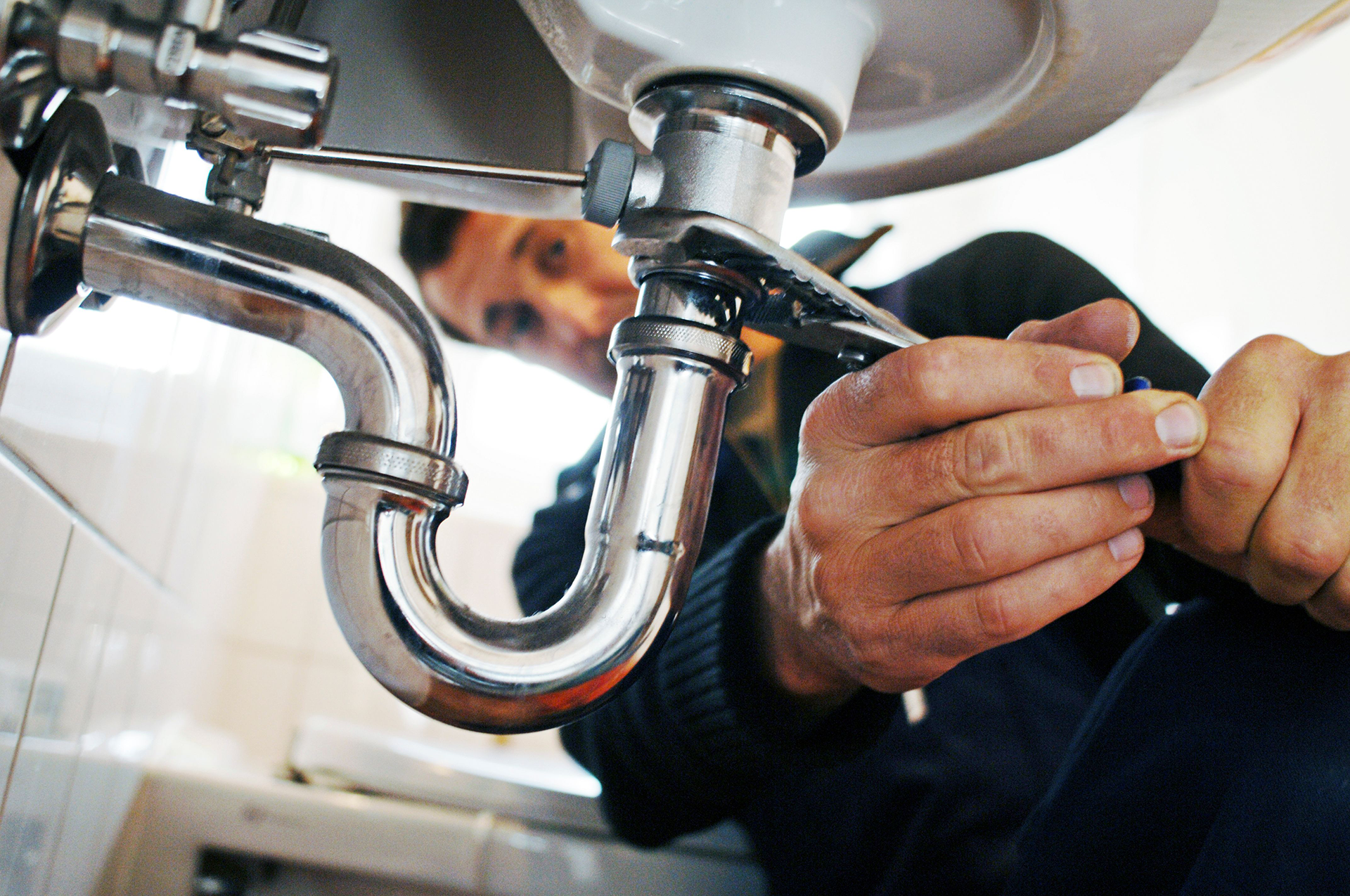
Plumbers, electricians, and skilled tradespeople work in high-risk environments every day. We build coverage around your tools, your vehicles, and your crew — so a job site incident does not stop your business.

Restaurants & Food Service
Restaurants carry liability on every shift — from the kitchen to the dining room and everything in between. We protect your location, your staff, and your equipment, including lost income when operations stop.

Non-Profits Service
Non-profits face unique liability across events, volunteers, staff, and leadership decisions. We cover your organization from the ground up — so you can focus on your mission, not your exposure.

Event Insurance
Event organizers face liability the moment guests arrive, vendors set up, and alcohol is served. We cover your event from start to finish — so one unexpected incident does not cancel everything you planned for.
Answers Before You Pick Up the Phone
What Texas Businesses Ask Us Most
We get a lot of the same questions from business owners across Texas. Here are honest answers to the ones that come up most.

What information do you need to get a commercial insurance quote?
We keep the process straightforward. We typically need your business name, a description of your operations, your gross annual sales projection, number of full-time and part-time employees, your gross annual payroll, and the types of coverage you are looking for. If you have an existing policy, the expiration date and current carrier help us put together a competitive comparison.
The most important thing you can do is be transparent about what your business actually does. Accurate classification ensures you have real coverage if a claim occurs. We have seen businesses with active policies that were incorrectly classified — and those gaps only surface at the worst possible moment.
Does Texas require businesses to carry Workers' Compensation Insurance?
Texas is the only state in the country that does not require most private employers to carry Workers' Compensation. However, if your business holds government contracts or works as a subcontractor on a job site, the hiring company will almost always require proof of coverage before work begins. A growing number of general contractors across Denton and the DFW area enforce this as a standard condition.
Even without a legal requirement, carrying Workers' Comp protects your business from direct liability if an employee is hurt on the job. Medical bills, lost wages, and legal fees can add up quickly — and one serious incident can create a financial loss that far exceeds years of premium payments.
What is a commercial insurance audit and should I expect one?
Most commercial general liability policies are auditable. At the end of your policy term, the insurance carrier reviews your actual gross sales to make sure your premium matched your real exposure. If your sales grew during the year, you may owe an additional premium. If sales came in lower, you could receive a refund.
The best way to avoid a large balance due at audit time is to update your projected gross sales with us during the year if your business grows faster than expected. We can endorse your policy mid-term to reflect the change and spread any additional premium across smaller installments instead of one lump sum at year-end.
What factors affect how much my commercial coverage will cost?
Your premium is calculated based on several variables specific to your operation — industry classification, gross annual sales, number of employees, gross payroll, claims history, and the types of coverage you need. A business that handles physical work with a crew on job sites will pay differently than a professional services firm working out of an office.
As an independent agency, we compare quotes across multiple carriers — including Travelers, The Hartford, Chubb, AmTrust, and others — to find the combination of coverage and price that works for your situation. There is no obligation after your quote, and we walk through every option in plain terms before you decide anything.
My business is a restaurant — what coverage do I actually need?
Restaurants are not a one-size-fits-all class of risk. Carriers look at a range of factors when evaluating a restaurant account: whether you serve alcohol, whether deep frying is involved, the type of fire suppression system in place, whether you have a hood cleaning contract, and whether you offer catering, delivery, or live entertainment. All of these affect both pricing and carrier appetite.
A well-structured restaurant policy typically includes general liability, building and business personal property coverage, liquor liability if applicable, food contamination coverage, business income protection, and workers' compensation for your staff. We work with carriers that actively want to write restaurant accounts in Texas — including Travelers, The Hartford, and Chubb — so you have real options to compare.
Can you help insure a business that is hard to place or outside the mainstream?
Yes — this is one of our strengths. We work with Excess and Surplus (E&S) lines markets through carriers like Burns & Wilcox for businesses that standard carriers will not write. We have placed coverage for master sign electricians, cable splicing operations, transmission rebuild shops for classic cars, CBD retailers, and many other non-standard accounts.
If you have been told your business is difficult to insure or you have received very limited options in the marketplace, reach out to us. We take time to understand your operations in detail, present your account to the right markets, and work to find coverage that actually reflects what you do — not a generic policy that leaves gaps.
Still have Question?
We’re here to help you!
Written for the Texas Business Owner
Insights That Help You Make Smarter Decisions
We publish articles on real topics that affect how Texas operators get covered — from local regulatory updates to coverage gaps most owners do not know they have.