See How We're Different
Call Us: (940) 268-5112
A single diesel spill from a ruptured tank can cost a Texas business $50,000 to $500,000 in cleanup alone, and that's before the lawsuits arrive. Most business owners assume their general liability policy handles this type of scenario. They're wrong. Standard commercial policies contain pollution exclusions that have been refined over decades specifically to avoid covering environmental claims. Texas businesses face unique exposure due to the state's concentration of oil and gas operations, manufacturing facilities, and agricultural enterprises. The Texas Commission on Environmental Quality (TCEQ) doesn't care whether your insurance covers the contamination; they'll pursue cleanup regardless, and you're on the hook. Understanding pollution liability insurance in Texas means recognizing which businesses genuinely need environmental coverage and which ones can reasonably self-insure this risk. The answer isn't always obvious. A dry cleaner using perchloroethylene solvents may face more environmental liability than some small drilling contractors. Property developers purchasing land with unknown contamination history can inherit decades of someone else's pollution problems. This isn't about checking a compliance box. It's about understanding whether your business could survive a six-figure remediation bill combined with third-party bodily injury claims from neighboring property owners.
Understanding Pollution Liability and Texas Environmental Risks
Texas presents a complex environmental risk landscape that most business owners underestimate. The state's geology, climate, and industrial concentration create conditions where contamination spreads quickly and cleanup costs escalate rapidly. Sandy soils in many regions allow pollutants to reach groundwater faster than in clay-heavy states. Hurricane season brings flooding that disperses contaminants across wide areas, creating multi-party liability situations.
The Gap in General Liability Policies
General liability policies began excluding pollution coverage in the 1970s, and insurers have tightened these exclusions ever since. The absolute pollution exclusion found in most commercial general liability policies eliminates coverage for any bodily injury or property damage arising from pollutants, regardless of whether the release was sudden or gradual. Some policies contain a "hostile fire" exception or limited coverage for truly sudden and accidental releases, but these exceptions have been litigated extensively in Texas courts with inconsistent results. The Insurance Services Office (ISO) standard exclusion language covers smoke, fumes, acids, alkalis, toxic chemicals, waste materials, and virtually any irritant or contaminant. Your general liability policy likely won't respond when you need it most.
Common Environmental Exposures for Texas Businesses
Texas businesses face environmental exposures ranging from obvious to unexpected. Underground storage tanks remain a primary concern, with thousands of active and abandoned tanks across the state. HVAC systems containing refrigerants, backup generators with fuel storage, and even cleaning chemical storage can create liability. Businesses near historical industrial sites face third-party contamination migration. The Houston Ship Channel corridor, Permian Basin operations, and Gulf Coast refineries create regional contamination risks that affect nearby businesses regardless of their own operations.
High-Risk Industries Requiring Environmental Coverage
Certain industries face environmental exposures significant enough that operating without pollution coverage represents a genuine business risk. These sectors typically require coverage as a condition of contracts, permits, or basic financial prudence.
Oil, Gas, and Energy Sector Requirements
Texas energy operations generate obvious pollution exposures. Drilling contractors, well servicing companies, pipeline operators, and midstream facilities face both site pollution and contractor pollution liability. Spills, blowouts, and gradual releases from equipment failures create immediate liability. Many operators require contractors to carry pollution coverage with specific limits, often $1 million to $5 million per occurrence, as a condition of working on their sites. The Railroad Commission of Texas requires financial assurance for well plugging and surface restoration, but this doesn't address third-party liability or off-site contamination. Energy sector policies typically cost $15,000 to $75,000 annually depending on operations, fleet size, and claims history.
Manufacturing and Industrial Operations
Manufacturing facilities using chemicals, generating waste, or operating heavy equipment face substantial environmental exposure. Metal finishing operations, chemical processing, food manufacturing with wastewater discharge, and electronics manufacturing all present pollution risks. Texas manufacturing facilities must comply with TCEQ air quality permits, wastewater discharge permits, and hazardous waste regulations. A single permit violation can trigger enforcement actions, and contamination discovered during facility sales or closures can result in remediation requirements. Manufacturing pollution policies typically run $8,000 to $40,000 annually for mid-sized operations.
Construction and General Contracting Risks
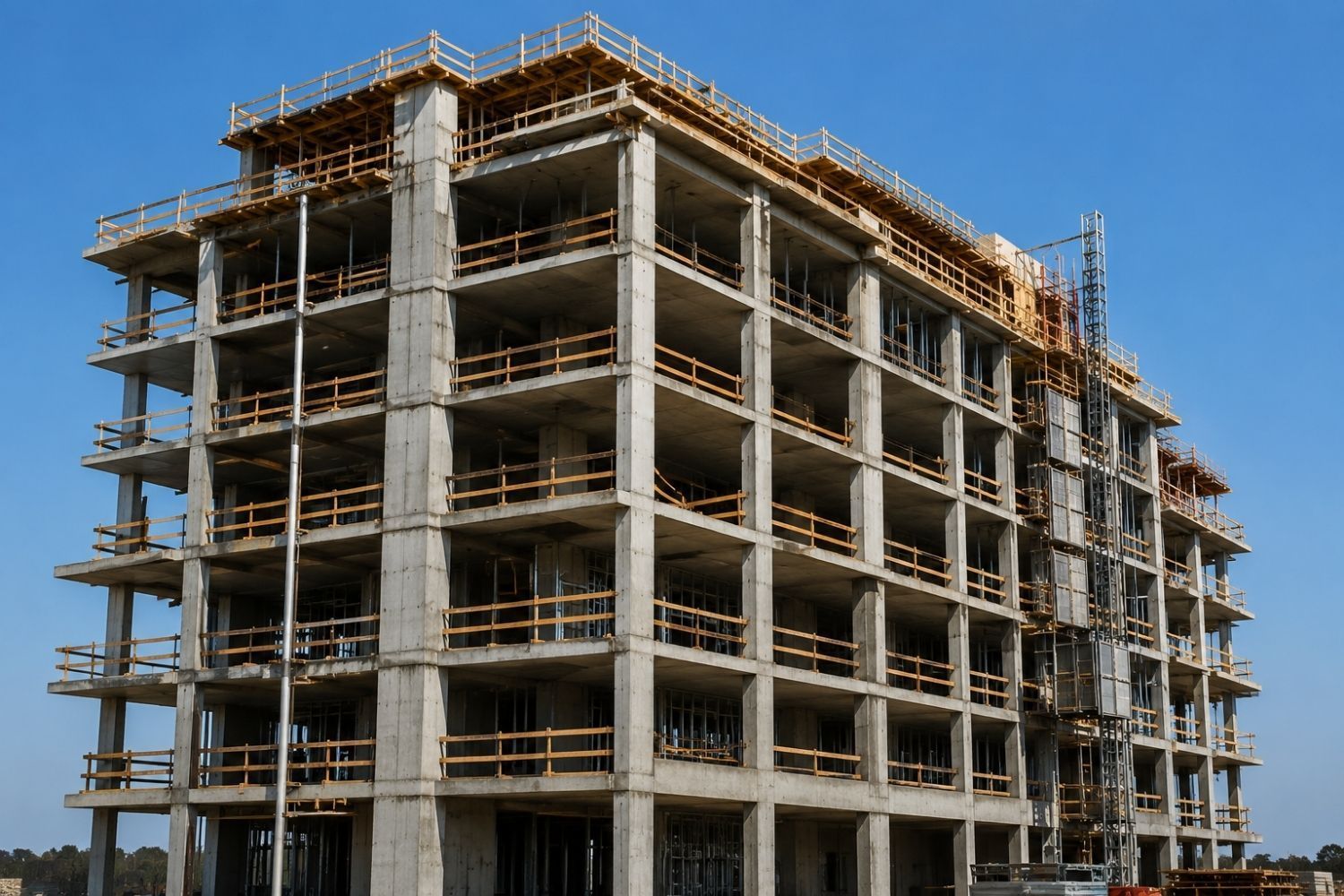
Construction contractors face pollution liability that surprises many business owners. Excavation work can disturb existing contamination, creating liability for migration. Fuel storage for equipment, paint and coating operations, and demolition activities all generate environmental exposure. Contractors working on brownfield redevelopment projects face particular risk. General contractors often assume subcontractor pollution coverage protects them, but contractual indemnification provisions frequently fail when the subcontractor lacks adequate insurance. Contractor pollution liability policies typically cost $3,000 to $15,000 annually and cover both job site pollution and transportation of materials.
Surprisingly Vulnerable: Service and Real Estate Businesses
Environmental liability extends far beyond heavy industry. Several business categories face pollution exposure that their owners rarely consider until a claim arises.
Agriculture and Landscaping Companies
Agricultural operations generate pollution exposure through pesticide and herbicide application, fertilizer runoff, fuel storage, and livestock waste. Texas agriculture's scale means these exposures can affect significant acreage and multiple neighboring properties. Landscaping companies applying chemicals face direct liability for drift damage and groundwater contamination. A single misapplication incident can generate claims from multiple residential or commercial properties. Agricultural pollution coverage varies widely, with premiums ranging from $2,000 for small landscaping operations to $25,000 or more for large agricultural enterprises.
Commercial Property Owners and Developers
Property owners face environmental liability for conditions they didn't create. Texas follows a "polluter pays" principle, but TCEQ can pursue current property owners for cleanup costs when responsible parties cannot be located or lack resources. Purchasing property without adequate environmental due diligence creates exposure for historical contamination. Even properties without obvious industrial history can harbor contamination from dry cleaners, gas stations, or automotive repair shops that operated decades ago. Developers converting industrial properties to residential or commercial use face particular scrutiny. Environmental site assessments (Phase I and Phase II) help identify risks, but pollution coverage provides protection when assessments miss problems.
Key Components of a Texas Pollution Policy
Pollution liability policies contain several coverage components that address different exposure scenarios. Understanding these components helps businesses select appropriate coverage.
Site Pollution Liability vs. Contractor Pollution Liability
Site pollution liability covers contamination conditions at owned or operated locations. This coverage responds to gradual pollution, newly discovered pre-existing conditions, and third-party claims arising from site contamination. Contractor pollution liability covers pollution events arising from work performed at third-party locations. Construction contractors, environmental consultants, and service providers working on client sites need this coverage. Many businesses need both coverages. A manufacturing company with a facility (site pollution) that also performs installation work at customer locations (contractor pollution) requires comprehensive coverage addressing both scenarios.
Cleanup Costs and Third-Party Bodily Injury
Pollution policies typically cover first-party cleanup costs and third-party claims. First-party coverage pays for remediation at your own site, including soil removal, groundwater treatment, and regulatory compliance costs. Third-party coverage addresses bodily injury and property damage claims from neighboring property owners, employees, or others affected by contamination. Texas courts have awarded significant damages in pollution cases, including cases where contamination migrated off-site and affected residential properties. Medical monitoring costs, diminished property values, and business interruption claims from affected third parties can exceed cleanup costs.
Transportation and Non-Owned Disposal Site Coverage
Businesses generating waste face liability during transportation and at disposal facilities. Transportation pollution coverage addresses spills and releases during waste hauling. Non-owned disposal site coverage provides protection when a licensed disposal facility you use experiences contamination problems. Under CERCLA and Texas environmental law,
waste generators can face liability for contamination at disposal sites even when they properly manifested and transported waste. This coverage protects against inherited liability from disposal facility failures.
Navigating Texas Regulations and Compliance
Texas environmental regulations create both compliance obligations and liability exposure. Understanding the regulatory framework helps businesses assess their coverage needs.
Texas Commission on Environmental Quality (TCEQ) Standards
TCEQ administers most environmental programs in Texas, including air quality, water quality, waste management, and remediation oversight. The agency maintains a database of contaminated sites and requires responsible parties to conduct assessments and remediation. TCEQ's voluntary cleanup program allows property owners to address contamination with agency oversight and receive certificates of completion limiting future liability. Pollution insurance can cover voluntary cleanup costs, making remediation financially feasible for businesses that might otherwise defer action. TCEQ enforcement actions can result in penalties up to $25,000 per day per violation, creating significant financial exposure even without cleanup costs.
| Coverage Type | Typical Annual Premium | Key Protection |
|---|---|---|
| Site Pollution Liability | $5,000 - $35,000 | Owned/operated location contamination |
| Contractor Pollution Liability | $3,000 - $15,000 | Work at third-party sites |
| Combined Site/Contractor | $8,000 - $45,000 | Comprehensive protection |
| Environmental Professional Liability | $4,000 - $20,000 | Consultants and engineers |
Selecting the Right Coverage Strategy for Your Texas Business
Choosing appropriate pollution coverage requires honest assessment of your operations, contract requirements, and risk tolerance. Start by identifying all potential pollution sources in your business, including fuel storage, chemical use, waste generation, and work performed at third-party locations. Review your contracts for insurance requirements from customers, landlords, or regulatory agencies. Many Texas energy companies require contractors to carry $2 million or more in pollution coverage.
Consider your financial capacity to absorb an uninsured loss. A $100,000 cleanup might be manageable for a well-capitalized business but devastating for a smaller operation. Working with an independent agency like Denton Business Insurance allows you to compare pollution coverage options from multiple carriers. Policies vary significantly in coverage triggers, exclusions, and pricing. Carriers like Nationwide, Travelers, and Chubb offer different approaches to environmental coverage, and comparing options ensures you're not overpaying or underinsured.
The businesses that handle pollution claims best are those that purchased coverage before they needed it and understood what their policy actually covered. Get quotes, read the exclusions carefully, and make an informed decision based on your actual exposure rather than hoping your general liability policy will somehow respond when contamination occurs.
Frequently Asked Questions
Does my general liability policy cover any pollution at all? Most GL policies contain absolute pollution exclusions eliminating coverage for contamination claims. Some policies include limited "hostile fire" exceptions, but these rarely apply to typical pollution scenarios.
How much does pollution liability insurance cost for a small Texas business? Small businesses with limited exposure typically pay $2,500 to $8,000 annually. Operations with fuel storage, chemical use, or work at third-party sites often pay $10,000 to $25,000.
Can I be held liable for contamination I didn't cause? Yes. Texas law allows TCEQ to pursue current property owners for historical contamination when original polluters cannot be found or lack resources for cleanup.
Do I need pollution coverage if I just own commercial property? Property owners face liability for site conditions regardless of who caused contamination. Phase I environmental assessments help identify risks, but coverage provides protection when assessments miss problems.
What's the difference between site pollution and contractor pollution coverage? Site coverage protects your owned locations. Contractor coverage protects you when performing work at customer or third-party sites. Many businesses need both.
ABOUT THE AUTHOR:
DAVID CALL
I'm the founder of Denton Business Insurance, a local independent agency serving commercial clients across Denton and the state of Texas. With a hands-on approach to commercial risk, I help business owners — from contractors and restaurateurs to property managers and manufacturers — find the right coverage without the guesswork of working with a single-carrier agent.