Texas Manufacturer Product Liability Insurance

See How We're Different
Call Us: (940) 268-5112
A single defective component rolling off your production line can trigger a legal nightmare that threatens everything you've built. Texas courts handled over 3,200 product liability cases last year, with average settlements exceeding $1.2 million for serious injury claims. For manufacturers operating in the Lone Star State, understanding product liability insurance isn't just prudent business planning: it's survival.
Texas presents unique challenges for manufacturers. The state's combination of strict liability standards, business-friendly tort reforms, and specific statutory protections creates a legal environment unlike any other. Manufacturer product liability insurance in Texas provides defective product coverage that shields your business when design flaws, manufacturing errors, or inadequate warnings lead to consumer harm. Without proper coverage, a single lawsuit can drain operating capital, destroy supplier relationships, and force closure.
The manufacturers who weather these storms share one thing in common: they secured appropriate coverage before problems arose. Whether you're producing automotive parts in San Antonio, food products in Dallas, or industrial equipment in Houston, the right insurance policy stands between your business and financial ruin. Here's what you need to know about protecting your manufacturing operation.
The Landscape of Product Liability for Texas Manufacturers
Texas law creates multiple pathways for injured consumers to pursue manufacturers, making comprehensive insurance coverage essential for any production operation.
Overview of Strict Liability and Negligence in Texas
Texas courts recognize two primary theories for product liability claims: strict liability and negligence. Under strict liability, plaintiffs don't need to prove you did anything wrong. They simply need to demonstrate that your product was defective and caused their injury. This means even manufacturers with excellent quality control face exposure.
Negligence claims require showing that you failed to exercise reasonable care in designing, manufacturing, or marketing your product. While this seems like a higher bar, experienced plaintiffs' attorneys often pursue both theories simultaneously, increasing your defense costs regardless of which theory ultimately succeeds. The practical reality is that Texas juries tend to be sympathetic to injured consumers, particularly in Houston and Dallas-Fort Worth, where plaintiff-friendly verdicts are common.
The Role of Chapter 82 of the Texas Civil Practice and Remedies Code
Chapter 82 provides some protection for manufacturers, but these protections have limits. The statute creates a rebuttable presumption that your product isn't defective if it complied with mandatory federal safety standards at the time of manufacture. This presumption helps, but plaintiffs can overcome it by showing the standards were inadequate.
The innocent seller provision shields retailers and distributors in certain circumstances, potentially funneling liability back to manufacturers. Chapter 82 also establishes that manufacturers aren't liable for products substantially modified after leaving their control. However, proving substantial modification requires evidence and legal argument, meaning you'll still incur defense costs even when this defense applies.

By: Michael Whitaker
Insurance Advisor at
Denton Business Insurance
Core Components of Defective Product Coverage
Understanding what your policy covers helps you identify gaps before they become expensive problems.
Manufacturing Defects vs. Design Defects
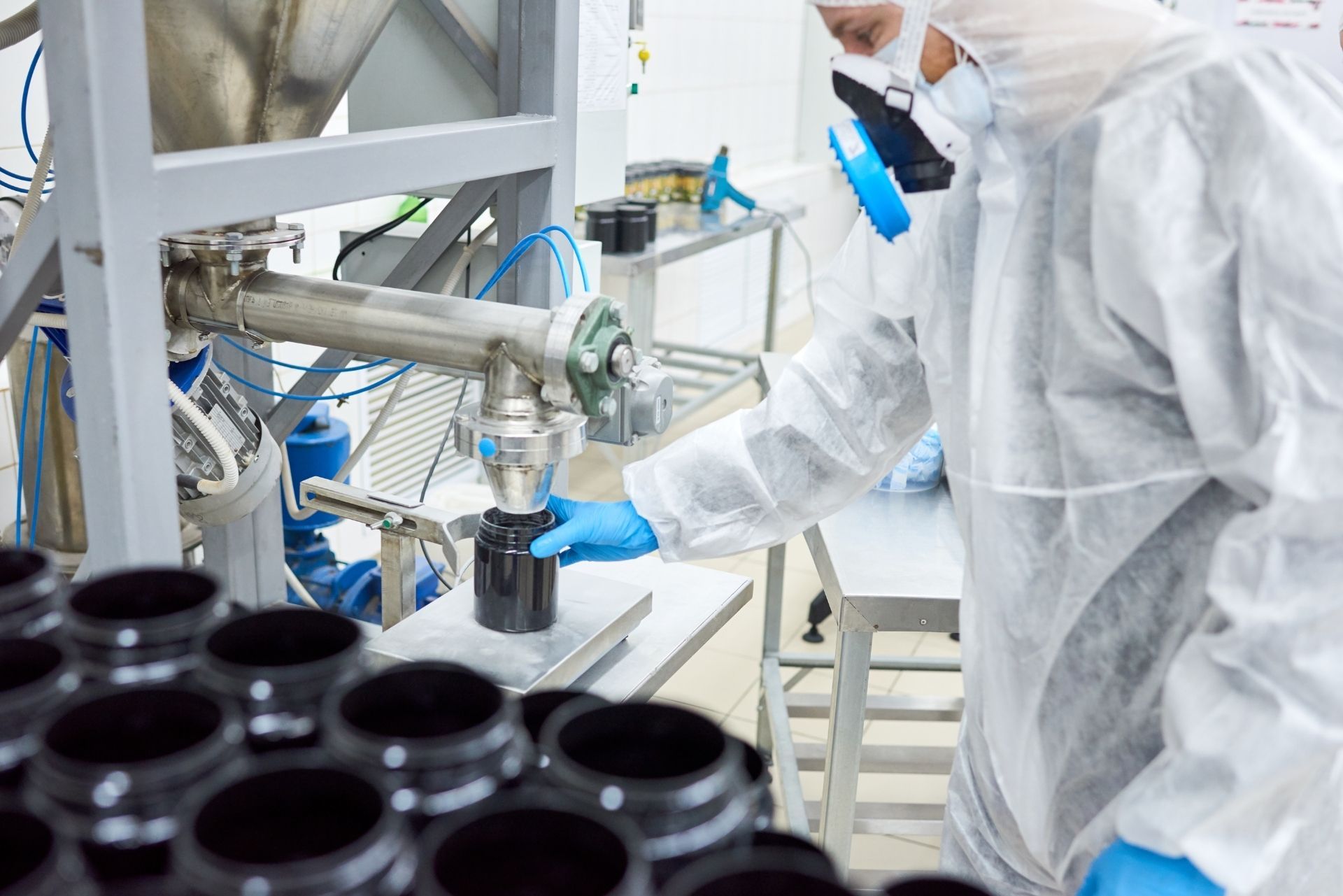
Manufacturing defects occur when individual products deviate from your intended specifications. A contaminated batch of pharmaceuticals, a machine part with improper heat treatment, or electronics with faulty soldering all represent manufacturing defects. These claims typically involve specific production runs rather than your entire product line.
Design defects are more dangerous from an insurance perspective because they affect every unit you've produced. If your product's fundamental design creates unreasonable risks, every item you've sold becomes potential evidence in a lawsuit. Design defect claims often trigger recall expenses and can result in class action litigation. Your policy should clearly address both defect types, as some insurers attempt to limit design defect coverage through exclusionary language.
Marketing Defects and Failure to Warn Claims
Failure to warn claims catch many manufacturers off guard. Even when your product functions exactly as intended, inadequate instructions or missing warnings can create liability. Texas courts evaluate whether your warnings would alert a reasonable consumer to the product's risks.
These claims extend beyond physical warning labels to include advertising, user manuals, and even verbal representations made by sales staff. A food manufacturer might face claims for failing to warn about allergen cross-contamination. An equipment manufacturer could be liable for not explaining proper maintenance procedures. Marketing defect coverage protects against these claims, which often arise years after initial sale when consumers use products in unexpected ways.
Financial Protections and Policy Limits
The financial structure of your policy determines whether you're truly protected or merely holding paper that won't help when you need it.
Coverage for Legal Defense Costs and Settlements
Defense costs in product liability cases escalate quickly. Expert witnesses alone can cost $50,000 to $150,000 per case, and complex litigation often requires multiple experts. Document production, depositions, and trial preparation add substantially to these figures. A single serious injury claim can generate $200,000 in defense costs before any settlement discussion.
Your policy should provide defense coverage in addition to liability limits, not as part of them. The difference matters enormously. If you have $1 million in coverage with defense costs included, a case with $300,000 in legal fees leaves only $700,000 for settlement or judgment. Policies with separate defense coverage maintain your full limit for actual damages. At Denton Business Insurance, we consistently recommend policies with defense costs outside limits for manufacturers facing significant product liability exposure.
Understanding Product Recall Expense Endorsements
Standard product liability policies exclude recall costs. This gap surprises many manufacturers who assume their coverage handles recall situations. A voluntary or mandatory recall can cost hundreds of thousands of dollars in notification expenses, shipping, replacement products, and business interruption.
Product recall expense endorsements fill this gap, covering costs associated with removing defective products from the market. These endorsements typically cover customer notification, shipping and handling for returns, disposal of defective products, and sometimes business interruption during the recall period. Given that the average food product recall costs between $10 million and $30 million for large manufacturers, even smaller operations should evaluate this coverage.
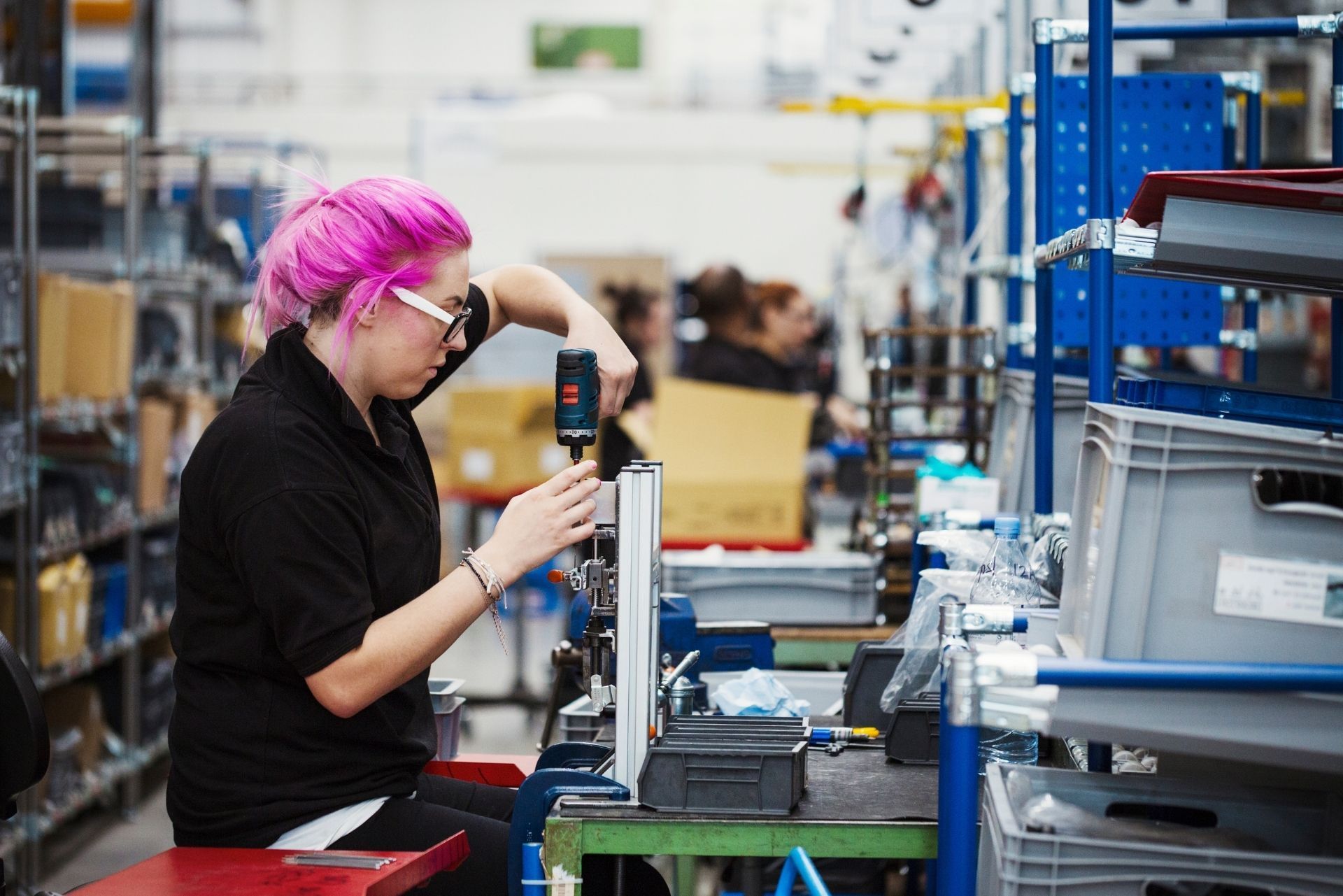
Several variables determine what you'll pay for manufacturer product liability coverage in Texas.
Industry Risk Classification and Product Type
| Industry Category | Typical Premium Range (per $1M coverage) | Key Risk Factors |
|---|---|---|
| Food/Beverage | $3,500 - $12,000 | Contamination, allergens, spoilage |
| Industrial Equipment | $5,000 - $15,000 | Workplace injuries, improper use |
| Consumer Electronics | $2,500 - $8,000 | Fire hazards, battery issues |
| Automotive Components | $8,000 - $25,000 | Catastrophic failure potential |
| Children's Products | $6,000 - $20,000 | Choking hazards, CPSC scrutiny |
Insurers classify manufacturers based on the inherent danger of their products and historical claim patterns for similar operations. A company producing decorative items faces different underwriting than one manufacturing pressure vessels. Your specific product mix, annual revenue, and distribution channels all factor into premium calculations.
Historical Claims Data and Quality Control Standards
Your claims history significantly impacts pricing. Manufacturers with clean loss runs typically qualify for preferred rates, while those with prior claims face surcharges or coverage restrictions. Insurers also evaluate your quality control procedures, looking for documented inspection protocols, testing procedures, and complaint tracking systems.
Certifications like
ISO 9001 can reduce premiums by demonstrating commitment to quality management. Insurers view these certifications as indicators of lower risk. Maintaining detailed production records also helps, both for underwriting purposes and for defending against claims that arise years after manufacture.
Strategic Risk Management for Texas Businesses
Smart manufacturers combine insurance with proactive risk management to minimize both premiums and actual losses.
Navigating the Statute of Repose for Texas Manufacturers
Texas provides a 15-year statute of repose for most product liability claims, meaning plaintiffs generally cannot sue more than 15 years after the product was sold. This protection doesn't apply to all situations: claims involving latent diseases or certain types of products may have different timeframes.
Understanding this timeline helps with insurance planning. Manufacturers of durable goods need coverage that extends beyond their active production years. Claims-made policies require careful attention to reporting periods and extended reporting endorsements. Working with an independent agency like Denton Business Insurance allows you to compare how different carriers handle these long-tail exposure issues across multiple policy options.
Coordinating General Liability with Excess Umbrella Policies
Your products-completed operations coverage under a general liability policy provides the foundation, but primary limits often prove insufficient for serious claims. Excess umbrella policies extend your protection, typically adding $1 million to $5 million in additional coverage at relatively modest cost.
Coordinating these policies requires attention to coverage triggers, exclusions, and the relationship between primary and excess layers. Gaps between policies can leave you exposed even when you believe you have adequate limits. A thorough policy review should examine whether your umbrella follows form with your primary coverage and whether any exclusions in the umbrella could leave claims uncovered.
What This Means for Your Manufacturing Business
Protecting your Texas manufacturing operation requires understanding both the legal landscape and the insurance products designed to address it. The combination of strict liability standards, specific statutory frameworks, and Texas jury tendencies creates real exposure that demands proper coverage.
Start by evaluating your current policy against the specific risks your products present. Examine whether your limits are adequate, whether defense costs erode those limits, and whether you have gaps in recall coverage or long-tail exposure. Document your quality control procedures and maintain detailed production records.
An independent agency can compare manufacturer product liability insurance options from multiple carriers, finding coverage that matches your specific Texas operation. The right policy won't prevent lawsuits, but it will ensure that a defective product claim doesn't become the end of your business.
Frequently Asked Questions
How much product liability coverage do Texas manufacturers typically need? Most small to mid-size manufacturers carry $1 million per occurrence with $2 million aggregate limits as a baseline. Operations with higher-risk products or significant revenue often need $5 million or more through umbrella policies.
Does my general liability policy already cover product defects? General liability includes products-completed operations coverage, but limits are often shared with other coverages. Review your policy to understand whether product claims have dedicated limits or compete with premises liability and other exposures.
What happens if a product I made ten years ago injures someone? Texas allows claims up to 15 years after sale for most products. Your coverage at the time of the claim matters for occurrence policies, while claims-made policies require the incident to fall within your coverage period.
Are product recalls covered under standard policies? No. Standard product liability policies exclude recall expenses. You need a separate product recall expense endorsement to cover notification, shipping, and disposal costs associated with removing defective products from the market.
Can I reduce my premiums through quality certifications? Yes. ISO 9001 certification and documented quality control procedures often qualify manufacturers for premium discounts. Insurers view these as indicators of lower claim probability.
What's the difference between claims-made and occurrence policies for manufacturers? Occurrence policies cover incidents that happen during the policy period regardless of when claims are filed. Claims-made policies cover claims filed during the policy period, requiring careful attention to retroactive dates and extended reporting options.
Straight from the Clients We Serve
Texas Business Owners Rate Us 5 Stars — Here Is Why
We hear the same things repeatedly: fast service, honest advice, and coverage that made sense for their situation. That is what we aim for every time.
Protection Across Every Area of Your BUSINESS
What Texas Businesses Need. What We Deliver.
From your job site and your fleet to your data and your payroll — we cover the risks that Texas businesses carry every day.
General Liability
Covers third-party claims of bodily injury, property damage, and advertising injury. A foundational protection for nearly every Texas business, regardless of industry or size.
Commercial Property
Covers your building, equipment, inventory, and business contents against fire, theft, storms, and vandalism. Can also include lost income if your businesses are forced to stop.
Commercial Auto
Protects vehicles your company owns, leases, or uses for work. Covers liability, collision damage, and injuries for employees driving on company time.
Errors & Omissions
Protects service providers when a client claims your advice, work, or recommendations caused them a financial loss. Critical for consultants, IT firms, agents, and other professional service businesses.
Directors & Officers
Covers leadership decisions that result in claims from employees, investors, or outside parties. Protects your directors and officers personally when management decisions are challenged.
Inland Marine & Equipment Floater
Covers tools, materials, and equipment that move between job sites or are stored off your primary property. Fills the gap where a standard commercial property policy stops.
Every Sector Has Its Own Risk Profile
We Know Your Trade. We Know Your Exposure.
We work with a wide range of Texas industries — each with different coverage priorities. Below are the sectors we serve most often.

Apartment Complexes
Texas apartment owners face liability across common areas, tenant incidents, and on-site staff. We cover your property, your income, and your exposure — across one complex or an entire portfolio.
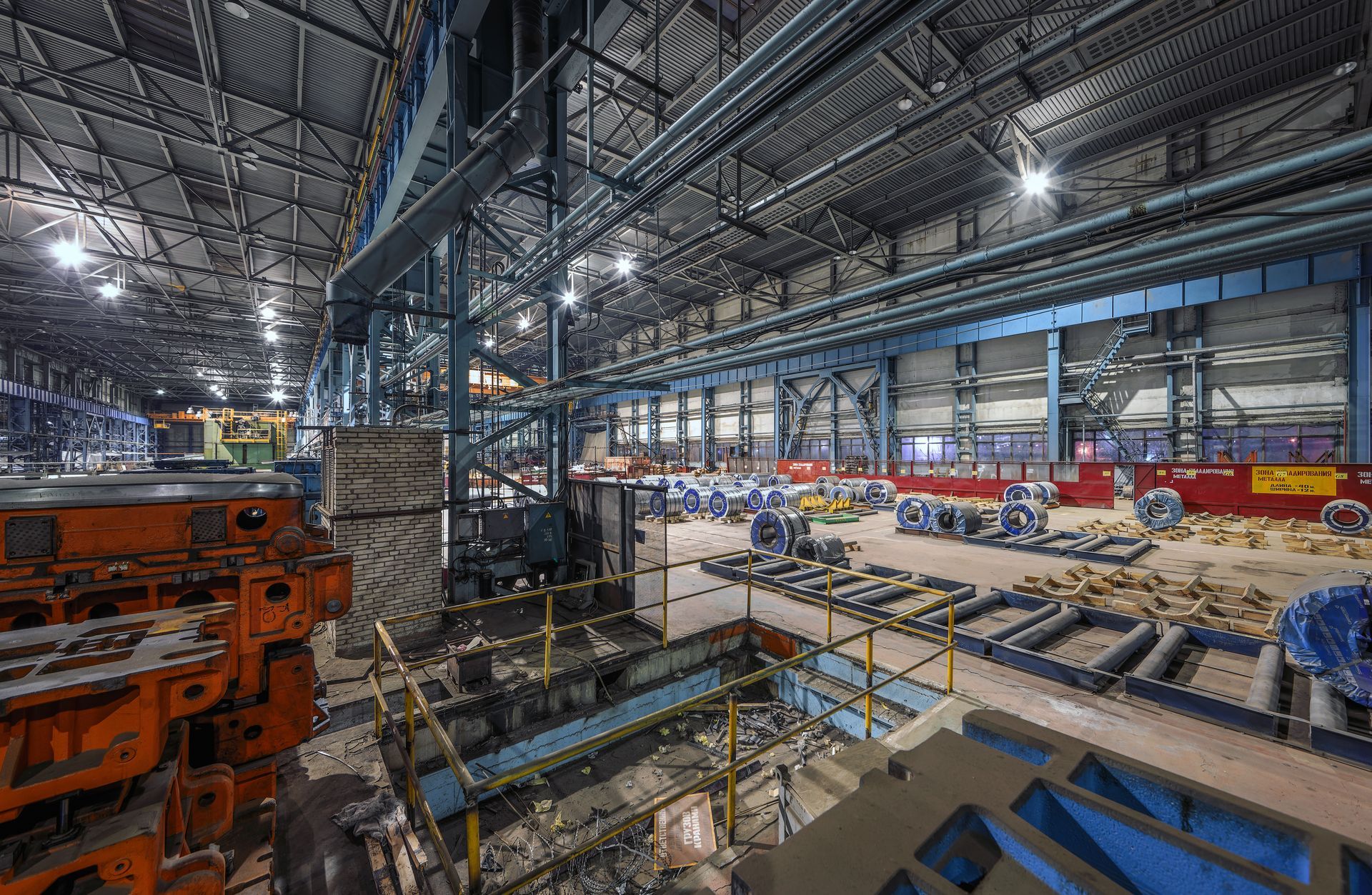
Manufacturing Businesses
Equipment breakdowns, product liability, and workforce injuries are daily risks for Texas manufacturers. We build coverage from the shop floor to the loading dock — so one incident does not shut you down.
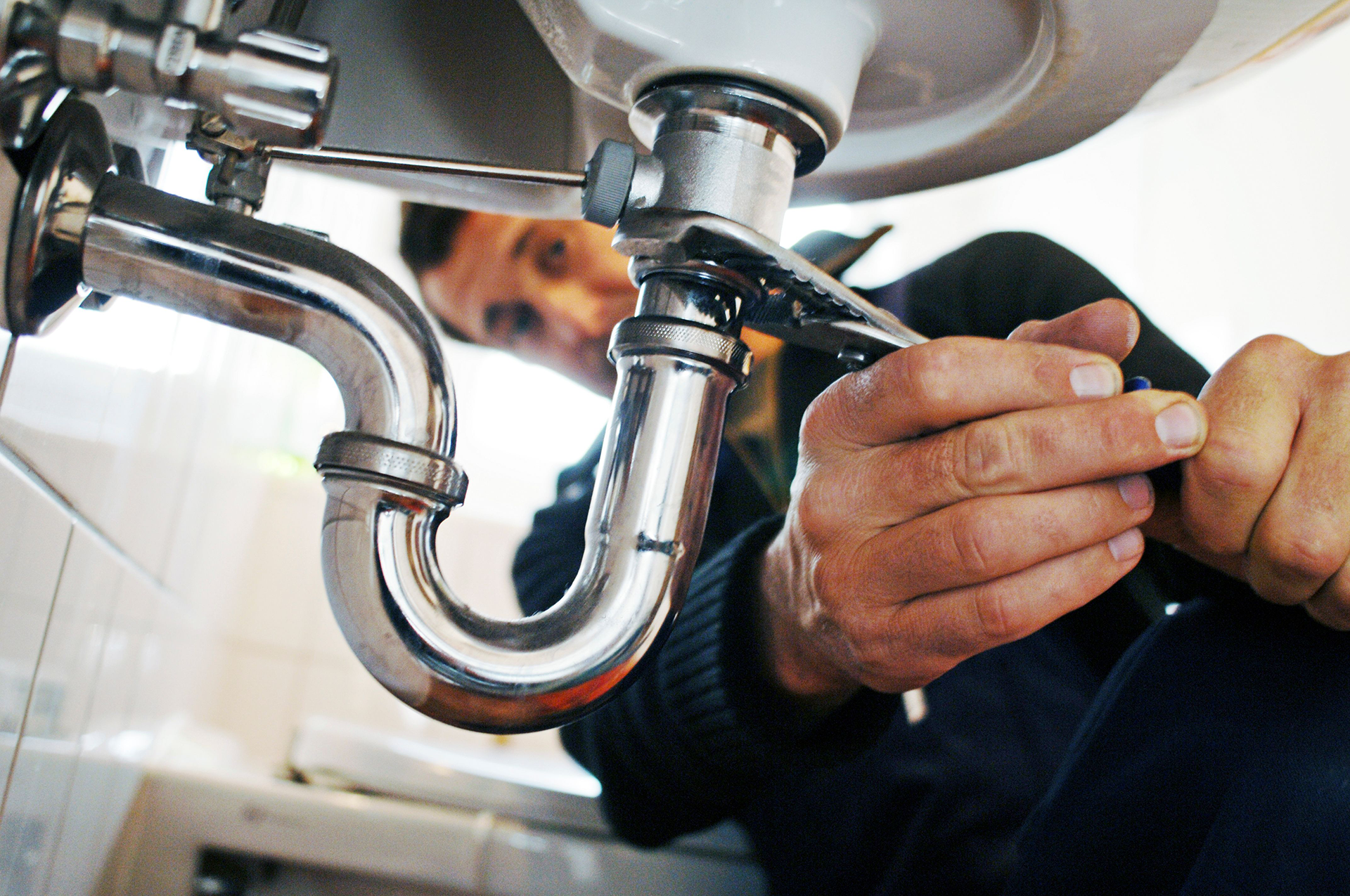
Artisan Contractors
Plumbers, electricians, and skilled tradespeople work in high-risk environments every day. We build coverage around your tools, your vehicles, and your crew — so a job site incident does not stop your business.

Restaurants & Food Service
Restaurants carry liability on every shift — from the kitchen to the dining room and everything in between. We protect your location, your staff, and your equipment, including lost income when operations stop.

Non-Profits Service
Non-profits face unique liability across events, volunteers, staff, and leadership decisions. We cover your organization from the ground up — so you can focus on your mission, not your exposure.

Event Insurance
Event organizers face liability the moment guests arrive, vendors set up, and alcohol is served. We cover your event from start to finish — so one unexpected incident does not cancel everything you planned for.
Answers Before You Pick Up the Phone
What Texas Businesses Ask Us Most
We get a lot of the same questions from business owners across Texas. Here are honest answers to the ones that come up most.

What information do you need to get a commercial insurance quote?
We keep the process straightforward. We typically need your business name, a description of your operations, your gross annual sales projection, number of full-time and part-time employees, your gross annual payroll, and the types of coverage you are looking for. If you have an existing policy, the expiration date and current carrier help us put together a competitive comparison.
The most important thing you can do is be transparent about what your business actually does. Accurate classification ensures you have real coverage if a claim occurs. We have seen businesses with active policies that were incorrectly classified — and those gaps only surface at the worst possible moment.
Does Texas require businesses to carry Workers' Compensation Insurance?
Texas is the only state in the country that does not require most private employers to carry Workers' Compensation. However, if your business holds government contracts or works as a subcontractor on a job site, the hiring company will almost always require proof of coverage before work begins. A growing number of general contractors across Denton and the DFW area enforce this as a standard condition.
Even without a legal requirement, carrying Workers' Comp protects your business from direct liability if an employee is hurt on the job. Medical bills, lost wages, and legal fees can add up quickly — and one serious incident can create a financial loss that far exceeds years of premium payments.
What is a commercial insurance audit and should I expect one?
Most commercial general liability policies are auditable. At the end of your policy term, the insurance carrier reviews your actual gross sales to make sure your premium matched your real exposure. If your sales grew during the year, you may owe an additional premium. If sales came in lower, you could receive a refund.
The best way to avoid a large balance due at audit time is to update your projected gross sales with us during the year if your business grows faster than expected. We can endorse your policy mid-term to reflect the change and spread any additional premium across smaller installments instead of one lump sum at year-end.
What factors affect how much my commercial coverage will cost?
Your premium is calculated based on several variables specific to your operation — industry classification, gross annual sales, number of employees, gross payroll, claims history, and the types of coverage you need. A business that handles physical work with a crew on job sites will pay differently than a professional services firm working out of an office.
As an independent agency, we compare quotes across multiple carriers — including Travelers, The Hartford, Chubb, AmTrust, and others — to find the combination of coverage and price that works for your situation. There is no obligation after your quote, and we walk through every option in plain terms before you decide anything.
My business is a restaurant — what coverage do I actually need?
Restaurants are not a one-size-fits-all class of risk. Carriers look at a range of factors when evaluating a restaurant account: whether you serve alcohol, whether deep frying is involved, the type of fire suppression system in place, whether you have a hood cleaning contract, and whether you offer catering, delivery, or live entertainment. All of these affect both pricing and carrier appetite.
A well-structured restaurant policy typically includes general liability, building and business personal property coverage, liquor liability if applicable, food contamination coverage, business income protection, and workers' compensation for your staff. We work with carriers that actively want to write restaurant accounts in Texas — including Travelers, The Hartford, and Chubb — so you have real options to compare.
Can you help insure a business that is hard to place or outside the mainstream?
Yes — this is one of our strengths. We work with Excess and Surplus (E&S) lines markets through carriers like Burns & Wilcox for businesses that standard carriers will not write. We have placed coverage for master sign electricians, cable splicing operations, transmission rebuild shops for classic cars, CBD retailers, and many other non-standard accounts.
If you have been told your business is difficult to insure or you have received very limited options in the marketplace, reach out to us. We take time to understand your operations in detail, present your account to the right markets, and work to find coverage that actually reflects what you do — not a generic policy that leaves gaps.
Still have Question?
We’re here to help you!
Written for the Texas Business Owner
Insights That Help You Make Smarter Decisions
We publish articles on real topics that affect how Texas operators get covered — from local regulatory updates to coverage gaps most owners do not know they have.