Understanding Builders Risk Insurance for Texas Projects
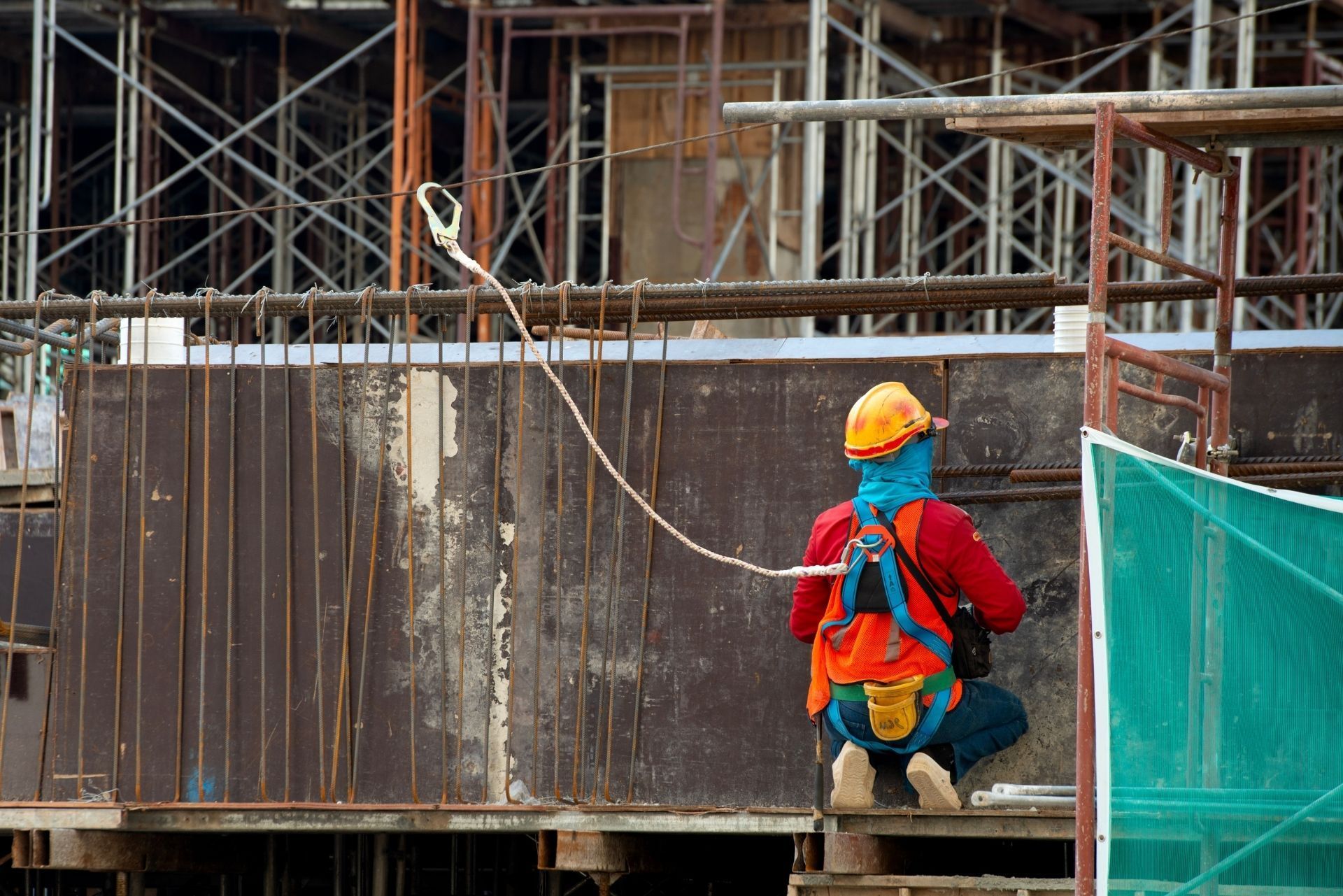
A $2.3 million custom home in Frisco sat half-finished when a severe thunderstorm rolled through last spring. The framing was up, the roof partially complete, and $180,000 worth of materials sat on-site waiting for installation. By morning, wind damage had torn off the partial roof, and rain had destroyed the interior framing and all those materials. The general contractor's standard liability policy? It covered nothing. The property owner's homeowners insurance? That only kicks in after occupancy.
This scenario plays out across Texas more often than most people realize. Builders risk insurance exists specifically to fill this gap, protecting construction projects from the moment ground breaks until the building receives its certificate of occupancy. Texas presents unique challenges for construction coverage: our state ranks among the highest in the nation for hail claims, our coastal regions face hurricane exposure, and our rapid development means materials left on job sites become targets for theft.
Whether you're building a new commercial property in Dallas, renovating a historic storefront in Denton, or adding onto a manufacturing facility in Houston, understanding how this coverage works in Texas can mean the difference between a setback and a financial disaster. The coverage protects the structure itself, the materials, and often the equipment being used, but the details matter enormously depending on your project type and location.
Who Needs Coverage: Owners, Contractors, and Developers
The question of who purchases builders risk coverage often creates confusion. Property owners, general contractors, and developers all have insurable interests in a construction project, and any of them can purchase the policy. The key is making sure someone does, and that all parties with financial exposure are named on the policy.
Property owners typically purchase coverage when hiring a contractor for smaller residential projects or renovations. They want control over the policy limits and terms, and they're protecting their investment directly. General contractors often carry builders risk policies on larger commercial projects, building the premium into their bid and naming the owner as an additional insured. Developers working on spec projects almost always carry their own coverage since they own both the land and the project until sale.
Here's where problems arise: assuming someone else has coverage. I've seen situations where contractors assumed the owner had a policy, owners assumed the contractor's insurance covered the structure, and a fire left everyone pointing fingers. At Denton Business Insurance, we always recommend reviewing the construction contract to clarify coverage responsibilities before the first shovel hits dirt.
New Ground-Up Construction vs. Renovation Projects
New construction and renovation projects require different coverage approaches, though both fall under the builders risk umbrella. Ground-up construction policies typically cover the structure's full completed value, including all materials that will be incorporated. The coverage starts at zero and increases as the project progresses.
Renovation projects get more complicated. You're dealing with an existing structure that may already have property coverage, plus the new work being performed. The existing structure's policy usually excludes construction activities, so you need builders risk coverage for the renovation portion. Some policies can be written to cover the entire structure during renovation, which simplifies claims if damage affects both old and new portions.
Texas renovation projects in older buildings often involve unexpected discoveries: outdated electrical, foundation issues, or materials requiring special handling. Your policy should account for potential scope increases, not just the original project estimate.

By: Linda Dodson
Agency Director at
Denton Business Insurance
Core Coverage Components and Texas-Specific Perils
Protection Against Wind, Hail, and Hurricane Damage
Texas leads the nation in hail damage claims, and our construction sites sit exposed to these storms without the protection a completed building provides. Standard builders risk policies cover wind and hail damage, but the details vary significantly between carriers. Some policies include percentage deductibles for wind and hail that can reach 2-5% of the total insured value. On a $1 million project, that's a $20,000 to $50,000 out-of-pocket cost before coverage kicks in.
Coastal projects face additional scrutiny. Properties within designated wind zones may require separate windstorm coverage through the Texas Windstorm Insurance Association if private market options aren't available. Hurricane deductibles apply differently than standard wind deductibles, and coverage may exclude damage during named storms unless specifically endorsed.
Projects in North Texas, including the Denton area, face significant hail exposure from March through June. Partially completed roofs and exposed materials are particularly vulnerable. Timing your project phases around storm season isn't always possible, but understanding your coverage gaps during high-risk months helps you make informed decisions about material storage and temporary protection.
Theft, Vandalism, and Materials in Transit
Construction sites attract thieves. Copper wiring, HVAC equipment, power tools, and building materials disappear from Texas job sites regularly. Standard builders risk policies cover theft and vandalism, but coverage for materials in transit or stored off-site often requires specific endorsements.
| Coverage Type | Standard Policy | Extended Coverage |
|---|---|---|
| On-site theft | Included | Included |
| Materials in transit | Often excluded | Add endorsement |
| Off-site storage | Limited or excluded | Add endorsement |
| Contractor equipment | Excluded | Separate policy needed |
The distinction between building materials and
contractor equipment matters. Builders risk covers materials that will become part of the structure. The contractor's tools, scaffolding, and equipment typically require a separate inland marine or contractor's equipment policy.
Critical Policy Extensions and Soft Costs
Delayed Completion and Loss of Rental Income
Physical damage to a construction project creates obvious costs, but the financial ripple effects often exceed the repair bills. Soft cost coverage addresses these secondary losses: extended loan interest, additional architectural fees, permit renewals, and lost rental income if the project was pre-leased.
Consider a retail strip center in Austin scheduled to open in October with signed leases from three tenants. A June fire delays completion by four months. Beyond the physical repairs, the developer faces continued construction loan interest, renegotiated lease terms, and potential tenant lawsuits. Soft cost coverage can address these exposures, but you need to request it specifically and set appropriate limits.
Texas commercial projects with financing in place should seriously consider soft cost coverage. The additional premium typically runs 10-15% of the base builders risk cost, but the protection against project delays can save hundreds of thousands in losses.
Coverage for Scaffolding, Debris Removal, and Temporary Structures
After a covered loss, getting the project back on track involves more than replacing damaged materials. Debris removal can cost tens of thousands of dollars. Temporary structures protecting the work site, scaffolding, and construction fencing all need coverage consideration.
Most builders risk policies include some debris removal coverage, but limits may be inadequate for major losses. Temporary structures and scaffolding fall into a gray area: some policies cover them, others exclude them as contractor equipment. Review your policy language carefully, especially on projects requiring extensive scaffolding or temporary protective structures.

Project Valuation and Construction Classification
Premiums for builders risk coverage typically run between 1-4% of the total project value, with the specific rate depending on several factors. Construction type matters significantly: a wood-frame residential project carries higher rates than a concrete and steel commercial building. Fire-resistive construction classes receive better pricing.
Accurate project valuation protects you in both directions. Underinsuring saves premium but leaves you exposed if a total loss occurs. Over-insuring wastes money on coverage you can't collect. Most policies are written on a completed value basis, meaning you're insured for the final project value from day one, even though the actual exposure increases as construction progresses.
Geographic Risks: Coastal vs. Inland Considerations
A builders risk policy for a project in Galveston will cost significantly more than an identical project in Amarillo. Coastal exposure, flood zone designation, and local fire protection ratings all influence premium calculations.
Texas coastal projects within Tier 1 wind zones face the most restrictive terms and highest rates. Moving just a few miles inland can dramatically change available options and pricing. Projects in designated flood zones need separate flood coverage, as builders risk policies exclude flood damage. The National Flood Insurance Program offers coverage for structures under construction, but private flood options may provide better terms for higher-value projects.
Working with an independent agency like Denton Business Insurance allows comparison across multiple carriers. Coastal project pricing varies dramatically between insurers, and the right match can mean thousands in premium savings without sacrificing coverage.
Common Exclusions: Faulty Design and Earthquake Damage
Every builders risk policy contains exclusions, and understanding them prevents surprises at claim time. Faulty workmanship, defective materials, and design errors typically fall outside coverage. If a roof collapses because the architect miscalculated load requirements, builders risk won't pay for the repairs. However, resulting damage from a covered peril may still be covered: if that design flaw causes a fire, fire damage to other portions of the structure could be covered.
Earthquake damage is excluded in standard policies and requires a separate endorsement in Texas. While Texas isn't California, the Permian Basin has seen increased seismic activity from injection wells, and projects in that region should consider earthquake coverage.
Determining When Coverage Ends: Substantial Completion
Builders risk coverage terminates at the earliest of several events: policy expiration, project completion, occupancy by the owner, or substantial completion as defined in the policy. The transition from builders risk to permanent property coverage requires careful timing.
Substantial completion typically means the building can be used for its intended purpose, even if punch list items remain. A
certificate of occupancy often triggers the end of builders risk coverage. Coordinate with your insurance agent to have permanent coverage in place before the builders risk policy terminates, avoiding any gap in protection.
Best Practices for Securing a Builders Risk Policy
Start the coverage conversation early in your project planning. Waiting until construction begins limits your options and may delay the project. Gather complete project details including construction type, total value, timeline, and any specialized features before requesting quotes.
Review the policy form, not just the declarations page. Coverage differences between carriers can be substantial, and the cheapest premium often comes with the most restrictive terms. Pay attention to deductibles, especially wind and hail deductibles that can reach into six figures on larger projects.
Document everything during construction. Photographs of progress, material deliveries, and site conditions support claims and demonstrate the value at risk. Keep copies of contracts, invoices, and change orders organized and accessible.
Frequently Asked Questions
Does my general liability policy cover damage to the building under construction? No. General liability covers bodily injury and property damage to third parties. Damage to the structure itself requires builders risk coverage.
Can I add builders risk coverage to my existing commercial property policy? Some carriers offer endorsements for smaller renovation projects, but standalone builders risk policies provide more comprehensive protection for significant construction.
What happens if my project runs longer than expected? Contact your agent before the policy expiration date. Extensions are typically available, though additional premium applies.
Who files the claim if damage occurs: the owner or contractor? Either named insured can file, but the policy will pay according to the insurable interests specified. Having clear contract language about coverage responsibilities prevents disputes.
Are green building materials and LEED certification costs covered? Standard policies may not cover the premium cost of sustainable materials. Ask about green building endorsements if your project includes these features.
Protecting your Texas construction project starts with understanding your specific risks and matching them to appropriate coverage. The combination of our state's severe weather exposure, active theft environment, and construction boom means builders risk coverage isn't optional: it's essential project planning.
Before breaking ground on your next project, talk with an independent agent who can compare options across multiple carriers. The right policy protects your investment without paying for coverage you don't need. Reach out to Denton Business Insurance to discuss your project details and get quotes tailored to your specific situation.
Straight from the Clients We Serve
Texas Business Owners Rate Us 5 Stars — Here Is Why
We hear the same things repeatedly: fast service, honest advice, and coverage that made sense for their situation. That is what we aim for every time.

Protection Across Every Area of Your BUSINESS
What Texas Businesses Need. What We Deliver.
From your job site and your fleet to your data and your payroll — we cover the risks that Texas businesses carry every day.
General Liability
Covers third-party claims of bodily injury, property damage, and advertising injury. A foundational protection for nearly every Texas business, regardless of industry or size.
Commercial Property
Covers your building, equipment, inventory, and business contents against fire, theft, storms, and vandalism. Can also include lost income if your businesses are forced to stop.
Commercial Auto
Protects vehicles your company owns, leases, or uses for work. Covers liability, collision damage, and injuries for employees driving on company time.
Errors & Omissions
Protects service providers when a client claims your advice, work, or recommendations caused them a financial loss. Critical for consultants, IT firms, agents, and other professional service businesses.
Directors & Officers
Covers leadership decisions that result in claims from employees, investors, or outside parties. Protects your directors and officers personally when management decisions are challenged.
Inland Marine & Equipment Floater
Covers tools, materials, and equipment that move between job sites or are stored off your primary property. Fills the gap where a standard commercial property policy stops.
Every Sector Has Its Own Risk Profile
We Know Your Trade. We Know Your Exposure.
We work with a wide range of Texas industries — each with different coverage priorities. Below are the sectors we serve most often.
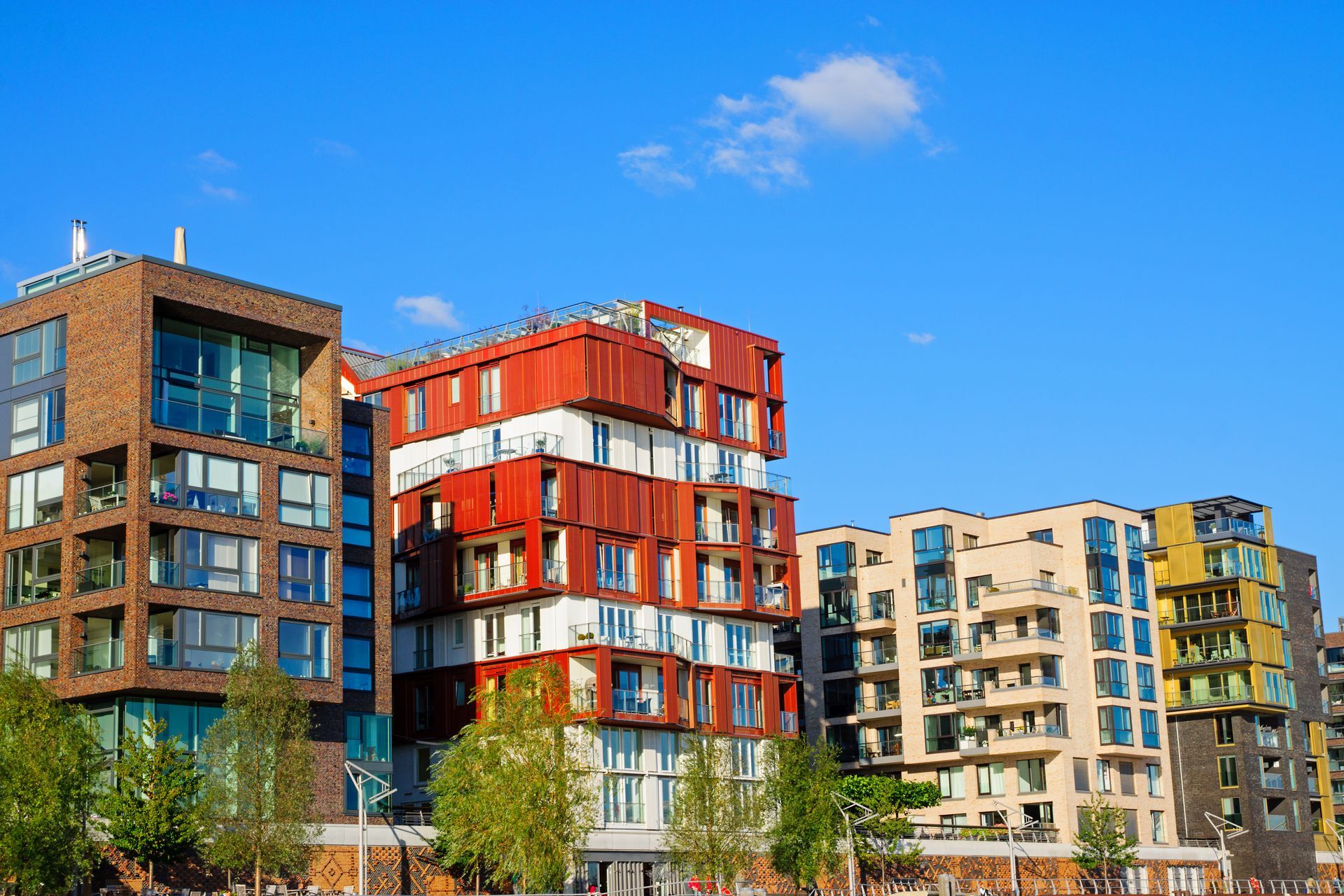
Apartment Complexes
Texas apartment owners face liability across common areas, tenant incidents, and on-site staff. We cover your property, your income, and your exposure — across one complex or an entire portfolio.
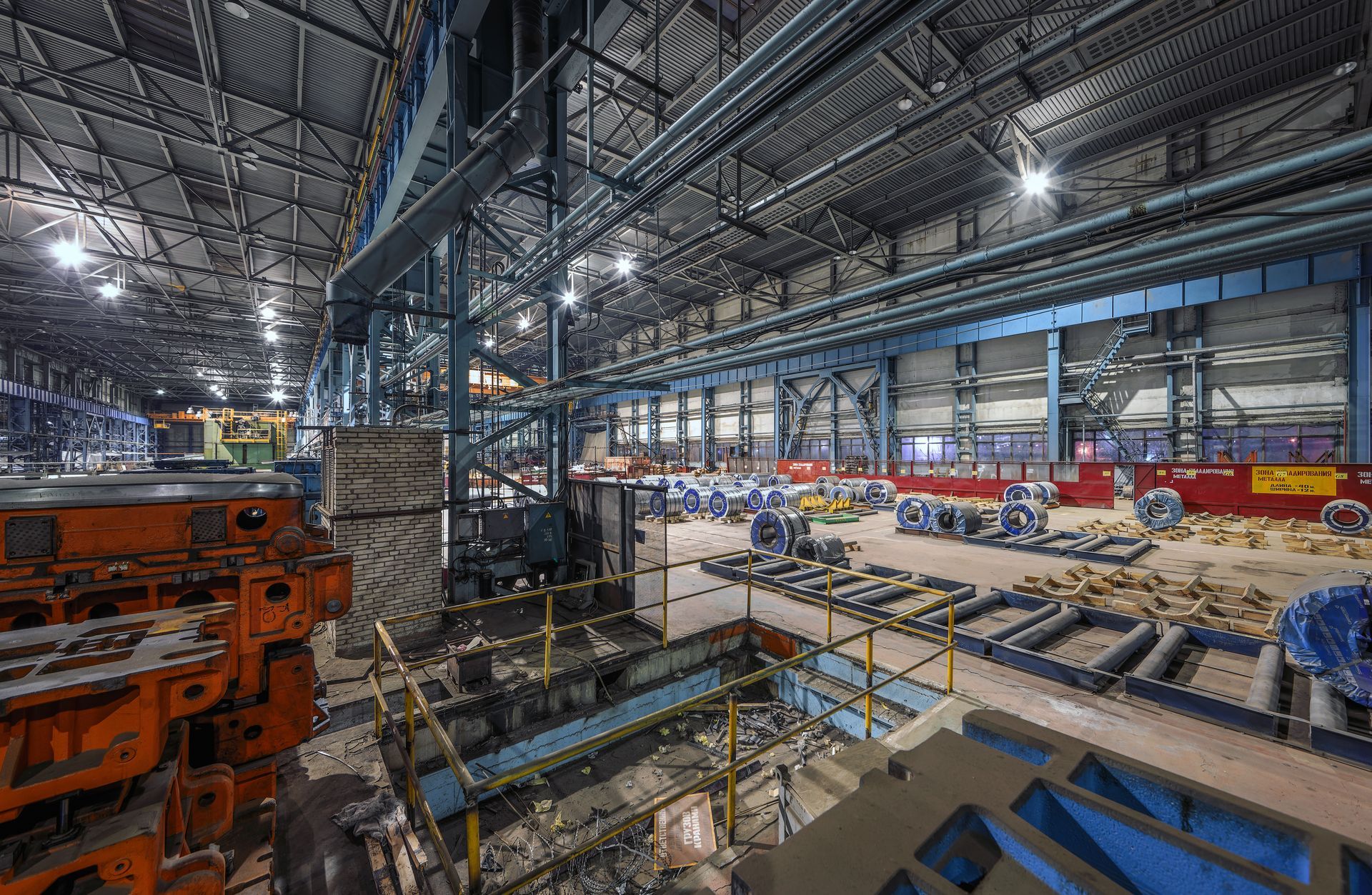
Manufacturing Businesses
Equipment breakdowns, product liability, and workforce injuries are daily risks for Texas manufacturers. We build coverage from the shop floor to the loading dock — so one incident does not shut you down.
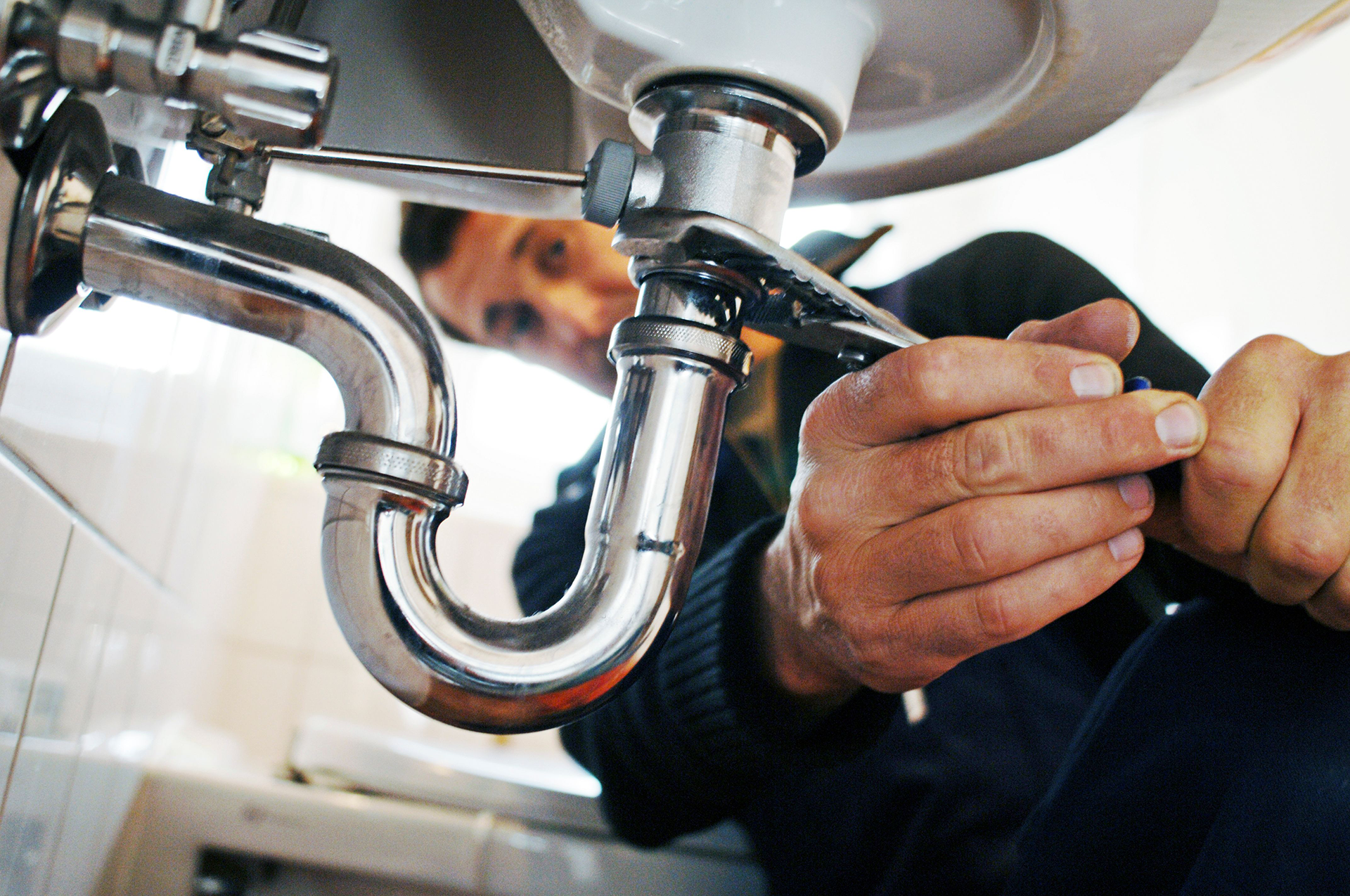
Artisan Contractors
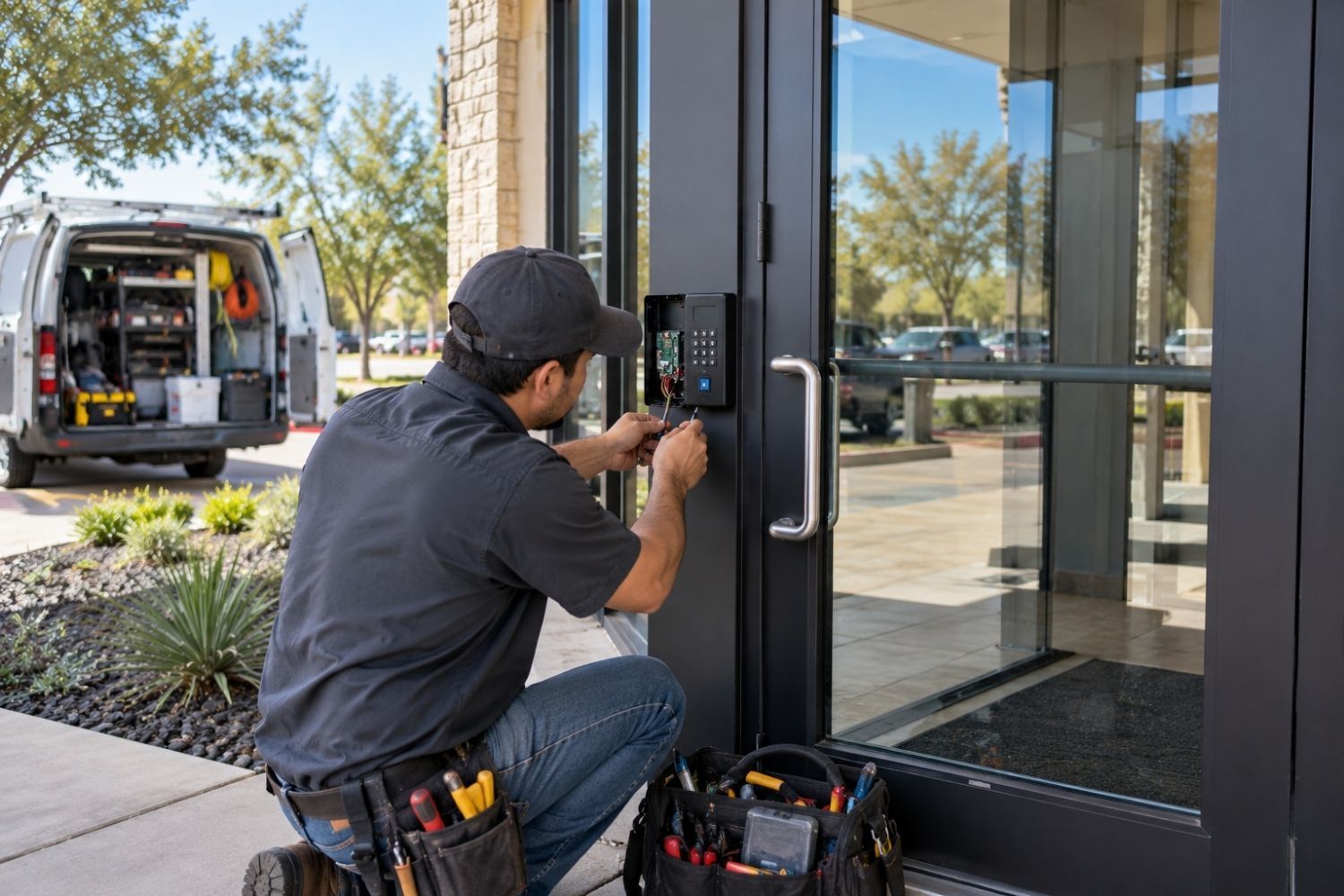
Plumbers, electricians, and skilled tradespeople work in high-risk environments every day. We build coverage around your tools, your vehicles, and your crew — so a job site incident does not stop your business.
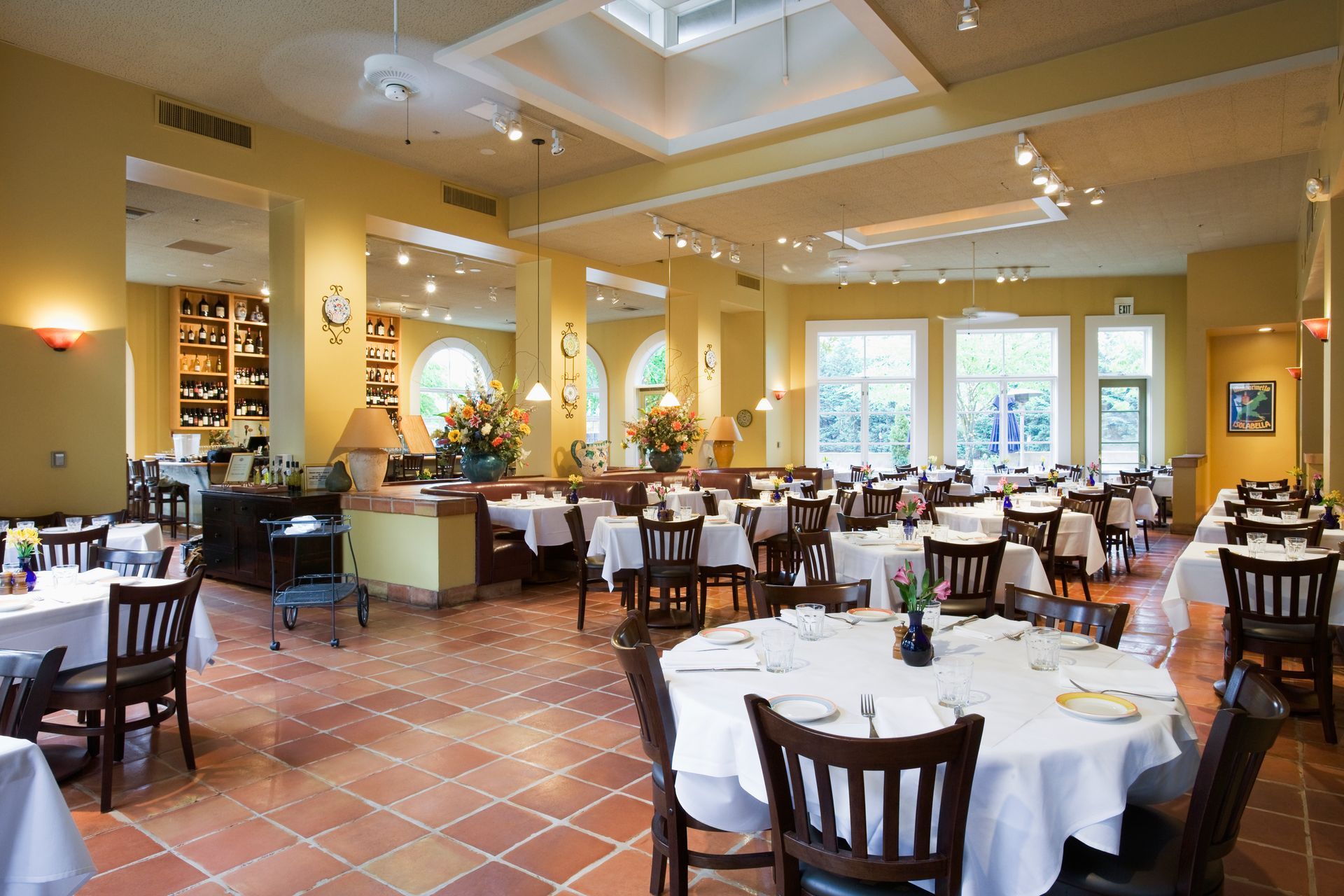
Restaurants & Food Service
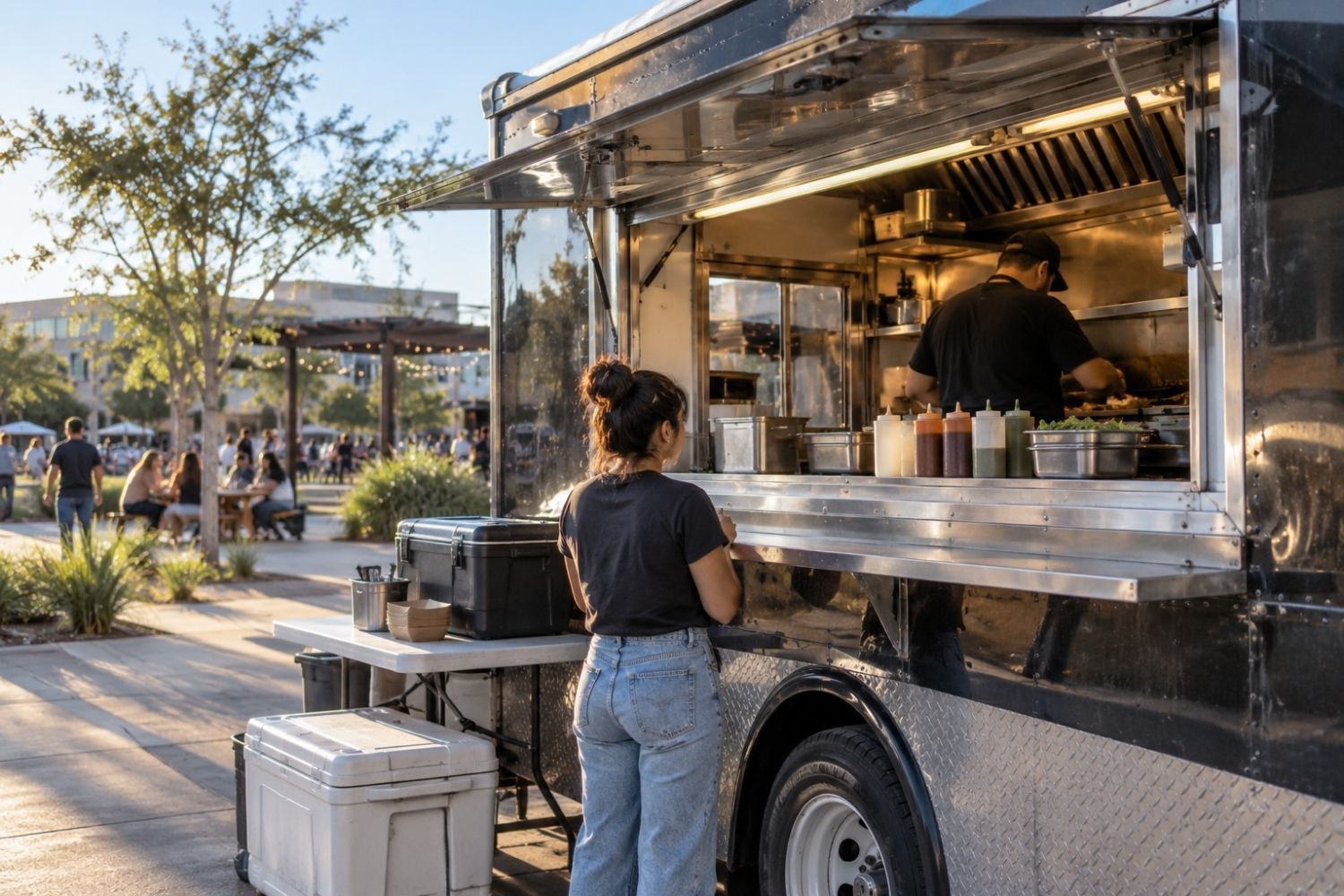
Restaurants carry liability on every shift — from the kitchen to the dining room and everything in between. We protect your location, your staff, and your equipment, including lost income when operations stop.

Non-Profits Service
Non-profits face unique liability across events, volunteers, staff, and leadership decisions. We cover your organization from the ground up — so you can focus on your mission, not your exposure.

Event Insurance
Event organizers face liability the moment guests arrive, vendors set up, and alcohol is served. We cover your event from start to finish — so one unexpected incident does not cancel everything you planned for.
Answers Before You Pick Up the Phone
What Texas Businesses Ask Us Most
We get a lot of the same questions from business owners across Texas. Here are honest answers to the ones that come up most.
What information do you need to get a commercial insurance quote?
We keep the process straightforward. We typically need your business name, a description of your operations, your gross annual sales projection, number of full-time and part-time employees, your gross annual payroll, and the types of coverage you are looking for. If you have an existing policy, the expiration date and current carrier help us put together a competitive comparison.
The most important thing you can do is be transparent about what your business actually does. Accurate classification ensures you have real coverage if a claim occurs. We have seen businesses with active policies that were incorrectly classified — and those gaps only surface at the worst possible moment.
Does Texas require businesses to carry Workers' Compensation Insurance?
Texas is the only state in the country that does not require most private employers to carry Workers' Compensation. However, if your business holds government contracts or works as a subcontractor on a job site, the hiring company will almost always require proof of coverage before work begins. A growing number of general contractors across Denton and the DFW area enforce this as a standard condition.
Even without a legal requirement, carrying Workers' Comp protects your business from direct liability if an employee is hurt on the job. Medical bills, lost wages, and legal fees can add up quickly — and one serious incident can create a financial loss that far exceeds years of premium payments.
What is a commercial insurance audit and should I expect one?
Most commercial general liability policies are auditable. At the end of your policy term, the insurance carrier reviews your actual gross sales to make sure your premium matched your real exposure. If your sales grew during the year, you may owe an additional premium. If sales came in lower, you could receive a refund.
The best way to avoid a large balance due at audit time is to update your projected gross sales with us during the year if your business grows faster than expected. We can endorse your policy mid-term to reflect the change and spread any additional premium across smaller installments instead of one lump sum at year-end.
What factors affect how much my commercial coverage will cost?
Your premium is calculated based on several variables specific to your operation — industry classification, gross annual sales, number of employees, gross payroll, claims history, and the types of coverage you need. A business that handles physical work with a crew on job sites will pay differently than a professional services firm working out of an office.
As an independent agency, we compare quotes across multiple carriers — including Travelers, The Hartford, Chubb, AmTrust, and others — to find the combination of coverage and price that works for your situation. There is no obligation after your quote, and we walk through every option in plain terms before you decide anything.
My business is a restaurant — what coverage do I actually need?
Restaurants are not a one-size-fits-all class of risk. Carriers look at a range of factors when evaluating a restaurant account: whether you serve alcohol, whether deep frying is involved, the type of fire suppression system in place, whether you have a hood cleaning contract, and whether you offer catering, delivery, or live entertainment. All of these affect both pricing and carrier appetite.
A well-structured restaurant policy typically includes general liability, building and business personal property coverage, liquor liability if applicable, food contamination coverage, business income protection, and workers' compensation for your staff. We work with carriers that actively want to write restaurant accounts in Texas — including Travelers, The Hartford, and Chubb — so you have real options to compare.
Can you help insure a business that is hard to place or outside the mainstream?
Yes — this is one of our strengths. We work with Excess and Surplus (E&S) lines markets through carriers like Burns & Wilcox for businesses that standard carriers will not write. We have placed coverage for master sign electricians, cable splicing operations, transmission rebuild shops for classic cars, CBD retailers, and many other non-standard accounts.
If you have been told your business is difficult to insure or you have received very limited options in the marketplace, reach out to us. We take time to understand your operations in detail, present your account to the right markets, and work to find coverage that actually reflects what you do — not a generic policy that leaves gaps.
Still have Question?
We’re here to help you!
Written for the Texas Business Owner
Insights That Help You Make Smarter Decisions
We publish articles on real topics that affect how Texas operators get covered — from local regulatory updates to coverage gaps most owners do not know they have.