Texas Workers Compensation for Daycare Centers

See How We're Different
Call Us: (940) 268-5112
Running a daycare center in Texas means juggling more than just nap schedules and snack times. You're responsible for the safety of dozens of children and the wellbeing of every staff member who walks through your doors. When a teacher throws out her back lifting a toddler or a caregiver slips on a wet floor during cleanup, the question isn't whether you'll face medical bills. The question is who pays them.
Texas stands alone as the only state where
private employers can legally skip workers' compensation coverage entirely. That flexibility sounds appealing until you realize what you're actually risking. Without coverage, injured employees can sue you directly, and juries in cities like Dallas and Houston have awarded substantial damages in these cases. For
daycare centers specifically, the physical nature of childcare work creates injury risks that make coverage particularly important. Staff members spend their days bending, lifting, and moving at child-level, often while simultaneously managing multiple energetic kids. This article breaks down what Texas daycare owners need to know about protecting their employees and their business through proper workers' comp coverage.
Texas Workers' Compensation Laws for Childcare Providers
Understanding how Texas handles workers' comp requires throwing out what you might know from other states. The system here operates differently, and those differences create both opportunities and pitfalls for daycare operators.
The Non-Subscriber System in Texas
Texas allows private employers to opt out of the traditional workers' compensation system entirely. These businesses become "non-subscribers," meaning they don't carry workers' comp insurance and don't pay into the state system. About 20% of Texas employers choose this route, though the percentage is lower among childcare facilities.
Non-subscribers must still provide injured workers with medical care and wage replacement, but they do so through their own resources or alternative insurance products. The catch is significant: non-subscribers lose important legal protections. They cannot use traditional defenses like contributory negligence, and employees can sue them directly in civil court. For a daycare center operating on thin margins, a single lawsuit from an injured employee could threaten the entire business.
Risks of Operating Without Coverage
The math seems simple at first. Skip the premiums, save money. But daycare centers face specific vulnerabilities that make this gamble particularly dangerous. Staff members perform physically demanding work in environments full of slip hazards, infectious diseases, and unpredictable children. Injuries happen regularly even in well-run facilities.
Without coverage, you're personally responsible for every medical bill, every week of lost wages, and potentially punitive damages if an employee sues. A back injury requiring surgery can easily exceed $100,000 in medical costs alone. Texas courts have awarded non-subscriber employees significant damages, sometimes reaching six figures for serious injuries. Most daycare owners find that paying annual premiums between $2,000 and $8,000 makes more financial sense than gambling on luck.


By: Michael Whitaker
Insurance Advisor at
Denton Business Insurance
Common Workplace Injuries in Daycare Settings
Childcare workers face injury risks that differ from typical office environments. Understanding these hazards helps you implement better safety protocols and explains why insurers classify daycare work as moderate-risk.
Physical Strain and Musculoskeletal Disorders
The most common injuries in daycare settings involve backs, shoulders, and knees. Staff members spend hours at child-height, bending to tie shoes, squatting during circle time, and lifting children who can weigh 30 to 50 pounds. Repetitive lifting, especially when done with poor form, leads to chronic back problems and herniated discs.
Infant room workers face particular challenges. Lifting babies in and out of cribs multiple times daily strains lower backs, and the awkward angles required to change diapers on low tables create shoulder problems over time. These injuries often develop gradually, making them harder to connect to specific incidents but no less costly to treat.
Slip and Fall Hazards in Play Areas
Daycare environments feature numerous slip and fall risks. Water from art projects, spilled milk during snack time, and toys scattered across floors create constant hazards. Outdoor play areas add grass, mud, and playground equipment to the mix.
Falls account for a significant percentage of workers' comp claims in childcare settings. Even minor falls can result in sprains, fractures, or head injuries. Wet bathroom floors during potty training sessions and slippery kitchen areas during meal prep are particularly problematic spots that require consistent attention.
Exposure to Communicable Diseases
Working with young children means constant exposure to illnesses. Children under five haven't developed strong immune systems, and they're not exactly careful about covering coughs or washing hands properly. Staff members catch everything from common colds to more serious infections like hand-foot-mouth disease, strep throat, and respiratory syncytial virus.
While most illnesses resolve without complications, some require extended medical treatment or time off work. Workers' comp can cover these situations when employees contract illnesses through workplace exposure, though proving the connection sometimes requires documentation of outbreaks within the facility.
Benefits Provided to Texas Daycare Employees
When your staff carries workers' compensation coverage, they receive specific benefits that protect both their health and their income during recovery.
Medical Treatment and Rehabilitation
Workers' comp covers all reasonable and necessary medical treatment related to workplace injuries. This includes emergency room visits, surgery, physical therapy, prescription medications, and any medical equipment needed for recovery. Employees don't pay deductibles or copays for covered treatment.
For daycare workers, this often means coverage for orthopedic care following lifting injuries, treatment for slip-and-fall trauma, and medical care for workplace-acquired illnesses. The policy pays providers directly, so injured employees don't need to submit claims to personal health insurance or worry about out-of-pocket costs.
Income Replacement for Lost Wages
Injured employees who miss work receive temporary income benefits equal to 70% of their average weekly wage, up to the state maximum. In 2024, that maximum sits at approximately $1,111 per week. Benefits typically begin after a seven-day waiting period, though employees receive retroactive payment if they miss more than two weeks.
For permanent injuries that affect an employee's ability to work, additional benefits may apply. Impairment income benefits compensate workers for lasting physical limitations, while supplemental income benefits help those who cannot return to their previous earning capacity.

Your workers' comp premium depends on several factors specific to your operation. Understanding these variables helps you budget accurately and identify opportunities to reduce costs.
Class Codes and Payroll Impact
Insurance carriers assign class codes based on the type of work employees perform. Daycare centers typically fall under class code 8869 for childcare services, which carries a base rate that reflects the moderate injury risk in this industry. Your premium starts with this rate multiplied by your total payroll, expressed per $100 of wages.
A daycare with $200,000 in annual payroll might see base premiums ranging from $4,000 to $8,000 before adjustments. Larger facilities with more employees naturally pay higher premiums, but the rate per dollar of payroll remains consistent. Some facilities with mixed operations, like those offering transportation, may have employees classified under different codes with different rates.
The Role of Experience Modifier Rates (MOD)
Your experience modification rate adjusts your premium based on your claims history compared to similar businesses. New businesses start with a MOD of 1.0, representing average risk. After three years of operation, your actual claims experience begins affecting this number.
Fewer claims than average pushes your MOD below 1.0, reducing premiums by 10% to 30% or more. More claims than average increases your MOD above 1.0, sometimes dramatically. A daycare with a 1.3 MOD pays 30% more than one with average claims history. This system rewards safe operations and creates strong financial incentives for injury prevention.
Implementing Safety Programs to Reduce Claims
Effective safety programs do more than prevent injuries. They reduce your insurance costs and create better working conditions for your staff.
Ergonomic Training for Staff
Teaching proper lifting techniques prevents the back injuries that account for many daycare claims. Staff should learn to bend at the knees rather than the waist, keep children close to their bodies while lifting, and ask for help with heavier or resistant children.
Facility modifications help too. Changing tables at proper heights reduce shoulder strain. Step stools help staff reach high shelves without stretching awkwardly. Comfortable floor seating options for circle time reduce knee problems from constant squatting. These investments pay for themselves through reduced injuries and lower premiums.
Incident Reporting and Investigation Protocols
Every workplace incident, even minor ones, should be documented and reviewed. This creates records that help with claims management and reveals patterns that indicate systemic problems. If three employees slip in the same hallway over six months, that hallway needs attention.
Quick reporting also helps with claim outcomes. Injuries reported immediately receive faster treatment, leading to better recovery and shorter claim durations. Train staff to report incidents the same day they occur, and make the reporting process simple enough that they actually do it.
Choosing the Right Policy for Your Texas Daycare
Selecting workers' comp coverage requires comparing options from multiple carriers. Rates vary significantly between insurers, sometimes by 20% or more for identical coverage. Working with an independent agency like Denton Business Insurance lets you compare quotes from carriers like Travelers, Nationwide, and Chubb without submitting multiple applications.
Look beyond price when evaluating policies. Carrier financial strength matters because you need confidence they'll pay claims years from now. A.M. Best ratings of A- or better indicate solid financial footing. Local claims handling makes a difference too, since adjusters familiar with Texas regulations and medical providers typically resolve claims more efficiently.
Consider bundling workers' comp with your
general liability and
property coverage. Many carriers offer package discounts that offset premium costs while simplifying your insurance management. The right policy protects your employees, shields your business from lawsuits, and gives you one less thing to worry about while you focus on caring for the children who depend on you.
Frequently Asked Questions
How many employees do I need before workers' comp is required in Texas? Texas doesn't require private employers to carry workers' comp regardless of employee count. The requirement only applies to government contractors and certain public entities.
What happens if an employee gets injured and I don't have coverage? You're personally liable for all medical costs and lost wages. The employee can also sue you directly, and you cannot use defenses like contributory negligence that would normally limit your exposure.
Can I cover just some employees and not others? Yes, but this creates complications. Uncovered employees retain full rights to sue you, while covered employees go through the workers' comp system. Most experts recommend covering all staff consistently.
How quickly do I need to report an injury to my insurance carrier? Report injuries within 24 to 48 hours when possible. Texas law requires employers to file reports within eight days for injuries causing more than one day of lost time.
Does workers' comp cover injuries that happen during field trips? Yes, injuries occurring during work activities are covered regardless of location. Field trips, off-site training, and work-related travel all fall under your policy.
Straight from the Clients We Serve
Texas Business Owners Rate Us 5 Stars — Here Is Why
We hear the same things repeatedly: fast service, honest advice, and coverage that made sense for their situation. That is what we aim for every time.
Protection Across Every Area of Your BUSINESS
What Texas Businesses Need. What We Deliver.
From your job site and your fleet to your data and your payroll — we cover the risks that Texas businesses carry every day.
General Liability
Covers third-party claims of bodily injury, property damage, and advertising injury. A foundational protection for nearly every Texas business, regardless of industry or size.
Commercial Property
Covers your building, equipment, inventory, and business contents against fire, theft, storms, and vandalism. Can also include lost income if your businesses are forced to stop.
Commercial Auto
Protects vehicles your company owns, leases, or uses for work. Covers liability, collision damage, and injuries for employees driving on company time.
Errors & Omissions
Protects service providers when a client claims your advice, work, or recommendations caused them a financial loss. Critical for consultants, IT firms, agents, and other professional service businesses.
Directors & Officers
Covers leadership decisions that result in claims from employees, investors, or outside parties. Protects your directors and officers personally when management decisions are challenged.
Inland Marine & Equipment Floater
Covers tools, materials, and equipment that move between job sites or are stored off your primary property. Fills the gap where a standard commercial property policy stops.
Every Sector Has Its Own Risk Profile
We Know Your Trade. We Know Your Exposure.
We work with a wide range of Texas industries — each with different coverage priorities. Below are the sectors we serve most often.

Apartment Complexes
Texas apartment owners face liability across common areas, tenant incidents, and on-site staff. We cover your property, your income, and your exposure — across one complex or an entire portfolio.

Manufacturing Businesses
Equipment breakdowns, product liability, and workforce injuries are daily risks for Texas manufacturers. We build coverage from the shop floor to the loading dock — so one incident does not shut you down.
Artisan Contractors
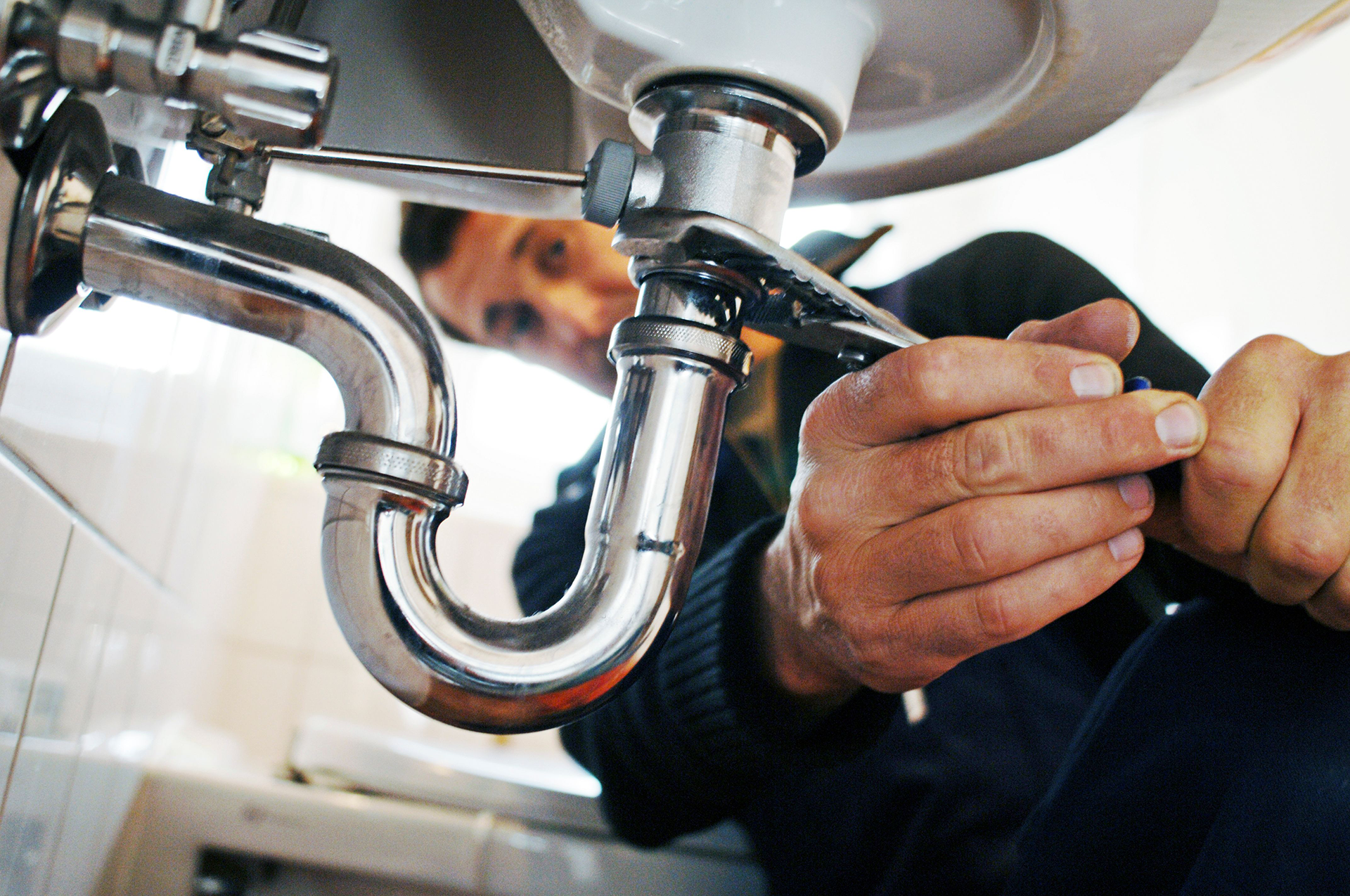
Plumbers, electricians, and skilled tradespeople work in high-risk environments every day. We build coverage around your tools, your vehicles, and your crew — so a job site incident does not stop your business.

Restaurants & Food Service
Restaurants carry liability on every shift — from the kitchen to the dining room and everything in between. We protect your location, your staff, and your equipment, including lost income when operations stop.

Non-Profits Service
Non-profits face unique liability across events, volunteers, staff, and leadership decisions. We cover your organization from the ground up — so you can focus on your mission, not your exposure.

Event Insurance
Event organizers face liability the moment guests arrive, vendors set up, and alcohol is served. We cover your event from start to finish — so one unexpected incident does not cancel everything you planned for.
Answers Before You Pick Up the Phone
What Texas Businesses Ask Us Most
We get a lot of the same questions from business owners across Texas. Here are honest answers to the ones that come up most.

What information do you need to get a commercial insurance quote?
We keep the process straightforward. We typically need your business name, a description of your operations, your gross annual sales projection, number of full-time and part-time employees, your gross annual payroll, and the types of coverage you are looking for. If you have an existing policy, the expiration date and current carrier help us put together a competitive comparison.
The most important thing you can do is be transparent about what your business actually does. Accurate classification ensures you have real coverage if a claim occurs. We have seen businesses with active policies that were incorrectly classified — and those gaps only surface at the worst possible moment.
Does Texas require businesses to carry Workers' Compensation Insurance?
Texas is the only state in the country that does not require most private employers to carry Workers' Compensation. However, if your business holds government contracts or works as a subcontractor on a job site, the hiring company will almost always require proof of coverage before work begins. A growing number of general contractors across Denton and the DFW area enforce this as a standard condition.
Even without a legal requirement, carrying Workers' Comp protects your business from direct liability if an employee is hurt on the job. Medical bills, lost wages, and legal fees can add up quickly — and one serious incident can create a financial loss that far exceeds years of premium payments.
What is a commercial insurance audit and should I expect one?
Most commercial general liability policies are auditable. At the end of your policy term, the insurance carrier reviews your actual gross sales to make sure your premium matched your real exposure. If your sales grew during the year, you may owe an additional premium. If sales came in lower, you could receive a refund.
The best way to avoid a large balance due at audit time is to update your projected gross sales with us during the year if your business grows faster than expected. We can endorse your policy mid-term to reflect the change and spread any additional premium across smaller installments instead of one lump sum at year-end.
What factors affect how much my commercial coverage will cost?
Your premium is calculated based on several variables specific to your operation — industry classification, gross annual sales, number of employees, gross payroll, claims history, and the types of coverage you need. A business that handles physical work with a crew on job sites will pay differently than a professional services firm working out of an office.
As an independent agency, we compare quotes across multiple carriers — including Travelers, The Hartford, Chubb, AmTrust, and others — to find the combination of coverage and price that works for your situation. There is no obligation after your quote, and we walk through every option in plain terms before you decide anything.
My business is a restaurant — what coverage do I actually need?
Restaurants are not a one-size-fits-all class of risk. Carriers look at a range of factors when evaluating a restaurant account: whether you serve alcohol, whether deep frying is involved, the type of fire suppression system in place, whether you have a hood cleaning contract, and whether you offer catering, delivery, or live entertainment. All of these affect both pricing and carrier appetite.
A well-structured restaurant policy typically includes general liability, building and business personal property coverage, liquor liability if applicable, food contamination coverage, business income protection, and workers' compensation for your staff. We work with carriers that actively want to write restaurant accounts in Texas — including Travelers, The Hartford, and Chubb — so you have real options to compare.
Can you help insure a business that is hard to place or outside the mainstream?
Yes — this is one of our strengths. We work with Excess and Surplus (E&S) lines markets through carriers like Burns & Wilcox for businesses that standard carriers will not write. We have placed coverage for master sign electricians, cable splicing operations, transmission rebuild shops for classic cars, CBD retailers, and many other non-standard accounts.
If you have been told your business is difficult to insure or you have received very limited options in the marketplace, reach out to us. We take time to understand your operations in detail, present your account to the right markets, and work to find coverage that actually reflects what you do — not a generic policy that leaves gaps.
Still have Question?
We’re here to help you!
Written for the Texas Business Owner
Insights That Help You Make Smarter Decisions
We publish articles on real topics that affect how Texas operators get covered — from local regulatory updates to coverage gaps most owners do not know they have.