Texas Flood Insurance for Apartment Complexes

See How We're Different
Call Us: (940) 268-5112
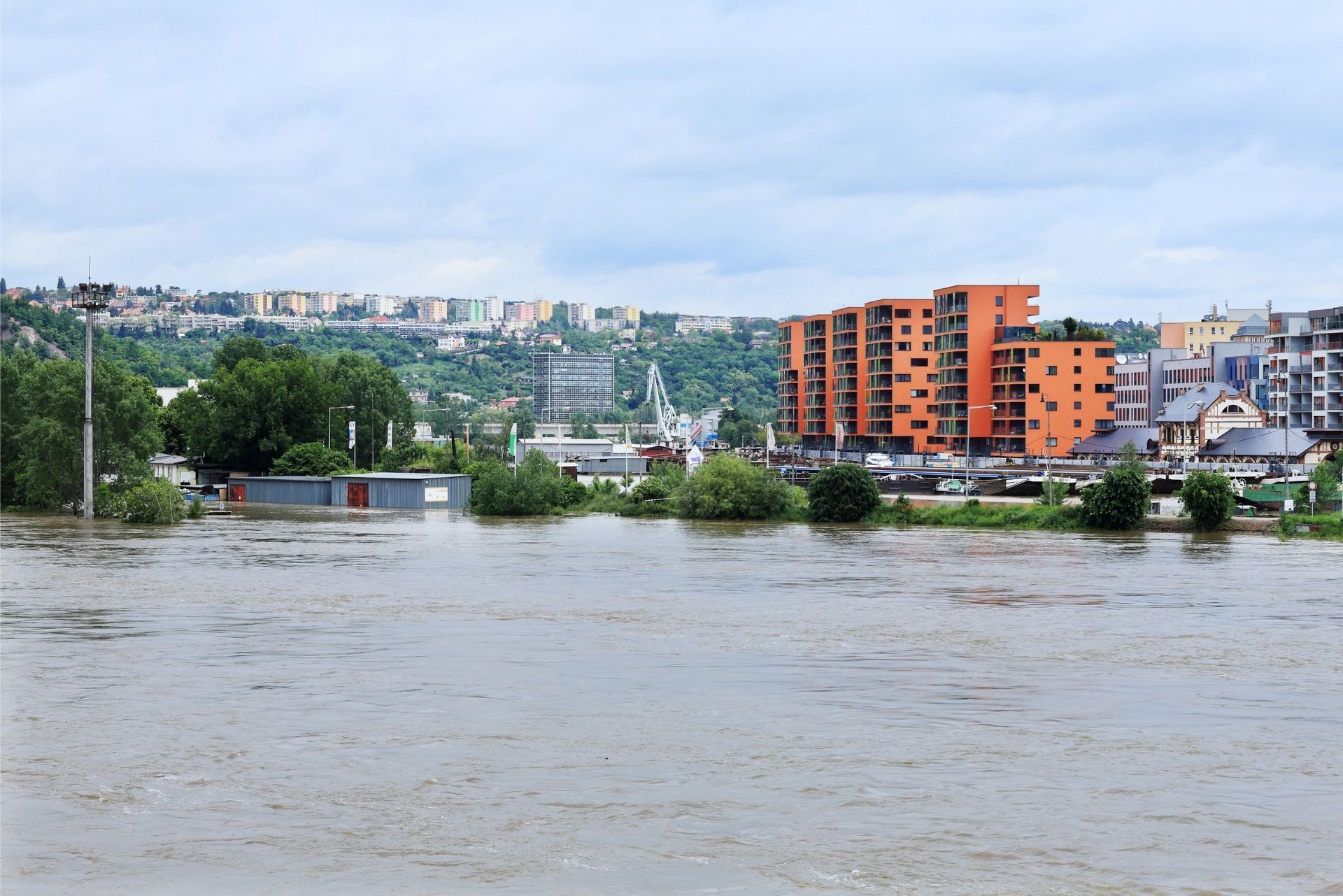
Texas property owners learned hard lessons during Hurricane Harvey when floodwaters devastated apartment complexes across the Houston metro area. Many owners discovered their standard commercial property policies excluded flood damage entirely, leaving them with millions in uninsured losses. The reality is stark: Texas leads the nation in flood insurance claims, and multifamily properties face unique exposure that standard policies simply don't address.
If you own or manage an apartment complex anywhere in Texas, understanding flood coverage isn't optional. From coastal properties near Galveston to inland complexes in the Dallas-Fort Worth metroplex, flood risk extends far beyond obvious coastal zones. The 2021 Winter Storm Uri proved that even frozen pipes and ice dam flooding can trigger catastrophic losses for multifamily buildings. And here's what catches many owners off guard: roughly 25% of all flood claims come from properties outside high-risk flood zones.
The financial stakes for apartment complexes are substantial. A single flood event can damage multiple units simultaneously, displace dozens of tenants, and trigger months of lost rental income. Building repairs, tenant relocation costs, and business interruption losses compound quickly. Without proper multifamily flood coverage, a single storm can threaten your entire investment portfolio.
This guide breaks down what Texas apartment complex owners need to know about protecting their properties, from NFIP limitations to private market alternatives that actually match the scale of multifamily investments.
The Necessity of Flood Insurance for Texas Multifamily Properties
Assessing Flood Risk Across Texas Geographies
Texas presents a complex flood risk landscape that varies dramatically by region. Coastal properties from Corpus Christi to Beaumont face obvious hurricane-related flooding, but the threat extends much further inland. The Hill Country around Austin experiences flash flooding from rapid rainfall runoff. North Texas deals with creek and river flooding after heavy spring storms.
FEMA flood maps tell part of the story, but they don't capture everything. Many Texas communities have experienced significant development since their flood maps were last updated, changing drainage patterns and increasing impervious surfaces. Properties that were low-risk two decades ago may face elevated exposure today.
Houston provides the clearest example. After Harvey, properties that had never flooded experienced water damage because upstream development had altered watershed behavior. Apartment complexes in seemingly safe locations found themselves underwater. The lesson: historical flood data doesn't always predict future risk, especially in rapidly growing Texas metros.
Limitations of Standard Commercial Property Policies
Standard commercial property insurance explicitly excludes flood damage. This isn't a coverage gap you can negotiate around with most carriers. The exclusion typically appears in bold policy language, yet many property owners don't discover it until they file a claim.
Commercial policies may cover water damage from burst pipes or roof leaks, but rising water from external sources falls outside coverage. This distinction matters enormously for apartment complexes where a single flood event can damage ground-floor units, parking structures, mechanical systems, and common areas simultaneously.
Some owners assume their
umbrella or excess liability policies provide backup coverage. They don't. Flood requires a separate, dedicated policy through either the National Flood Insurance Program or private insurers. There's no workaround here.

By: Linda Dodson
Agency Director at
Denton Business Insurance
National Flood Insurance Program (NFIP) Coverage Limits
The NFIP provides a baseline flood coverage option, but its limits create challenges for multifamily properties. The program caps building coverage at $500,000 per structure and contents coverage at $500,000. For a small four-unit building, these limits might suffice. For a 200-unit apartment complex valued at $30 million, NFIP coverage barely scratches the surface.
NFIP policies also come with significant restrictions. The program uses standardized pricing that doesn't reward mitigation efforts as aggressively as private insurers might. Waiting periods of 30 days apply to new policies, meaning you can't purchase coverage when a storm is approaching.
The program does offer certain advantages. NFIP policies are backed by the federal government, eliminating carrier insolvency concerns. They're also available in communities that participate in the National Flood Insurance Program, regardless of property-specific risk factors that might make private coverage difficult to obtain.
Benefits of Excess Flood Insurance for Large Complexes
Excess flood insurance fills the gap between NFIP limits and actual property values. For Texas apartment complexes worth millions, this coverage layer is essential. Excess policies typically sit above the NFIP foundation, providing additional coverage up to the property's full replacement value.
Private flood insurers have expanded significantly in Texas over the past decade. Companies like Zurich, AIG, and Lloyd's syndicates now offer standalone flood policies that can replace or supplement NFIP coverage entirely. These private options often provide higher limits, broader coverage terms, and more flexible underwriting.
At Denton Business Insurance, we regularly work with apartment complex owners to layer NFIP and private flood coverage appropriately. The right structure depends on property values, flood zone designation, lender requirements, and budget constraints. An independent agency can compare options across multiple carriers to find the most cost-effective combination.
Key Components of a Multifamily Flood Policy
Building Property and Contents Coverage
Building coverage protects the physical structure: walls, floors, foundations, electrical systems, plumbing, HVAC equipment, and permanently installed fixtures. For apartment complexes, this extends to common areas, laundry facilities, fitness centers, and leasing offices.
Contents coverage addresses business personal property owned by the property management company. This includes office furniture, maintenance equipment, appliances in common areas, and stored supplies. Tenant belongings require separate renters insurance policies, which smart property managers require as a lease condition.
| Coverage Component | What It Protects | Typical Limits |
|---|---|---|
| Building | Structure, systems, fixtures | Up to replacement cost |
| Contents | Business personal property | $100,000 - $500,000+ |
| Tenant improvements | Upgrades made by tenants | Varies by policy |
| Debris removal | Cleanup after flood | Often included |
Business Income and Extra Expense Protection
Flood damage to an apartment complex doesn't just create repair costs. It eliminates rental income for months while repairs proceed. Business income coverage replaces lost rent during the restoration period, protecting cash flow when you need it most.
Extra expense coverage pays for costs above normal operating expenses that you incur to minimize the business interruption. This might include temporary tenant relocation assistance, expedited construction costs, or alternative office space for management staff.
These coverages often require separate endorsements or standalone policies. Standard flood policies may not include business income protection automatically. Review your policy language carefully, or work with an agent who can confirm exactly what's covered.
Impact of FEMA Flood Zones and Elevation Certificates
FEMA flood zone designations drive premium calculations more than any other factor. High-risk zones (A and V zones) command substantially higher premiums than moderate-to-low risk zones (B, C, and X zones). A property in Zone AE might pay three to five times more than an identical building in Zone X.
Elevation certificates document a building's lowest floor elevation relative to the Base Flood Elevation (BFE). Properties elevated above the BFE receive favorable rating, while those below face premium surcharges. For existing apartment complexes, obtaining an elevation certificate costs $500 to $2,000 but can yield significant premium savings if the results are favorable.
FEMA's Risk Rating 2.0 methodology, implemented in 2021, now considers additional factors including distance to water sources, flood frequency, and building-specific characteristics. Some Texas properties saw premiums increase substantially under the new system, while others experienced decreases.
Building Construction and Mitigation Features
Construction type affects flood insurance pricing. Elevated buildings with parking beneath living spaces often rate better than slab-on-grade construction. Concrete and masonry construction may receive better treatment than wood frame in some rating scenarios.
Flood mitigation features can reduce premiums and improve insurability. Flood vents that allow water to flow through enclosures rather than building up pressure demonstrate risk awareness. Elevated mechanical equipment keeps HVAC systems, water heaters, and electrical panels above expected flood levels.
Some private insurers offer credits for properties with comprehensive flood mitigation plans, backup sump pumps, or flood barriers. These credits vary by carrier, which is why comparing quotes across multiple insurers through an independent agency like
Denton Business Insurance often reveals savings opportunities.
Compliance and Lender Requirements for Owners
Mandatory Purchase Requirements for High-Risk Zones
Federal law requires flood insurance for properties in Special Flood Hazard Areas (SFHAs) that have federally backed mortgages. This applies to most commercial real estate loans, including those from banks with FDIC insurance. Lenders must verify flood insurance is in place and maintained throughout the loan term.
The mandatory coverage amount equals the lesser of: the outstanding loan balance, the maximum available NFIP coverage, or the building's replacement cost. For large apartment complexes, this often means NFIP coverage alone won't satisfy lender requirements, necessitating excess flood coverage.
Failing to maintain required flood insurance triggers lender-placed coverage, which costs significantly more than voluntarily purchased policies and provides minimal protection. Lenders can also declare loan default for insurance lapses. Staying ahead of renewal dates prevents these costly situations.
Strategies for Managing Multifamily Flood Claims
Successful flood claims start before any water arrives. Document your property thoroughly with photographs and video of all buildings, units, and mechanical systems. Maintain current inventory lists of contents and equipment. Store these records offsite or in cloud storage where floodwaters can't destroy them.
When flooding occurs, prioritize life safety first, then begin documentation immediately. Photograph damage before any cleanup begins. Keep detailed records of all expenses, including emergency repairs, temporary housing for displaced tenants, and professional remediation services.
Contact your insurance carrier within 24 hours of the event. NFIP claims require prompt reporting, and delays can complicate the adjustment process. Hire a licensed public adjuster for complex claims involving multiple buildings or substantial damage. Their fees typically run 5% to 15% of the settlement but often yield significantly higher claim payments.
Work with restoration contractors experienced in commercial flood damage. Residential contractors may not understand the scale and complexity of apartment complex repairs. Get multiple estimates and document all communications with your insurance adjuster.
Frequently Asked Questions
Do I need flood insurance if my apartment complex isn't in a flood zone? Properties outside high-risk zones still experience flooding. About 25% of flood claims come from low-to-moderate risk areas. Coverage is cheaper in these zones, making it cost-effective protection.
How much does flood insurance cost for a Texas apartment complex? Premiums vary widely based on location, construction, and coverage limits. Expect $3,000 to $15,000 annually for smaller complexes, with larger properties paying $25,000 or more. High-risk zones cost substantially more.
Can I require tenants to carry flood insurance? Yes, you can require renters insurance that includes flood coverage as a lease condition. This protects tenant belongings while reducing your liability exposure.
How long does it take to get flood insurance coverage?
NFIP policies have a 30-day waiting period. Some private insurers offer shorter waiting periods or immediate coverage in certain situations. Plan ahead rather than waiting for storm season.
Making the Right Coverage Decision
Flood insurance for Texas apartment complexes requires balancing adequate protection against budget realities. The right approach combines understanding your specific flood exposure, meeting lender requirements, and structuring coverage layers efficiently.
Start with a current FEMA flood zone determination and elevation certificate if applicable. Compare NFIP and private market options, considering both primary and excess coverage needs. Review policy terms carefully, especially business income and extra expense provisions that protect cash flow during extended repairs.
Working with an independent agency gives you access to multiple carriers and objective advice about coverage structures. Contact Denton Business Insurance to review your current flood coverage and identify any gaps before the next Texas storm season arrives.
Straight from the Clients We Serve
Texas Business Owners Rate Us 5 Stars — Here Is Why
We hear the same things repeatedly: fast service, honest advice, and coverage that made sense for their situation. That is what we aim for every time.
Protection Across Every Area of Your BUSINESS
What Texas Businesses Need. What We Deliver.
From your job site and your fleet to your data and your payroll — we cover the risks that Texas businesses carry every day.
General Liability
Covers third-party claims of bodily injury, property damage, and advertising injury. A foundational protection for nearly every Texas business, regardless of industry or size.
Commercial Property
Covers your building, equipment, inventory, and business contents against fire, theft, storms, and vandalism. Can also include lost income if your businesses are forced to stop.
Commercial Auto
Protects vehicles your company owns, leases, or uses for work. Covers liability, collision damage, and injuries for employees driving on company time.
Errors & Omissions
Protects service providers when a client claims your advice, work, or recommendations caused them a financial loss. Critical for consultants, IT firms, agents, and other professional service businesses.
Directors & Officers
Covers leadership decisions that result in claims from employees, investors, or outside parties. Protects your directors and officers personally when management decisions are challenged.
Inland Marine & Equipment Floater
Covers tools, materials, and equipment that move between job sites or are stored off your primary property. Fills the gap where a standard commercial property policy stops.
Every Sector Has Its Own Risk Profile
We Know Your Trade. We Know Your Exposure.
We work with a wide range of Texas industries — each with different coverage priorities. Below are the sectors we serve most often.

Apartment Complexes
Texas apartment owners face liability across common areas, tenant incidents, and on-site staff. We cover your property, your income, and your exposure — across one complex or an entire portfolio.
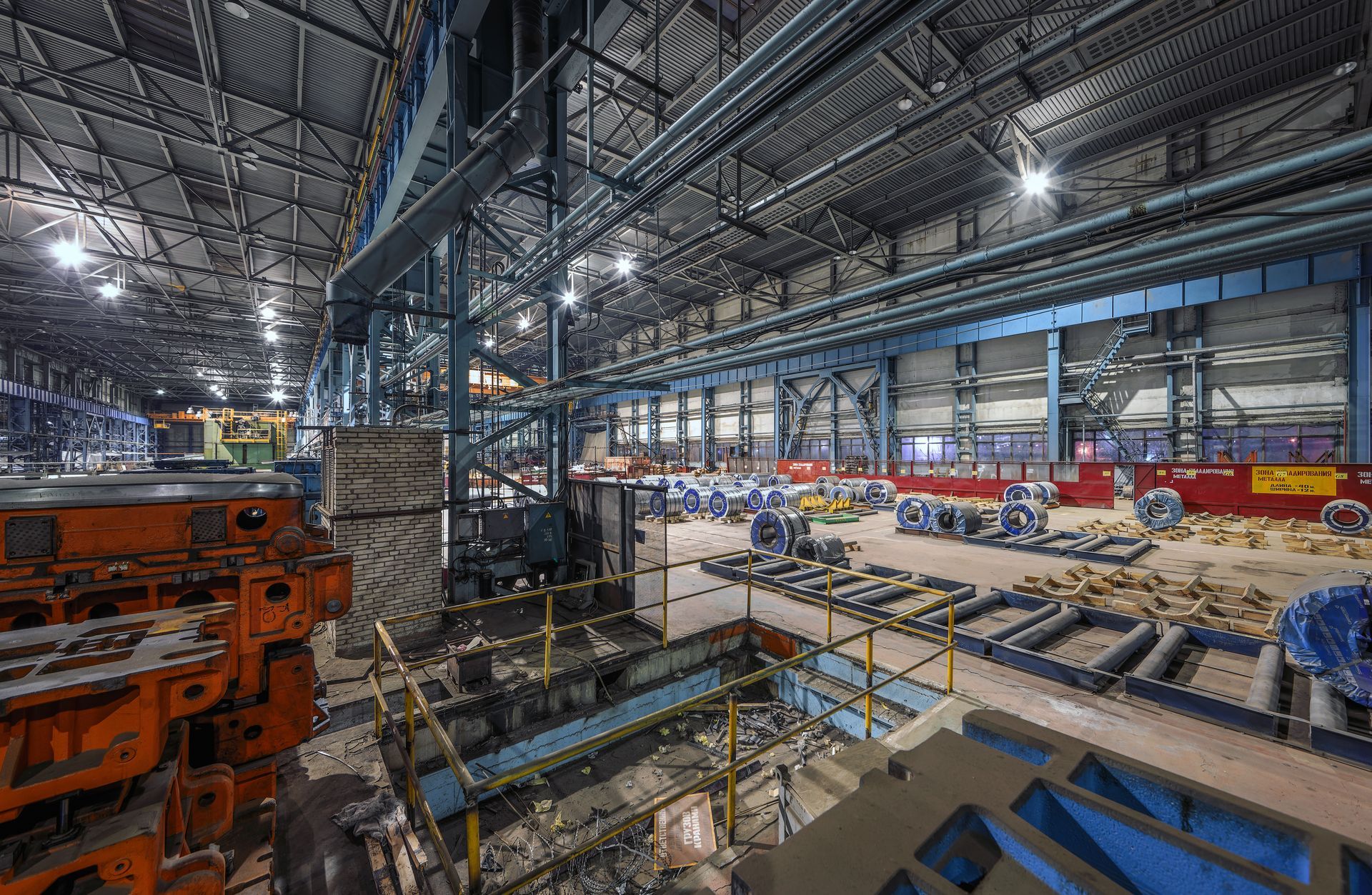
Manufacturing Businesses
Equipment breakdowns, product liability, and workforce injuries are daily risks for Texas manufacturers. We build coverage from the shop floor to the loading dock — so one incident does not shut you down.

Artisan Contractors
Plumbers, electricians, and skilled tradespeople work in high-risk environments every day. We build coverage around your tools, your vehicles, and your crew — so a job site incident does not stop your business.

Restaurants & Food Service
Restaurants carry liability on every shift — from the kitchen to the dining room and everything in between. We protect your location, your staff, and your equipment, including lost income when operations stop.

Non-Profits Service
Non-profits face unique liability across events, volunteers, staff, and leadership decisions. We cover your organization from the ground up — so you can focus on your mission, not your exposure.

Event Insurance
Event organizers face liability the moment guests arrive, vendors set up, and alcohol is served. We cover your event from start to finish — so one unexpected incident does not cancel everything you planned for.
Answers Before You Pick Up the Phone
What Texas Businesses Ask Us Most
We get a lot of the same questions from business owners across Texas. Here are honest answers to the ones that come up most.
What information do you need to get a commercial insurance quote?
We keep the process straightforward. We typically need your business name, a description of your operations, your gross annual sales projection, number of full-time and part-time employees, your gross annual payroll, and the types of coverage you are looking for. If you have an existing policy, the expiration date and current carrier help us put together a competitive comparison.
The most important thing you can do is be transparent about what your business actually does. Accurate classification ensures you have real coverage if a claim occurs. We have seen businesses with active policies that were incorrectly classified — and those gaps only surface at the worst possible moment.
Does Texas require businesses to carry Workers' Compensation Insurance?
Texas is the only state in the country that does not require most private employers to carry Workers' Compensation. However, if your business holds government contracts or works as a subcontractor on a job site, the hiring company will almost always require proof of coverage before work begins. A growing number of general contractors across Denton and the DFW area enforce this as a standard condition.
Even without a legal requirement, carrying Workers' Comp protects your business from direct liability if an employee is hurt on the job. Medical bills, lost wages, and legal fees can add up quickly — and one serious incident can create a financial loss that far exceeds years of premium payments.
What is a commercial insurance audit and should I expect one?
Most commercial general liability policies are auditable. At the end of your policy term, the insurance carrier reviews your actual gross sales to make sure your premium matched your real exposure. If your sales grew during the year, you may owe an additional premium. If sales came in lower, you could receive a refund.
The best way to avoid a large balance due at audit time is to update your projected gross sales with us during the year if your business grows faster than expected. We can endorse your policy mid-term to reflect the change and spread any additional premium across smaller installments instead of one lump sum at year-end.
What factors affect how much my commercial coverage will cost?
Your premium is calculated based on several variables specific to your operation — industry classification, gross annual sales, number of employees, gross payroll, claims history, and the types of coverage you need. A business that handles physical work with a crew on job sites will pay differently than a professional services firm working out of an office.
As an independent agency, we compare quotes across multiple carriers — including Travelers, The Hartford, Chubb, AmTrust, and others — to find the combination of coverage and price that works for your situation. There is no obligation after your quote, and we walk through every option in plain terms before you decide anything.
My business is a restaurant — what coverage do I actually need?
Restaurants are not a one-size-fits-all class of risk. Carriers look at a range of factors when evaluating a restaurant account: whether you serve alcohol, whether deep frying is involved, the type of fire suppression system in place, whether you have a hood cleaning contract, and whether you offer catering, delivery, or live entertainment. All of these affect both pricing and carrier appetite.
A well-structured restaurant policy typically includes general liability, building and business personal property coverage, liquor liability if applicable, food contamination coverage, business income protection, and workers' compensation for your staff. We work with carriers that actively want to write restaurant accounts in Texas — including Travelers, The Hartford, and Chubb — so you have real options to compare.
Can you help insure a business that is hard to place or outside the mainstream?
Yes — this is one of our strengths. We work with Excess and Surplus (E&S) lines markets through carriers like Burns & Wilcox for businesses that standard carriers will not write. We have placed coverage for master sign electricians, cable splicing operations, transmission rebuild shops for classic cars, CBD retailers, and many other non-standard accounts.
If you have been told your business is difficult to insure or you have received very limited options in the marketplace, reach out to us. We take time to understand your operations in detail, present your account to the right markets, and work to find coverage that actually reflects what you do — not a generic policy that leaves gaps.
Still have Question?
We’re here to help you!
Written for the Texas Business Owner
Insights That Help You Make Smarter Decisions
We publish articles on real topics that affect how Texas operators get covered — from local regulatory updates to coverage gaps most owners do not know they have.