
Texas Commercial Auto Insurance for Distributors

See How We're Different
Call Us: (940) 268-5112
A single delivery truck accident on I-35 can cost a Texas distributor more than an entire year's worth of premiums. I've seen it happen: a driver rear-ends a stopped vehicle near Dallas, the cargo shifts and damages $40,000 worth of product, and suddenly the business owner is staring down medical claims, vehicle repairs, and a ruined shipment with no clear path forward. The difference between distributors who survive these incidents and those who struggle for years afterward almost always comes down to one thing: whether they had the right commercial auto coverage in place before the accident happened.
Texas distribution companies face unique challenges that make proper fleet and delivery coverage essential. The state's massive geography means vehicles log serious mileage, often crossing through multiple weather zones in a single route. Add in the fact that Texas leads the nation in commercial vehicle crashes, and you start to understand why standard personal auto policies or bare-minimum commercial coverage simply won't cut it. Whether you're running refrigerated trucks from the Rio Grande Valley to Amarillo or making local deliveries across the DFW metroplex, your insurance needs to match the actual risks your operation faces every day on Texas roads.
The Role of Commercial Auto Insurance in the Texas Distribution Industry
Distribution companies keep Texas moving. From food and beverage suppliers serving restaurants across Houston to industrial parts distributors supporting the Permian Basin's energy sector, these businesses depend on vehicles that perform reliably and drivers who stay protected. Commercial auto insurance isn't just a regulatory checkbox: it's the financial foundation that allows distributors to take on contracts, hire drivers, and expand their routes without risking everything they've built.
Texas Department of Insurance Minimum Liability Requirements
Texas requires commercial vehicles to carry liability coverage, but the state minimums are dangerously low for distribution operations. The baseline requirement is 30/60/25: that's $30,000 per person for bodily injury, $60,000 per accident, and $25,000 for property damage. These numbers might have made sense decades ago, but they're laughable against modern medical costs and vehicle values. A single serious injury claim can blow through those limits in the first few hospital visits.
Most distribution contracts require coverage well above state minimums. Many shippers and vendors won't work with you unless you carry at least $1 million in liability coverage. That's not them being difficult: it's them protecting their own interests when your truck is hauling their products.
Why Personal Auto Policies Fail for Delivery Operations
Personal auto insurers will deny claims the moment they discover you were using the vehicle for business purposes. This isn't a technicality: it's standard policy language. If your employee uses their personal car to make a delivery and causes an accident, their personal insurance will likely refuse to pay. That leaves your business exposed to the entire claim.
The coverage gap extends beyond liability. Personal policies don't cover cargo, don't account for commercial vehicle weights, and don't provide the specialized endorsements distribution operations need. I've worked with business owners who learned this lesson the hard way after assuming their "full coverage" personal policy would transfer to business use.

By: Linda Dodson
Agency Director at
Denton Business Insurance
Core Coverage Components for Distribution Fleets
Building the right policy means understanding how different coverage components work together. Each piece addresses a specific risk, and skipping one can leave you exposed in ways that aren't obvious until you file a claim.
Combined Single Limit (CSL) vs. Split Limits
CSL policies provide one total amount that covers all damages from an accident, whether that's bodily injury, property damage, or both. A $1 million CSL policy gives you flexibility: if an accident causes $800,000 in injuries and $150,000 in property damage, you're covered under one limit.
Split limits separate these coverages. You might see something like 500/1,000/100, meaning $500,000 per person, $1 million per accident for injuries, and $100,000 for property damage. Split limits can be cheaper, but they create caps that might leave you underinsured in specific scenarios. Most distributors benefit from CSL policies because accidents rarely fit neatly into predetermined categories.
Comprehensive and Collision for Physical Damage
Collision coverage pays to repair or replace your vehicles after accidents, regardless of fault. Comprehensive covers everything else: theft, vandalism, hail damage, flooding. Texas weather makes comprehensive coverage particularly important. A spring hailstorm can damage an entire fleet in minutes, and the Gulf Coast hurricane season threatens vehicles stored anywhere south of Austin.
Physical damage coverage becomes more important as your fleet value increases. A single box truck can cost $60,000 to replace. Multiply that across a fleet of ten vehicles, and you're looking at serious capital that needs protection.
Uninsured and Underinsured Motorist Protection
Texas has one of the highest uninsured driver rates in the country: roughly one in eight drivers lacks coverage. When an uninsured driver causes an accident with your delivery vehicle, your UM/UIM coverage steps in to cover your damages. This protection extends to your drivers' medical expenses and lost wages, which matters when you're trying to retain good employees after an accident.
Specialized Endorsements for Delivery and Logistics
Standard commercial auto policies cover vehicles. Specialized endorsements cover everything else that makes distribution work.
Motor Truck Cargo Insurance for Goods in Transit
Your customer's product is in your truck when an accident happens. Who pays? Without cargo insurance, you do: either directly or through damaged business relationships. Motor truck cargo coverage protects the goods you're hauling, typically up to a specified limit per shipment or per vehicle.
Coverage amounts should match your typical load values. A distributor hauling electronics needs higher limits than one moving bulk construction materials. Denton Business Insurance works with carriers who understand these distinctions and can structure cargo coverage that matches actual exposure rather than generic estimates.
Hired and Non-Owned Auto (HNOA) Coverage
HNOA coverage protects your business when employees use rental vehicles or their personal cars for company business. This comes up more often than most distributors expect: a sales rep drives their own car to meet a client, a driver rents a vehicle when the usual truck is in the shop, or a new employee uses their personal vehicle during training.
| Coverage Type | What It Covers | When You Need It |
|---|---|---|
| Hired Auto | Rental vehicles, temporary replacements | When leasing or renting vehicles for business |
| Non-Owned Auto | Employee personal vehicles used for work | When employees drive their own cars on company time |
| Claims History | No claims in 5 years | Most distribution operations |
Reefer Breakdown Coverage for Perishable Distributors
Refrigerated truck breakdowns create two problems: the mechanical failure itself and the spoiled cargo inside. Standard policies often exclude mechanical breakdown, and cargo coverage may not apply when the loss results from equipment failure rather than an accident. Reefer breakdown coverage fills this gap, paying for both repairs and spoiled inventory when refrigeration units fail.
This coverage matters enormously for food and pharmaceutical distributors. A single breakdown on a July delivery run from San Antonio can destroy $50,000 worth of temperature-sensitive product.
Understanding what drives your premium helps you make informed decisions about coverage and operations.
Radius of Operation: Local vs. Long-Haul Distribution
Insurers care about where your vehicles travel. Local distributors operating within a 50-mile radius typically pay less than long-haul operations crossing state lines. The logic is straightforward: more miles mean more exposure to accidents.
Texas distributors face a specific challenge here. The state is massive, so even "local" operations might cover significant distances. A distributor serving the Houston metro area might log more daily miles than a regional operation in a smaller state.
Driver Safety Records and MVR Monitoring
Motor Vehicle Record checks reveal your drivers' histories, and insurers use this information heavily when pricing policies. One driver with multiple violations can increase premiums for your entire fleet. Regular MVR monitoring helps you identify problems before renewal time and gives you leverage to address issues with drivers before they become insurance problems.
Fleet Size and Vehicle Weight Classifications
Larger fleets sometimes qualify for better rates through volume discounts, but this isn't automatic. Vehicle weight classifications also matter significantly.
Trucks over 10,001 pounds
require different coverage structures and often cost more to insure due to the increased damage potential in accidents.
Risk Management Strategies for Texas Distributors
Lower premiums start with lower risk. Insurance companies reward operations that demonstrate commitment to safety.
Implementing Telematics and Dashcam Systems
Telematics devices track driving behavior: speed, braking patterns, route efficiency. This data helps you identify risky drivers before accidents happen. Dashcams provide evidence that can prove your driver wasn't at fault, potentially saving you from fraudulent claims or disputed liability.
Many insurers offer premium discounts for telematics programs, sometimes 10-15% off annual premiums. The technology pays for itself through reduced claims and lower insurance costs.
Developing a Formal Safety and Maintenance Program
Documented safety programs demonstrate to insurers that you take risk seriously. This includes regular vehicle inspections, driver training protocols, and maintenance schedules. When Denton Business Insurance shops your coverage across carriers like Nationwide, Travelers, or Chubb, a strong safety program can make the difference between competitive quotes and inflated premiums.
Filing a claim correctly matters as much as having coverage. Document accidents thoroughly: photos, witness information, police reports. Report claims promptly, as delays can complicate the process or give insurers grounds to reduce payouts.
At renewal time, review your coverage against your current operations. Fleet sizes change, routes expand, and cargo values fluctuate. A policy that fit perfectly two years ago might leave gaps today. Working with an independent agency means having someone who reviews these details annually and shops multiple carriers to ensure you're getting appropriate coverage at competitive rates.
Frequently Asked Questions
How much does commercial auto insurance typically cost for Texas distributors? Premiums range from $1,200 to $3,500 per vehicle annually, depending on vehicle type, driver records, and coverage limits. Fleets with clean safety records and comprehensive risk management programs often land at the lower end.
Do I need separate cargo insurance if I already have commercial auto coverage? Yes. Standard commercial auto policies cover your vehicles, not the goods inside them. Cargo insurance is a separate coverage that protects the products you're transporting.
What happens if my driver causes an accident in their personal vehicle while making a delivery? Without HNOA coverage, your business faces direct liability. The driver's personal insurance will likely deny the claim because the vehicle was being used for commercial purposes.
Can I add new vehicles to my policy mid-term? Most policies allow mid-term additions. Contact your agent to add vehicles as you acquire them: coverage isn't automatic.
How do I lower my commercial auto premiums? Implement telematics, maintain clean driver records, document safety programs, and work with an independent agency that can compare rates across multiple carriers.
Texas distribution operations face real risks every time a vehicle leaves the lot. The right commercial auto insurance protects your vehicles, your cargo, your drivers, and ultimately your business. If you're unsure whether your current coverage matches your actual exposure, or if you're paying more than you should for inadequate protection, reach out to Denton Business Insurance. We'll review your operations, compare options from multiple carriers, and help you build coverage that actually protects what you've worked to build.
Straight from the Clients We Serve
Texas Business Owners Rate Us 5 Stars — Here Is Why
We hear the same things repeatedly: fast service, honest advice, and coverage that made sense for their situation. That is what we aim for every time.
Protection Across Every Area of Your BUSINESS
What Texas Businesses Need. What We Deliver.
From your job site and your fleet to your data and your payroll — we cover the risks that Texas businesses carry every day.
General Liability
Covers third-party claims of bodily injury, property damage, and advertising injury. A foundational protection for nearly every Texas business, regardless of industry or size.
Commercial Property
Covers your building, equipment, inventory, and business contents against fire, theft, storms, and vandalism. Can also include lost income if your businesses are forced to stop.
Commercial Auto
Protects vehicles your company owns, leases, or uses for work. Covers liability, collision damage, and injuries for employees driving on company time.
Errors & Omissions
Protects service providers when a client claims your advice, work, or recommendations caused them a financial loss. Critical for consultants, IT firms, agents, and other professional service businesses.
Directors & Officers
Covers leadership decisions that result in claims from employees, investors, or outside parties. Protects your directors and officers personally when management decisions are challenged.
Inland Marine & Equipment Floater
Covers tools, materials, and equipment that move between job sites or are stored off your primary property. Fills the gap where a standard commercial property policy stops.
Every Sector Has Its Own Risk Profile
We Know Your Trade. We Know Your Exposure.
We work with a wide range of Texas industries — each with different coverage priorities. Below are the sectors we serve most often.

Apartment Complexes
Texas apartment owners face liability across common areas, tenant incidents, and on-site staff. We cover your property, your income, and your exposure — across one complex or an entire portfolio.
Manufacturing Businesses
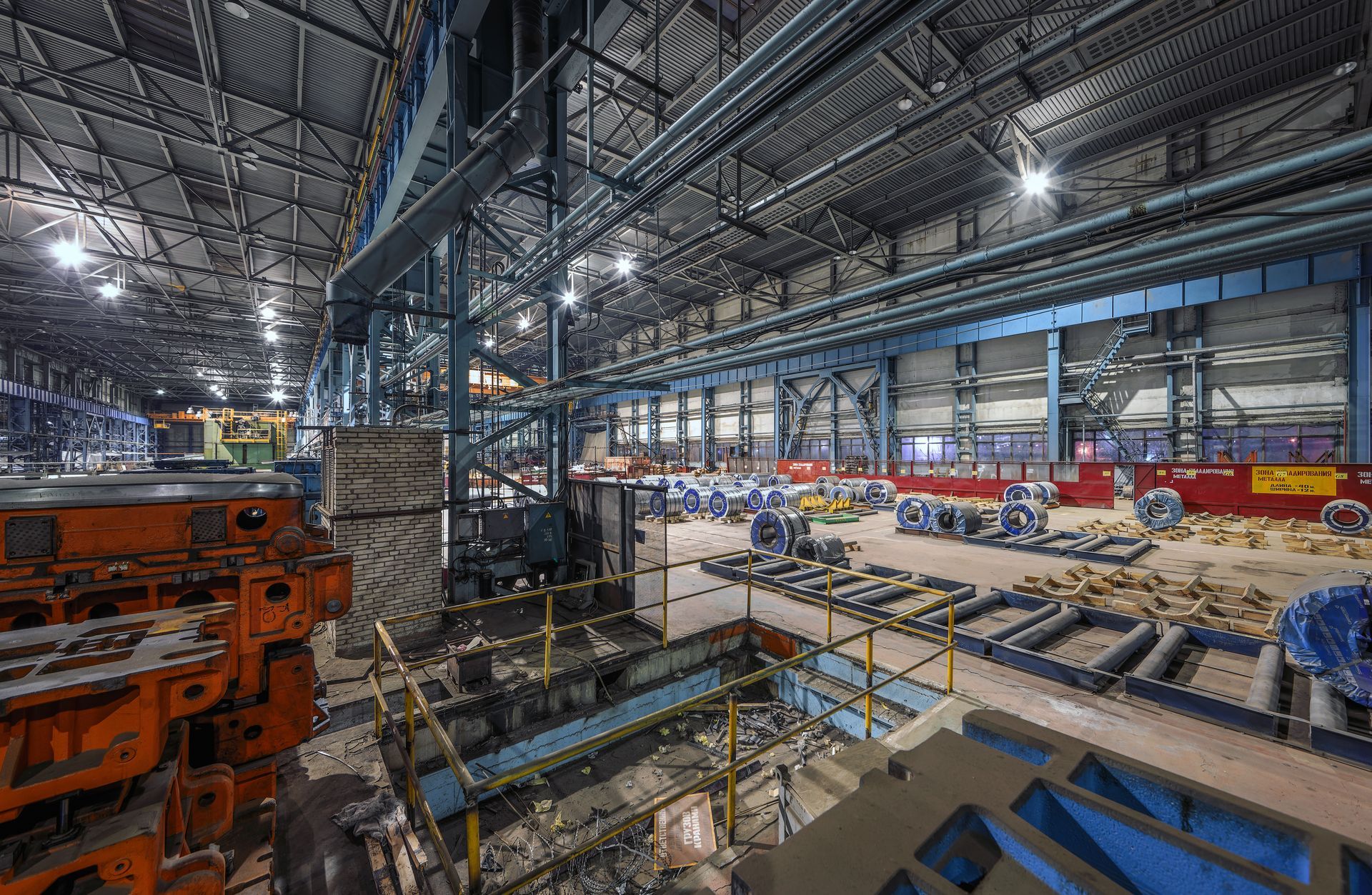
Equipment breakdowns, product liability, and workforce injuries are daily risks for Texas manufacturers. We build coverage from the shop floor to the loading dock — so one incident does not shut you down.
Artisan Contractors
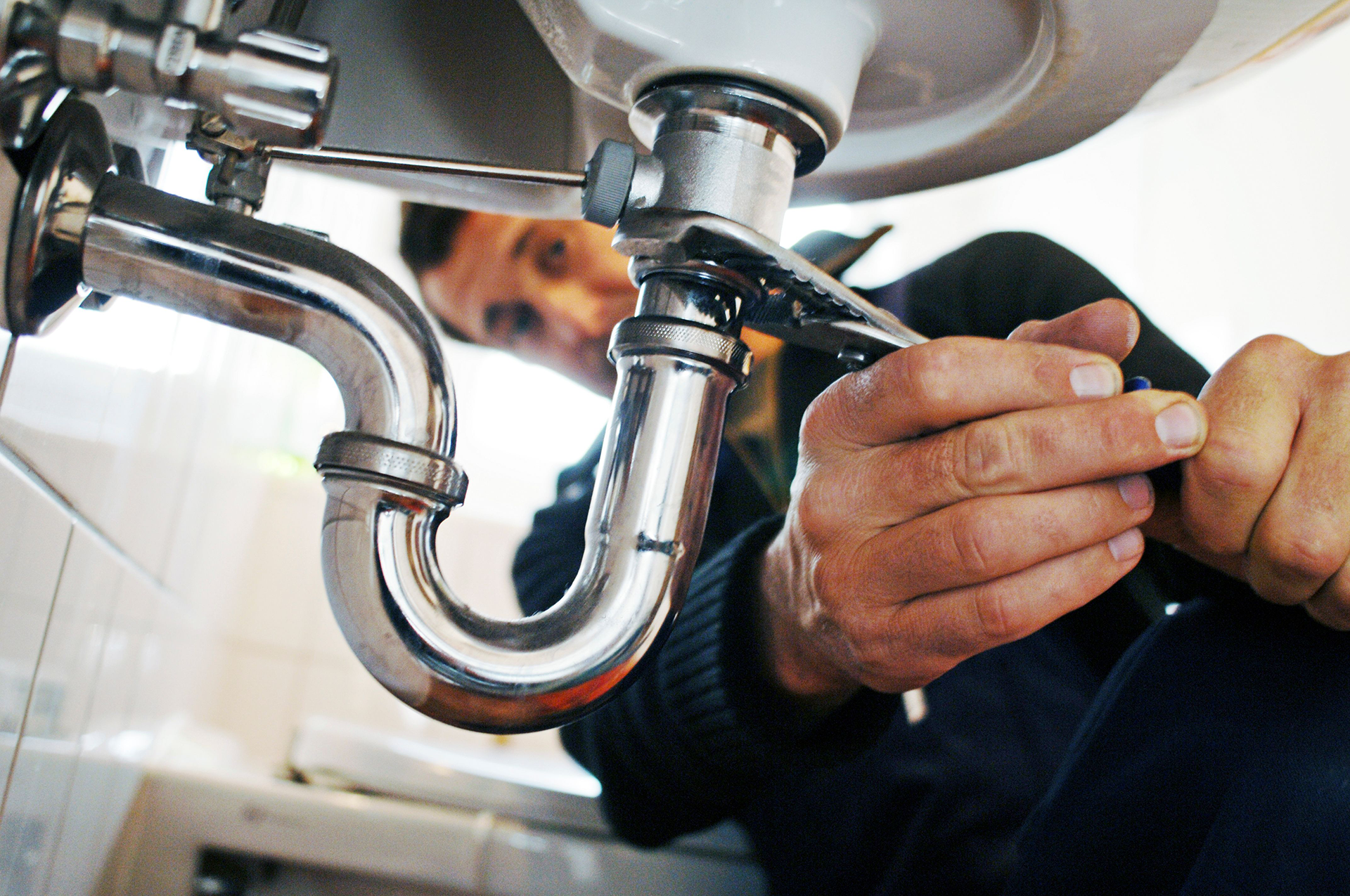
Plumbers, electricians, and skilled tradespeople work in high-risk environments every day. We build coverage around your tools, your vehicles, and your crew — so a job site incident does not stop your business.

Restaurants & Food Service
Restaurants carry liability on every shift — from the kitchen to the dining room and everything in between. We protect your location, your staff, and your equipment, including lost income when operations stop.

Non-Profits Service
Non-profits face unique liability across events, volunteers, staff, and leadership decisions. We cover your organization from the ground up — so you can focus on your mission, not your exposure.

Event Insurance
Event organizers face liability the moment guests arrive, vendors set up, and alcohol is served. We cover your event from start to finish — so one unexpected incident does not cancel everything you planned for.
Answers Before You Pick Up the Phone
What Texas Businesses Ask Us Most
We get a lot of the same questions from business owners across Texas. Here are honest answers to the ones that come up most.
What information do you need to get a commercial insurance quote?
We keep the process straightforward. We typically need your business name, a description of your operations, your gross annual sales projection, number of full-time and part-time employees, your gross annual payroll, and the types of coverage you are looking for. If you have an existing policy, the expiration date and current carrier help us put together a competitive comparison.
The most important thing you can do is be transparent about what your business actually does. Accurate classification ensures you have real coverage if a claim occurs. We have seen businesses with active policies that were incorrectly classified — and those gaps only surface at the worst possible moment.
Does Texas require businesses to carry Workers' Compensation Insurance?
Texas is the only state in the country that does not require most private employers to carry Workers' Compensation. However, if your business holds government contracts or works as a subcontractor on a job site, the hiring company will almost always require proof of coverage before work begins. A growing number of general contractors across Denton and the DFW area enforce this as a standard condition.
Even without a legal requirement, carrying Workers' Comp protects your business from direct liability if an employee is hurt on the job. Medical bills, lost wages, and legal fees can add up quickly — and one serious incident can create a financial loss that far exceeds years of premium payments.
What is a commercial insurance audit and should I expect one?
Most commercial general liability policies are auditable. At the end of your policy term, the insurance carrier reviews your actual gross sales to make sure your premium matched your real exposure. If your sales grew during the year, you may owe an additional premium. If sales came in lower, you could receive a refund.
The best way to avoid a large balance due at audit time is to update your projected gross sales with us during the year if your business grows faster than expected. We can endorse your policy mid-term to reflect the change and spread any additional premium across smaller installments instead of one lump sum at year-end.
What factors affect how much my commercial coverage will cost?
Your premium is calculated based on several variables specific to your operation — industry classification, gross annual sales, number of employees, gross payroll, claims history, and the types of coverage you need. A business that handles physical work with a crew on job sites will pay differently than a professional services firm working out of an office.
As an independent agency, we compare quotes across multiple carriers — including Travelers, The Hartford, Chubb, AmTrust, and others — to find the combination of coverage and price that works for your situation. There is no obligation after your quote, and we walk through every option in plain terms before you decide anything.
My business is a restaurant — what coverage do I actually need?
Restaurants are not a one-size-fits-all class of risk. Carriers look at a range of factors when evaluating a restaurant account: whether you serve alcohol, whether deep frying is involved, the type of fire suppression system in place, whether you have a hood cleaning contract, and whether you offer catering, delivery, or live entertainment. All of these affect both pricing and carrier appetite.
A well-structured restaurant policy typically includes general liability, building and business personal property coverage, liquor liability if applicable, food contamination coverage, business income protection, and workers' compensation for your staff. We work with carriers that actively want to write restaurant accounts in Texas — including Travelers, The Hartford, and Chubb — so you have real options to compare.
Can you help insure a business that is hard to place or outside the mainstream?
Yes — this is one of our strengths. We work with Excess and Surplus (E&S) lines markets through carriers like Burns & Wilcox for businesses that standard carriers will not write. We have placed coverage for master sign electricians, cable splicing operations, transmission rebuild shops for classic cars, CBD retailers, and many other non-standard accounts.
If you have been told your business is difficult to insure or you have received very limited options in the marketplace, reach out to us. We take time to understand your operations in detail, present your account to the right markets, and work to find coverage that actually reflects what you do — not a generic policy that leaves gaps.
Still have Question?
We’re here to help you!
Written for the Texas Business Owner
Insights That Help You Make Smarter Decisions
We publish articles on real topics that affect how Texas operators get covered — from local regulatory updates to coverage gaps most owners do not know they have.
Contact Us

