See How We're Different
Call Us: (940) 268-5112
A contractor in Fort Worth had $85,000 worth of equipment stolen from a job site last year. His commercial property policy covered his office and warehouse, but those tools sitting at a client's location? Not covered. He learned about inland marine insurance the hard way, and it cost him nearly six months of profit to replace everything out of pocket.
This scenario plays out across Texas more often than most business owners realize. The name "inland marine" sounds like it belongs to shipping companies, but this coverage has nothing to do with boats. It evolved from ocean cargo insurance in the early 1900s and now protects business assets that move, travel, or exist outside your primary location. For Texas business owners running construction crews, medical equipment companies, IT services, or any operation with valuable mobile assets, understanding this coverage isn't optional.
The Texas market presents unique challenges. Equipment gets stolen from job sites in Houston at alarming rates. Hailstorms in North Texas can destroy unprotected machinery in minutes. Flooding along the Gulf Coast doesn't care whether your cargo truck is parked or in transit. Standard property policies weren't designed for these situations, and that gap is exactly where inland marine coverage steps in. Whether you're hauling goods between Dallas and San Antonio or leaving specialized equipment at client facilities across the state, this guide breaks down what you actually need to know before your next policy renewal.
Defining Inland Marine Insurance for the Texas Market
Inland marine insurance protects business property that moves between locations or exists away from your primary premises. Think of it as coverage that follows your assets wherever business takes them, rather than protecting a fixed building or its contents.
The Difference Between Property and Inland Marine Coverage
Commercial property insurance covers your building, fixtures, and equipment at a specific address listed on your policy. The moment those assets leave that location, coverage gets complicated or disappears entirely. Inland marine fills this gap by protecting property in transit, at temporary locations, or stored at third-party sites.
Here's a practical example: a Dallas HVAC company owns diagnostic equipment worth $40,000. At their shop, commercial property covers it. At a customer's home? That's where inland marine takes over. The distinction matters because property policies typically include territorial limitations that exclude off-premises equipment or drastically reduce coverage amounts.
Why It Is Essential for Mobile Business Assets
Texas businesses operate across vast distances. A single service call might span 200 miles. Construction projects last months at locations you don't own. Medical equipment gets installed at clinics across multiple counties. Standard property coverage simply wasn't built for this reality.
Mobile assets face different risks than stationary property. Theft increases dramatically when equipment sits at unsecured job sites. Transit damage happens on Texas highways. Weather exposure affects machinery left outdoors. Inland marine policies address these specific exposures with coverage designed for property that doesn't stay put.
Common Assets Protected Under Inland Marine Policies
The range of equipment covered under inland marine policies is broader than most business owners expect. Almost any business property that travels or operates away from your main location qualifies.
Construction Equipment and Contractor Tools
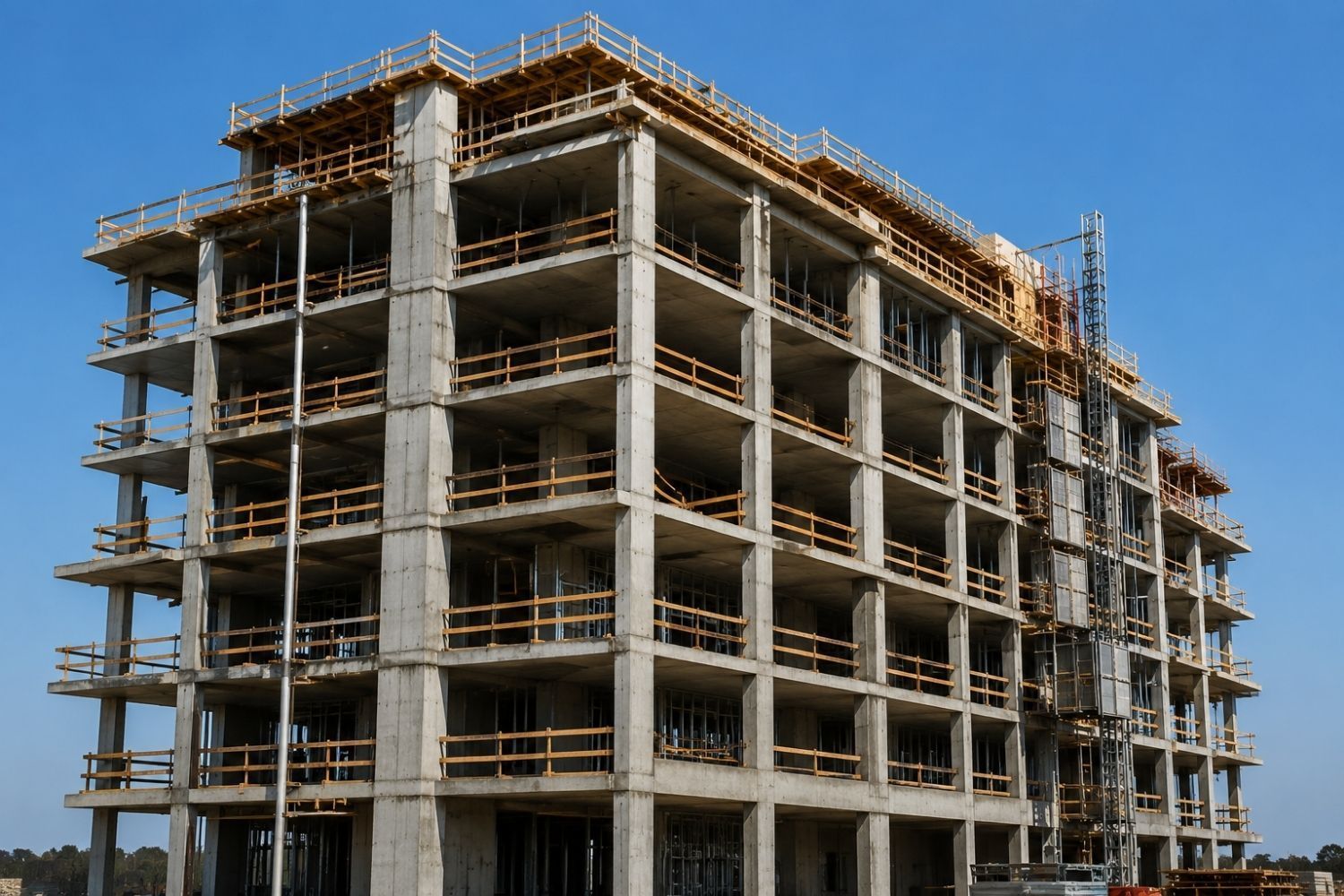
Contractors represent the largest group of inland marine policyholders in Texas. Coverage typically includes:
- Heavy equipment like excavators, skid steers, and forklifts
- Power tools and hand tools
- Scaffolding, ladders, and temporary structures
- Generators and compressors
- Surveying and measurement equipment
A single theft at a Houston job site can wipe out tens of thousands in tools. Policies can cover equipment whether it's being transported, actively used, or stored at a project location overnight.
Transportation of Goods and Motor Truck Cargo
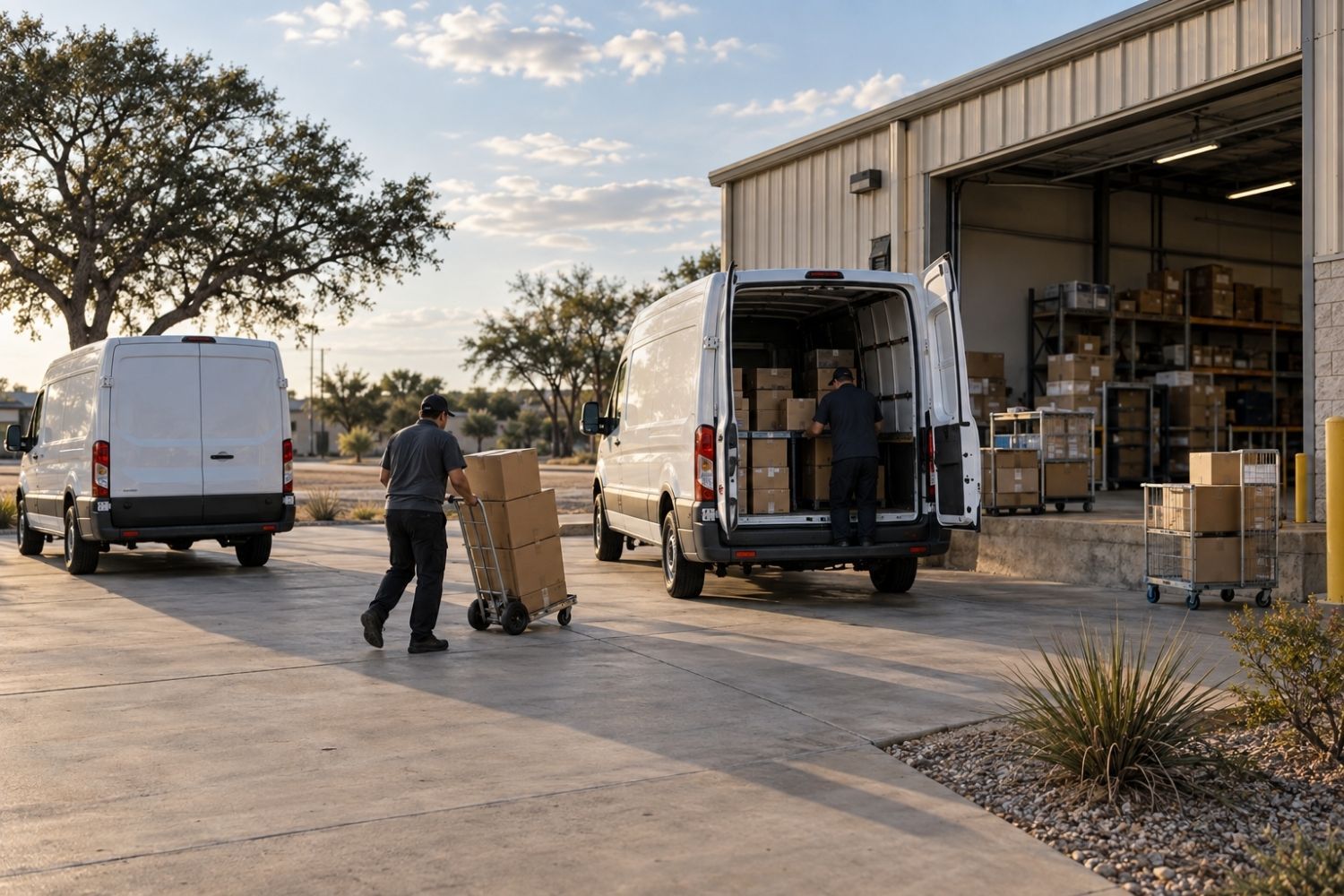
Businesses that transport goods face exposure every time a truck leaves the lot. Motor truck cargo coverage protects the freight you're hauling for customers, while transit coverage protects your own inventory moving between locations.
Texas trucking operations deal with everything from produce spoilage to theft at truck stops along I-35. Cargo policies can be written on a per-shipment basis or as annual policies covering all loads throughout the year.
High-Value Specialized Technology and Medical Gear
Medical equipment companies, IT service providers, and scientific testing firms often own portable equipment worth hundreds of thousands. MRI machines, diagnostic imaging equipment, laboratory instruments, and specialized computers all qualify for inland marine protection.
These policies can include coverage for equipment breakdown during transit, something standard property policies rarely address. When a $150,000 piece of medical diagnostic equipment gets damaged during installation at a client's facility, inland marine coverage responds.
Key Coverages and Common Exclusions to Consider
Understanding what your policy covers, and what it doesn't, prevents unpleasant surprises when you file a claim.
Protection Against Theft, Transit Damage, and Weather
Most inland marine policies cover:
- Theft from vehicles, job sites, or storage locations
- Damage during loading, unloading, and transport
- Fire, lightning, and explosion
- Collision and overturning of transport vehicles
- Vandalism and malicious mischief
Weather coverage varies significantly between policies. Some include wind and hail damage standard; others require endorsements. Given Texas weather patterns, this distinction matters enormously.
Understanding 'All-Risk' vs. 'Named Peril' Forms
| Coverage Type | What's Covered | What's Excluded | Best For |
|---|---|---|---|
| All-Risk | Everything unless specifically excluded | Listed exclusions only | Higher-value equipment, comprehensive protection |
| Named Peril | Only perils listed in policy | Everything not listed | Budget-conscious, lower-risk operations |
All-risk policies (technically called "special form") provide broader protection because they cover any cause of loss not specifically excluded. Named peril policies only cover what's explicitly listed. The premium difference is usually 15-25%, but the coverage difference can be substantial.
Common exclusions across both forms include wear and tear, mechanical breakdown (unless added), intentional damage, and losses from war or nuclear events.
Texas-Specific Risks and Environmental Factors
Operating in Texas means dealing with weather and regulatory conditions that differ from other states.
Mitigating Losses from Severe Weather and Flooding
Texas experiences more billion-dollar weather disasters than any other state. Winter Storm Uri in 2021 caused equipment damage across industries when generators failed and pipes burst at job sites. Hurricane season brings wind, flooding, and storm surge to Gulf Coast operations every year.
Standard inland marine policies often exclude flood damage. Equipment sitting at a low-lying Houston job site during a tropical storm may not be covered without specific flood endorsements. Denton Business Insurance regularly helps contractors add flood coverage to their inland marine policies, particularly for businesses working in Harris, Galveston, and Brazoria counties.
Hail presents another major exposure. North Texas averages 8-10 significant hail events annually. Unprotected equipment, vehicles loaded with cargo, and machinery at outdoor job sites all face damage potential that should be addressed in your policy structure.
Navigating State Regulations and Compliance Standards
Texas doesn't mandate inland marine coverage, but certain industries face contractual requirements. General contractors often require subcontractors to carry equipment floaters before allowing them on job sites. Government contracts frequently specify minimum coverage amounts.
Motor truck cargo coverage has federal implications. Interstate carriers must meet FMCSA requirements, and Texas intrastate carriers face TxDMV regulations. Working with an independent agency that understands both state and federal requirements prevents compliance gaps.
How to Determine the Right Amount of Coverage
Getting coverage amounts right protects your business without overpaying for insurance you don't need.
Calculating Replacement Cost vs. Actual Cash Value
| Valuation Method | How It Works | Claim Payment | Premium Impact |
|---|---|---|---|
| Replacement Cost | Pays to replace with new equivalent | Full replacement value | Higher premium |
| Liquor Liability | Deducts depreciation from replacement cost | Reduced payment on older equipment | Lower premium |
A five-year-old excavator originally costing $80,000 might have an actual cash value of $45,000 after depreciation. If that machine gets stolen, an ACV policy pays $45,000, but replacing it costs $85,000 for a new model. Replacement cost coverage closes that gap.
Most Texas contractors find replacement cost coverage worth the additional premium, typically 10-20% more than ACV policies.
Bundling with General Liability or BOP Policies
Inland marine coverage can be purchased standalone or bundled with other policies. Business Owner's Policies (BOPs) sometimes include limited inland marine coverage, but the limits are often too low for contractors or equipment-heavy operations.
Bundling through an independent agency like Denton Business Insurance often produces better pricing than purchasing policies separately. We compare options from carriers including Travelers, Nationwide, and Chubb to find combinations that provide adequate coverage without redundant premiums.
Frequently Asked Questions
Does my commercial auto policy cover equipment in my truck? Usually not. Commercial auto covers the vehicle itself and liability, but tools and equipment inside typically need separate inland marine coverage or a specific endorsement.
How much does inland marine insurance cost in Texas? Premiums typically run 1-3% of the total equipment value annually. A $100,000 equipment schedule might cost $1,500-$3,000 per year depending on your industry and claims history.
Can I add equipment during the policy term? Yes. Most policies allow mid-term additions with premium adjustments. Keep your equipment schedule updated to avoid coverage gaps on new purchases.
Does inland marine cover rented equipment? Coverage for rented equipment usually requires a specific endorsement. Many rental companies require proof of coverage before releasing equipment.
What's the typical deductible? Deductibles range from $500 to $5,000 depending on policy structure and equipment values. Higher deductibles reduce premiums but increase out-of-pocket costs on claims.
Securing Your Texas Business for the Long Term
Inland marine insurance fills a critical gap that standard property policies leave wide open. For Texas businesses with mobile assets, equipment at job sites, or goods in transit, this coverage isn't a luxury.
The right policy depends on your specific operation. Construction companies need contractor equipment floaters. Trucking operations need cargo coverage. Medical equipment firms need technology-specific forms. Getting this wrong means either paying for coverage you don't need or discovering gaps after a loss.
Denton Business Insurance works with business owners across Texas to match inland marine coverage to actual exposures. As an independent agency, we compare policies from multiple carriers to find protection that fits your equipment, your operations, and your budget. Reach out for a coverage review before your next renewal, and make sure your mobile assets have the protection they actually need.
ABOUT THE AUTHOR:
DAVID CALL
I'm the founder of Denton Business Insurance, a local independent agency serving commercial clients across Denton and the state of Texas. With a hands-on approach to commercial risk, I help business owners — from contractors and restaurateurs to property managers and manufacturers — find the right coverage without the guesswork of working with a single-carrier agent.