See How We're Different
Call Us: (940) 268-5112
A $2.3 million custom home in Frisco sat 80% complete when a severe hailstorm rolled through last spring. The general contractor had assumed the property owner's homeowners policy would cover damage during construction. It didn't. The resulting dispute delayed the project by four months and cost both parties over $180,000 in repairs, legal fees, and carrying costs that nobody had budgeted for.
This scenario plays out across Texas construction sites more often than most contractors realize. The state's unique combination of severe weather, rapid development, and complex liability questions makes builders risk insurance essential protection, not an optional expense. Whether you're breaking ground on a strip center in San Antonio or a residential subdivision outside Austin, understanding how this coverage works before the first shovel hits dirt can mean the difference between a profitable project and a financial nightmare.
Texas contractors face risks that builders in other states simply don't encounter at the same frequency or intensity. From Gulf Coast hurricanes to North Texas hail corridors, from theft in fast-growing suburbs to flash flooding in Hill Country, the threats to an unfinished structure are constant and varied. Getting the right builders risk policy in place requires understanding what you're actually protecting, who should carry the coverage, and how Texas-specific hazards affect your options.
The Fundamentals of Builders Risk Insurance in the Texas Market
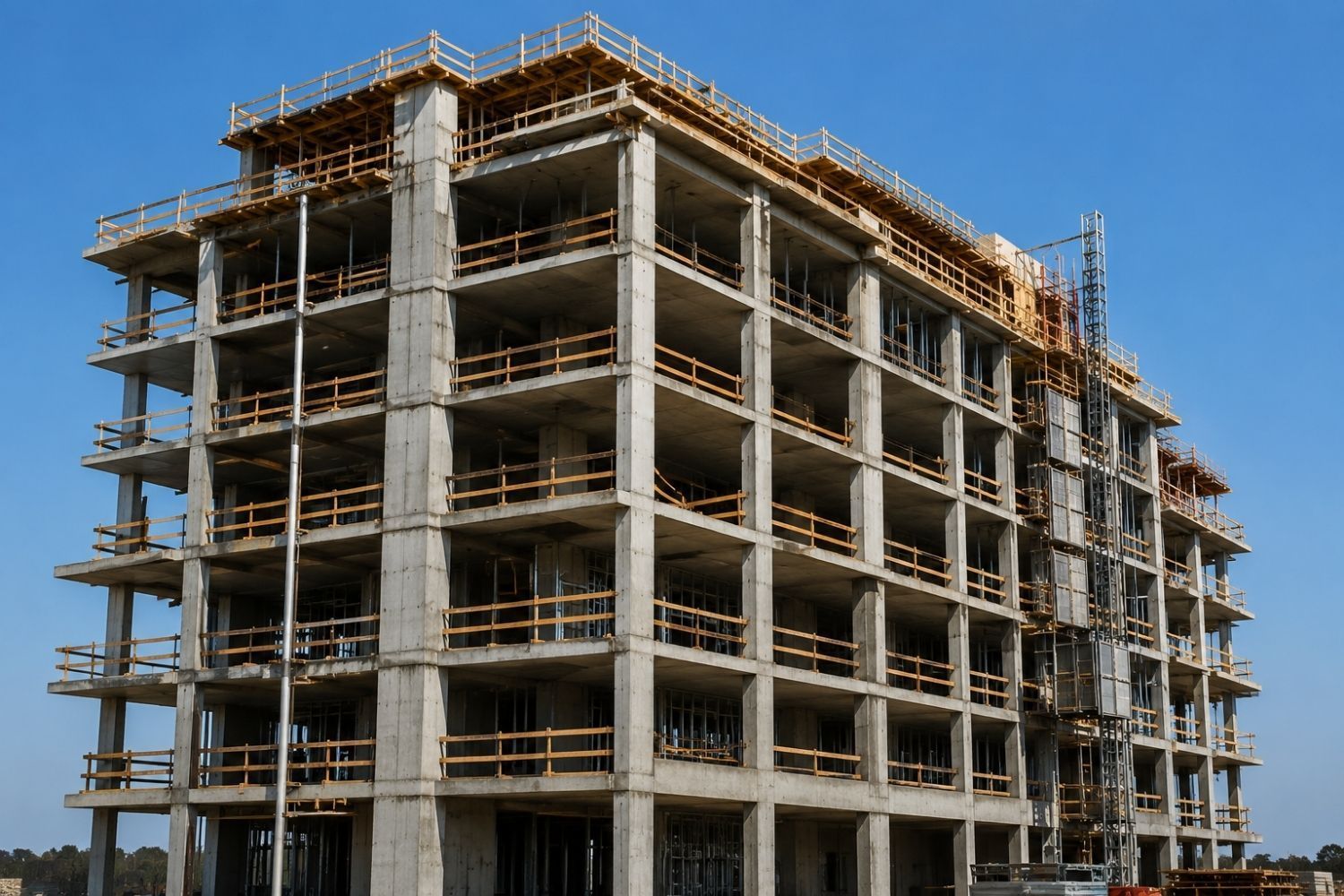
Builders risk insurance protects structures during construction from damage or loss. Unlike a standard property policy designed for completed buildings, this coverage recognizes that construction sites face unique exposures: open framing vulnerable to weather, valuable materials stored on-site, and constantly changing conditions as work progresses.
Defining Coverage for Materials, Fixtures, and Equipment
A builders risk policy typically covers the structure under construction, building materials and supplies on-site or in transit, and permanently installed fixtures and equipment. This includes framing lumber sitting in the staging area, HVAC units waiting for installation, and the partially completed building itself. Most policies also cover temporary structures like construction trailers and scaffolding, though limits vary.
What trips up many contractors is assuming their general liability policy handles property damage. General liability covers third-party claims when your work damages someone else's property. Builders risk covers damage to the project itself from covered perils like fire, wind, or theft. These are fundamentally different protections serving different purposes.
Who Carries the Policy: Contractor vs. Property Owner
Contract language typically determines who purchases builders risk coverage. On commercial projects, property owners often carry the policy since they have the greatest financial interest in the completed structure. Residential contractors frequently purchase coverage themselves, especially for spec homes or when contracts require it.
The key is clarity before work begins. At Denton Business Insurance, we regularly see disputes arise when both parties assumed the other had coverage. Review your construction contract carefully, and if the language is ambiguous, get it in writing. The policy should name all parties with an insurable interest: owner,
general contractor, and major subcontractors.
Essential Coverage Components for Texas Construction Sites
Texas weather doesn't care about your construction timeline. Understanding which perils your policy covers, and which require additional endorsements, prevents costly surprises when claims arise.
Protection Against Wind, Hail, and Tropical Storms
Standard builders risk policies include wind and hail coverage in most Texas counties, but coastal areas present complications. Projects within designated coastal zones may require coverage through the Texas Windstorm Insurance Association (TWIA), which operates as the insurer of last resort for wind and hail damage. TWIA coverage requires specific building code compliance and inspections, so factor this into your project timeline.
North Texas sits in one of the most active hail corridors in the country. Dallas-Fort Worth area projects face significant exposure, and insurers price policies accordingly. Expect premiums 15-30% higher than comparable projects in less hail-prone regions.
Theft and Vandalism Safeguards in High-Growth Areas
Rapid development in suburbs surrounding Houston, Dallas, and Austin creates theft opportunities. Copper wire, HVAC equipment, and appliances disappear from job sites with alarming regularity. Most builders risk policies cover theft, but some exclude it for projects without adequate security measures.
Insurers may require fencing, lighting, security cameras, or on-site guards before extending full theft coverage. Document your security measures thoroughly, as this documentation becomes critical during claims.
Soft Costs: Covering Delays, Interest, and Lost Earnings
When a covered loss delays project completion, the direct repair costs represent only part of your exposure. Soft cost coverage addresses the financial consequences of delay: additional interest on construction loans, extended general conditions, permit renewals, and lost rental income or sales proceeds.
A six-week delay on a $5 million commercial project can easily generate $75,000-$100,000 in soft costs. This coverage typically adds 10-15% to your premium but provides protection that standard policies exclude.
Navigating Regional Risks and Policy Exclusions
Texas geography creates insurance challenges that vary dramatically by location. A policy appropriate for a Dallas project may leave dangerous gaps for construction in Galveston or the Rio Grande Valley.
Flood Insurance Requirements in Low-Lying Coastal Zones
Standard builders risk policies exclude flood damage. Period. If your project sits in a FEMA-designated flood zone, you need separate flood coverage through the National Flood Insurance Program or a private flood insurer. This applies even during construction, when incomplete drainage systems and disturbed soil increase flood vulnerability.
Houston-area projects deserve particular attention. The 2017 flooding from Hurricane Harvey damaged countless construction sites, and many contractors discovered their coverage gaps too late. Don't assume your site is safe because it's never flooded before. Check FEMA flood maps and purchase appropriate coverage.
Common Exclusions: Faulty Workmanship and Wear and Tear
Builders risk policies cover damage from external perils, not problems caused by poor construction practices. If a roof leaks because it was installed incorrectly, the resulting water damage isn't covered. If that same roof is damaged by a hailstorm, coverage applies.
Other standard exclusions include normal settling, mechanical breakdown of equipment, and damage from governmental action. Some policies also exclude earthquake damage, though this rarely concerns Texas contractors. Review your policy's exclusion section carefully, as this is where coverage disputes typically originate.
Determining Policy Limits and Project Valuation
Underinsuring a construction project creates obvious problems, but overinsuring wastes premium dollars. Getting the valuation right requires understanding how insurers calculate coverage amounts.
Calculating Total Completed Value vs. Hard Costs
Most builders risk policies use completed value coverage, meaning the policy limit equals the project's finished value including all labor and materials. This approach ensures adequate coverage throughout construction without requiring constant policy adjustments as work progresses.
| Valuation Method | What It Covers | Best For |
|---|---|---|
| Completed Value | Full finished project value | New construction, large projects |
| Reporting Form | Actual values reported periodically | Long-term projects with variable scope |
| Hard Costs Only | Materials and labor only | Budget-conscious smaller projects |
Hard costs typically represent 70-80% of total project value, with soft costs, profit margins, and contingencies making up the remainder. Discuss valuation methods with your insurance agent to ensure appropriate coverage.
Adjusting Coverage for Renovations vs. New Construction
Renovation projects present unique valuation challenges. The policy must cover both the existing structure's value and the value being added through renovation. Some insurers require separate policies for each component, while others offer combined coverage.
Renovation work also increases certain risks. Cutting into existing walls may reveal hidden conditions, and working around occupied spaces creates additional liability exposures. When working with an independent agency like Denton Business Insurance, you can compare how different carriers approach renovation coverage and find the best fit for your specific project.
Managing Compliance and Claims Processes
Understanding when coverage starts and ends, and how to properly document and report losses, determines whether claims get paid promptly or become prolonged disputes.
When Coverage Ends: Substantial Completion and Occupancy
Builders risk coverage terminates when the project reaches substantial completion, the owner occupies the building, or the policy period expires, whichever occurs first. Substantial completion typically means the structure can be used for its intended purpose, even if punch list items remain.
The transition from builders risk to permanent property insurance requires coordination. Gaps in coverage during this transition expose both contractors and owners to uninsured losses. Schedule your permanent policy to begin the day builders risk coverage ends.
Best Practices for Documentation and Reporting Loss
Report losses immediately. Most policies require prompt notification, and delays can jeopardize coverage. Document everything: photographs of damage, police reports for theft or vandalism, weather records for storm damage, and detailed inventories of lost or damaged materials.
Maintain organized records throughout construction. Daily logs, material receipts, subcontractor schedules, and progress photographs all become valuable evidence during claims. The contractor who can demonstrate exactly what was on-site when a loss occurred recovers far more than one relying on estimates and memory.
Securing Your Investment Before Groundbreaking
Getting builders risk coverage right starts before you submit your first permit application. Review your construction contracts to clarify insurance responsibilities. Assess project-specific risks based on location, scope, and timeline. Compare coverage options from multiple carriers, as pricing and terms vary significantly.
Texas construction projects face weather risks, theft exposure, and liability questions that demand proper insurance protection. The relatively modest cost of adequate builders risk coverage, typically 1-4% of project value, protects investments worth many times that amount. Contractors who treat insurance as an afterthought often discover their mistake when a claim reveals gaps they never anticipated.
Work with an independent agency that understands Texas construction risks and can shop multiple carriers for competitive coverage. The right policy protects your project, your reputation, and your bottom line from the moment you break ground until you hand over the keys.
Frequently Asked Questions
How much does builders risk insurance typically cost in Texas? Expect to pay between 1-4% of total project value annually, with exact pricing depending on location, construction type, and coverage limits. Coastal and hail-prone areas command higher premiums.
Can I add builders risk coverage to my existing contractor's policy? Some insurers offer builders risk as an endorsement to contractor's policies, but standalone policies often provide broader coverage and higher limits. Compare both options for your specific situation.
Does builders risk cover my subcontractors' tools and equipment? Generally no. Builders risk covers the structure and installed materials, not contractors' tools or mobile equipment. Subcontractors should carry their own inland marine or tools coverage.
What happens if the project takes longer than expected? Most policies allow extensions for additional premium. Request extensions before the original policy expires to avoid coverage gaps. Insurers typically accommodate reasonable delays without difficulty.
Is builders risk required by Texas law? No state law mandates builders risk coverage, but construction lenders almost always require it. Many contracts also specify coverage requirements regardless of financing arrangements.
Does my homeowners policy cover a home addition under construction? Homeowners policies provide limited coverage for additions, typically capping at 10% of dwelling coverage. Major renovations or additions usually warrant a separate builders risk policy for adequate protection.
ABOUT THE AUTHOR:
DAVID CALL
I'm the founder of Denton Business Insurance, a local independent agency serving commercial clients across Denton and the state of Texas. With a hands-on approach to commercial risk, I help business owners — from contractors and restaurateurs to property managers and manufacturers — find the right coverage without the guesswork of working with a single-carrier agent.