See How We're Different
Call Us: (940) 268-5112
Texas contractors face a unique insurance landscape. Between hurricane season along the Gulf Coast, hailstorms pummeling the Dallas-Fort Worth metroplex, and a legal environment that sees more lawsuits per capita than most states, your premiums reflect real risks. The question of how much contractor insurance costs in Texas depends heavily on your specific trade, project locations, and business size.
Here's what I've seen working with contractors across the state: a general contractor in Houston pays dramatically different rates than a roofer in Amarillo, even when their revenues match. An electrician in Austin might spend $1,200 annually on general liability while a structural contractor in San Antonio budgets $8,000 or more. These aren't random variations. They reflect actuarial data on claims frequency, injury severity, and lawsuit costs specific to each trade.
The good news? Texas remains one of the more affordable states for contractor insurance compared to California or New York. The challenge is finding coverage that actually protects you without overpaying for policies designed for different risk profiles. This breakdown covers real premium ranges by trade, the coverage types you actually need, and practical strategies for reducing costs without leaving gaps that could sink your business.
Overview of Contractor Insurance Costs in the Texas Market
Average Monthly and Annual Premiums
Most Texas contractors pay between $50 and $400 monthly for general liability coverage, translating to $600 to $4,800 annually. Workers' compensation adds another $800 to $3,500 per year for small crews. These ranges shift dramatically based on your trade classification.
A handyman running solo jobs typically lands at the lower end, around $400 to $800 yearly for basic GL coverage. Specialty trades like plumbing or electrical work see premiums between $1,000 and $2,500. High-risk trades, particularly roofing and structural work, often exceed $4,000 annually for liability alone.
Texas-Specific Regulatory and Legal Factors
Texas stands alone as the only state where private employers can legally opt out of workers' compensation. This "non-subscriber" status appeals to some contractors seeking lower costs, but it eliminates your protection from employee lawsuits following workplace injuries. Non-subscribers face unlimited liability exposure, and Texas juries have awarded multi-million-dollar verdicts against employers who skipped coverage.
The state's legal climate also affects liability premiums. Texas sees higher lawsuit frequency than the national average, particularly in major metros like Houston and Dallas. Carriers price this litigation risk into every policy. Coastal contractors face additional considerations through the Texas
Windstorm Insurance Association (TWIA), which provides wind and hail coverage in designated catastrophe areas where standard carriers won't write policies.
Estimated Rates by Trade and Risk Level
General Contractors and Handymen
General contractors managing subcontractors typically pay $1,500 to $3,500 annually for general liability with $1 million per occurrence and $2 million aggregate limits. Your premium depends heavily on whether you're swinging hammers yourself or purely coordinating subs.
| Trade Type | Annual GL Premium | Risk Classification |
|---|---|---|
| Handyman (solo) | $400 - $900 | Low |
| General Contractor | $1,500 - $3,500 | Moderate |
| Remodeling Contractor | $1,200 - $2,800 | Moderate |
Handymen performing light repairs, painting, and minor installations fall into lower risk categories. Once you're doing structural modifications or managing multiple job sites, premiums climb accordingly.
Specialty Trades: Electricians, Plumbers, and HVAC
Specialty trades occupy the middle ground in Texas contractor insurance pricing. Electricians typically pay $1,200 to $2,500 annually for GL coverage, reflecting the fire and shock hazards inherent to electrical work. Plumbers see similar ranges, with premiums rising for those handling gas line installations.
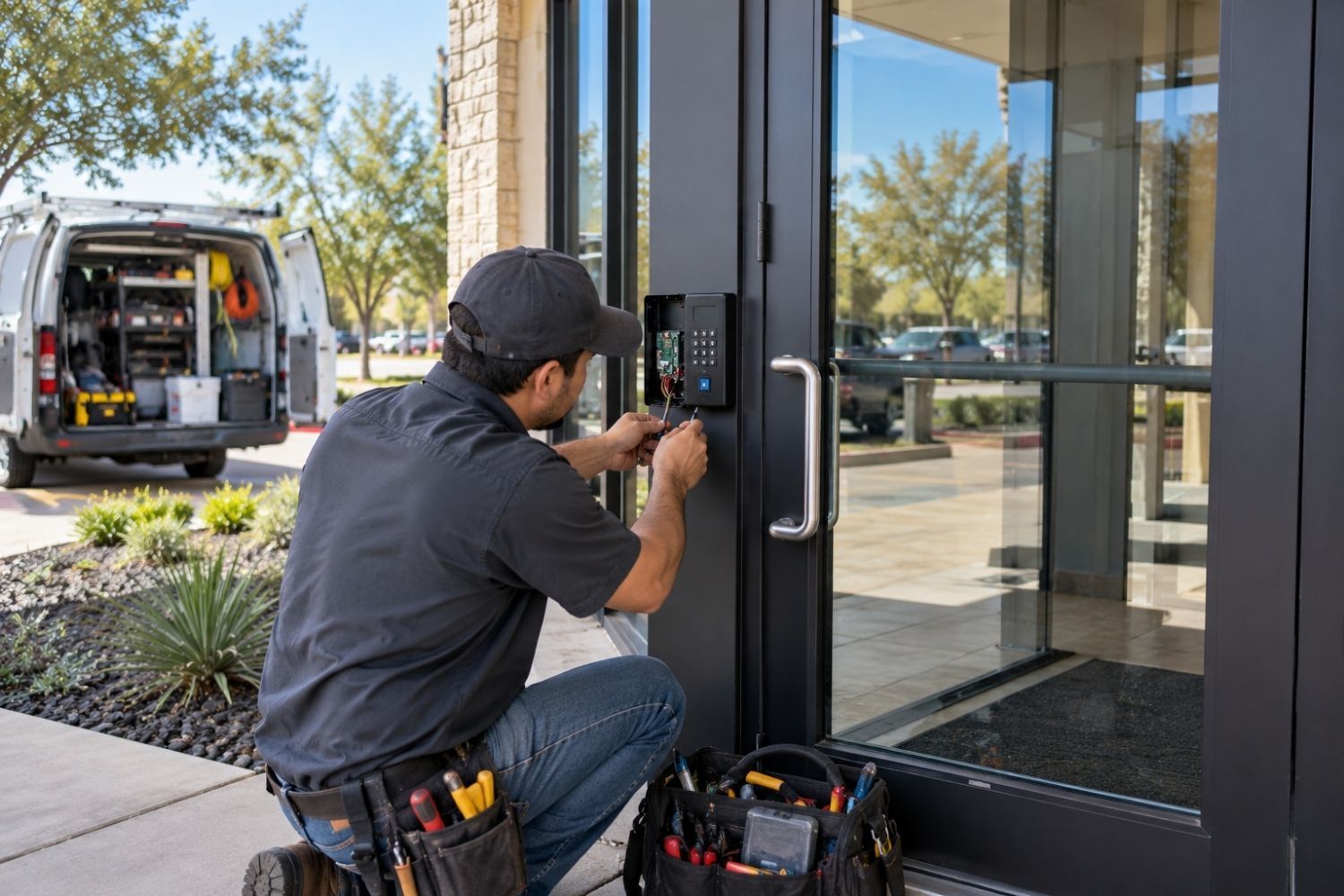
HVAC contractors often pay slightly more, around $1,500 to $3,000 yearly, due to refrigerant handling requirements and the physical risks of rooftop unit installations. These trades also face higher workers' comp costs because injuries tend to be more severe than those in lower-risk categories.
High-Risk Trades: Roofing and Structural Work
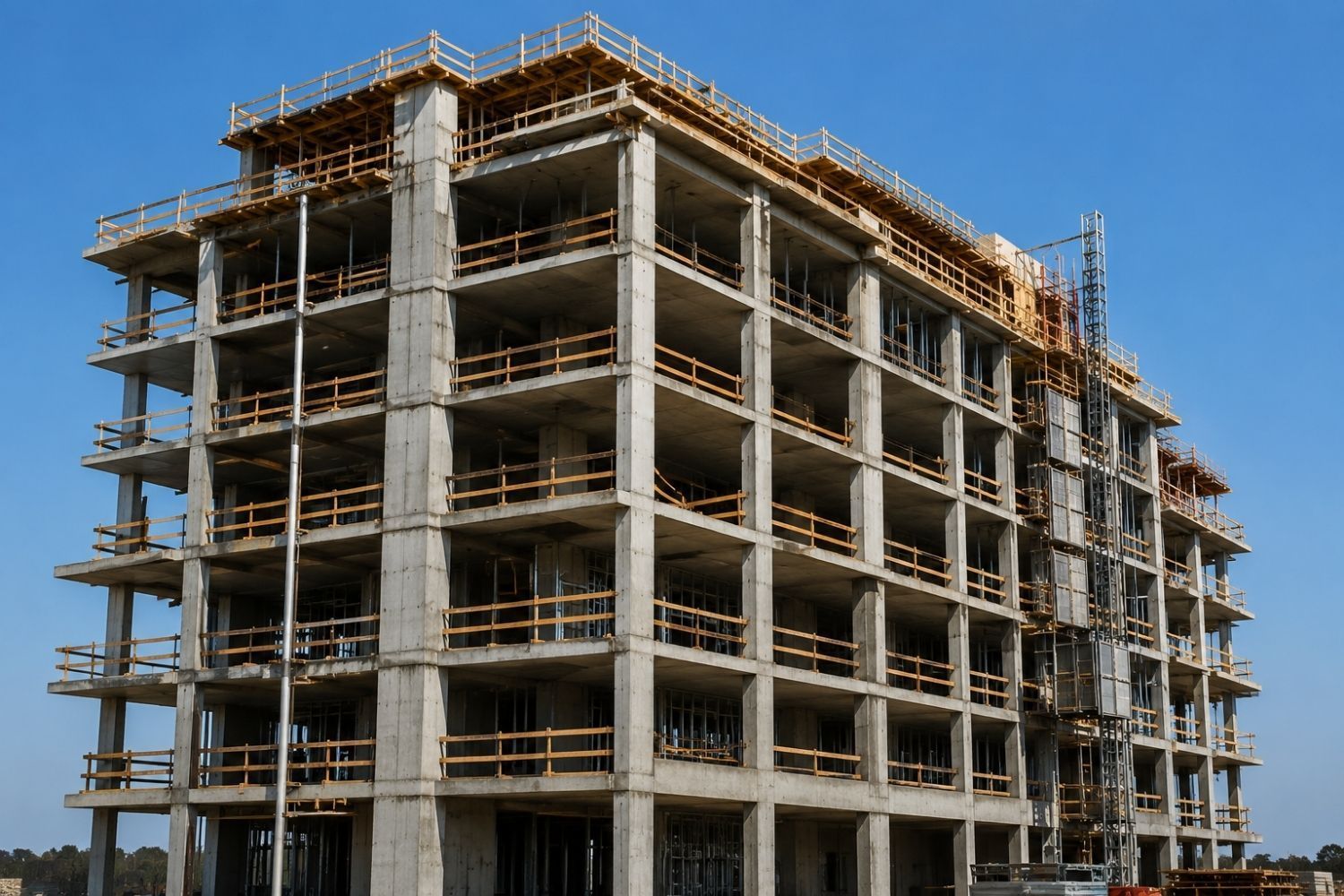
Roofers represent the highest-risk classification in contractor insurance. Annual GL premiums for roofing contractors typically run $4,000 to $8,000, with workers' compensation adding another $3,000 to $6,000 depending on payroll size. A roofing company with $500,000 in annual payroll might spend $12,000 or more on combined coverage.
Structural contractors, including foundation repair specialists and steel erectors, face similar premium levels. The height exposure, heavy equipment use, and catastrophic injury potential drive these costs. After Winter Storm Uri in 2021, many Texas roofers saw premium increases of 15% to 25% as carriers adjusted for the surge in claims.
Core Coverage Types and Their Price Points
General Liability Insurance
General liability protects against third-party bodily injury and property damage claims. When a homeowner trips over your equipment or your work damages existing structures, GL responds. Standard policies provide $1 million per occurrence with $2 million aggregate limits.
Texas contractors should expect to pay $30 to $80 per $1,000 of revenue for GL coverage, depending on trade classification. A contractor grossing $200,000 annually might pay $1,200 to $3,200 for adequate protection. Skimping on limits to save a few hundred dollars annually creates exposure that could bankrupt your business after a single serious claim.
Workers' Compensation in Texas
Despite being optional in Texas, workers' comp remains the smartest investment for contractors with employees. Premiums run approximately $1.50 to $4.50 per $100 of payroll for most trades. A roofing company pays closer to $8 to $12 per $100 due to elevated injury frequency.
Non-subscribers lose crucial legal protections. Injured employees can sue directly, and they don't need to prove employer negligence. Texas courts have consistently ruled against non-subscribing employers in workplace injury cases. The apparent savings often vanish after a single significant claim.
Commercial Auto and Inland Marine
Commercial auto coverage protects vehicles used for business purposes. Texas requires minimum liability limits of $30,000 per person, $60,000 per accident, and $25,000 for property damage, but these minimums won't adequately protect most contractors. Expect to pay $1,200 to $3,000 annually per vehicle for reasonable coverage.
Inland marine insurance covers tools, equipment, and materials in transit or stored at job sites. Premiums typically run 1% to 3% of total equipment value annually. A contractor with $50,000 in tools might pay $500 to $1,500 yearly for inland marine protection.
Key Factors That Influence Your Texas Premium
Business Revenue and Payroll Size
Insurance carriers use revenue and payroll as primary rating factors because they correlate with exposure. Higher revenue means more job sites, more customer interactions, and more opportunities for claims. Payroll directly affects workers' comp premiums since larger crews create more injury exposure.
A contractor growing from $250,000 to $500,000 in annual revenue should expect proportional premium increases. This scaling isn't punitive; it reflects the genuine increase in risk that accompanies business growth.
Claims History and Experience Modifier
Your experience modification rate (EMR) significantly impacts workers' comp premiums. New businesses start with a 1.0 modifier. A history of claims pushes this higher, while claim-free years reduce it. An EMR of 1.2 means you're paying 20% more than baseline; a 0.85 EMR means 15% savings.
General liability claims also affect future premiums. Carriers review five-year loss histories when quoting coverage. Multiple claims, even small ones, signal elevated risk and result in higher premiums or coverage restrictions.
Service Area and Project Locations
Where you work matters significantly. Contractors operating in Houston, Dallas, or San Antonio pay higher premiums than those in smaller Texas markets due to increased lawsuit frequency and higher jury awards. Coastal contractors face additional wind and hail exposure that affects both liability and property coverage costs.
Working across multiple Texas regions can complicate coverage. Some carriers restrict operations in TWIA-designated coastal zones or require separate endorsements for hurricane-prone areas.
How to Reduce Contractor Insurance Expenses
Bundling Policies with a Business Owner's Policy (BOP)
A Business Owner's Policy combines general liability, commercial property, and business interruption coverage into a single package at reduced rates. BOPs typically save 10% to 20% compared to purchasing these coverages separately.
At Denton Business Insurance, we frequently help contractors bundle coverage across multiple carriers. As an independent agency, we're not locked into a single company's products. We can compare options from Nationwide, Travelers, Germania, and other A-rated carriers to find the best combination of coverage and price for your specific trade.
Implementing Safety Programs and Risk Management
Documented safety programs reduce claims frequency, which directly lowers premiums over time. Many carriers offer 5% to 15% discounts for contractors with formal safety protocols, regular training, and incident tracking systems.
Simple steps make a difference: weekly toolbox talks, proper equipment maintenance logs, and drug-free workplace policies all signal lower risk to underwriters. These programs also reduce your EMR over time, compounding the savings.
Frequently Asked Questions
Does Texas require contractors to carry insurance? Texas doesn't mandate general liability for most contractors, but many municipalities and general contractors require proof of coverage before allowing you on job sites. Workers' comp is optional but strongly recommended.
How quickly can I get a certificate of insurance? Most carriers issue certificates within 24 hours of policy binding. If you need coverage for a specific project deadline, work with your agent at least a week in advance.
Will my homeowner's policy cover my contracting business? No. Homeowner's policies exclude business activities. Operating without proper commercial coverage exposes your personal assets to claims.
What happens if I let my policy lapse? Lapses create coverage gaps that appear on your loss history. Future carriers view lapses negatively and may charge higher premiums or decline coverage entirely.
How do I choose between carriers? Focus on A.M. Best ratings of A- or better, local claims handling capabilities, and industry experience. The cheapest premium means nothing if the carrier fights legitimate claims.
ABOUT THE AUTHOR:
DAVID CALL
I'm the founder of Denton Business Insurance, a local independent agency serving commercial clients across Denton and the state of Texas. With a hands-on approach to commercial risk, I help business owners — from contractors and restaurateurs to property managers and manufacturers — find the right coverage without the guesswork of working with a single-carrier agent.