See How We're Different
Call Us: (940) 268-5112
Running a restaurant in Texas means juggling tight margins, staffing challenges, and a thousand daily fires. Insurance rarely makes it to the top of your priority list until something goes wrong. But here's the reality: Texas restaurant owners face some of the highest insurance costs in the country, and 2026 is shaping up to be another year of premium increases across most coverage types.
The average Texas restaurant pays between $8,000 and $25,000 annually for comprehensive coverage, though that range stretches considerably wider depending on your setup. A food truck in Amarillo operates in a completely different risk universe than a waterfront seafood restaurant in Galveston or a high-volume bar in Austin's entertainment district. Understanding what drives your specific costs puts you in a stronger position when renewal season arrives.
This pricing guide breaks down actual 2026 premium benchmarks, explains why your quote might differ from the restaurant down the street, and offers practical strategies to reduce costs without gutting your protection. Whether you're opening your first location or managing multiple establishments, knowing these numbers helps you budget accurately and negotiate effectively.
The State of the Texas Restaurant Insurance Market in 2026
Current Economic Trends and Inflationary Impacts
Insurance carriers have been adjusting to years of elevated claims costs, and restaurants have felt the squeeze. Property coverage premiums jumped 12 to 18 percent across Texas between 2024 and 2025, driven largely by increased construction costs and severe weather payouts. Those increases haven't fully stabilized heading into 2026.
Replacement costs for commercial kitchen equipment have risen sharply. A walk-in cooler that cost $15,000 to replace in 2022 now runs closer to $22,000. Carriers factor these numbers into your property coverage calculations, which means your premium reflects current replacement values rather than what you originally paid. Labor shortages in the construction trades have also extended repair timelines, increasing business interruption claims and pushing those premiums higher.
Why Texas Premiums Differ from National Averages
Texas restaurants typically pay 15 to 25 percent more than the national average for equivalent coverage. Several factors contribute to this gap. The state's exposure to hurricanes, tornadoes, and severe hail creates baseline property risks that simply don't exist in many other markets. Harris County alone accounts for more weather-related insurance claims than some entire states.
Texas also leads the nation in nuclear verdicts, those jury awards exceeding $10 million that have become increasingly common in liability cases. Carriers price this litigation environment into every general liability policy they write. The state's large population of uninsured drivers increases your commercial auto exposure as well. When an uninsured motorist hits your delivery vehicle, your own coverage often picks up the tab.
Average Annual Premiums by Coverage Type
General Liability and Liquor Liability Benchmarks
General liability coverage for Texas restaurants typically runs between $2,500 and $7,500 annually for a $1 million per occurrence limit with a $2 million aggregate. Your exact premium depends heavily on your annual revenue, seating capacity, and claims history. A casual dining spot generating $800,000 in annual sales might pay $3,200, while a high-volume establishment clearing $3 million could see quotes around $6,500.
Liquor liability adds another layer of cost if you serve alcohol. Texas restaurants with bar service should budget an additional $2,000 to $8,000 annually for this coverage. Full-service bars with late-night hours and significant alcohol revenue percentages land at the higher end. TABC violations or prior dram shop claims can push these premiums even higher.
Commercial Property and Business Interruption Costs
Commercial property premiums vary dramatically based on location, building age, and fire protection systems. Expect to pay between $3,500 and $12,000 annually for property coverage on a typical restaurant space. Coastal locations from Corpus Christi to Beaumont face the steepest rates, sometimes 40 percent higher than inland properties.
Business interruption coverage typically adds 15 to 25 percent to your property premium. This coverage replaces lost income and covers ongoing expenses if a covered event forces you to close temporarily. After Winter Storm Uri shut down restaurants across the state for weeks in 2021, many owners discovered their policies had waiting periods or coverage gaps they hadn't anticipated.
Texas Workers' Compensation: Optional vs. Essential
Texas remains the only state where private employers can opt out of workers' compensation coverage. About 20 percent of Texas employers choose this "non-subscriber" route, but the decision carries significant risk for restaurant owners.
Workers' comp premiums for restaurants typically range from $1.50 to $4.00 per $100 of payroll, depending on your experience modification rate and specific job classifications. A restaurant with $400,000 in annual payroll might pay between $6,000 and $16,000 for coverage. Non-subscribers lose important legal protections and can face direct lawsuits from injured employees without the caps that apply to workers' comp claims.
Key Factors Influencing Your Restaurant's Quote
Location Risks: Coastal Storms vs. Urban High-Traffic Areas
Your zip code significantly impacts your premium. Restaurants in the Texas Windstorm Insurance Association (TWIA) territory along the Gulf Coast face mandatory wind and hail coverage through this state-backed program, often at rates substantially higher than standard market options. A restaurant in Galveston might pay three times what an identical operation in San Antonio pays for property coverage.
Urban locations bring different challenges. High foot traffic areas in Dallas, Houston, and Austin see more slip-and-fall claims and higher general liability premiums. Parking lot incidents, delivery vehicle accidents, and property crime all factor into your risk profile.
Revenue Volume and Service Model Impact
Carriers use your gross annual revenue as a primary rating factor for liability coverage. Higher revenue means more customer interactions and greater exposure to claims. A restaurant generating $2 million annually will pay roughly double what a $1 million operation pays for similar liability limits.
Your service model matters too. Full-service restaurants with alcohol, tableside preparation, or outdoor seating present different risks than quick-service operations. Delivery services, whether in-house or through third-party apps, require additional coverage considerations that can add $1,000 to $3,000 annually.
Claims History and Safety Protocol Documentation
Your claims history follows you through experience modification rates and loss runs. Three years of clean history can reduce premiums by 10 to 20 percent compared to restaurants with multiple claims. A single significant claim, particularly a liability judgment, can impact your rates for five years or longer.
Documented safety protocols make a measurable difference. Carriers offer credits for formal training programs, regular equipment maintenance records, and certified food safety procedures. Working with an independent agency like Denton Business Insurance often helps identify which documentation actually moves the needle with underwriters versus what's just busywork.
Tailoring Protection for Specific Texas Eateries
Food Truck and Mobile Vendor Pricing
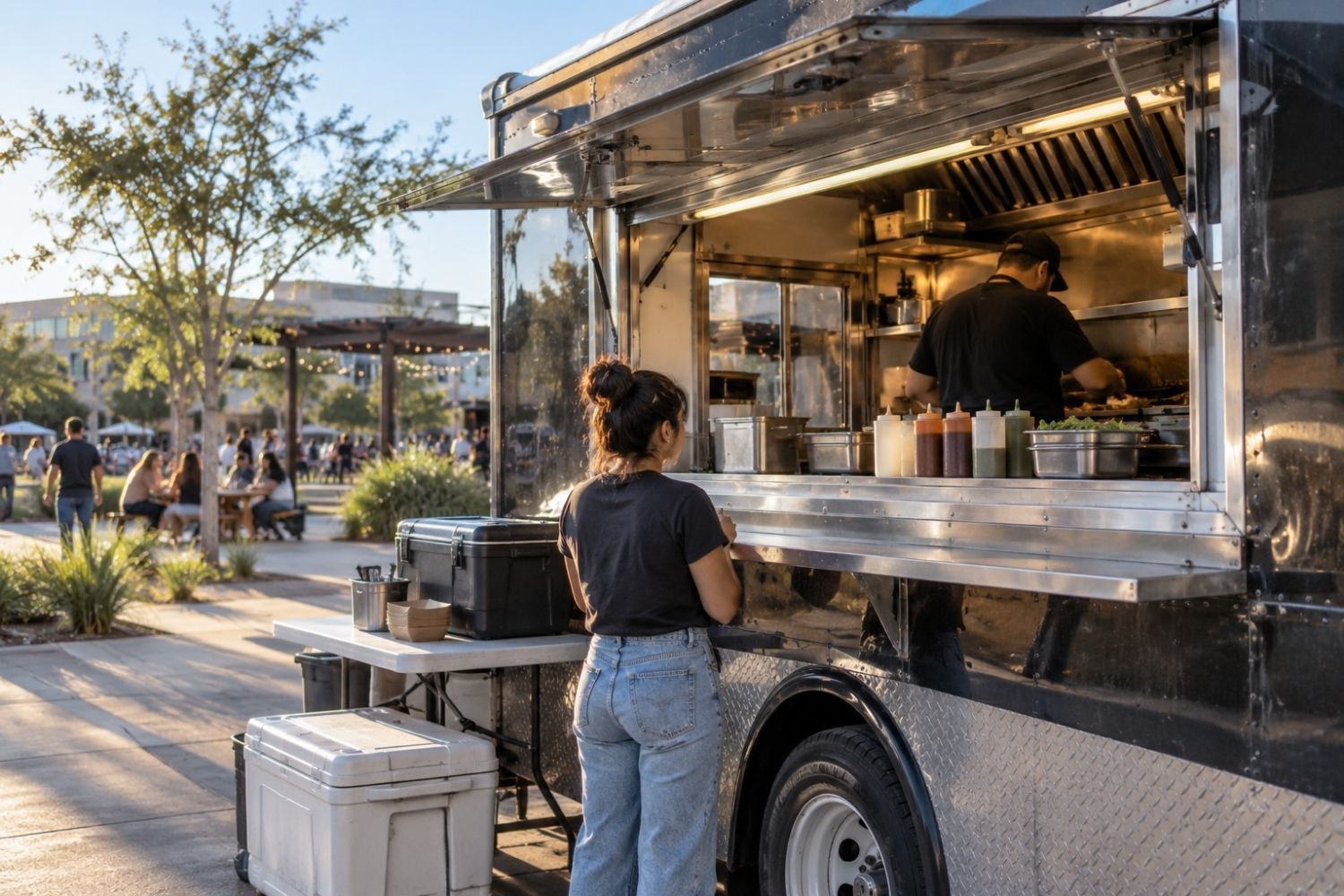
Food trucks and mobile vendors operate under a different cost structure than brick-and-mortar restaurants. Annual premiums typically run between $3,000 and $8,000 for a comprehensive package including general liability, commercial auto, and equipment coverage.
The mobile nature creates unique exposures. You're operating in different locations with varying foot traffic patterns and site-specific hazards. Commissary requirements, generator use, and propane systems all factor into your risk profile. Many food truck owners underestimate their commercial auto needs, particularly if they're using a personal vehicle to tow their trailer.
Fine Dining and Full-Service Bar Requirements
Upscale restaurants and full-service bars face premium structures that reflect their elevated risk profiles. Higher check averages mean greater liability exposure per customer. Extensive wine programs require specialized coverage for inventory that can exceed $100,000 in value.
Full-service bars with entertainment, whether live music or DJ nights, need additional coverage for assault and battery claims. These endorsements can add $1,500 to $4,000 annually but provide essential protection for incidents that standard policies often exclude. Late-night hours and higher alcohol-to-food revenue ratios push liquor liability premiums toward the upper end of ranges.
Strategies to Reduce Insurance Expenses Without Losing Coverage
Bundling with Business Owner's Policies (BOP)
A Business Owner's Policy combines general liability, property coverage, and often business interruption into a single package at rates typically 15 to 25 percent lower than purchasing each coverage separately. For restaurants with straightforward risk profiles, a BOP provides solid foundational coverage at competitive pricing.
Not every restaurant qualifies for standard BOP programs. High-volume alcohol sales, late-night hours, or claims history can push you into specialty markets. An independent agency can shop your account across multiple carriers, including Nationwide, Travelers, and Chubb, to find which markets offer the best fit for your specific operation.
Implementing Tech-Driven Risk Management Tools
Modern risk management technology can earn premium credits while actually reducing your claims frequency. Video surveillance systems with cloud storage discourage fraudulent claims and provide documentation when incidents occur. Many carriers offer 5 to 10 percent credits for comprehensive camera coverage.
Temperature monitoring systems that alert you to refrigeration failures prevent spoilage losses and demonstrate proactive risk management. Point-of-sale integrations that track alcohol service and flag potential over-serving issues can reduce your liquor liability exposure. These investments often pay for themselves through premium savings within two to three years.
Securing Your 2026 Policy: Comparison and Renewal Tips
Start your renewal process 60 to 90 days before your current policy expires. This timeline gives you room to gather competing quotes without rushing decisions. Request loss runs from your current carrier at least 45 days out, as some carriers take weeks to produce these documents.
| Coverage Type | Typical Annual Range | Key Rating Factors |
|---|---|---|
| General Liability | $2,500 - $7,500 | Revenue, seating capacity, claims history |
| Liquor Liability | $2,000 - $8,000 | Alcohol revenue percentage, hours, violations |
| Commercial Property | $3,500 - $12,000 | Location, building age, fire protection |
| Workers' Compensation | $6,000 - $16,000 | Payroll, experience mod, job classifications |
| Business Interruption | 15-25% of property premium | Coverage period, waiting period |
When comparing quotes, look beyond the premium number. Deductible structures, coverage limits, and policy exclusions vary significantly between carriers. A policy that's $2,000 cheaper but excludes assault and battery coverage or has a 72-hour waiting period on business interruption might cost you far more when a claim occurs.
Frequently Asked Questions
How much does restaurant insurance cost per month in Texas? Most Texas restaurants pay between $650 and $2,100 monthly for comprehensive coverage, though food trucks and small cafes often fall below this range while high-volume bars exceed it.
Is workers' compensation required for Texas restaurants? No. Texas is the only state where private employers can legally opt out. However, non-subscribers lose significant legal protections and face unlimited liability in employee injury lawsuits.
Do I need separate liquor liability coverage if I serve alcohol? Yes. Standard general liability policies exclude alcohol-related claims. Liquor liability coverage protects against dram shop lawsuits when intoxicated patrons cause harm after leaving your establishment.
How can I lower my restaurant insurance premiums? Bundle coverages through a BOP, maintain clean claims history, document safety training programs, install security cameras, and work with an independent agency that shops multiple carriers.
What does business interruption insurance cover for restaurants? It replaces lost income and covers ongoing expenses like rent and payroll if a covered event forces you to close temporarily. Most policies have waiting periods of 24 to 72 hours before coverage kicks in.
Your Next Steps for 2026 Coverage
Getting restaurant insurance right means understanding both the numbers and the nuances specific to your operation. Texas presents unique challenges, from Gulf Coast weather exposure to the state's litigation environment, that require thoughtful coverage decisions rather than grabbing the cheapest quote available.
Whether you're opening a new location or approaching renewal on an existing policy, working with an independent agency gives you access to multiple carrier options and expertise in matching coverage to your actual risks. Denton Business Insurance works with restaurant owners across Texas to find policies that protect what you've built without paying for coverage you don't need. Reach out before your next renewal to see how your current coverage compares to what's available in the 2026 market.
ABOUT THE AUTHOR:
DAVID CALL
I'm the founder of Denton Business Insurance, a local independent agency serving commercial clients across Denton and the state of Texas. With a hands-on approach to commercial risk, I help business owners — from contractors and restaurateurs to property managers and manufacturers — find the right coverage without the guesswork of working with a single-carrier agent.