See How We're Different
Call Us: (940) 268-5112
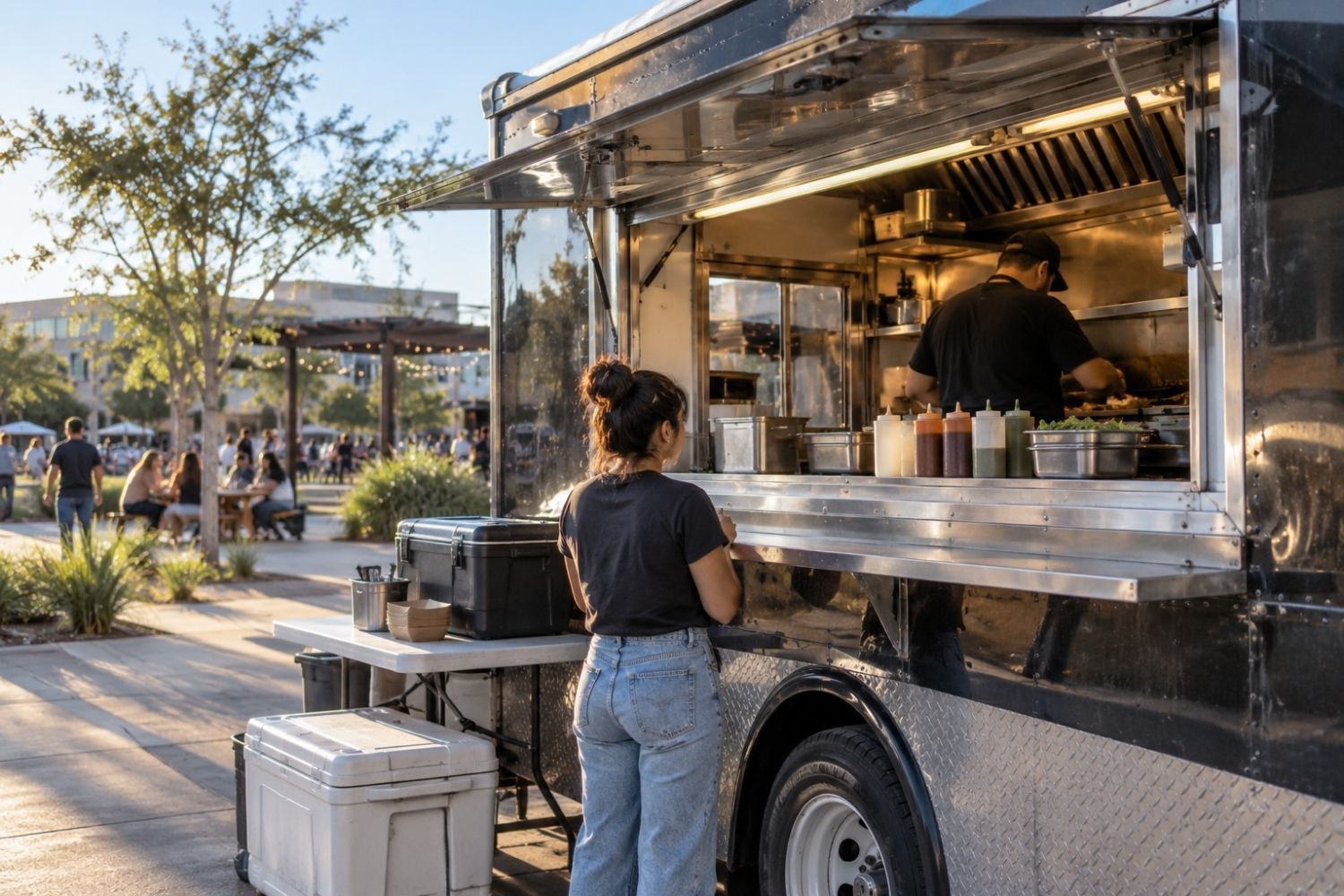
Texas has become a hotbed for ghost kitchen operations, with cities like Houston, Dallas, and Austin seeing explosive growth in delivery-only restaurant concepts. The appeal is obvious: lower overhead, no front-of-house staffing headaches, and the ability to launch multiple brands from a single kitchen space. But here's what catches many operators off guard: the insurance requirements for ghost kitchens don't mirror traditional restaurant policies, and getting this wrong can sink your business faster than a bad Yelp review.
Running a cloud kitchen in Texas means juggling unique risks that standard restaurant insurance wasn't designed to address. You're sharing space with other food businesses, relying heavily on third-party delivery apps, and operating equipment that might be worth more than some brick-and-mortar restaurants. When a foodborne illness claim hits or your commercial-grade combi oven gets damaged in a shared facility fire, the wrong policy leaves you holding the bag.
The insurance landscape for ghost kitchens requires understanding both food service risks and the specific exposures that come with delivery-only, tech-dependent operations. Whether you're running a single virtual brand or managing five concepts from one kitchen, the coverage decisions you make now determine whether a single incident becomes a temporary setback or a business-ending catastrophe.
The Evolving Landscape of Texas Cloud Kitchens
Understanding the Shared Kitchen Risk Profile
Ghost kitchens operate in environments that traditional insurers still struggle to categorize. When you're cooking alongside four other businesses in a commissary kitchen, your liability exposure extends beyond your own operations. A grease fire started by the tenant next door can destroy your equipment. Cross-contamination from a neighboring prep station can trigger claims against your brand.
Shared kitchen facilities create what insurance underwriters call "aggregated risk." Your business's fate becomes partially tied to operators you don't control. This reality demands coverage that accounts for both your direct operations and the indirect exposures inherent to multi-tenant food production spaces. Most ghost kitchen operators in Texas pay between $2,500 and $8,000 annually for comprehensive coverage, depending on revenue, number of brands, and equipment values.
Why Standard Restaurant Policies Often Fall Short
Traditional restaurant insurance assumes you control your entire premises, interact directly with customers, and manage your own delivery operations. Ghost kitchens flip these assumptions. You might never see a customer face-to-face, your "premises" could be 400 square feet in a shared facility, and third-party drivers handle your food after it leaves your window.
Standard policies frequently exclude or inadequately cover delivery-related incidents, equipment in leased spaces, and the technology systems your operation depends on. An agency like Denton Business Insurance regularly sees ghost kitchen operators discover these gaps only after filing a claim, which is exactly the wrong time to learn your policy has holes.
Essential Insurance Coverages for Texas Operators
General and Product Liability for Delivery-Only Brands
General liability coverage protects against third-party bodily injury and property damage claims. For ghost kitchens, product liability becomes equally critical since you're producing food that travels outside your control before reaching consumers. A customer who gets sick from your meal can file a claim regardless of whether contamination occurred in your kitchen or during delivery.
Texas courts have been increasingly plaintiff-friendly in food-related lawsuits, particularly in Houston and Dallas. Coverage limits of $1 million per occurrence with $2 million aggregate represent the minimum most landlords and commissary operators require. Many ghost kitchen operators opt for higher limits given the potential severity of foodborne illness claims.
Commercial Property and Inland Marine for High-End Equipment
Your commercial kitchen equipment represents a significant investment. High-end combi ovens, blast chillers, and specialized cooking equipment can easily total $50,000 to $150,000. Standard property coverage may not adequately protect equipment you don't own outright or that sits in a facility you don't control.
Inland marine insurance fills this gap, covering equipment regardless of location. This matters when you're operating in a leased commissary space or moving equipment between locations. Texas operators should ensure policies cover replacement cost rather than actual cash value, which accounts for depreciation and often leaves you unable to replace damaged equipment.
Workers' Compensation and Texas Non-Subscriber Options
Texas remains the only state where private employers can opt out of workers' compensation insurance. As a "non-subscriber," you lose certain legal protections if an employee gets injured. Kitchen environments present obvious injury risks: burns, cuts, slips, and repetitive motion injuries are common.
Non-subscribers in Texas face lawsuits where injured employees can recover damages without proving employer negligence. The financial exposure often exceeds what workers' comp premiums would cost. For most ghost kitchen operators, carrying workers' compensation makes financial sense even though Texas doesn't mandate it. Premiums typically run 2-4% of payroll for kitchen operations.
Mitigating Tech-Driven Risks in Ghost Kitchens
Cyber Liability for Third-Party App Integrations
Ghost kitchens depend on technology in ways traditional restaurants don't. Your point-of-sale system connects to multiple delivery platforms. Customer payment data flows through various third-party integrations. A data breach affecting any of these touchpoints can trigger notification requirements and potential lawsuits.
Cyber liability insurance covers breach notification costs, forensic investigation, legal defense, and regulatory fines. Texas doesn't have comprehensive data breach legislation like California, but federal requirements and payment card industry standards still apply. Coverage typically starts around $500 annually for basic policies, with costs increasing based on transaction volume and data handling practices.
Business Interruption Insurance for Digital Infrastructure Failure
When your tablet system crashes or a delivery platform experiences an outage, orders stop flowing. Traditional business interruption coverage requires physical damage to trigger benefits. Ghost kitchens need policies that recognize technology failures as covered interruption events.
Look for endorsements or standalone policies covering "dependent business interruption" and "systems failure." These protect your revenue when third-party platforms you rely on experience outages. Given that most ghost kitchens generate 80-100% of revenue through digital channels, this coverage addresses a real and recurring risk.
Texas-Specific Regulatory and Legal Considerations
Navigating Texas Department of State Health Services Requirements
The Texas Department of State Health Services oversees food establishment licensing, but local health departments handle inspections and permits. Ghost kitchens operating in commissary spaces often fall into regulatory gray areas. Some jurisdictions treat each virtual brand as a separate establishment requiring individual permits; others license the facility itself.
Your insurance coverage should align with your licensing structure. If you operate three brands from one kitchen, clarify with your insurer whether each brand needs separate coverage or falls under a single policy. Misalignment between your permits and your insurance can create coverage gaps that surface during claims.
Contractual Indemnity and Lease Insurance Mandates
Commissary kitchen leases and delivery platform agreements contain insurance requirements that operators frequently overlook until signing. Most facility operators require tenants to carry specific coverage limits and name the landlord as an additional insured. Delivery platforms often require certain liability thresholds before allowing restaurants onto their apps.
Review these requirements before purchasing coverage. Working with an independent agency that understands ghost kitchen operations, like Denton Business Insurance, helps ensure your policy meets all contractual obligations without paying for unnecessary duplicate coverage.
Managing Delivery and Off-Premises Liability
Hired and Non-Owned Auto Insurance (HNOA)
Third-party delivery drivers create liability exposure that surprises many ghost kitchen operators. When a DoorDash or Uber Eats driver causes an accident while carrying your food, injured parties may name your business in lawsuits. The delivery platform's insurance provides some protection, but gaps exist.
Hired and Non-Owned Auto coverage protects against claims arising from vehicles you don't own but are used for your business purposes. This coverage typically costs $200-$500 annually and provides crucial protection against delivery-related auto claims. Texas auto liability minimums of $30,000/$60,000/$25,000 set the floor, but commercial operations should carry higher limits.
Food Spoilage and Contamination Coverage
Power outages, equipment failures, and refrigeration breakdowns can destroy thousands of dollars in inventory overnight. Texas heat makes this risk particularly acute: a summer power outage can spoil inventory within hours. Winter Storm Uri in 2021 demonstrated how quickly infrastructure failures can devastate food businesses.
Food spoilage coverage reimburses inventory losses from covered equipment failures or utility outages. Contamination coverage goes further, paying for recall expenses and business interruption when products must be destroyed due to contamination events. Ghost kitchens with high-volume operations should prioritize this coverage given their inventory turnover rates.
Strategic Steps to Securing Cost-Effective Coverage
Getting the right insurance for your ghost kitchen doesn't require overpaying. Start by documenting your exact operations: equipment values, revenue by brand, delivery platform relationships, and lease requirements. This information helps insurers accurately assess your risk rather than defaulting to higher-priced assumptions.
| Coverage Type | Typical Annual Cost | Why It Matters |
|---|---|---|
| General/Product Liability | $1,200 - $3,500 | Required by most landlords; protects against customer claims |
| Commercial Property | $800 - $2,500 | Covers equipment and inventory |
| Workers' Compensation | 2-4% of payroll | Protects against employee injury lawsuits |
| Cyber Liability | $500 - $1,500 | Covers data breaches and system failures |
| HNOA | $200 - $500 | Protects against delivery driver accidents |
Independent agencies can compare quotes across multiple carriers like Travelers, Nationwide, and specialty food service insurers. This comparison often reveals significant price differences for identical coverage. Carriers
rated A- or better by A.M. Best provide financial stability assurance that matters when you actually need to file a claim.
Frequently Asked Questions
Do I need separate insurance for each virtual brand I operate? Most policies can cover multiple brands under one policy with proper endorsements. Discuss your brand structure with your agent to ensure each concept has adequate coverage without paying for redundant policies.
What happens if a delivery driver causes an accident with my food in the car? HNOA coverage protects your business when third-party drivers cause accidents during deliveries. Without this coverage, you may face lawsuits even though you don't employ the driver.
Does my landlord's insurance cover my equipment in a shared kitchen? Typically no. Landlord policies cover the building structure, not tenant equipment or inventory. You need your own commercial property or inland marine coverage for your assets.
How does Texas's optional workers' comp affect my liability? Non-subscribers lose legal defenses against employee injury lawsuits. Injured workers can sue directly and recover damages without proving you were negligent, creating potentially unlimited liability exposure.
Will my policy cover losses if a delivery app goes down? Standard business interruption requires physical damage. You need specific endorsements for systems failure or dependent business interruption to cover technology-related revenue losses.
Making the Right Coverage Decisions
Ghost kitchen insurance in Texas requires thinking beyond traditional restaurant coverage. Your operation faces unique risks: shared facility exposures, technology dependencies, third-party delivery complications, and regulatory requirements that vary by jurisdiction. The operators who protect themselves properly treat insurance as a strategic business decision rather than a checkbox expense.
Take time to review your current coverage against the specific risks your operation faces. If gaps exist, address them before a claim forces the issue. Denton Business Insurance works with ghost kitchen operators across Texas to build coverage packages that match actual operational risks without unnecessary costs. Reach out for a coverage review that addresses your specific situation rather than generic restaurant assumptions.
ABOUT THE AUTHOR:
DAVID CALL
I'm the founder of Denton Business Insurance, a local independent agency serving commercial clients across Denton and the state of Texas. With a hands-on approach to commercial risk, I help business owners — from contractors and restaurateurs to property managers and manufacturers — find the right coverage without the guesswork of working with a single-carrier agent.