See How We're Different
Call Us: (940) 268-5112
A single lawsuit can end a contracting business faster than a bad economy. I've seen it happen: a roofing contractor in Fort Worth faced a $400,000 claim after a worker fell through a client's ceiling. He had general liability but skipped workers' comp because Texas doesn't require it. That decision cost him everything.
Texas contractors operate in one of the most demanding environments in the country. Between unpredictable weather, high litigation rates in cities like Houston and Dallas, and the state's unique workers' compensation laws, the margin for error is razor-thin. The contractors who survive long-term aren't necessarily the best at their trade. They're the ones who understood that proper insurance coverage isn't overhead: it's the foundation that lets them take on bigger projects, hire better crews, and sleep at night.
Before you break ground on any job, you need five specific policies working together. Missing even one creates gaps that can drain your business accounts, expose your personal assets, or disqualify you from lucrative commercial contracts. This isn't about checking boxes for compliance. It's about building a business that can weather a claim without collapsing.
General Liability: Protecting Against Third-Party Claims
General liability insurance is the policy most contractors think about first, and for good reason. It covers claims when your work injures someone or damages their property. In Texas, where lawsuit frequency runs higher than the national average, carrying at least $1 million per occurrence with a $2 million aggregate limit has become standard for most commercial contracts.
Typical premiums for Texas contractors range from $400 to $1,500 annually, depending on your trade and revenue. Roofers and electricians pay more than painters and landscapers because their work carries higher risk profiles. The cost is minor compared to defending even a frivolous lawsuit out of pocket.
Bodily Injury and Property Damage Coverage
This is the core of your general liability policy. When a homeowner trips over your materials and breaks an ankle, or your crew accidentally damages a client's irrigation system, bodily injury and property damage coverage responds. The policy pays for medical bills, legal defense, and settlements up to your coverage limits.
Real-world claims happen constantly. A plumber floods a finished basement. An HVAC technician backs into a garage door. A painter's ladder scratches hardwood floors. Without coverage, you're writing checks from your business account or, worse, your personal savings.
Products and Completed Operations Coverage
Here's where many contractors get caught off guard. Products and completed operations coverage protects you after the job is done. If a deck you built three years ago collapses, or electrical work causes a fire six months later, this coverage handles the claim.
Texas courts have awarded significant judgments in completed operations cases, especially for structural and electrical work. Most standard general liability policies include this coverage, but limits and exclusions vary. Review your policy carefully or work with an independent agency like Denton Business Insurance to confirm you're covered for the long tail of liability that follows every project.
Texas Workers' Compensation and Employer Liability
Texas stands alone as the only state where private employers can legally opt out of workers' compensation insurance. That flexibility sounds appealing until you understand what you're giving up.
Understanding Texas Non-Subscriber Laws
When you decline workers' comp, you become a "non-subscriber." This means injured employees can sue you directly, and you lose three powerful legal defenses: contributory negligence, assumption of risk, and the fellow employee doctrine. Essentially, if a worker gets hurt on your job, you're presumed liable unless you can prove you had zero fault.
Non-subscribers must also file annual notices with the Texas Department of Insurance and post workplace signage informing employees of their status. Failing to follow these requirements creates additional legal exposure. Many contractors assume they're saving money by skipping workers' comp, but one serious injury claim can exceed $500,000 in medical costs and lost wages.
Benefits of Opting in for Workplace Injury Protection
Carrying workers' compensation provides exclusive remedy protection. This means employees give up the right to sue you in exchange for guaranteed benefits. Claims get handled through the insurance system rather than the court system, which is faster and far less expensive.
Workers' comp premiums in Texas vary by trade classification. General contractors typically pay between $3 and $8 per $100 of payroll, while roofing contractors might pay $15 to $25. The investment protects both your workers and your business from catastrophic financial exposure.
Commercial Auto Insurance for Fleet and Personal Vehicles
Your personal auto policy won't cover accidents that happen during business use. If an employee runs a red light while picking up supplies and causes a multi-vehicle accident, your business faces the claim. Texas minimum auto liability requirements are $30,000 per person, $60,000 per accident for bodily injury, and $25,000 for property damage. For contractors, those minimums are dangerously low.
Most commercial contracts require $1 million in auto liability coverage. Fleet policies covering multiple vehicles often cost less per vehicle than individual policies, especially when you work with an independent agency that can compare rates across carriers like Travelers, Nationwide, and Chubb.
Hired and Non-Owned Auto Coverage
This endorsement fills a gap many contractors don't know exists. When employees use their personal vehicles for work errands, or when you rent a truck for a large project, hired and non-owned auto coverage provides liability protection. Without it, accidents in these vehicles create uninsured exposure for your business.
The cost is typically modest, often $200 to $500 annually added to your commercial auto policy. Given how frequently contractors use personal vehicles for supply runs and site visits, this coverage earns its premium many times over.
Inland Marine Insurance for Tools and Equipment
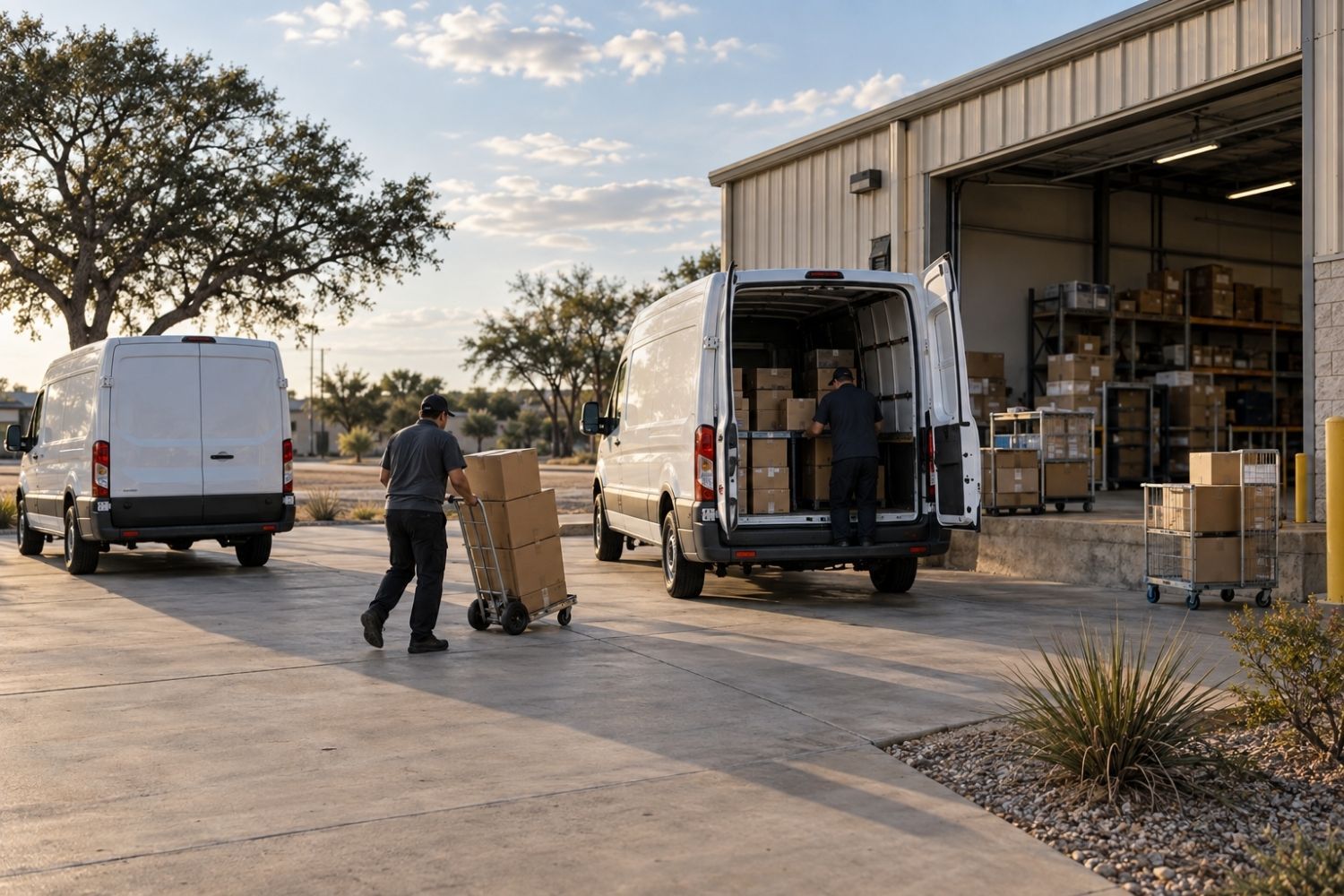
Despite the name, inland marine insurance has nothing to do with boats. It covers movable property, including the tools, equipment, and materials that contractors transport between job sites. Standard commercial property policies typically only cover items at your listed business location, leaving expensive equipment vulnerable once it leaves your shop.
Protection for Movable Assets in Transit
A well-equipped contractor might carry $50,000 to $200,000 worth of tools and equipment in their trucks and trailers. Theft from vehicles remains common across Texas, particularly in urban areas like Houston, San Antonio, and Dallas. Inland marine policies cover this equipment whether it's in transit, at a job site, or temporarily stored at a client's property.
Premiums generally run 1% to 3% of the total value covered. For $100,000 in equipment, expect annual costs between $1,000 and $3,000 depending on your claims history and security measures.
Coverage for Rented or Borrowed Equipment
Rental agreements often include damage waivers, but these waivers rarely provide adequate protection. If you rent a skid steer and it gets stolen from your job site, the rental company's waiver might not cover theft. Your inland marine policy can fill this gap, protecting both owned and rented equipment under a single policy.
When obtaining quotes, provide a detailed equipment list with replacement values. Denton Business Insurance works with multiple carriers to find inland marine coverage that matches your actual equipment inventory rather than generic estimates.
Builder's Risk Insurance for Ongoing Projects
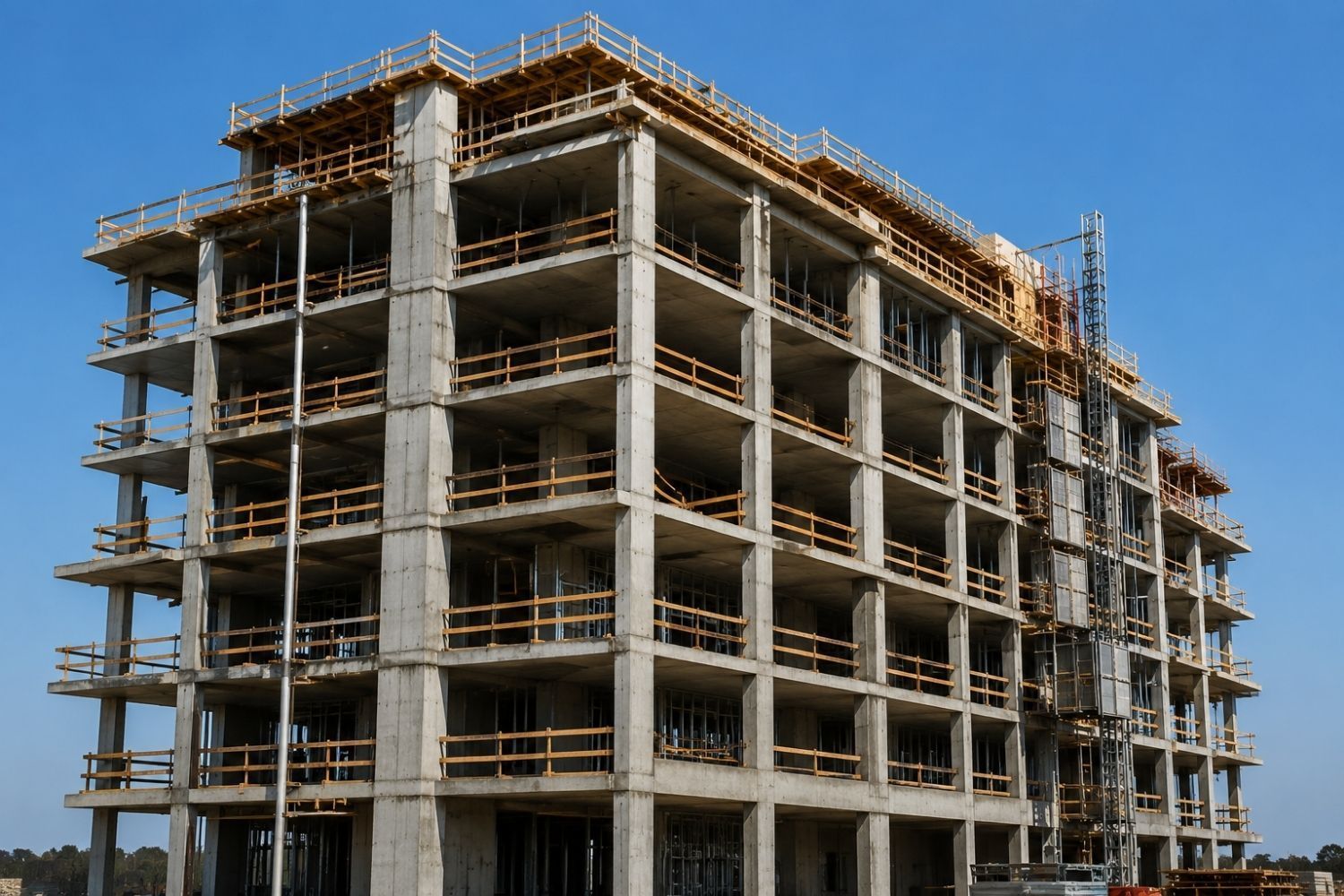
Builder's risk insurance protects structures under construction from damage before completion. General liability covers injuries and third-party property damage, but it won't pay to rebuild your project after a storm, fire, or theft destroys the work in progress.
Mitigating Weather-Related Risks in Texas
Texas weather creates unique construction risks. Hurricane season threatens Gulf Coast projects from June through November. Severe thunderstorms with hail can strike anywhere in the state with little warning. Winter Storm Uri in 2021 reminded everyone that even freezing temperatures can devastate active construction sites.
Builder's risk policies typically cover the structure, materials on site, and materials in transit. Coverage amounts should reflect the completed project value, not just current construction costs. For coastal projects, you may need separate windstorm coverage through the Texas Windstorm Insurance Association since many standard policies exclude wind damage in designated coastal areas.
Theft and Vandalism Protection at Job Sites
Construction sites attract thieves. Copper wire, HVAC equipment, and power tools disappear regularly from unsecured locations. Vandalism also creates costly delays when projects sit idle over weekends or holidays.
Builder's risk policies cover theft and vandalism, but deductibles and coverage limits vary significantly between carriers. Review policy terms carefully, particularly for high-value materials like copper, which some policies limit or exclude. Installing security cameras and fencing can reduce premiums while protecting your investment.
Securing Your Business Future with Proper Coverage
Running a contracting business in Texas without these five policies is gambling with your livelihood. General liability, workers' compensation, commercial auto, inland marine, and builder's risk coverage work together to create a safety net that catches the claims and disasters that inevitably occur in construction.
The contractors who thrive long-term treat insurance as a business investment rather than an expense to minimize. They carry adequate limits, review policies annually, and work with knowledgeable agents who understand construction risks.
Getting proper coverage doesn't require overpaying. Independent agencies compare quotes from multiple A-rated carriers to find competitive premiums for your specific situation. Denton Business Insurance specializes in helping Texas contractors build coverage programs that protect their businesses without wasting money on unnecessary policies or inadequate limits.
Before your next project, take an hour to review your current coverage. Identify gaps, update equipment values, and confirm your limits meet contract requirements. That small investment of time protects everything you've built.
Frequently Asked Questions
Does Texas require contractors to carry general liability insurance? Texas doesn't mandate general liability for contractors at the state level, but most commercial clients, general contractors, and municipalities require proof of coverage before allowing you on their projects.
How much does workers' compensation cost for Texas contractors? Premiums depend on your trade classification and payroll. General contractors typically pay $3 to $8 per $100 of payroll, while higher-risk trades like roofing may pay $15 to $25 per $100.
Can I use my personal auto insurance for business driving? Personal auto policies exclude business use. Accidents during work activities create uninsured claims against your business unless you carry commercial auto coverage.
What's the difference between inland marine and builder's risk insurance? Inland marine covers your tools and equipment wherever they travel. Builder's risk covers the structure you're building and materials at the job site.
Do I need separate windstorm coverage for coastal Texas projects? Many standard builder's risk policies exclude wind damage in designated coastal counties. You may need coverage through TWIA or a specialized carrier for Gulf Coast projects.
| Coverage Type | What It Protects | Typical Texas Premium Range |
|---|---|---|
| General Liability | Third-party injuries and property damage | $400 - $1,500/year |
| Workers' Compensation | Employee workplace injuries | $3 - $25 per $100 payroll |
| Commercial Auto | Business vehicle accidents | $1,200 - $3,500/year |
| Inland Marine | Tools and equipment in transit | 1% - 3% of equipment value |
| Builder's Risk | Structures under construction | 1% - 4% of project value |
ABOUT THE AUTHOR:
DAVID CALL
I'm the founder of Denton Business Insurance, a local independent agency serving commercial clients across Denton and the state of Texas. With a hands-on approach to commercial risk, I help business owners — from contractors and restaurateurs to property managers and manufacturers — find the right coverage without the guesswork of working with a single-carrier agent.