Arlington, Texas General Liability Insurance

See How We're Different
Call Us: (940) 268-5112
A customer trips over a loose floor mat in your Arlington storefront, breaks her wrist, and hires a personal injury attorney before she even leaves the parking lot. Your out-of-pocket legal defense alone could run $15,000 to $50,000, and that's before any settlement. This is the kind of scenario that plays out every week across Tarrant County, and it's exactly why
general liability insurance isn't optional for most Arlington businesses, even when Texas law doesn't technically mandate it. The reality is that one uninsured claim can gut a small company's finances in a matter of months. Arlington sits at the intersection of massive population growth, heavy construction activity, and a booming entertainment district that draws millions of visitors annually. That combination creates a risk profile that's hard to ignore. Whether you're running a plumbing crew out of South Arlington or managing a restaurant near AT&T Stadium, your exposure to third-party claims is real and constant. This guide breaks down what general liability coverage actually protects, what it costs in this market, and how to make smart decisions about your policy without overpaying.
Understanding General Liability Insurance for Arlington Businesses
PGeneral liability insurance is the foundation of commercial coverage for nearly every business type. It protects you financially when a third party, someone who isn't your employee, suffers bodily injury, property damage, or certain types of financial harm because of your business operations. Think of it as the policy that stands between your company's bank account and someone else's attorney.
Core Coverage Components for Local Companies
A standard general liability policy covers three main categories. Bodily injury pays for medical bills, lost wages, and legal defense when someone is hurt on your premises or by your operations. Property damage covers repair or replacement costs when your business damages someone else's property, like a painter who accidentally splatters a client's hardwood floors. The third piece is personal and advertising injury, which handles claims like defamation, copyright infringement in your marketing, or false arrest if you have a security team.
Most policies are structured with a per-occurrence limit and an aggregate limit. A common setup is $1 million per occurrence and $2 million aggregate, meaning the insurer will pay up to $1 million for any single claim and $2 million total during the policy period. For many Arlington small businesses, this is the starting point, though some industries need higher limits.
Why Arlington Business Owners Need Protection
Arlington's economy is diverse, with everything from auto repair shops and medical offices to event venues and tech startups. That diversity means risk shows up in different forms depending on your industry. A fitness studio faces slip-and-fall exposure daily. A consulting firm might get hit with an advertising injury claim.
The bigger issue is contractual. Many
commercial landlords in the Arlington and greater Tarrant County area require tenants to carry general liability coverage before signing a lease. The same goes for subcontractors bidding on projects: general contractors almost always require proof of insurance. Without a policy, you're locked out of opportunities before you even get started.

By: Linda Dodson
Agency Director at
Denton Business Insurance
Common Risk Factors in the Arlington Market
Arlington isn't just another mid-size Texas city. It's home to two major sports stadiums, a Six Flags theme park, and a rapidly expanding commercial corridor. That means foot traffic, construction projects, and service-based businesses are everywhere, and so are the risks that come with them.
High-Traffic Areas and Premises Liability
If your business operates anywhere near the entertainment district, the University of Texas at Arlington campus, or the I-20/Highway 360 corridor, you're dealing with high pedestrian and vehicle traffic. Premises liability claims, where someone is injured on or near your property, are the most common type of general liability claim nationwide. In a city where millions of visitors pass through annually, that exposure multiplies.
Even businesses outside the high-traffic zones aren't safe. A client visiting your office, a delivery driver stepping on your property, or a neighbor affected by your operations can all trigger a claim. Texas follows a modified comparative fault rule, which means even if the injured party shares some blame, your business can still be held partially liable.
Industry-Specific Risks: Construction, Retail, and Hospitality
Arlington's construction sector is booming, with residential and commercial projects spreading across the city. Construction businesses face some of the highest liability premiums because the risk of bodily injury and property damage on job sites is significant. Annual general liability premiums for low-risk Arlington businesses typically range from $400 to $1,500, while high-risk sectors like construction can see premiums climb well above that range.
Retail businesses deal with customer injuries, product liability, and property damage claims. Hospitality venues, especially those near the stadium district, face alcohol-related liability, food contamination claims, and crowd management issues. Each of these industries benefits from endorsements tailored to their specific exposures, something a one-size-fits-all online quote often misses.
Determining Coverage Limits and Policy Costs
Getting the right amount of coverage matters more than getting the cheapest policy. Underinsuring your business saves money right up until you file a claim, and then it costs you everything.
Factors Influencing Premiums in Tarrant County
Your premium is based on several variables: your industry classification code, annual revenue, number of employees, claims history, and the specific location of your operations. A home-based consulting firm in East Arlington will pay a fraction of what a roofing company operating across Tarrant County pays.
Your claims history carries serious weight. Even one prior claim can bump your premium by 10% to 25% at renewal. The physical condition of your premises matters too. Businesses in older buildings without updated electrical or plumbing systems may face higher rates or additional requirements from underwriters.
| Factor | Lower Premium | Higher Premium |
|---|---|---|
| Industry | Office-based, consulting | Construction, manufacturing |
| Revenue | Under $250K/year | Over $1M/year |
| Claims History | Clean record | 1+ prior claims |
| Location | Low-traffic area | High-traffic commercial zone |
| Employee Count | 1-5 employees | 20+ employees |
Standard vs. Specialized Liability Limits
The standard $1M/$2M policy works for many small businesses, but it's not always enough. If you're a subcontractor working on commercial projects, the general contractor may require $2M per occurrence. Businesses that host events or serve alcohol often need higher aggregate limits as well.
One detail that trips up a lot of business owners: whether legal defense costs are inside or outside the policy limits. If defense costs are "inside" the limits, every dollar your insurer spends on attorneys reduces the amount available for a settlement. An agency like Denton Business Insurance can help you compare policies on this specific point, because it's a nuance that rarely shows up in online quote comparisons.
Texas State Requirements and Local Compliance
Texas has a reputation for being business-friendly, and that extends to its insurance regulations. But "friendly" doesn't mean "no rules."
Legal Obligations for Small Business Owners
Texas does not require most private businesses to carry general liability insurance by law. However, Texas is the only state where workers' compensation insurance is optional for private employers, which means many business owners skip it and rely solely on general liability to cover some of their risk. That's a dangerous gap. General liability does not cover employee injuries, and operating as a non-subscriber to workers' comp exposes you to direct lawsuits from injured employees without the legal protections that subscribers receive.
Certain licensed professions, like electricians and HVAC contractors, may need to show proof of liability insurance to maintain their state license. If you hold a City of Arlington business permit, check whether your specific permit category includes insurance requirements.
Contractual Requirements for City Vendors
If you want to do business with the City of Arlington, whether as a vendor, event operator, or contractor, you'll almost certainly need a certificate of insurance showing general liability coverage. The city typically requires a minimum of $1 million per occurrence. The same applies to most commercial landlords and property management companies in the area.
Subcontractors on public or large private projects in Arlington are routinely required to carry both general liability and commercial auto insurance. Missing these requirements doesn't just cost you the contract; it can result in breach-of-contract claims if an incident occurs while you're uninsured.
How to Select the Right Arlington Insurance Provider
Not all insurance providers offer the same value, even when the policy language looks similar on paper. The carrier behind the policy and the agency helping you choose it both matter.
Comparing Local Agencies vs. National Carriers
A direct-to-consumer carrier gives you one option: their policy, their price, take it or leave it. An independent agency shops your coverage across multiple carriers to find the best fit. Denton Business Insurance, for example, compares quotes from carriers like Nationwide, Travelers, Mercury, Germania, and Chubb, all rated A- or better by A.M. Best, which is the standard rating system for insurer financial strength.
Local agencies also tend to handle claims more effectively because they understand the regional legal environment. Tarrant County courts, local contractor networks, and Arlington-specific ordinances all play a role in how claims unfold. An agent who knows the area can advocate for you more effectively than a national call center.
Bundling Options with Business Owner Policies (BOP)
A Business Owner Policy bundles general liability with commercial property insurance, often at a lower combined premium than purchasing each separately. For Arlington businesses that own or lease their space and have equipment, inventory, or furnishings to protect, a BOP is usually the most cost-effective route.
Some BOPs also allow you to add endorsements for
equipment breakdown coverage, which covers mechanical or electrical failures in HVAC systems, refrigeration units, and other critical equipment. Restaurants, salons, and medical offices in Arlington find this endorsement particularly valuable. Peak season inventory endorsements are another add-on worth considering if your revenue fluctuates throughout the year.
Steps to Securing a Policy and Managing Claims
Getting covered doesn't have to be complicated, but skipping steps can cost you later.
Start by gathering your business details: your legal entity type, EIN, annual revenue, employee count, and a description of your operations. If you lease space, have your lease agreement handy because it likely specifies insurance requirements. Request quotes from at least two to three sources, and don't just compare price. Look at deductibles, exclusions, whether defense costs erode your limits, and the carrier's claims satisfaction record.
Once your policy is active, keep your certificate of insurance accessible. You'll need it for lease renewals, contract bids, and permit applications. If a claim occurs, report it to your carrier immediately, even if you think it's minor. Delayed reporting is one of the most common reasons claims get denied or reduced.
Review your policy annually. Your revenue changes, your operations shift, and your risk profile evolves. A quick annual review with your agent ensures your coverage keeps pace with your business.
Frequently Asked Questions
Does my home-based business in Arlington need general liability insurance? Yes, in most cases. Your homeowner's policy almost never covers business-related claims. Even a client visiting your home office creates premises liability exposure.
How quickly can I get a general liability policy? Most policies can be bound within 24 to 48 hours. If you need a certificate of insurance for a contract deadline, many agencies can issue same-day certificates once the policy is active.
What's the difference between general liability and professional liability? General liability covers bodily injury, property damage, and advertising injury. Professional liability, also called errors and omissions, covers financial losses caused by your professional advice or services. Most businesses need both.
Can I get general liability insurance in Arlington with a prior claim on my record? Yes, though your options may be more limited and your premium will likely be higher. An independent agency can shop carriers that specialize in businesses with claims history.
Is general liability the same as workers' comp?
No. General liability covers third-party claims. Workers' compensation covers employee injuries. Texas doesn't require workers' comp for private employers, but going without it carries significant legal risk.
Making the Right Choice for Your Arlington Business
GProtecting your business with the right liability coverage isn't about checking a box. It's about making sure a single bad day doesn't undo years of hard work. Arlington's growth, foot traffic, and diverse business community create real exposure, and the cost of being uninsured or underinsured far exceeds the cost of a solid policy. Get quotes from an independent agency that can compare multiple carriers, review the fine print on defense costs and exclusions, and revisit your coverage every year. If you're not sure where to start, Denton Business Insurance works with Arlington business owners across every industry and can walk you through your options without the sales pressure. Reach out for a free quote and get your coverage right the first time.
Straight from the Clients We Serve
Texas Business Owners Rate Us 5 Stars — Here Is Why
We hear the same things repeatedly: fast service, honest advice, and coverage that made sense for their situation. That is what we aim for every time.
Protection Across Every Area of Your BUSINESS
What Texas Businesses Need. What We Deliver.
From your job site and your fleet to your data and your payroll — we cover the risks that Texas businesses carry every day.
General Liability
Covers third-party claims of bodily injury, property damage, and advertising injury. A foundational protection for nearly every Texas business, regardless of industry or size.
Commercial Property
Covers your building, equipment, inventory, and business contents against fire, theft, storms, and vandalism. Can also include lost income if your businesses are forced to stop.
Commercial Auto
Protects vehicles your company owns, leases, or uses for work. Covers liability, collision damage, and injuries for employees driving on company time.
Errors & Omissions
Protects service providers when a client claims your advice, work, or recommendations caused them a financial loss. Critical for consultants, IT firms, agents, and other professional service businesses.
Directors & Officers
Covers leadership decisions that result in claims from employees, investors, or outside parties. Protects your directors and officers personally when management decisions are challenged.
Inland Marine & Equipment Floater
Covers tools, materials, and equipment that move between job sites or are stored off your primary property. Fills the gap where a standard commercial property policy stops.
Every Sector Has Its Own Risk Profile
We Know Your Trade. We Know Your Exposure.
We work with a wide range of Texas industries — each with different coverage priorities. Below are the sectors we serve most often.

Apartment Complexes
Texas apartment owners face liability across common areas, tenant incidents, and on-site staff. We cover your property, your income, and your exposure — across one complex or an entire portfolio.
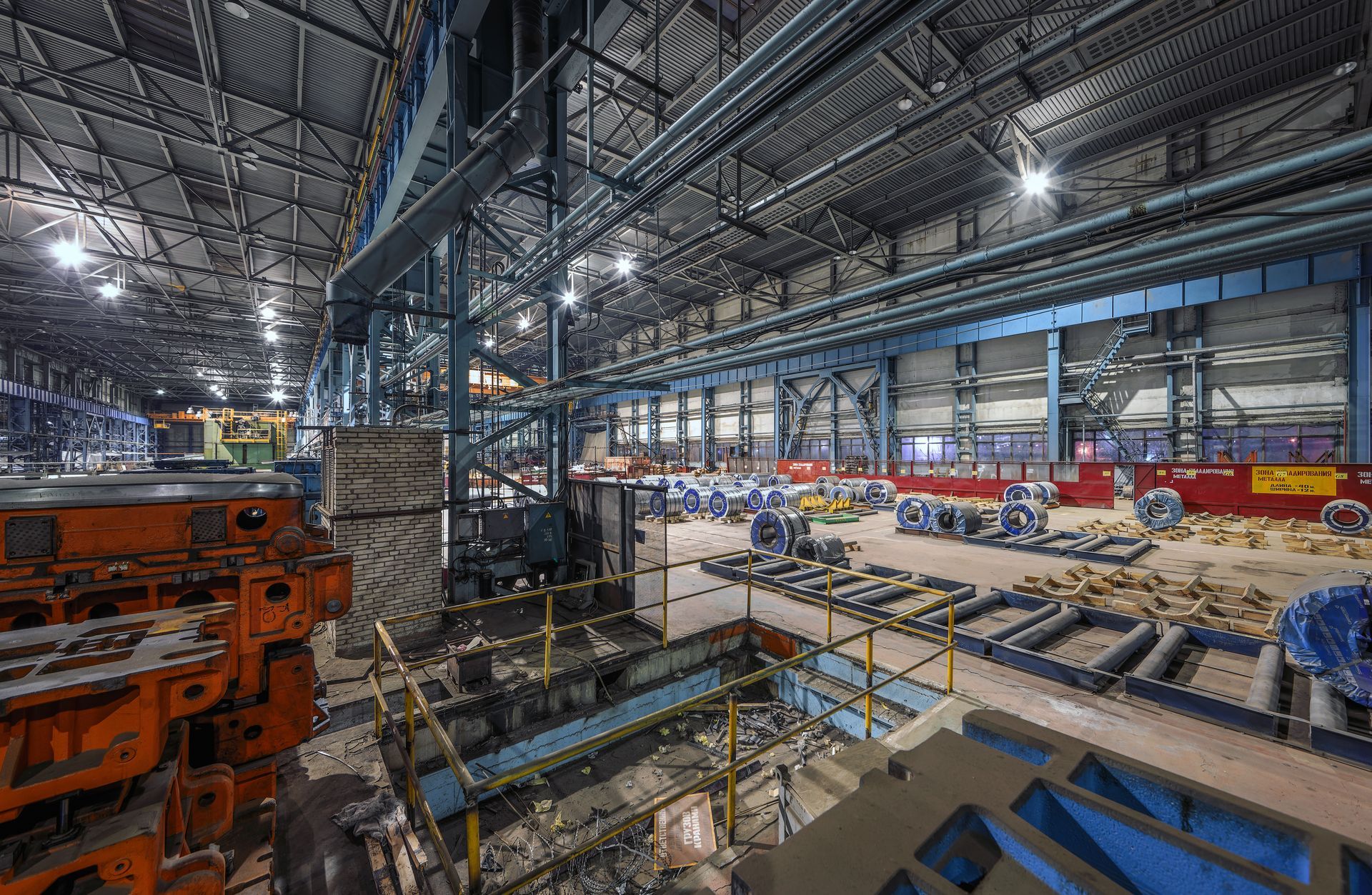
Manufacturing Businesses
Equipment breakdowns, product liability, and workforce injuries are daily risks for Texas manufacturers. We build coverage from the shop floor to the loading dock — so one incident does not shut you down.
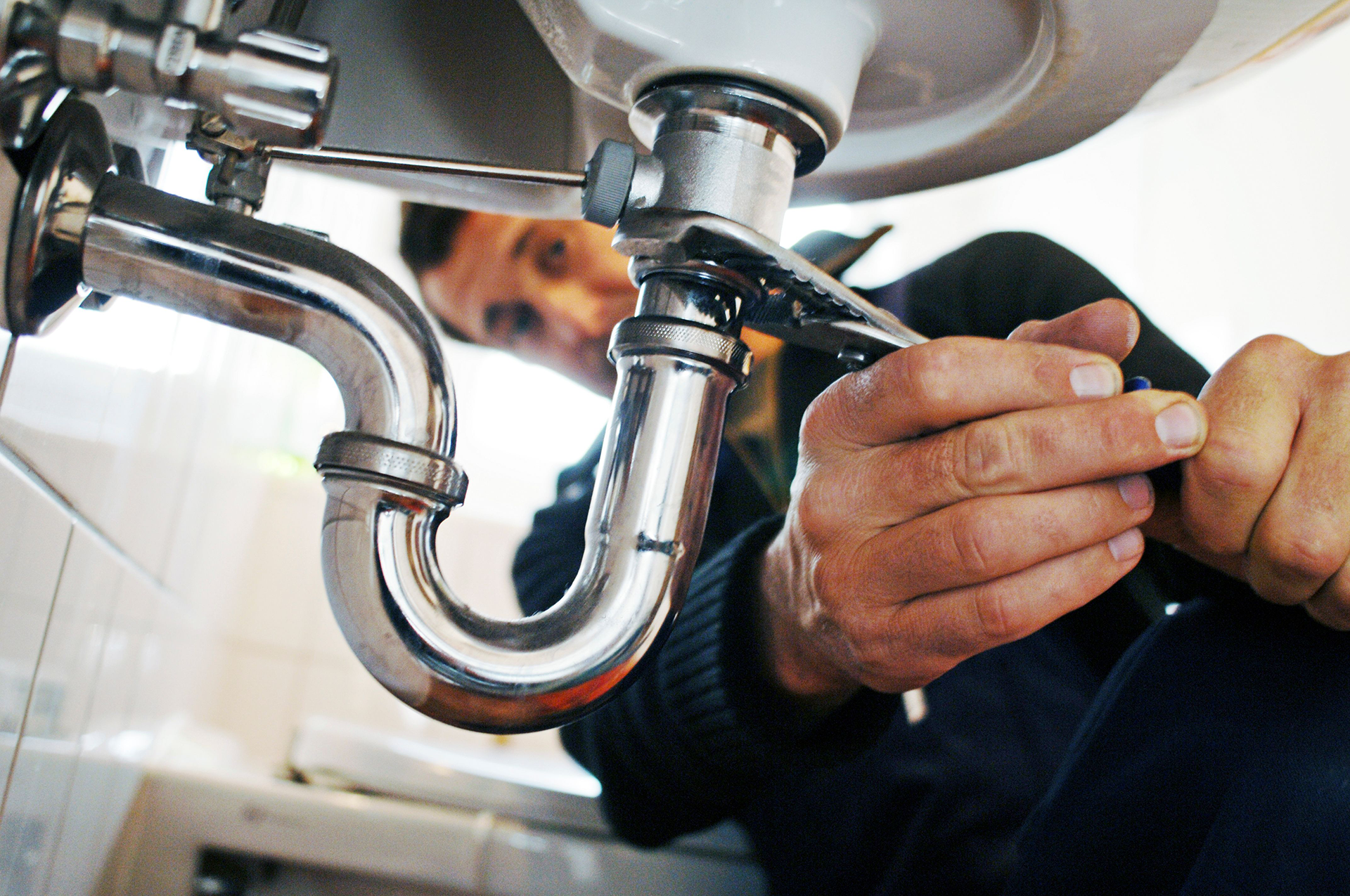
Artisan Contractors
Plumbers, electricians, and skilled tradespeople work in high-risk environments every day. We build coverage around your tools, your vehicles, and your crew — so a job site incident does not stop your business.
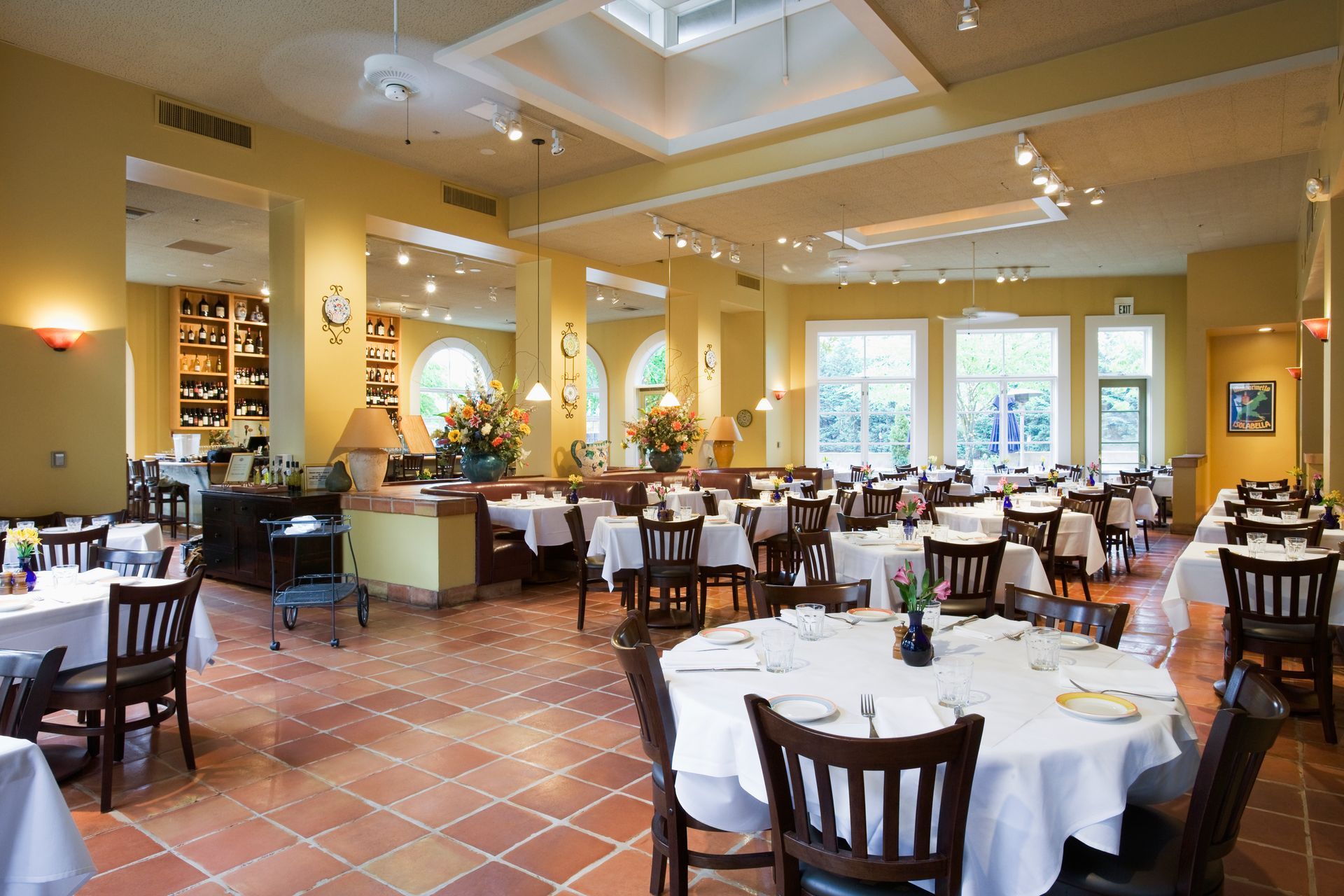
Restaurants & Food Service
Restaurants carry liability on every shift — from the kitchen to the dining room and everything in between. We protect your location, your staff, and your equipment, including lost income when operations stop.

Non-Profits Service
Non-profits face unique liability across events, volunteers, staff, and leadership decisions. We cover your organization from the ground up — so you can focus on your mission, not your exposure.

Event Insurance
Event organizers face liability the moment guests arrive, vendors set up, and alcohol is served. We cover your event from start to finish — so one unexpected incident does not cancel everything you planned for.
Answers Before You Pick Up the Phone
What Texas Businesses Ask Us Most
We get a lot of the same questions from business owners across Texas. Here are honest answers to the ones that come up most.
What information do you need to get a commercial insurance quote?
We keep the process straightforward. We typically need your business name, a description of your operations, your gross annual sales projection, number of full-time and part-time employees, your gross annual payroll, and the types of coverage you are looking for. If you have an existing policy, the expiration date and current carrier help us put together a competitive comparison.
The most important thing you can do is be transparent about what your business actually does. Accurate classification ensures you have real coverage if a claim occurs. We have seen businesses with active policies that were incorrectly classified — and those gaps only surface at the worst possible moment.
Does Texas require businesses to carry Workers' Compensation Insurance?
Texas is the only state in the country that does not require most private employers to carry Workers' Compensation. However, if your business holds government contracts or works as a subcontractor on a job site, the hiring company will almost always require proof of coverage before work begins. A growing number of general contractors across Denton and the DFW area enforce this as a standard condition.
Even without a legal requirement, carrying Workers' Comp protects your business from direct liability if an employee is hurt on the job. Medical bills, lost wages, and legal fees can add up quickly — and one serious incident can create a financial loss that far exceeds years of premium payments.
What is a commercial insurance audit and should I expect one?
Most commercial general liability policies are auditable. At the end of your policy term, the insurance carrier reviews your actual gross sales to make sure your premium matched your real exposure. If your sales grew during the year, you may owe an additional premium. If sales came in lower, you could receive a refund.
The best way to avoid a large balance due at audit time is to update your projected gross sales with us during the year if your business grows faster than expected. We can endorse your policy mid-term to reflect the change and spread any additional premium across smaller installments instead of one lump sum at year-end.
What factors affect how much my commercial coverage will cost?
Your premium is calculated based on several variables specific to your operation — industry classification, gross annual sales, number of employees, gross payroll, claims history, and the types of coverage you need. A business that handles physical work with a crew on job sites will pay differently than a professional services firm working out of an office.
As an independent agency, we compare quotes across multiple carriers — including Travelers, The Hartford, Chubb, AmTrust, and others — to find the combination of coverage and price that works for your situation. There is no obligation after your quote, and we walk through every option in plain terms before you decide anything.
My business is a restaurant — what coverage do I actually need?
Restaurants are not a one-size-fits-all class of risk. Carriers look at a range of factors when evaluating a restaurant account: whether you serve alcohol, whether deep frying is involved, the type of fire suppression system in place, whether you have a hood cleaning contract, and whether you offer catering, delivery, or live entertainment. All of these affect both pricing and carrier appetite.
A well-structured restaurant policy typically includes general liability, building and business personal property coverage, liquor liability if applicable, food contamination coverage, business income protection, and workers' compensation for your staff. We work with carriers that actively want to write restaurant accounts in Texas — including Travelers, The Hartford, and Chubb — so you have real options to compare.
Can you help insure a business that is hard to place or outside the mainstream?
Yes — this is one of our strengths. We work with Excess and Surplus (E&S) lines markets through carriers like Burns & Wilcox for businesses that standard carriers will not write. We have placed coverage for master sign electricians, cable splicing operations, transmission rebuild shops for classic cars, CBD retailers, and many other non-standard accounts.
If you have been told your business is difficult to insure or you have received very limited options in the marketplace, reach out to us. We take time to understand your operations in detail, present your account to the right markets, and work to find coverage that actually reflects what you do — not a generic policy that leaves gaps.
Still have Question?
We’re here to help you!
Written for the Texas Business Owner
Insights That Help You Make Smarter Decisions
We publish articles on real topics that affect how Texas operators get covered — from local regulatory updates to coverage gaps most owners do not know they have.